






December in Japan is a time filled with unique end-of-year traditions, and one of the most important is the big annual cleaning.
This custom is deeply connected to a traditional event called Susuharai, or “soot sweeping.”
It is much more than simple cleaning—it is a cultural ritual that prepares homes, temples, and even workplaces for the New Year.
In this article, we’ll explore what Susuharai is, why Japanese people clean so thoroughly in December, and why this tradition is so fascinating for visitors from overseas.
- December 13: The Day of Susuharai
- Why Do People in Japan Clean in December?
- Different Names for Susuharai Across Japan
- The History of Susuharai
- When Should Year-End Cleaning Be Finished?
- Traditional Order of Cleaning at Home
- Cleaning as a Way to Improve Good Fortune
- Year-End Cleaning in Japanese Companies
- Conclusion: Susuharai as a Symbol of Japanese Year-End Culture
December 13: The Day of Susuharai
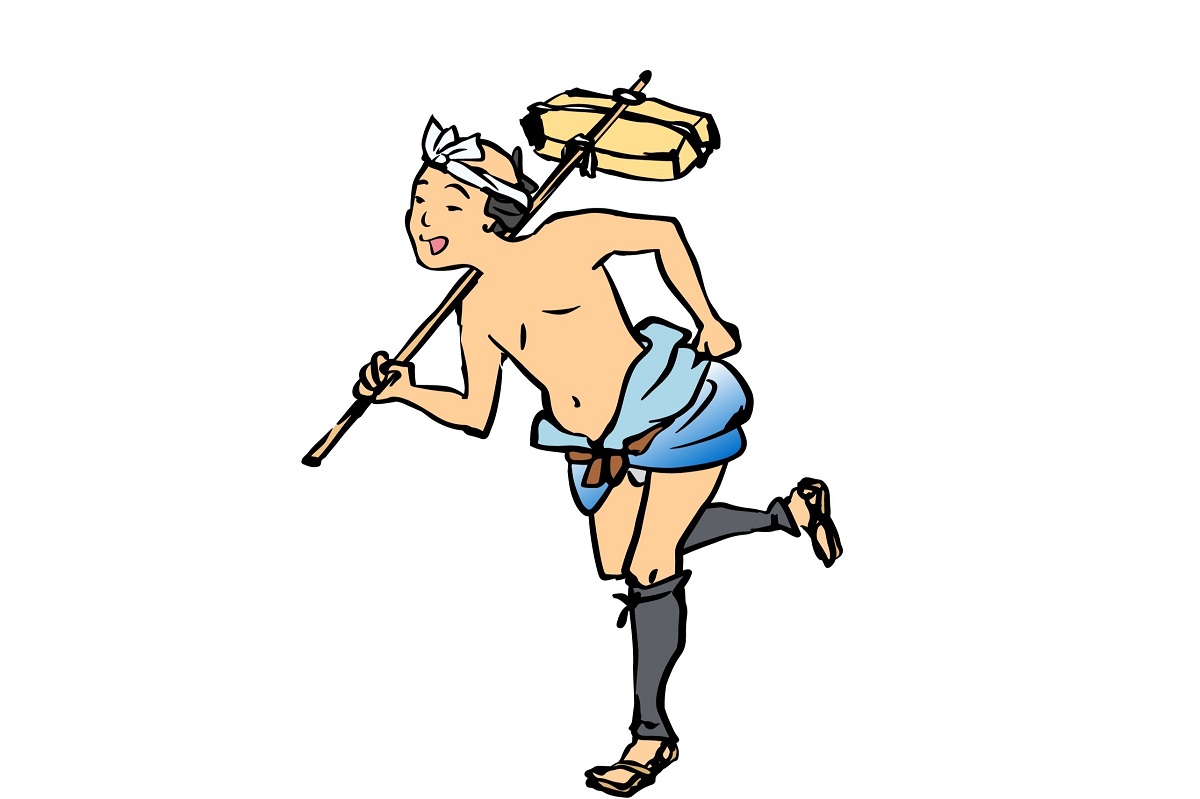
December 13 is traditionally known as the day of Susuharai in Japan.
Susuharai refers to the practice of removing a year’s worth of dust, soot, and impurities that have accumulated over time. In the past, this meant cleaning not only private homes but also temples, shrines, and public buildings.
For international readers, Susuharai can be thought of as
Japan’s official “year-reset cleaning day.”

December 13 is often covered in local news across Japan, showing scenes of Susuharai taking place.
Why Do People in Japan Clean in December?
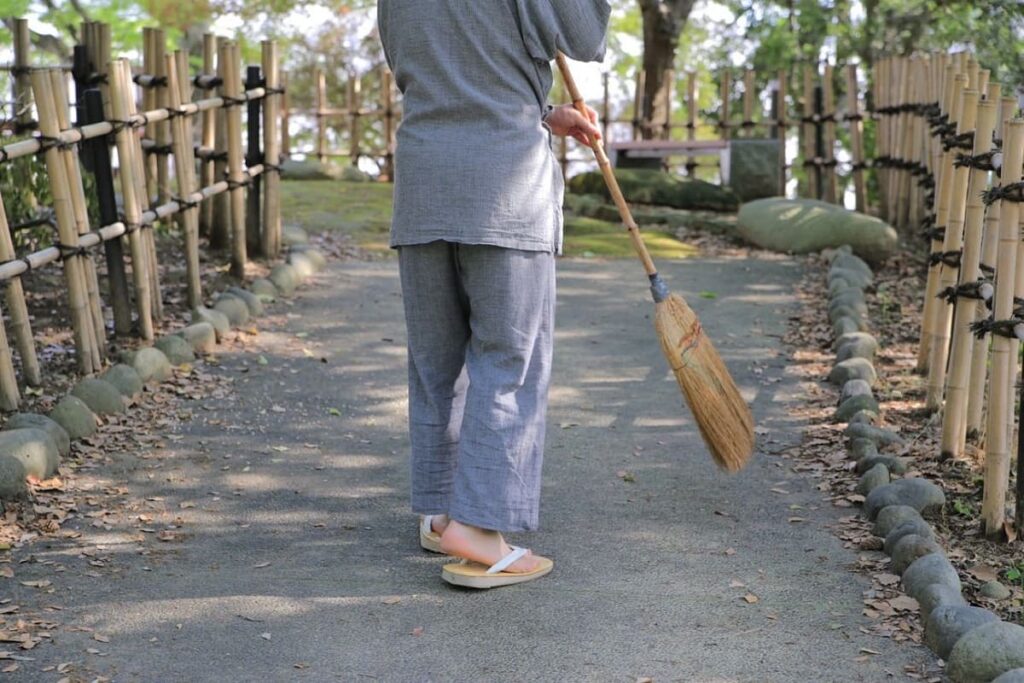
The main reason behind December’s big cleaning is to welcome the Toshigami, the New Year’s deity.
Toshigami is believed to visit each household during the New Year and bring blessings such as:
- Good health
- Prosperity
- A successful year ahead

If you are interested in Toshigami,
check the article below!

According to traditional beliefs, a dirty or cluttered home is not suitable for welcoming a god.
That’s why people clean their homes thoroughly—to create a pure, welcoming space for the New Year.

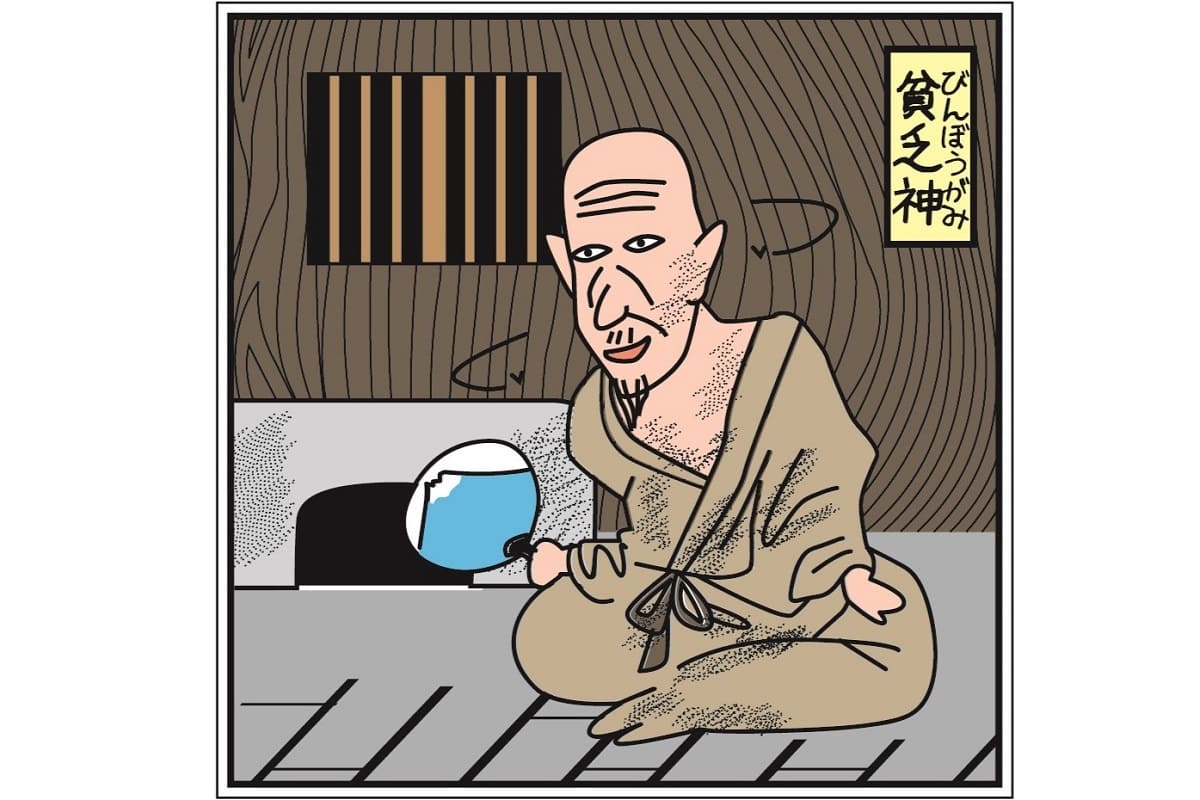
And there’s a scary rumor that if you don’t do a year-end deep clean, the “god of poverty (貧乏神)” might take an interest in your home. They say this god tends to settle in messy, cluttered houses.

I’ve heard that a home holds onto the negative emotions that build up over the year, and the god of poverty is drawn to that kind of energy and comes looking for it.

Either way, it sounds like year-end cleaning is something we absolutely have to do.

Different Names for Susuharai Across Japan
Depending on the region, Susuharai is known by different names, such as:
- Shōgatsu-mukae (preparing to welcome the New Year)
- Koto-hajime (the beginning of New Year preparations)
- Matsunarashi
Although the names vary, they all share the same meaning:
the official start of New Year preparations.
Susuharai is not just physical cleaning—it’s also a way to mentally prepare for a fresh start.
The History of Susuharai
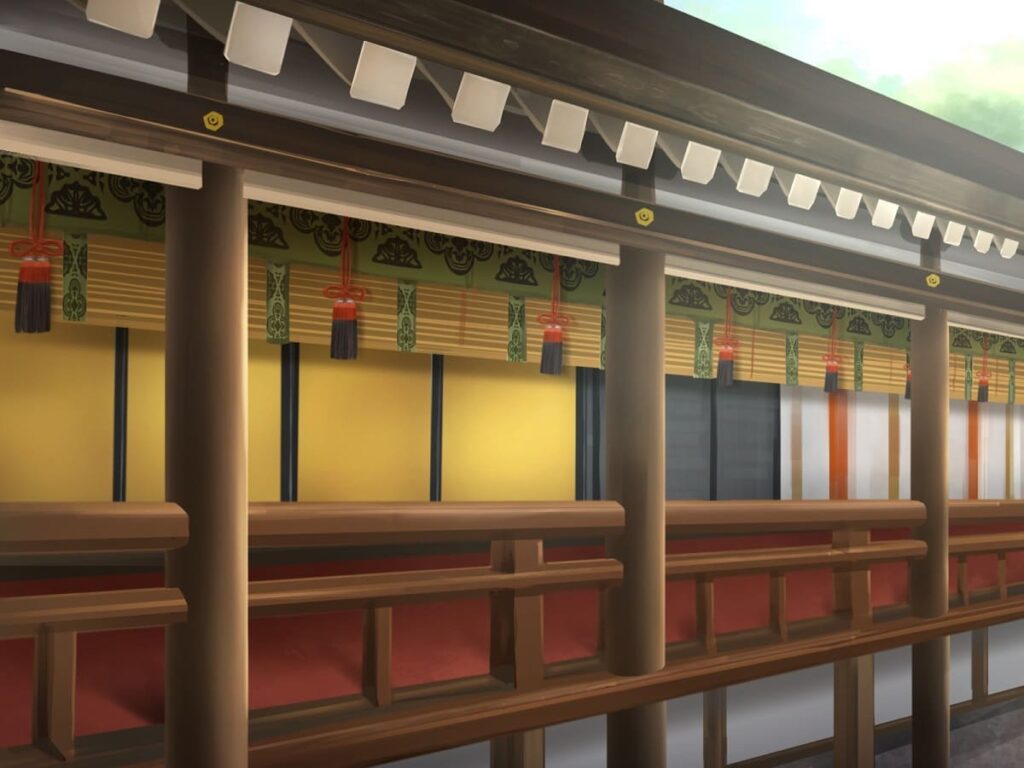
The origins of Susuharai date back to the Heian period, when it began as a ritual in the Imperial Court.

During the Heian period, things like the spread of epidemics were also seen as “impurity,” and cleaning had a strong meaning as a Shinto ritual to purify and drive away that impurity.
Later, during the Edo period, it spread among ordinary people as an event known as “Susuzome” or “Susu-osame”, fixed on December 13.
Families and neighbors would clean together, making it a shared seasonal tradition that symbolized the approaching New Year.
When Should Year-End Cleaning Be Finished?

Traditionally, Susuharai and year-end cleaning:
- Begin on December 13
- Should be completed by December 28
The days after that were considered unlucky for cleaning due to cultural beliefs and wordplay associated with misfortune.
Even today, some households still follow this traditional schedule.

Many households don’t stick to a specific date and treat all of December as “big cleaning month.” By the way, I’m the type who wants to finish cleaning by the winter solstice!
Traditional Order of Cleaning at Home
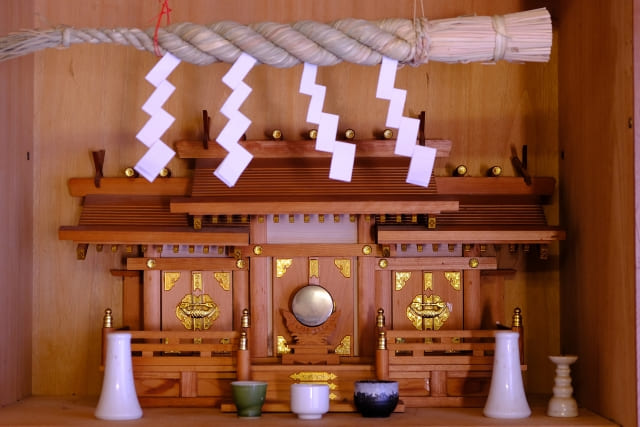
In a traditional household, Susuharai follows a specific order:
- The household shrine (Kamidana)
- The kitchen
- Living spaces and other rooms
Special attention is given to areas often neglected during daily cleaning, such as:
- Windows and window frames
- Corners near windows
- Walls, which are carefully wiped down
This thoroughness is what sets Susuharai apart from regular cleaning.
Cleaning as a Way to Improve Good Fortune
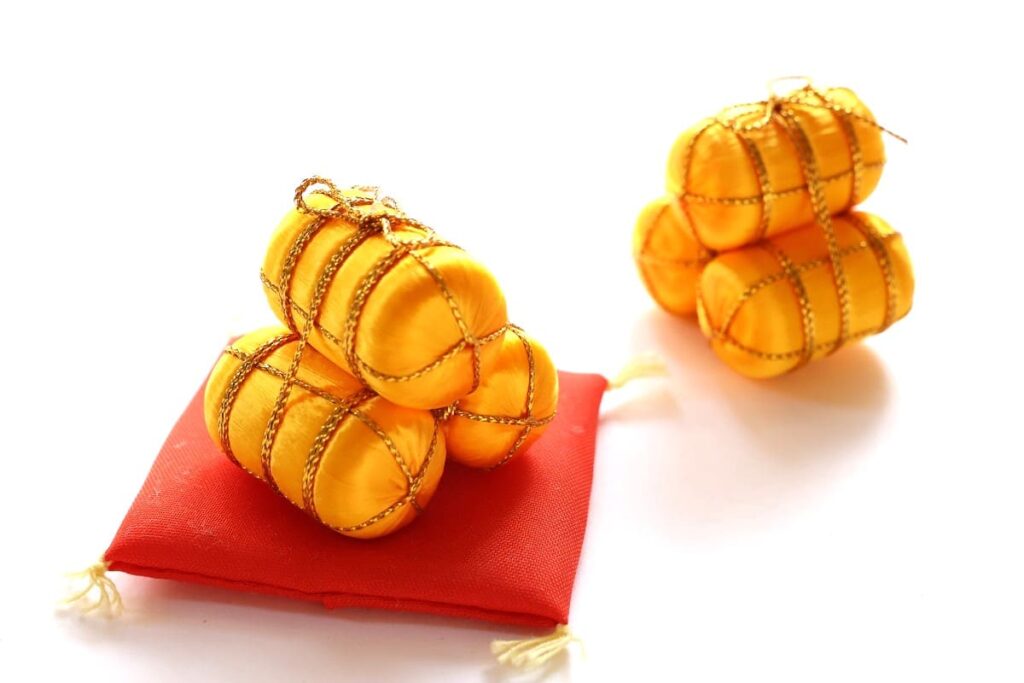
Susuharai is also believed to help improve one’s luck.
By purifying the home, people hope to attract:
- Better financial fortune
- Improved health
- Overall positive energy for the coming year
For many foreigners, this blend of cleaning and spiritual belief is one of the most intriguing aspects of Japanese culture.

Susuharai is a tradition filled with the wish that the coming year will be a wonderful one.
Year-End Cleaning in Japanese Companies

Interestingly, Susuharai is not limited to homes.
Many Japanese companies also hold year-end cleaning days in December, where employees clean:
- Their desks
- Office floors
- Shared spaces
This practice often surprises visitors from abroad, as it reflects Japan’s strong sense of collective responsibility and respect for shared spaces.

At my workplace, several days in December are set aside specifically for cleaning.
Conclusion: Susuharai as a Symbol of Japanese Year-End Culture
Susuharai is:
- A traditional event held on December 13
- A way to welcome the New Year’s deity
- The symbolic beginning of New Year preparations
Japan’s December cleaning culture is not just about tidying up—it is about clearing the past year and preparing both the home and the heart for a fresh start.
If you ever spend December in Japan, experiencing Susuharai—or at least a Japanese-style year-end cleaning—will give you a deeper understanding of the country’s traditions and values.

If you are interested in Japanese culture, you may love these games!
Let’s play!

Yes! Let’s play!
Comments