





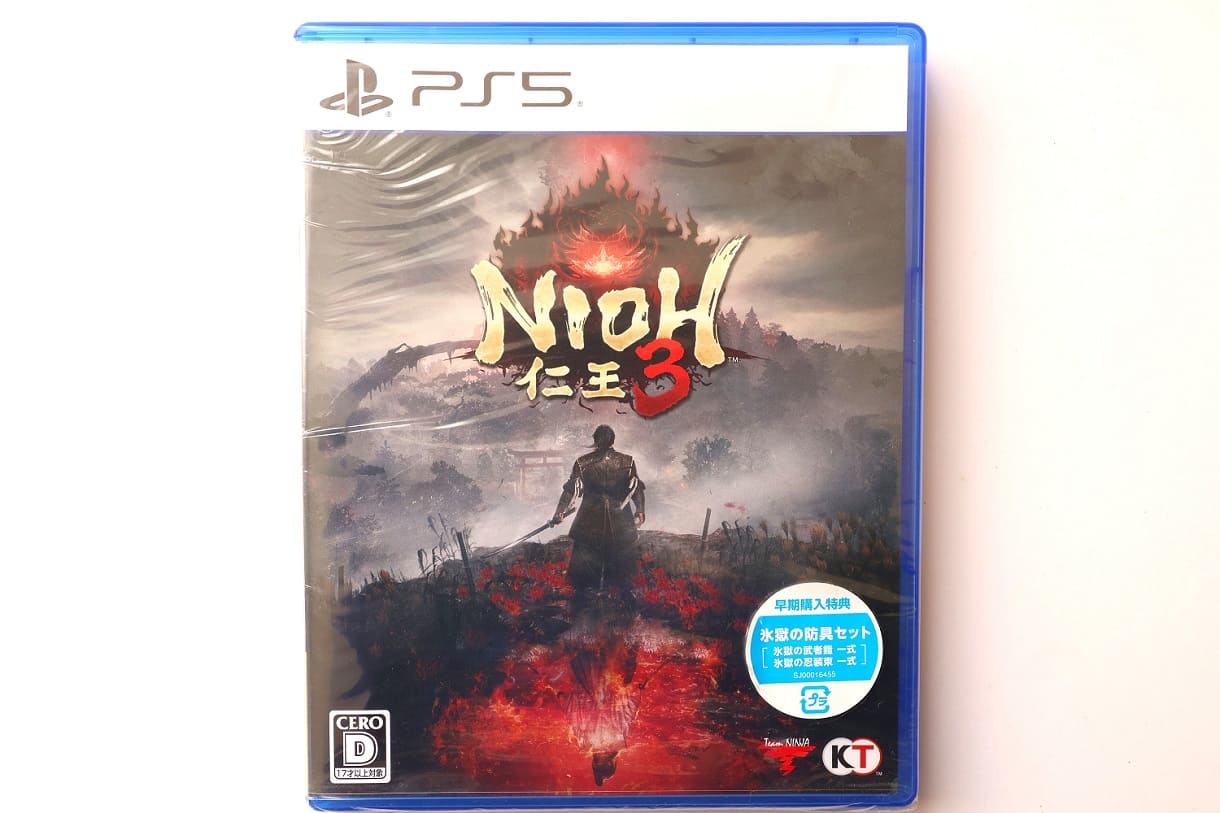
When you play Nioh 3, you’re not just fighting monsters.
You’re stepping into a world shaped by centuries of Japanese folklore, yokai legends, and samurai-era & Ninja beliefs.
For Western players, this is more than a challenging action RPG — it’s an interactive journey into Japan’s supernatural imagination.

Let’s talk about Yokai !

Yes! our favorite topic!
What Are Yokai?
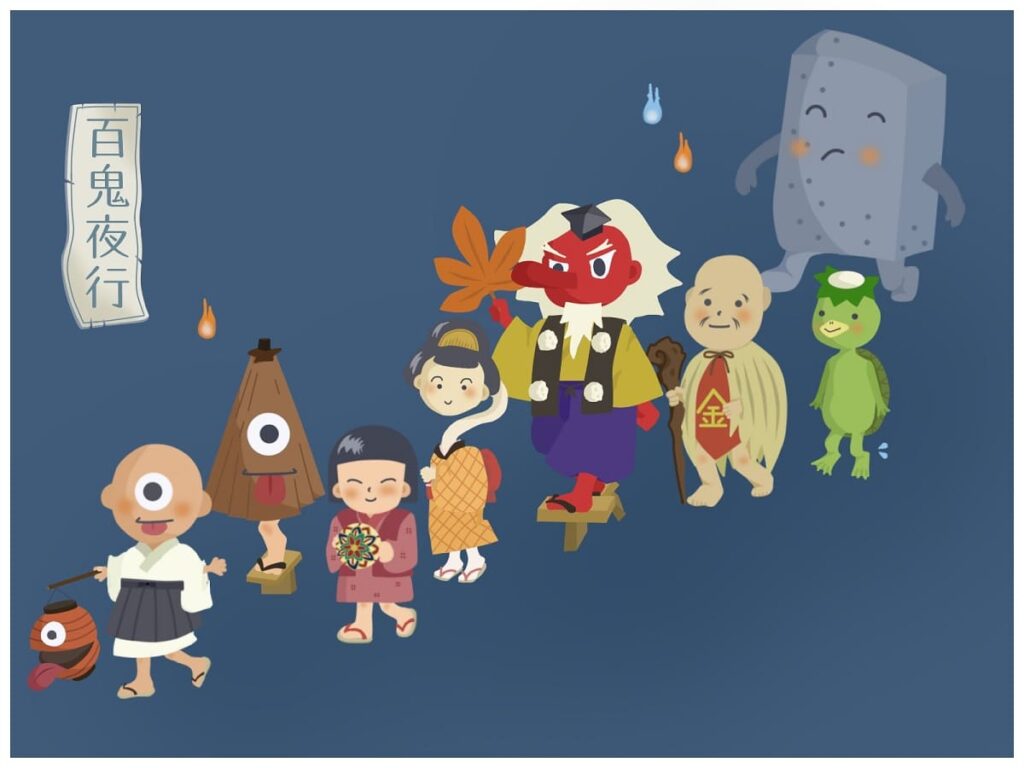
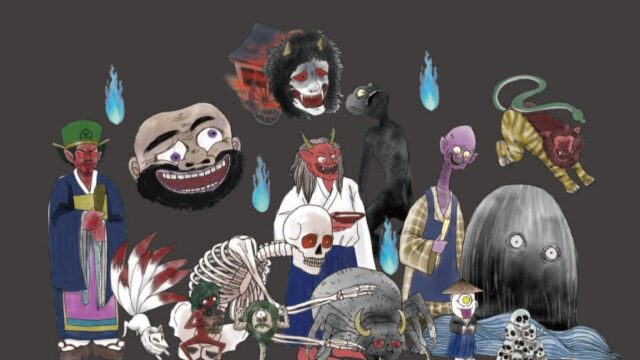
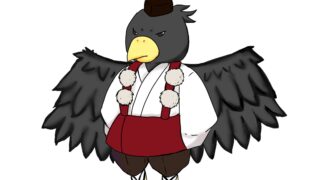
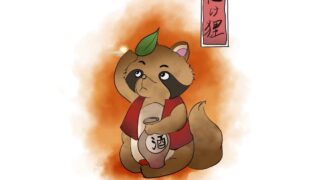
In Japanese folklore, yokai (妖怪) are supernatural beings that range from mischievous spirits to terrifying demons.
Unlike Western monsters, yokai are not always purely evil. Some are:
- Protective spirits
- Tricksters
- Cursed humans
- Manifestations of natural disasters
- Spirits born from human emotions
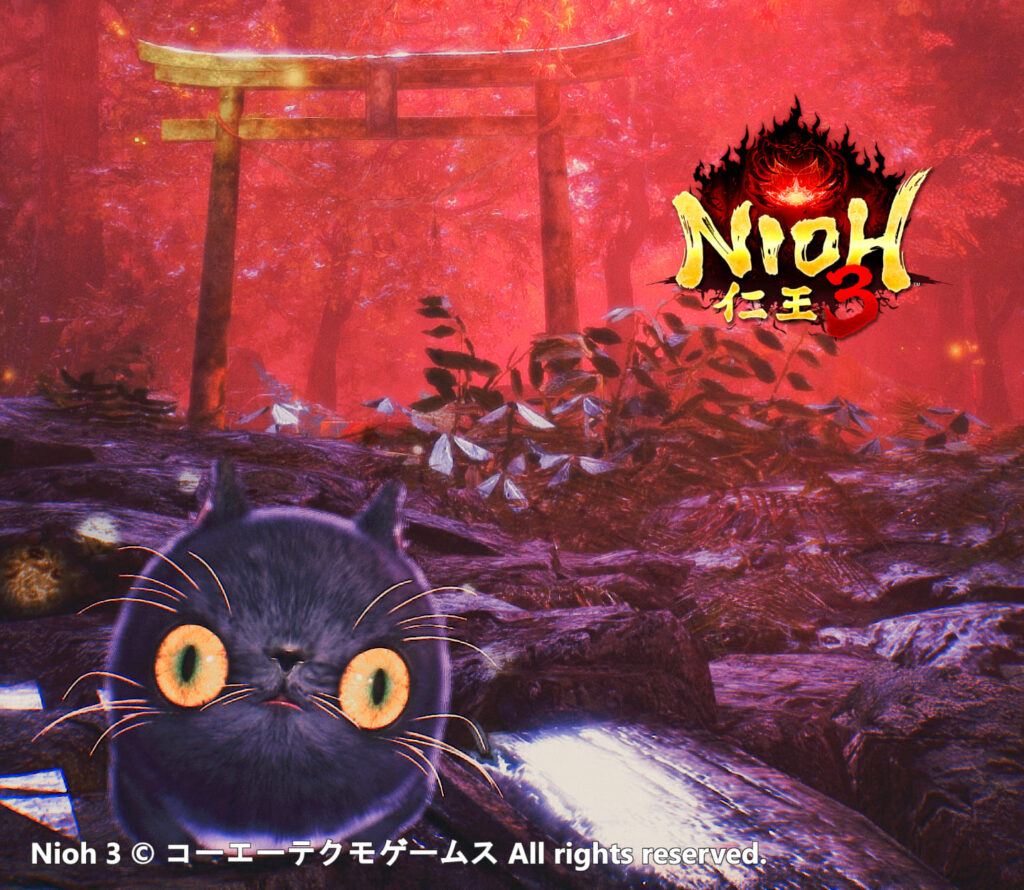

Yokai aren’t just scary monsters, you know. Some are kind-hearted — and some are even cute!
This moral ambiguity is what makes yokai so fascinating — and so perfect for a dark action RPG like Nioh 3.
Expanded Time Periods in Nioh 3 — Beyond Sengoku
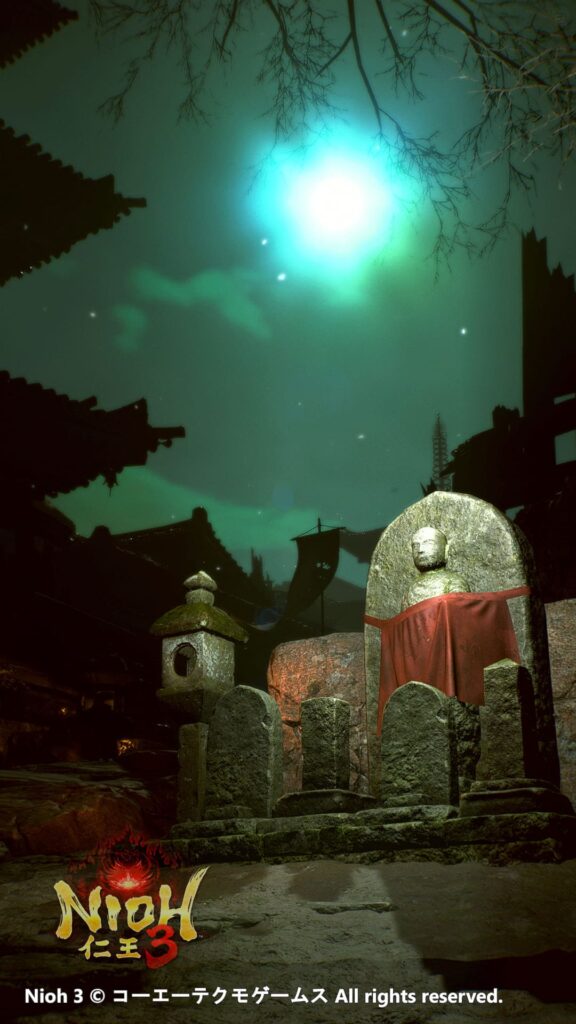
Unlike earlier series entries that focused mostly on the Warring States period, Nioh 3 takes players on an epic journey through multiple eras of Japanese history.
You’ll explore lands haunted by yokai across Edo, Sengoku, Heian, and Bakumatsu (late-Edo) periods. Each era offers its own unique atmosphere, enemies, and legendary figures pulled from real historical and mythic sources.
The Edo period begins with our protagonist in the shadow of Tokugawa rule, where peace is upended by a sudden supernatural invasion.
The Sengoku era, a familiar Nioh setting, presents war-torn fields and powerful yokai-driven foes.
In the Heian period, you may traverse snowy capital cities and encounter court-era spirits and legends.
Finally, the Bakumatsu period offers a final stage where samurai traditions clash with the encroaching modern world, rich with new yokai and dramatic locales.
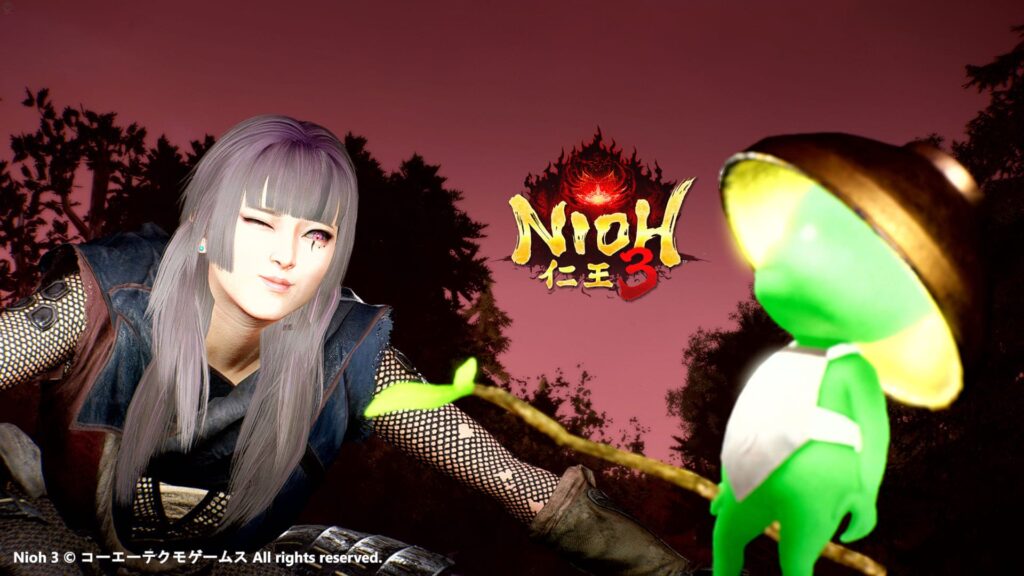

This expansion across time not only broadens the gameplay experience, but also deepens the cultural and mythological tapestry that the game explores — making Nioh 3 a truly historical as well as fantastical journey.
Seamless Samurai & Ninja Combat
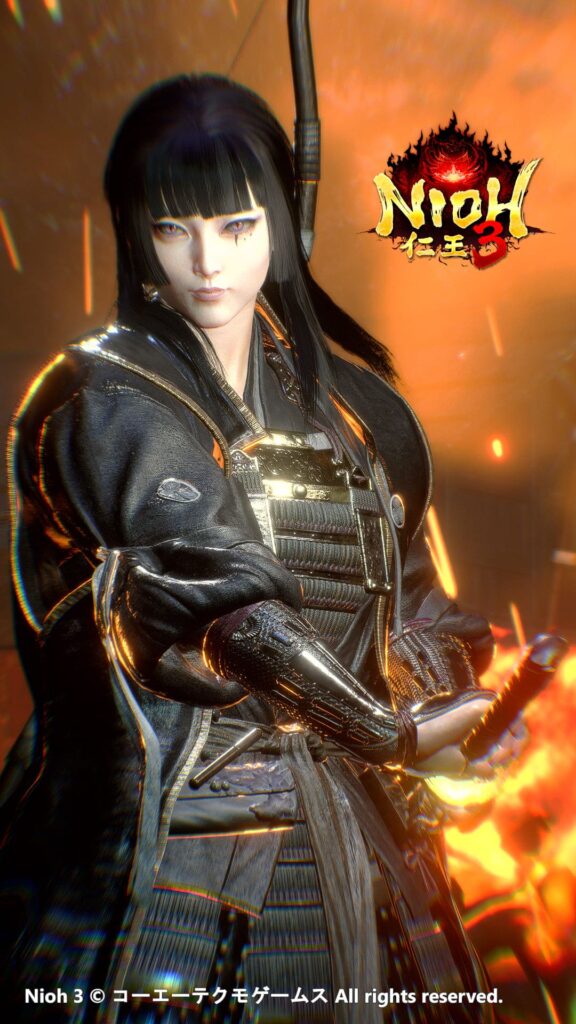
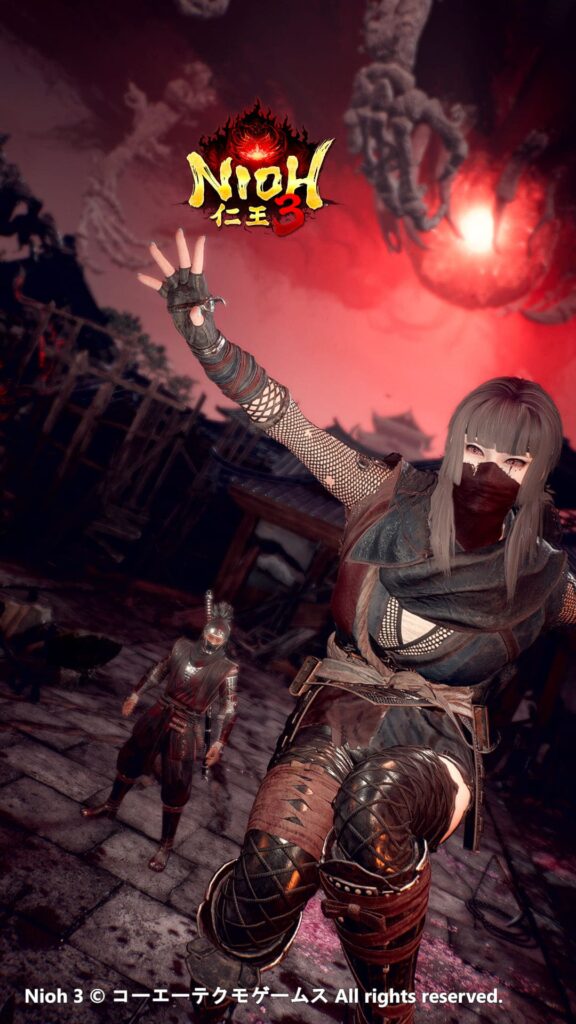
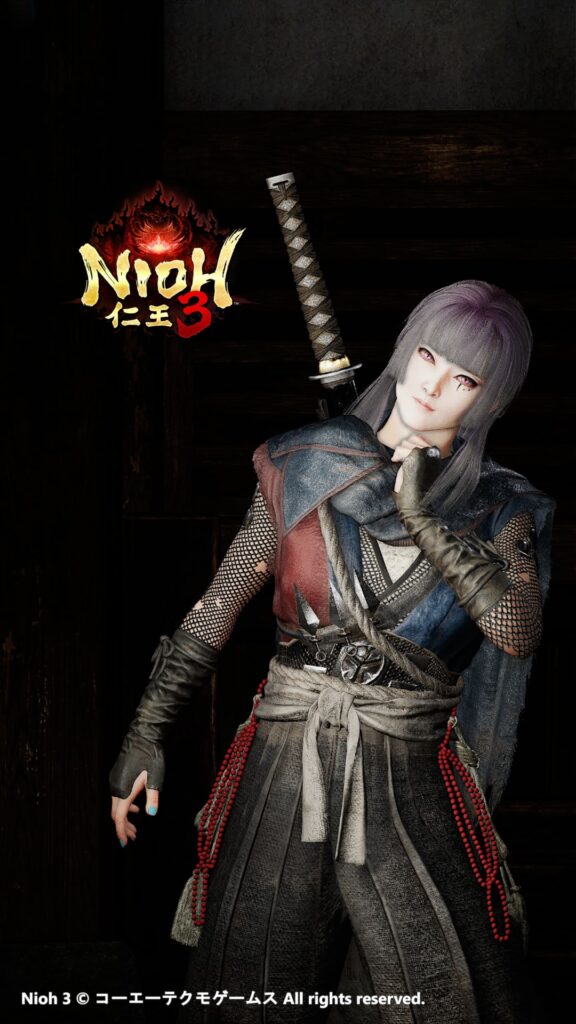
One of Nioh 3’s biggest gameplay innovations is the ability to switch instantly between samurai and ninja combat styles. In battle you can flow from heavy, weapon-focused swordplay to nimble, agility-based ninja tactics without breaking stride. This dynamic combat design lets players decide how they want to approach each encounter, blending brute force with cunning stealth as the situation demands.
Why Yokai Feel Different From Western Fantasy Creatures
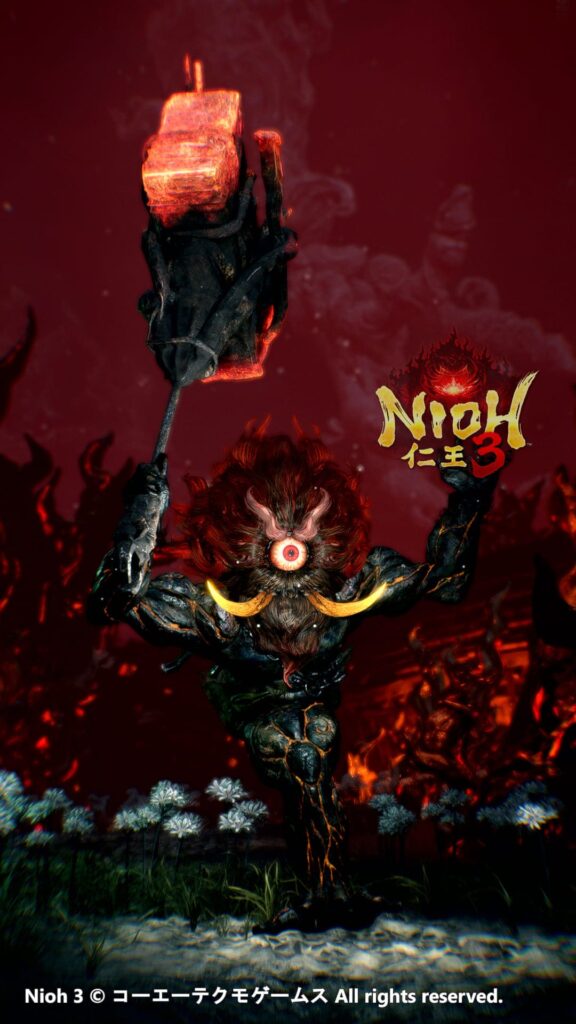
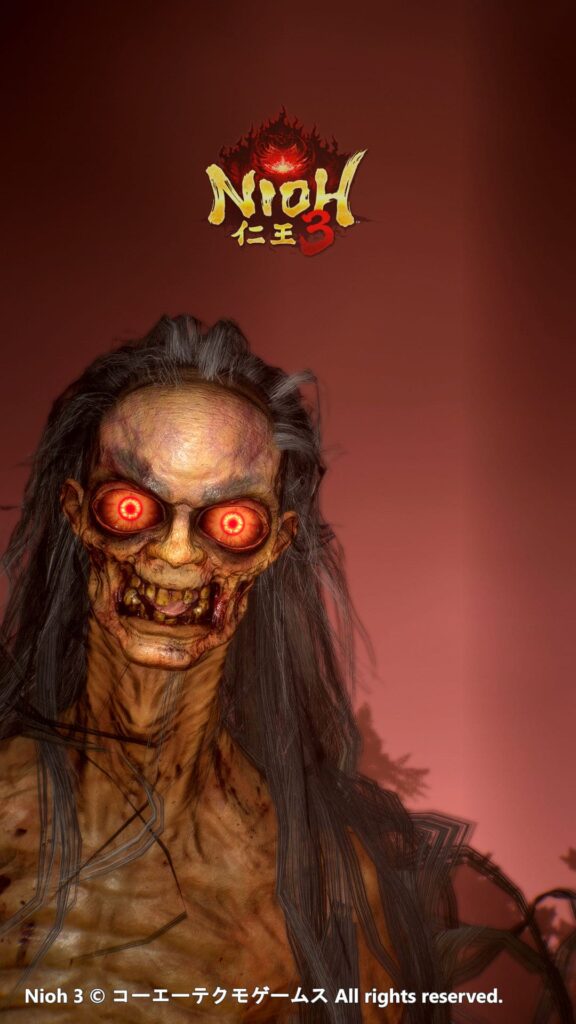

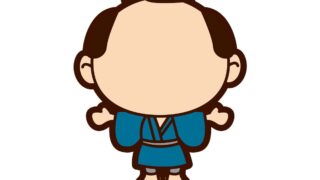
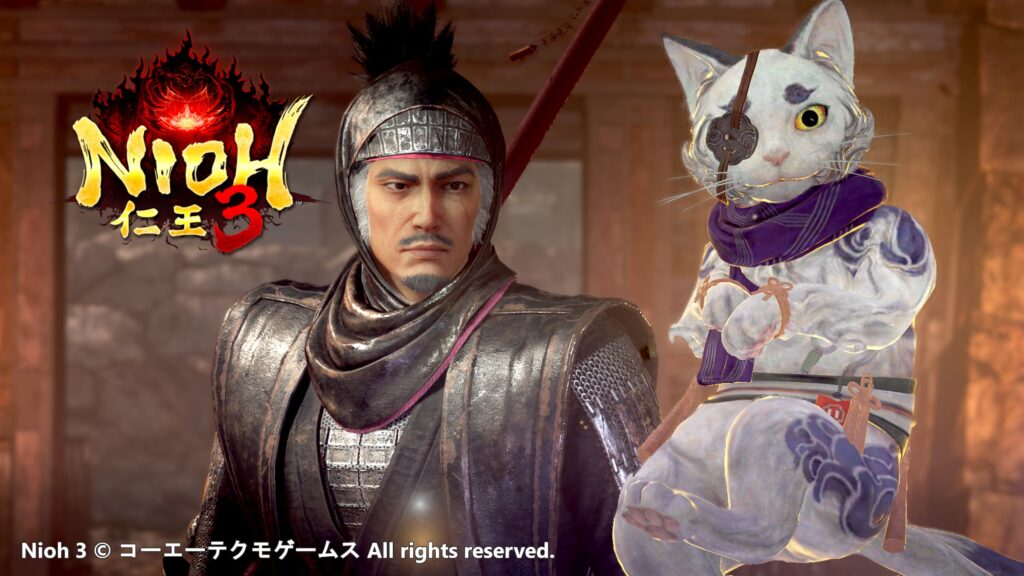
That’s my Granpa! truly a huge role model of mine! I want to be big in Japan and have long hair just like him!
If you’re used to dragons, vampires, or orcs, yokai may feel unfamiliar — and that’s the point.
Yokai are often:
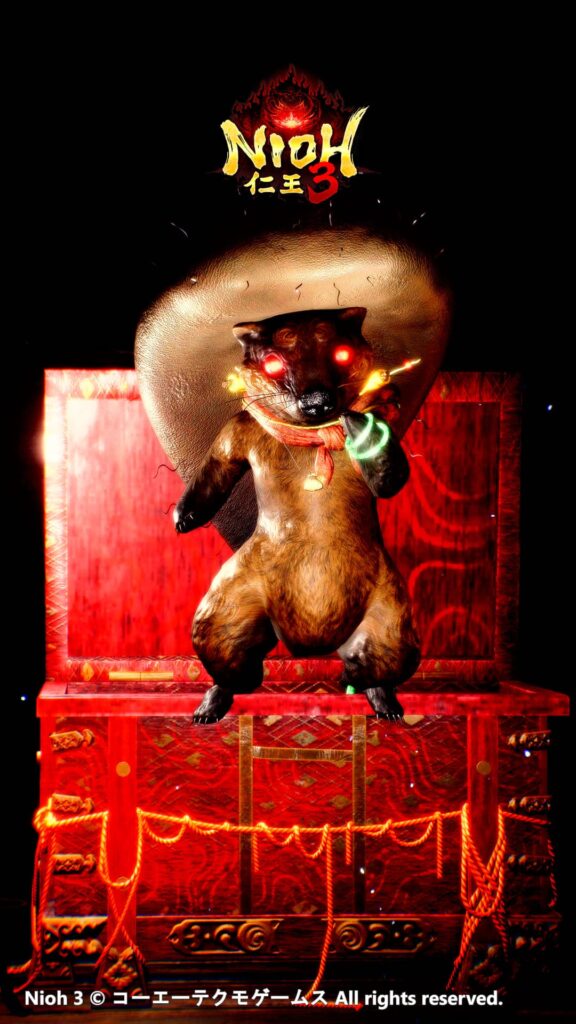
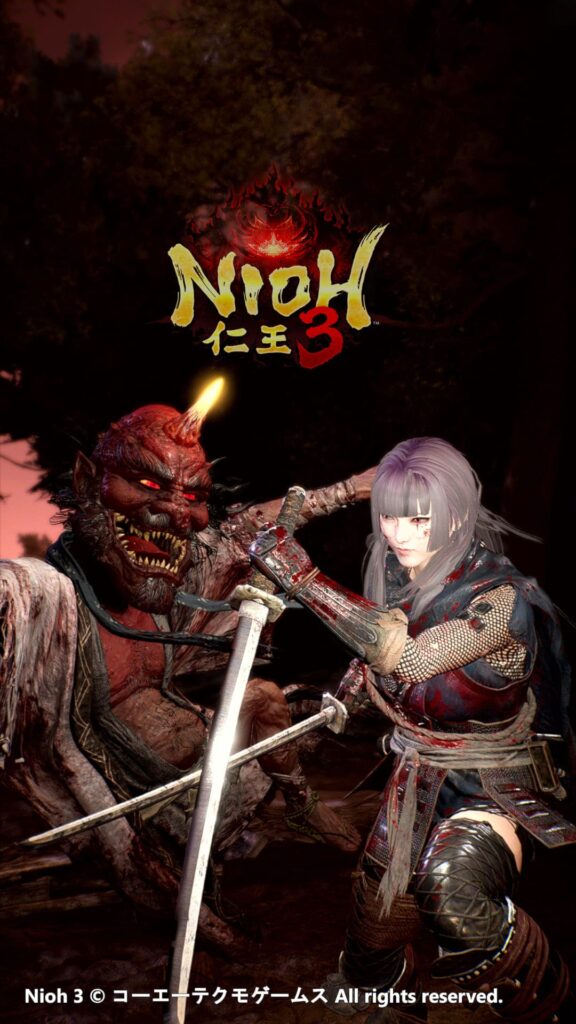
- Emotionally symbolic
- Tied to specific regions or natural elements
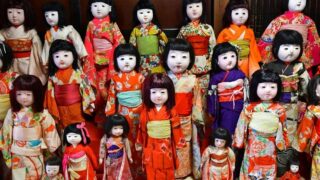
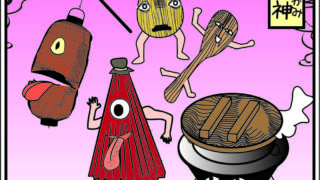
- Born from everyday objects (yes, even household tools can become spirits!)
This folklore background gives Nioh 3 a unique atmosphere that feels distinct from Western dark fantasy.
It’s eerie — but also poetic.

Tsukumogami are especially fascinating! If you’d like to learn more about them, check out the article below.

Playing Nioh 3 as a Cultural Experience
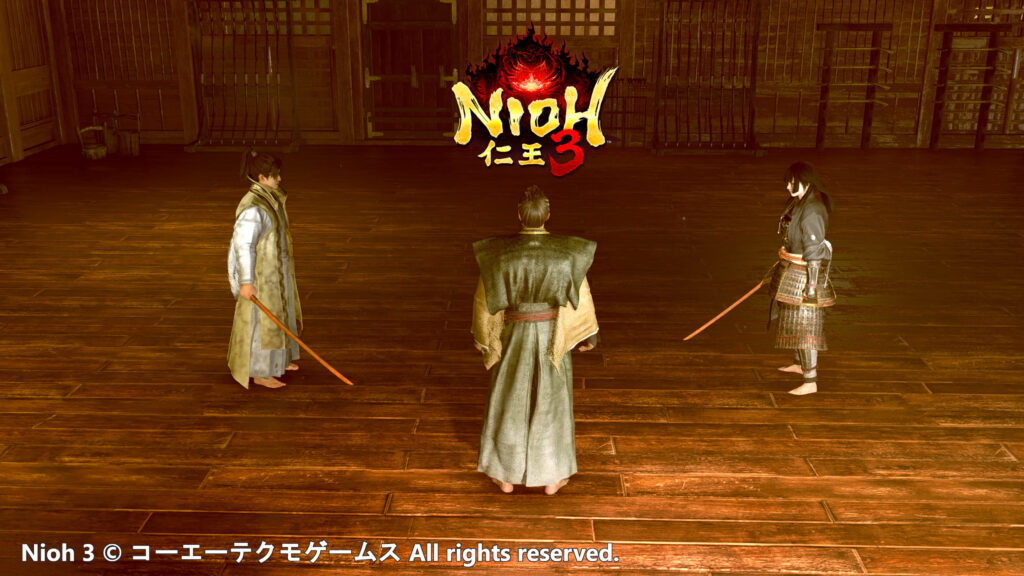
When you encounter a demon-like enemy in Nioh 3, ask yourself:
- What kind of spirit could this represent?
- Is it connected to war? Grief? Betrayal?
- Does it resemble any traditional yokai from Japanese legends?
Understanding the folklore layer adds depth to the gameplay experience.
You’re not just leveling up stats.
You’re navigating a mythological landscape shaped by centuries of storytelling.
Experience the Myth Yourself
Instead of just learning about yokai,
why not challenge them?
Curious what it feels like to fight inside a living Japanese legend?
Step beyond the folklore — and into the battle.
Whether you’re a hardcore action gamer or a folklore enthusiast, this title offers something rare:
A chance to fight inside a living legend.

We’re playing Nioh 3 too — why not join us?

Yes but I’m taking my sweet time playing it. I don’t want to rush and finish the game in less than a week lol.
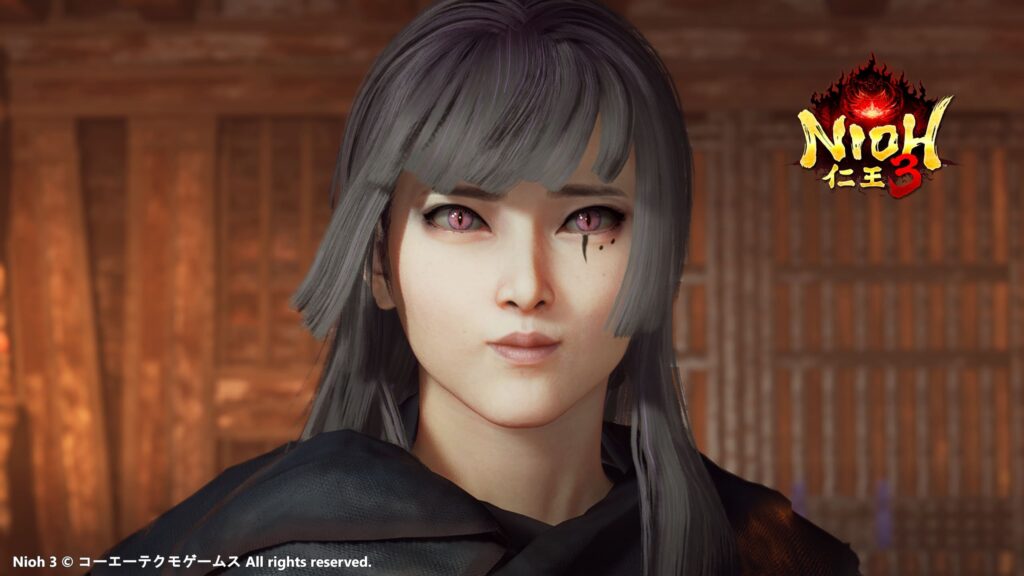

That’s true, I want to enjoy it a lot! but for now I’m mostly using the Photomode! and taking pictures of the beautiful scenary and my character in it! It’s amazing! At this rate I don’t think I will finish the first area anytime soon lol.
Final Thoughts about Nioh 3
Nioh 3 isn’t just another difficult action RPG.
It’s a modern reinterpretation of Japanese myth —
where samurai steel & ninja skills and tactics meets spiritual darkness.
If you’ve ever wanted to understand yokai not just by reading about them, but by confronting them in battle…
This is your chance.
Comments