
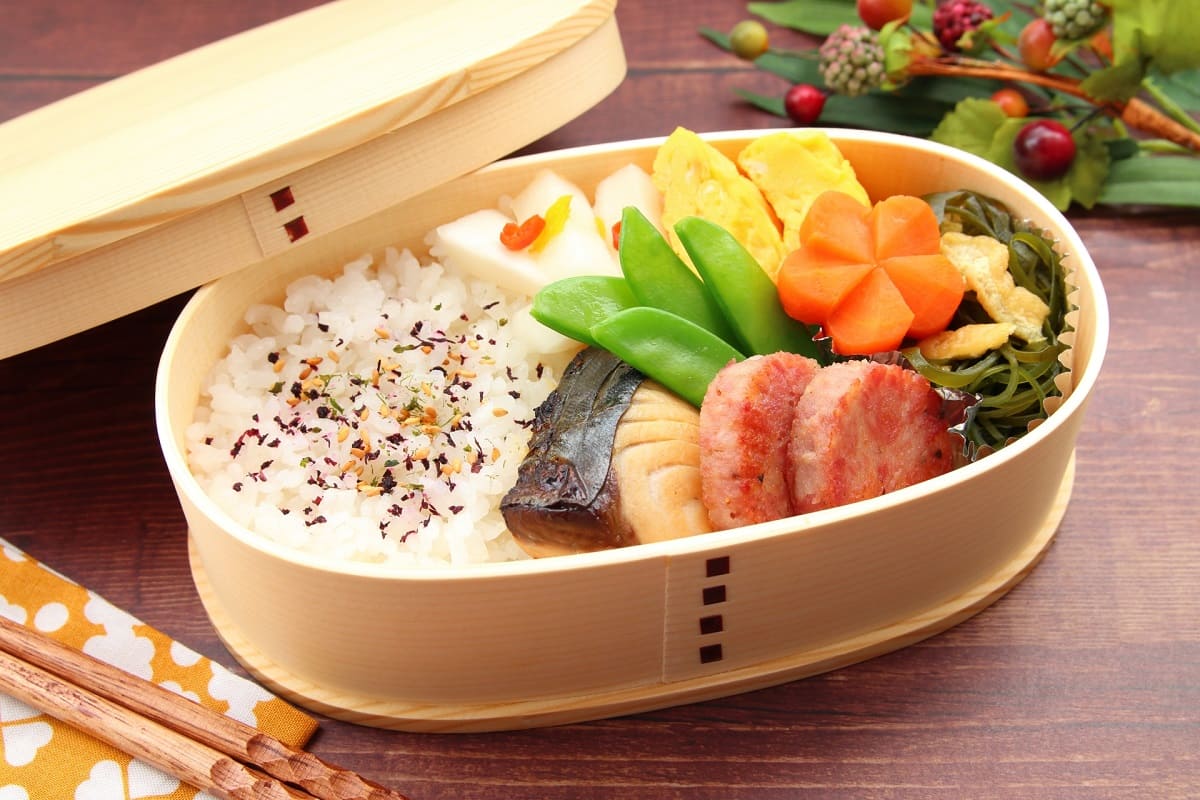

Imagine opening your lunch box and being greeted by the soft scent of cedar and the warmth of handcrafted wood.
That’s the experience of eating from a magewappa—a traditional Japanese wooden lunch box that’s been loved for centuries.
Originating from Japan’s Akita Prefecture, magewappa is more than just a container for food. It’s a symbol of craftsmanship, mindfulness, and harmony with nature.
In recent years, it’s been gaining popularity around the world as people rediscover the value of slow living and sustainable design.
In this article, we’ll explore:
What is magewappa?
Why does it make food taste better?
And how can you incorporate it into your daily life?
Let’s dive in!
The Origin and History of Magewappa

Magewappa is best known as a bento box, but let’s start by looking at how it was originally created!
The Birth of Magewappa
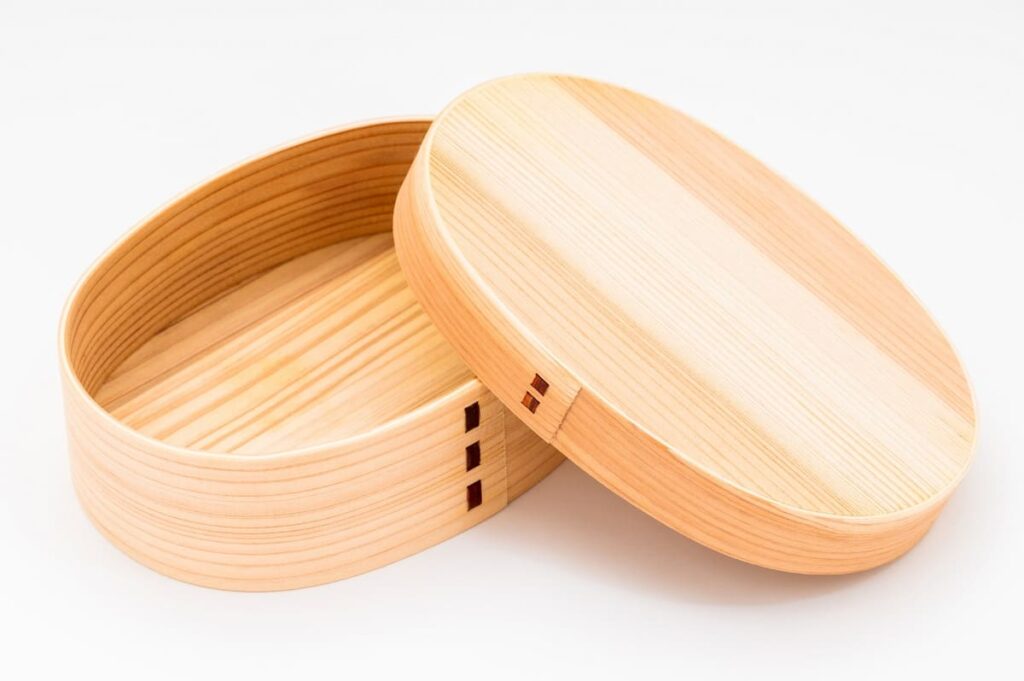
Magewappa refers to a wooden box or vessel made by bending thin strips of cedar into a circular or oval shape—
the name literally means “bent wood container.”
Archaeological findings from the Nara period (8th century) have unearthed wooden vessels that resemble modern magewappa,
suggesting that its origins go back more than 1,200 years.
Later, during the Edo period (17th century), the craft flourished in Ōdate City, Akita Prefecture,
where woodworkers developed refined techniques to create lightweight, durable, and beautiful lunch boxes.
Over time, magewappa became a beloved everyday item throughout Japan—
valued not only for its practicality but also for the beauty of its craftsmanship.

It’s amazing that these boxes are made by bending thin wooden boards, isn’t it?
A Living Tradition
Even today, each magewappa is handcrafted by artisans who carry on this centuries-old technique.
No two pieces are exactly alike.
The gentle curves, the texture of the cedar, and the delicate stitching of cherry bark –
all reflect Japan’s philosophy of finding beauty in simplicity.
What Makes Magewappa So Special?
1. It Keeps Rice Delicious!
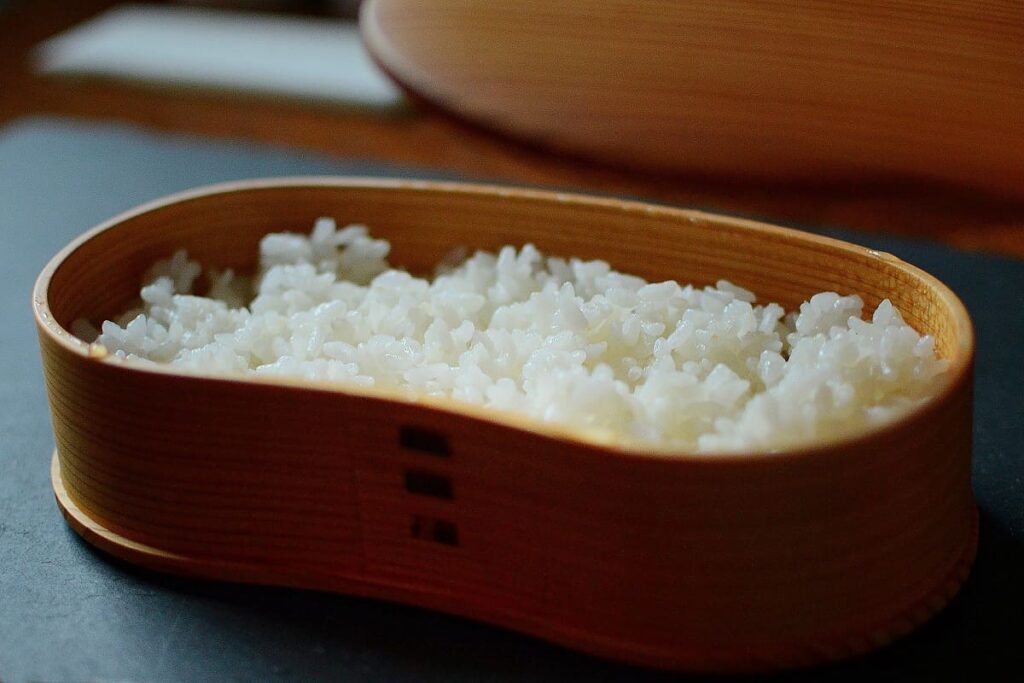
One of the biggest charms of magewappa is its ability to keep rice tasting fresh and fluffy.
Cedar wood naturally absorbs excess moisture and releases it slowly,
so the rice doesn’t get soggy—and even when it cools down, it stays soft and flavorful.
Plastic lunch boxes can’t do this!
It’s a natural magic that only wooden craftsmanship can offer.

I really want all of you to try rice served in a magewappa at least once—it’s unbelievably delicious!
2. It’s Amazingly Lightweight
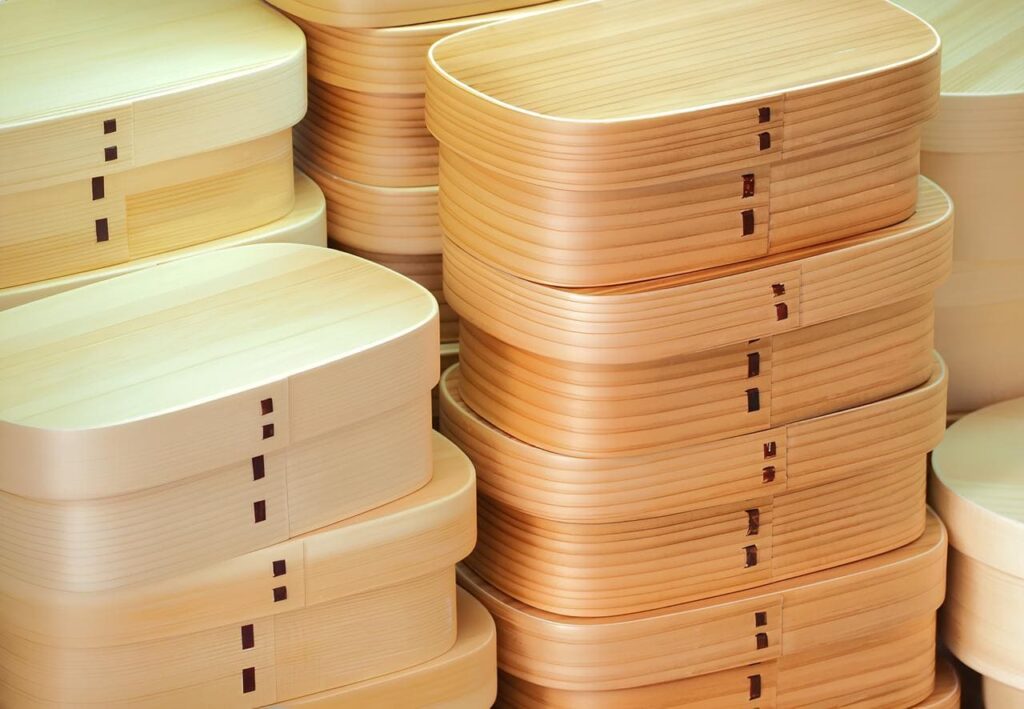
Despite being made of wood, magewappa is surprisingly light.
The Akita cedar used is fine-grained and strong, yet incredibly easy to carry.
Whether you’re commuting to work, going to school, or enjoying a picnic, it feels comfortable and natural in your hands.
3. The Design Is Naturally Beautiful
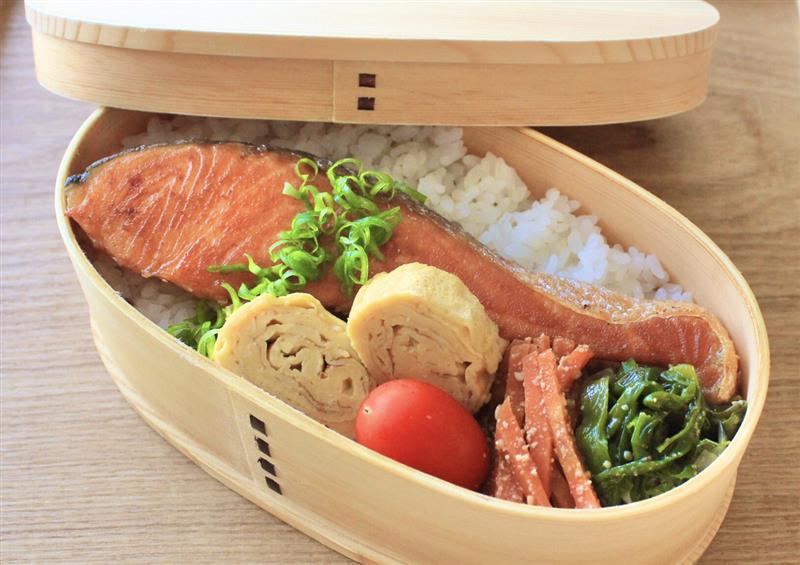
Each piece highlights the natural grain and tone of the wood,
which makes even simple meals look elegant and appetizing.
Just place some rice, colorful vegetables, and an egg roll inside—
and suddenly your lunch looks like something out of a lifestyle magazine!

Whether your lunch is simple or fancy, it always looks more appetizing in a magewappa.
No wonder hashtags like #magewappa and #曲げわっぱ are trending on Instagram.
4. Eco-Friendly and Sustainable
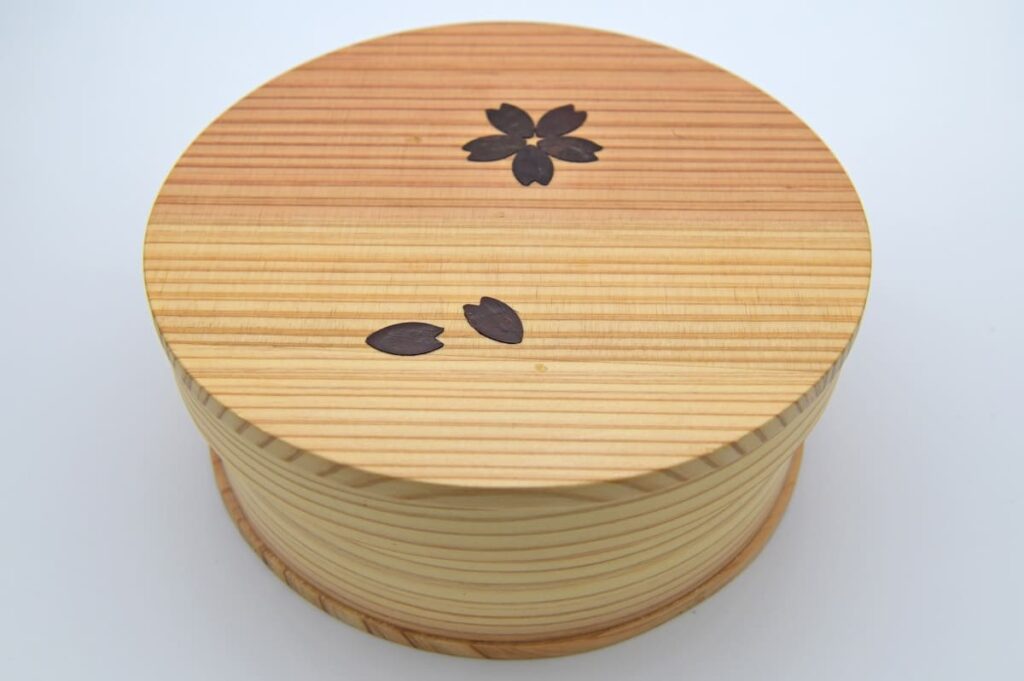
Magewappa is made entirely from natural materials—cedar wood, cherry bark, and rice-based glue.

Magewappa is often made from woods like cedar (sugi) or cypress (hinoki).
No plastics, no chemicals, no waste.
It’s a perfect choice for those who care about the environment and want to live sustainably.
In fact, many people now give magewappa as a “sustainable gift” to friends abroad,
as it represents the harmony between nature and Japanese craftsmanship.
Beyond Bento: How to Use Magewappa
While it’s famous as a lunch box, magewappa has many other uses!
● As a Bento Box
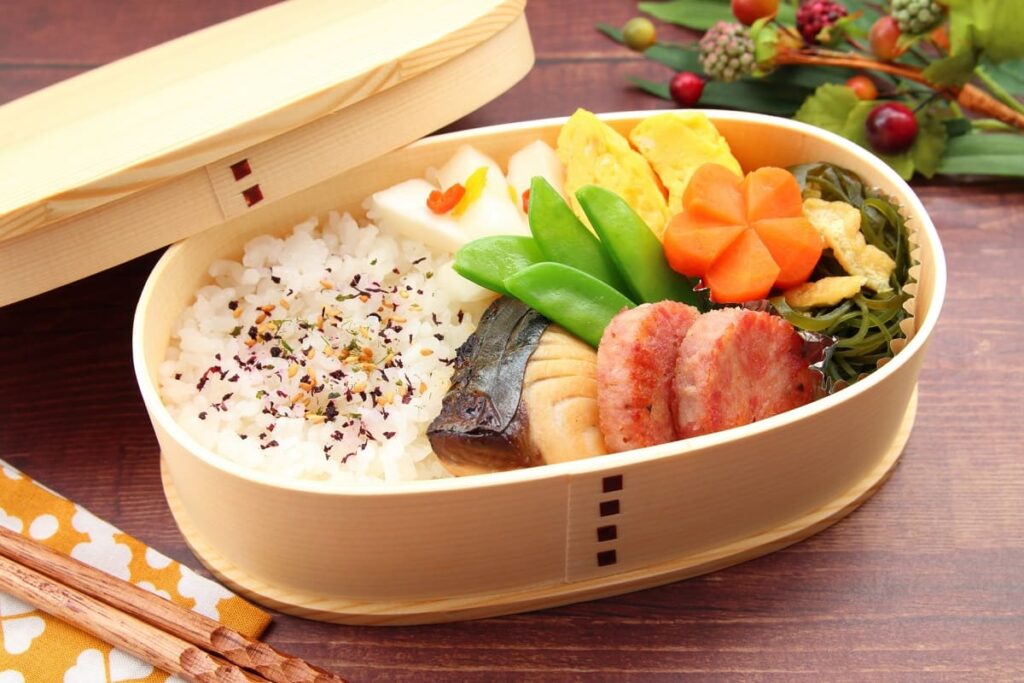
When you hear “magewappa,” you immediately think of bento boxes, right?
Of course, the classic use is as a lunch box.
It keeps your rice tasty, your food colorful, and your lunch break joyful.
Shapes vary—from round and oval to two-tiered designs—so you can choose one that fits your style.
As “bento culture” spreads worldwide, magewappa has become a must-have item for anyone exploring the Japanese way of mindful eating.
● As an Ohitsu (Rice Container)
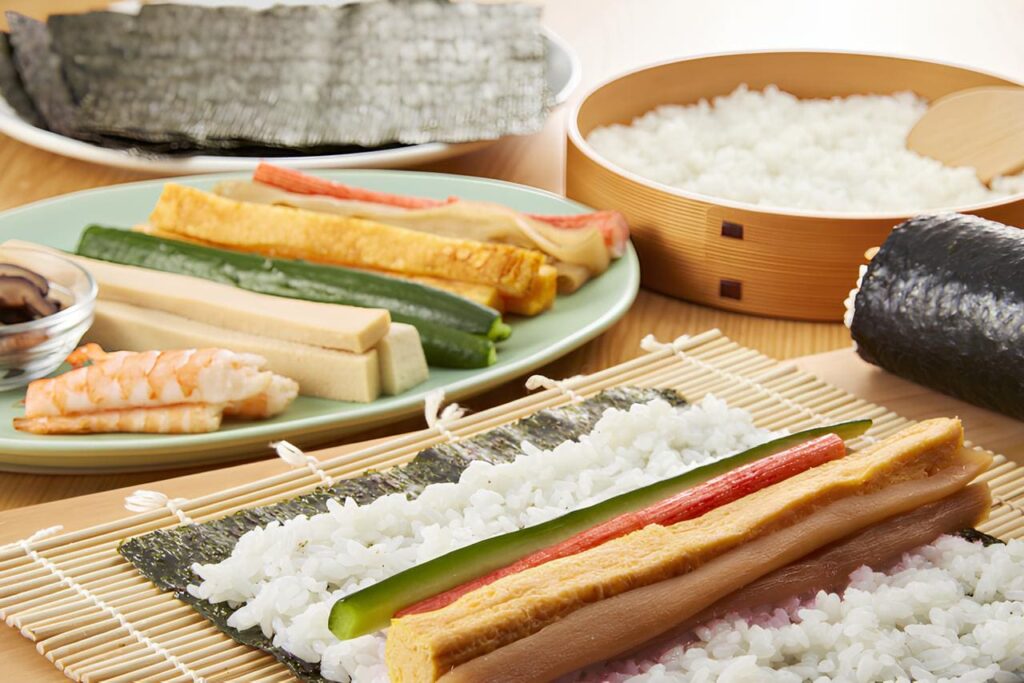
In traditional Japanese households, magewappa is also used as an ohitsu—
a wooden container for freshly cooked rice.
Its moisture-control ability keeps the rice from getting sticky and preserves its natural flavor.
It’s a perfect example of how ancient Japanese wisdom meets modern living.
Because it keeps rice fresh and tasty, magewappa also works perfectly as an ohitsu .
● As Tableware or Home Decor
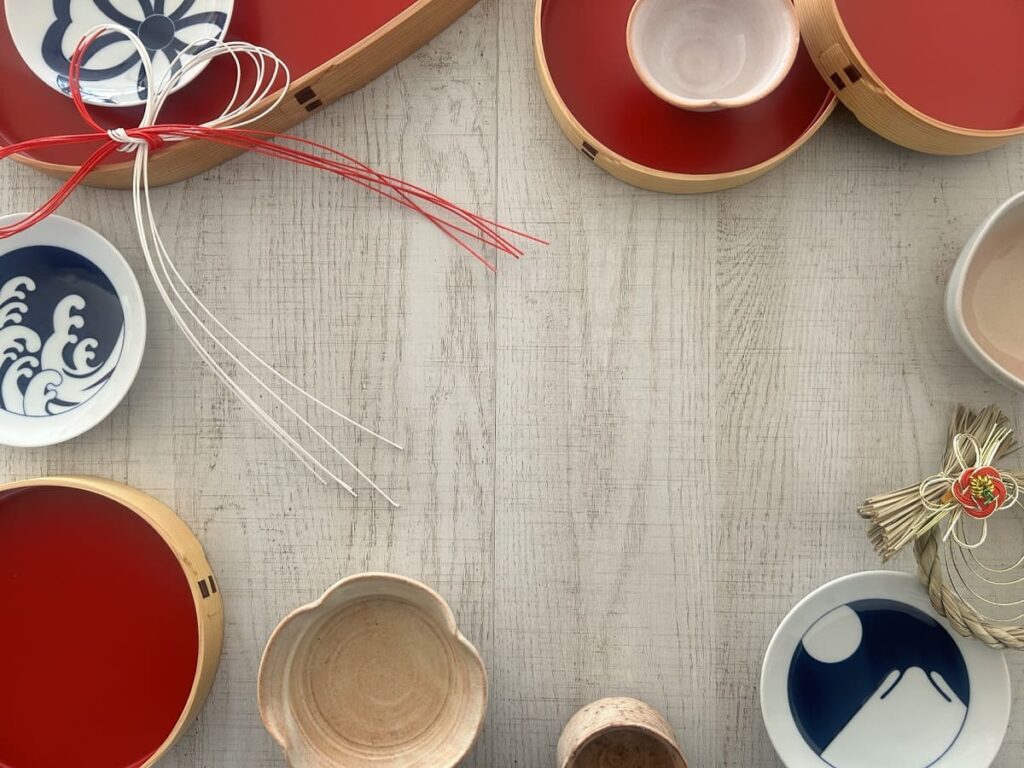
Magewappa also makes an elegant serving dish for side dishes or salads.
Its natural look complements any table setting.
Some people even use smaller boxes to store jewelry or accessories.
As you use it over time, the wood develops a soft sheen—
a gentle reminder of all the meals and moments it’s shared with you.
How to Care for Your Magewappa
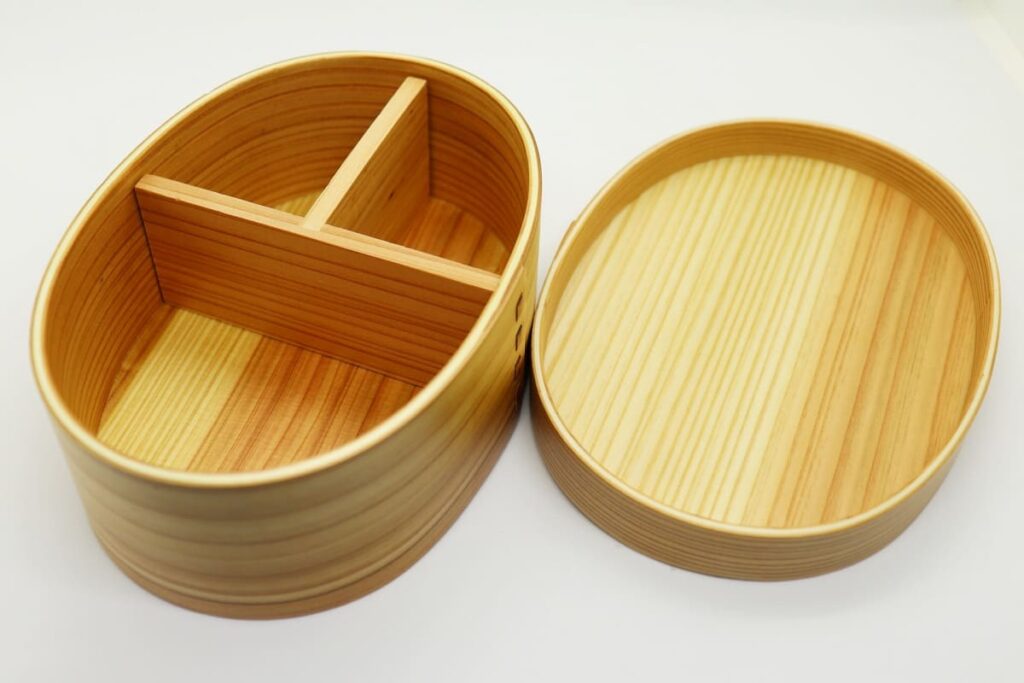
Taking care of magewappa is simple, and with the right care, it can last for decades.
● How to Wash
- Rinse gently with warm water after use.
- Use a mild detergent if needed, but only a small amount.
- Wipe off excess water with a soft cloth and let it dry completely.
⚠️ Avoid dishwashers, microwaves, and soaking it in water for long periods.
● Tips to Keep It Beautiful
- Store in a dry, well-ventilated place.
- Avoid direct sunlight and humidity.
- Let it air out occasionally.
Over time, the color will deepen and gain a natural gloss—
making your magewappa truly “yours.”

Be careful—if you don’t take proper care of it, mold can grow! Leaving it unwashed, or not letting it dry completely after washing, can easily lead to mold.
Why Magewappa Is Loved Around the World
It’s no surprise that magewappa is becoming a global favorite.
People everywhere are drawn to its simple beauty and mindful design.
It embodies:
- A connection to nature
- Eco-conscious living
- The heart of Japanese craftsmanship
In countries like the U.S. and Europe, magewappa has become a symbol of
“mindful eating” and slow living—values that perfectly align with today’s lifestyle trends.
Where to Buy Magewappa
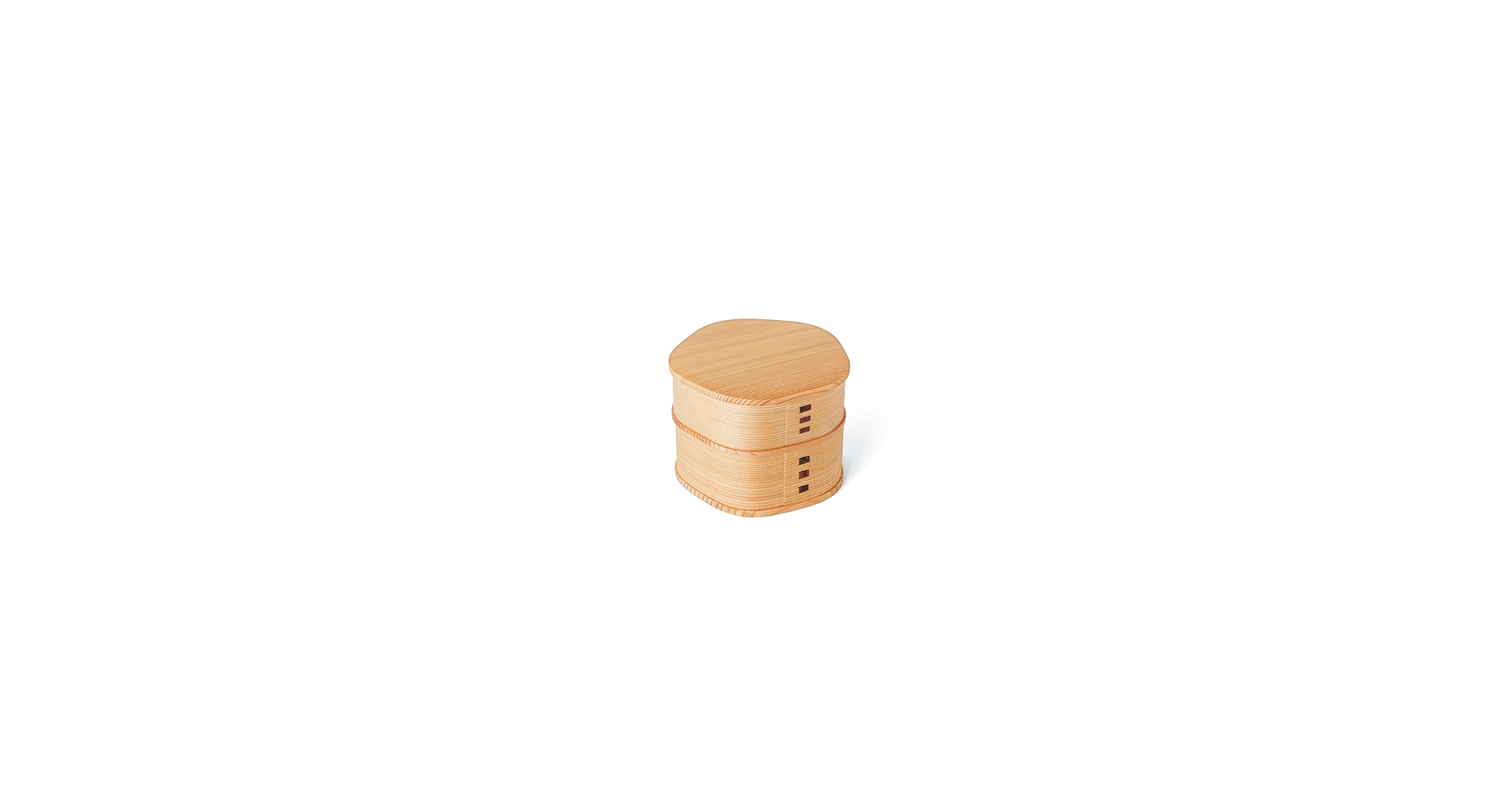
You can find authentic magewappa online, with many shops offering international shipping.
| Shop Name | Features |
|---|---|
| Ōdate Kougeisha (Akita) | Traditional handmade magewappa crafted by certified artisans. Ideal for gifts. |
| Kurikyu(Akita) | A long-established maker founded in 1874. Offers high-quality magewappa with beautiful craftsmanship and modern usability. |
Rakuten | Wide selection with global shipping options. Search for “magewappa” or “曲げわっぱ”. |
Conclusion: A Taste of Japan in Every Bite
Magewappa is not just a lunch box—it’s a piece of Japanese culture.
It represents harmony between nature, craftsmanship, and everyday life.
When you hold one in your hands, you can feel the warmth of the wood and the care of the artisan who made it.
Each meal becomes a small, mindful ritual.
If you’re drawn to Japanese aesthetics and sustainable living,
try adding a magewappa lunch box to your daily routine.
It might just turn your lunch break into a tiny trip to Japan.

If you are interested in Japanese culture, and you love gaming, you may love these games! Let’s play!
Yes! Let’s play!
参考:大館工芸社


Comments