
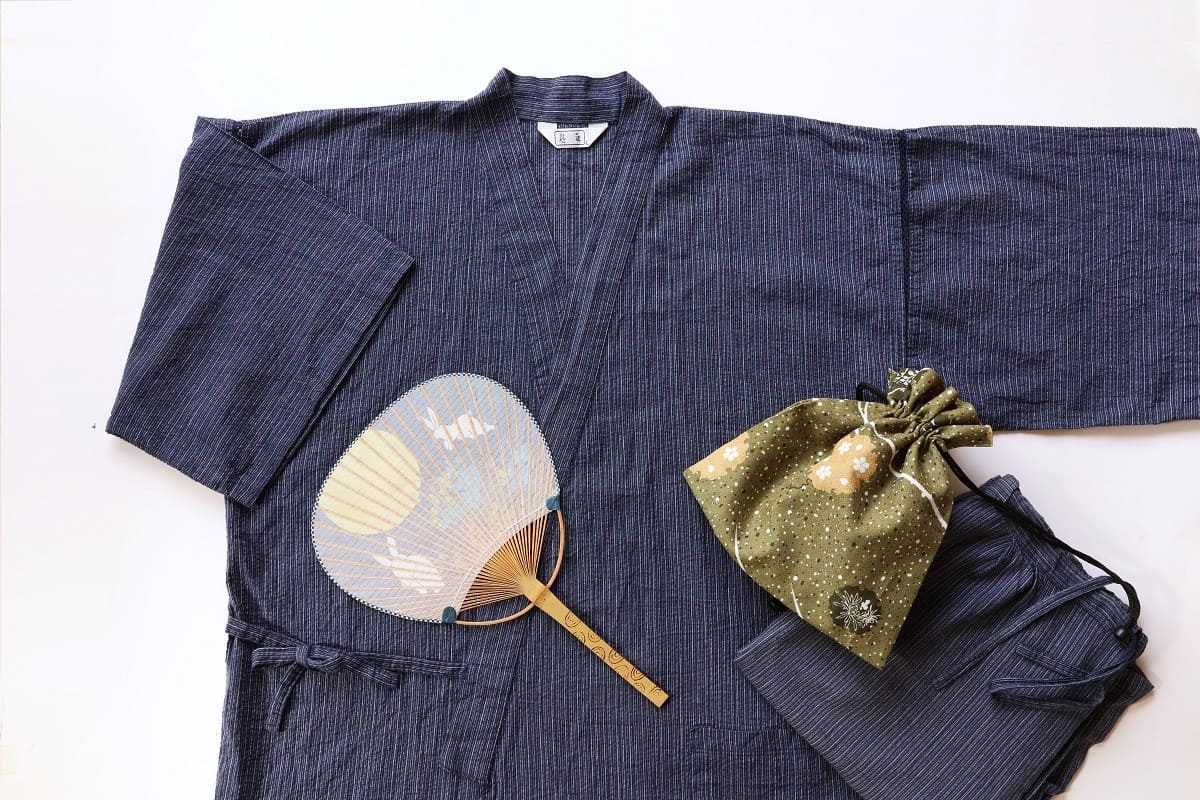

When summer arrives in Japan, you’ll start seeing lightweight cotton outfits that look like relaxed kimono sets. They’re not quite yukata, and not exactly pajamas either.
They’re called jinbei — and they’re one of Japan’s most comfortable traditional summer garments.
In this guide, we’ll explore what jinbei are, how they differ from yukata, when Japanese people wear them, and whether visitors can try them too.
What Is a Jinbei?
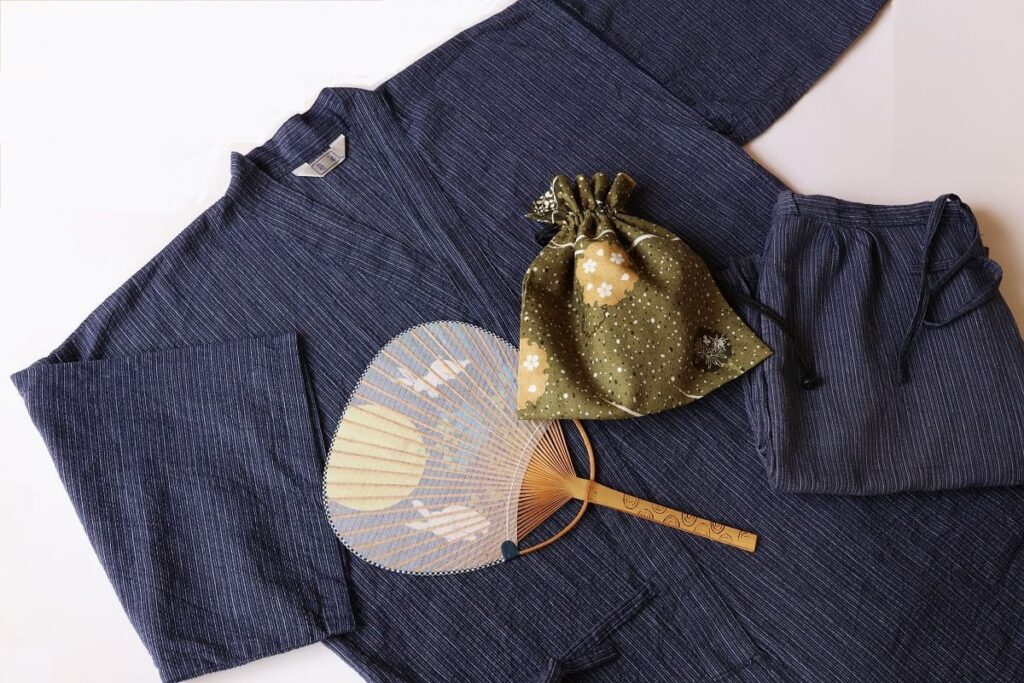
A jinbei (甚平) is a traditional Japanese summer outfit made of two separate pieces:
- A short-sleeved top that ties at the side
- Matching shorts
Unlike kimono or yukata, jinbei are not long robes. They’re easy to put on, lightweight, and designed for airflow during Japan’s hot and humid summers.
Most jinbei are made from breathable cotton or gauze fabric, making them ideal for July and August weather.
Because of their relaxed structure, many people compare jinbei to loungewear — but they carry cultural meaning too.

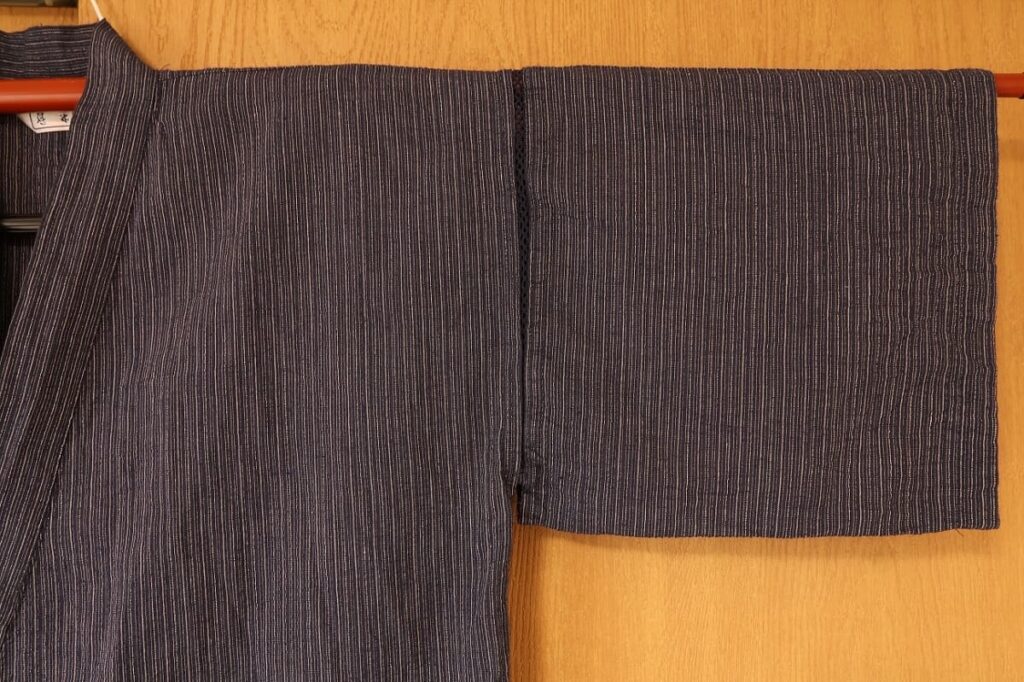
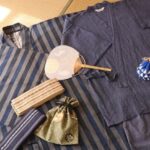
To prevent the fabric from sticking to the skin, a textured weave called shijira (a traditional Japanese crinkled cotton fabric) is often used.
Taro’s jinbei is also made with this breathable cotton–linen fabric in the shijira style.
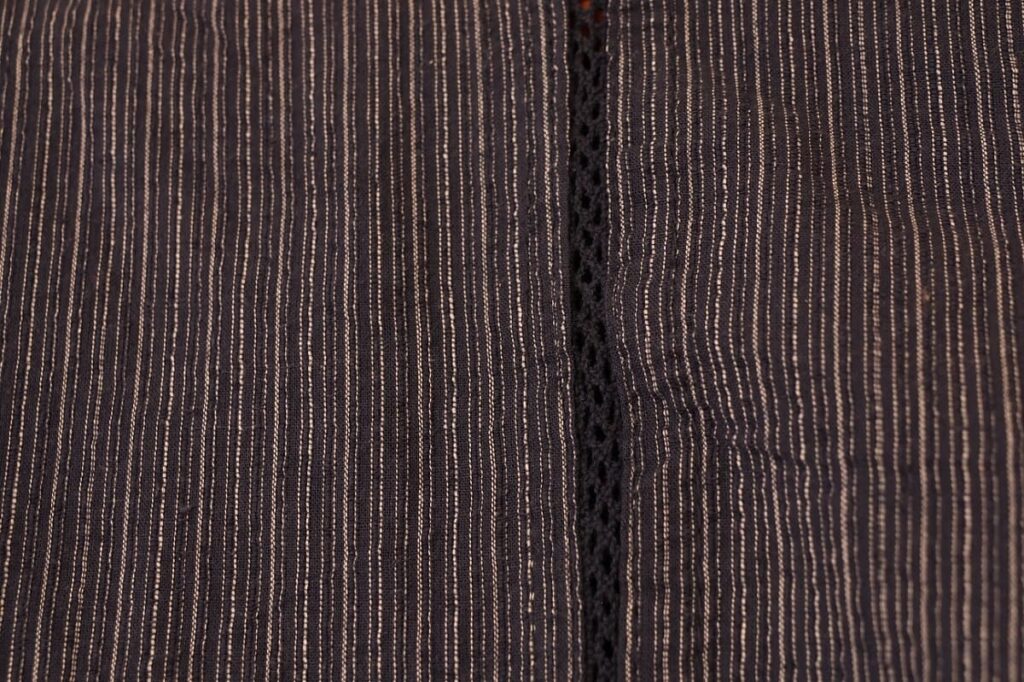

Many jinbei have a special open stitching along the sides that improves airflow and keeps the wearer cool during hot Japanese summers.
The History of Jinbei
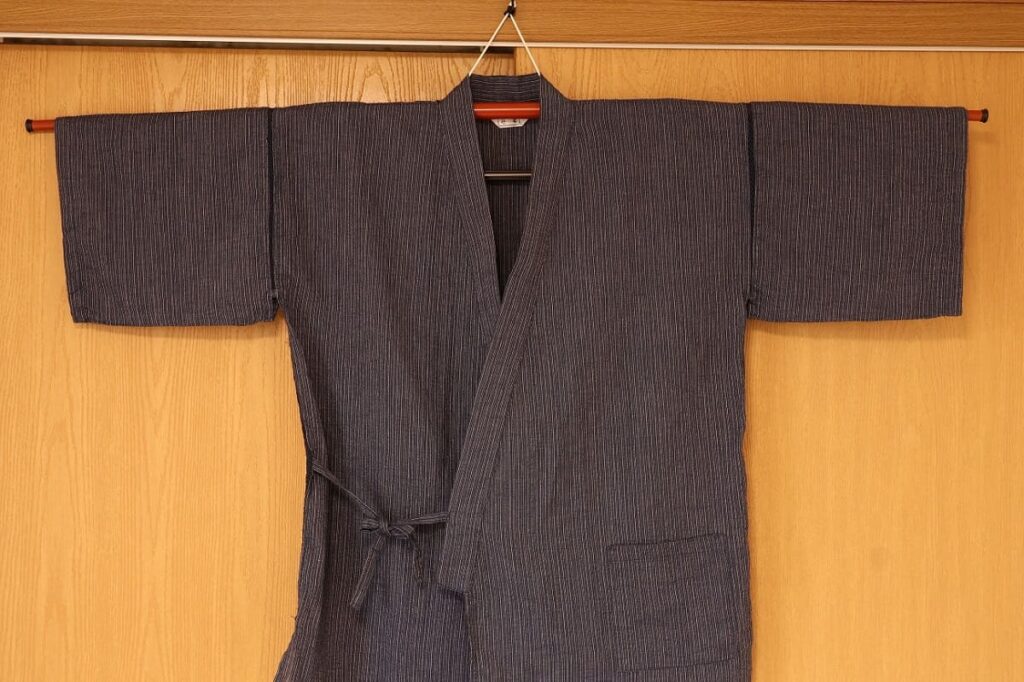
Jinbei date back to Japan’s Edo period (1603–1868).
They were originally created as everyday summer wear for townspeople living in Edo’s downtown districts. Light, practical, and breathable, they suited the daily lives of commoners during Japan’s humid summers.
However, the story of jinbei begins on the battlefield.
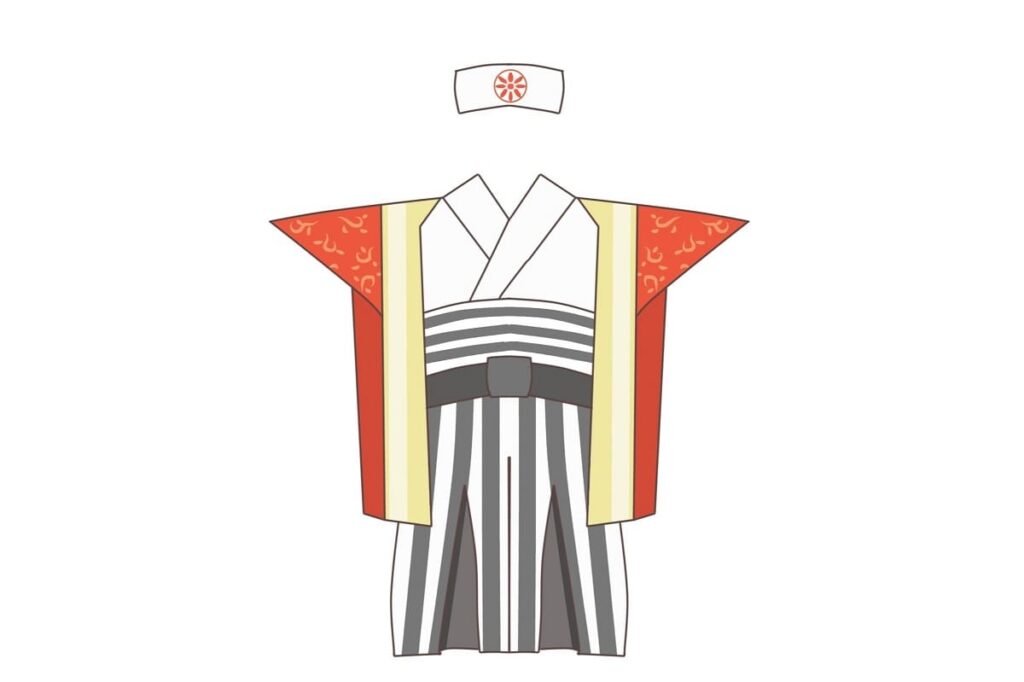
The name “jinbei” is believed to come from jinbei-baori, a sleeveless cotton-padded jacket worn by lower-ranking samurai. This garment was inspired by the jinbaori — the sleeveless surcoat worn over armor by military commanders during the Sengoku (Warring States) period.
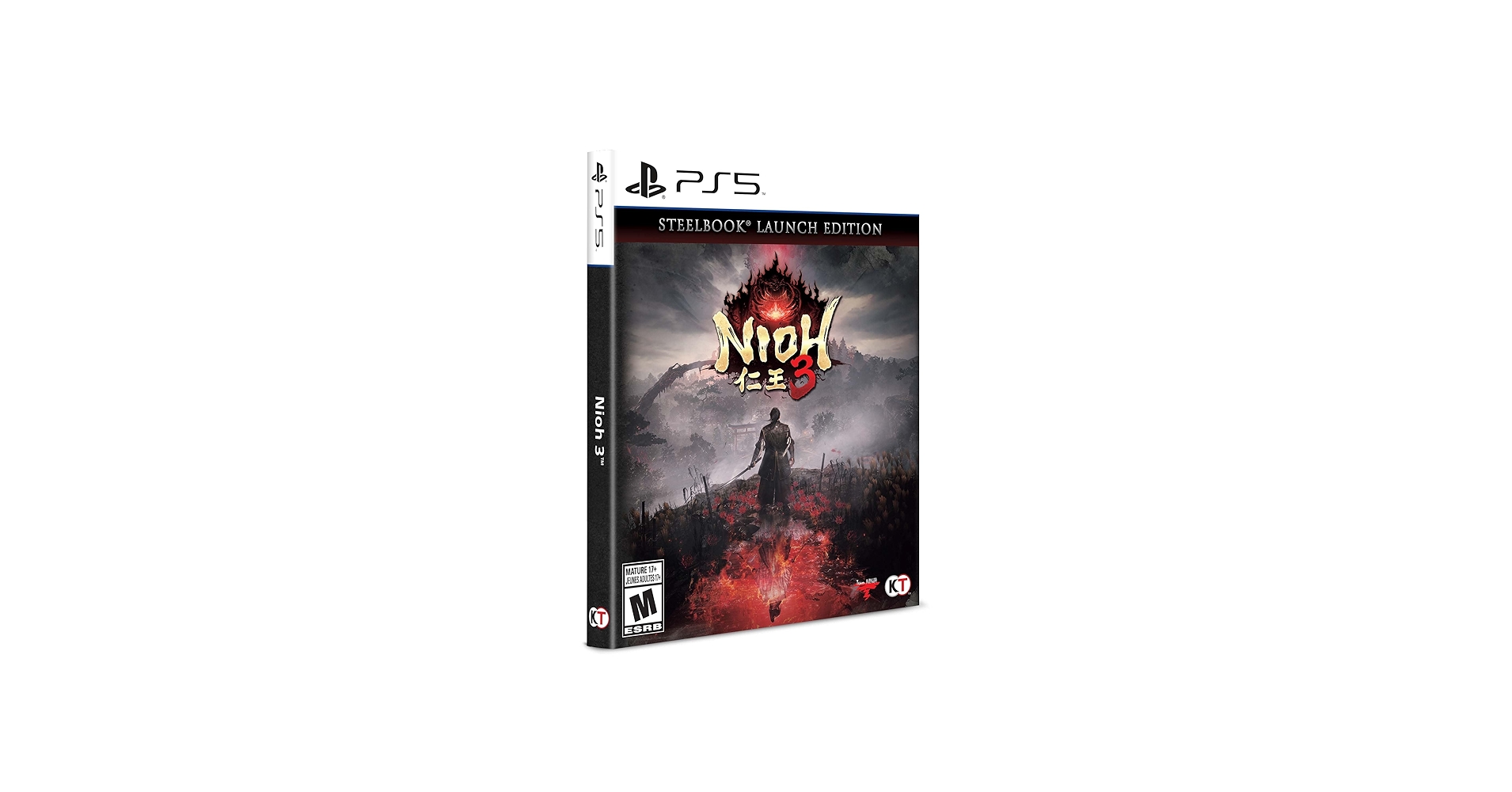
If you’ve explored Japan’s samurai era through games like Nioh or the recently released Nioh 3, you may have seen dramatic sleeveless battle garments worn over armor by powerful warlords. These were stylized versions of jinbaori — practical military outerwear that symbolized rank and identity.

If you’re curious about how samurai clothing appears in modern games, you can read our detailed breakdown here.)
Over time, this functional battlefield garment was simplified and adapted for daily use. The armor layers disappeared, heavy materials were replaced with cotton, and the structure became lighter and more suitable for summer.
It is said that this evolution — from war camp outerwear to relaxed seasonal clothing — eventually gave birth to what we now call jinbei.
Today, few people connect jinbei to samurai armor. Yet hidden within its simple summer design is a quiet echo of Japan’s warrior past.
Jinbei vs Yukata: What’s the Difference?
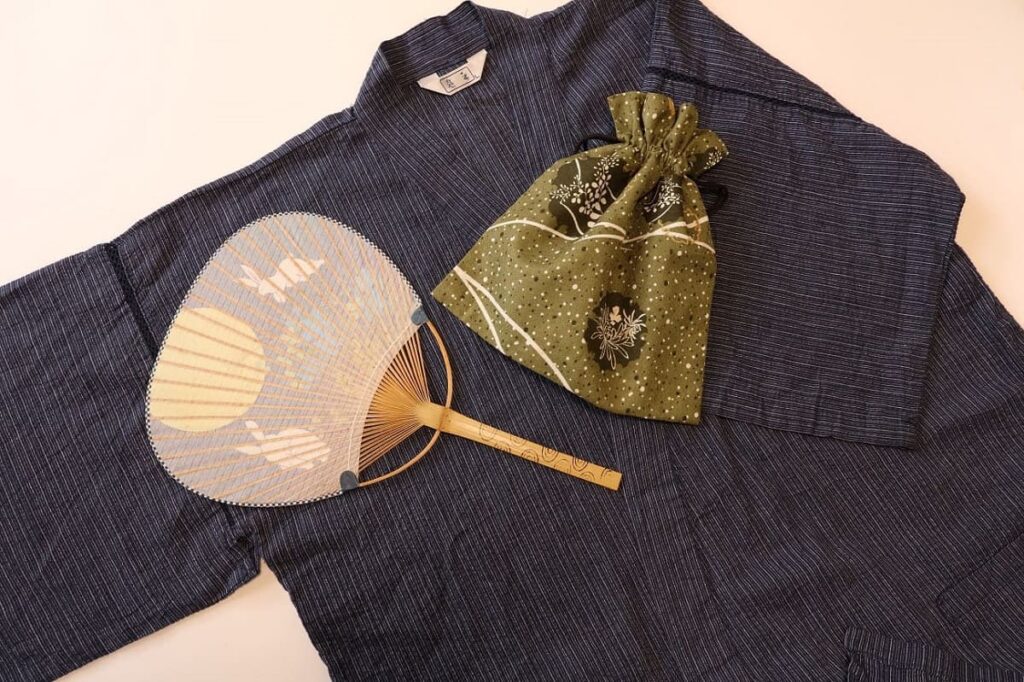
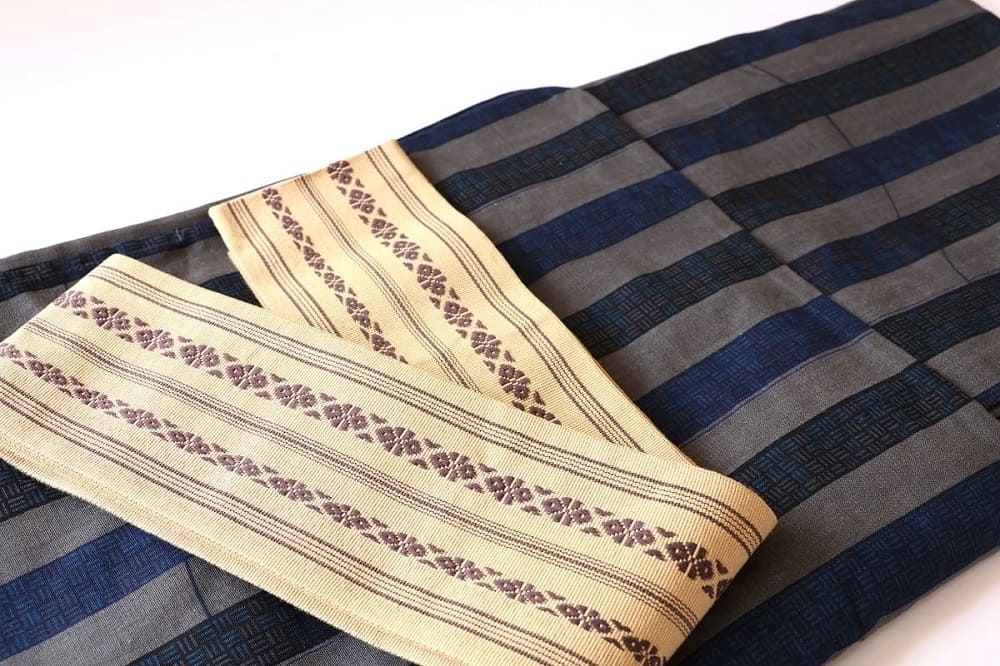
Many people confuse jinbei with yukata, but they are quite different.
Here’s a simple comparison:
| Jinbei | Two-piece outfit Shorts Very casual Easy to wear No obi belt required |
| Yukata | One long robe Worn with an obi belt Slightly more formal Often worn to festivals and events |

Between a yukata and a jinbei, a jinbei is definitely easier to move in.
It’s also much simpler to put on.
If you want something effortless and breathable, jinbei are usually the easier choice.
If you want a more elegant, traditional festival look, yukata may be better.
When Do Japanese People Wear Jinbei?
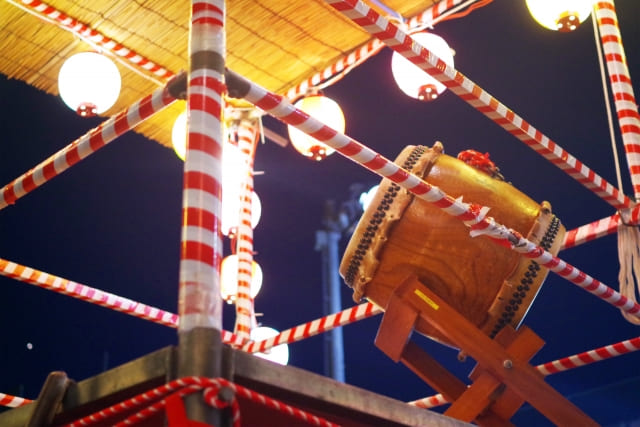
Jinbei are most common in midsummer.
You’ll see them:
- At neighborhood summer festivals
- During fireworks nights
- At Bon Odori dances
- At home as comfortable evening wear
People often wear them casually rather than to formal events.
Jinbei are often worn for relaxing at home or after taking a bath.
If you’re curious about how they compare with yukata, check out this guide below.
Can Foreigners Wear Jinbei?
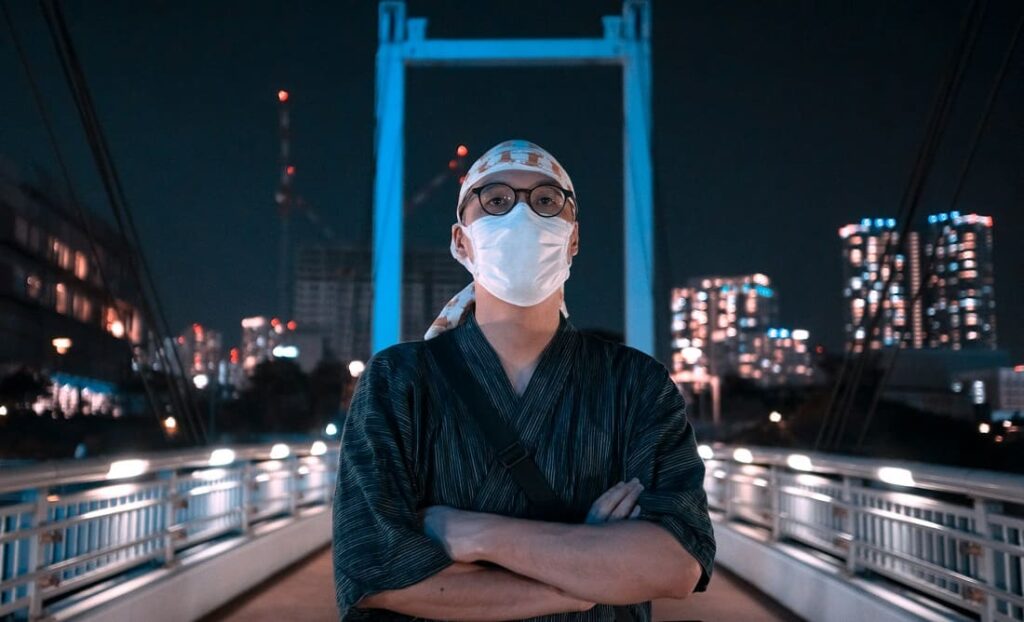
Absolutely.
Jinbei are considered casual and welcoming clothing. Unlike formal kimono, there are no complicated rules about how to wear them.
They are easy to put on, comfortable in hot weather, and widely available online.
If you’re curious to try one, lightweight cotton jinbei sets are surprisingly affordable and come in many modern designs suitable for both men and women.
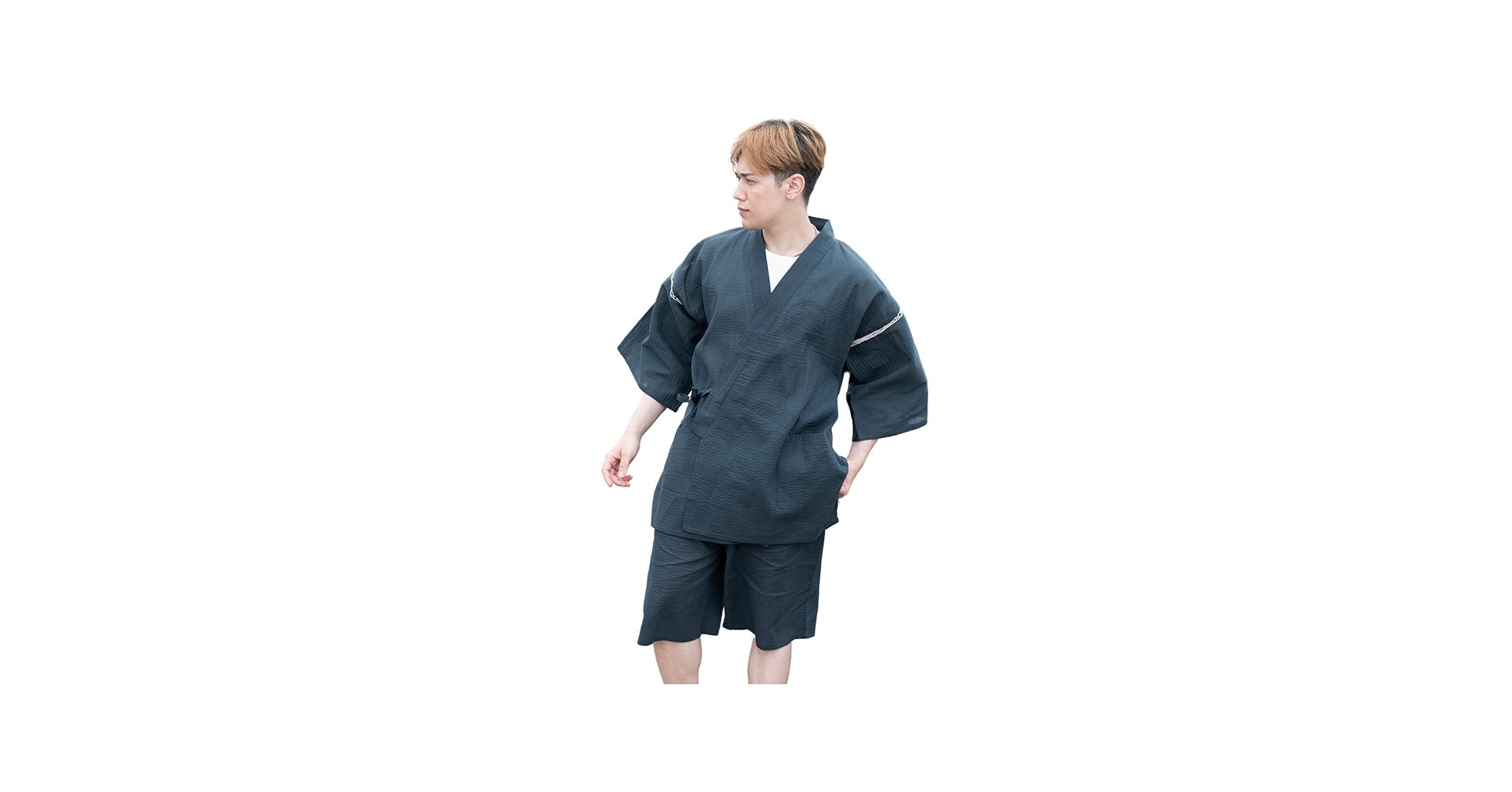

If you’re interested in kimono or yukata but worried about whether you can wear them properly, jinbei is a great place to start.
Why Jinbei Are Perfect for Modern Summers
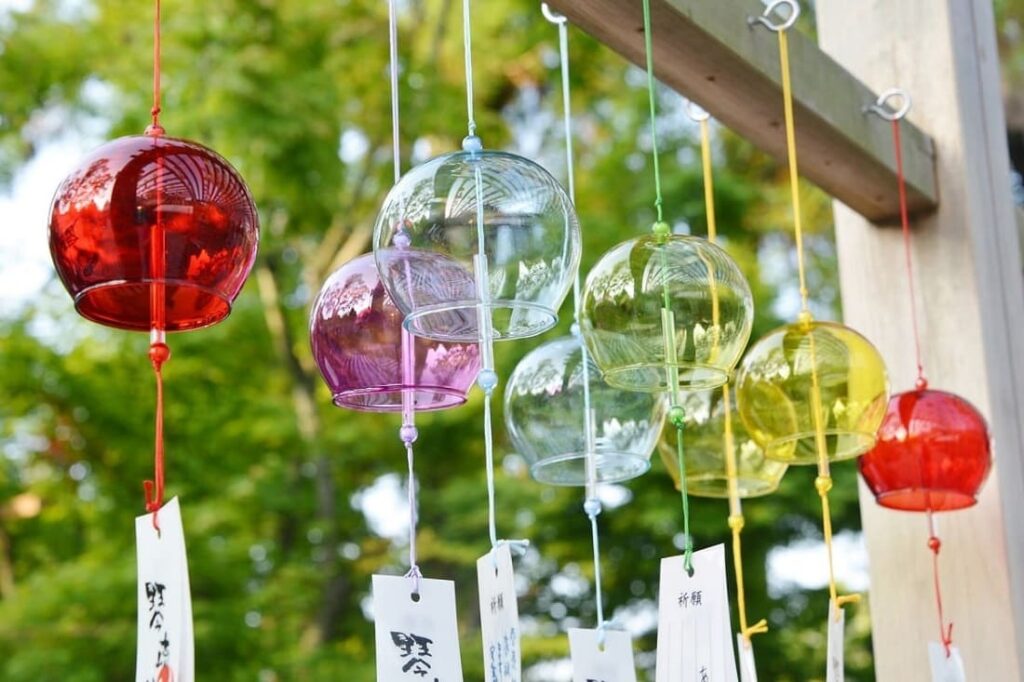
In recent years, many people outside Japan have started looking for breathable alternatives to heavy summer clothes.
Because jinbei are:
- Loose-fitting
- Made from natural fabrics
- Easy to move in
- Culturally meaningful
They offer both comfort and a connection to Japanese tradition.
They’re not just clothing — they’re a small piece of seasonal Japanese life.

Japanese summers can be brutally hot, but jinbei are surprisingly comfortable because the fabric doesn’t cling to your skin.
(That said… air conditioning still helps a lot.)
If you are interested in Jinbei outfit, please check the article below.
Q&A about Jinbei
- QWhat is jinbei?
- A
Jinbei is a traditional Japanese summer outfit consisting of a short-sleeved top and matching shorts. It is lightweight, breathable, and designed for comfort during Japan’s hot and humid summer months.
- QWhat is the difference between jinbei and yukata?
- A
Jinbei is a two-piece casual summer outfit with shorts, while yukata is a one-piece robe worn with an obi belt. Jinbei is easier to wear and more informal, while yukata is slightly more formal and often worn to festivals.
- QDo Japanese people wear jinbei to festivals?
- A
Yes, jinbei are commonly worn to summer festivals, fireworks events, and Bon Odori dances. They are also popular as comfortable evening wear at home during summer.
- QCan foreigners wear jinbei?
- A
Yes, jinbei are casual garments and there are no strict rules for wearing them. They are easy to put on and widely available online, making them accessible to anyone interested in Japanese summer culture.
- QDid jinbei originate from samurai clothing?
- A
Jinbei is believed to have evolved from garments related to jinbei-baori and jinbaori, sleeveless jackets worn by samurai during the Sengoku period. Over time, the design was simplified into lightweight summer clothing.
Final Thoughts about Jinbei
Jinbei may look simple, but they reflect something very Japanese: the art of adapting to the seasons.
In the heat of summer, comfort becomes culture.
Whether you wear one at a festival or simply relax at home, jinbei offer a gentle introduction to traditional Japanese clothing — without the complexity of formal kimono.

If you are interested in Japan, you may love this game!
Let’s play!

Yes! Let’s play!
Comments