


Have you ever heard of yuzu baths, a unique Japanese winter tradition?
On the day of the winter solstice, Japanese households, hot springs, and even public bathhouses prepare warm tubs filled with floating yellow citrus fruits called yuzu. For many people from abroad, it’s a surprising and charming custom that represents the spirit of Japan’s seasonal culture.
In this article, you’ll learn:
- What a yuzu bath is
- What yuzu actually is
- Why Japanese people take yuzu baths
- The history behind this tradition
- Benefits of yuzu baths
- How modern Japan enjoys it
- Even how capybaras in Japanese zoos take yuzu baths!
Let’s dive into the refreshing world of yuzu bath traditions in Japan.

A yuzu bath feels amazing, so I really hope you get to try it at least once.
- What Is a Yuzu Bath?
- A Tradition Dating Back to the Edo Period
- Yuzu Baths in Modern Japan
- Benefits of Yuzu Baths
- Even Capybaras Enjoy Yuzu Baths in Japan
- The Cultural Meaning Behind Yuzu Baths
- How to Enjoy a Yuzu Bath at Home
- Why Yuzu Baths Are Loved in Japan
- Final Thoughts about Yuzu Bath — A Little Winter Magic from Japan
What Is a Yuzu Bath?
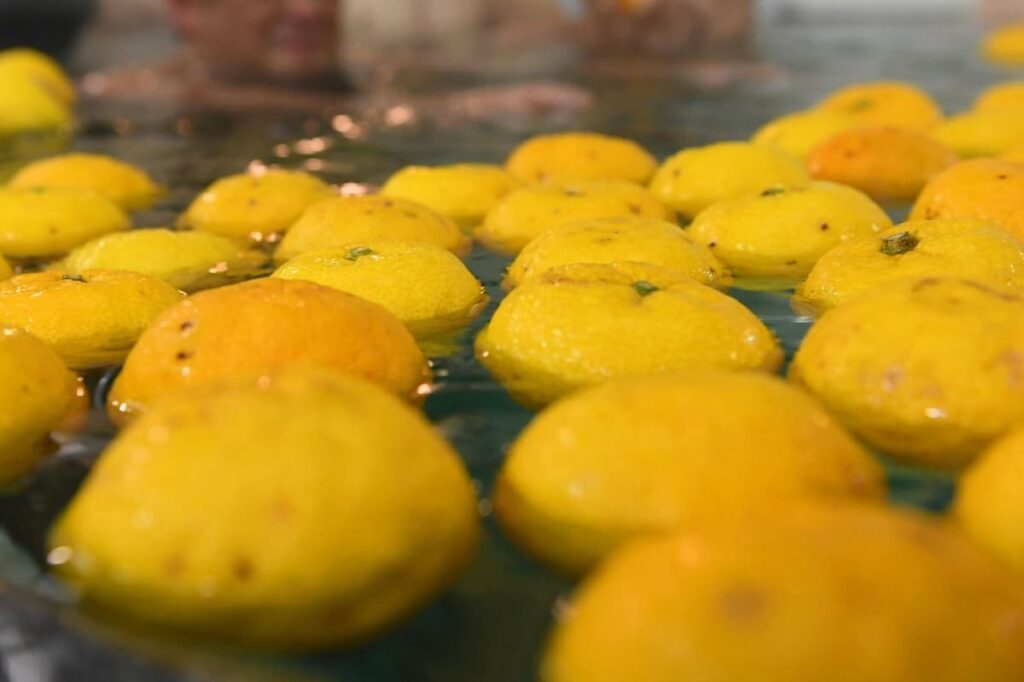
A yuzu bath (yuzu-yu) is a traditional Japanese custom where people soak in a warm bathtub with whole yuzu floating on the surface, especially on the winter solstice.
But first—what exactly is yuzu?
Yuzu is an East Asian citrus fruit, smaller than an orange, with a bumpy rind and an incredibly strong fragrance. In Japan, it is used in cooking, sauces like ponzu, desserts, drinks, and even aromatherapy. Many Japanese people think of yuzu as “the scent of winter.”

There are even skincare lotions made with yuzu.
I loved using that!
In a yuzu bath, whole yuzu are placed directly in the tub, or put in a mesh bag so the peel doesn’t scatter. The moment you step into the hot bath, the citrus fragrance rises with the steam, creating a deeply relaxing, distinctly Japanese winter atmosphere.
Many hot springs and bathhouses also prepare yuzu baths as seasonal events, so visitors to Japan may encounter them by chance.
A Tradition Dating Back to the Edo Period

The yuzu bath custom is believed to have started during the Edo period (1603–1868).
Back then, people considered the winter solstice to be the most dangerous day of the year—the shortest day with the weakest sunlight, meaning cold temperatures could threaten one’s health.
Yuzu reaches peak season around the winter solstice. Because of its strong fragrance, people believed it could ward off evil spirits and cleanse the body of impurities. This idea ties into the ancient Japanese concept of misogi, or ritual purification.
In the Edo period, it was said that:
“Before welcoming good fortune, you must cleanse your body and spirit.”
Taking a yuzu bath was therefore seen as a symbolic way to purify oneself and attract good luck.

It’s fascinating that people in the old days also soaked in yuzu baths.
Yuzu Baths in Modern Japan
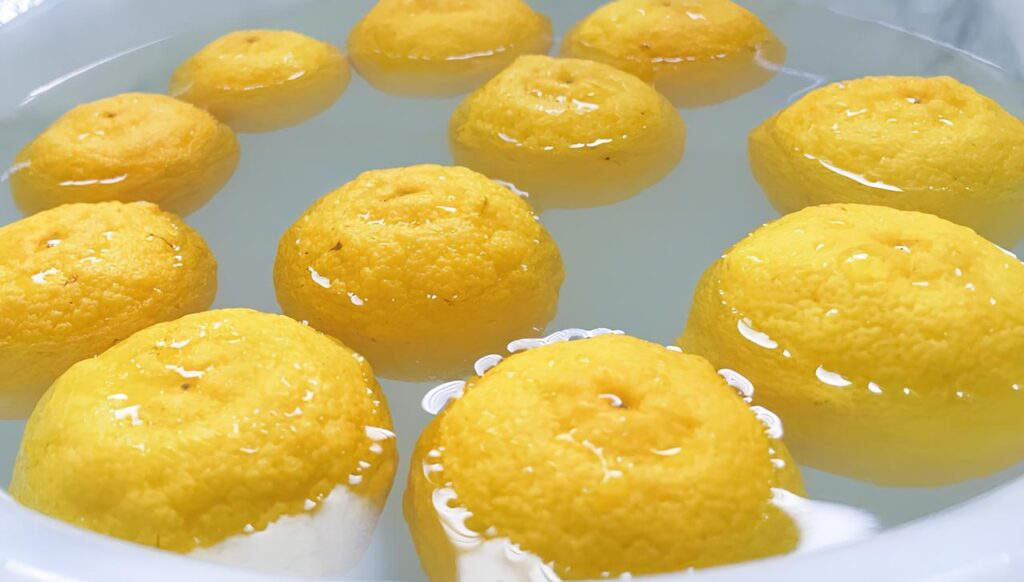
Even today, the tradition remains strong. On the day of the winter solstice, Japanese families often say,
“Tonight is yuzu bath night!”
Supermarkets pile up fresh yuzu, and hot springs across the country prepare huge tubs filled with floating citrus. It’s a small seasonal ritual that makes winter feel special.
There’s a well-known belief that:
“If you take a yuzu bath on the winter solstice, you won’t catch a cold during the winter.”
The idea is both cultural and practical—yuzu baths genuinely help warm the body deeply.

I’m definitely enjoying a yuzu bath again on this year’s winter solstice!
Benefits of Yuzu Baths
Yuzu baths are not just for fragrance. They offer several benefits that make them a beloved winter ritual.
1. Improve Circulation and Warm the Body Deeply
Yuzu contains natural essential oils such as limonene, which help boost blood circulation and warm the body from the inside.
It’s perfect for people who suffer from cold hands and feet during winter.
2. Believed to Prevent Colds
Because yuzu baths warm the body thoroughly, many people say they help prevent colds—a common traditional belief in Japan.
3. Helpful for Skin Care
Yuzu contains vitamin C and citric acid, which are said to help with skin hydration and mild irritation.
For Those With Sensitive Skin
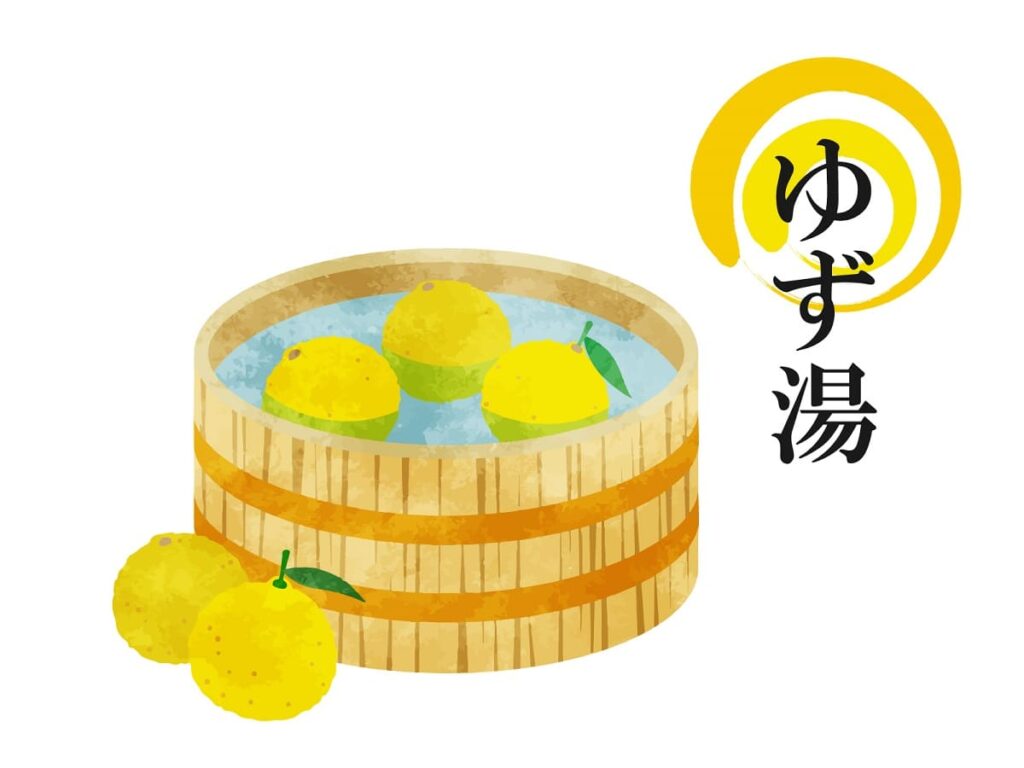
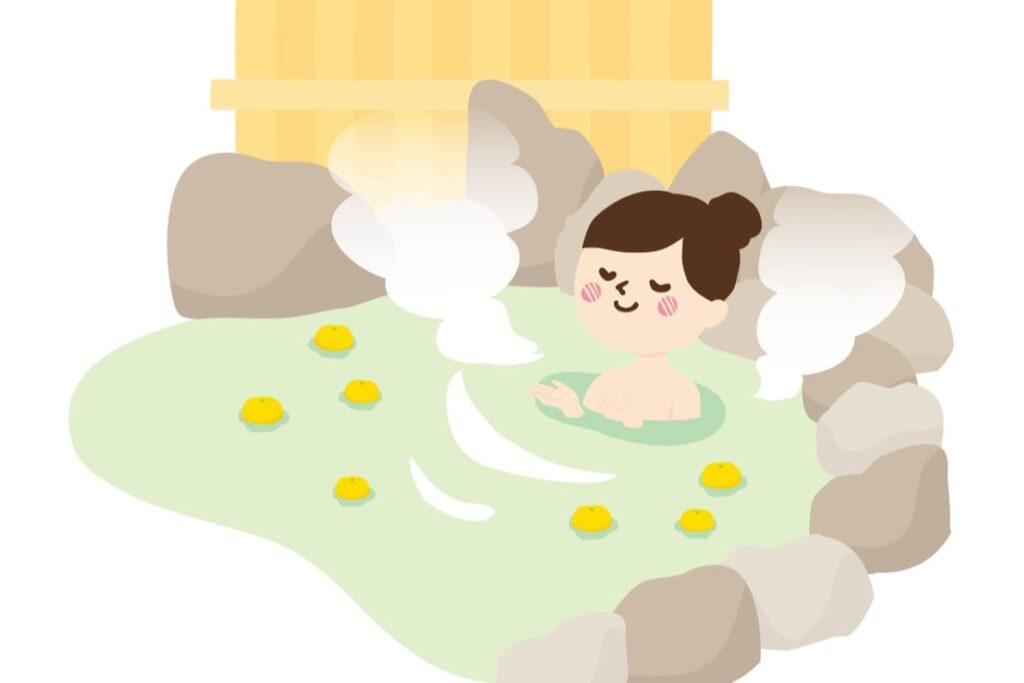
However, yuzu oils can be strong. People with sensitive skin can still enjoy the scent by:
✔ placing yuzu in a washbasin filled with hot water, or
✔ simply placing whole yuzu in the bathroom so the aroma fills the room.
This offers a gentler, safer way to enjoy the fragrance without direct contact.

Just bringing yuzu into the bathroom makes the whole room smell great. If you have sensitive skin, you can still enjoy the scent by filling a small bowl with hot water and letting the yuzu float in it.
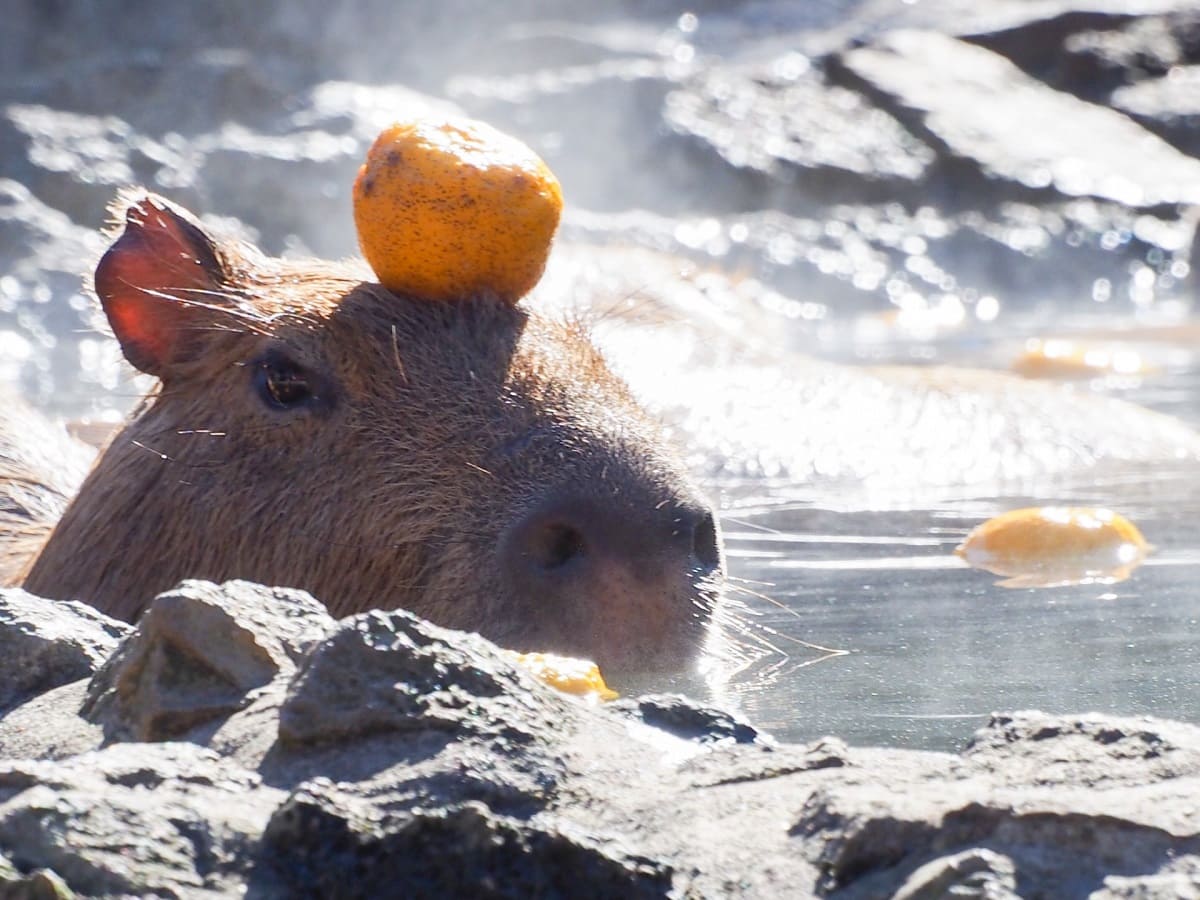
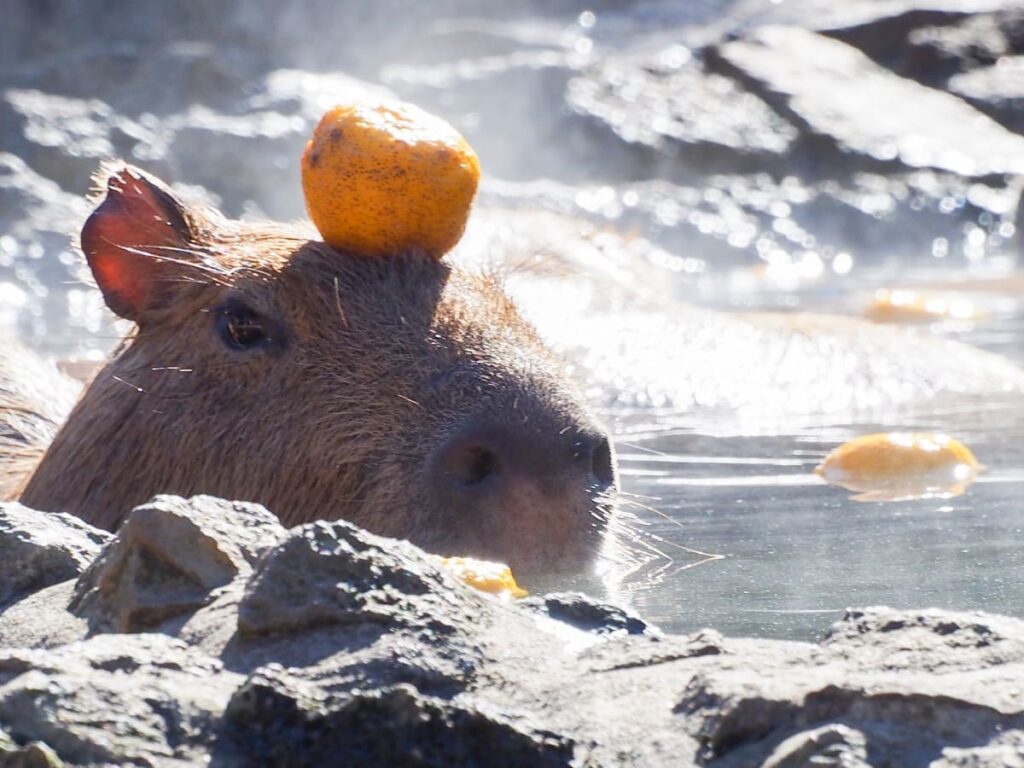
Even Capybaras Enjoy Yuzu Baths in Japan

One of the most adorable winter solstice events in Japan happens in zoos.
Some zoos prepare yuzu baths for capybaras, wishing for their health and happiness throughout the winter season.
The sight of capybaras relaxing in a warm citrus bath has become an iconic winter image in Japan. Many visitors come specifically to witness this heartwarming tradition, and the photos often go viral online.
The Cultural Meaning Behind Yuzu Baths
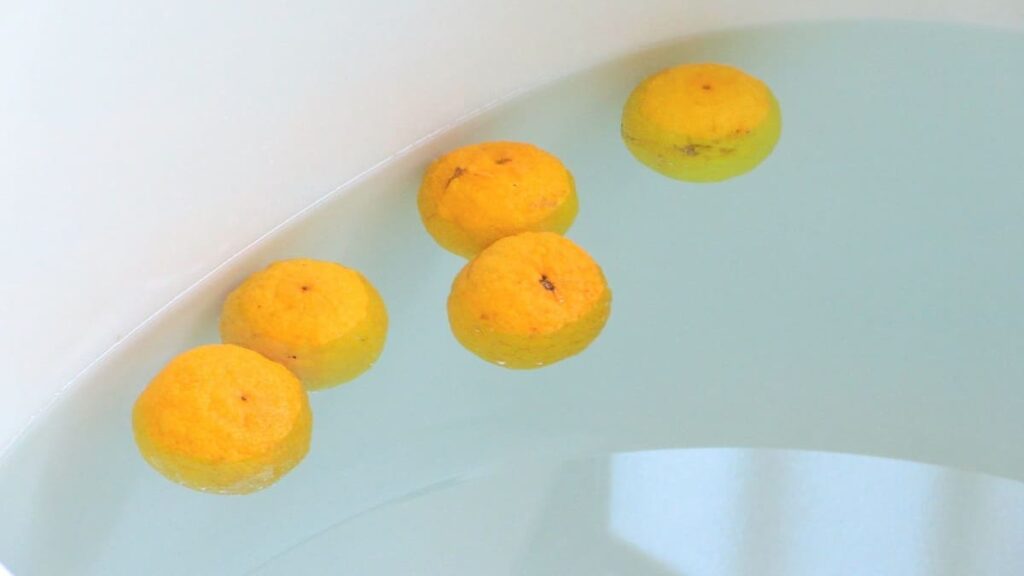
Yuzu baths are more than a seasonal bath—they reflect key aspects of Japanese culture:
- valuing seasonal ingredients
- believing in the cleansing power of natural fragrance
- preparing the body and mind to welcome good fortune
In Japan, the winter solstice marks a turning point:
“A fresh start begins after purification.”
Yuzu baths embody this beautiful cultural mindset.
How to Enjoy a Yuzu Bath at Home
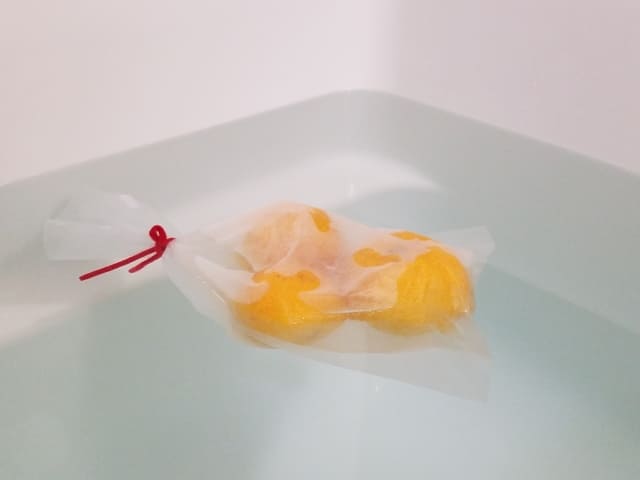
If you can find yuzu in your country, you can easily create this Japanese experience at home.
● What You Need
- 1–5 whole yuzu
- A small mesh bag (optional)
● How to Make a Yuzu Bath
- Rinse the yuzu lightly.
- Place them in the tub—or put them in a mesh bag.
- Soak and enjoy the aroma!
For a stronger scent, you can gently squeeze the fruit.
But be careful—this can increase the essential oils and may irritate sensitive skin.
Some people may feel a tingling or itching sensation. It’s a good idea to rinse your body lightly after taking a yuzu bath.
I always do that.
Why Yuzu Baths Are Loved in Japan
Yuzu baths remain popular because they combine:
- health benefits
- relaxation
- good luck and seasonal meaning
They offer warmth for the body, calm for the mind, and a sense of connection to nature and tradition. For visitors to Japan, taking a yuzu bath is a simple but unforgettable way to experience authentic Japanese culture.
Final Thoughts about Yuzu Bath — A Little Winter Magic from Japan
Yuzu baths are a gentle, fragrant tradition that has been passed down since the Edo period.
From purification rituals to cold prevention, from family bathtubs to capybara spa time, this custom represents the warmth and charm of winter in Japan.
If you visit Japan during winter, definitely try a yuzu bath.
It’s a refreshing, heartwarming way to feel the beauty of Japanese seasonal culture.

If you are interested in Japanese culture, you may love these games!
Let’s play!

Yes! Let’s play!

Comments