
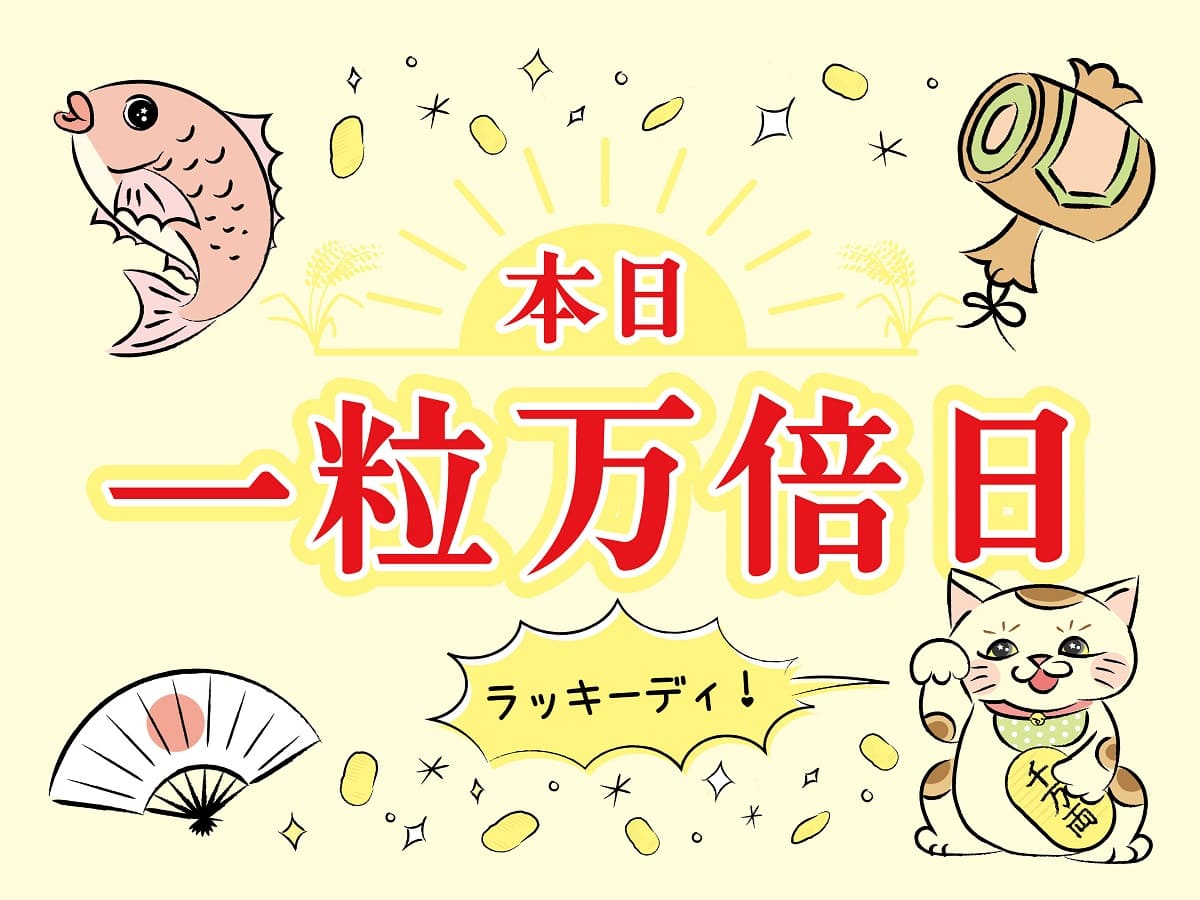


If you’re someone who loves learning about unique cultural traditions, then Ichiryumanbaibi might just be your next favorite discovery. A lucky day deeply rooted in Japanese culture, it promises to bring positivity, growth, and the perfect opportunity to take the first step toward your dreams.
So, let’s dive into what makes this day so special!

Ichiryumanbaibi always gets me excited too.
- The Meaning of Ichiryumanbaibi
- Good Things to Do on Ichiryumanbaibi
- Things to Avoid on Ichiryumanbaibi
- When Ichiryumanbaibi Combines with Other Lucky Days
- Ichiryumanbaibi Calendar for 2026
- The Strongest Lucky Days in 2026
- The Origin and History of Ichiryumanbaibi
- Why Is Ichiryumanbaibi So Popular Today?
- Final Thoughts about Ichiryumanbaibi: A Lucky Day for Small Steps
The Meaning of Ichiryumanbaibi

Ichiryumanbaibi is a fortunate day in the Japanese calendar.
The name literally means:
“One grain of rice grows into ten thousand grains.”
In other words,
something small can grow into something huge.
Because of this meaning, Ichiryumanbaibi is believed to be a perfect day to:
- Start something new
- Make an important decision
- Plant the “seeds” for future success
Even a small action taken on this day is thought to grow many times bigger over time.

Think of Ichiryumanbaibi as the Japanese version of a ‘lucky day.’ It’s akin to a fresh start, like setting New Year’s resolutions — but in Japan, this day is believed to multiply the effects of your actions.
Good Things to Do on Ichiryumanbaibi
This lucky day is ideal for anything you want to grow, continue, or succeed in the long run.
Money & Fortune
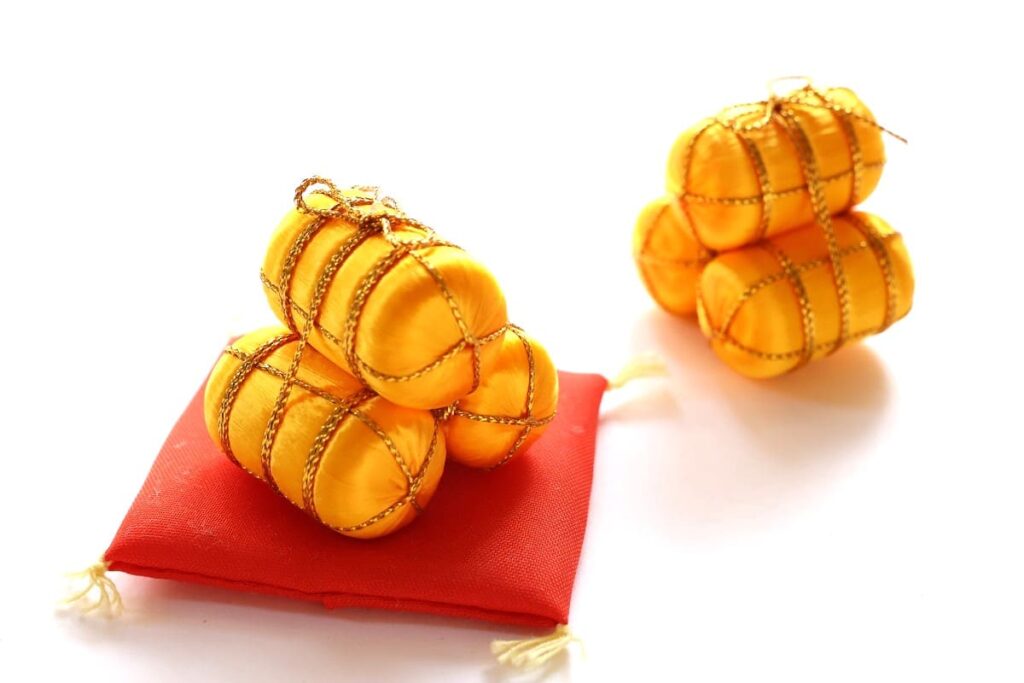
Many people in Japan focus on financial actions on this day.
- Buy a new wallet or start using one
- Open a bank account
- Begin investing or saving money
That’s why luxury brands often promote wallets around Ichiryumanbaibi.
And some people in Japan choose to start using a new wallet on Ichiryumanbaibi, as it’s seen as a symbol of a fresh financial start. If you’re curious, you might enjoy taking a look at a wallet like this one, which is often associated with positive beginnings.


I’ve heard that yellow or gold wallets are good for money luck!
Work & Career

It’s also a great day for professional beginnings.
- Start a business or open a shop
- Launch a new project
- Buy new tools or equipment for work
If you’ve been waiting for the “right timing,” this day is considered a good sign.
Relationships & Life Events

Important life milestones are also popular choices.
- Marriage, engagement, or legal registration
- Starting a new class or hobby
- Building new relationships
The idea is to let good connections grow naturally.

If you’re thinking about starting something new, Ichiryumanbaibi is a great choice.
Things to Avoid on Ichiryumanbaibi
While Ichiryumanbaibi is a day to take positive steps, it’s also important to avoid certain actions that could ‘grow’ in the wrong direction.
Avoid Borrowing Money
It’s believed that taking on debt during this day can lead to long-term financial struggles.

I definitely want to avoid any money-related trouble.
Avoid Arguments

Arguments or negative speech could lead to unresolved conflicts that might last much longer than expected.

On Ichiryumanbaibi, it’s best to spend the day calmly and peacefully.
Avoid Impulse Purchases

Spending recklessly on this day is said to result in regret later on.
When Ichiryumanbaibi Combines with Other Lucky Days
What makes Ichiryumanbaibi even more powerful is when it coincides with other traditional lucky days.
For instance…
Tensha-nichi (天赦日)
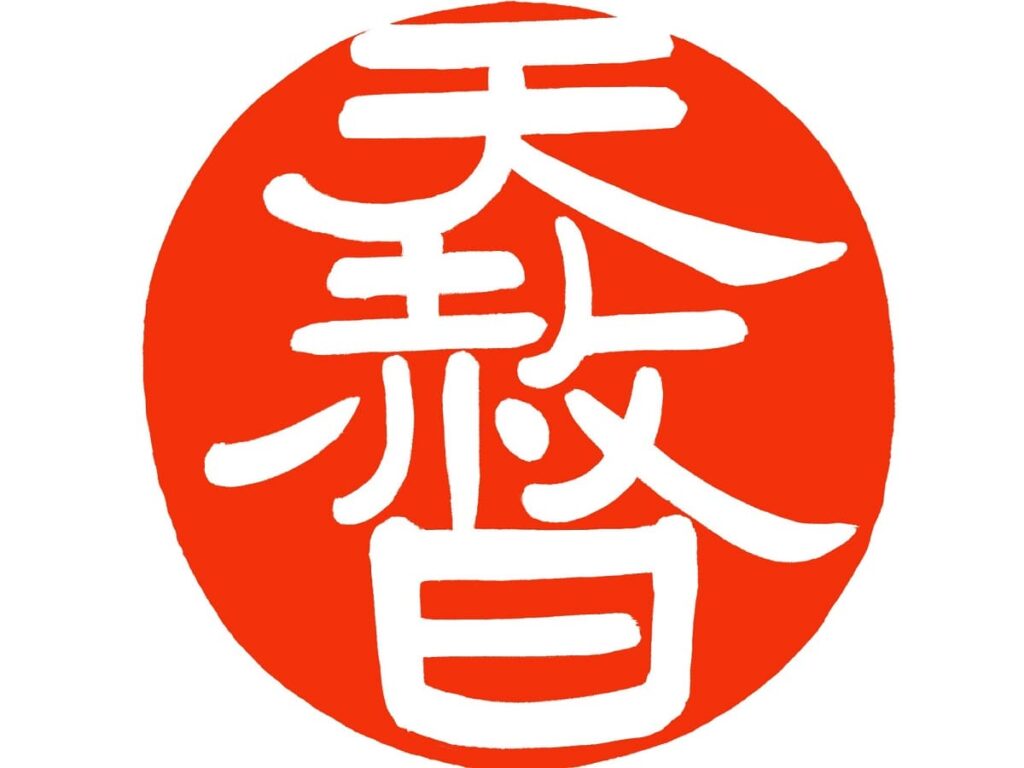
Known as the ‘luckiest day,’ it is a day when all actions are thought to be blessed with good fortune. When Ichiryumanbaibi and Tensha-nichi fall on the same day, it’s considered a ‘Super Lucky Day.’ It’s the perfect moment for important decisions, such as starting a business or making a major purchase.
Fujōju-bi (不成就日)

In contrast, this is considered an unlucky day. If Ichiryumanbaibi happens to fall on a Fujōju-bi, people tend to be cautious and avoid taking significant actions.

I personally don’t worry about Fujōju-bi, but some people care about it.
Ichiryumanbaibi Calendar for 2026
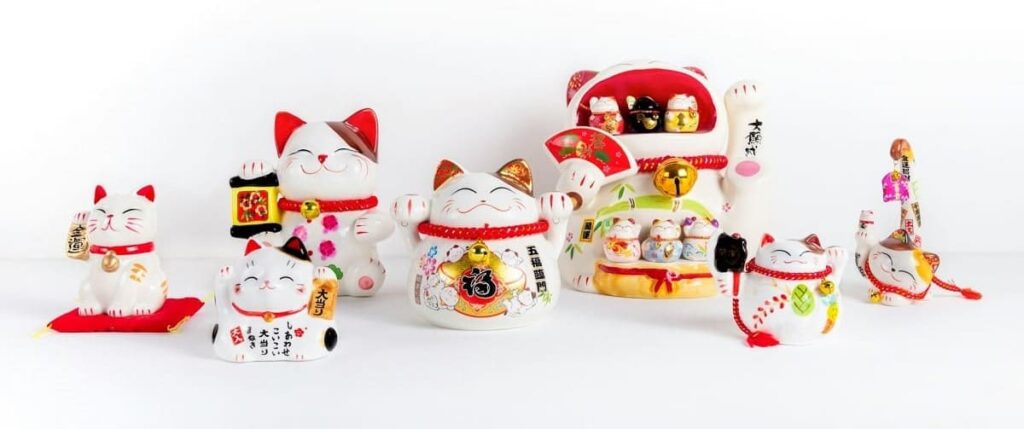
Here is a complete table of Ichiryumanbaibi (Lucky Days) in 2026.
These are considered ideal days in Japan for starting something new or making an important decision.
| Month | Ichiryumanbaibi Dates |
|---|---|
| January | 1, 2, 5, 14, 17, 26, 29 |
| February | 8, 13, 20, 25 |
| March | 4, 5, 12, 17, 24, 29 |
| April | 8, 11, 20, 23 |
| May | 2, 5, 6, 17, 18, 29, 30 |
| June | 12, 13, 24, 25 |
| July | 6, 7, 10, 19, 22, 31 |
| August | 3, 13, 18, 25, 30 |
| September | 6, 7, 14, 19, 26 |
| October | 1, 11, 14, 23, 26 |
| November | 4, 7, 8, 19, 20 |
| December | 1, 2, 16, 27, 28 |

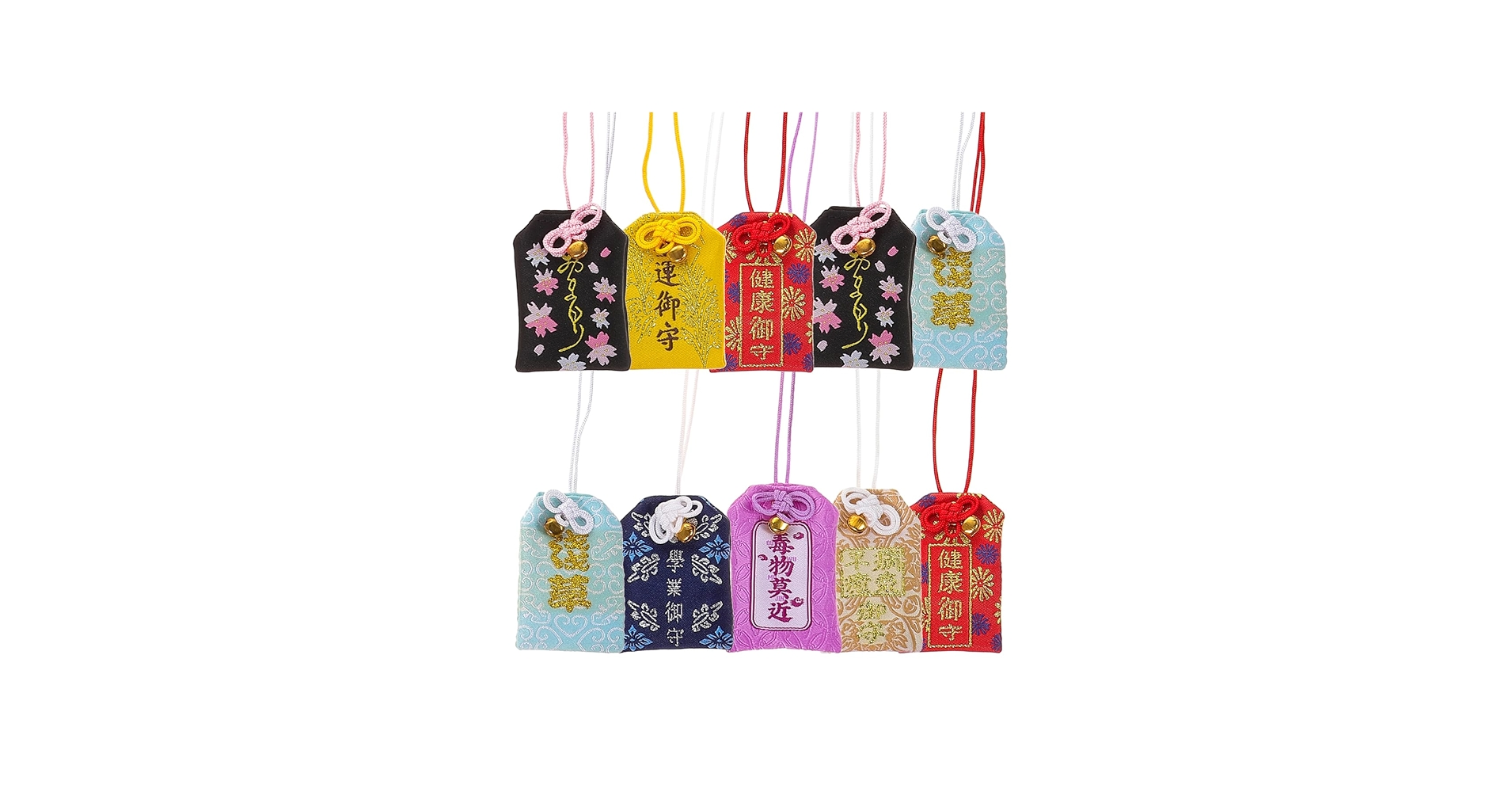
Some people choose to commemorate Ichiryumanbaibi with small tokens that symbolize new beginnings and good luck. For example, traditional Japanese amulets and hanging charms can add a meaningful touch to your day.
The Strongest Lucky Days in 2026
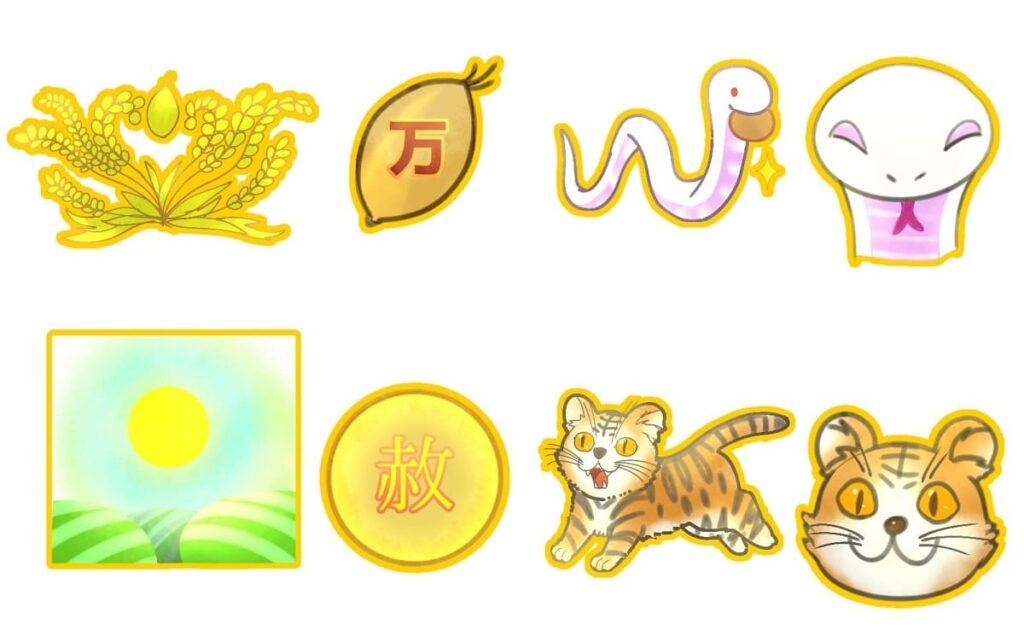
Here are some especially powerful dates when Ichiryumanbaibi and Tensha-nichi overlap.
March 5 (Thu) — Highly Recommended
Ichiryumanbaibi × Tensha-nichi × Tiger Day × Taian
Four lucky days at once — the most powerful day of 2026.
Perfect for big decisions, opening a business, or buying a new wallet.

March 5 is a super lucky day! I have to do something special on that day.
October 1 (Thu)
Ichiryumanbaibi × Tensha-nichi
A great day to start the second half of the year fresh.
December 16 (Wed)
Ichiryumanbaibi × Tensha-nichi
The final super lucky day of 2026 — ideal for setting intentions for the future.
The Origin and History of Ichiryumanbaibi
The concept of Ichiryumanbaibi came to Japan from ancient Chinese calendar systems and developed through Japanese history.
Buddhist Roots: Hōon-gyō

The phrase “one grain becomes ten thousand” comes from a Buddhist scripture called Hōon-gyō.
Originally, it taught that:
Even a small good deed will return as great happiness in the future.
This moral idea later became part of Japan’s calendar culture.
When Did It Enter the Calendar?

- Heian & Kamakura Periods
Similar ideas were already used by calendar specialists and onmyōji (yin-yang masters). - Edo Period
Ichiryumanbaibi was officially written into popular calendars.
Because Japan was an agricultural society, days connected to seeds and harvest were especially meaningful.
Why Is Ichiryumanbaibi So Popular Today?
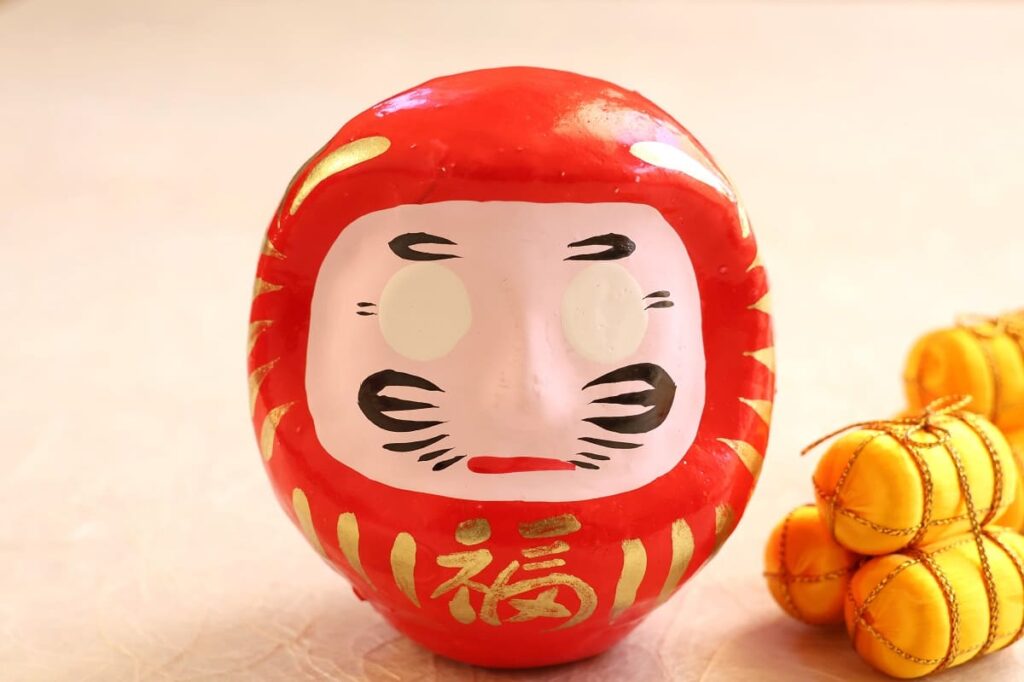
Surprisingly, its current popularity is quite recent.
In the Past
- Known mainly by calendar experts
- Listed in specialized traditional almanacs
Today
- Widely shared on social media
- Associated with luxury wallets and weddings
- Often mentioned when celebrities announce marriages or new projects
It fits perfectly with modern lifestyle culture while keeping traditional Japanese values alive.

Ichiryumanbaibi is very well known now, but I didn’t know about it at all before. Once I learned its origins, I started to feel it’s actually a really lovely day!
Final Thoughts about Ichiryumanbaibi: A Lucky Day for Small Steps
Remember, Ichiryumanbaibi isn’t about making huge moves — it’s about starting small. Whether it’s purchasing a new wallet or deciding to learn something new, every small step you take today can lead to bigger things tomorrow.
So, take that first step — and let it grow into something amazing!

If you are interested in Japan, you may love these games!
Let’s play!

Yes! Let’s play!


Comments