
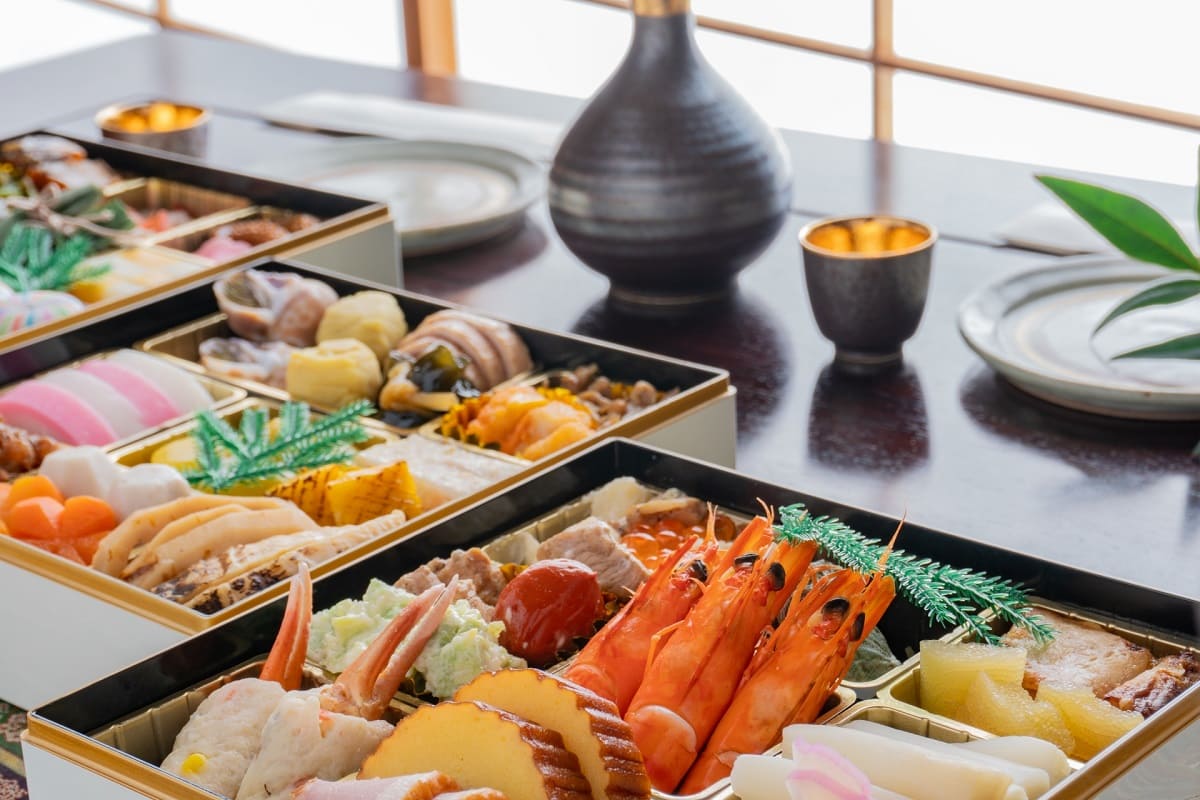


“When exactly is New Year in Japan?”
“Many Asian countries celebrate Lunar New Year—so why doesn’t Japan?”
These are common questions among people interested in Japanese culture.
In fact, Japan’s New Year customs are quite unique, and surprisingly, Japan has celebrated January 1st as New Year’s Day for only about 150 years.
In this article, we’ll explore:
- When New Year is celebrated in Japan
- Whether Japan celebrates Lunar New Year
- Why Lunar New Year disappeared from mainstream Japanese culture
- What Japanese New Year was like before the modern calendar

Let’s take a closer look at the fascinating history behind Japanese New Year traditions.
When Is New Year in Japan?
In modern Japan, the New Year period is generally understood in two main time frames.
The Three New Year Days (January 1–3)
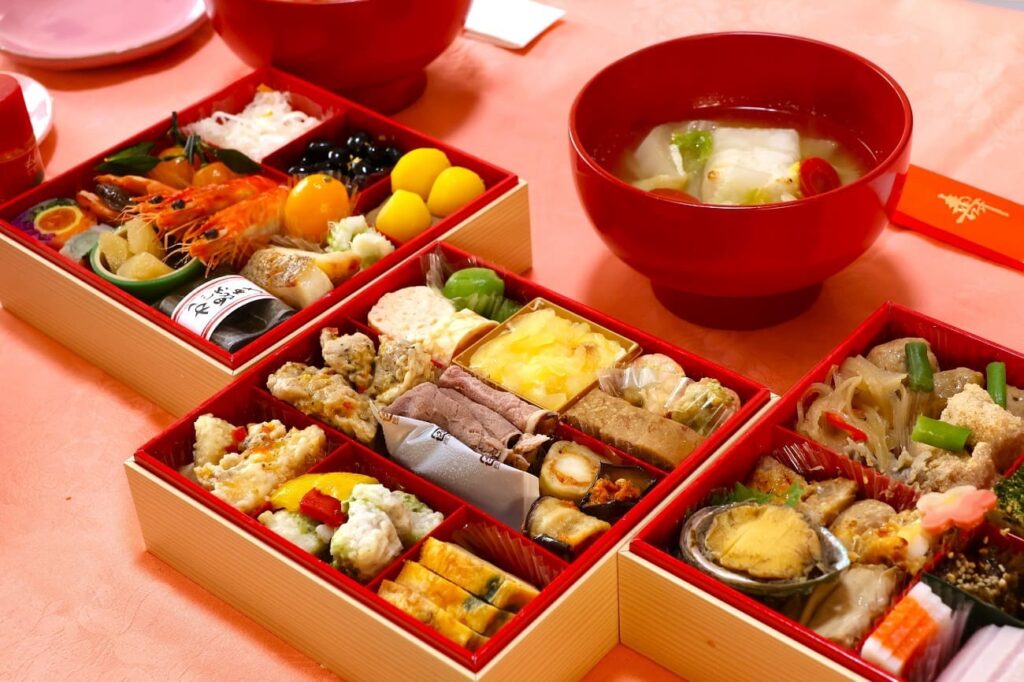
The most “New Year-like” period is known as Sanganichi, the first three days of January.
During this time:
- Many businesses and shops are closed
- Families gather, eat traditional foods, and visit shrines or temples
- TV programs and the overall atmosphere feel slow and festive
For most Japanese people, this period defines New Year itself.

During the first three days of the New Year, we spend our time eating special New Year dishes at home, drinking celebratory sake, and visiting shrines or temples for the first prayer of the year. They’re truly three special days.
Matsu-no-Uchi: The Period When the New Year Deity Stays
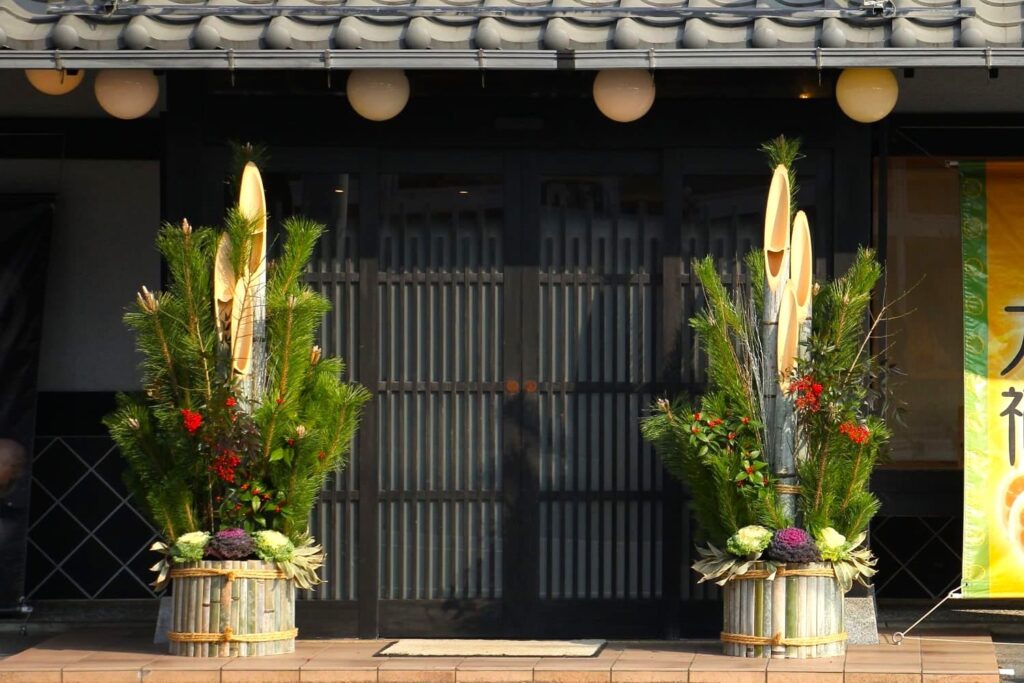
Matsu-no-Uchi refers to the period when the New Year deity, called Toshigami, is believed to visit households.
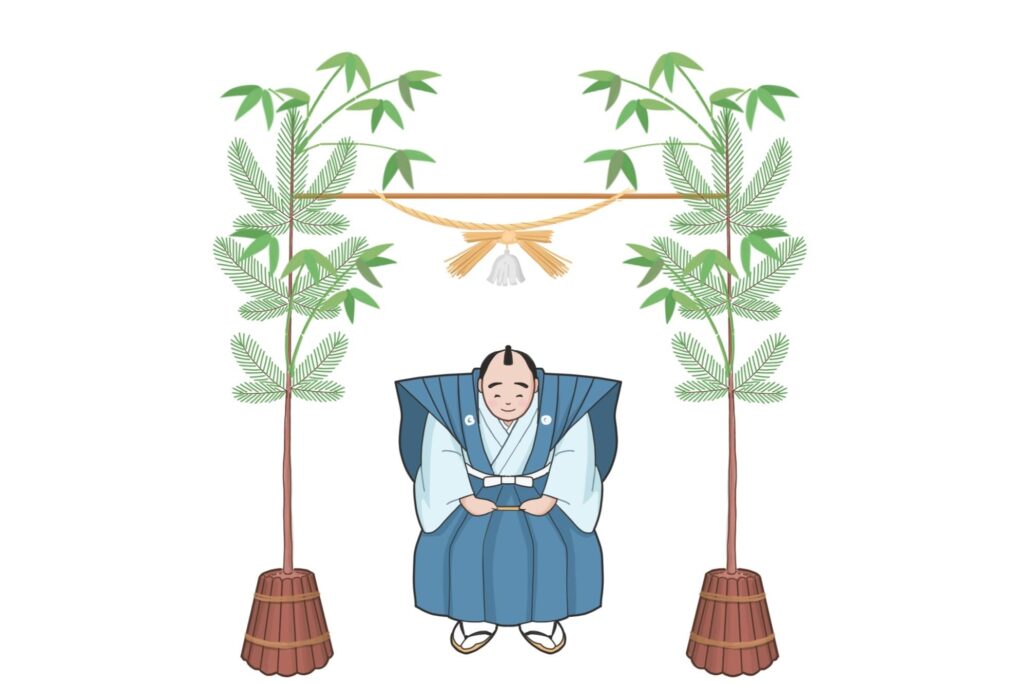
Traditional decorations such as kadomatsu (pine arrangements) and shimenawa (sacred ropes) are displayed during this time.
The length of Matsu-no-Uchi varies by region:
- Kanto region (including Tokyo): until January 7
- Kansai region and others: until January 15 (known as Koshogatsu, or “Little New Year”)
This regional difference often surprises even Japanese people.

Matsu-no-uchi is a time when daily life gradually returns, but we’re still enjoying the afterglow of the New Year. In my family, Matsu-no-uchi lasts until January 15, so we enjoy the Seven-Herb Rice Porridge on January 7 and sweet red-bean soup at the Kagami-biraki ceremony while still in a New Year mood.

I always feel a little sad when Matsu-no-uchi ends and it’s time to take down the New Year decorations.
Does Japan Celebrate Lunar New Year?
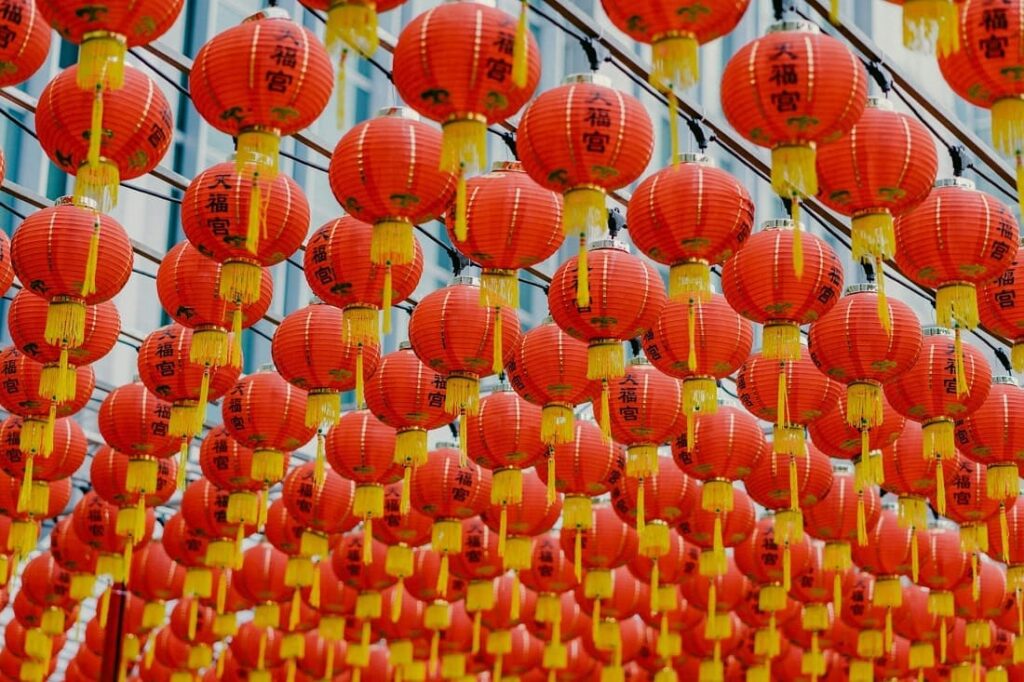
In short, most of Japan does not celebrate Lunar New Year.

Japan used to celebrate Lunar New Year, but today the custom has almost completely disappeared.
Many Asian countries—such as China, Taiwan, Korea, and Vietnam—still celebrate Lunar New Year as their biggest holiday.
Japan, however, largely moved away from this tradition.
That said, there are important exceptions:
- Okinawa
- The Amami Islands (Kagoshima)
In these regions, Lunar New Year is still observed as a meaningful cultural event.
So why did the rest of Japan stop celebrating it?
Why Japan Stopped Celebrating Lunar New Year
The biggest reason lies in a dramatic historical event during the Meiji era: the sudden change of the calendar.
Japan Originally Used the Lunar Calendar
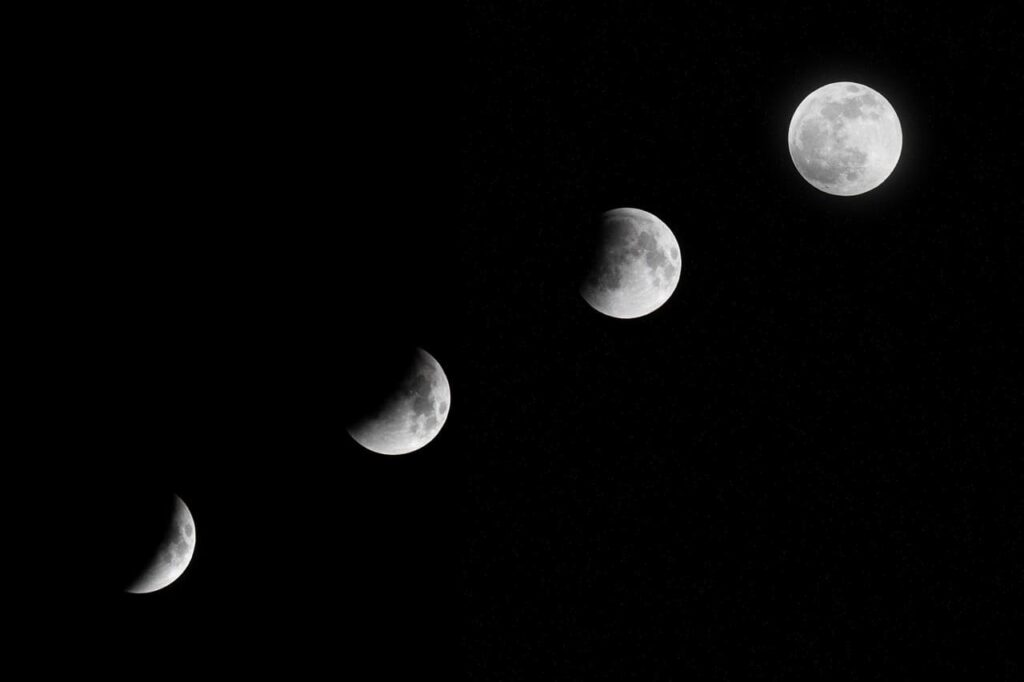
Until the late 19th century, Japan used a lunisolar calendar, similar to that of China.
This calendar:
- Was based on the phases of the moon
- Adjusted for seasonal drift by adding a leap month every few years
It fit perfectly with agriculture and traditional festivals.
A Sudden Switch in 1872
In 1872 (Meiji 5), the Japanese government made a shocking announcement:
The day after December 2, 1872, will be January 1, 1873.
For ordinary people, this change was abrupt and confusing.

Wait—so the day after December 2, Meiji 5, suddenly became January 1, Meiji 6?

Apparently, the government issued a decree to all ministries on November 3, and on November 9 it officially announced the “Calendar Reform Proclamation” (Dajōkan Proclamation No. 337), declaring that the lunar calendar would be abolished as of December 2, Meiji 5, and that the solar calendar would be adopted starting the very next day—December 3—which was designated as January 1, Meiji 6.
One of the main reasons was that, after Japan opened to the West, the difference between the Western solar calendar and Japan’s lunar calendar often caused inconveniences in diplomacy and other international matters.

The change was so sudden that not only the general public, but even the government itself, seemed to be thrown into confusion.
The Government’s Financial Motive
Behind this decision was a very practical reason.
Under the old lunar calendar, 1873 would have had 13 months due to a leap month.
At the time, the government had just introduced a monthly salary system for officials.
Paying 13 months of salaries instead of 12 was a serious financial burden.
To avoid this, the government rushed the transition to the new calendar.
This explanation is now widely accepted by historians.
How People Adapted
As Japan pushed forward with modernization and Westernization, the new calendar gradually took root—especially in urban areas.
In rural farming communities, however, many people complained that:
- The new calendar didn’t match the seasons
- Agricultural rhythms felt out of sync
Historical records show that the sudden change caused significant confusion across the country.
What Was Japanese New Year Like in the Lunar Calendar Era?
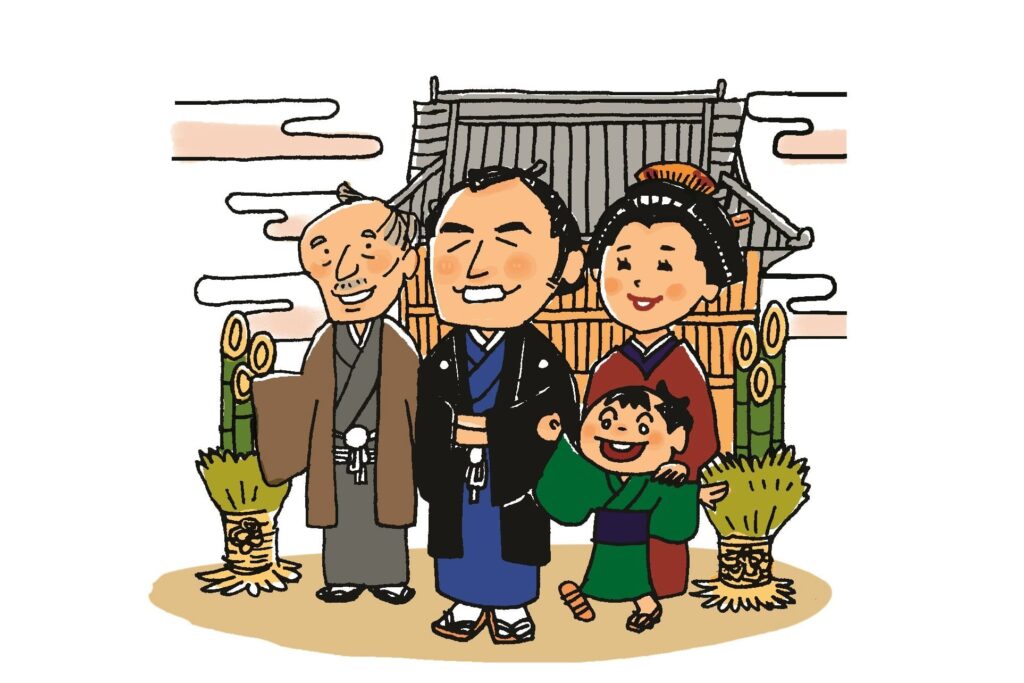
Before modern times, Japanese New Year was deeply rooted in religious belief and seasonal awareness.
It was not simply a holiday, but a sacred time to:
- Welcome the gods
- Celebrate surviving winter
- Look forward to the coming spring
Let’s explore some unique aspects of old-style Japanese New Year.
1. Serious Preparation to Welcome Toshigami
New Year was dedicated to welcoming Toshigami, the deity of the coming year.
For more detail about Toshigami, please check the article below.

Key customs included:
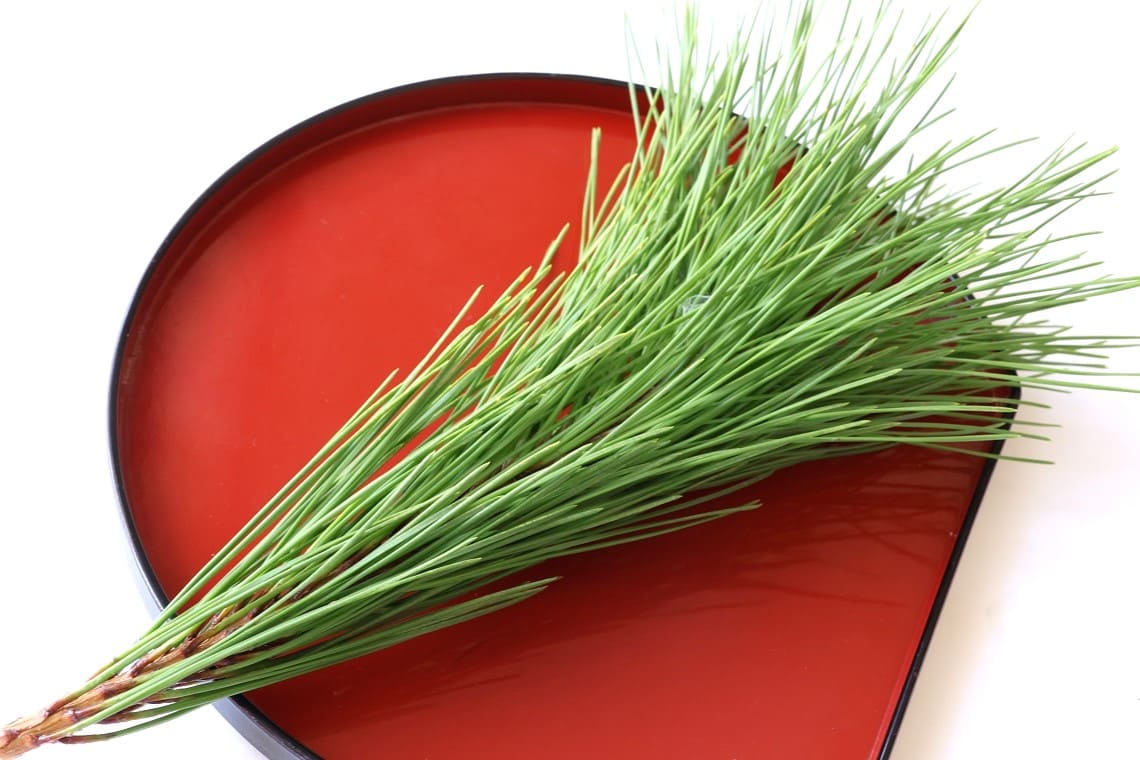 Matsu-mukae | On December 13, people went into the mountains to cut pine branches for the gods—this became the origin of kadomatsu |
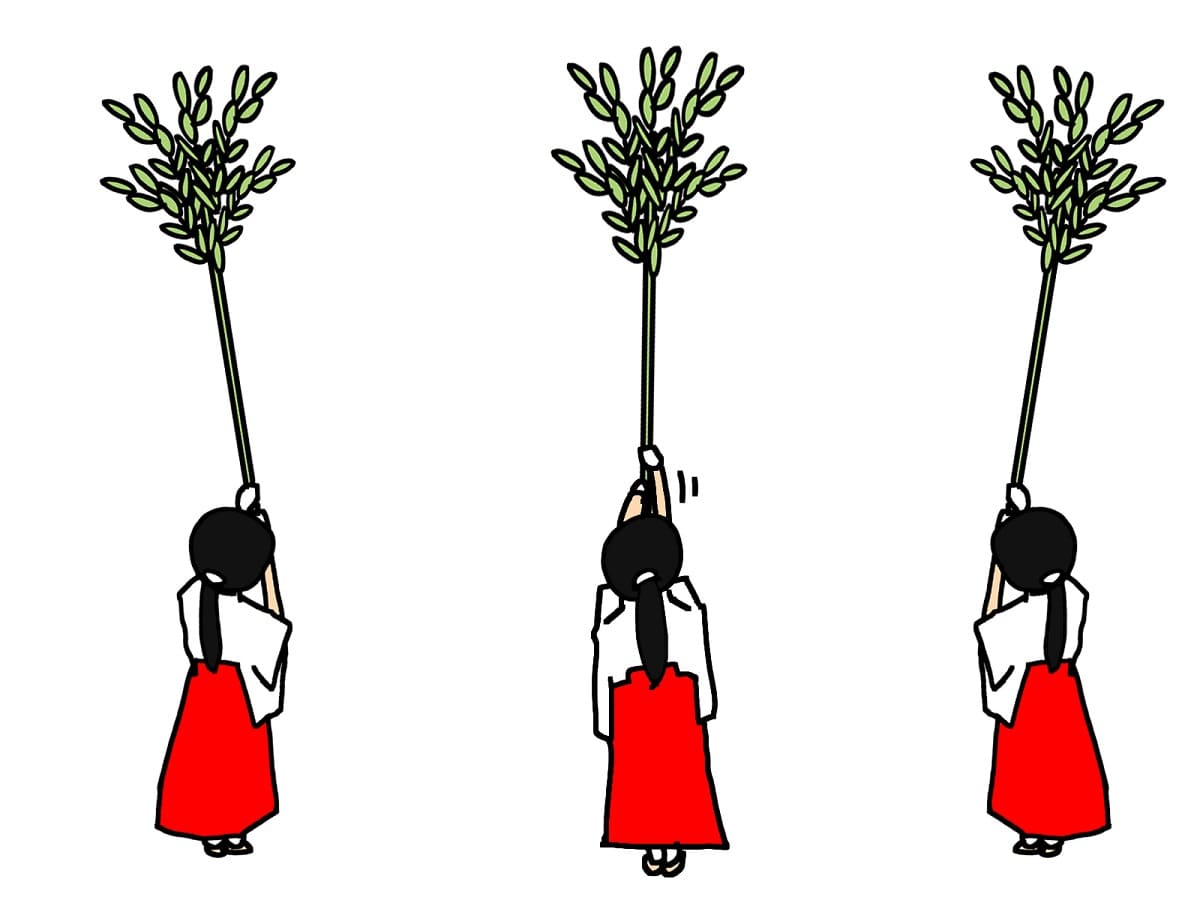 Susuharai | A deep cleaning ritual meant to purify the home for the gods |
| Toshigomori | Staying awake all night from New Year’s Eve to New Year’s Day, keeping the fire burning while waiting for the deity |
This shows how seriously New Year was taken as a spiritual event.

My grandfather used to cut pine branches from his own mountain and bring them home in time for Shōgatsu-kotohajime, the traditional start of New Year preparations.
2. The Star of the Table Was Ozoni, Not Osechi
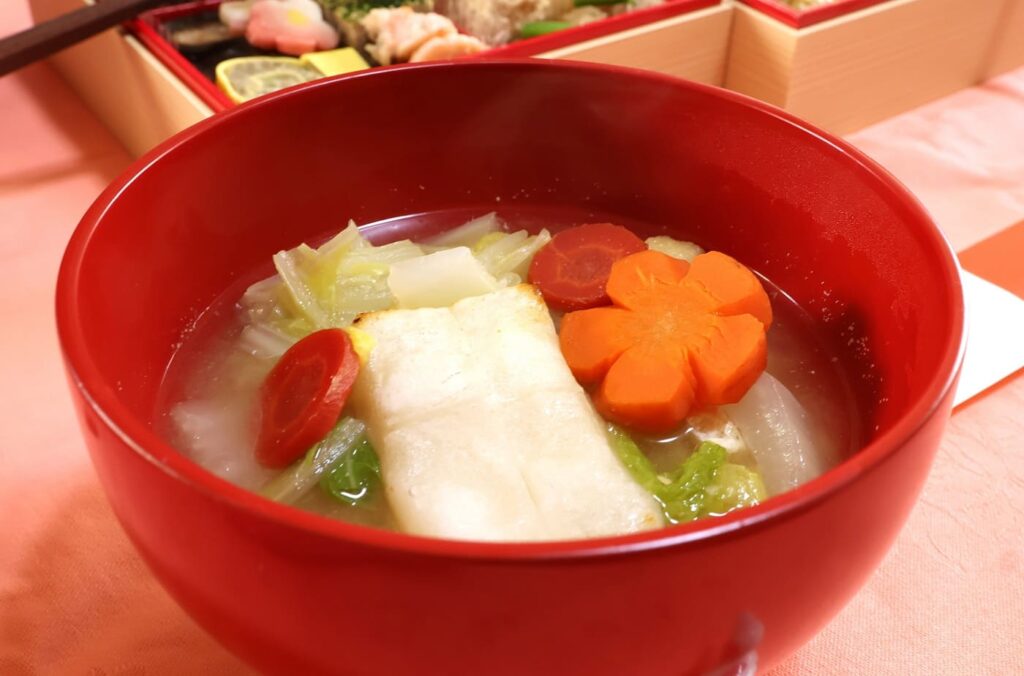
In the Edo period, the most important New Year dish was ozoni, a soup with rice cakes.
- Mochi offered to the gods was eaten afterward
- This was believed to transfer divine power to the family
At the time, osechi dishes were mainly preserved foods.
Nowadays, osechi dishes are the stars of the New Year table, but things were very different in the past.
Because people avoided cooking during the first three days—to rest the kitchen god—foods that could be prepared in advance became essential.
Families also drank toso, a spiced medicinal sake believed to ward off evil and bring longevity.
3. Entertainment and Community Bonding
Lunar New Year was also the biggest source of enjoyment during the agricultural off-season.
Popular customs included:
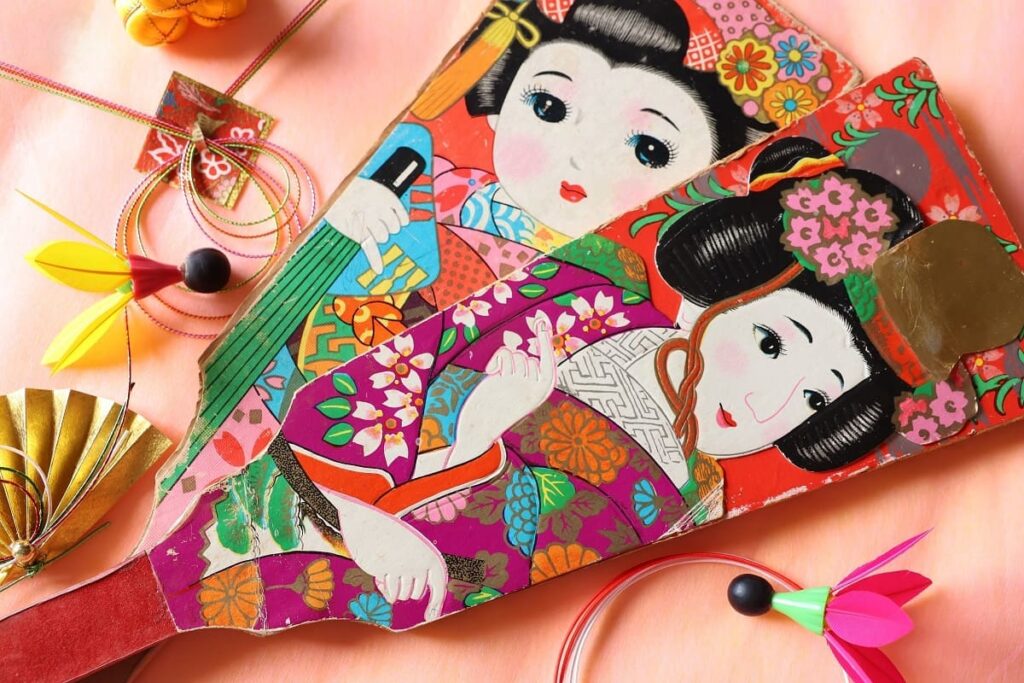
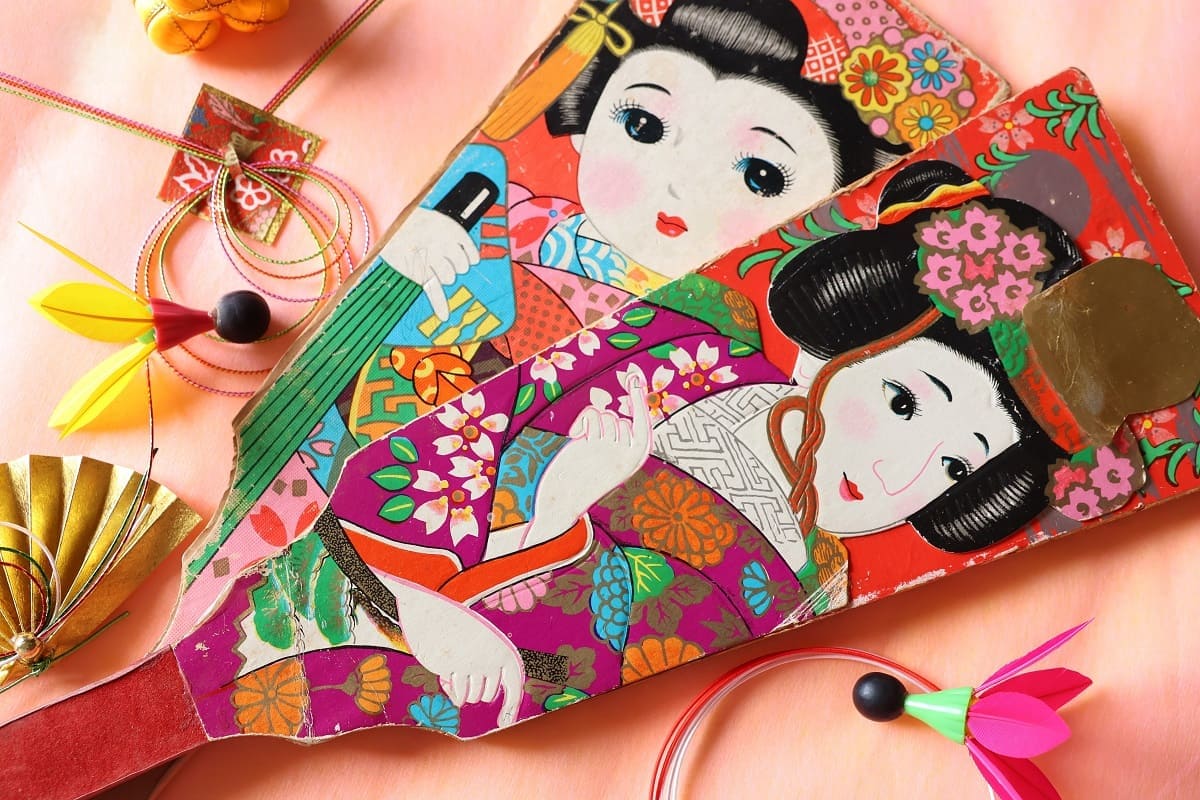 Calligraphy and badminton-like games (hanetsuki) | believed to drive away bad luck |
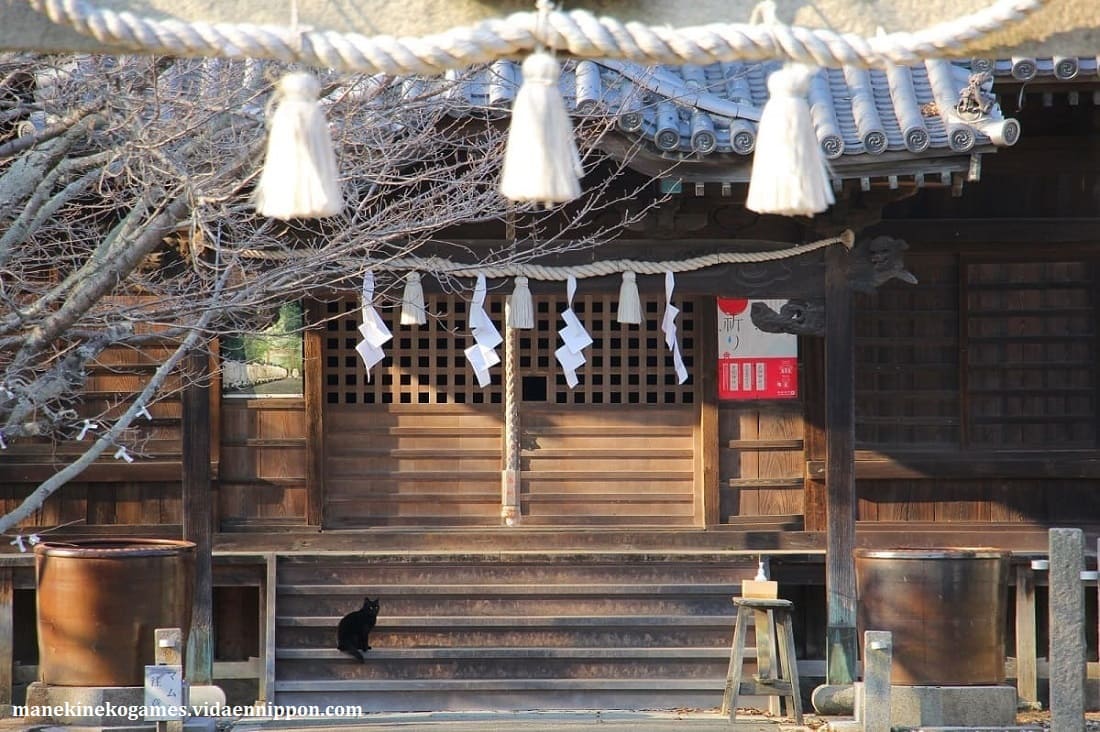 Eho-mairi | visiting shrines or temples located in the year’s lucky direction |
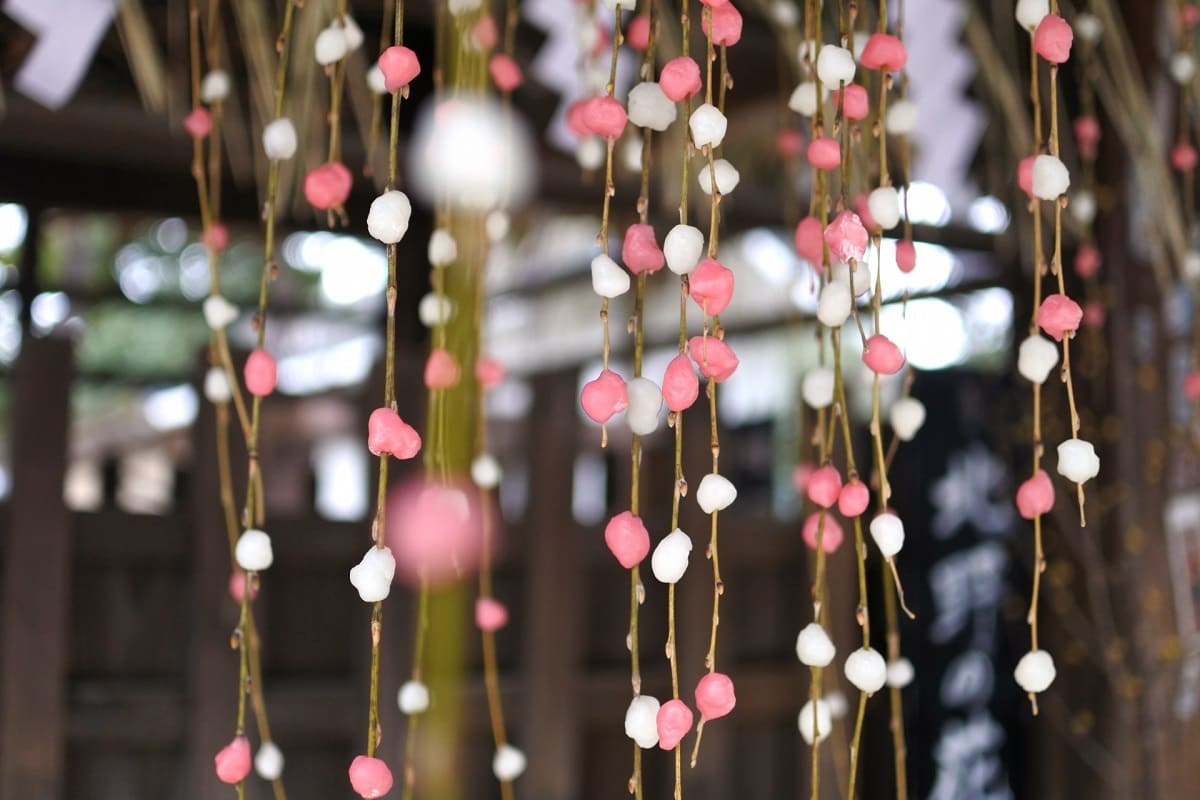 Mochibana | decorating branches with red and white rice cakes in snowy regions to pray for spring and a good harvest |
New Year was a time to strengthen family and community ties.
Celebrating January 1st Is a Relatively New Tradition
It has been only about 150 years since Japanese people began celebrating New Year on January 1st.
For more than a thousand years before that, life followed the rhythm of the lunar calendar.
When rakugo stories or period dramas depict the “busy end of the year” or New Year’s rice-cake making, the setting was actually closer to spring than today’s January.
Viewing these scenes through that lens makes historical Japan feel very different.

Since my great-grandparents were born in the Meiji era, my mother—who was born in the Showa era—told me that when she was a child, they celebrated both the Lunar New Year and the New Year on the modern calendar. Celebrating New Year twice a year sounds amazing—I’m a little jealous!

lol, I thought you were much older! Like from the Muromachi period!

lol!!!
If you are interested in Japanese New Year decorations, check the article below as well.
Conclusion: Understanding Japan and Lunar New Year
- Modern Japanese New Year centers on January 1–3 and Matsu-no-Uchi
- Japan originally celebrated Lunar New Year
- A sudden calendar change during the Meiji era reshaped the culture
- Traditional New Year was deeply spiritual and seasonal
What feels like a timeless tradition today is actually quite recent.
By understanding Japan’s relationship with Lunar New Year, you can gain a deeper appreciation of Japanese culture—and see New Year celebrations from a whole new perspective.

If you are interested in Japan, you may love these games!
Let’s play!

Yes! Let’s play!

Comments