
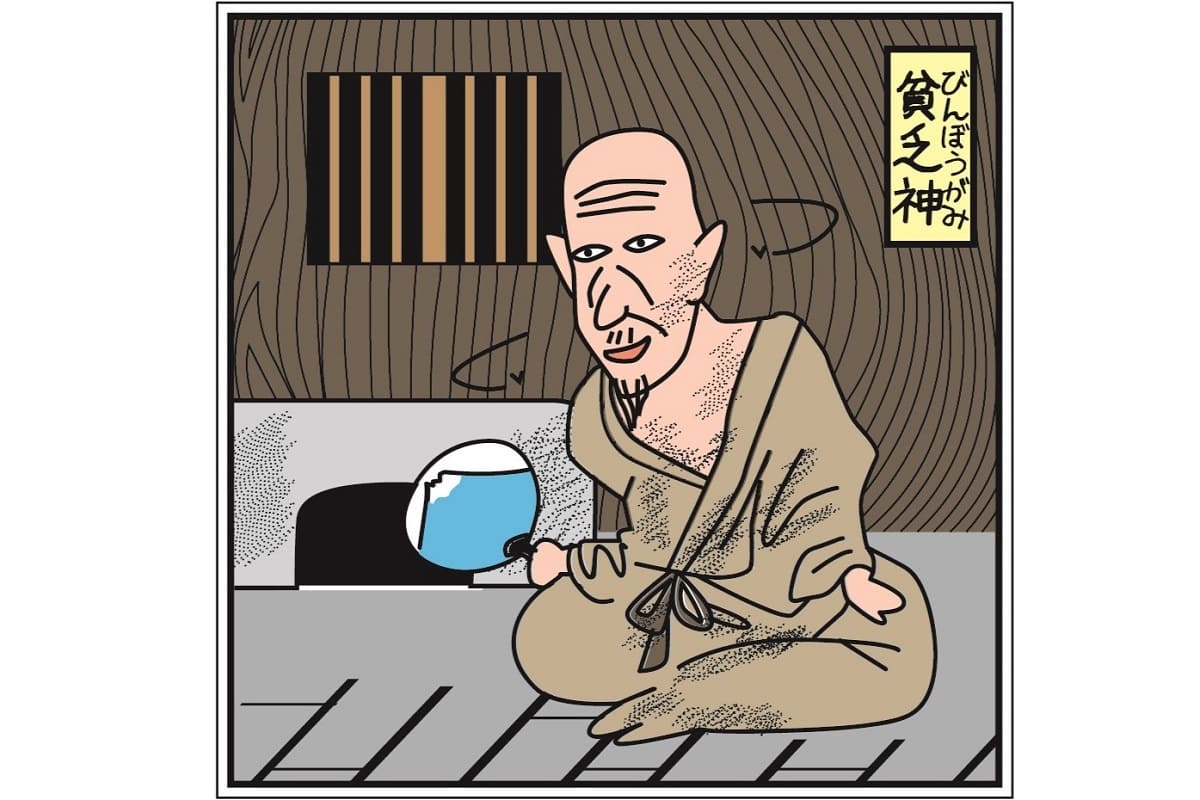

When things don’t go well financially, Japanese people often jokingly say,
“Maybe Binbōgami is visiting.”
Binbōgami (貧乏神) is a well-known figure in Japanese folklore.
Although often translated as the “God of Poverty,” Binbōgami is also treated as a yokai, a supernatural being that represents human fears, habits, and emotions.
But what exactly is Binbōgami, and why has this character remained so popular for centuries?
What Is Binbōgami?
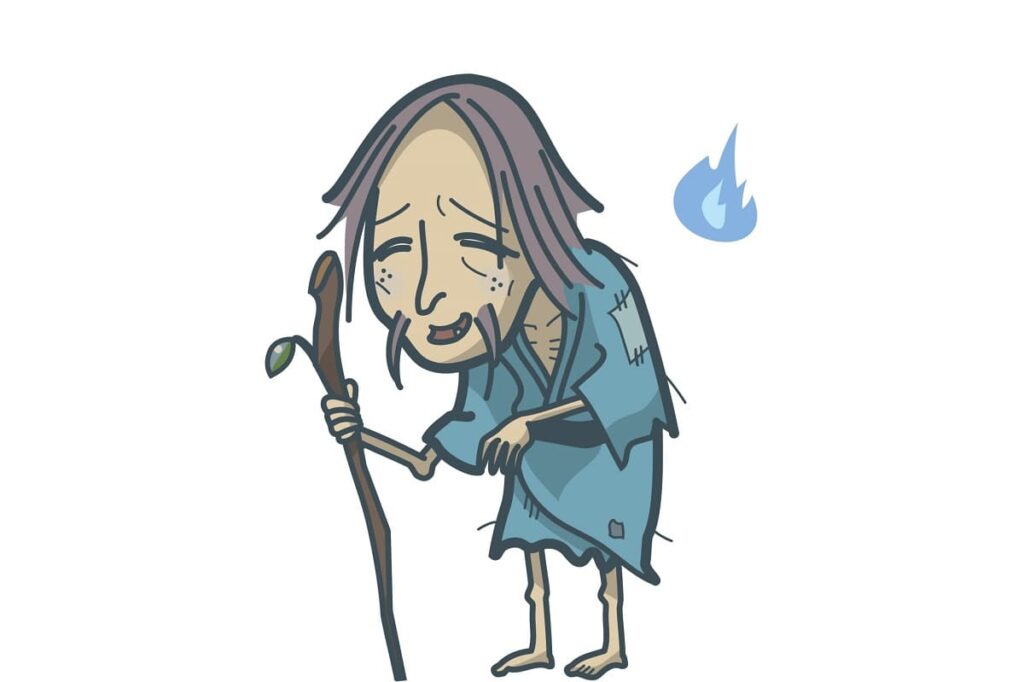
Binbōgami is a supernatural being believed to bring poverty to the households it inhabits.
The character became widely known during the Edo period through rakugo (traditional comic storytelling) and illustrated popular literature.
Interestingly, Binbōgami is not considered a purely evil god.
Instead, it is often described as a being attracted to laziness, negativity, and emotional vulnerability.

lol, Maybe this guy was living in my ex apartment. Bad times back then.
Appearance and Items
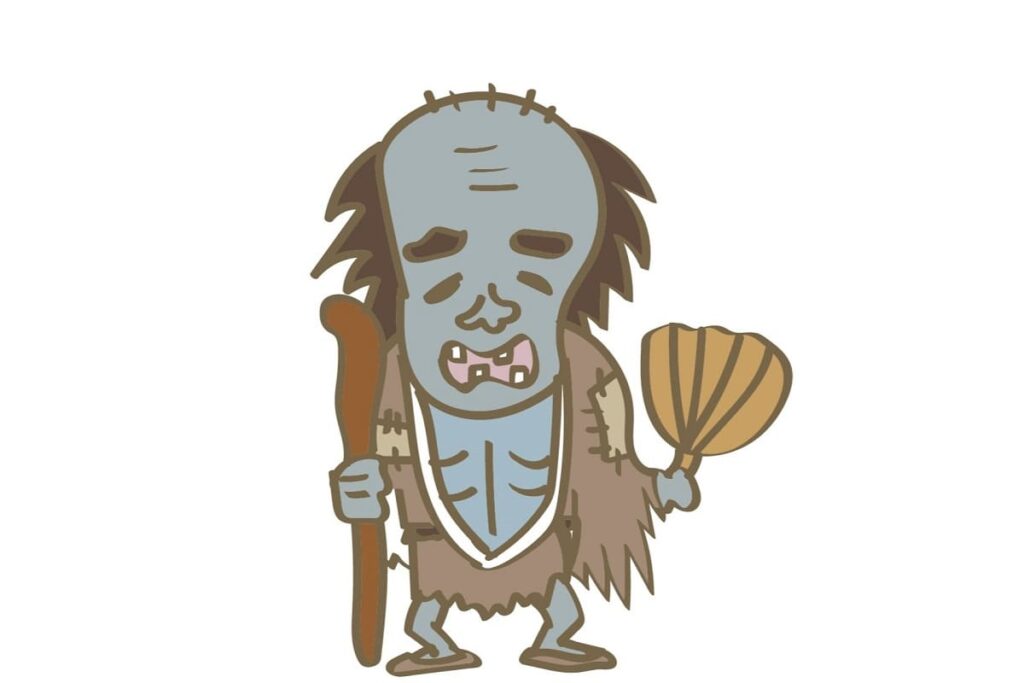
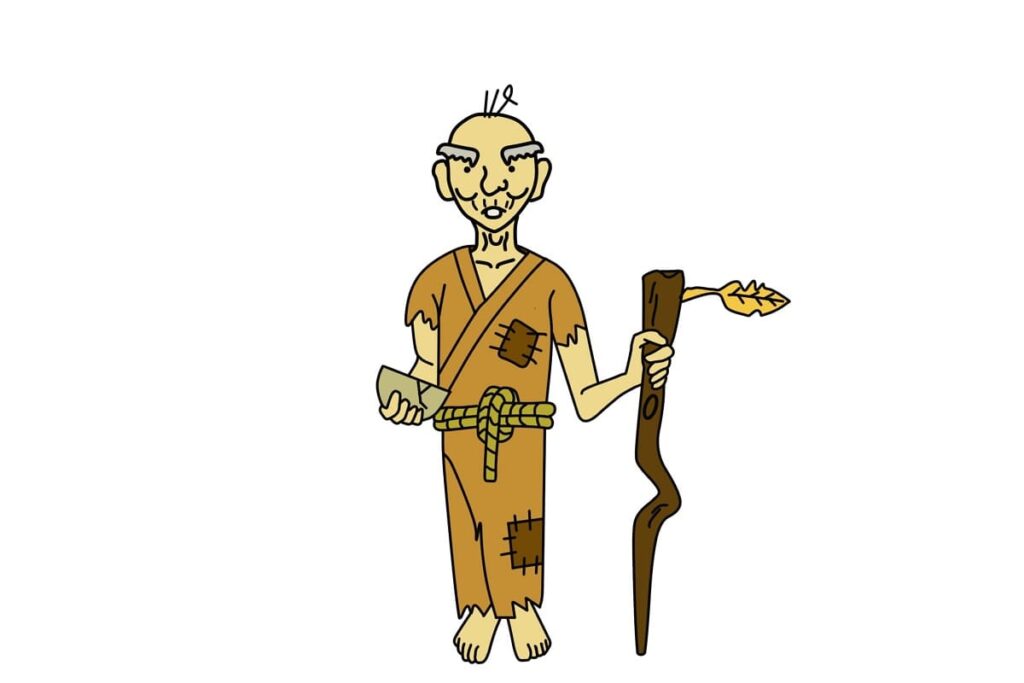
In traditional depictions, Binbōgami looks like:
- A thin, elderly man
- Pale or bluish skin
- Wearing dirty, worn-out clothes
- A sad or troubled expression
He usually carries a hand fan (uchiwa).
According to folklore, he uses this fan to blow away good fortune and draw misfortune closer.
One particularly unique trait is his love of the smell of grilled miso.
In old Japanese homes, the aroma of miso roasted over a hearth was believed to lure Binbōgami inside.

Grilled miso smells so toasty and is really delicious.
Habitat and Behavior
Binbōgami rarely moves around actively.
Instead, he quietly settles into a house and drains its luck over time.

Binbogami’s favorite hiding places are…
- Closets
- Under the floor
- Attics
- Dark, damp corners
By simply staying there, Binbōgami is said to absorb positive energy, leaving the residents feeling unmotivated and unlucky.

Sometimes people describe someone who brings financial trouble by saying, “That person is like a Binbōgami.”
Well… it’s actually a very rude expression, so you shouldn’t use it.
Traditional Ways to Deal with Binbōgami
One interesting aspect of Binbōgami folklore is that force does not work against him.
The Grilled Miso Trick
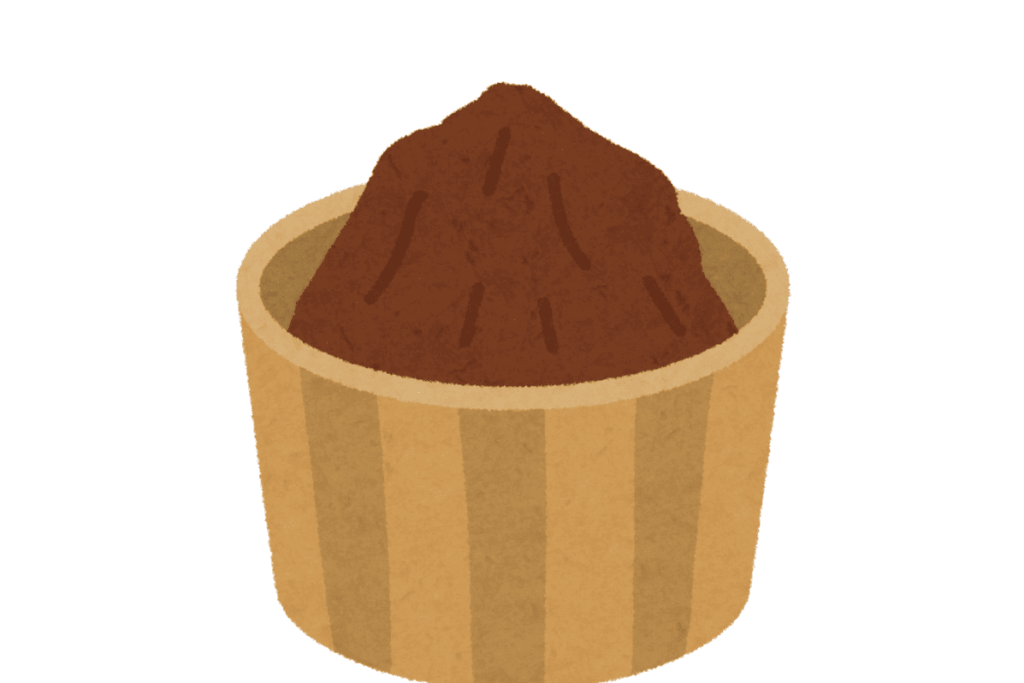
During the Edo period, people tried to pretend to grill miso to lure Binbōgami outside, then symbolically drive him away.
However, angering him was considered dangerous—
a displeased Binbōgami might bring even greater poverty.
Worshipping Binbōgami?

Some regions adopted a surprisingly positive approach:
“If he always comes back anyway, why not treat him kindly?”
In some stories, people even enshrined Binbōgami and transformed him into a god of fortune.
This reflects a deeply Japanese mindset:
“If you’ve hit rock bottom, the only direction left is up.”
Why Is Year-End Cleaning a “Binbōgami Countermeasure”?
Traditionally, Binbōgami is said to prefer dirty, dark, and damp places.
1. Making the House Uncomfortable
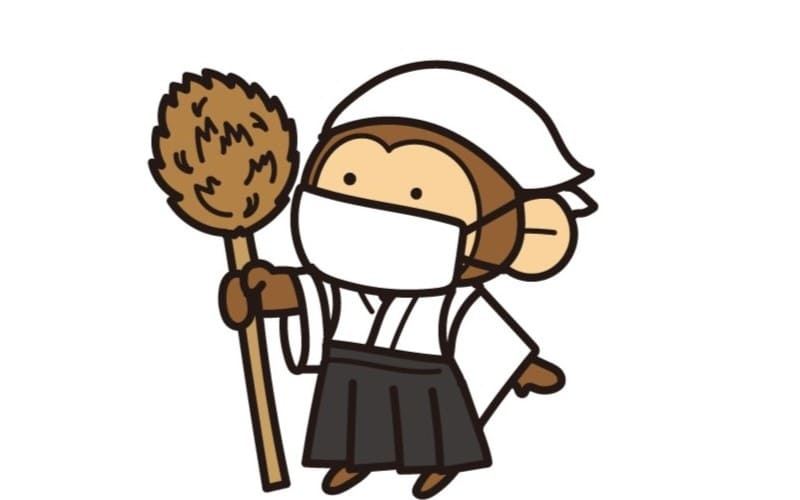
Cleaning removes dust, clutter, and hiding spots—making the home less appealing to Binbōgami.

Especially to welcome the New Year’s deity, people in Japan take year-end cleaning very seriously.

2. Welcoming the New Year’s God

In Japan, the Toshigami (New Year’s deity) brings happiness and prosperity.
This god prefers clean, orderly homes.
If Binbōgami is present, Toshigami cannot enter—
which is why deep cleaning before New Year’s is so important.
If you are interested in Toshigami, check the article below as well.

3. Removing Mental Negativity
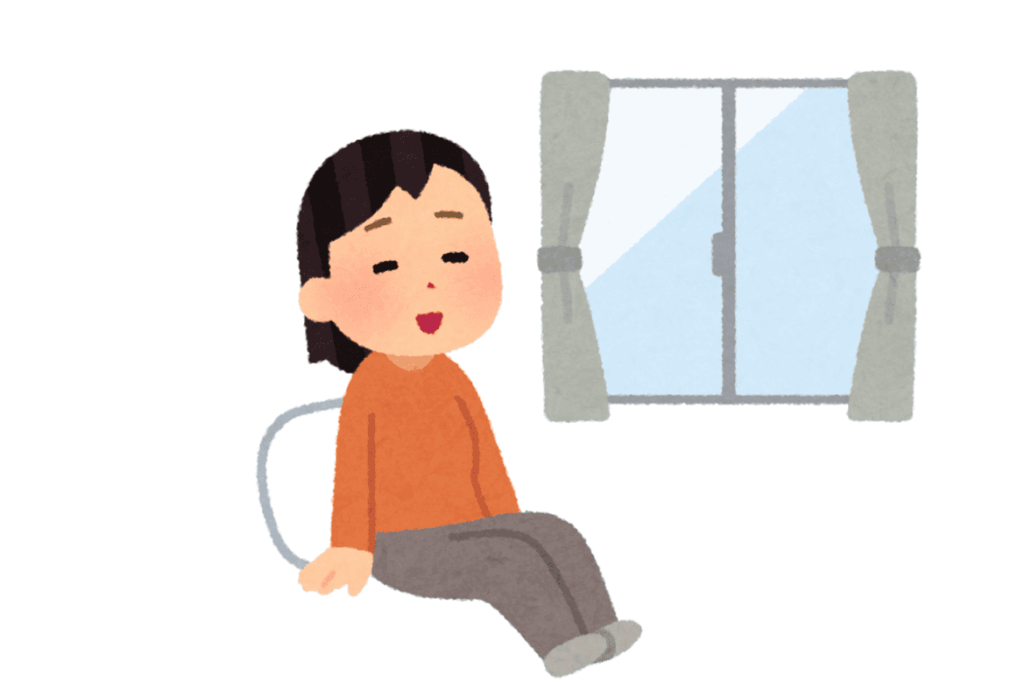
A messy space often reflects a messy mind.
Cleaning is also a ritual to reset your mindset and welcome the new year positively.
How to Avoid Binbōgami

When cleaning, pay special attention to:
- The entrance – the gateway for all good fortune
- Bathrooms and kitchens – places where stagnation gathers
- Corners of rooms – Binbōgami’s favorite spots
Cleaning is not just housekeeping; it’s a symbolic act of removing bad luck and inviting prosperity.
Binbōgami in Old Folktales
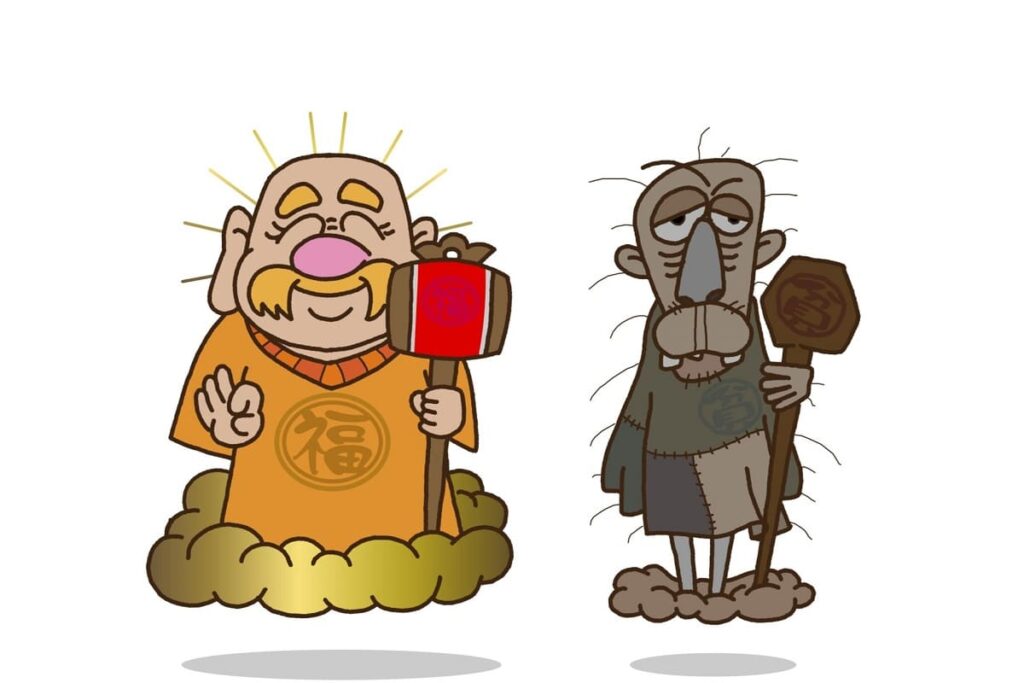
In rakugo and traditional folktales, Binbōgami is often portrayed in a surprisingly gentle and realistic way.
In these stories, a household that has been chosen by Binbōgami will never become extremely wealthy, no matter how hard the family works. Great fortune and sudden riches are simply out of reach once the god has settled in.
However, this does not mean the family is doomed to misery.
Instead, many tales suggest that by accepting Binbōgami’s presence and getting along with him, the family can live a modest but peaceful and content life.
They may not be rich, but they have enough to eat, a roof over their heads, and moments of small happiness.
This idea reflects a traditional Japanese value:
happiness is not always about becoming rich, but about finding balance and satisfaction within one’s circumstances.
Despite being a god of poverty, Binbōgami is often depicted as:
- Emotionally sensitive
- Easily moved by kindness
- Lonely and eager for human connection
In many stories, when people treat him with warmth instead of hostility, he responds in kind.
This makes Binbōgami less of a frightening monster and more of a deeply human, even endearing character.
Final Thoughts about Yokai That Reflects the Human Mind
Binbōgami is more than a god who causes poverty.
He represents:
- Laziness
- Low self-esteem
- Negative thinking
By turning these abstract feelings into a yokai, people in the past made them easier to understand—and overcome.
That’s why even today, cleaning your space and refreshing your mindset remain the best ways to keep Binbōgami away.
If you ever spend December in Japan, experiencing Susuharai—or at least a Japanese-style year-end cleaning—will give you a deeper understanding of the country’s traditions and values.

If you are interested in Japanese culture, you may love these games!
Let’s play!

Yes! Let’s play!


Comments