







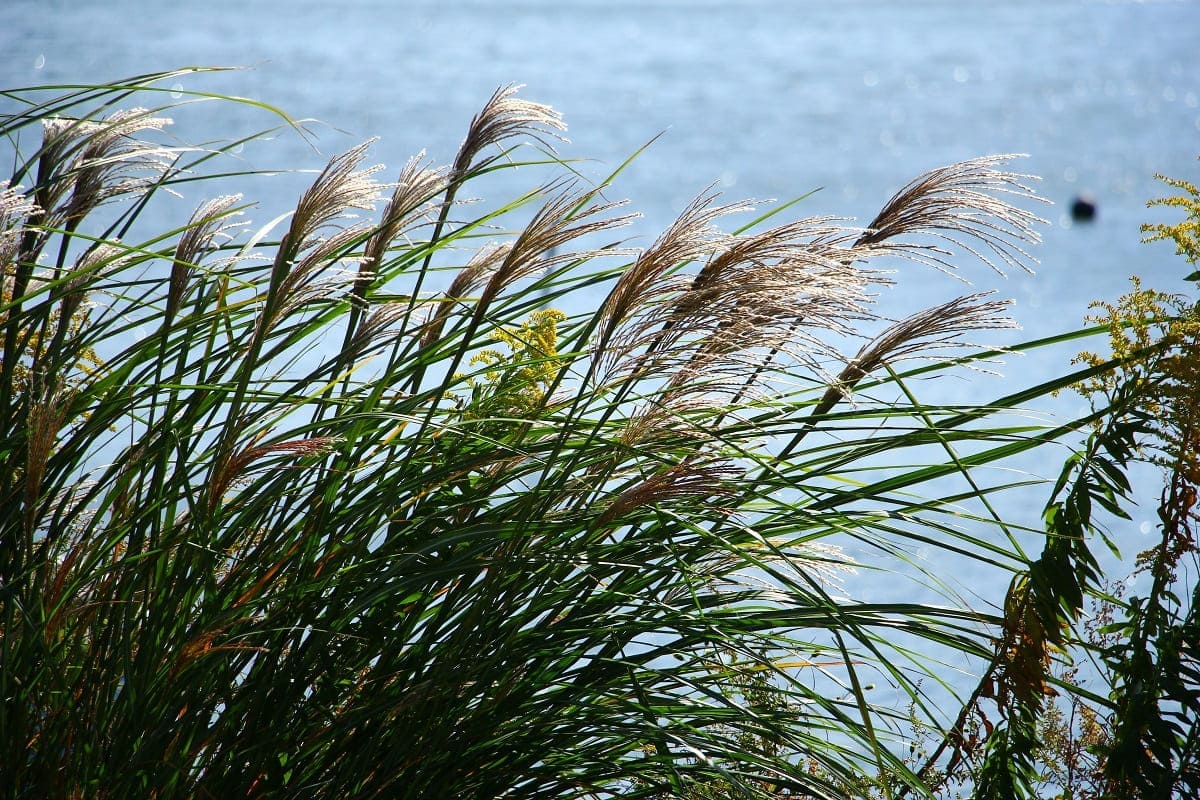

Today, let’s take a look at one of my favorite symbols of Japanese autumn—susuki!
Every autumn, fields and hillsides across Japan turn golden as countless stalks of susuki begin to sway in the breeze. At first glance, it may seem like nothing more than wild grass. Yet for many Japanese people, susuki is one of the most beloved symbols of autumn.
Unlike colorful flowers such as cherry blossoms or sunflowers, susuki has a quiet, understated beauty. Watching its feathery plumes shimmer in the wind reminds us that the seasons are changing, and that autumn has arrived.
For generations, people in Japan have admired these peaceful landscapes, written about them in poetry, and even used susuki in traditional moon-viewing celebrations. In this article, I’ll introduce the beauty, cultural significance, and fascinating history of susuki—one of Japan’s most iconic autumn plants.
- What is Susuki (Japanese pampas grass)?
- The Relationship Between Susuki and Japanese Culture
- Susuki and Tsukimi (Moon Viewing)
- The Meaning Behind the Proverb “Yūrei no Shōtai Mitari Kare Obana”
- Why Do Japanese People Love Susuki?
- Susuki in Japanese Art and Everyday Life
- Susuki in the Game Nioh 2
- Susuki (Japanese Pampas Grass) Q&A
- Final Thoughts about Susuki
What is Susuki (Japanese pampas grass)?
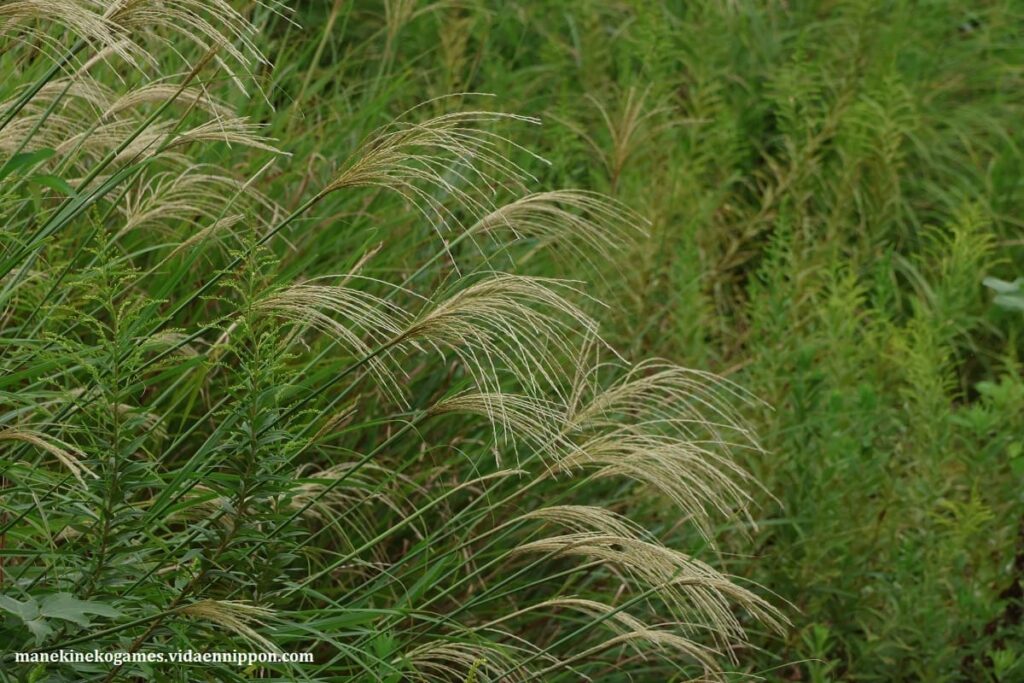
Susuki, scientifically known as Miscanthus sinensis, is a perennial grass belonging to the Poaceae family. Native to East Asia, including Japan, China, and Korea, it’s known for its long, slender leaves and feathery white plumes that bloom in the autumn. This resilient plant thrives in poor soil conditions, which has made it a symbol of endurance and strength in Japanese culture.
Susuki is also one of the “Seven Flowers of Autumn” (Aki no Nanakusa), a traditional group of plants celebrated for their beauty during the fall season.
The Relationship Between Susuki and Japanese Culture
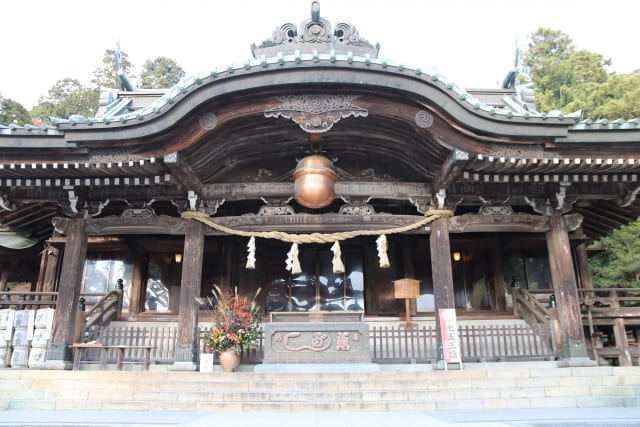
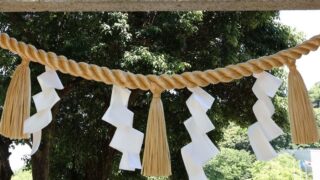
Susuki (Japanese Pampas Grass) holds a special place in Japanese rituals and traditions. For example, it is often used in sacred decorations for Shinto ceremonies, such as in shimenawa (sacred ropes) and shimekazari (New Year decorations). These uses reinforce its significance as a plant with spiritual and cultural importance.
Susuki and Tsukimi (Moon Viewing)
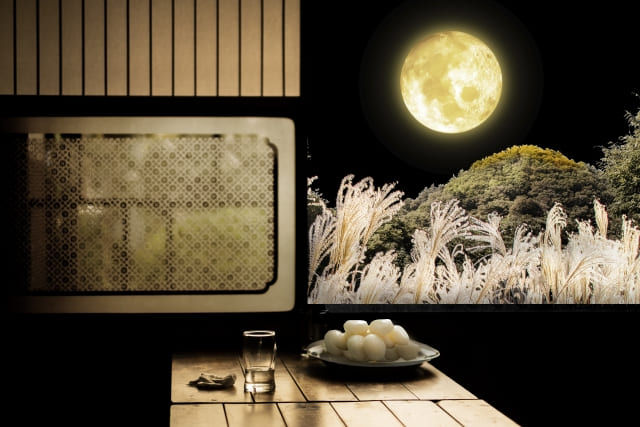
One of the reasons susuki is so closely associated with autumn is its connection to Tsukimi, Japan’s traditional moon-viewing festival.
During Tsukimi, many families decorate their homes with fresh stalks of susuki alongside tsukimi dango (moon-viewing dumplings). While the graceful appearance of susuki beautifully complements the full moon, the plant also carries a deeper meaning.
In the past, susuki was believed to resemble ears of rice and became a symbolic offering to pray for a successful harvest. Even in regions where rice was not widely grown, people displayed susuki as a substitute, expressing gratitude for nature’s blessings and hoping for a plentiful season.
Susuki was also thought to have the power to ward off evil spirits. After Tsukimi, some families placed the stalks around their homes, fields, or gardens to protect their crops and bring good fortune.

When I think of susuki, I always think of Tsukimi. It’s also the time of year when autumn insects fill the night with their songs. The combination of chirping insects, swaying susuki, and a bright full moon creates one of the most beautiful scenes of the season.
Growing up, Tsukimi was one of my favorite autumn traditions. My family decorated our home with susuki, prepared homemade moon-viewing dumplings (tsukimi-dango), and spent the evening on our balcony admiring the full moon together. Looking back, these quiet moments became some of my happiest childhood memories and helped me understand why susuki continues to hold such a special place in Japanese culture.

Watching the full moon with my family felt completely ordinary when I was a child. Looking back now, I realize those simple evenings were some of my happiest memories.
The Meaning Behind the Proverb “Yūrei no Shōtai Mitari Kare Obana”
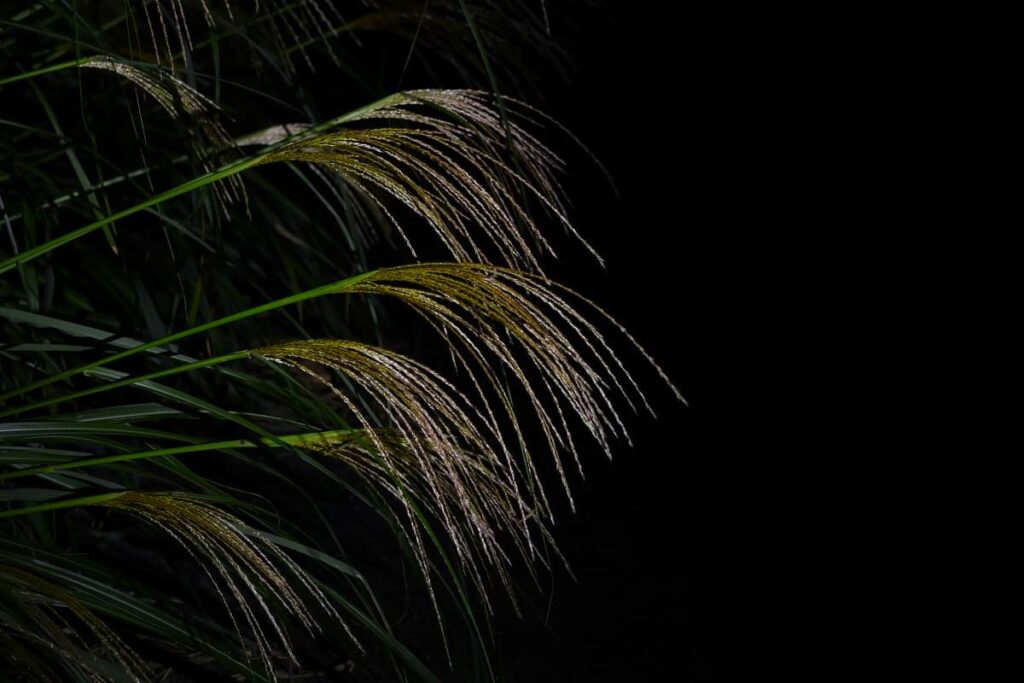
The Japanese proverb “幽霊の正体見たり枯れ尾花” translates roughly to “Seeing the true form of a ghost in dried pampas grass.” This saying reflects the idea that something that initially appears frightening or mysterious might not be so scary once understood. The image of susuki swaying in the wind at night can resemble a ghost, especially in the darkness. The proverb reminds us not to let fear or imagination get the best of us, but rather to look at things rationally and calmly.
Why Do Japanese People Love Susuki?
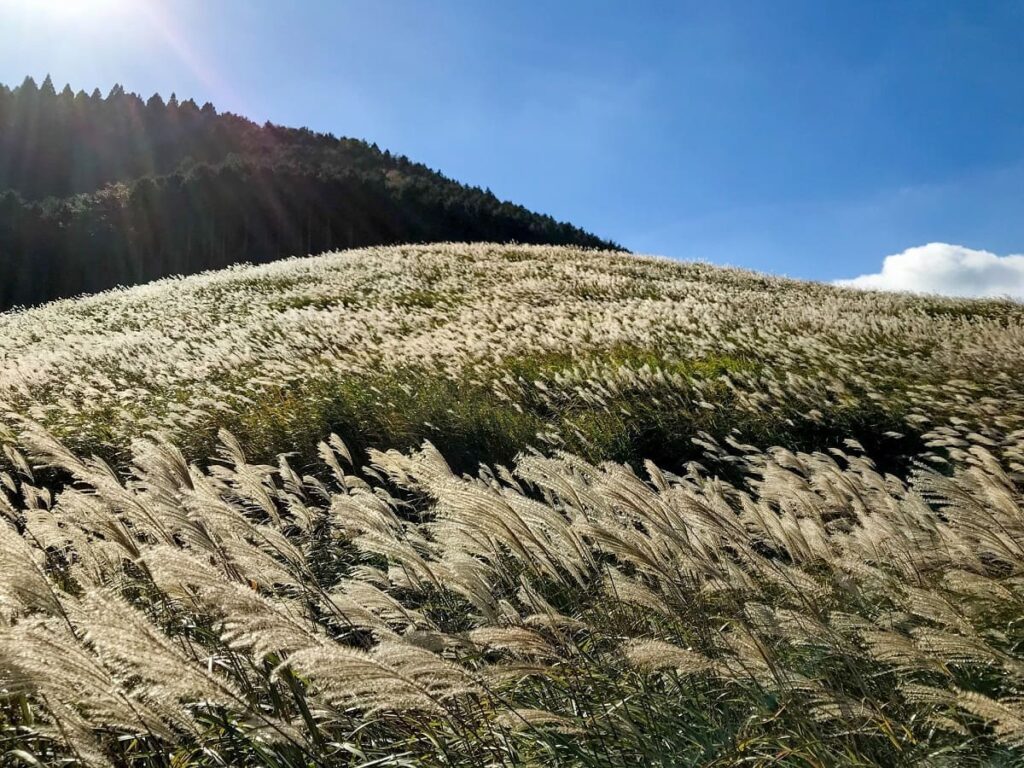
To many people outside Japan, susuki may look like an ordinary wild grass. However, in Japan, it represents a special kind of beauty that has been appreciated for centuries.
Unlike bright flowers that immediately catch your eye, susuki is admired for its quiet elegance. Its soft, silver-gold plumes gently sway in the wind, creating a peaceful scene that invites people to slow down and appreciate the moment.
One reason Japanese people love susuki is that it makes the invisible visible. Although we cannot see the wind itself, we can watch it ripple through a field of susuki like waves across the landscape. In this way, susuki allows us to “see” the autumn breeze.
Susuki also reflects a traditional Japanese aesthetic known as mono no aware—an appreciation for the gentle sadness and beauty of things that are temporary. Its golden fields last only for a short time each year before fading away, reminding us that every season is precious because it never stays the same.
Rather than standing out with brilliant colors, susuki quietly blends into the surrounding landscape. This subtle beauty has inspired poets, artists, and ordinary people for generations, making susuki one of the most cherished symbols of Japanese autumn.

There’s something about susuki that fills me with nostalgia. At the same time, it has a quiet sadness and a beauty that’s difficult to put into words. That’s what makes it such a special plant to me.
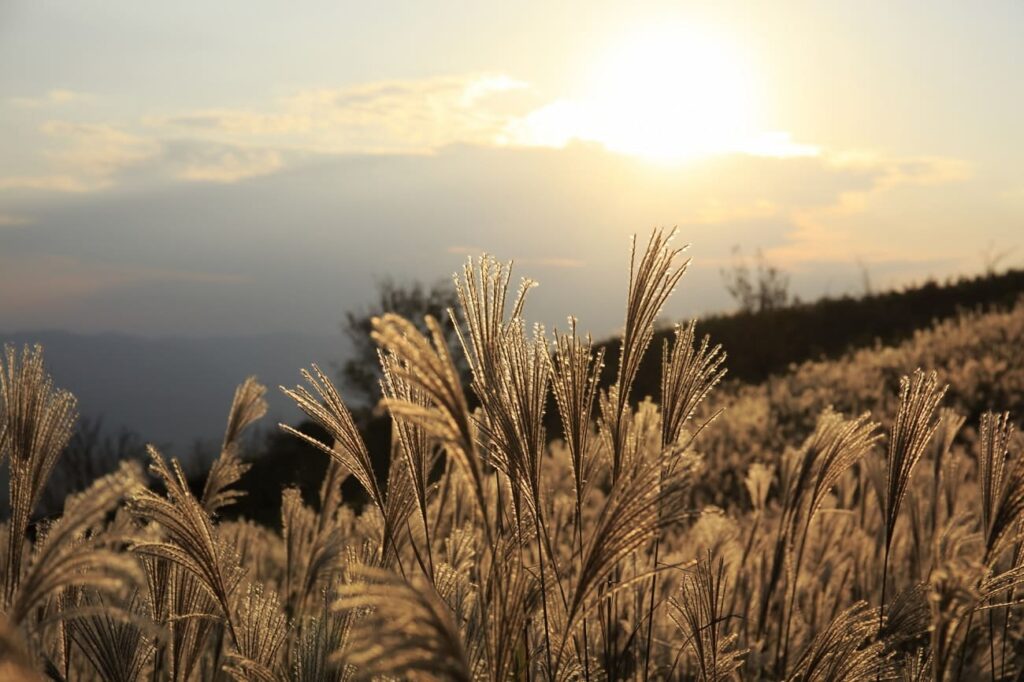
Growing up in Japan, one of my favorite autumn traditions was taking a family drive to the highest mountain in my prefecture. Every year, the mountainside was covered with endless fields of susuki stretching as far as I could see. As the sun began to set, the silver plumes turned a warm golden color, and the entire landscape seemed to glow while the grasses swayed gently in the wind.
Even now, whenever I see a field of susuki, it brings back those peaceful autumn memories. Sadly, I feel that such landscapes have become less common than they were when I was a child, which makes me treasure them even more today.
Susuki in Japanese Art and Everyday Life
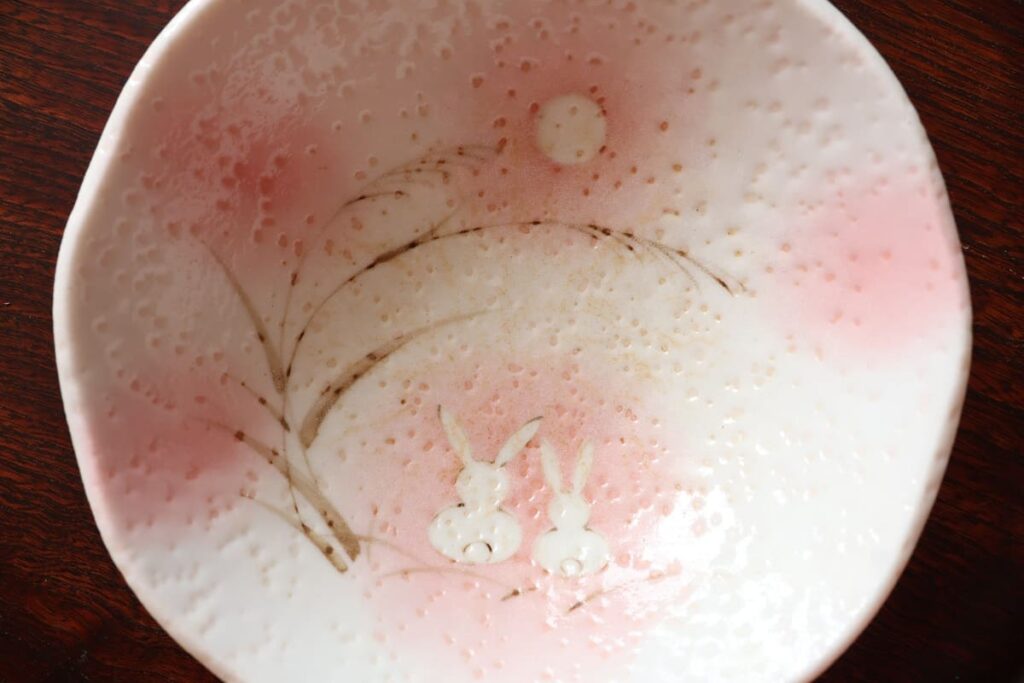
Because susuki has long been admired as a symbol of autumn, it appears throughout Japanese art and everyday life.
For centuries, artists have painted susuki in folding screens, hanging scrolls, woodblock prints, and traditional Japanese paintings. Poets also celebrated its quiet beauty in waka and haiku, often pairing susuki with the moon to express the peaceful atmosphere of autumn evenings.
Even today, susuki continues to inspire Japanese craftsmanship. Delicate susuki patterns can be found on kimono, lacquerware, ceramics, tea utensils, and seasonal tableware. These elegant designs are especially popular during autumn and are often used to create a warm, seasonal atmosphere.

Japanese people love bringing seasonal plants into everyday life. During autumn, it’s common to use tableware decorated with susuki motifs or display hanging scrolls featuring graceful susuki designs.

Some seasonal wagashi are even shaped or decorated to resemble susuki, celebrating the beauty of autumn.
I also enjoy bringing a little of autumn into my home by using lacquer trays and Japanese plates decorated with susuki motifs during the moon-viewing season. Even though they’re everyday items, they make the dining table feel more connected to the changing seasons.
This reflects an important aspect of Japanese culture. Rather than appreciating nature only outdoors, many people enjoy bringing seasonal beauty into their homes through art, crafts, and everyday objects. In this way, susuki is more than just a wild grass—it becomes part of daily life.

When I set the table with my favorite susuki-patterned lacquer tray and Japanese plates each autumn, it reminds me that the beauty of the season isn’t found only in nature—it can also be enjoyed in everyday life.


Susuki in the Game Nioh 2
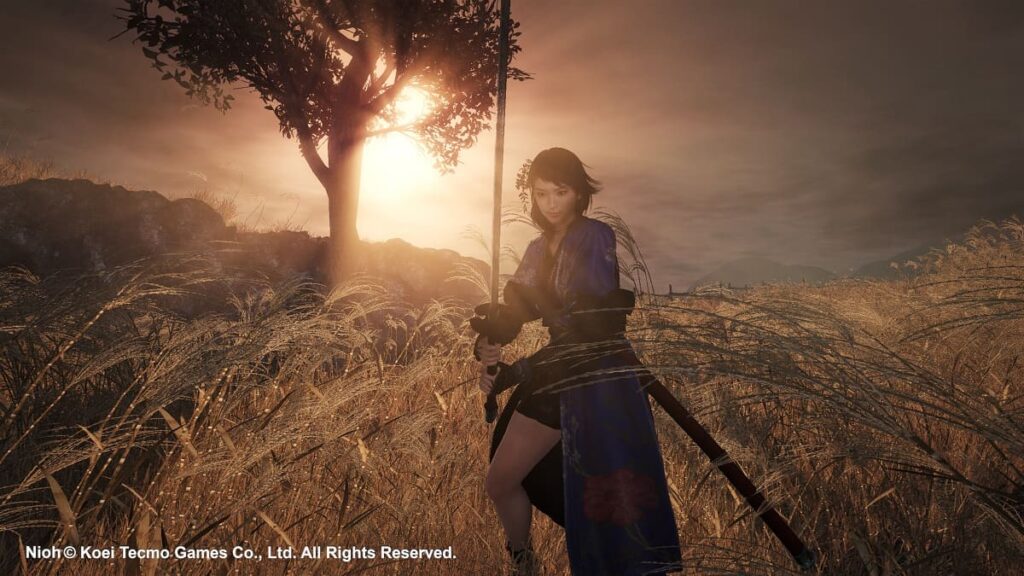
Susuki is featured prominently in the atmospheric backgrounds of Nioh 2, a popular action role-playing game.
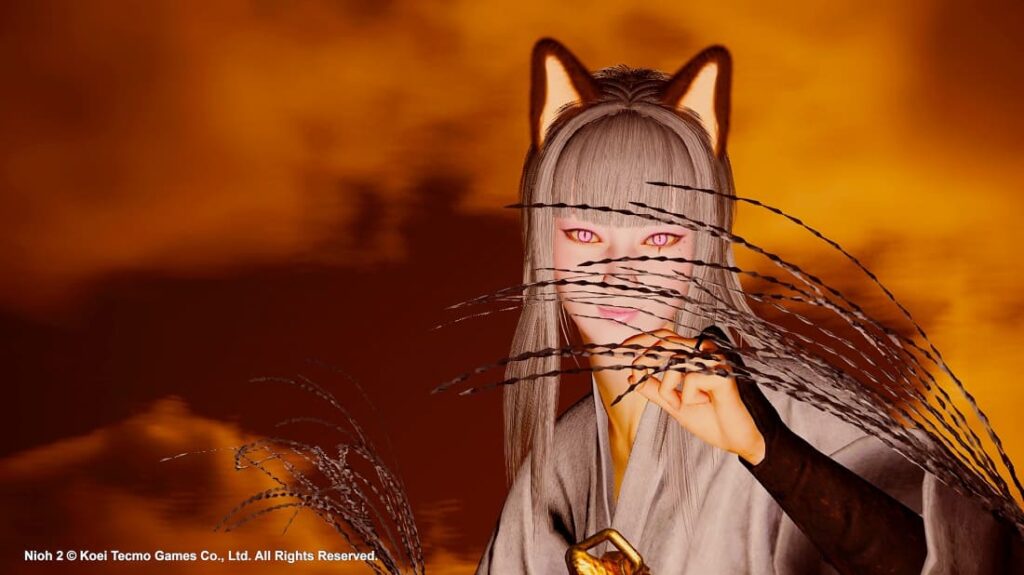
The game’s stages, set in feudal Japan, often depict fields of susuki swaying in the wind. This visual choice enhances the game’s immersive setting, reflecting the beauty of Japan’s autumn landscape. The use of susuki creates a haunting contrast to the intense battles that take place in the game, offering moments of calm within the chaos.

If you’d like to experience the beauty of Japan’s seasons through video games, I highly recommend the Nioh series. Some of its autumn landscapes feature beautiful fields of susuki, and they’re absolutely breathtaking.
Susuki (Japanese Pampas Grass) Q&A
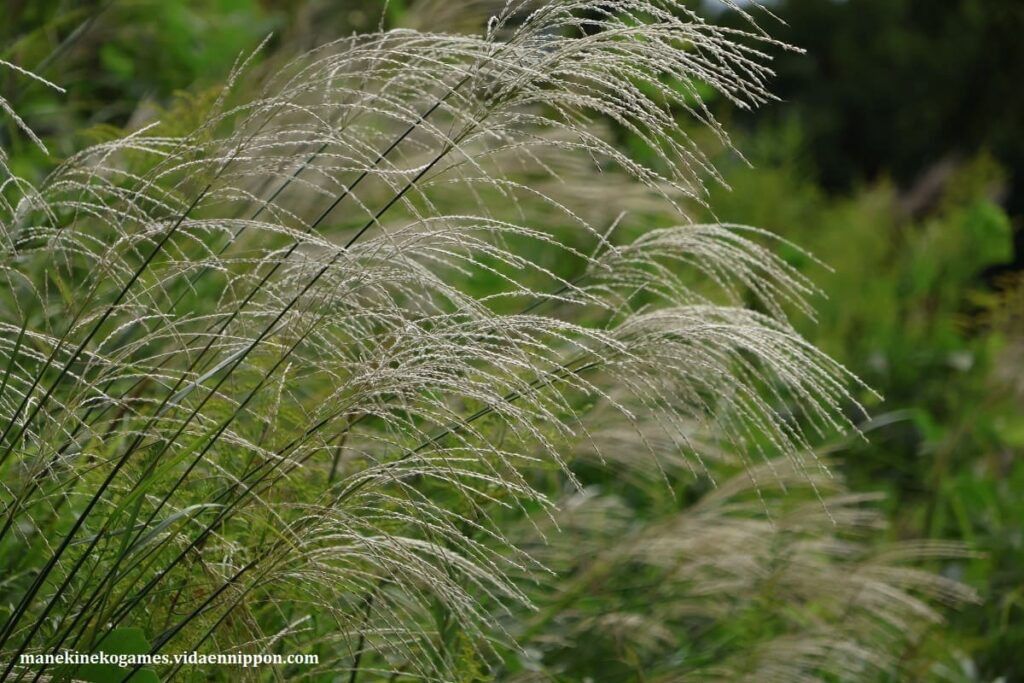
- QWhere can I see susuki in Japan?
- A
Susuki can be found across Japan, especially in fields, mountains, and riverbanks. During autumn, many parks and gardens also showcase its beauty.
- QWhy is susuki used in moon-viewing ceremonies?
- A
Susuki is used as a symbol of rice plants in moon-viewing ceremonies, linking the event to prayers for a successful harvest. It also adds to the aesthetic appeal of the celebration with its graceful appearance.
Final Thoughts about Susuki
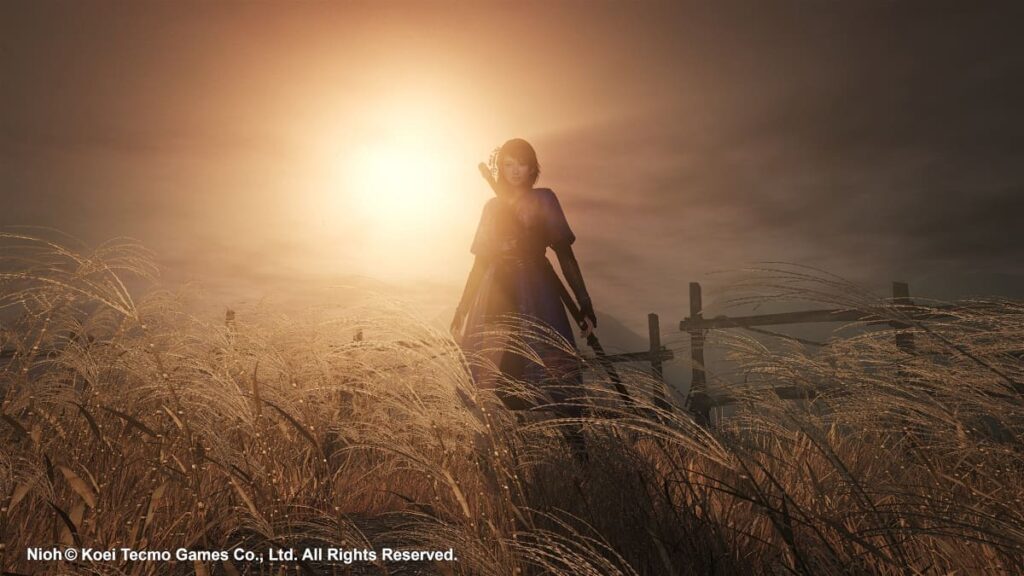
Susuki is more than just a beautiful autumn plant—it is deeply woven into the fabric of Japanese culture and traditions. From its role in moon-viewing festivals to its association with spiritual practices and proverbs, susuki continues to be a symbol of endurance, beauty, and reflection. Even in modern times, as seen in the game Nioh 2, susuki holds a place in artistic expressions, bringing the charm of Japan’s autumn landscape to life.
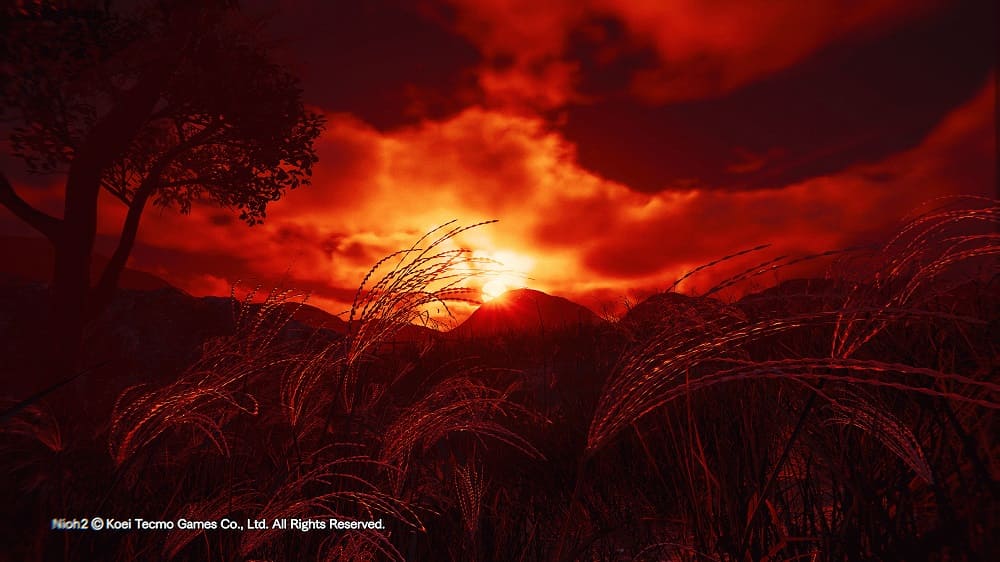
When I was a child, I simply thought susuki fields were beautiful.
As an adult, I realize they represent something much deeper—the changing seasons, quiet moments with family, and a landscape that has been loved in Japan for generations.
I hope that if you ever visit Japan in autumn, you’ll take a moment to stop beside a field of susuki, watch the wind move through the golden grass, and experience the peaceful beauty that so many Japanese people cherish.

Oh By the way! If you are interested in Yokai or in Japanese Culture and you are a gamer, you may love these games!
Let’s play!
Yes! I can’t wait to play these games!
Let’s Play!

Comments