







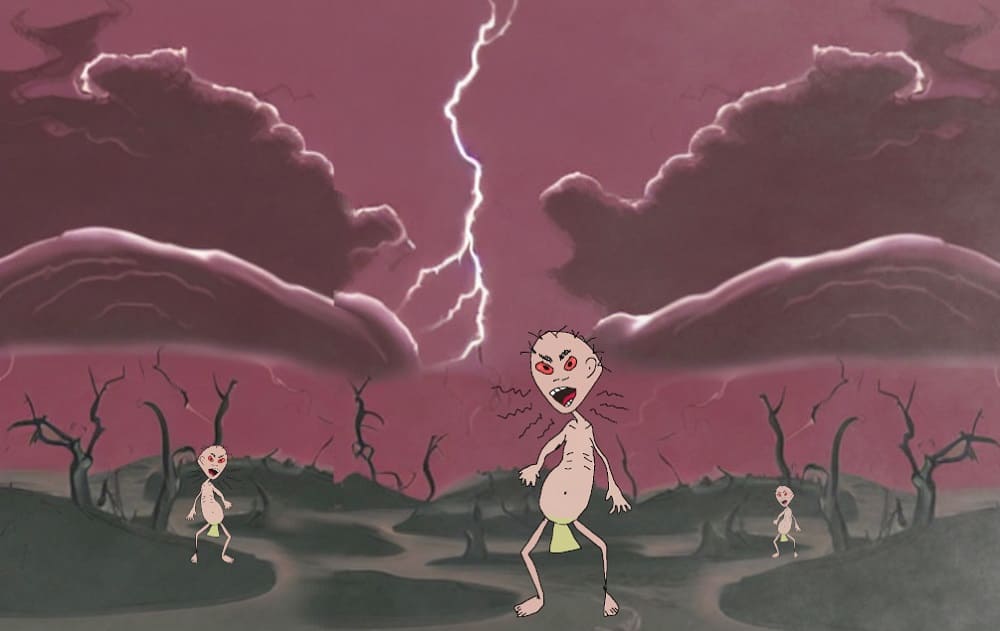
In the rich world of Japanese folklore, Gaki stands out as a particularly fascinating figure. Originating from Buddhist teachings, Gaki, or “hungry ghosts,” are spirits tormented by insatiable hunger and thirst. Far from being just another scary creature, the Gaki serves as a symbol, warning humans about the dangers of greed and excess desire.
In this article, we’ll explore the origins of Gaki, their depiction in Japanese folklore, and how this ancient concept still influences modern culture.
What is Gaki?

Although Gaki are often introduced as yokai in modern media, they originally come from Buddhist teachings rather than traditional yokai folklore.
Origins of Gaki and its Connection to Buddhism

Gaki finds its roots in Buddhist teachings, specifically within the concept of the Six Realms of Rebirth (rokudō). Among these realms, the Gaki Realm (hungry ghost realm) is reserved for those who have succumbed to excessive greed, selfishness, or desire. Once a person falls into this realm, they are transformed into Gaki, cursed to roam in perpetual hunger and thirst. This concept serves as a moral lesson within Buddhism, reminding followers of the dangers of unrestrained desires and attachments.
The idea of Gaki is also linked to the broader Buddhist notion of karma, where one’s actions in a previous life determine their fate in the next. The Gaki are seen as a form of punishment for those who let greed and materialism dominate their lives.
Appearance and Characteristics of Gaki
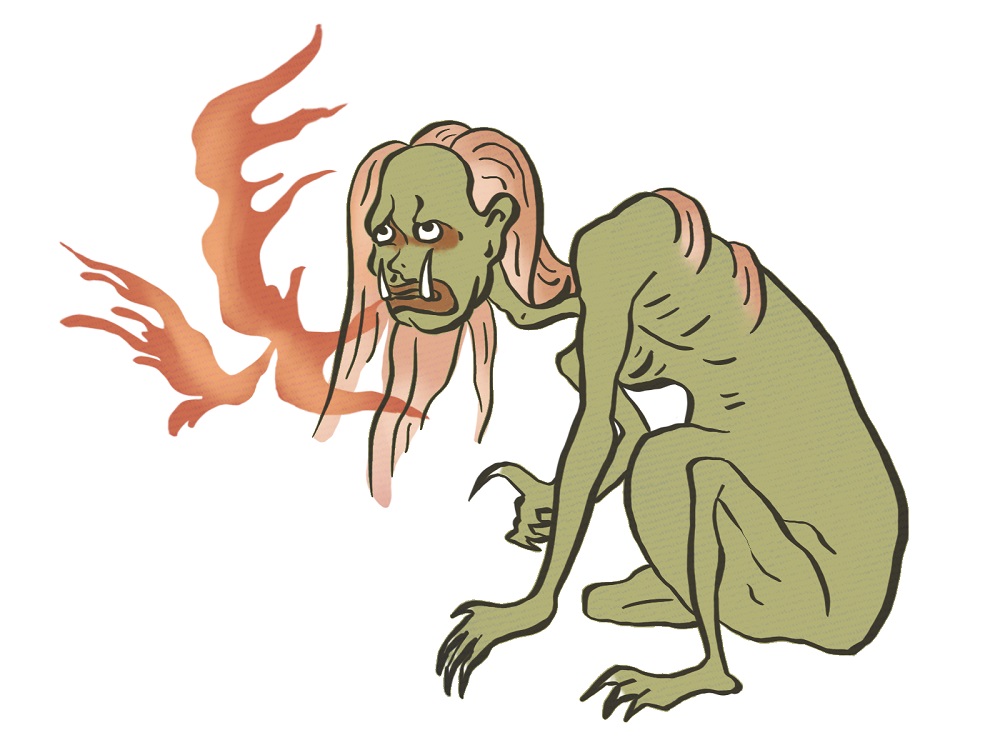
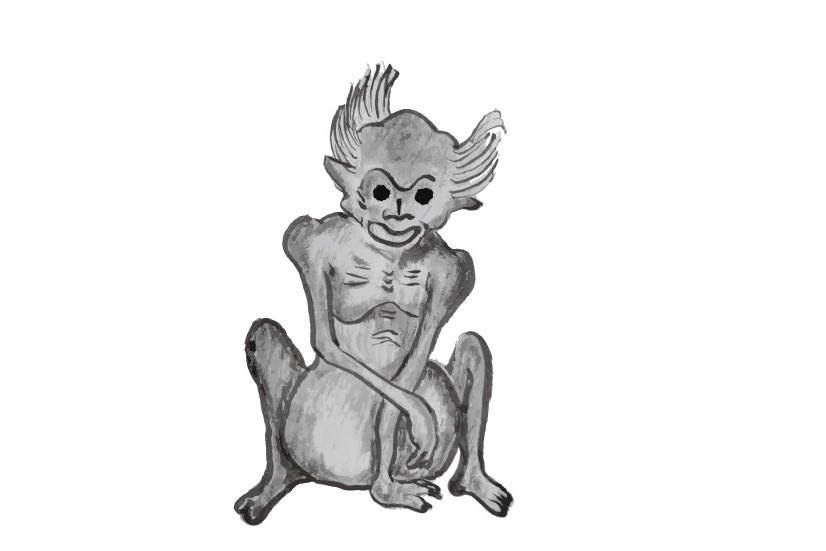
Gaki are often depicted as emaciated creatures with bloated stomachs and impossibly thin throats. Their skeletal appearance symbolizes eternal hunger, as they are unable to consume enough food or drink to satisfy their desires. This image is meant to evoke the torment of never being able to fulfill one’s cravings, even though food and water are within reach. The Gaki’s grotesque form serves as a vivid representation of the consequences of greed.
Despite their ghostly origins, Gaki are not only feared as malevolent spirits but also pitied. They represent souls trapped by their own desires, forever unable to escape their suffering. This dual nature – both terrifying and tragic – makes Gaki a unique and powerful symbol in Japanese folklore.
Gaki Legends from Various Regions of Japan

While the concept of Gaki originates from Buddhism, local folklore across Japan has adopted and adapted the Gaki in various ways. In regions like Shikoku, Gaki are said to be the spirits of those who starved to death, wandering the land in search of sustenance. In Tohoku, Gaki are often depicted as malevolent spirits that can bring illness or death to the living.
These regional variations reflect the fears and hardships faced by people in different parts of Japan, particularly in times of famine or disaster. The Gaki legends served as cautionary tales to remind people of the fragility of life and the consequences of unchecked desires.

Travelers crossing mountain passes were said to suddenly become overwhelmingly hungry after being possessed by hungry ghosts.
Gaki’s Influence in Modern Times
The Connection between Gaki and Obon Traditions

The concept of Gaki is still very much alive in modern Japanese religious and cultural practices, especially during Obon, the festival where families honor the spirits of their ancestors. Gaki Kuyō, or offerings to the Gaki, are often part of Obon rituals. During these ceremonies, people offer food and drink to appease the Gaki, ensuring that these tormented souls do not disturb the living.

Good!!
This practice highlights the compassionate aspect of Buddhism, as even those who have fallen into the Gaki realm are given offerings and prayers in the hope of alleviating their suffering. The Gaki Kuyō ritual reflects the deep-rooted belief in the importance of helping others, even spirits trapped by their past actions.
If you are interested in Obon, check the article below.

Gaki in Popular Culture and Media
Gaki’s disturbing and symbolic imagery has influenced modern popular culture, from horror films to literature and even video games. Their eerie, skeletal forms and tragic backstories provide a rich source of material for creative interpretations. In anime and manga, Gaki often appear as antagonistic spirits or as metaphors for human greed and desire.

Beyond media, the term “gaki” is also used colloquially in modern Japanese to describe greedy or selfish individuals, further showing how this ancient concept has permeated everyday life.
The Lessons of Gaki and Their Relevance to Modern Society
The story of Gaki is more than just a tale of spooky spirits; it offers a powerful warning against the perils of greed, selfishness, and unchecked desire. In today’s materialistic world, where consumerism and personal gain often take precedence, the lesson of the Gaki remains highly relevant.
The eternal hunger of Gaki reflects the dangers of never being satisfied with what we have. In a world of overconsumption and resource depletion, the Gaki reminds us of the importance of mindfulness, moderation, and living in harmony with others. This ancient figure offers timeless wisdom, urging us to reflect on our own desires and strive for balance in our lives.
Why are Japanese children called “gaki”?
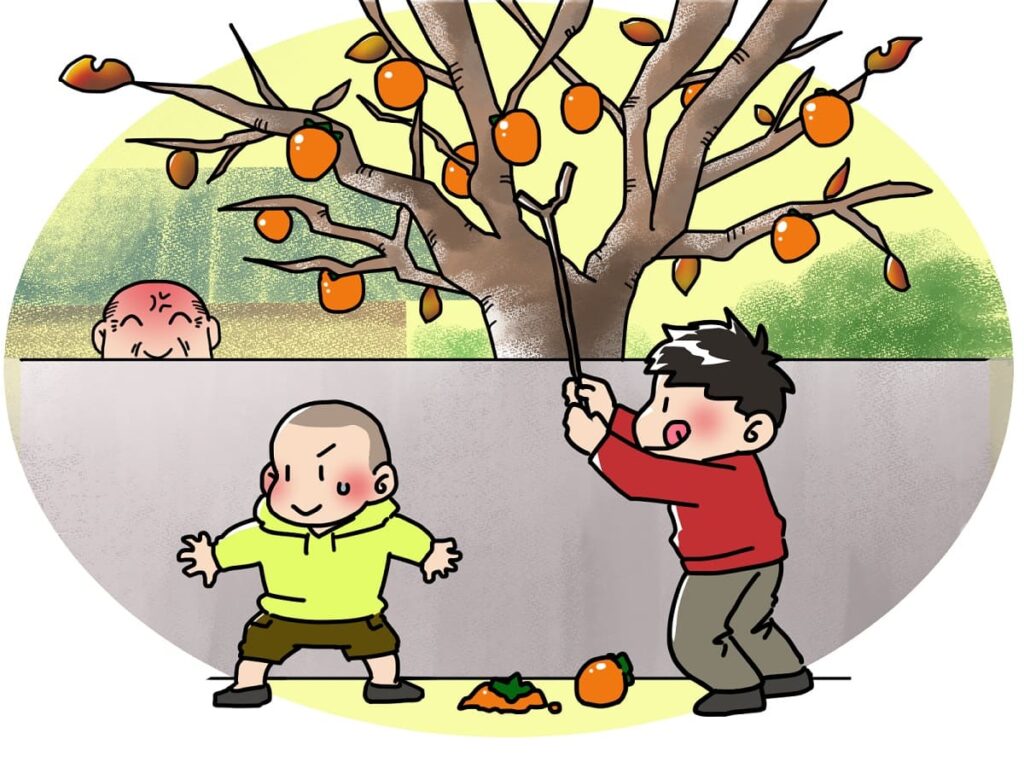

Come to think of it, some people in Japan call children “gaki.” I wonder if that word also comes from the Buddhist Gaki, the hungry ghosts?
In modern Japanese, gaki is a slang term for a naughty or immature child.
Although most Japanese people don’t think about the Buddhist origin, the word originally comes from Gaki (hungry ghosts). Because hungry ghosts are driven by endless desire and poor behavior, the name eventually became an insult for badly behaved children.
Gaki in Nioh 2: Appearance and Strategy Guide

Gaki is a traditional Japanese yokai, and it makes a hauntingly memorable appearance in the action-packed game Nioh 2. In folklore, Gaki are spirits tormented by insatiable hunger as punishment for their misdeeds in life. In Nioh 2, this lore is woven into the design of a challenging and grotesque enemy that players must face.
Features of Gaki in Nioh 2

The Gaki in Nioh 2 is a small but cunning enemy with a mix of melee and ranged abilities that keep players on their toes. Here’s what makes them unique:
- Small stature and quick movements: Despite their size, Gaki are fast and can dodge attacks or quickly close the gap to strike.
- Ranged poison attacks: They spit a toxic liquid at players, creating damage zones that linger on the ground. Stepping into these zones inflicts continuous damage and also paralyzes, leaving the player vulnerable to attacks
- They appear out of nowhere, Gaki and sometimes attack in swarms, making them even more dangerous.

Personally, I don’t find Gaki scary—but I definitely find them annoying. They often throw rocks from a distance, and if you ignore them, they can become surprisingly troublesome. Even after playing Nioh for a long time, they’ve defeated me more than once!
How to Defeat Gaki
Here are some tips to handle Gaki effectively and emerge victorious:
- Avoid their poison attacks
Watch out for the Gaki’s spit attack. Quickly dodge sideways to avoid getting hit, and steer clear of the poison pools left behind. - Eliminate them quickly
Gaki have low health, so focus on taking them out one by one as quickly as possible. This prevents being overwhelmed by a group attack. - Prepare for poison resistance
Equip items or charms that boost your resistance to poison. Having antidotes ready can also save you if you get poisoned.
The Appeal of Gaki

Gaki in Nioh 2 is more than just another enemy; it embodies the eerie charm of Japanese yokai folklore. The creature’s grotesque appearance, cunning tactics, and haunting ambiance make it a standout among the game’s roster of enemies.
Gaki is one of the earlier yokai you’ll encounter in Nioh 2, but its tricky combat style and sinister vibe leave a lasting impression. For those interested in Japanese yokai culture or simply looking to explore Nioh 2’s deep lore, battling Gaki is a must-experience challenge!

I don’t dislike Gaki as yokai—they’re just the kind of enemy that always manages to get on my nerves.

That is so funny! Also, when they try to kick you and step back in laughter is my favorite of Gaki’s Moves. Lol
Thanks. Hehe…
Q&A About Gaki

- QWhen did the concept of Gaki first appear in Japan?
- A
The idea of Gaki was introduced to Japan along with Buddhism in the 6th century, originating from Indian and Chinese Buddhist teachings.
- QWhat is Gaki Kuyō?
- A
Gaki Kuyō is a Buddhist ritual where offerings of food and drink are made to appease the Gaki, often during the Obon festival.
- QWhat does the appearance of Gaki symbolize?
- A
Gaki’s emaciated body and bloated belly symbolize eternal hunger and the suffering caused by unfulfilled desires. Their appearance is a warning about the consequences of unchecked greed.
- QAre Gaki evil?
- A
Not necessarily. Unlike many yokai that attack people out of malice, Gaki are suffering beings trapped by the consequences of their own actions. They are often seen as objects of compassion rather than pure evil.
If you are interested in famous Yokai in Japan,
check the article below!

Final Thoughts about Gaki
Gaki may look like frightening monsters, but their true meaning comes from Buddhist teachings about greed, suffering, and compassion. They remind us that our actions have consequences and that kindness toward others matters just as much as strength.
Unlike many famous yokai, Gaki are not frightening because they are powerful. They are frightening because they remind us that endless desire can become its own form of punishment.

Perhaps that’s why Gaki have remained part of Japanese culture for centuries. They are not just monsters from old stories—they are a reminder that uncontrolled desire can consume anyone.

Oh By the way! If you are interested in Yokai or in Japanese Culture and you are a gamer, you may love these games!
Let’s play!

Yes! I can’t wait to play these games!
Let’s Play!


Comments