







Japanese video games are famous for their stunning landscapes—but those beautiful environments are never random.
From drifting cherry blossoms to quiet bamboo forests, nature in Japanese games often carries deep cultural meaning. These plants don’t just make scenes look pretty—they silently tell stories about life, death, emotion, and even danger.
In this guide, we’ll explore the most iconic Japanese plants found in games like Sekiro: Shadows Die Twice, Ghost of Tsushima, Nioh series, Rise of the Ronin, and Ghost of Yōtei—and what they really mean.

Some of the plants I’m introducing today are native to Japan and others aren’t, but they are all very common sights here.
- Why Japanese Plants Appear So Often in Games
- Sakura (Cherry Blossoms)
- Bamboo (Take)
- Susuki (Pampas Grass)
- Wisteria (Fuji)
- Lotus (Water Lily)
- Morning Glory (Asagao)
- Hydrangea (Ajisai)
- Japanese maple (Momiji)
- Ginkgo (Icho)
- Red Spider Lily (Higanbana)
- What These Games Get Right About Japan
- FAQ about plants in Japanese games
- How to Read Japanese Nature in Games
- Final Thoughts about 9 plants in Japanese game
Why Japanese Plants Appear So Often in Games
In Japanese culture, nature is deeply connected to human emotion and the passage of time.

In Japan, even flowers can tell a story.
Each season carries its own symbolism, and specific plants are used to express feelings that words often cannot. Game developers use these natural elements to create atmosphere, guide players, and add subtle layers of meaning to their worlds.
Once you understand these meanings, you’ll start to “read” game environments in a completely new way.
Sakura (Cherry Blossoms)
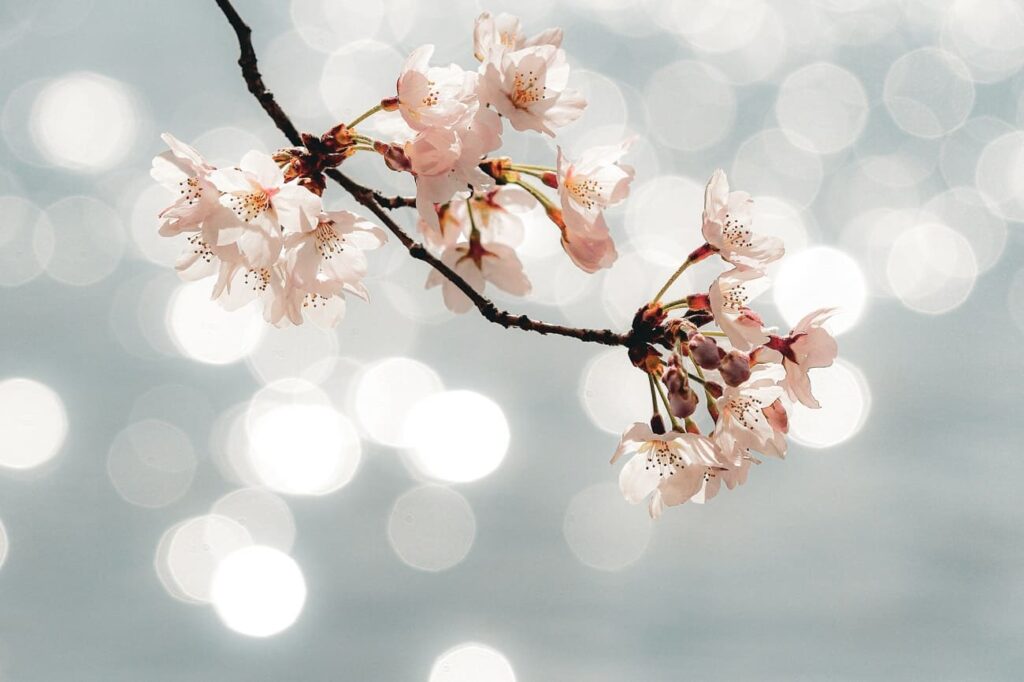
Sakura represents the beauty and fragility of life. Because cherry blossoms bloom briefly and fall quickly, they symbolize impermanence.

Cherry blossoms look beautiful… but they also remind people that nothing lasts forever.
In games:
Appears in: Sekiro, Ghost of Tsushima, Nioh, Rise of the Ronin, Ghost of Yōtei
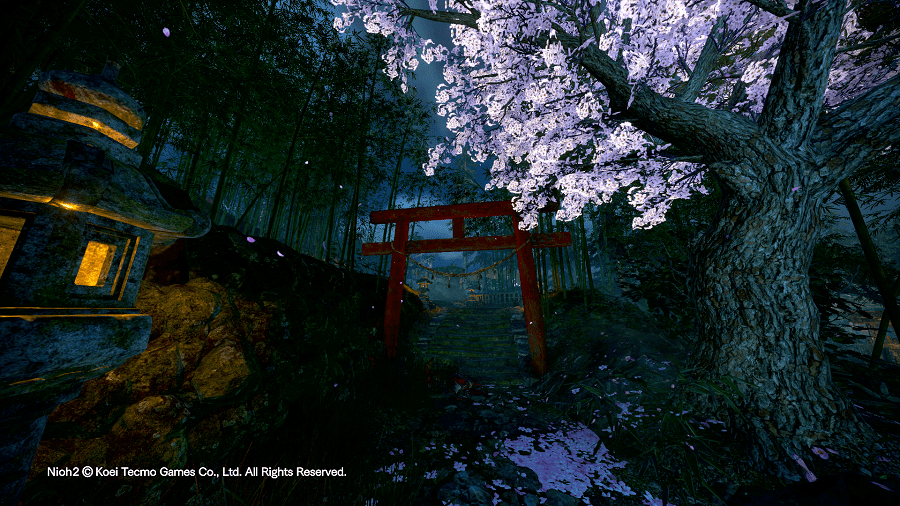
- Often used in peaceful or emotional scenes
- Frequently appears during farewells or endings
- Creates a bittersweet atmosphere
If you see falling petals, something meaningful is about to happen.
Bamboo (Take)
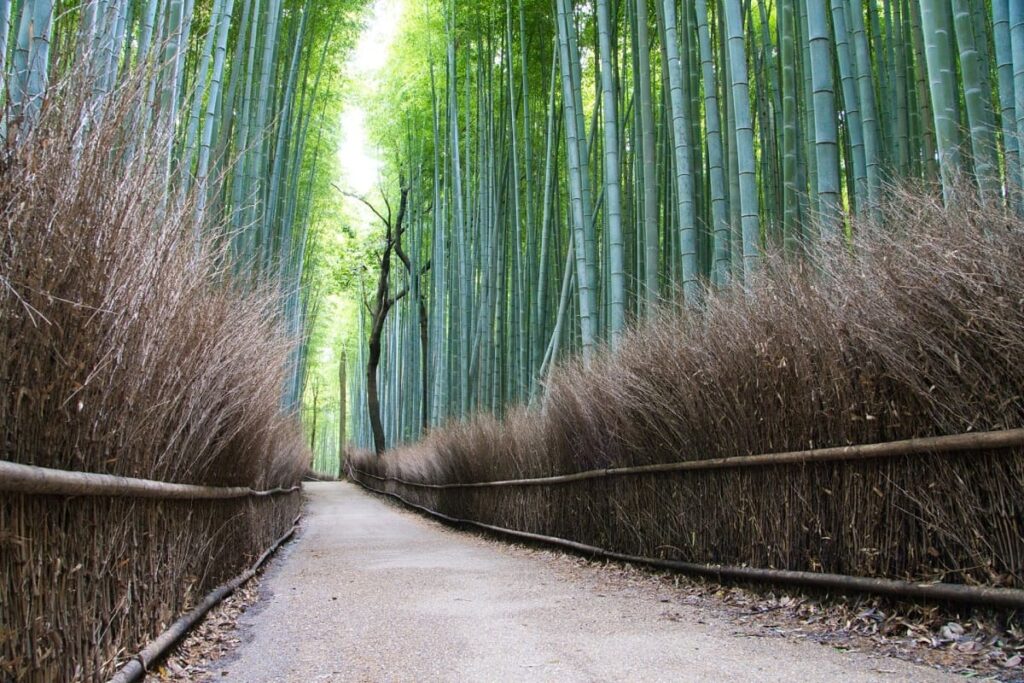
Bamboo symbolizes strength, flexibility, and discipline. It bends without breaking—an important concept in Japanese philosophy.
In games:
Appears in: Sekiro, Ghost of Tsushima, Nioh, Rise of the Ronin, Ghost of Yōtei
- Used in stealth sections and ninja settings
- Represents calm, order, and control
- Enhances immersion with movement and sound
In Ghost of Tsushima, bamboo even becomes part of gameplay challenges.
Susuki (Pampas Grass)
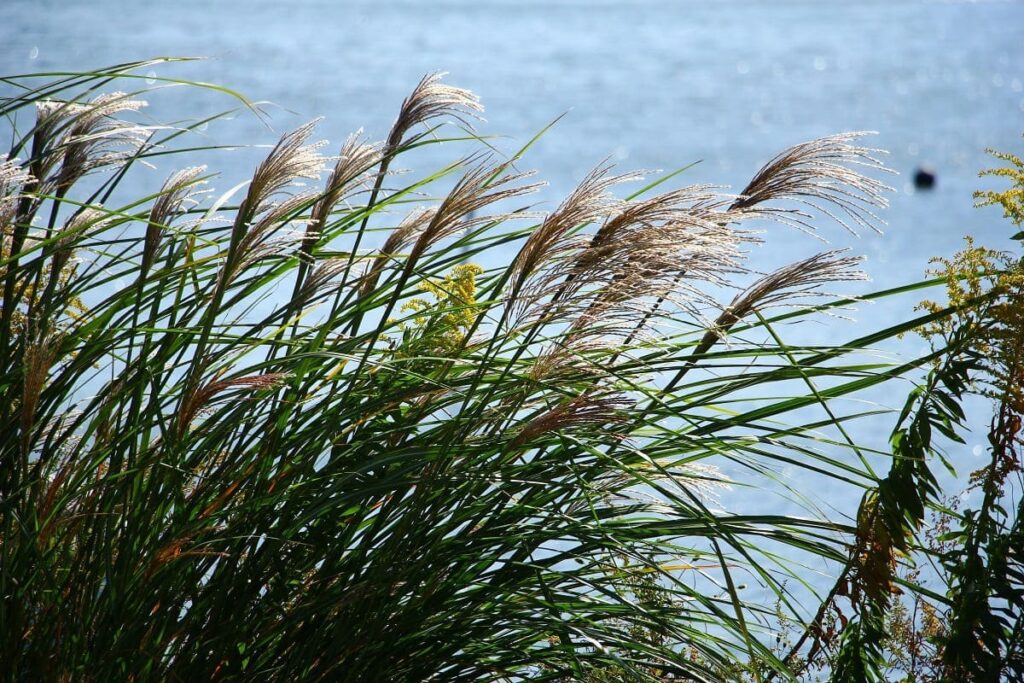
Susuki is strongly associated with autumn and quiet, open landscapes.
In games:
Appears in: Sekiro, Ghost of Tsushima, Nioh, Ghost of Yōtei
- Provides cover for stealth gameplay
- Moves with the wind, increasing realism
- Often appears in tense or lonely areas
This is one of the few plants that is both symbolic and mechanically important.
Wisteria (Fuji)
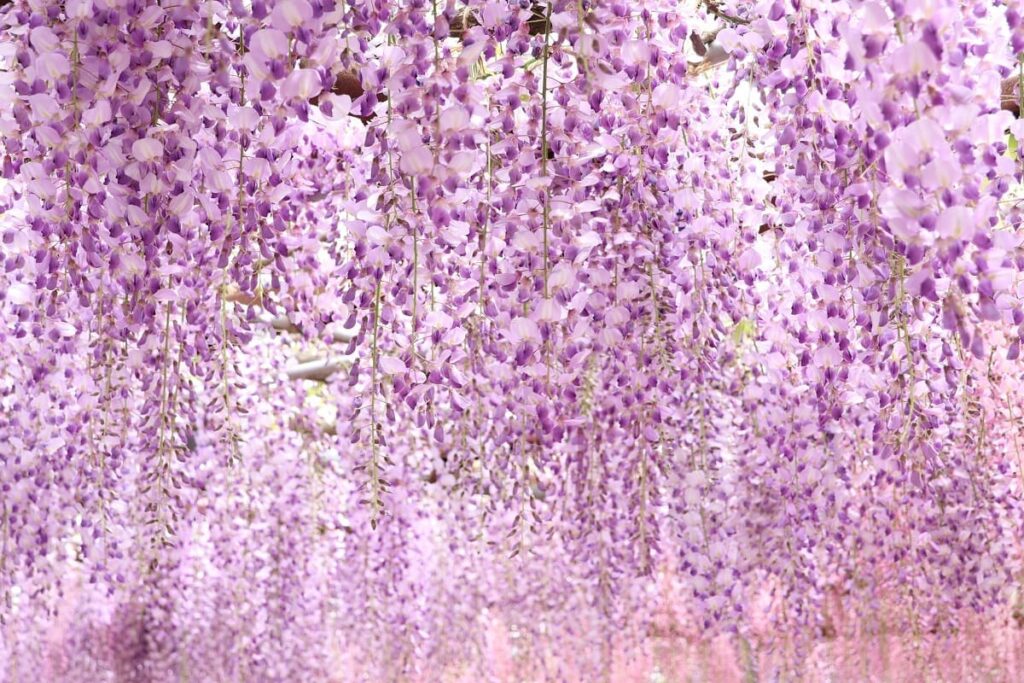
Wisteria is linked to elegance, mystery, and protection.
In games:
Appears in: Sekiro, Ghost of Tsushima
- Creates mystical or sacred environments
- Often signals safety or spiritual power
In Sekiro, wisteria is more than decorative—it actually affects enemies, making it part of the gameplay system.
If you are interested in wisteria, check the article below as well.

Lotus (Water Lily)
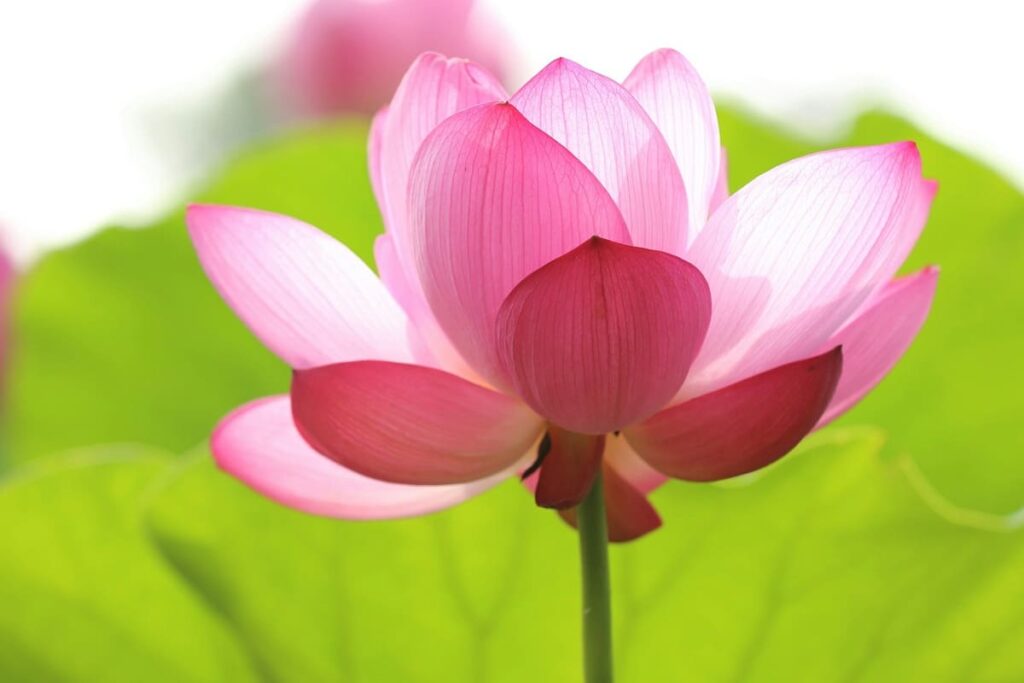
The lotus is a powerful symbol in Buddhism, representing purity and rebirth.
In games:
Appears in: Sekiro, Ghost of Tsushima
- Found in calm, reflective areas
- Often placed near water or sacred spaces
- Creates a sense of spiritual stillness
When you see lotus flowers, the game is usually signaling something deeper beneath the surface.
Morning Glory (Asagao)
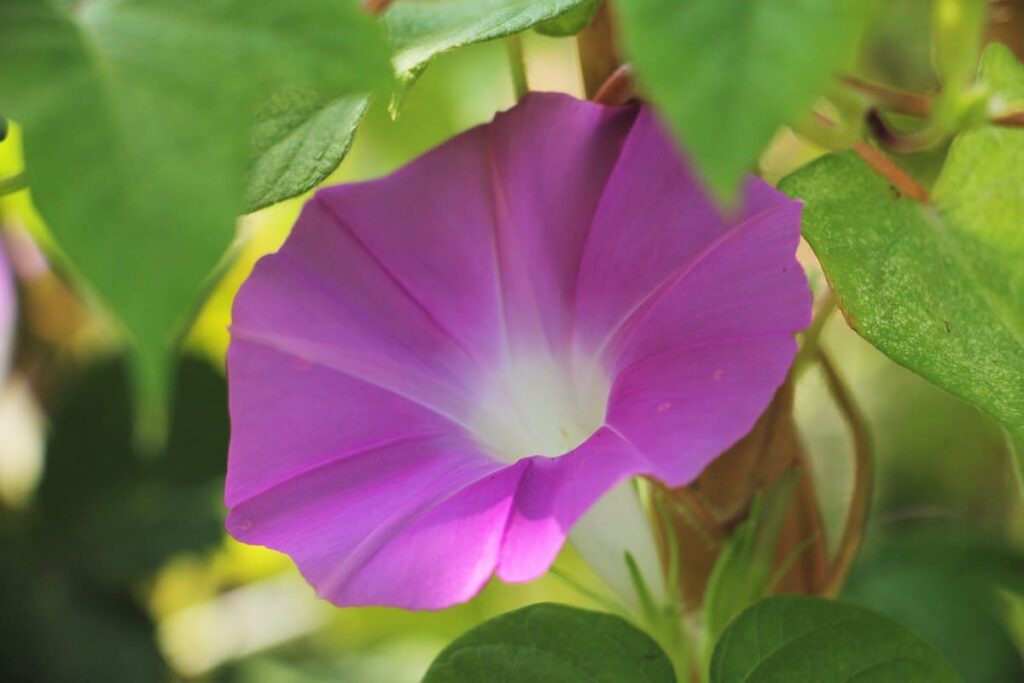
Morning glories bloom in the morning and fade quickly, symbolizing fleeting beauty and short-lived moments.

Morning glories bloom fast—and fade just as quickly.
I always miss them because I’m a night owl! lol
In games:
Appears in: Ghost of Tsushima, Rise of the Ronin
- Adds seasonal realism (summer)
- Enhances everyday life settings
- Creates a nostalgic, gentle mood
In Rise of the Ronin, they help bring Edo-period settings to life.
Hydrangea (Ajisai)
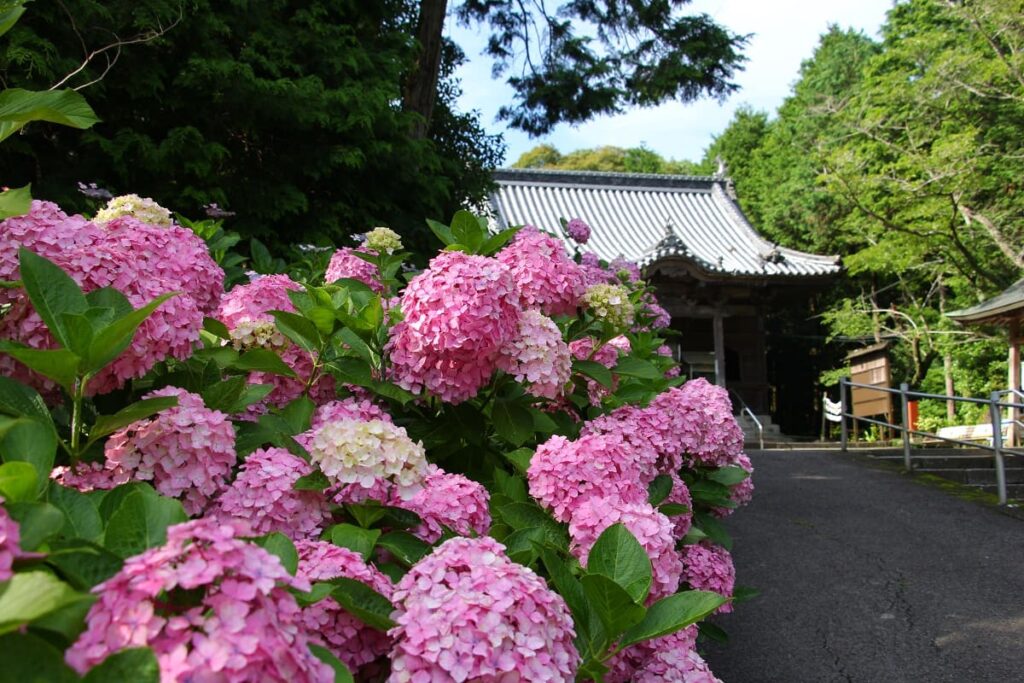
Hydrangeas change color depending on the soil, symbolizing shifting emotions.

These flowers change color depending on the soil.
By the way, Taro buys hydrangea for my mother’s birthday.
In games:
Appears in: Rise of the Ronin, Ghost of Yōtei
- Often associated with rain
- Used in emotional or quiet scenes
- Adds a soft, melancholic tone
This is a more subtle plant, but very effective when used well.
Japanese maple (Momiji)
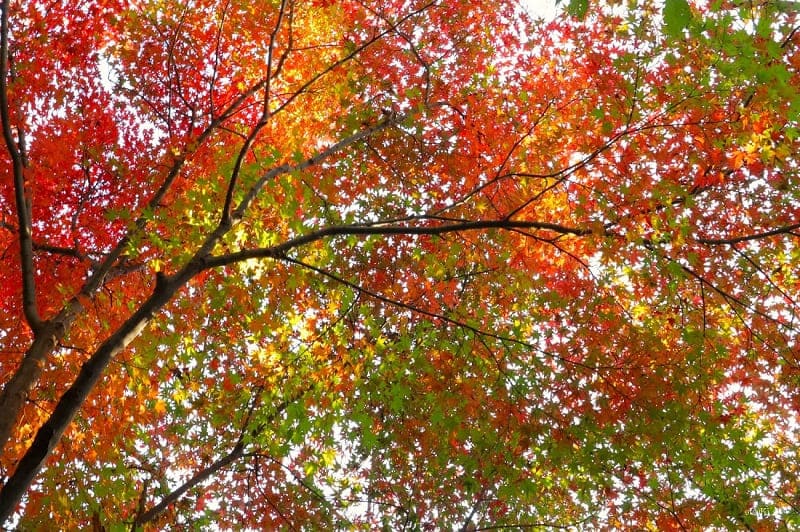
Maple leaves represent the beauty of change and the arrival of autumn.
In games:
Appears in: Ghost of Tsushima, Nioh
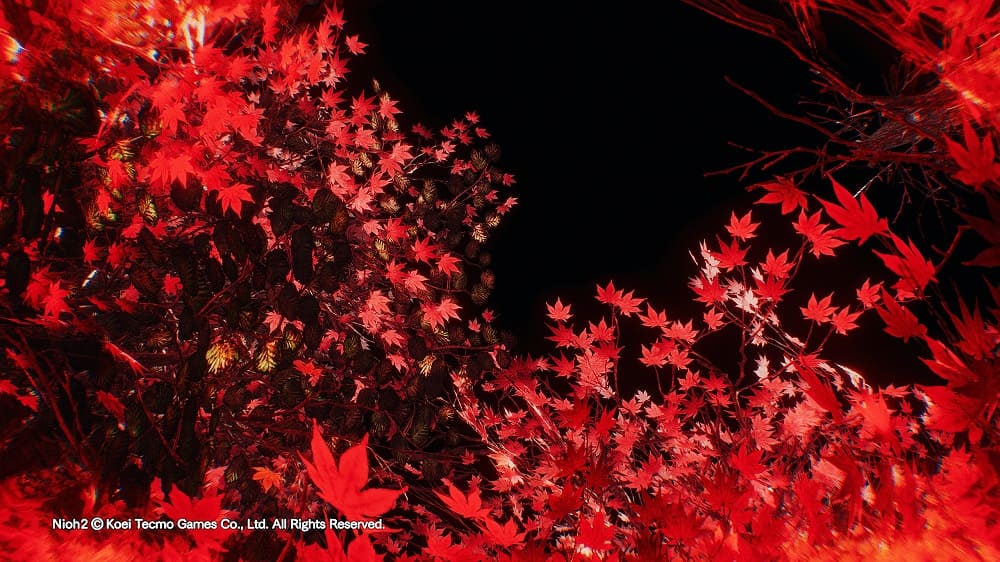
- Used in dramatic or reflective moments
- Often appears later in the story
- Enhances visual contrast with red and gold colors
They often signal that the story is reaching an important turning point.
You can read the detail about Momiji (Japanese maple) in the article below.

Ginkgo (Icho)
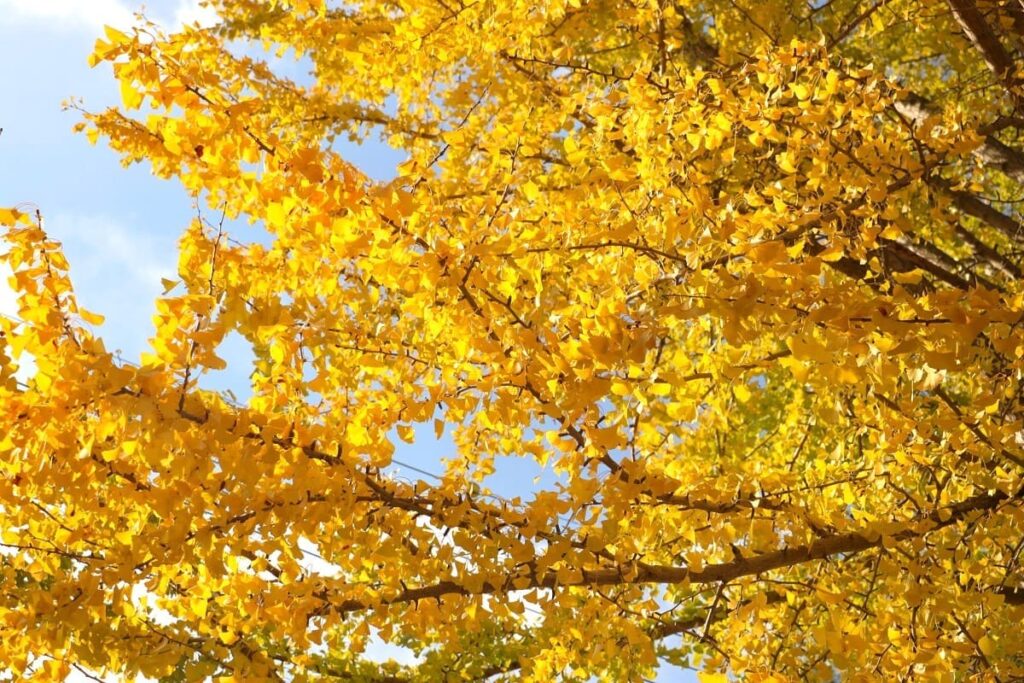
Ginkgo trees are known for their bright yellow leaves and long lifespan.
In games:
Appears in: Ghost of Tsushima, Rise of the Ronin, Ghost of Yōtei
- Used for strong visual impact
- Helps guide player exploration
- Represents endurance and history
They stand out immediately, making them useful for both beauty and navigation.
Red Spider Lily (Higanbana)
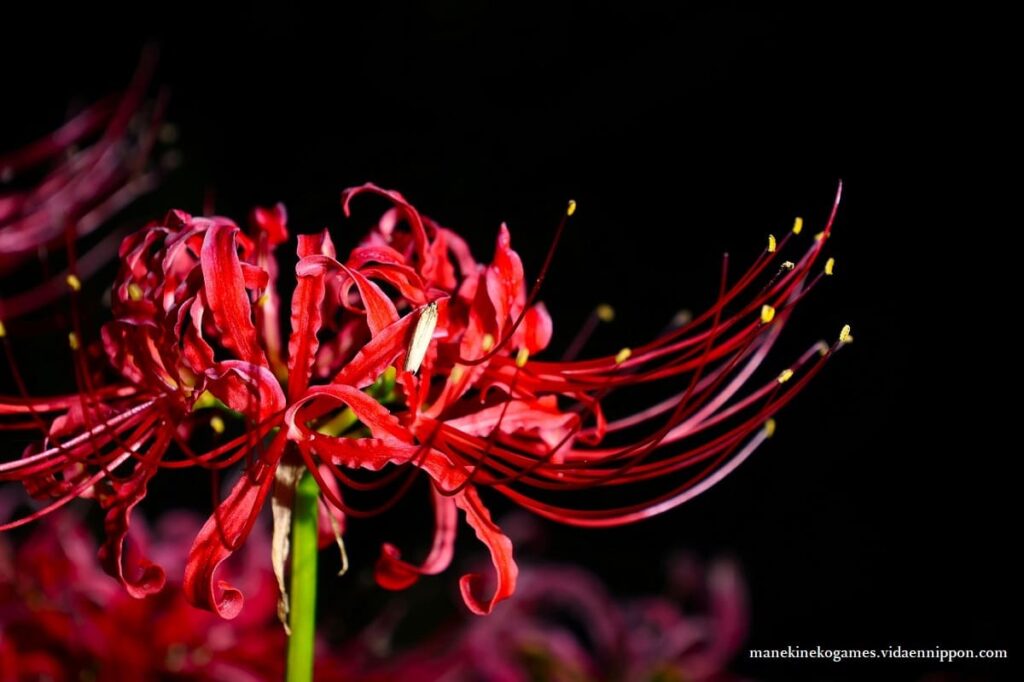
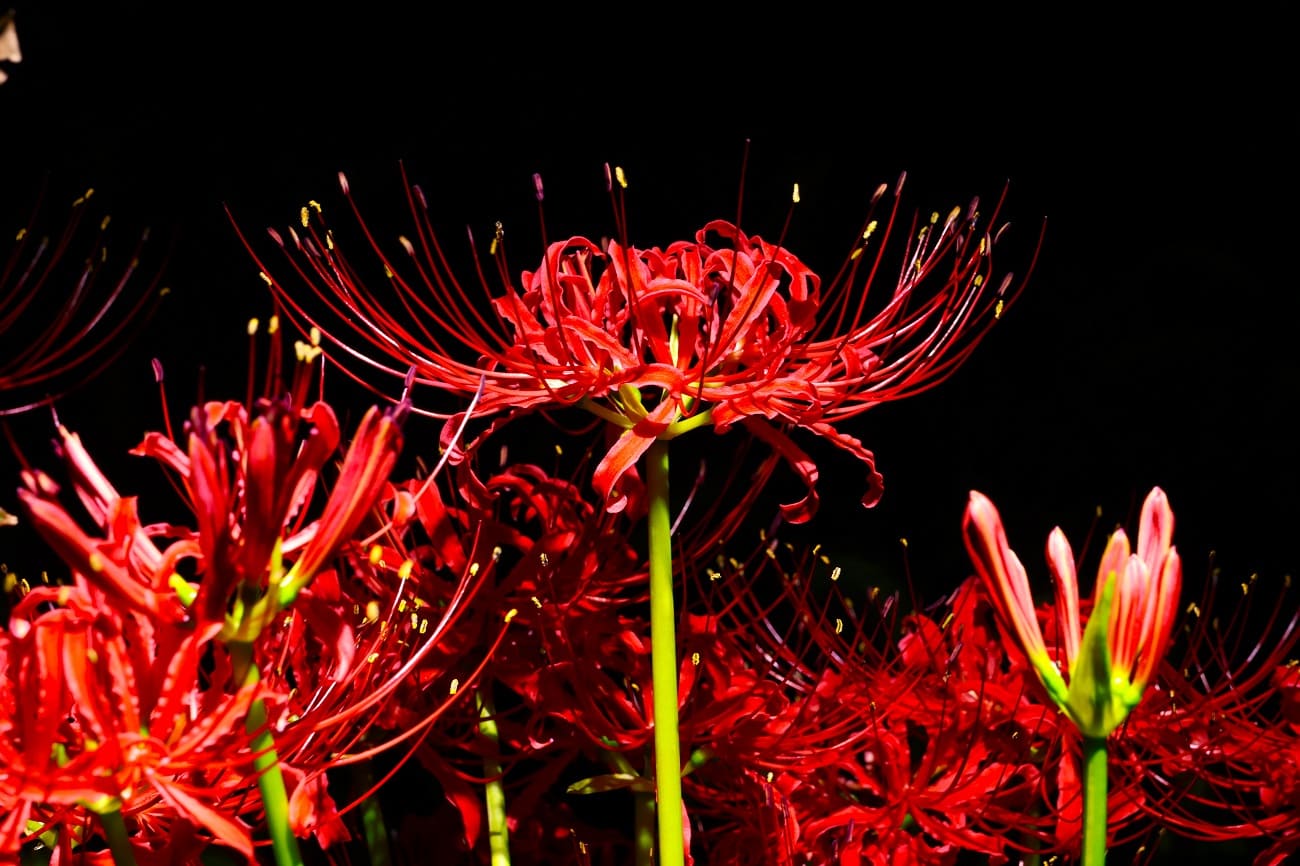
The red spider lily is one of the most symbolic—and ominous—flowers in Japanese culture. It is closely associated with death, farewell, and the afterlife.
Traditionally, higanbana blooms around the autumn equinox and is often found near graves, reinforcing its connection to the boundary between life and death.

In Japan, it’s strongly connected to death and the afterlife.
In games:
Appears in: Ghost of Tsushima, Nioh, Rise of the Ronin
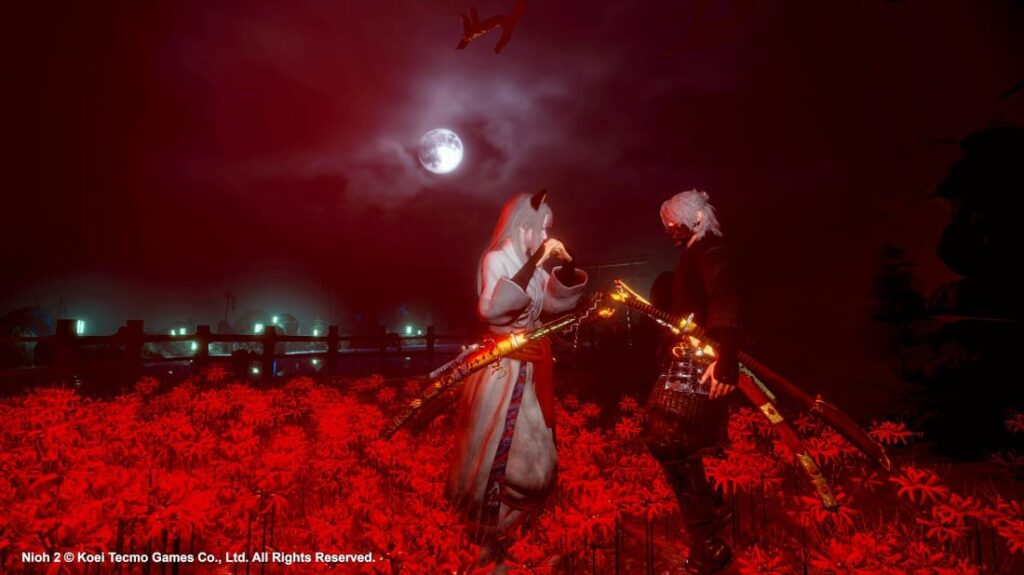
- Signals danger or an unsettling area
- Often appears before boss fights or tragic events
- Creates a striking contrast with its vivid red color
Unlike many other plants, higanbana rarely appears in peaceful settings. When you see it, the game is usually warning you: something is about to go very wrong.
For more detail about Higanbana, check the article below.
What These Games Get Right About Japan
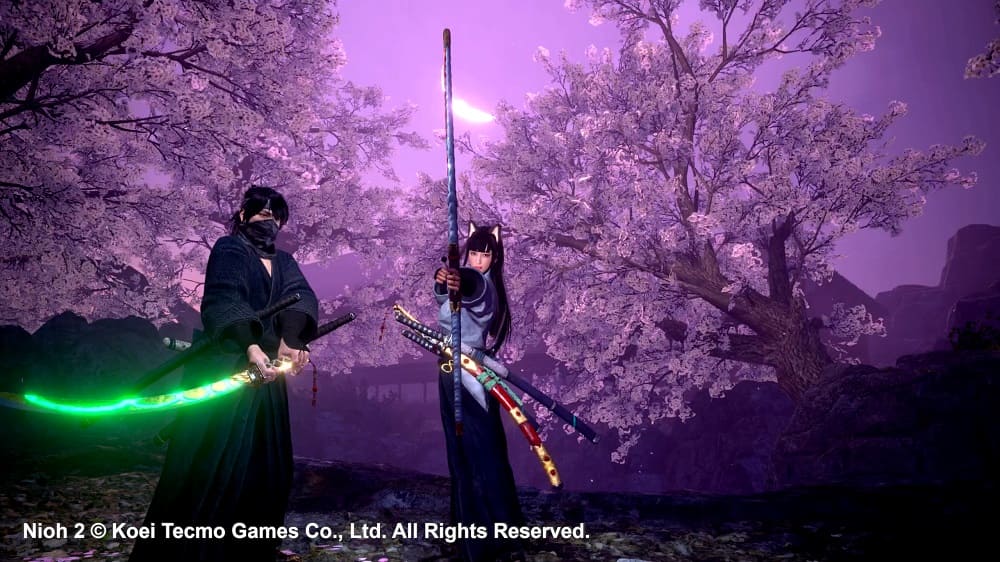
Each of these games uses plants differently:
- Sekiro emphasizes spirituality and myth
- Ghost of Tsushima focuses on cinematic beauty
- Nioh uses nature more as a backdrop for action
- Rise of the Ronin highlights everyday life and realism
But they all share one key idea:
Nature is never just decoration.
In Japanese storytelling, plants act as a silent language—expressing emotion, marking transitions, and shaping the player’s experience.

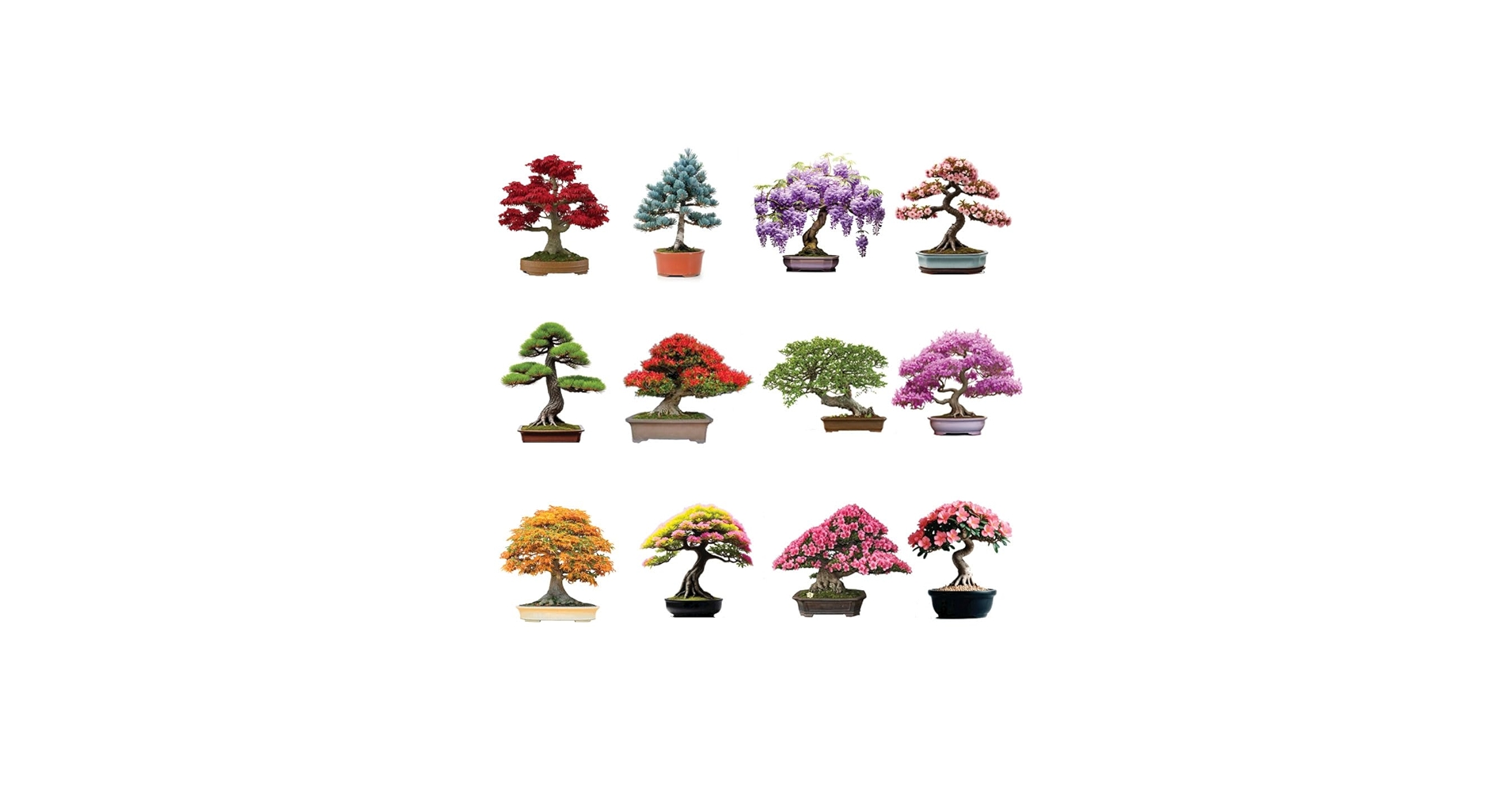
For plant lovers, I highly recommend these bonsai kits that you can grow from seeds. Actually, we’re growing cherry blossoms, wisteria, Hydrangea and Japanese maples in our own garden too!

FAQ about plants in Japanese games
- QWhat do cherry blossoms mean in Japanese games?
- A
Cherry blossoms (sakura) symbolize the beauty and fragility of life. In video games, they are often used in emotional scenes, farewells, or important story moments.
- QWhy are red spider lilies used in Japanese games?
- A
Red spider lilies (higanbana) are associated with death and the afterlife in Japanese culture. In games, they often signal danger, tragedy, or upcoming boss battles.
- QWhy do Japanese games use seasonal plants?
- A
Seasonal plants reflect the importance of nature and time in Japanese culture. They help express emotions, transitions, and story progression without using dialogue.
How to Read Japanese Nature in Games
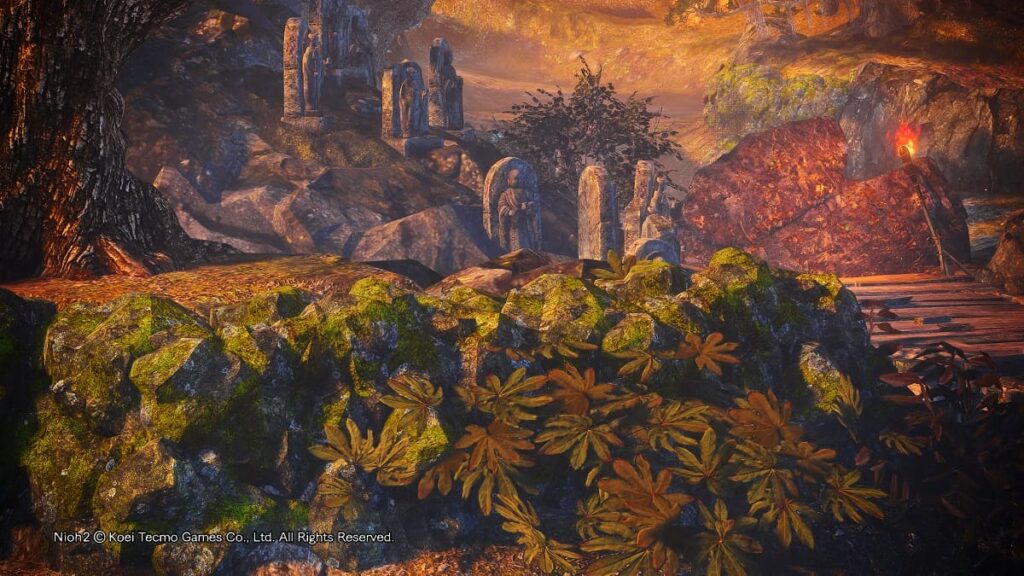
Once you know the meanings, you can start spotting patterns:
- Sakura → A meaningful or emotional moment
- Susuki → Enemies nearby or stealth opportunity
- Lotus → A spiritual or important area
- Maple → A turning point in the story
These details are subtle, but they make Japanese games feel deeper and more immersive.
Final Thoughts about 9 plants in Japanese game
The next time you play a Japanese game, take a closer look at the environment.
Those flowers and trees aren’t just there to look beautiful—they’re quietly telling you something.
And once you notice it, you’ll never see these worlds the same way again.

If you are interested in Japan, you may love this game!
Let’s play!
Yes! Let’s play!
Comments