




If you’ve played Nioh, you’ve probably encountered a wide variety of strange and memorable yokai.
But here’s the interesting part: many of these creatures aren’t just fantasy enemies—they come directly from traditional Japanese folklore.
For centuries, yokai have been used to explain the unknown, warn people of danger, or simply add mystery to everyday life.
In this article, we’ll explore five yokai that appear in Nioh—not as game characters, but as they are known in Japanese culture.
Understanding their origins can completely change how you see them in the game.
1. Hitotsume-Kozō (一つ目小僧)
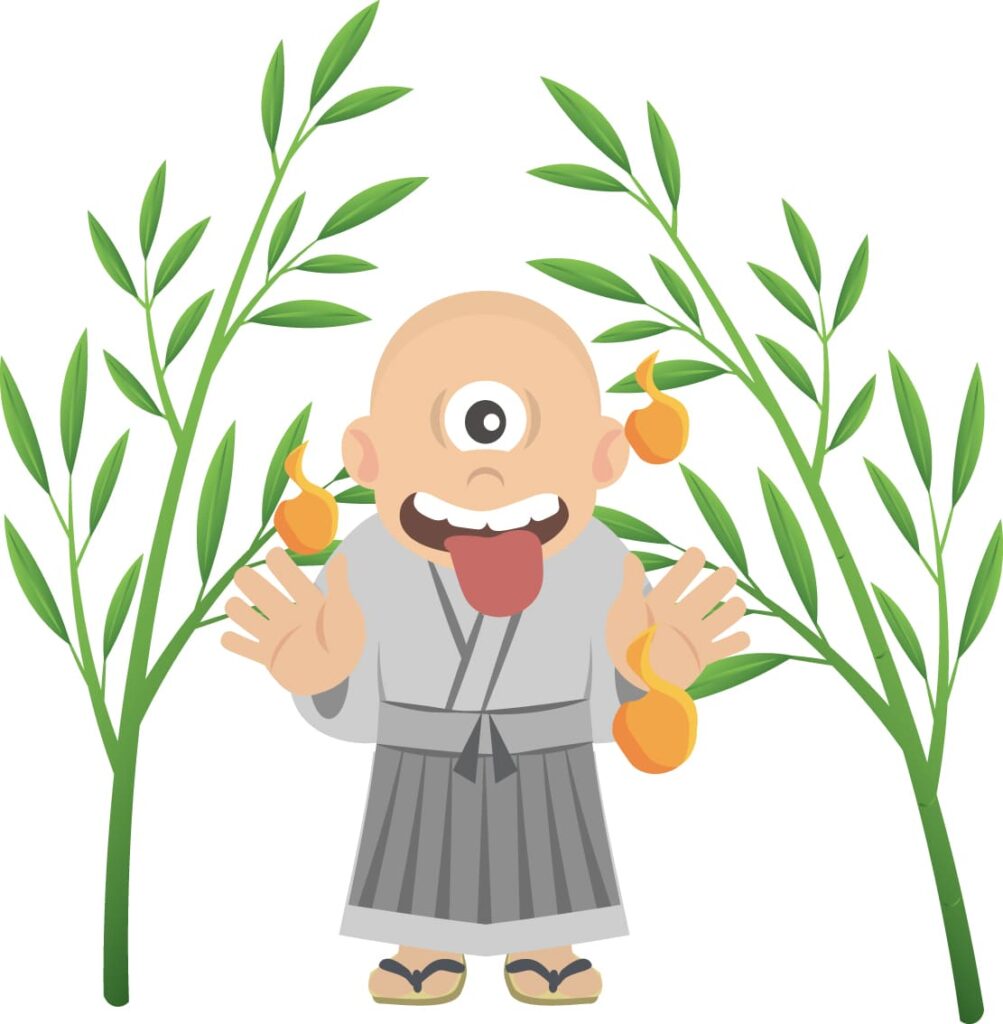
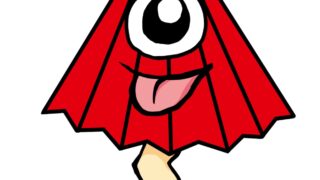
A Hitotsume-Kozō is a childlike yokai with only one eye in the center of its face.
Despite its creepy appearance, it is usually harmless and prefers to scare people rather than hurt them.
In Japanese folklore, this yokai often appears suddenly at night or during rainy days, surprising travelers.
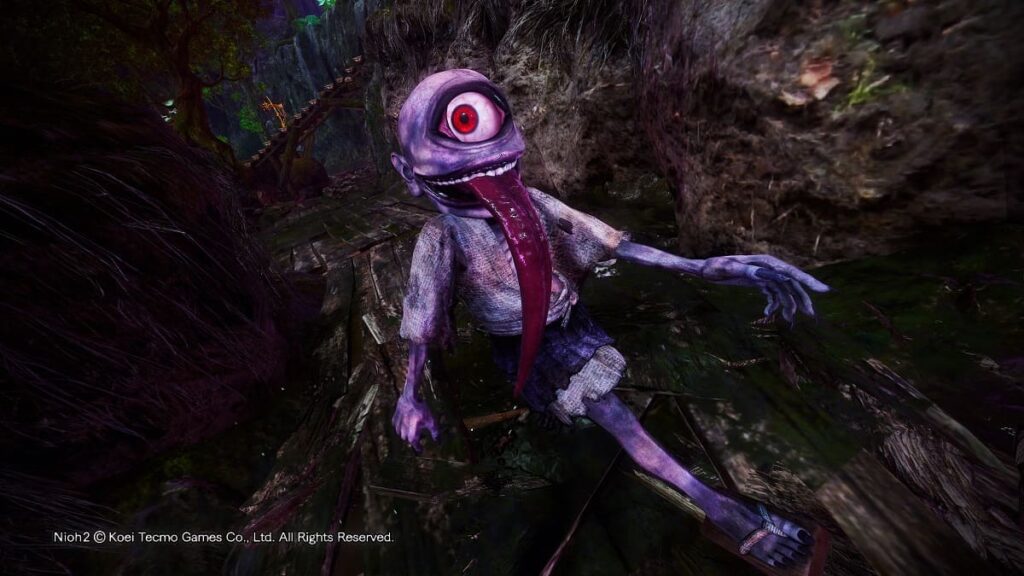
👉 In Nioh:
The design stays quite faithful—small, eerie, but not among the most dangerous yokai.
The Hitotsume-Kozō in Nioh isn’t that strong.
Are you interested in Hitotsume-kozo? Check the article below as well.

2. Yamanba (山姥)
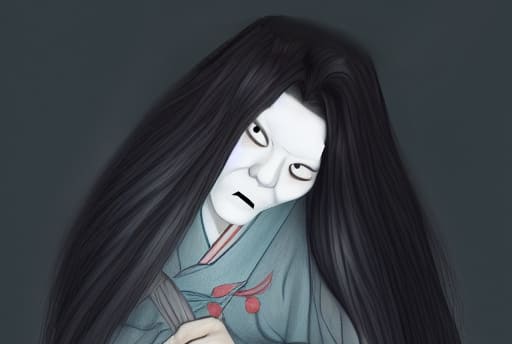
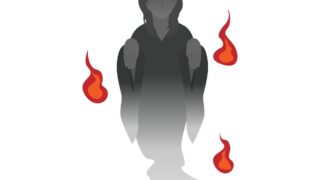
Yamanba is a mountain-dwelling old woman, often portrayed as both terrifying and strangely complex.
She is known to:
- Attack travelers
- Devour humans
- Sometimes raise abandoned children
This dual nature makes her one of the most fascinating yokai in Japanese folklore.
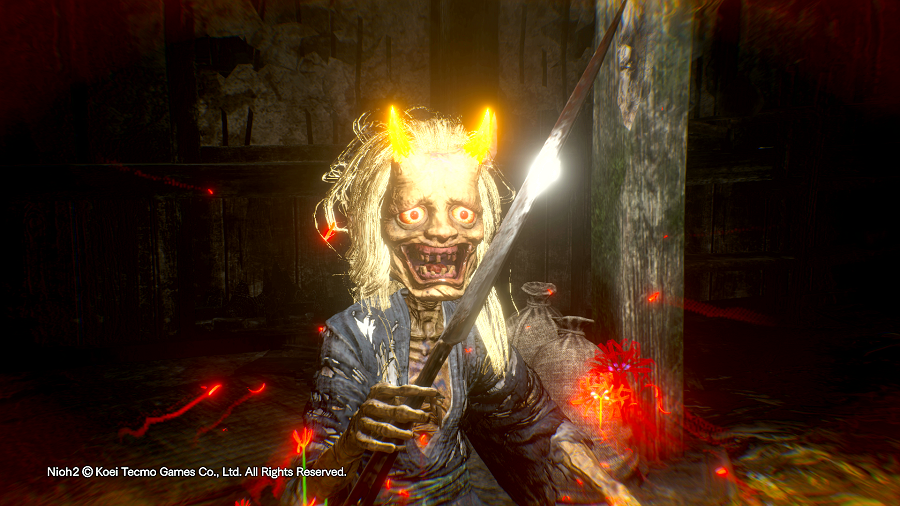
In Nioh:
She appears as a powerful enemy, emphasizing her monstrous side.

When I think of Yamanba, I imagine her in an old mountain hut, sharpening a kitchen knife. The one in Nioh is scary—especially when she starts throwing knives!
If you are interested in Yamanba, check the article below, too.
3. Sunekosuri (スネコスリ)
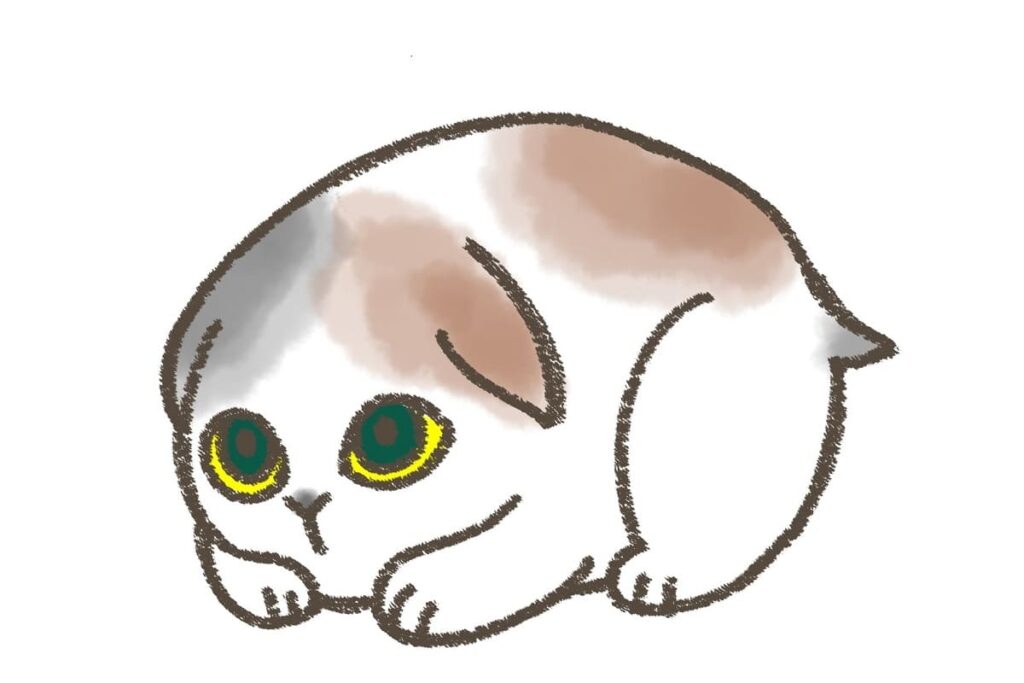
Sunekosuri is a small, dog-like yokai that rubs against people’s legs at night.
It doesn’t attack—in fact, it’s more like a mischievous pet.
However, it can cause people to trip and fall in the dark.
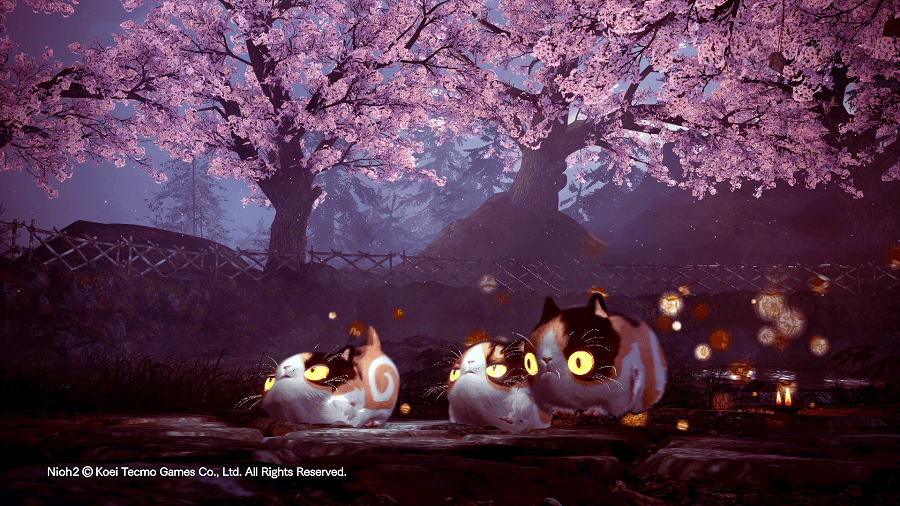
In Nioh:
Often depicted as a small companion-like creature, staying true to its harmless nature.
I love Sunekosuri! It’s so cute.
If you want to read more about Sunekosuri, please check ther article.
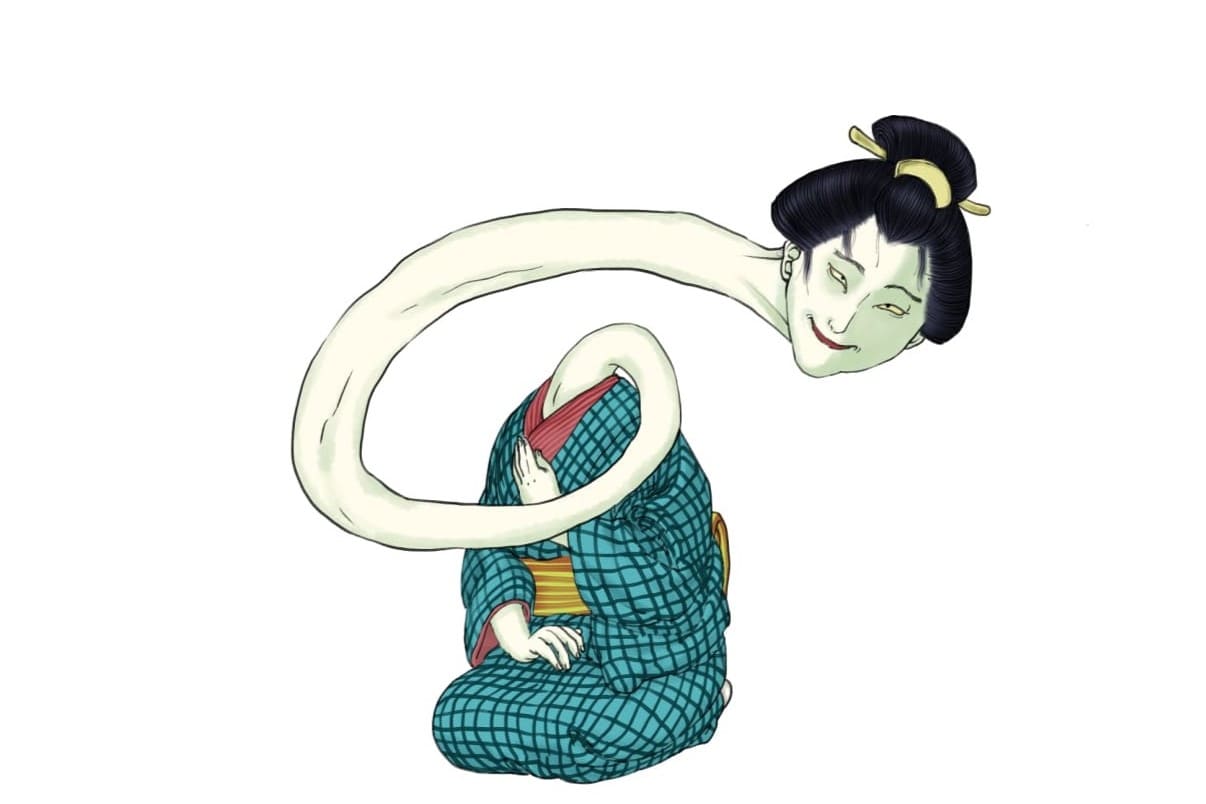
4. Rokurokubi (ろくろ首)
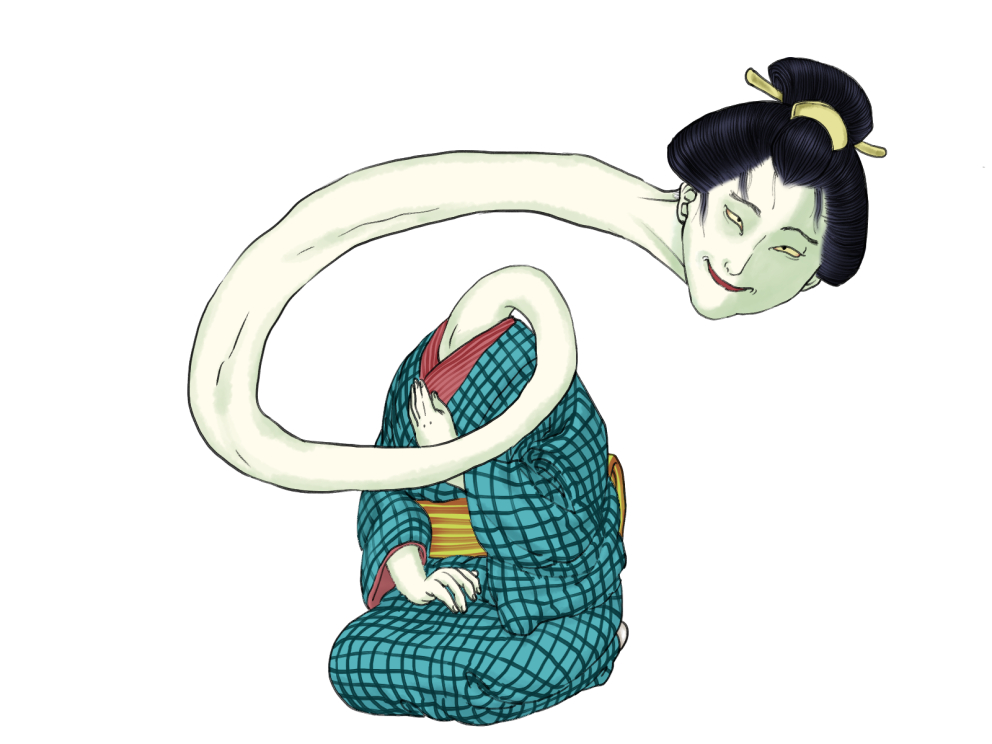
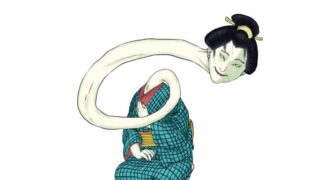
Rokurokubi are humans (usually women) whose necks stretch to unnatural lengths at night.
By day, they look completely normal.
By night, they transform into something unsettling.
Some versions are harmless, while others are dangerous and feed on humans.
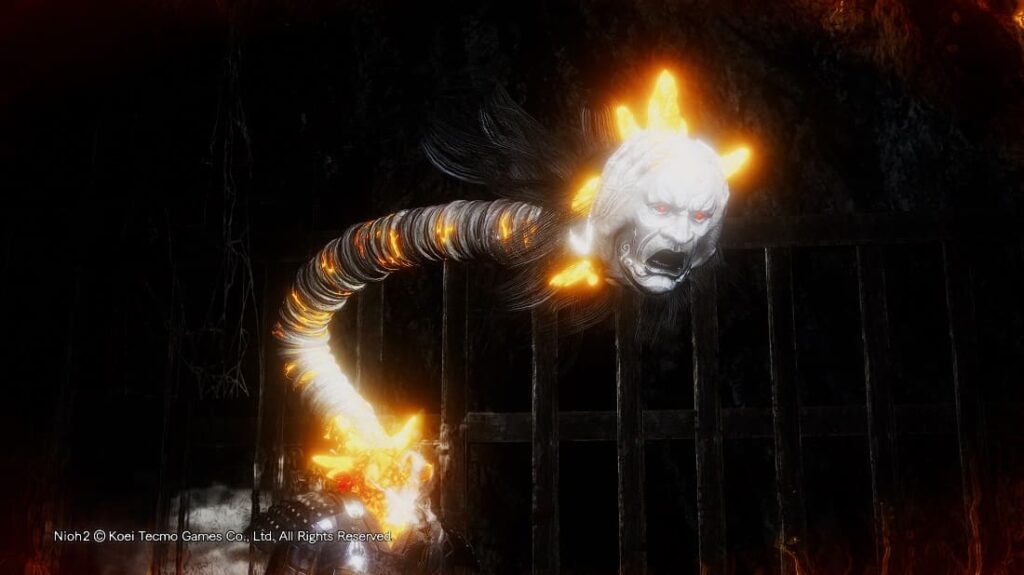
In Nioh:
They are portrayed as eerie and aggressive enemies, leaning toward the darker interpretations.
Rokurokubi kind of creeps me out, so I’m not a big fan. Especially in Nioh—those long neck attacks can catch you off guard!
For more detail about Rokurokubi, check the article below as well!

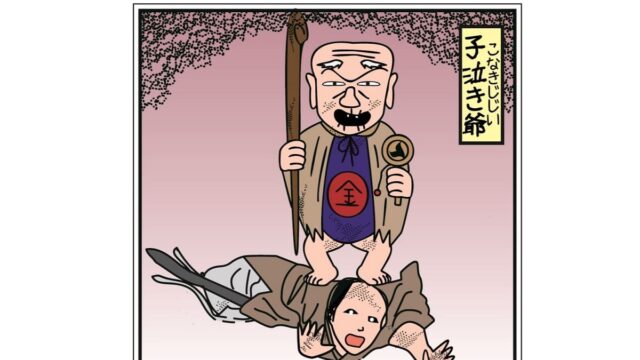
5. Konaki-jiji (子泣き爺)
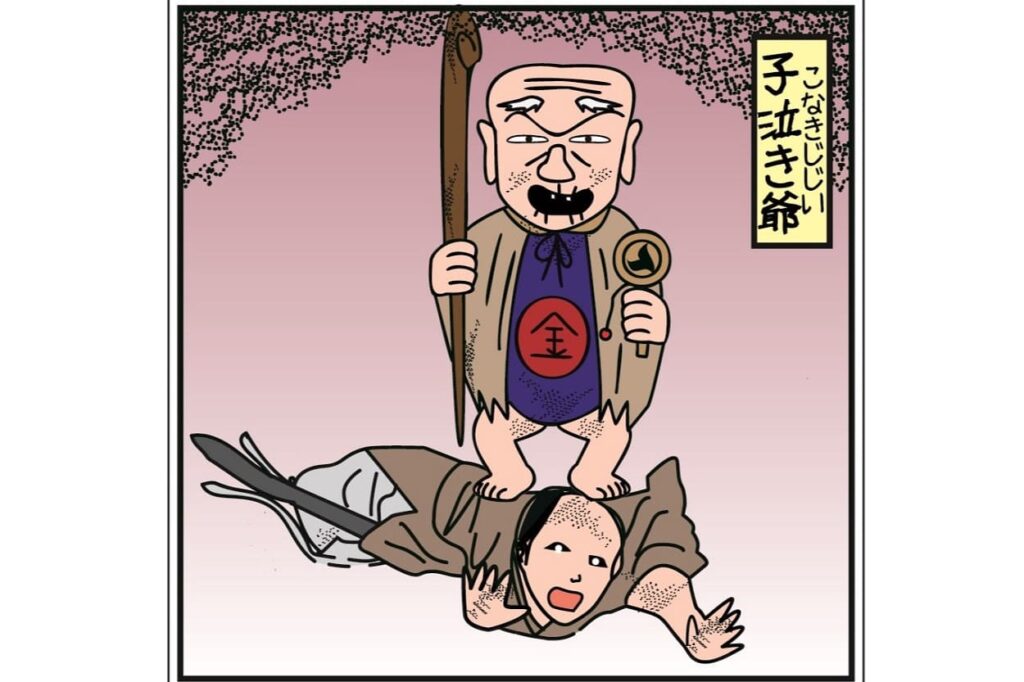
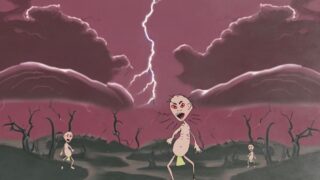
Konaki-jiji appears as a crying baby left alone in the wild.
When someone picks it up, it suddenly becomes incredibly heavy—sometimes crushing the person.
In Nioh:
It appears in a more exaggerated and dangerous form, emphasizing the supernatural threat.

The Konaki-jiji in Nioh is just relentless. Its crying is creepy, and honestly, I’m not a fan.
If you want to know about Konaki-jiji more, check the article below!!
FAQ about Yokai in Nioh series
- QWhat are yokai in Nioh?
- A
Yokai in Nioh are supernatural creatures inspired by traditional Japanese folklore. Many of them are based on legends that have existed for centuries.
- QAre Nioh yokai based on real Japanese myths?
- A
Yes. Most yokai in Nioh come directly from Japanese folklore, though their designs and abilities are often exaggerated for gameplay purposes.
- QAre all yokai evil?
- A
No. Yokai are not always evil—some are mischievous, some are neutral, and others can even be helpful depending on the story.
- QWhy do yokai stories exist in Japan?
- A
Yokai stories were used to explain unexplained events, teach moral lessons, and reflect fears of nature and the unknown in traditional Japanese society.
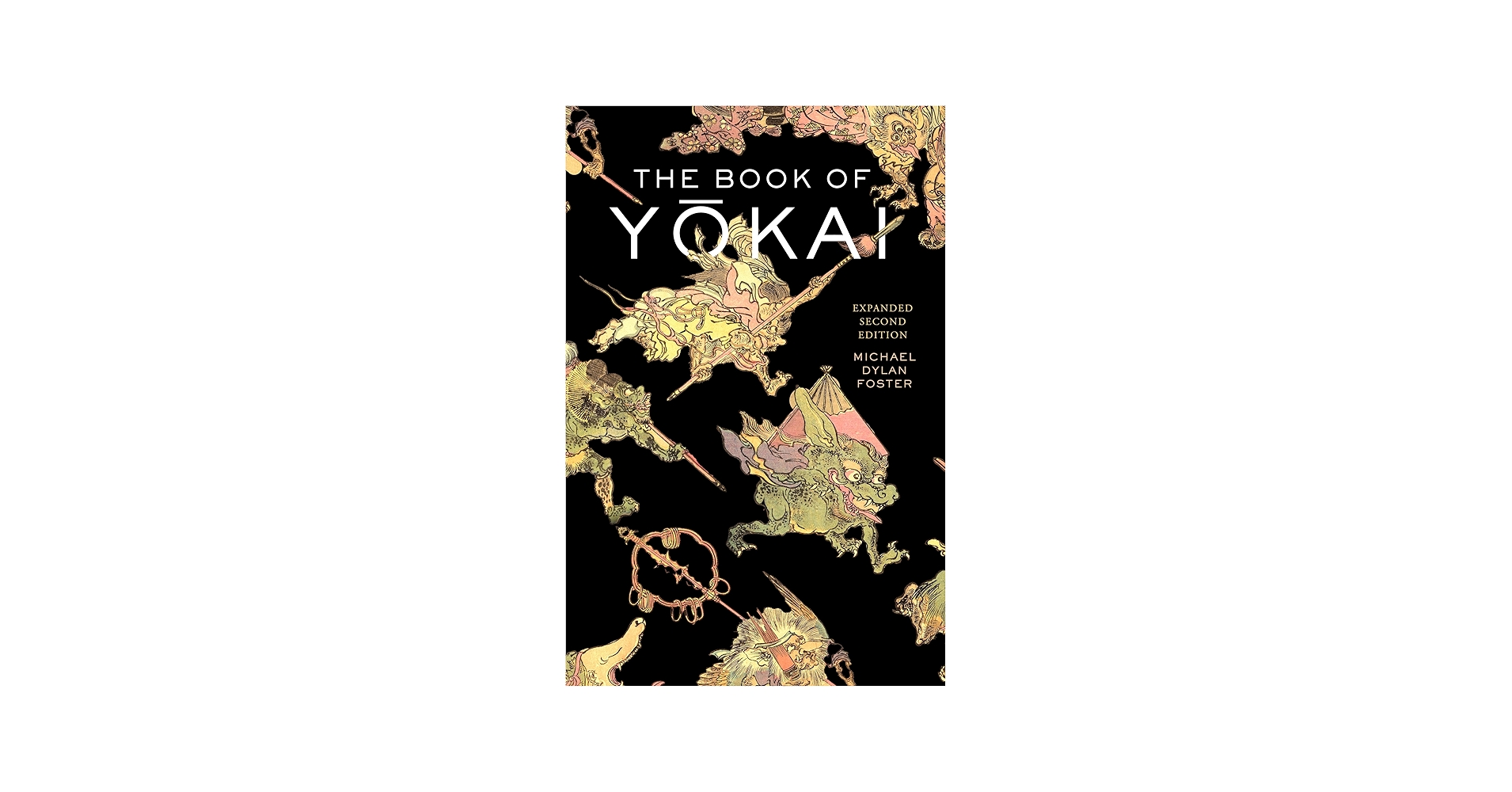

Final Thoughts about Yokai in Nioh Series
Many yokai in Nioh are not just fantasy creations—they come directly from centuries of Japanese folklore.
Understanding their origins adds a whole new layer to the game:
what seems like a random enemy is often rooted in real cultural fears, beliefs, and storytelling traditions.

If you are interested in Japan, you may love this game!
Let’s play!
Yes! Let’s play!

Comments