





- Could a Kappa Be Waiting Beneath the Water?
- What is a Kappa?
- Cute… or Dangerous?
- Why Does a Kappa Have Water on Its Head?
- Can You Defeat a Kappa by Bowing?
- Why Do Kappa Love Cucumbers?
- Kappa Legends Differ Across Japan
- Kappa in Modern Games, Anime, and Pop Culture
- Kappa in the game Nioh 2
- My Thoughts about Kappa
- Kappa Q&A
- Final Thoughts about Kappa
Could a Kappa Be Waiting Beneath the Water?

Today’s topic is Kappa!!

Oh! I was waiting to find out more about this Yokai!
Imagine walking along a quiet river in the Japanese countryside on a warm summer afternoon.
The water is crystal clear, birds are singing, and everything feels peaceful.
Then, you notice a ripple.
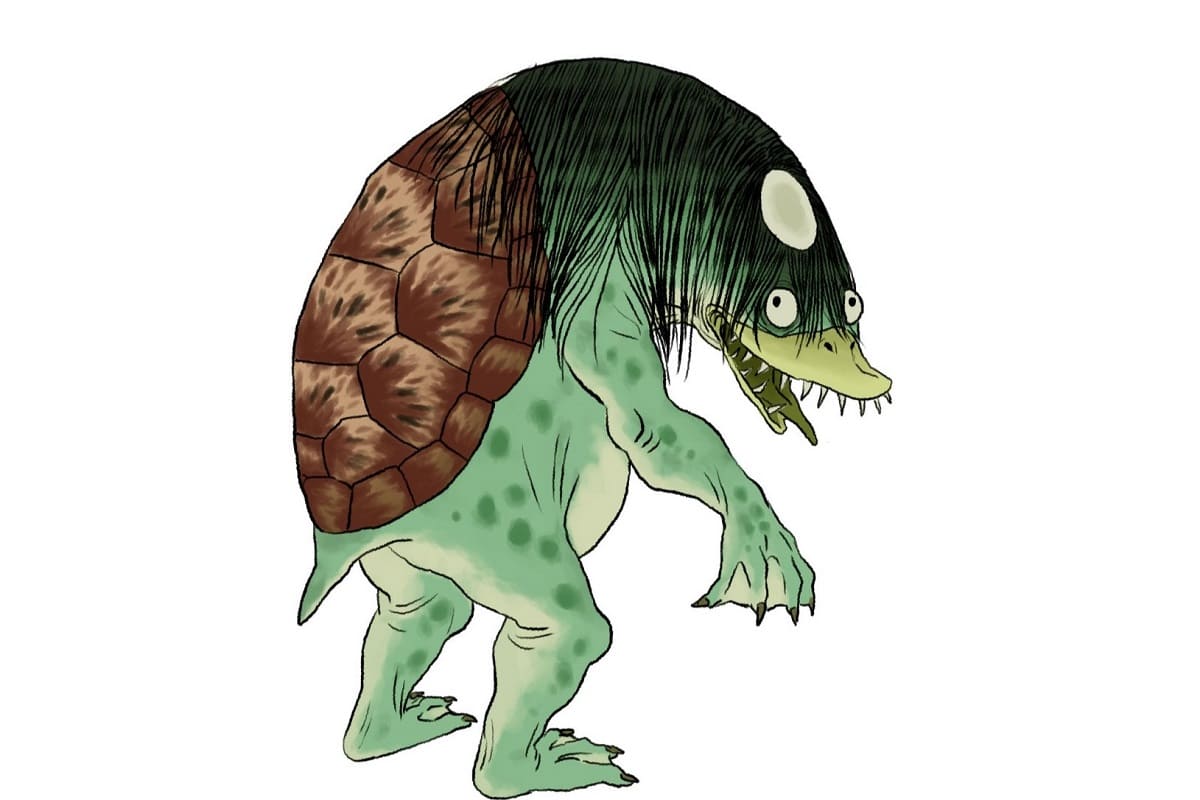
A small green figure with a turtle-like shell slowly rises from the water. On its head is a mysterious dish filled with water, and its curious eyes are fixed on you.
Could it be a Kappa?
The Kappa is one of Japan’s most famous yokai (supernatural creatures). For hundreds of years, stories of Kappa have been passed down across the country. Sometimes they are mischievous pranksters, sometimes terrifying river monsters, and sometimes surprisingly polite.
Today, Kappa appear in anime, video games, manga, and even sushi names, making them one of the most recognizable figures in Japanese folklore.
In this article, I’ll introduce the fascinating legends, unique appearance, strange habits, and lasting cultural influence of Japan’s famous river yokai.
But before we dive into the legends, let’s answer one simple question: What exactly is a Kappa?
What is a Kappa?
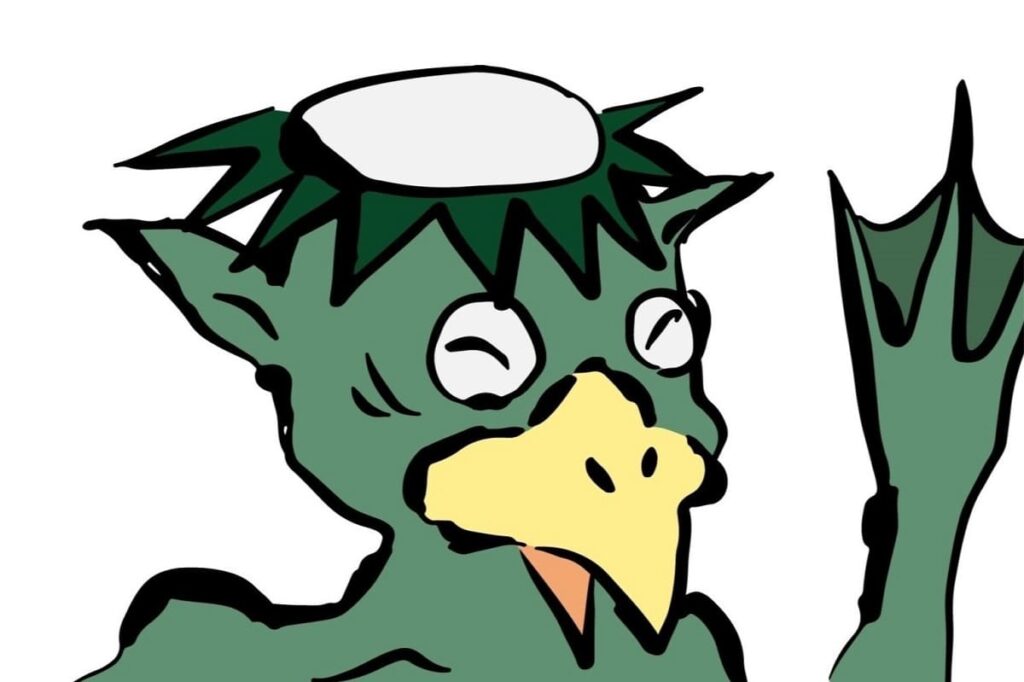
A kappa is a water-dwelling yokai that appears in numerous folktales across Japan. Though their appearance and behavior vary slightly depending on the region, they are generally known for being pranksters who live near rivers and ponds. Kappa are believed to interact with humans, sometimes causing trouble but occasionally offering help.
The most recognizable feature of a kappa is the “plate” on its head, which holds water. Another common characteristic is its turtle-like shell on its back, which gives it a unique, amphibious appearance.
Kappa typically have green or bluish-green skin, making them blend into their watery surroundings. Their hands and feet are webbed, enabling them to swim extremely fast. They are generally described as being about the size of a small child, which makes them appear less threatening but still quite mischievous.

Green skin, a water-filled dish on its head, and a turtle-like shell… Kappa certainly have one of the most unique appearances in Japanese folklore, don’t they?
Cute… or Dangerous?
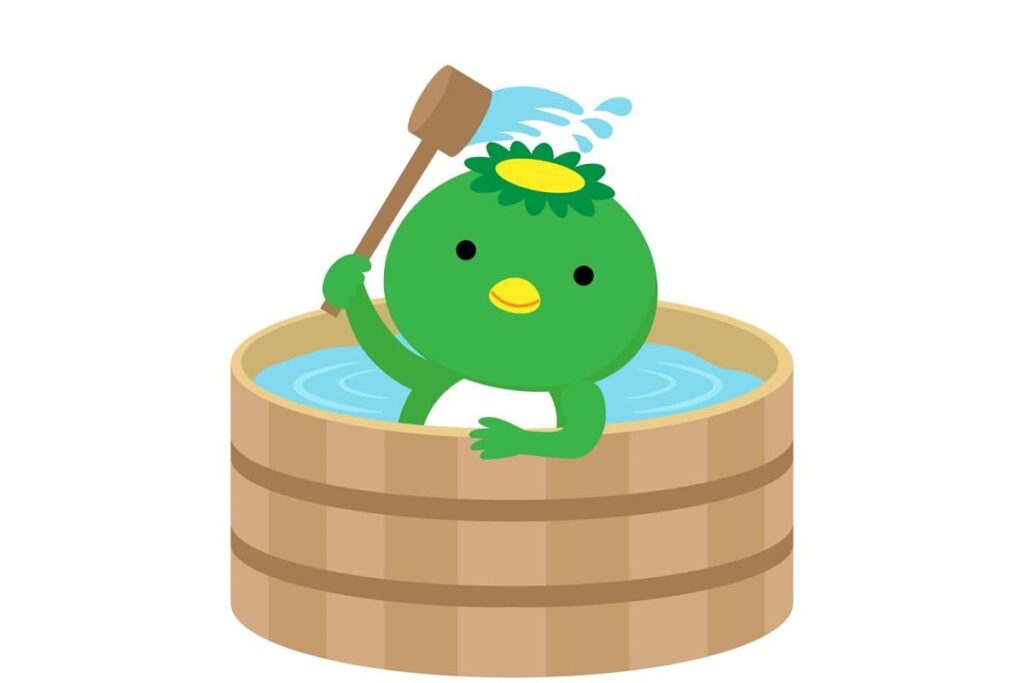
Modern illustrations often portray Kappa as adorable, friendly creatures. You might even see cute Kappa mascots promoting local tourism in Japan.
However, traditional legends tell a much darker story.
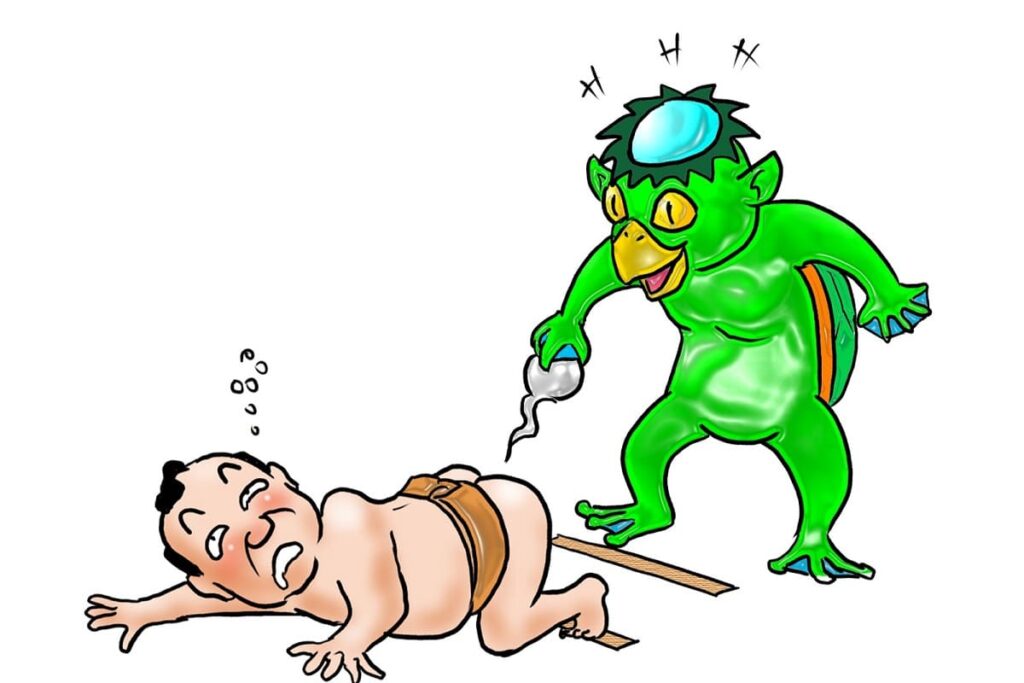
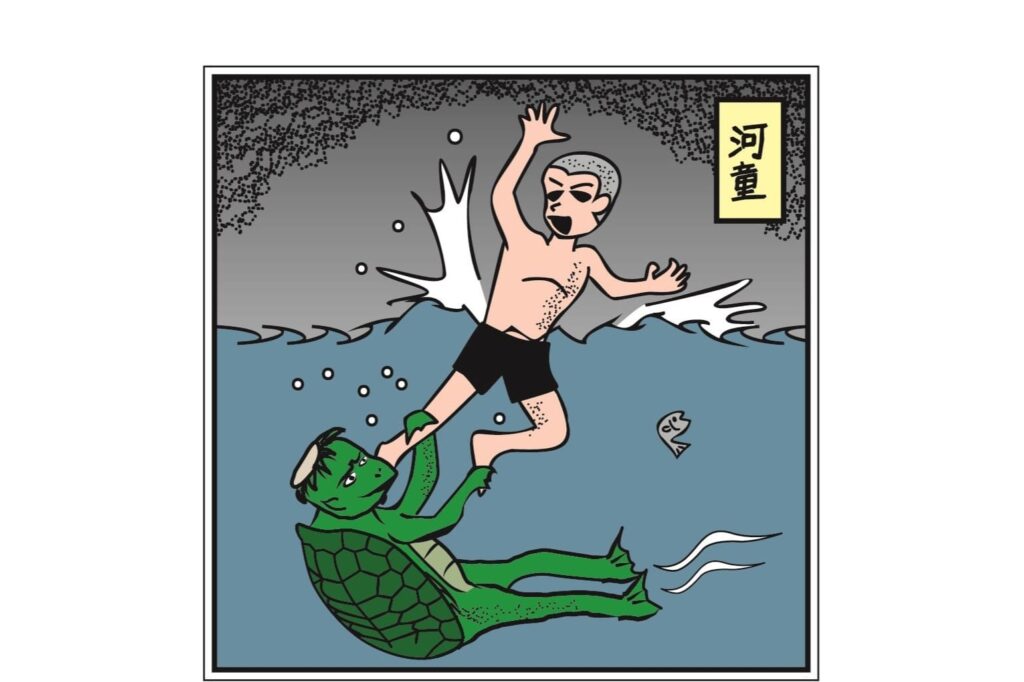
Long ago, people believed Kappa lived in rivers and ponds, waiting for careless travelers. They were said to pull people—and especially children—into the water. Some stories even describe them attacking horses or challenging humans to wrestling matches.

Losing a sumo match against a Kappa could have terrifying consequences. According to legend, it might pull out a mythical organ called the shirikodama through your anus, causing death or leaving you as an empty shell. That’s seriously creepy!

That happened to me a lot! I mean to my character in Nioh 2 during gameplay!
Many historians believe these frightening tales served an important purpose. Before modern safety equipment existed, rivers could be extremely dangerous. By telling children that a Kappa might be waiting beneath the surface, adults encouraged them to stay away from deep or fast-moving water.
In this way, Kappa legends were not only entertaining stories but also practical lessons that helped protect communities.
Why Does a Kappa Have Water on Its Head?
One of the Kappa’s most recognizable features is the shallow, plate-like depression on top of its head.
According to legend, this dish contains magical water that gives the Kappa its incredible strength and supernatural abilities.
As long as the water remains inside the dish, the Kappa is powerful.
But if the water spills out, everything changes.
Without the water, the Kappa becomes weak and helpless. In some stories, it may even lose its life unless the water is returned.
This unusual weakness plays an important role in one of Japan’s most famous Kappa legends.
Can You Defeat a Kappa by Bowing?
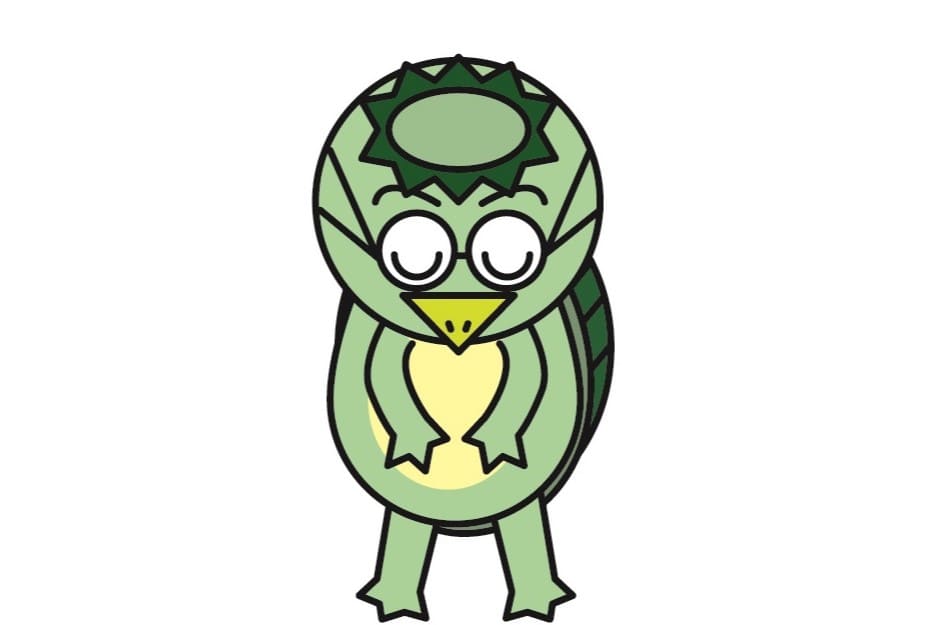
Surprisingly, yes—at least according to Japanese folklore.
Kappa are said to value good manners and proper etiquette.
If you politely bow to a Kappa, it will instinctively bow back.
When it does, the magical water on its head spills onto the ground, causing the creature to lose its strength.
Some legends say that if you kindly refill the water afterward, the grateful Kappa will become your loyal friend and may even teach you valuable skills such as medicine or bone-setting.
It’s a uniquely Japanese story where politeness can be more powerful than violence.
Why Do Kappa Love Cucumbers?
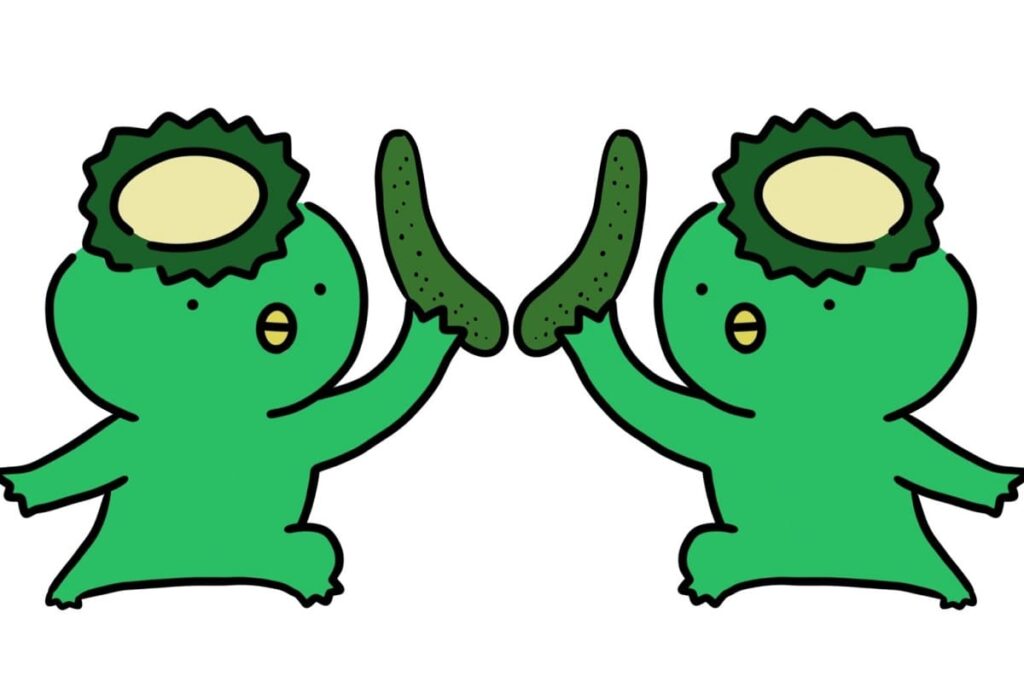
Perhaps the most famous thing about Kappa—after the water on its head—is its love of cucumbers.
For centuries, people have believed that cucumbers were the Kappa’s favorite food.
In some regions of Japan, families once wrote their names on cucumbers and floated them down rivers as offerings, hoping to avoid accidents or gain the Kappa’s protection.
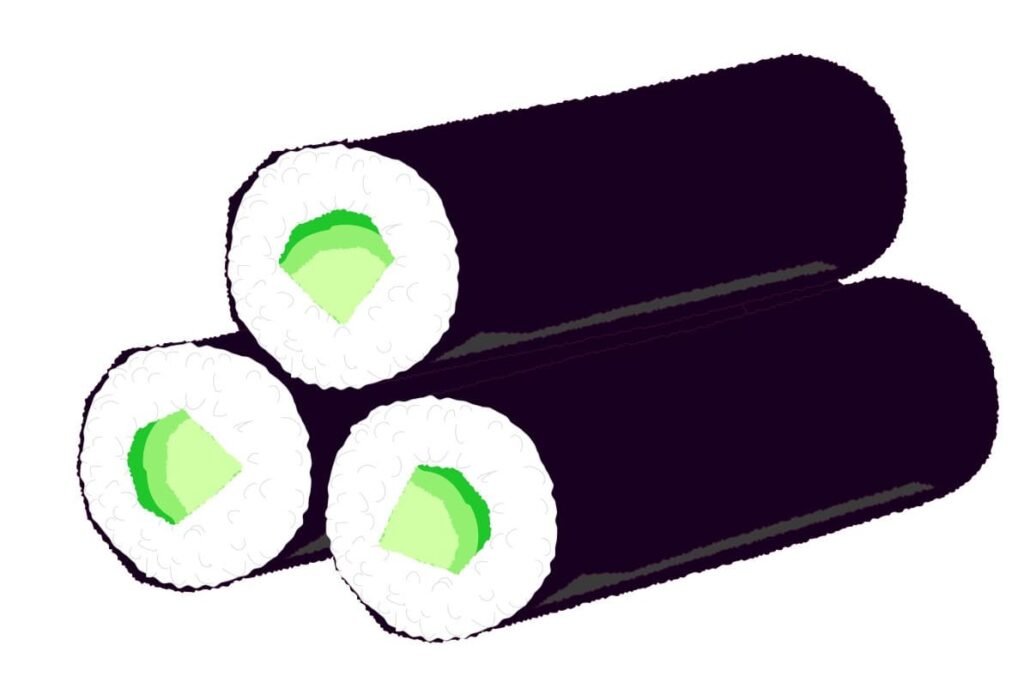
This tradition eventually inspired the name of one of Japan’s most popular sushi rolls.
Kappa Maki is a simple cucumber sushi roll named after the legendary creature because of its supposed love for cucumbers.
Today, many visitors to Japan are surprised to learn that an everyday sushi roll has its roots in ancient folklore.

Kappa maki may be simple, but it’s surprisingly delicious. It’s one of my favorite sushi rolls when I want something light and refreshing.

Maybe you are a Kappa hahaha!
Kappa Legends Differ Across Japan
Not every Kappa story is the same.
Japan has hundreds of regional legends, and each area describes Kappa a little differently.
Some Kappa are dangerous.
Others enjoy harmless pranks.
Some become loyal friends after receiving kindness.
Others reward humans by teaching medicine, farming techniques, or helping with irrigation.
These regional variations make Kappa one of the richest and most fascinating yokai in Japanese folklore.
Kappa in Modern Games, Anime, and Pop Culture
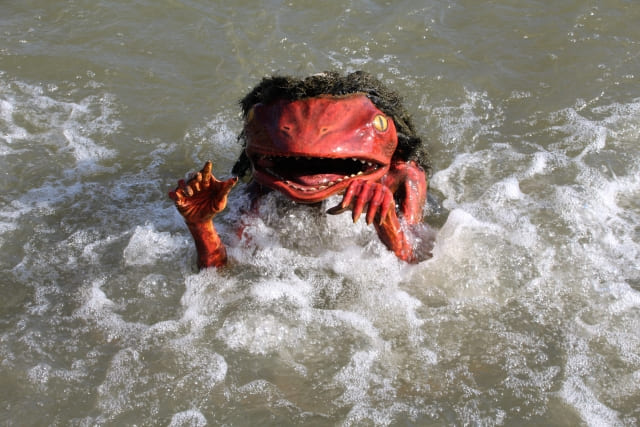
Although Kappa originated in ancient folklore, they remain incredibly popular today.
You can find Kappa appearing in:
- Video games
- Anime
- Manga
- Children’s books
- Local festivals
- Souvenir shops
- Character mascots
Game series such as Nioh feature Kappa as memorable yokai enemies, while many anime include playful or humorous versions of these famous river spirits.
Rather than disappearing over time, Kappa have successfully adapted to modern culture and continue to capture people’s imagination both in Japan and around the world.

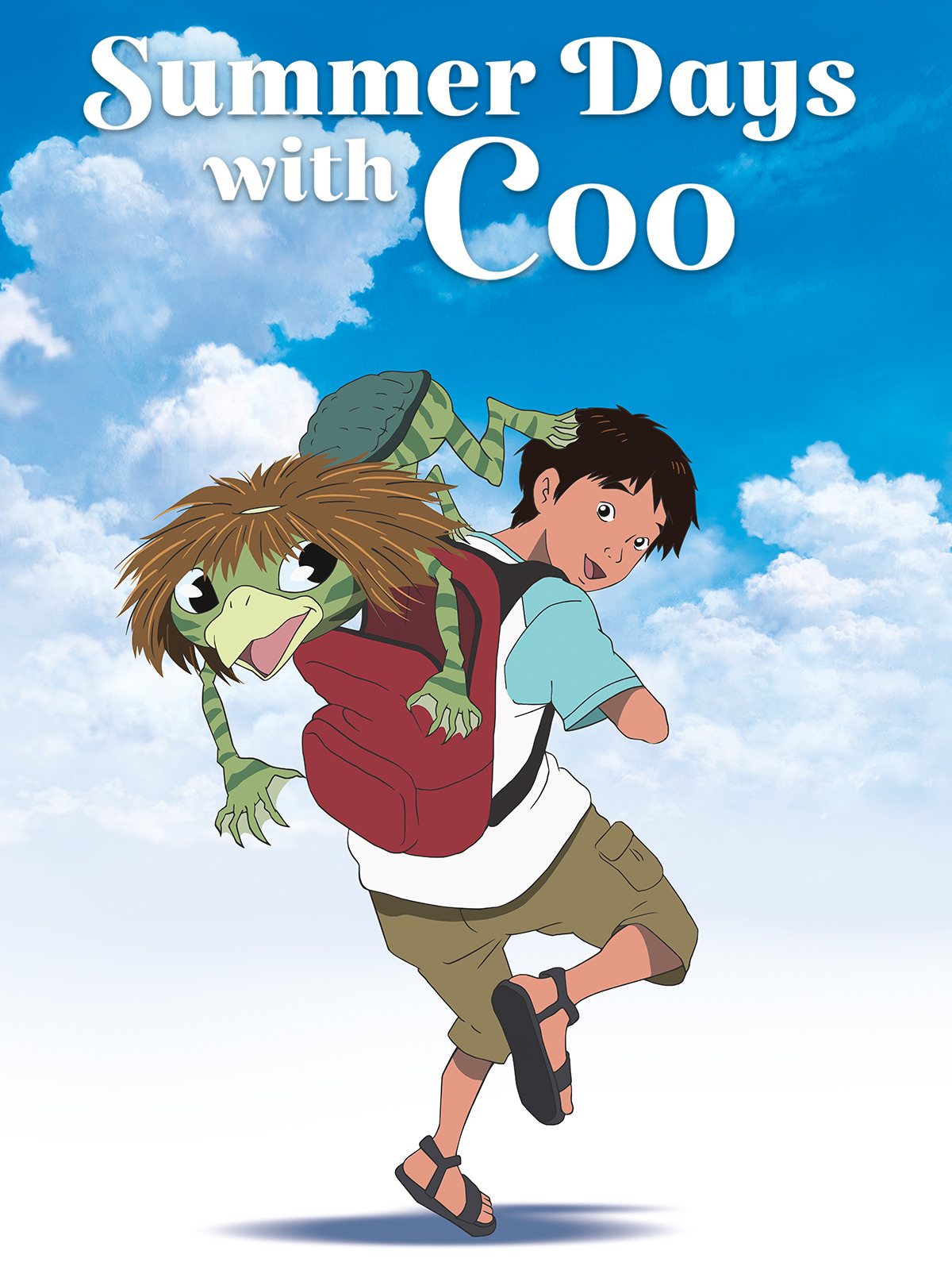
The animated movie Summer Days with Coo was a huge hit with children in Japan. I highly recommend it for adults as well—it’s a heartwarming film that everyone can enjoy.

Kappa in the game Nioh 2
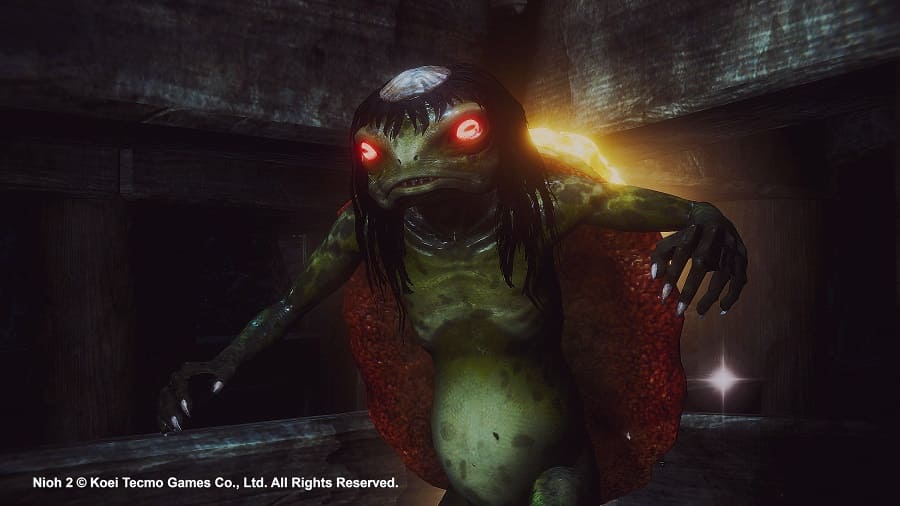
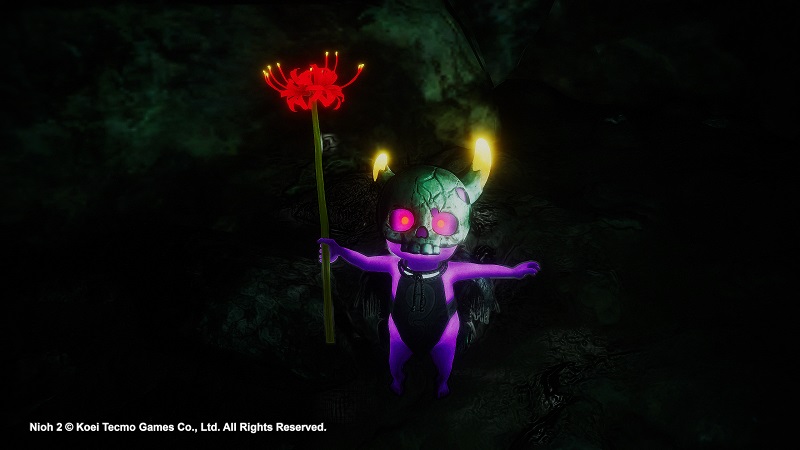
In the game Nioh 2, kappa also make an appearance as one of the many yokai that players encounter. True to their folklore origins, the kappa in Nioh 2 are depicted as mischievous creatures who roam near bodies of water. They are often found carrying valuable items on their backs, enticing players to chase after them.
However, just like in legends, they can be tricky opponents, using their agility to evade capture. This portrayal adds an authentic touch to the game’s deep connection with Japanese mythology, bringing traditional yokai like the kappa to life in an action-packed context.
The Kappa in Nioh 2 are incredibly annoying! They slam their heads onto the ground and spin around like breakdancers, making them surprisingly dangerous. Poor Taro often gets a finger shoved where the sun doesn’t shine and has his shirikodama stolen!
wwwwww!
!!!!!
My Thoughts about Kappa
When I was a child, I often played in clear rivers during Japan’s hot summers.
As I searched among the rocks and flowing water, I secretly hoped that I might catch a glimpse of a Kappa.
At the time, I wasn’t a very good swimmer, so I even admired how effortlessly Kappa were said to swim.
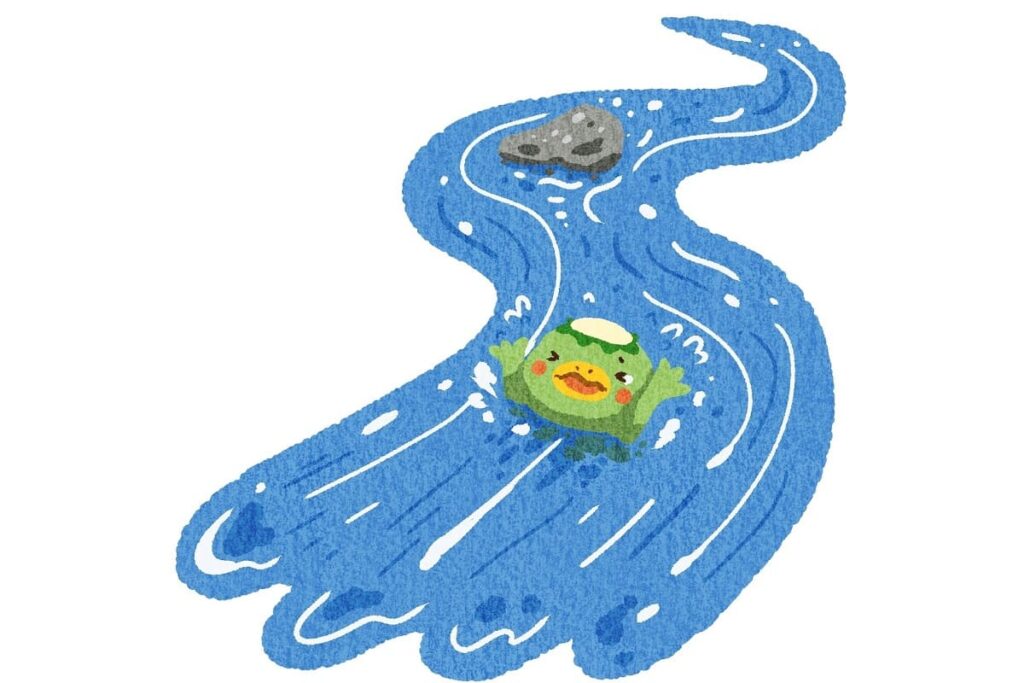
Of course, Japanese people also have a famous proverb: “Even a Kappa can drown.” It reminds us that even experts can make mistakes.
Looking back now, I smile at those childhood memories.
Although I never met a real Kappa, the stories made every river feel just a little more mysterious—and that’s one reason I still love Japanese folklore today.

When I was in elementary school, I spent countless summer vacation days playing in a nearby river. Standing in the cool water beneath the blazing summer sun, I secretly hoped a Kappa might appear. Looking back, those childhood memories still make me smile.
Kappa Q&A
- QWhere can I see a kappa?
- A
Kappa are said to live near rivers, ponds, and lakes across Japan, but famous spots include Kappa-buchi in Tono, Iwate Prefecture, and areas in Kurume, Fukuoka Prefecture.
- QWhat is the kappa’s weakness?
- A
The kappa’s weakness is the water in the plate on its head. If the plate dries out or the water is spilled, the kappa loses its strength.
- QAre kappa dangerous?
- A
Kappa can be dangerous, especially around water, but they are also known for their politeness and sometimes help humans by sharing knowledge or assisting with farming.
- QQ. Are Kappa evil?
- A
Not always.
Kappa are often portrayed as dangerous yokai that live in rivers and ponds, and some legends describe them pulling people underwater or challenging them to sumo matches. However, not all Kappa are evil. In many stories, they become loyal friends after being shown kindness and even repay humans by teaching medicine, helping with farming, or protecting local communities.
- QWhy is Kappa one of Japan’s most famous yokai?
- A
Kappa have been part of Japanese folklore for centuries and are known throughout the country. Their unique appearance, fascinating legends, and appearances in anime, manga, movies, and video games have kept them popular across generations. Today, Kappa are not only symbols of traditional folklore but also beloved characters in modern Japanese pop culture.
If you are interested in famous Yokai in Japan,
check the article below!

Final Thoughts about Kappa
Kappa have long been a beloved yet mysterious part of Japanese folklore. Their distinctive appearance, playful personality, and association with water have kept them relevant in stories and traditions across Japan. Though kappa are often depicted as tricksters, they are also shown to have a caring side, working with humans in certain legends. Today, kappa remain popular figures in both traditional culture and modern media, symbolizing Japan’s rich heritage of yokai mythology.
Whether you encounter kappa in a story, a shrine, or even a souvenir shop, their legacy as one of Japan’s most iconic yokai lives on.

Oh By the way! If you are interested in Yokai or in Japanese Culture and you are a gamer, you may love these games!
Let’s play!

Yes! I can’t wait to play these games!
Let’s Play!

Comments