







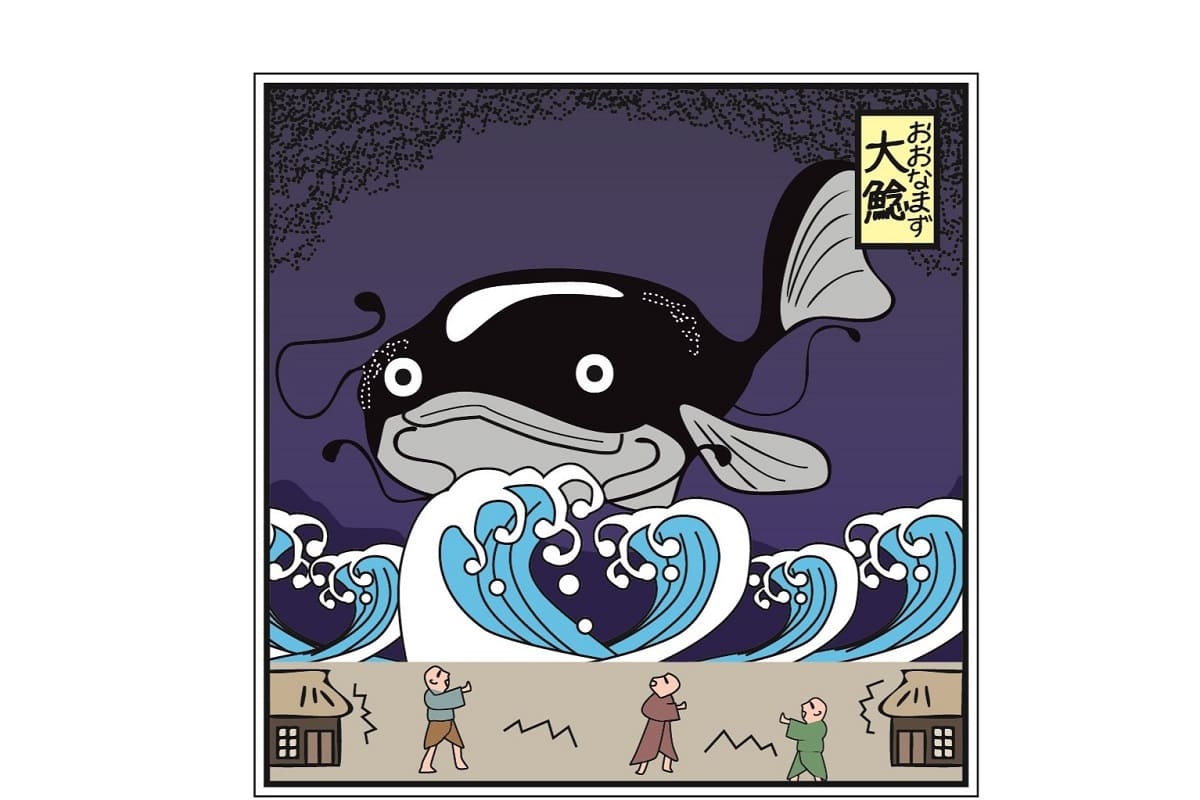

Today’s topic is Onamazu! It’s a giant catfish yokai that’s closely connected to Japan, a country famous for its frequent earthquakes.
Japan experiences earthquakes more often than almost any other country in the world.
Today, science explains why earthquakes happen. But long before modern geology existed, people searched for answers in myths and legends.
One of Japan’s most fascinating legends tells of Onamazu, a giant catfish said to live beneath the islands of Japan. Whenever it thrashed its enormous body, the earth trembled.
Although we now understand earthquakes scientifically, the story of Onamazu remains an important part of Japanese folklore and cultural history.
In this article, I’ll introduce the legend of Onamazu, the famous “catfish prints” created after earthquakes, and why this mythical creature still fascinates people today.
What Is Onamazu?
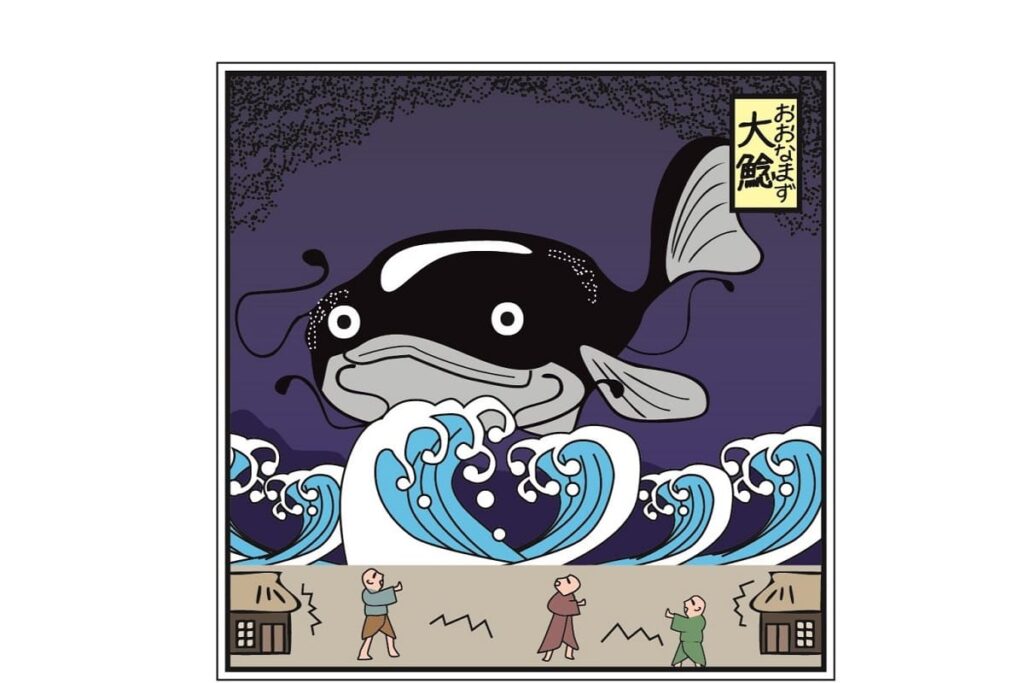
Onamazu (大鯰) is a gigantic catfish from Japanese folklore.
According to legend, it lives deep underground beneath Japan. When the catfish moves violently, the ground shakes, causing earthquakes.
Rather than being viewed as an ordinary monster, Onamazu represents the overwhelming and unpredictable power of nature.
The legend became especially well known during the Edo period, when earthquakes frequently affected people’s lives.
Why Did People Believe a Giant Catfish Caused Earthquakes?
Before modern science, earthquakes were mysterious and frightening.
Without knowledge of tectonic plates, people created stories to explain natural disasters.
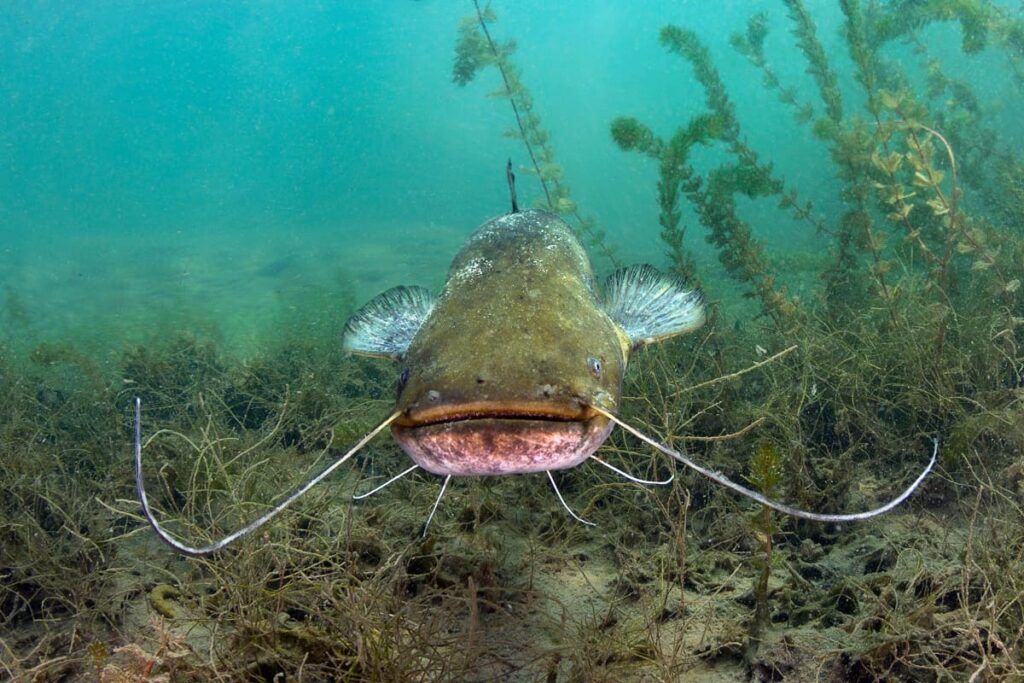
Because catfish live hidden beneath the water and often move suddenly, they became a fitting symbol for something enormous lurking beneath the earth.
The legend gave people a way to understand events that otherwise seemed impossible to explain.

It’s said that tiny electrical changes occur in the ground before an earthquake. Since catfish are highly sensitive to electricity, some people believe they can detect these subtle changes before the shaking begins.
The Keystone That Restrains Onamazu
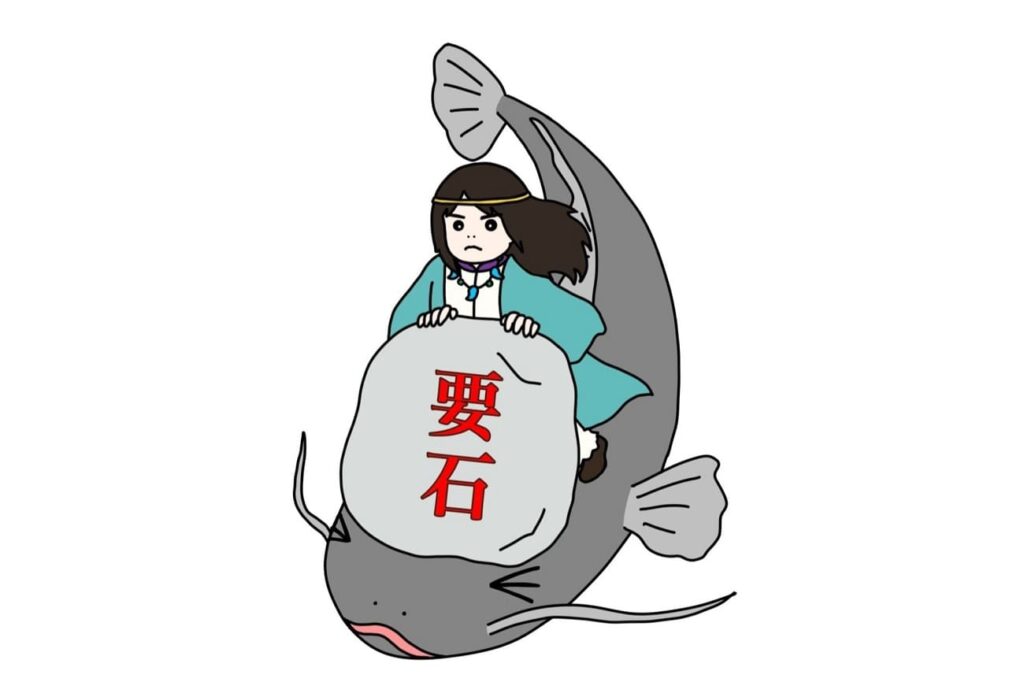
According to Japanese legend, the god Takemikazuchi keeps Onamazu under control using a magical stone called the Kaname-ishi (Keystone).
This sacred stone is associated with Kashima Shrine, one of Japan’s oldest Shinto shrines.
As long as the keystone holds the giant catfish down, the earth remains calm.
However, if Onamazu slips free—even for a moment—it begins to thrash violently, causing earthquakes across the country.
This story reflects both humanity’s fear of natural disasters and the hope that divine protection can keep them under control.
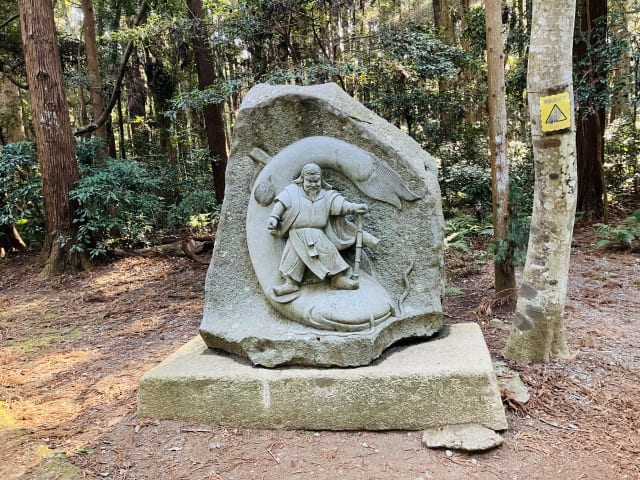

The Kaname-ishi is a sacred stone located within the grounds of Kashima Shrine. Since most of it is buried deep underground, no one knows exactly how large it really is.
Here’s the Kaname-ishi (keystone) in Kashima Shrine.
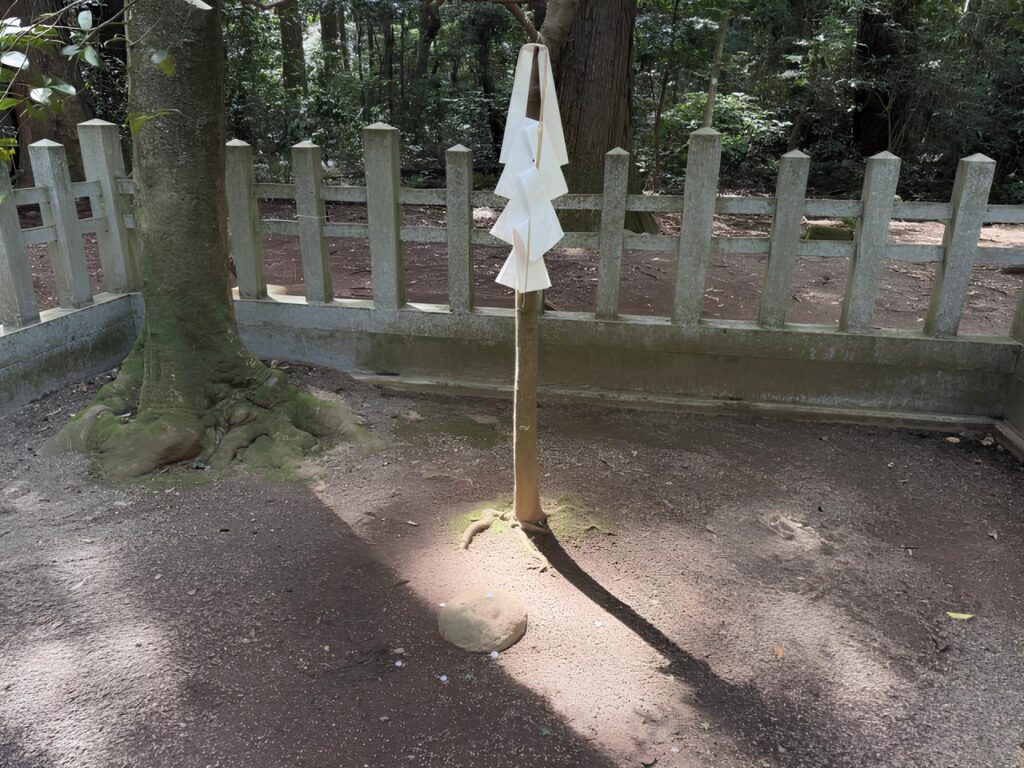

Is this the keystone at Kashima Shrine? Most of it really is buried, so you can barely see it.

Major earthquakes are always frightening. Sometimes I wish the Kaname-ishi really could keep them under control.
What Are Namazu-e?
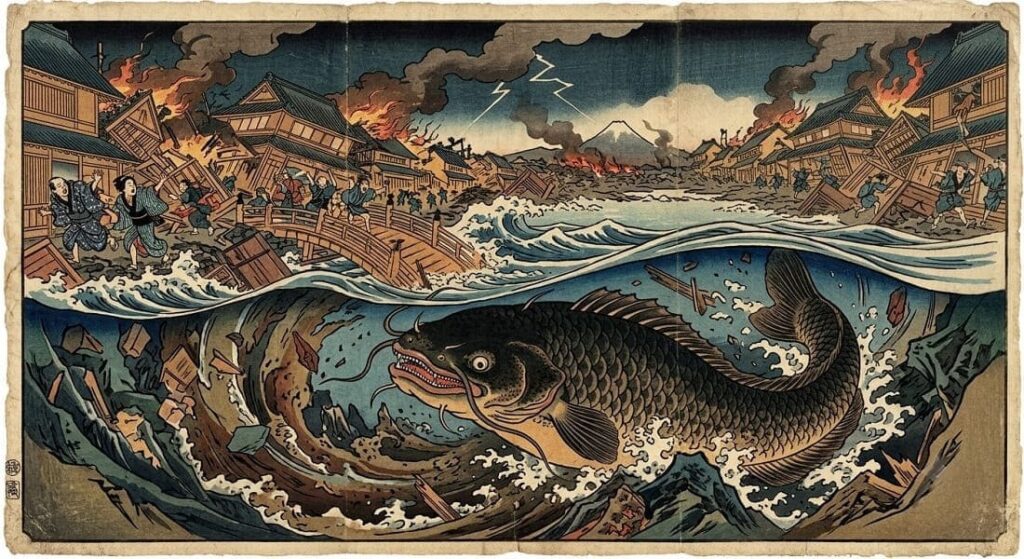
After the devastating Ansei Edo Earthquake of 1855, artists created countless woodblock prints known as Namazu-e, or “catfish pictures.”
These prints showed Onamazu in humorous, dramatic, and sometimes satirical ways.
Some depicted gods punishing the giant catfish, while others portrayed ordinary people chasing or capturing it.
Many Namazu-e also criticized social inequality, suggesting that earthquakes could overturn the existing order and give ordinary people new opportunities.
Today, these prints are valuable historical records that reveal how people coped with disaster through humor, art, and storytelling.
Is Onamazu Evil?

Not necessarily.
Unlike many monsters in folklore, Onamazu is not portrayed as purely evil.
Instead, it symbolizes the uncontrollable forces of nature.
Earthquakes bring destruction, but they also remind people that humans cannot completely control the natural world.
This idea reflects a long-standing Japanese respect for nature—both its beauty and its immense power.

Being prepared is one of the most important things you can do before an earthquake strikes. If you’re living in Japan but haven’t put together an emergency kit yet, be sure to check out the article below! I introduce the essential items that every emergency bag should contain.

Toyotomi Hideyoshi and the Onamazu Tale

One interesting story ties the Namazu myth to Toyotomi Hideyoshi, a famous Japanese warlord. When constructing Fushimi Castle, Hideyoshi reportedly instructed his retainers to ensure the castle could withstand earthquakes, famously mentioning the Onamazu. The story illustrates how deeply the Onamazu legend influenced even historical figures of the time.
Onamazu in Modern Japanese Culture
Although few people today literally believe a giant catfish causes earthquakes, Onamazu continues to appear in Japanese culture.
It can be found in:
- Folklore books
- Museums
- Ukiyo-e exhibitions
- Anime and manga
- Video games inspired by Japanese mythology
The legend remains one of Japan’s most recognizable earthquake myths.
FAQ about Onamazu
- QWhy is a catfish associated with earthquakes?
- A
According to Japanese folklore, a giant catfish lives beneath Japan. Whenever it moves, earthquakes occur.
- QWhat is the Kaname-ishi?
- A
The Kaname-ishi is a sacred “keystone” said to pin Onamazu beneath the earth and prevent earthquakes.
- QDid people really believe in Onamazu?
- A
Many people in pre-modern Japan accepted the legend as one explanation for earthquakes before modern geology was understood.
- QCan I still see Namazu-e today?
- A
Yes. Many museums and art collections in Japan preserve these famous Edo-period woodblock prints.
Final Thoughts about Onamazu
Japan has always lived alongside earthquakes.
Long before scientists understood tectonic plates, people created stories like the legend of Onamazu to explain the terrifying power of nature.
Today, the giant catfish survives not as a scientific explanation, but as a cultural symbol that appears in folklore, art, museums, and popular entertainment.
For me, Onamazu is a reminder that myths are more than just old stories. They reveal how people faced fear, searched for meaning, and found ways to live with forces beyond human control.
Even now, the legend continues to connect Japan’s past with its present, making Onamazu one of the country’s most fascinating mythical creatures.

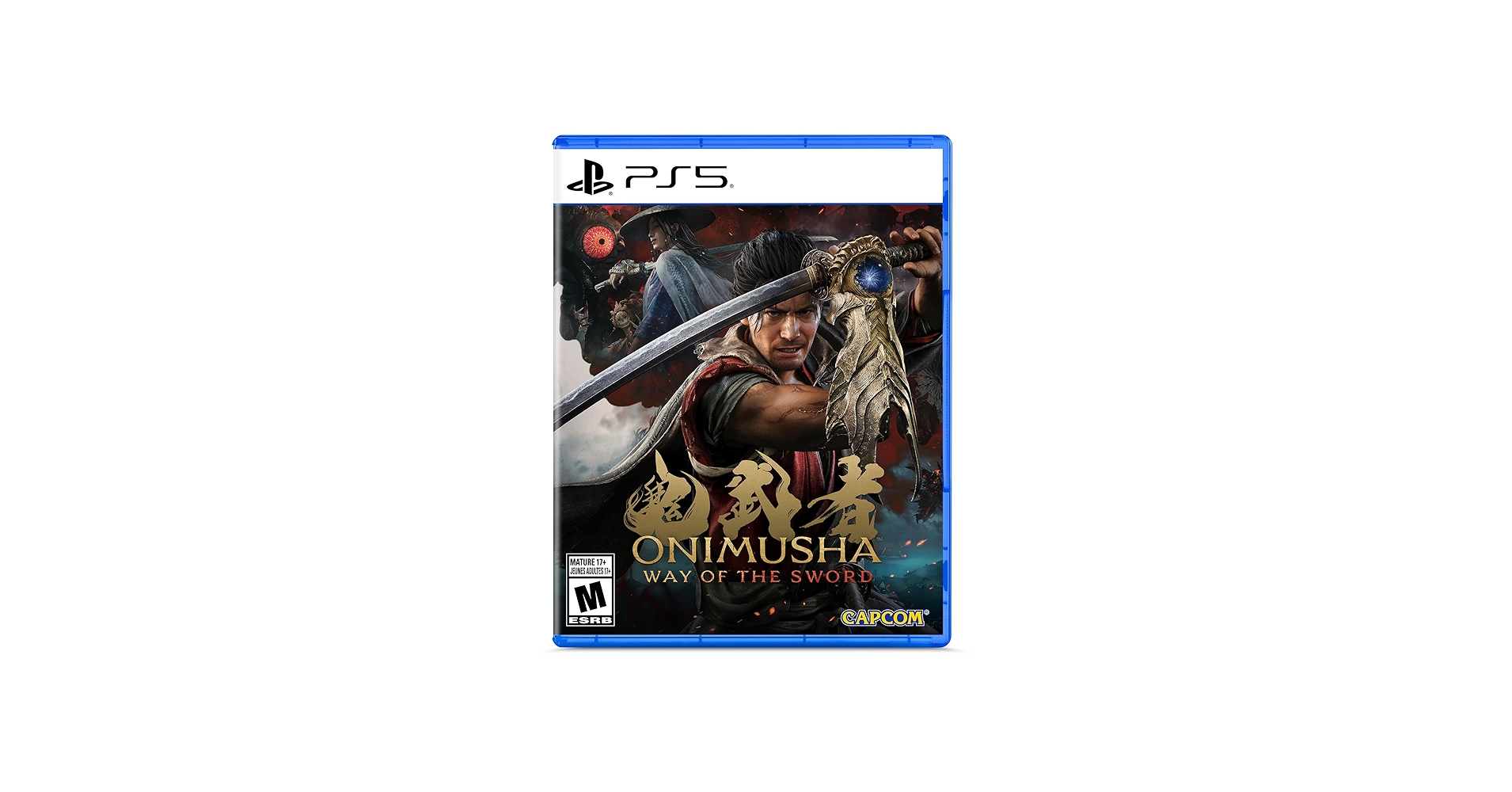
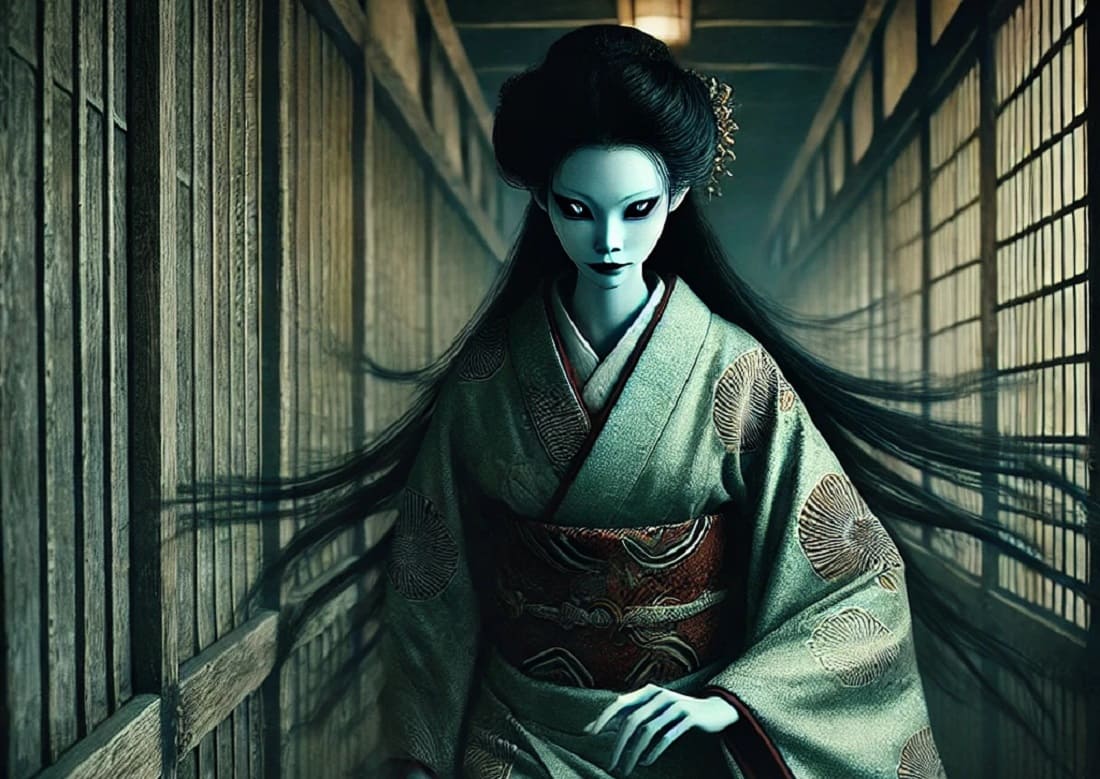
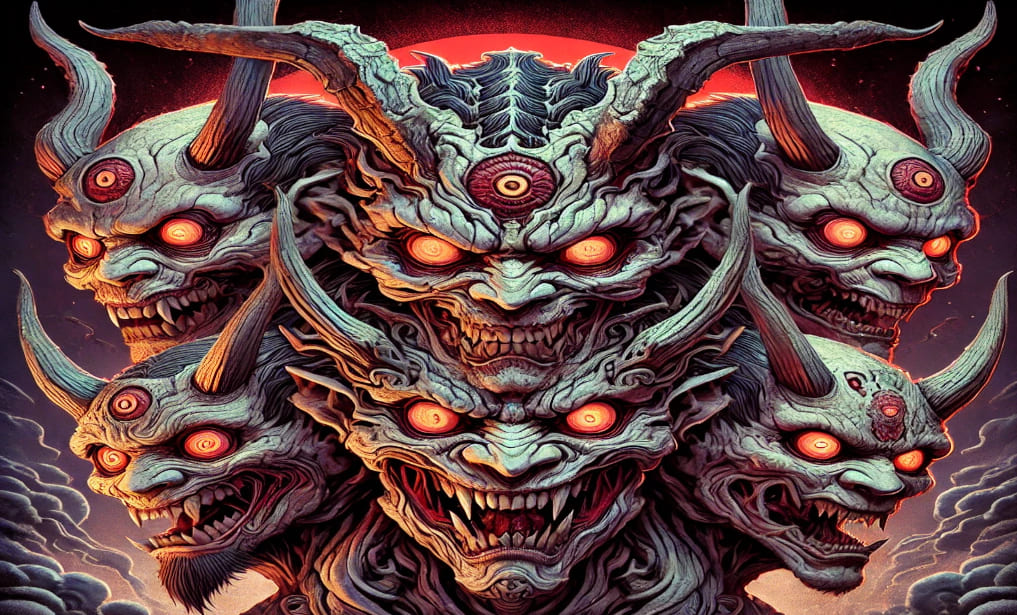
Oh By the way! If you are interested in Yokai or in Japanese Culture and you are a gamer, you may love these games!
Let’s play!

Yes! I can’t wait to play these games!
Let’s Play!





Comments