









Have you ever stood beneath an ancient tree and wondered how many centuries it has quietly witnessed?
In Japan, some people believe that trees like these are home to gentle spirits called Kodama.
Rather than being frightening monsters, Kodama represent Japan’s deep respect for nature and the mysterious beauty found in old forests. Their legends have been passed down for generations and continue to inspire stories, games, and films such as Princess Mononoke and Nioh 2.
Let’s explore the fascinating world of Kodama and discover why these gentle tree spirits still capture people’s imaginations today.

While hiking through a lush, moss-covered mountain, I remember thinking, “This feels like the kind of place where a Kodama could appear.”
What Is Kodama?

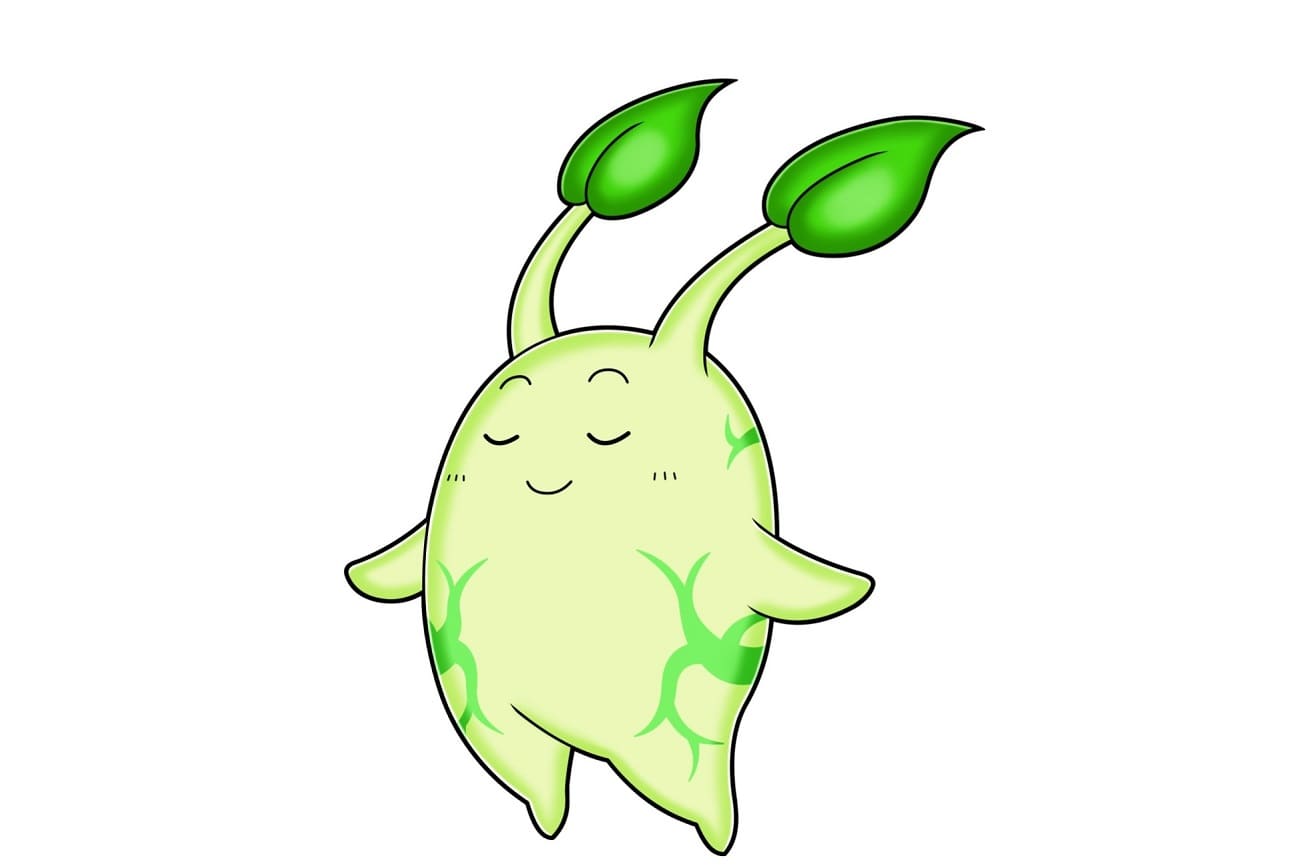
Kodama are mysterious spirits believed to inhabit ancient trees and deep forests in Japanese folklore.
Today, they are often introduced as yokai, but traditionally, Kodama were seen as sacred nature spirits closely connected to mountains, forests, and old trees. Rather than frightening humans, they were believed to quietly protect the natural world and remind people to treat it with respect.
The word Kodama also has another fascinating meaning in Japanese. In older usage, it could refer to an echo heard in the mountains, leading people to believe that the mysterious voices returning through the forest were caused by unseen spirits.
This beautiful connection between nature and the spiritual world reflects one of the most distinctive aspects of Japanese culture—the belief that even silent forests can be filled with invisible life.

Perhaps that is why walking through an ancient Japanese forest can still feel so peaceful—and just a little mysterious.
Are Kodama Yokai, Gods, or Spirits?
This question does not have one simple answer.
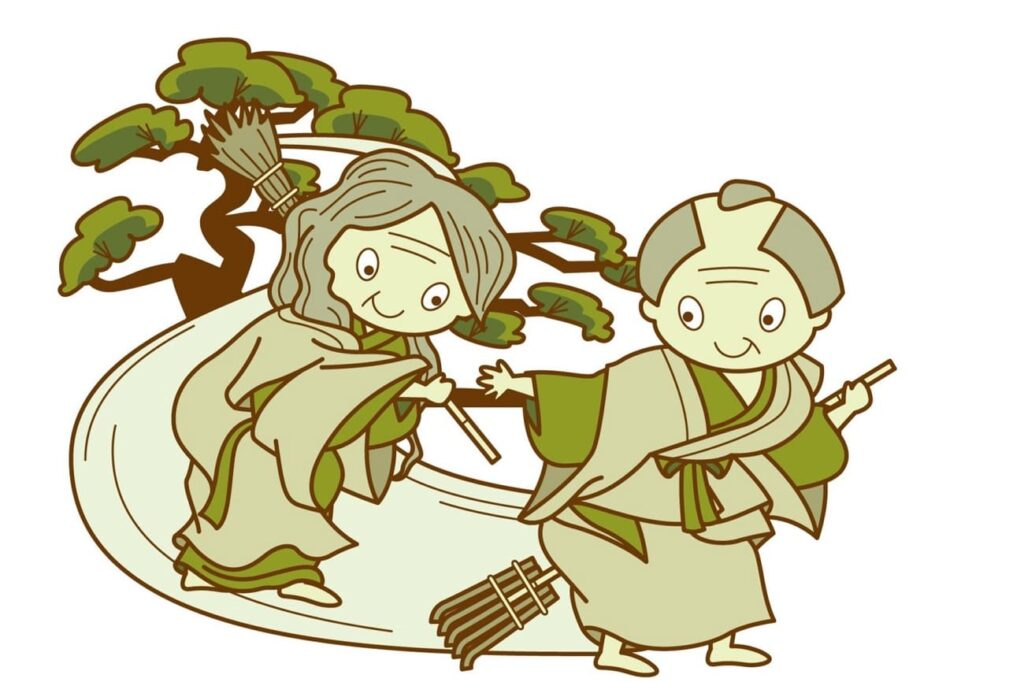
Today, Kodama are often introduced as yokai because they frequently appear alongside other supernatural creatures in books, games, and anime. However, traditional Japanese beliefs describe them more accurately as nature spirits connected to ancient trees and sacred forests.
In Japanese folklore, the boundaries between yokai, spirits, and gods are often flexible. Rather than fitting neatly into one category, Kodama represent the mysterious spiritual presence believed to exist within nature itself.
For this reason, many people see Kodama not as monsters, but as gentle guardians of the forests.
Why Are Trees Sacred in Japan?
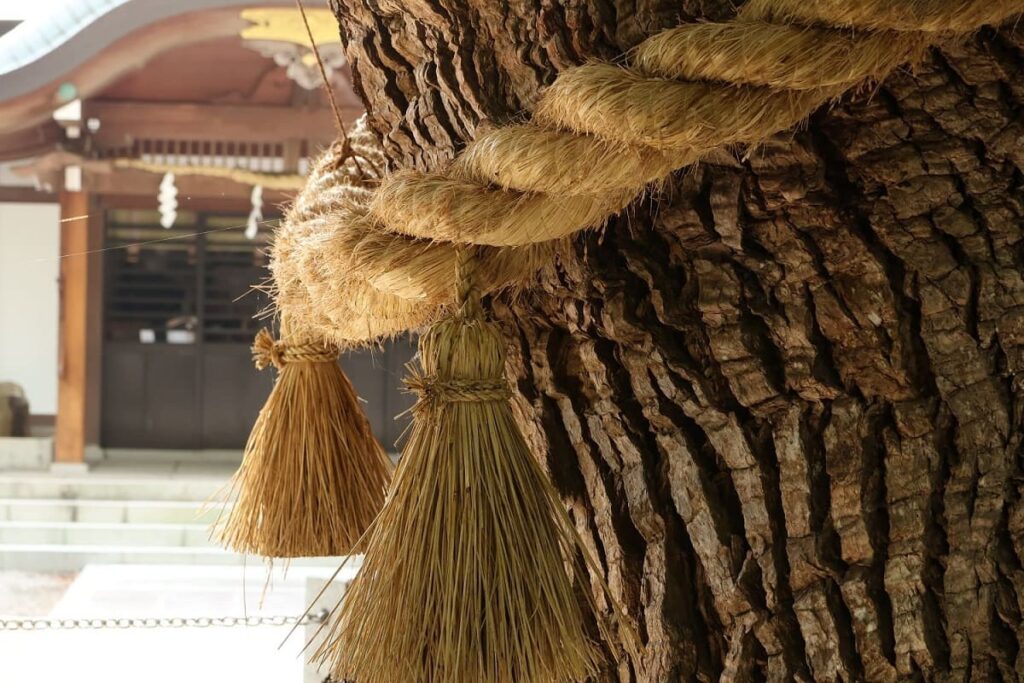
In Japan, nature has long been regarded as something sacred rather than something to conquer. According to Shinto belief, spirits known as kami are thought to dwell in natural places such as mountains, rivers, waterfalls, and especially ancient trees.
Some of these trees are recognized as sacred trees, called goshinboku. They are often marked with a sacred rope known as shimenawa, showing that they are believed to be the dwelling place of a divine spirit.

Whenever I stand before a sacred tree, I naturally feel grateful. It always makes me want to quietly say a little prayer.
Even today, many Japanese people feel a sense of awe when standing before a giant old tree. It is not unusual to quietly bow or offer a small prayer before passing a sacred tree at a shrine.
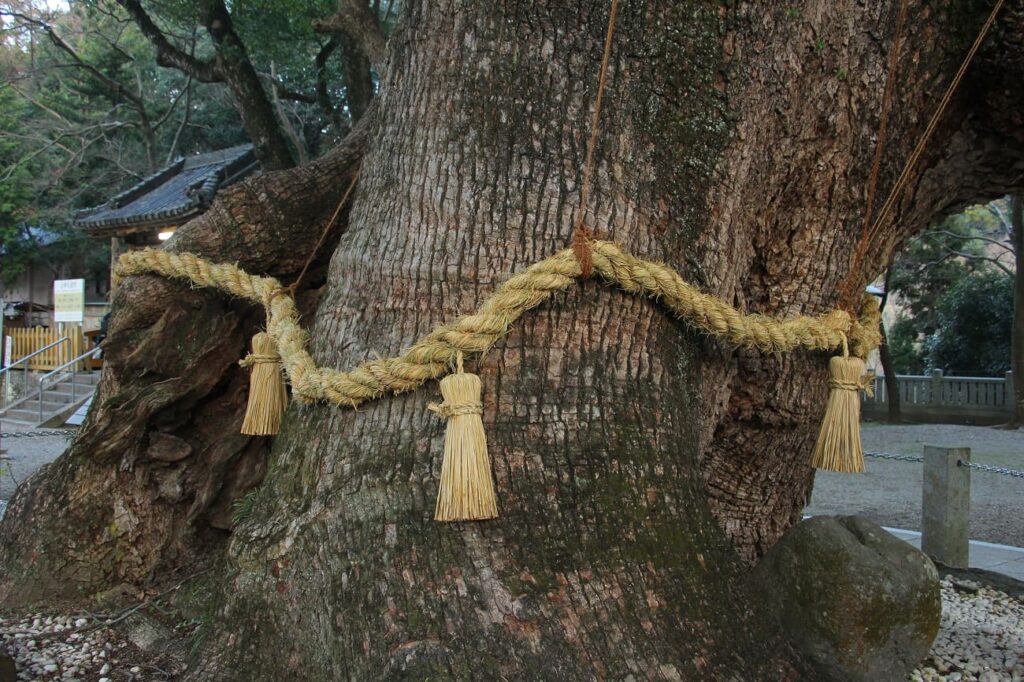
Since I was a baby, I have often visited a local shrine that is home to a sacred tree over 1,000 years old. Whether under the scorching summer sun or surrounded by snow in winter, the tree always stands quietly in the same place. Every time I see it, I am reminded of its timeless beauty. Whenever I look at it, I can’t help thinking that perhaps a Kodama lives within that ancient tree.
For many Japanese people, respecting old trees is more than simply protecting nature. It is also a way of honoring the unseen spirits that may quietly watch over the forest.

Speaking of trees, I once saw a TV program showing forestry workers performing a simple purification ritual before cutting down a tree.

They put their hands together in prayer before the tree and offered sake and salt as a sign of respect.

Even aside from sacred trees, I’ve always felt that trees are something special. That’s why it makes me a little sad whenever I see trees knocked down by typhoons or old roadside trees being cut down.
Why Are Kodama Connected to Echoes?
One of the oldest beliefs about Kodama is their connection to echoes heard in the mountains.
Long before scientists understood how echoes worked, people believed that mysterious voices returning through the forest were caused by spiritual beings. This belief eventually became associated with Kodama, whose name can also refer to an echo in old Japanese.
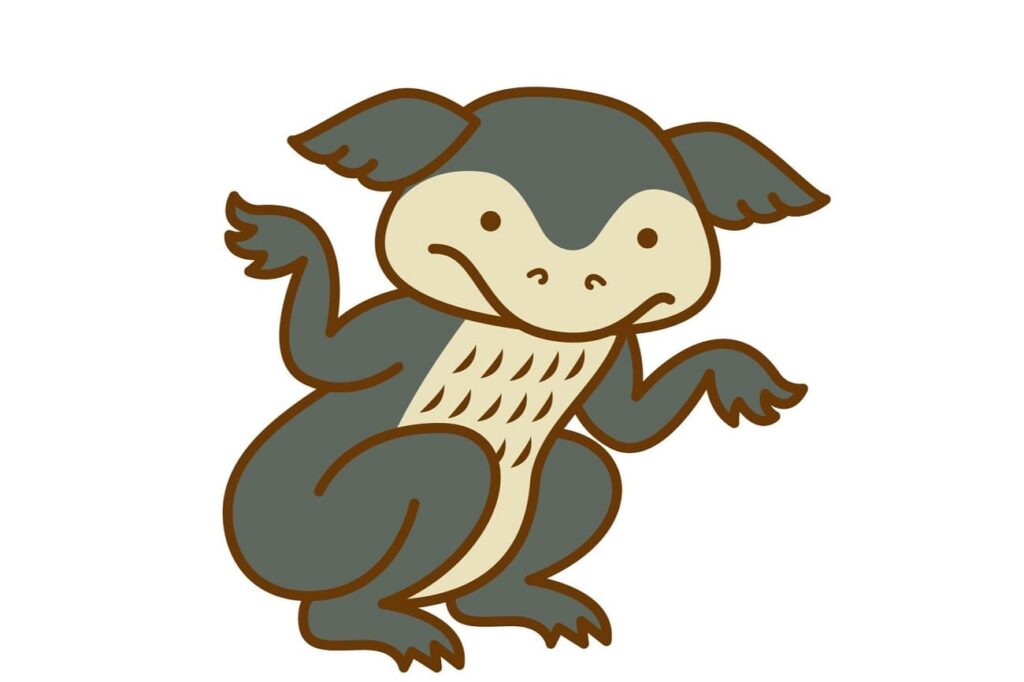
Another supernatural figure called Yamabiko is also closely connected with mountain echoes. While Yamabiko later developed into its own yokai in Japanese folklore, the two have been closely linked throughout history because both were believed to explain the mysterious sounds heard deep within the mountains.
These stories remind us that people once viewed nature as alive with unseen spiritual beings rather than as something empty or silent.
Can You Meet a Kodama Today?

Although few people literally expect to see a Kodama, many Japanese still feel that ancient forests have a special atmosphere.
When walking through quiet mountain trails or visiting old shrines surrounded by towering cedar trees, it is easy to imagine that invisible spirits might still live there. This feeling has been passed down through generations and continues to shape the Japanese appreciation of nature.
Whenever I visit a lush green mountain with cool air and dense forests, I naturally think of the Kodama from Princess Mononoke. Even though they belong to a fantasy world, they perfectly capture the peaceful feeling of walking through Japan’s beautiful forests.
Kodama in Princess Mononoke


For many people outside Japan, Kodama are best known through Studio Ghibli’s Princess Mononoke.
The small white creatures with rattling heads became one of the film’s most memorable characters. Although their appearance was created specifically for the movie, they were inspired by traditional Japanese beliefs about tree spirits living in ancient forests.
The film beautifully portrays forests as sacred places filled with life and mystery, reflecting the same respect for nature found in traditional Kodama legends.
Because of Princess Mononoke, many international fans first discover the fascinating world of Japanese folklore and the spiritual connection between people and nature.
Kodama in Nioh 2
The Role of Kodama in Nioh 2
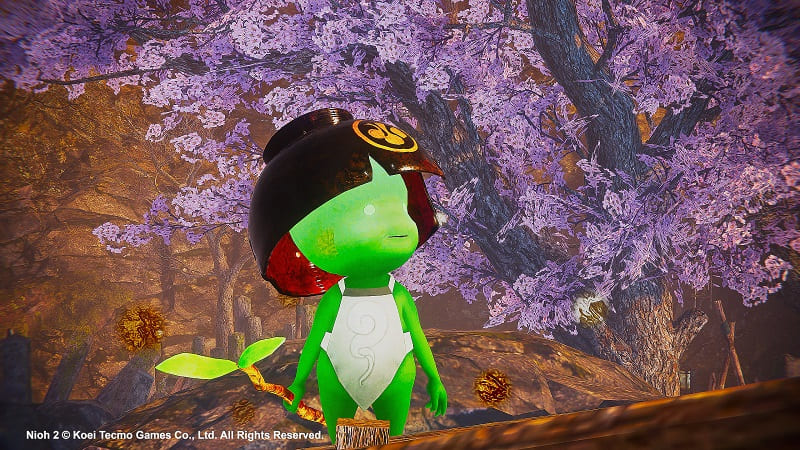
In Nioh 2, Kodama play an essential role in the player’s journey. Players can find and guide Kodama back to the shrines scattered throughout the game’s stages. In return, the Kodama provide the player with various blessings and benefits. Finding all the Kodama in a level can significantly improve the player’s chances of success, as they grant valuable bonuses and items.
Why Should You Collect Every Kodama in Nioh 2?
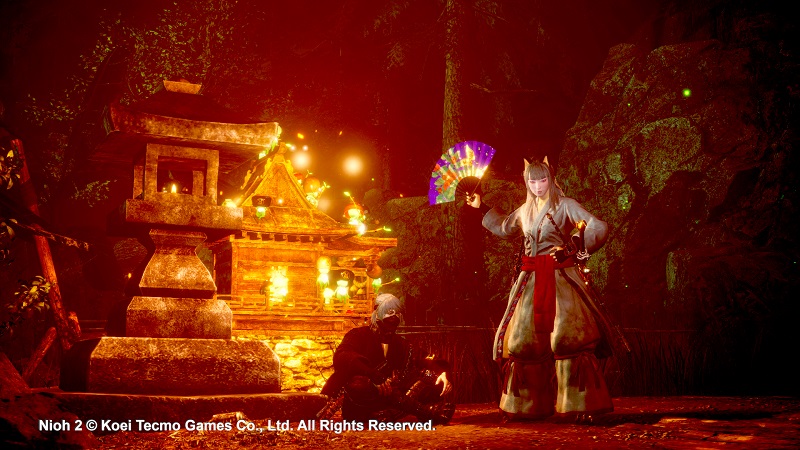
Finding Kodama is one of the most rewarding activities in Nioh 2.
Each Kodama you guide back to a shrine increases the blessings available in that region, improving item drops and providing other helpful bonuses. Collecting every Kodama also unlocks additional benefits through the Kodama Bazaar, making exploration well worth the effort.
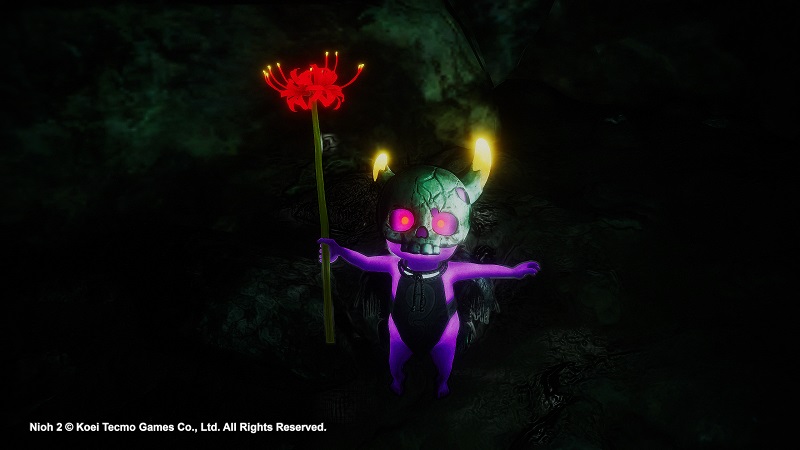
Besides their practical rewards, Kodama bring warmth to the game’s dangerous world. Their tiny voices and cheerful personalities provide a welcome moment of comfort between difficult battles.

The Kodama in the Nioh series are absolutely adorable! Once, I accidentally swung my weapon near a shrine, and every Kodama immediately hid from me. I felt terrible… I’m so sorry, little Kodama!
How to Find Kodama in the Game
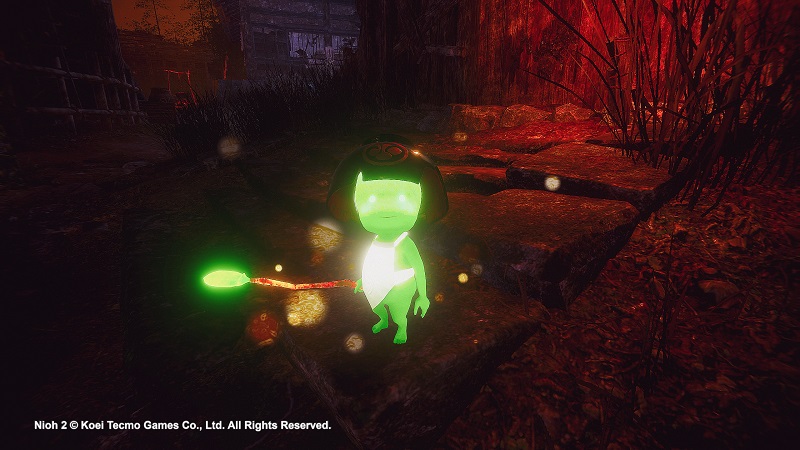
Finding Kodama in Nioh 2 can be challenging but rewarding. Kodama are usually hidden in quiet, secluded areas of the map. One way to locate them is by paying attention to the sound of their soft voices in the background. Players should explore hidden paths, behind buildings, or in places that are easy to overlook to uncover these little spirits.
My Favorite Thing About Kodama in Nioh 2
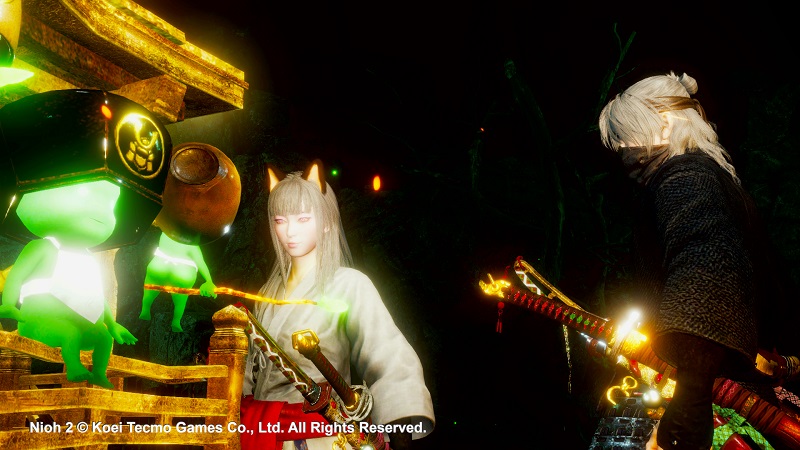
Among all the yokai and spirits in Nioh 2, Kodama are easily some of my favorite characters.
Whenever I return to a shrine, they gather together, happily greeting the player with their tiny movements and cheerful voices. They are polite, adorable, and somehow make even the darkest stages feel peaceful.
After fighting terrifying yokai, seeing a group of friendly Kodama always feels like a small reward. They remind me that even in a dangerous world, there is still kindness waiting to be found.
Kodama Q&A
- QDo Kodama appear in other games or media?
- A
Yes, Kodama often appear in various games, anime, and films. They are typically portrayed as small, friendly tree spirits and are beloved characters in many Japanese works of fiction.
- QIs it difficult to find Kodama in Nioh 2?
- A
Some of the Kodama can be tricky to find, especially if they are hidden in hard-to-reach locations. However, by carefully exploring each area and listening for their distinct voices, players can discover them all.
- QAre Kodama based on real beliefs?
- A
Yes. Kodama originated from traditional Japanese folk beliefs about spirits dwelling in ancient trees and mountains. While modern depictions vary, their roots come from genuine cultural traditions.
- QWhat do Kodama symbolize?
- A
Kodama symbolize the sacredness of nature, respect for ancient forests, and the belief that the natural world is filled with unseen spiritual life.
Final Thoughts about Kodama
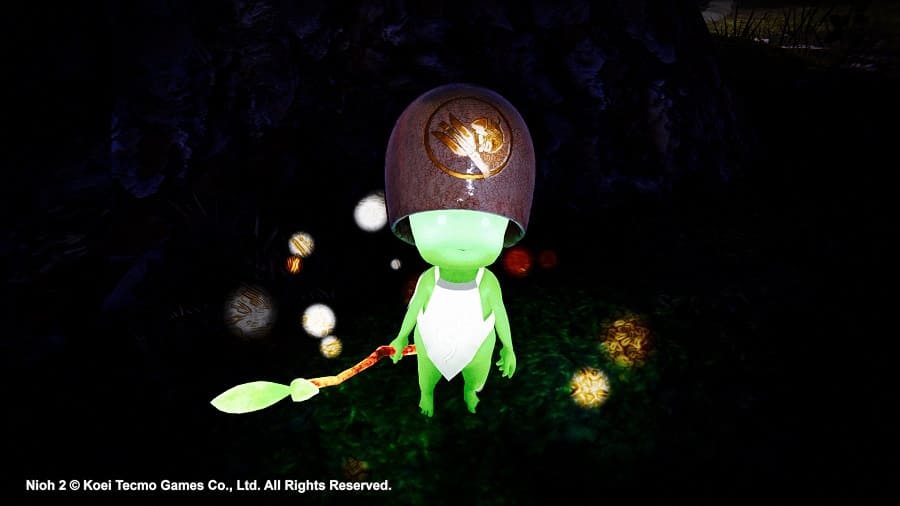
Kodama are fascinating creatures deeply rooted in Japan’s nature worship and folklore. They are seen as protectors of forests and mountains, and their stories remind us to respect and care for nature. In modern times, Kodama have been popularized through games like Nioh 2, where they continue to charm players with their helpful and endearing nature.
Whether you’re interested in Japanese folklore or simply love gaming, learning about Kodama offers a deeper understanding of how Japan connects with its natural surroundings.

Oh By the way! If you are interested in Yokai or in Japanese Culture and you are a gamer, you may love these games!
Let’s play!

Yes! I can’t wait to play these games!
Let’s Play!

Comments