








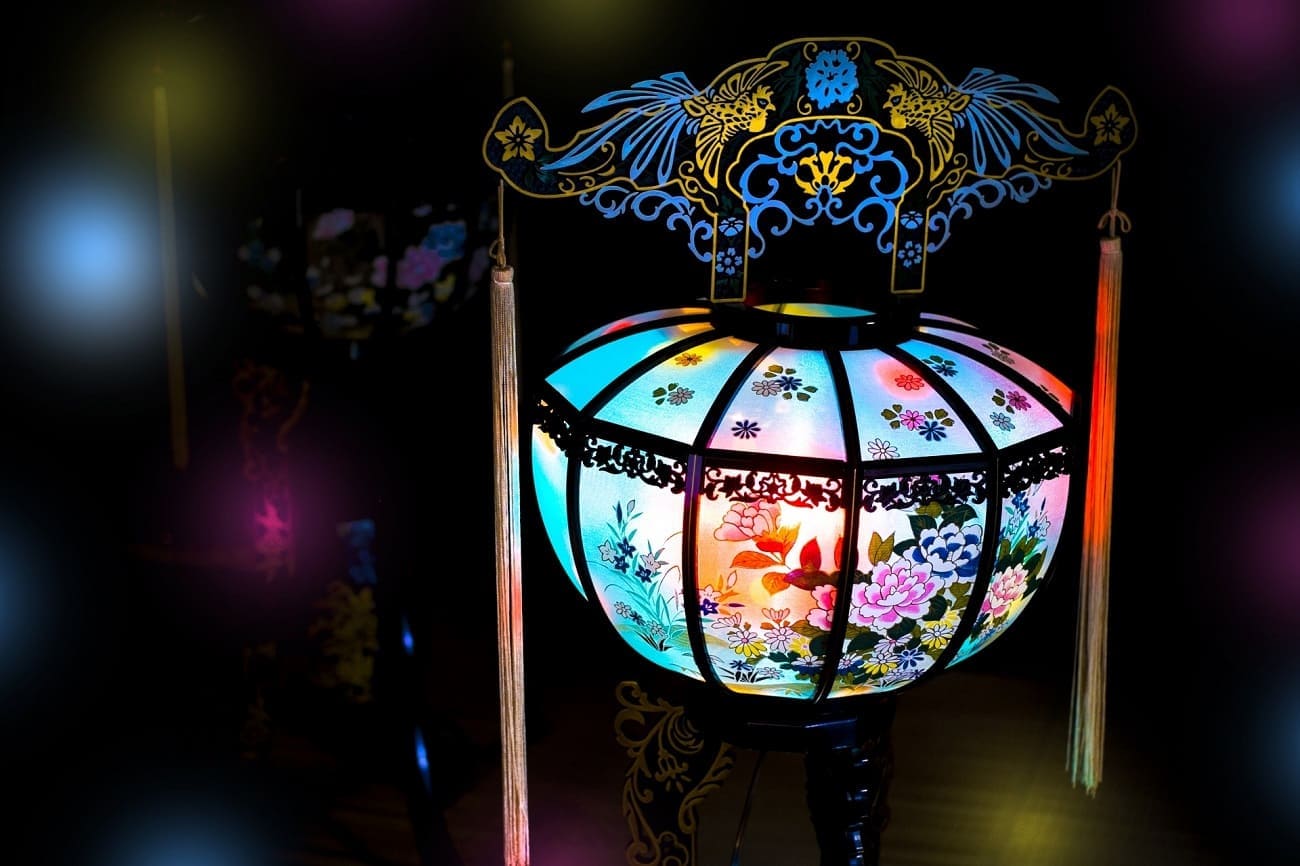
Every summer in Japan, millions of people return to their hometowns, visit family graves, light lanterns, and gather for traditional dances known as Bon Odori.
This season is called Obon — one of Japan’s most important and emotional traditions.
But Obon is more than just a holiday season.
According to Japanese Buddhist belief, this is the time when the spirits of ancestors return home to visit their families.
Because of this, Obon carries a unique atmosphere that feels both warm and mysterious.
Glowing lanterns, quiet cemeteries, summer nights, and ghost stories all become part of the season.
For many Japanese people, Obon is a time of remembrance, family connection, and reflection.
What Is Obon in Japan?
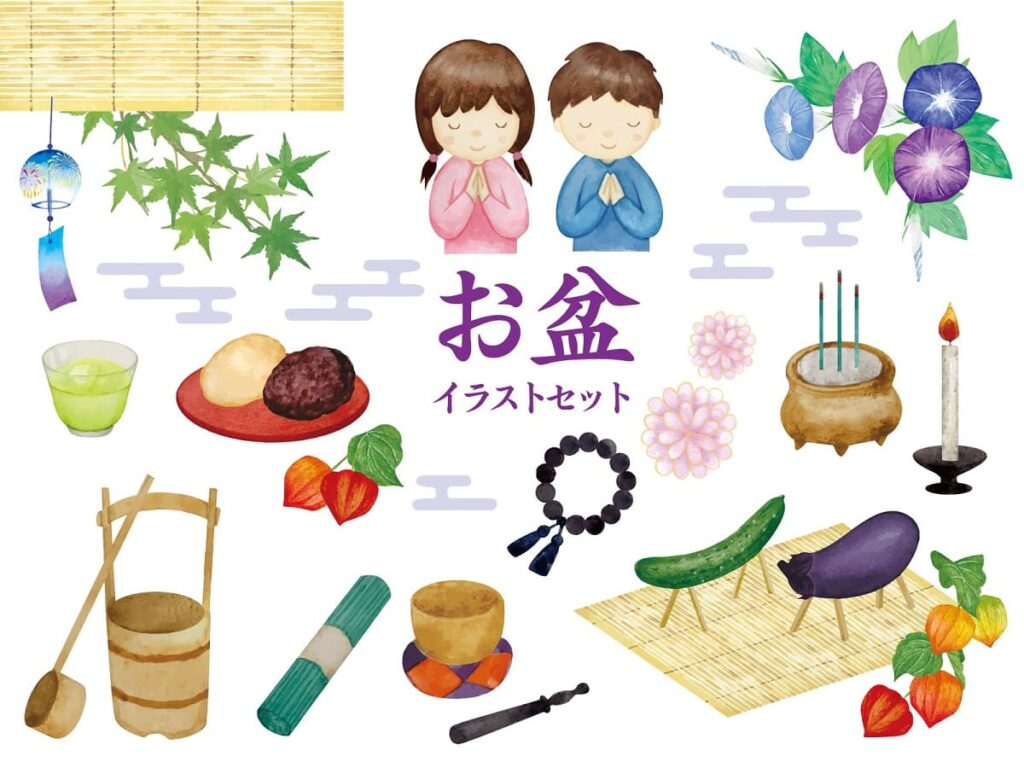
Obon is a traditional Japanese event held each summer to honor the spirits of deceased family members.
Although the exact dates vary by region, Obon is usually celebrated in mid-August. In some areas of Japan, it takes place in July instead.
The tradition has roots in Buddhism, but over centuries it blended with older Japanese customs related to ancestor worship.
During Obon, many people believe that ancestral spirits temporarily return to the world of the living. Families prepare to welcome them home through rituals, offerings, lanterns, and prayers.

I still vividly remember watching my grandparents prepare for Obon. I loved seeing everything slowly come together — the food offerings, the beautiful lanterns, and all the small traditions that filled the house with a special atmosphere.
For this reason, Obon is sometimes compared to Mexico’s Day of the Dead, although the atmosphere and customs are quite different.
What Happens During Obon?
Returning to the Family Home

For many Japanese people, Obon is one of the biggest travel seasons of the year.
People often return to their hometowns to spend time with relatives and pay respects to deceased family members. Highways, trains, and airports become extremely crowded during this period.
This tradition of “going home” is deeply tied to the emotional meaning of Obon.
Visiting Family Graves
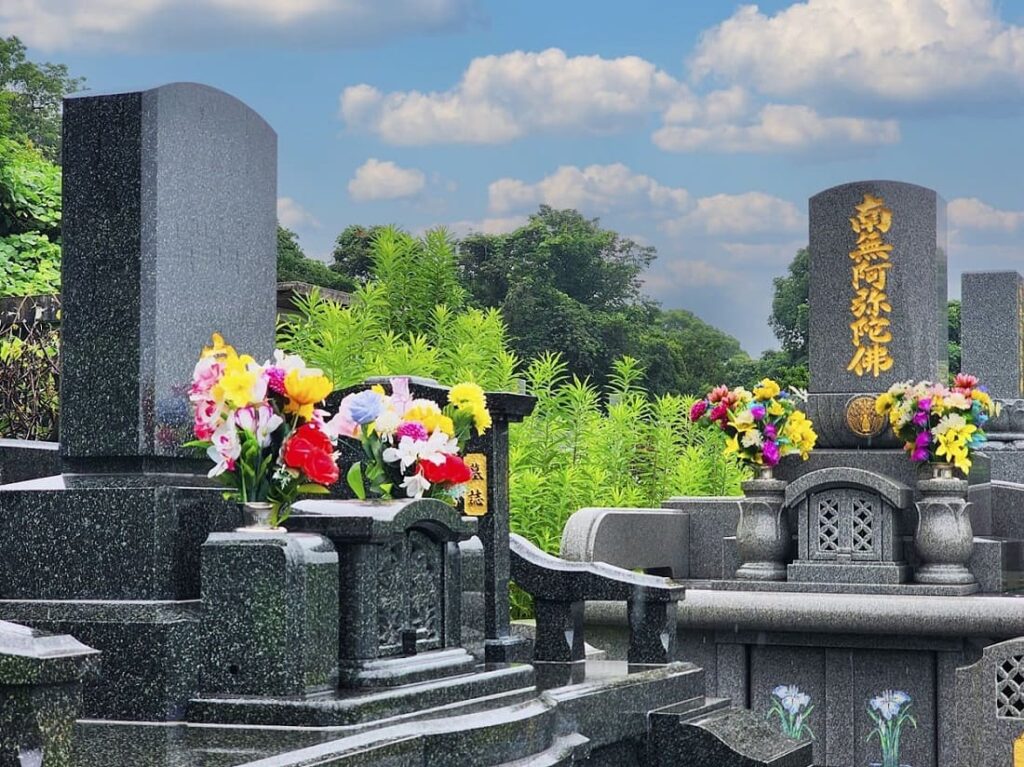
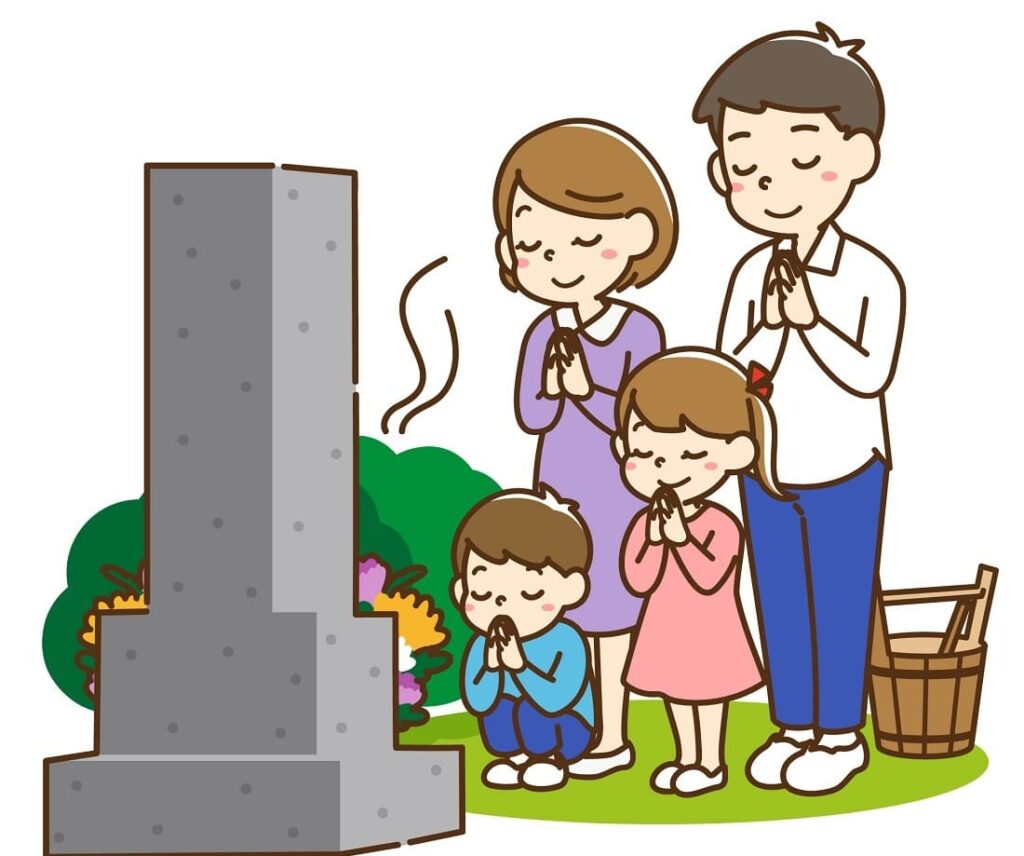
One of the most important Obon customs is visiting family graves.
Families clean gravestones, offer flowers and incense, and pray for their ancestors. Some people also place favorite foods or drinks near the grave as offerings.
Even younger generations who are not particularly religious often participate in these customs.
Bon Odori Dance Festivals
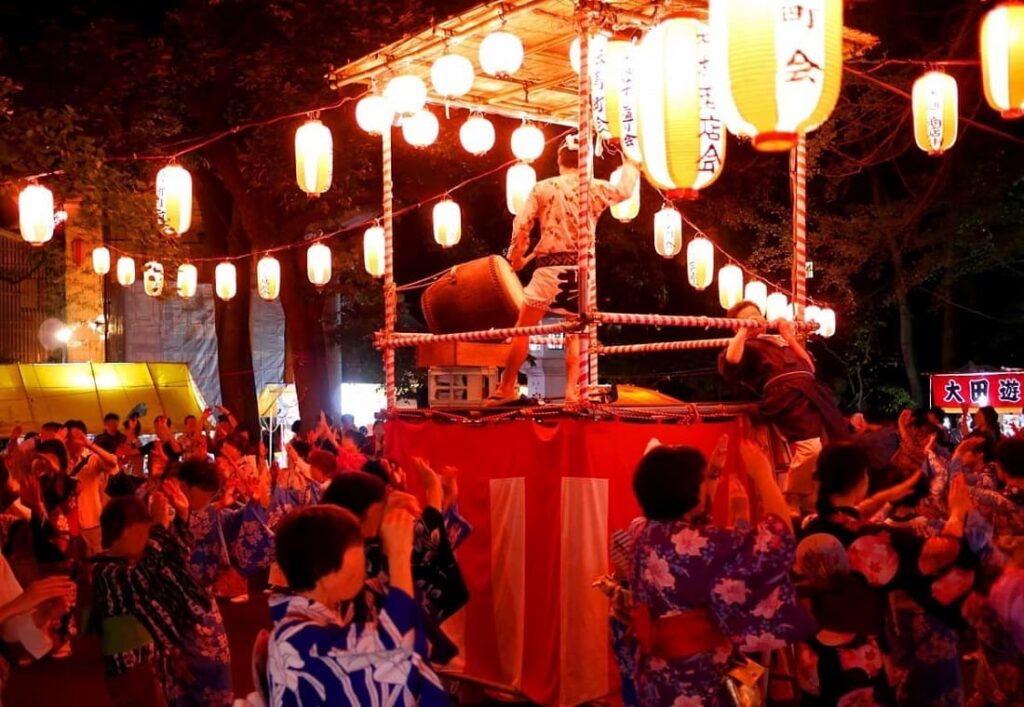
Bon Odori is a traditional dance performed during Obon.
These dances are held across Japan, usually outdoors at night with lanterns hanging overhead.
The style of dance differs by region, but Bon Odori is meant to welcome and honor ancestral spirits while bringing communities together.
Today, Bon Odori festivals are also popular summer events where people wear yukata, eat festival food, and enjoy traditional music.

I absolutely love Bon Odori! Someday, I’d love to experience Bon dances from all across Japan. If you are interested in Bon Odori, check the article below as well!

Lanterns and Toro Nagashi
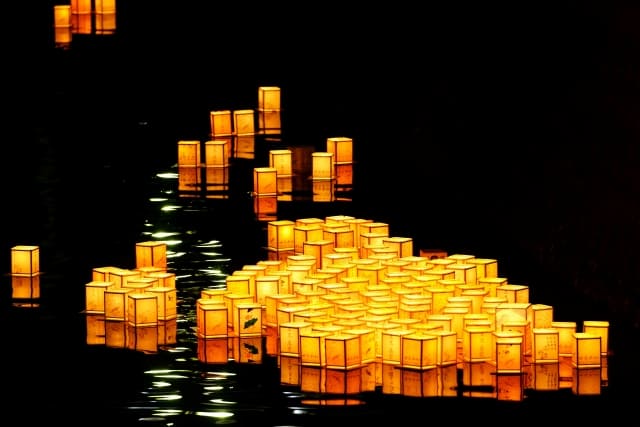
Lanterns play an important role during Obon.
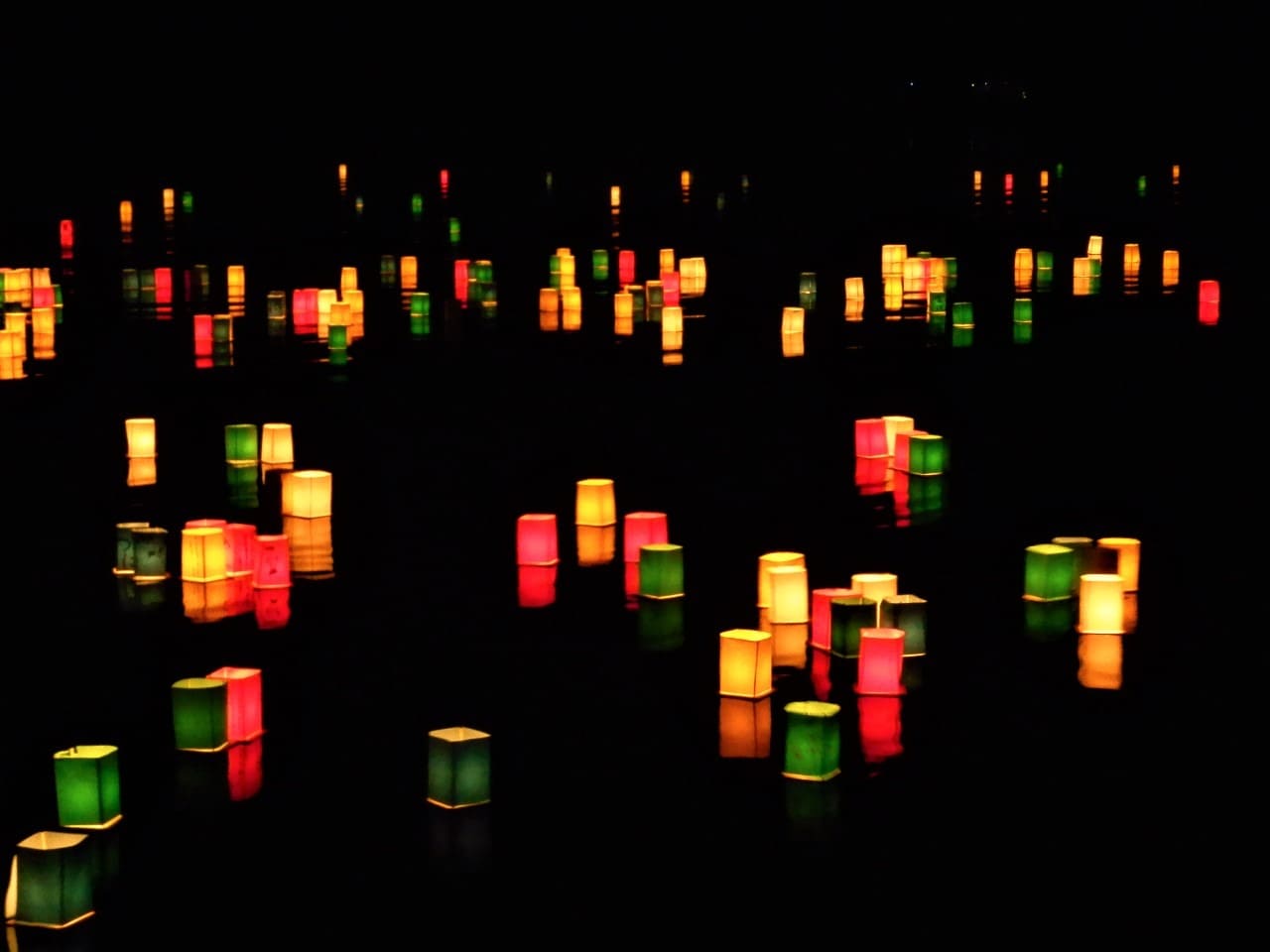
Some families light lanterns to guide ancestral spirits back home. At the end of the Obon season, floating lantern ceremonies called Toro Nagashi (灯籠流し) are sometimes held to guide the spirits back to the afterlife.
The sight of glowing lanterns drifting across rivers at night is considered both beautiful and deeply emotional.
For more detail, check the article below!

Why Does Obon Feel Mysterious?
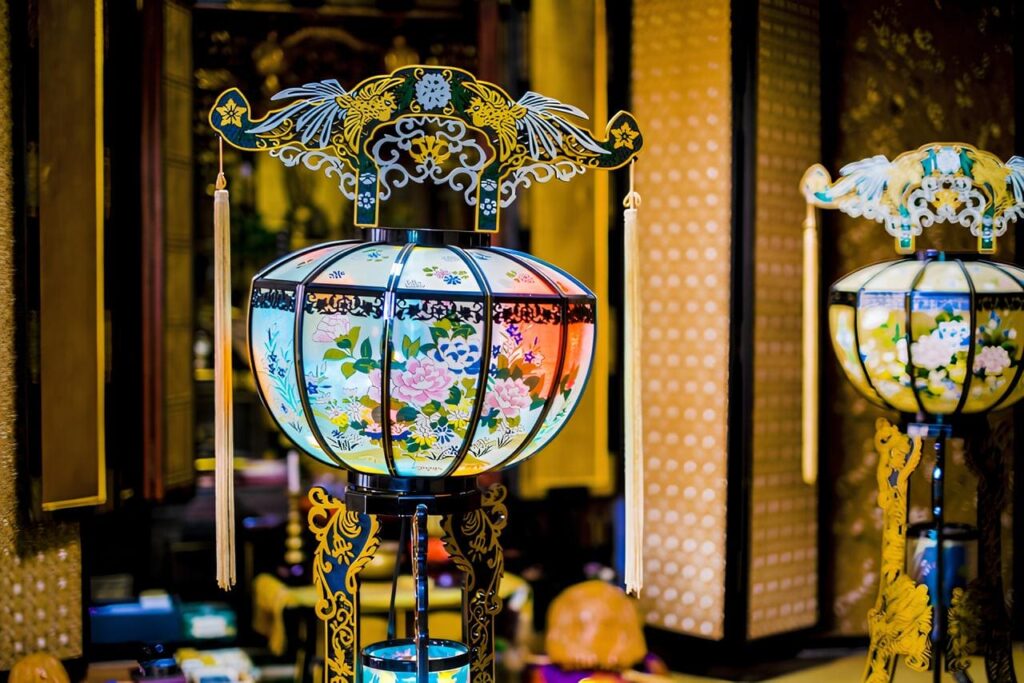
One reason Obon fascinates many international visitors is its unusual atmosphere.
Obon is not treated as a frightening holiday in Japan. For most people, it is a peaceful and meaningful tradition centered around family and remembrance.
However, because the season is connected to returning spirits, it has also become linked with ghost stories, supernatural folklore, and old summer superstitions.
For example, some Japanese people still say:
“Don’t swim in the ocean during Obon.”
According to traditional belief, spirits may pull people underwater during this time of year.

I’m not usually someone who believes in superstitions, but even so, swimming in the ocean during the middle of Obon still feels a little unsettling to me.
Others say that the boundary between the living and the dead becomes thinner during Obon nights.
Whether people literally believe these stories or not, they remain part of Japan’s cultural imagination and summer atmosphere.
This mixture of warmth, nostalgia, spirituality, and slight eeriness is one reason Obon feels so unique.
The Haunting Beauty of Nishimonai Bon Odori
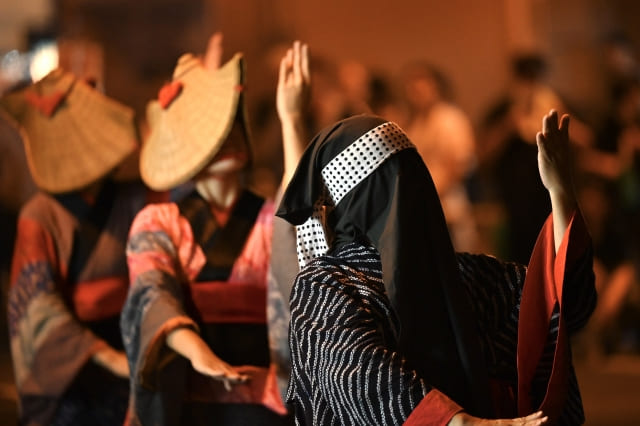
One of Japan’s most famous and mysterious Bon dances is 西馬音内盆踊り in Akita Prefecture.
Unlike cheerful summer festivals, Nishimonai Bon Odori has a quiet and almost dreamlike atmosphere.
Many dancers wear large woven hats that completely hide their faces, while others cover themselves with black hoods called Hikosa Zukin. Moving silently through the night, the dancers appear almost ghostlike beneath the lantern lights.
Many visitors describe the festival as both beautiful and eerie at the same time.
Rather than being “scary,” the dance reflects a deeper sense of mourning, memory, and spiritual connection — themes that are central to Obon itself.
For many people, Nishimonai Bon Odori represents the mysterious beauty of the Japanese summer.

Nishimonai Bon Odori has such a strange and fascinating atmosphere — both eerie and beautiful at the same time. If you are interested in it, watch the video below!!
For more detail, check the article below.

Why Obon Still Matters in Modern Japan
Even in modern Japan, Obon remains deeply important.
Some people celebrate it in a religious way, while others simply see it as valuable family time. But for many Japanese people, Obon continues to represent a connection between generations — a moment to remember those who came before them.
In a fast-moving modern society, that feeling of returning home and reconnecting with family memories still carries powerful meaning.
I’m already looking forward to this year’s Obon holiday! That time of year always brings more ghost and paranormal specials on Japanese TV, and honestly, I enjoy those too.
Final Thoughts
Obon is far more than a summer vacation period.
It is a tradition shaped by memory, family, spirituality, and the quiet beauty of the Japanese summer.
From glowing lanterns and Bon Odori dances to mysterious superstitions about wandering spirits, Obon reveals a side of Japan that feels deeply emotional and uniquely atmospheric.
And perhaps that is why Obon continues to fascinate so many people around the world.

If you are interested in Japan, you may love this game!
Let’s play!

Yes! Let’s play!
Comments