











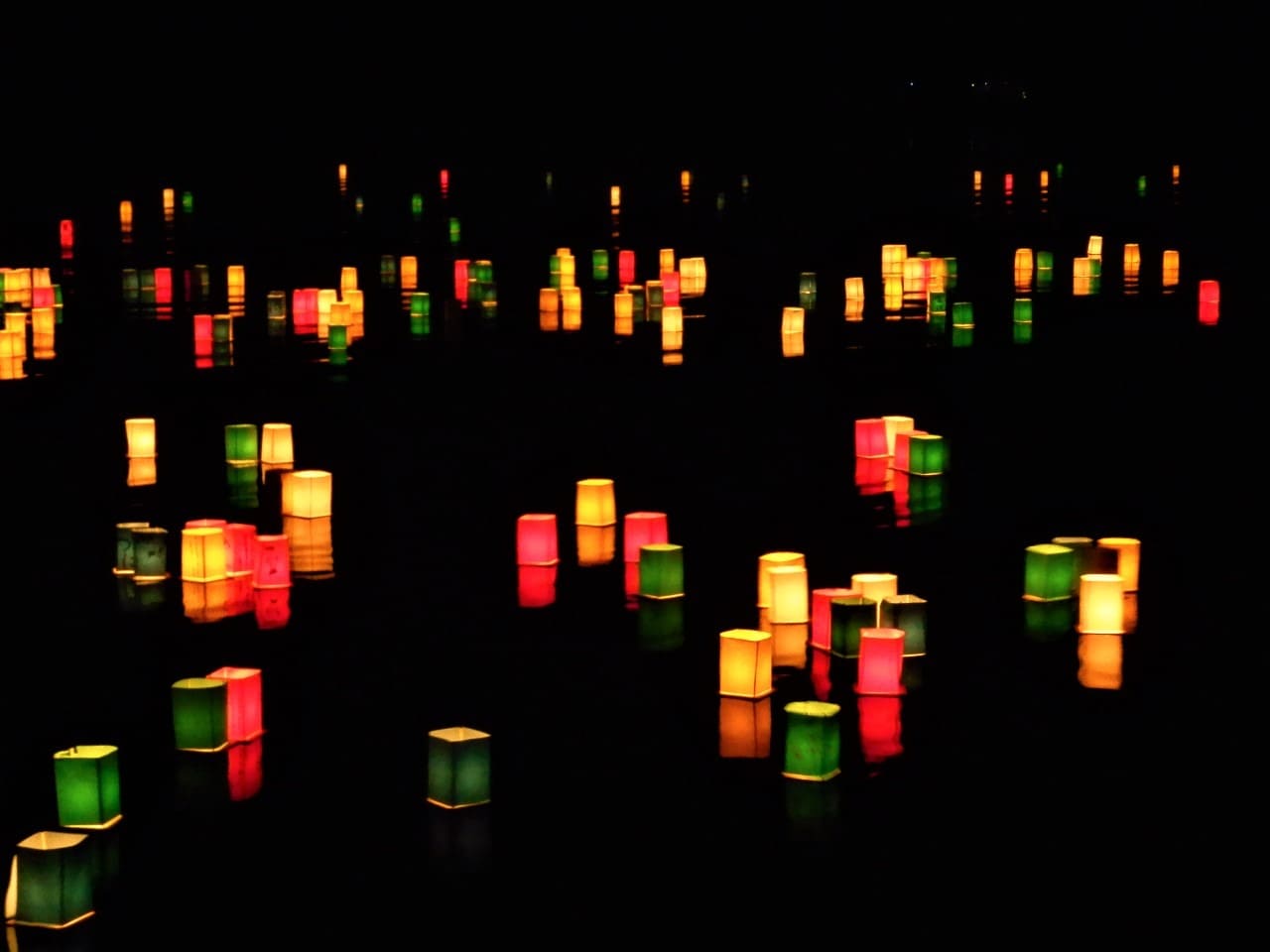
Every summer in Japan, small glowing lanterns drift quietly along rivers.
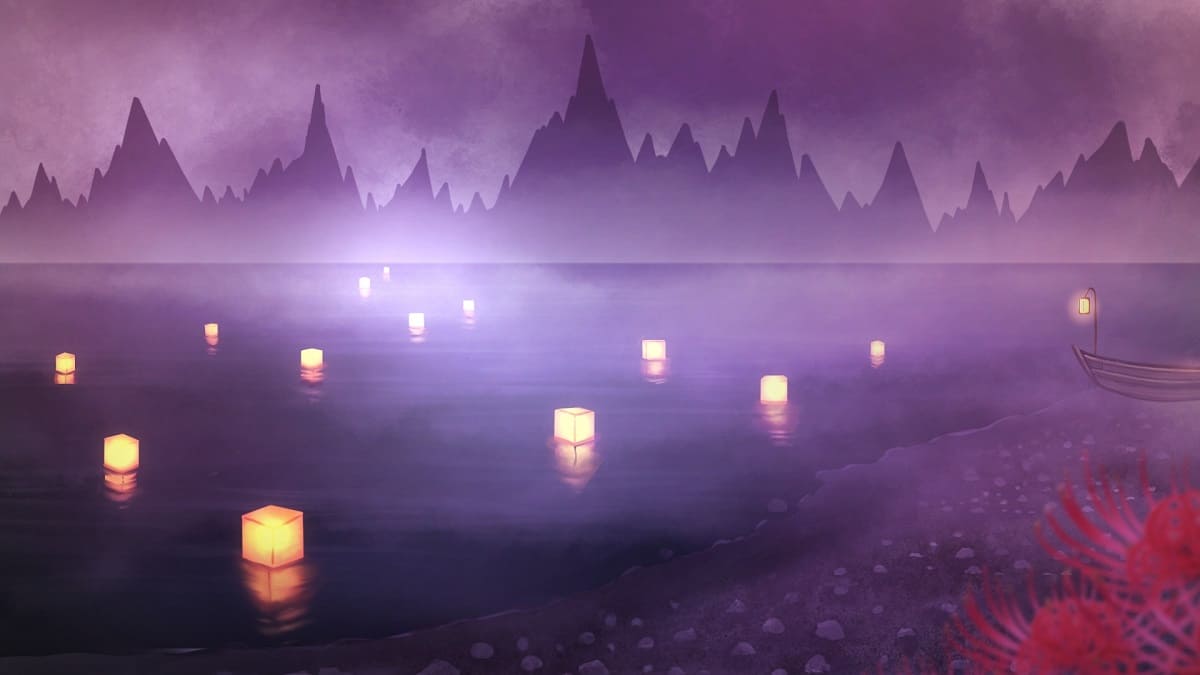
The sight is breathtaking — hundreds of lights floating across dark water in near silence.
This tradition is called Toro Nagashi (灯籠流し), a Japanese lantern-floating ceremony often held during Obon, the season for honoring ancestors.
To many visitors, Toro Nagashi looks magical and peaceful.
But for Japanese people, it is also deeply emotional. The floating lanterns represent prayers, memories, gratitude, and the gentle farewell to the spirits of loved ones.
In this article, we’ll explore the meaning, history, and spiritual beauty of Toro Nagashi in Japan.
- What Is Toro Nagashi?
- The Meaning Behind Toro Nagashi
- Is Toro Nagashi Part of Obon?
- The History of Toro Nagashi
- What Happens During a Toro Nagashi Ceremony?
- Modern Environmental Considerations
- Famous Toro Nagashi Events in Japan
- Can Tourists Participate in Toro Nagashi?
- Why Toro Nagashi Feels So Emotional
- Final Thoughts about Toro Nagashi
What Is Toro Nagashi?
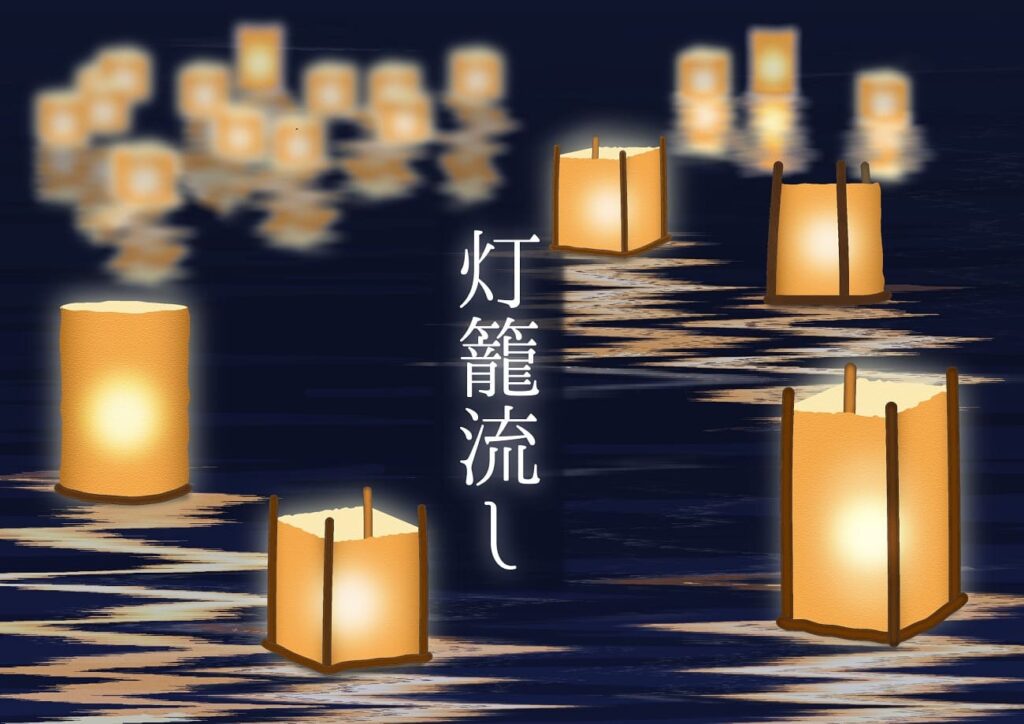
Toro Nagashi is a traditional Japanese ceremony in which paper lanterns are floated down rivers, lakes, or the sea.
The word:
- Toro (灯籠) = lantern
- Nagashi (流し) = floating or sending away
The ceremony is most commonly held at the end of Obon, Japan’s annual Buddhist-influenced tradition for welcoming ancestral spirits back home.
According to traditional belief, ancestors return to the world of the living during Obon.
At the end of the festival, Toro Nagashi helps guide those spirits peacefully back to the spirit world.
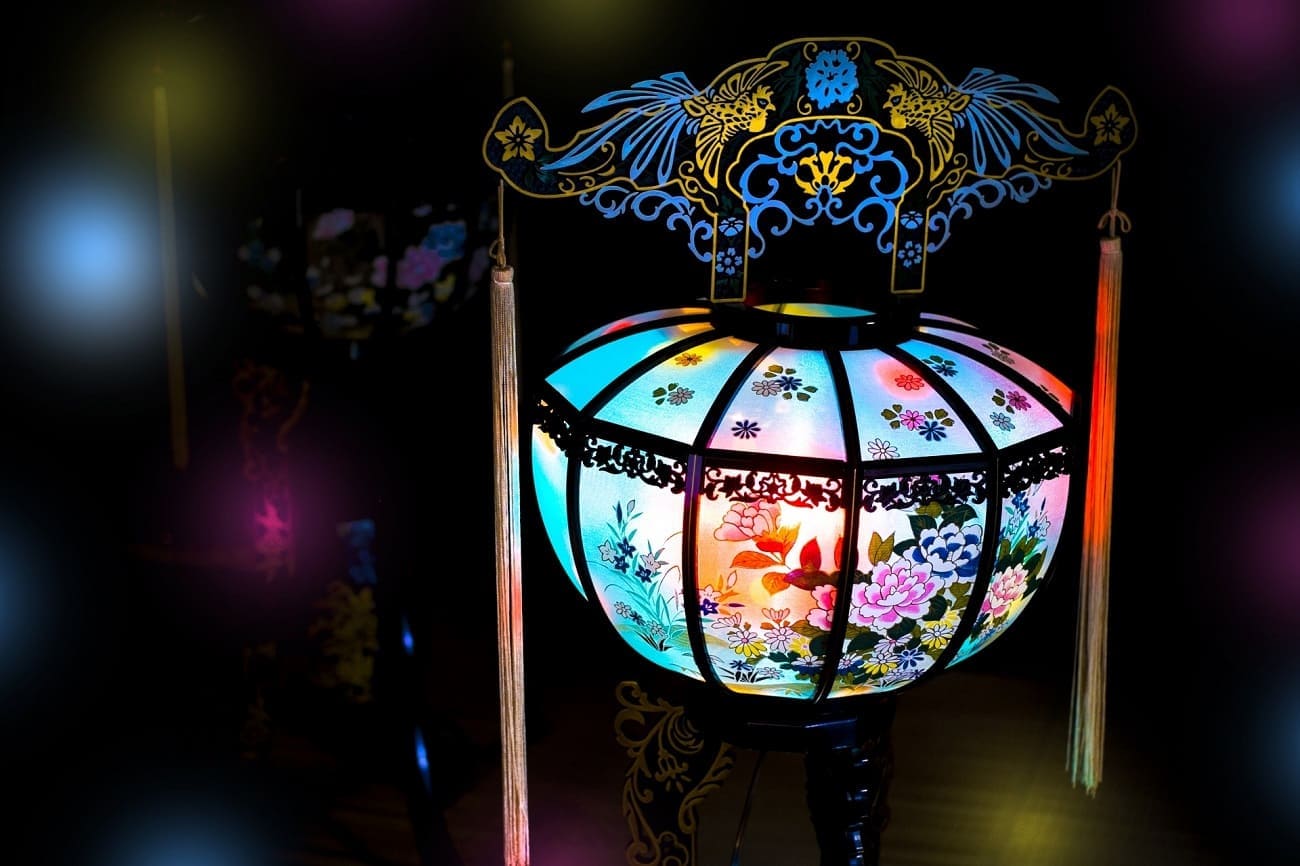
The lanterns are usually made from paper and wood, with a candle or light placed inside. Many families write names, prayers, or messages on them before releasing them into the water.

Toro Nagashi is one of Japan’s classic summer traditions, isn’t it?
The Meaning Behind Toro Nagashi
Toro Nagashi is not simply a beautiful summer event.
It carries deep spiritual and emotional meaning.
Guiding Ancestors Back to the Spirit World

One of the main purposes of Toro Nagashi is to guide ancestral spirits safely back after Obon.
In Japanese tradition, light is often associated with guidance and protection.
The glowing lanterns symbolically illuminate the path between worlds.
For many families, watching the lanterns drift away feels like a quiet final goodbye until next year’s Obon season.
A Prayer for Peace and Remembrance
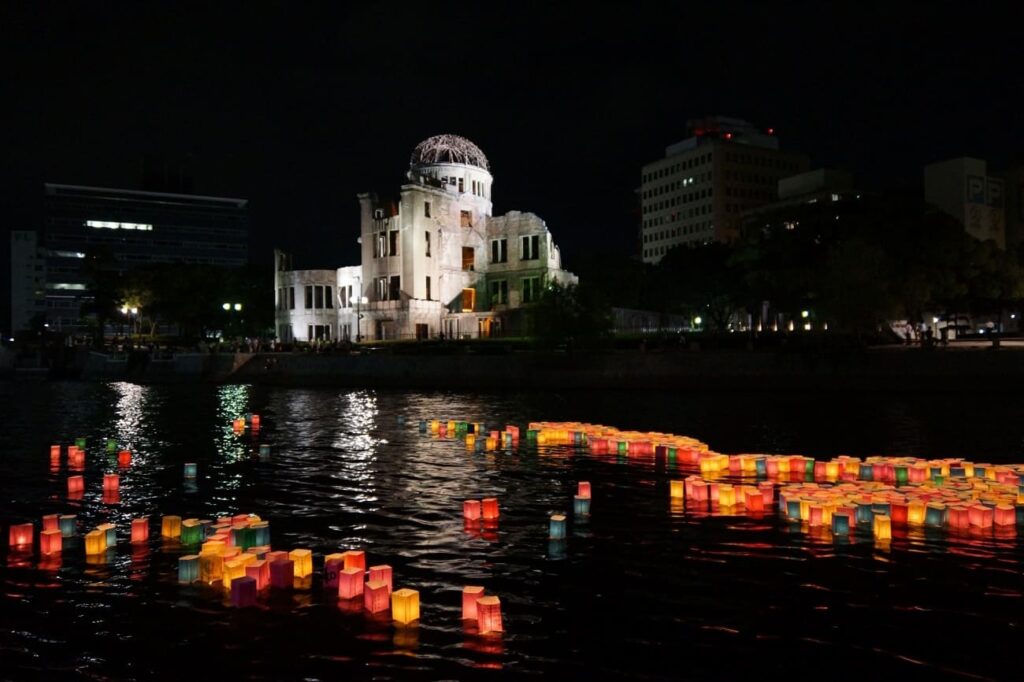
In some regions, Toro Nagashi is also connected to memorial prayers and peace ceremonies.
One of the most famous examples is the Hiroshima Peace Memorial Toro Nagashi, where lanterns are floated on the Motoyasu River near the Atomic Bomb Dome.
People write messages of peace, remembrance, and hope on the lanterns before sending them into the water.
The Connection Between Water and Spirits in Japan
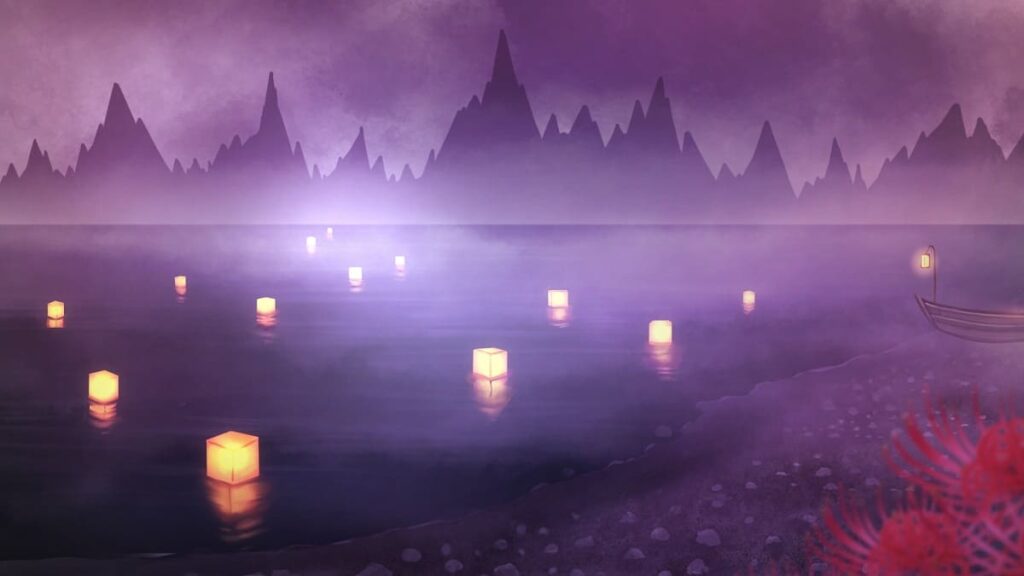
Water has long been viewed in Japan as something spiritual and purifying.
Rivers and seas are often seen as boundaries between worlds in Japanese folklore and religious belief.
Because of this, floating lanterns on water symbolizes the journey of spirits returning to another realm.
This idea appears in many Japanese traditions, stories, and seasonal rituals.

There’s something special about rivers at night during summer in Japan. Especially when willow trees are hanging over the water…
Is Toro Nagashi Part of Obon?
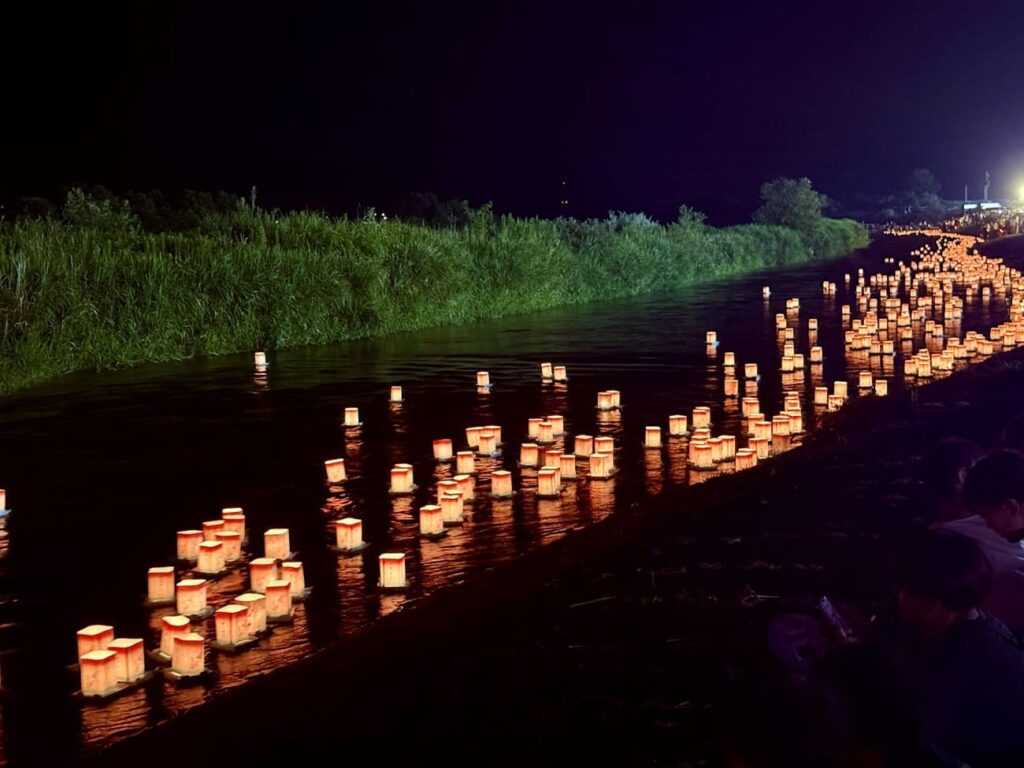
Yes — Toro Nagashi is closely connected to Obon.
Obon is a Japanese tradition dedicated to honoring ancestors and remembering loved ones who have passed away. During this time, families visit graves, offer food and prayers, and spend time together.
At the beginning of Obon, welcoming fires called mukaebi are sometimes lit to guide spirits home.
At the end of the season, Toro Nagashi and farewell fires known as okuribi help send the spirits back peacefully.
Because of this connection, Toro Nagashi is often seen as one of the most emotional moments of Obon.
If you are interested in Obon, check the artcle below as well.

The History of Toro Nagashi
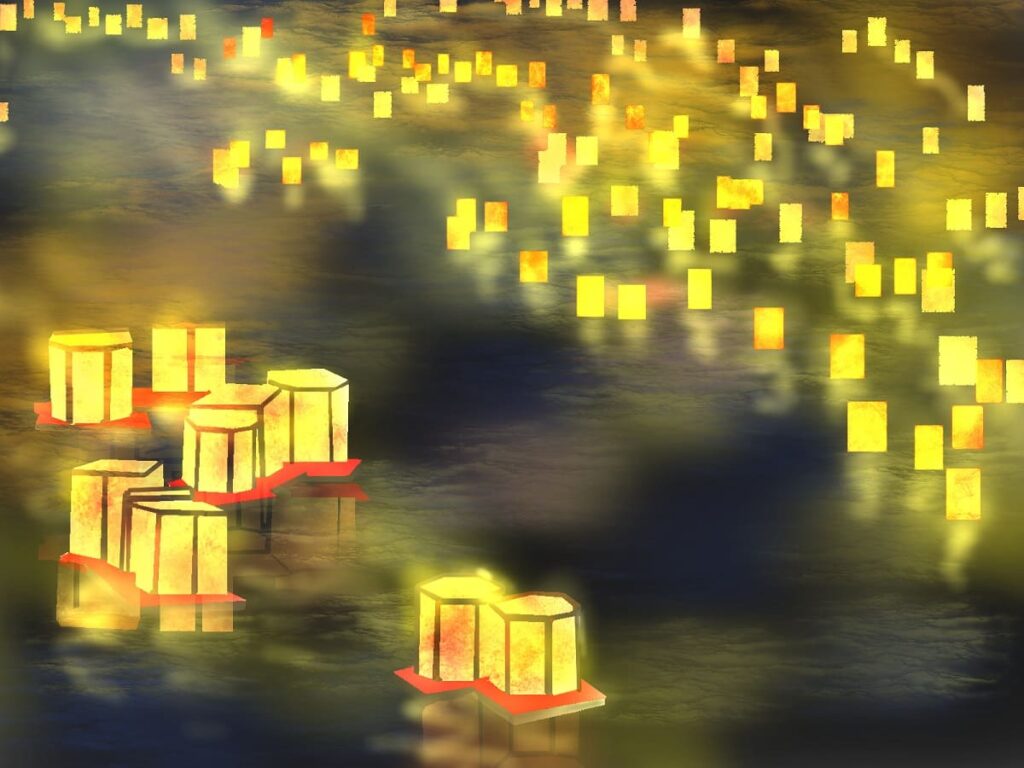
The exact origins of Toro Nagashi are not fully clear, but the custom is believed to have developed through a mixture of Buddhist traditions and older Japanese beliefs about ancestors and nature.
By the Edo period (1603–1868), lantern-floating ceremonies had already become part of seasonal summer customs in many regions of Japan.
Over time, local communities developed their own unique styles and meanings:
- some focused on ancestor worship,
- others emphasized purification,
- while some became peace memorial events.
Today, Toro Nagashi is held across Japan in both traditional and modern forms.

Toro Nagashi is considered one type of okuribi — a farewell fire used to send ancestors’ spirits back after welcoming them during Obon.
What Happens During a Toro Nagashi Ceremony?
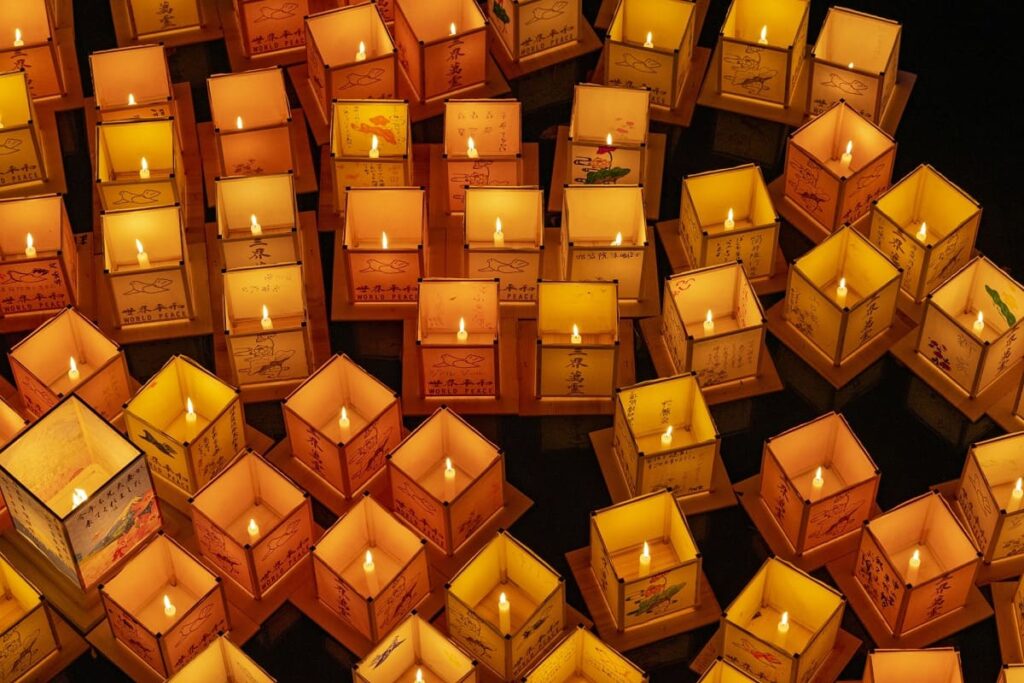
Although customs vary by region, a typical Toro Nagashi ceremony often includes the following steps:
1. Writing Messages on Lanterns
Participants may write:
- family names,
- prayers,
- messages to loved ones,
- or wishes for peace and happiness.
2. Lighting the Lanterns
Candles or small lights are placed inside the lanterns, creating a warm glow after sunset.
3. Releasing Them Into the Water
The lanterns are gently placed onto rivers, lakes, or the sea.
In many ceremonies, people quietly watch as the lights slowly drift away into the darkness.
4. Offering Silent Prayer
Many participants pause to pray or reflect while watching the lanterns float away.
The atmosphere is usually calm, respectful, and deeply emotional.
Modern Environmental Considerations
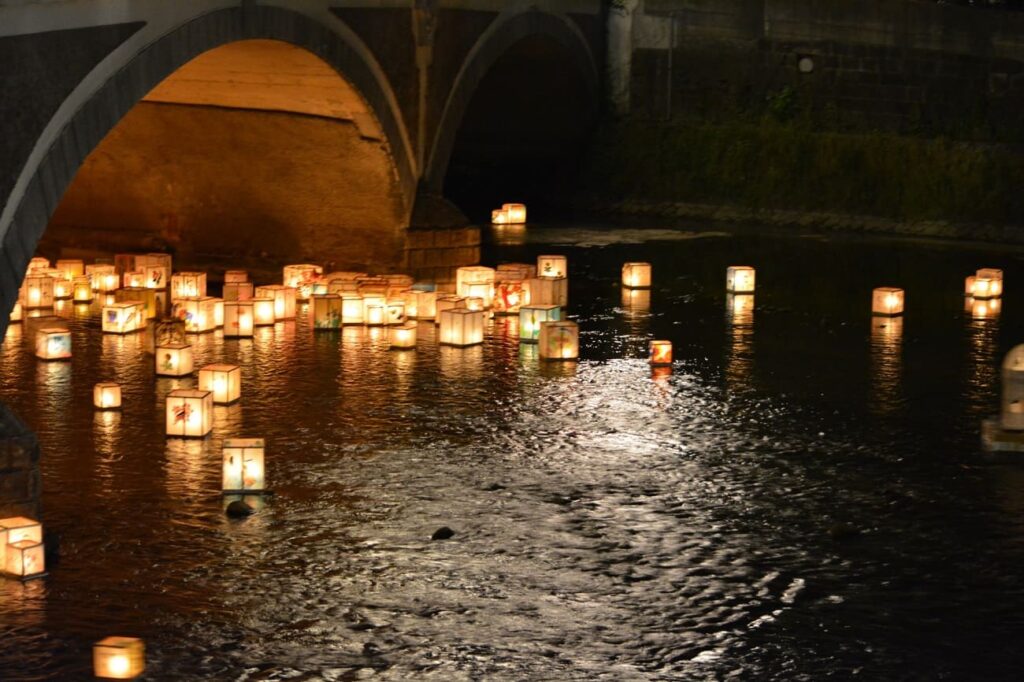
Today, many Toro Nagashi events in Japan also take environmental concerns into consideration.
In some ceremonies, the lanterns are collected before reaching the open sea to help reduce waste and protect local ecosystems.
Some events also use reusable lanterns or eco-friendly materials.
These modern efforts allow communities to preserve the spiritual beauty of Toro Nagashi while respecting nature at the same time.
Famous Toro Nagashi Events in Japan
Many regions in Japan hold lantern-floating ceremonies during summer.
Here are some well-known examples:
Hiroshima Peace Memorial Toro Nagashi
Held every August near the Atomic Bomb Dome, this ceremony is dedicated to peace and remembrance.
Thousands of lanterns illuminate the river at night, creating one of Japan’s most moving summer scenes.
Kyoto Arashiyama Toro Nagashi
Kyoto’s lantern-floating events combine traditional scenery, riverside temples, and the quiet atmosphere of old Japan.
The reflection of lanterns on the water is especially beautiful.
Nagasaki Spirit Boat Festival
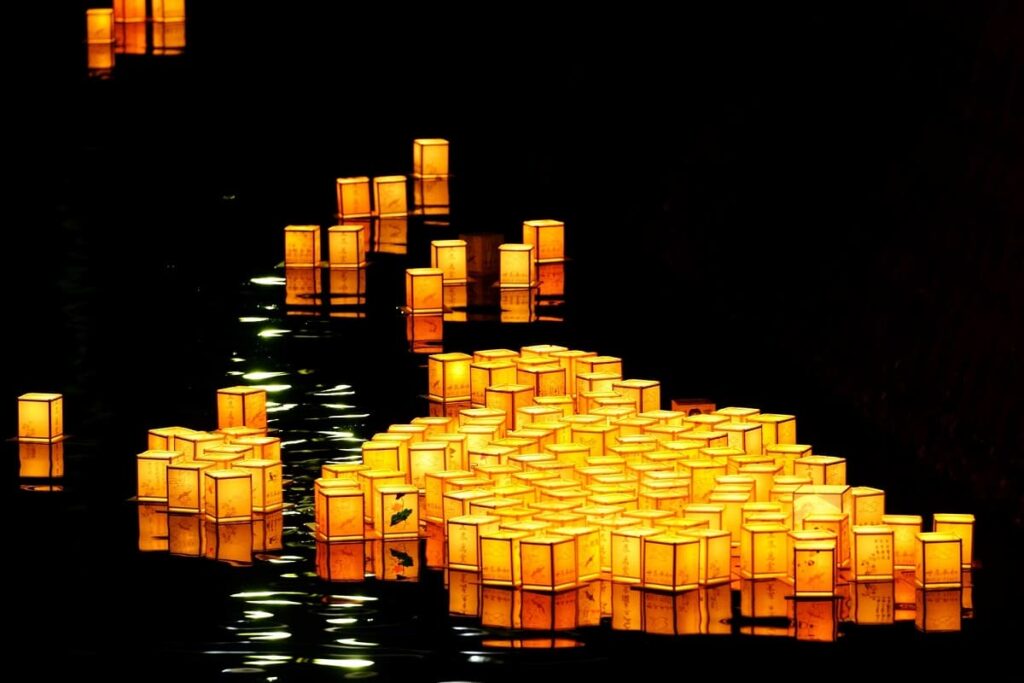
Although technically called Shoro Nagashi rather than Toro Nagashi, this Nagasaki tradition is also connected to sending spirits away.
Unlike the calm atmosphere of many lantern ceremonies, Nagasaki’s event is energetic and filled with firecrackers and large spirit boats.

Another famous event is the “Eiheiji Dai Toro Nagashi” held in Fukui Prefecture. It’s even been recognized as part of Japan’s “Night View Heritage.”
Can Tourists Participate in Toro Nagashi?
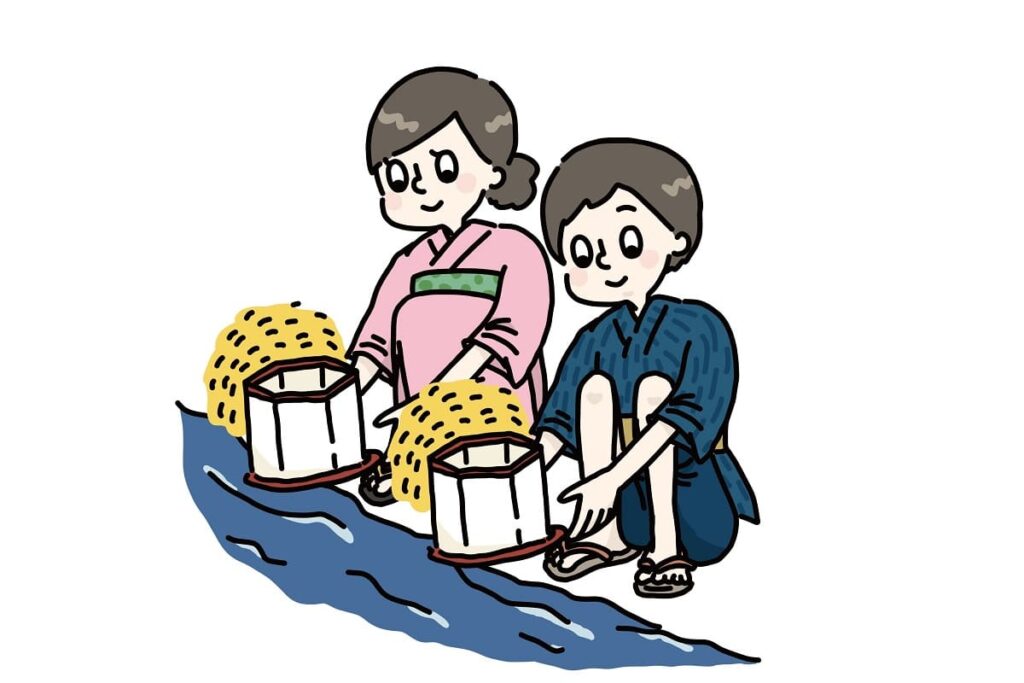
In many places, yes.
Some events allow visitors to purchase lanterns and write their own messages or prayers before floating them on the water.
If you attend a Toro Nagashi ceremony in Japan, it is important to:
- remain respectful,
- avoid loud behavior,
- and appreciate the quiet atmosphere.
For many participants, the ceremony has personal spiritual meaning.
Why Toro Nagashi Feels So Emotional
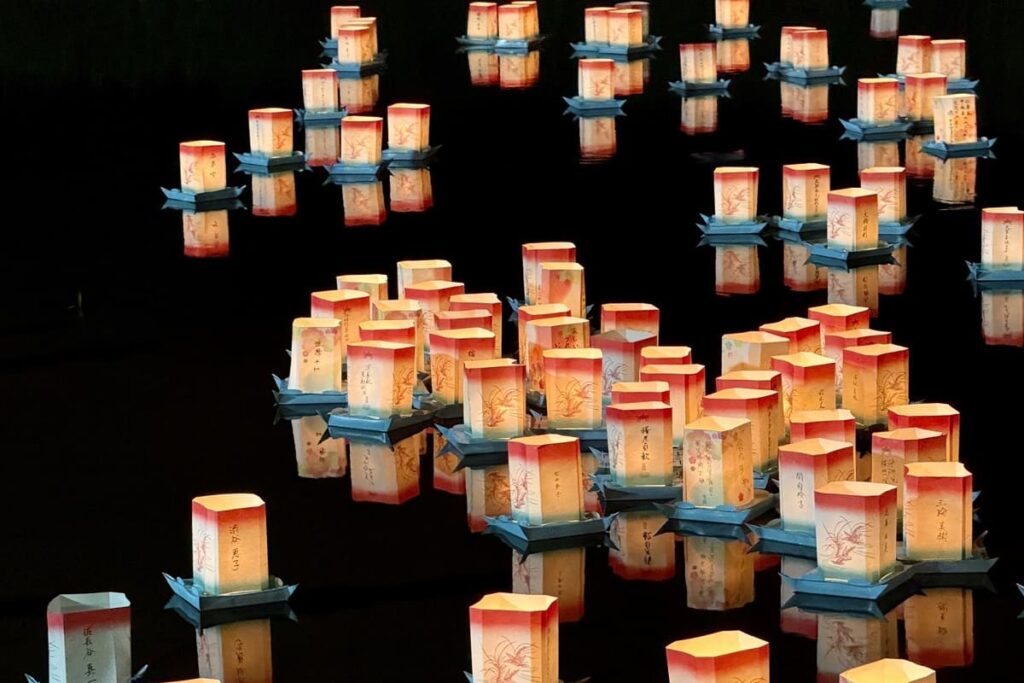
Even for people unfamiliar with Japanese culture, Toro Nagashi often feels surprisingly emotional.
Part of its beauty comes from simplicity:
- soft lights,
- dark water,
- silence,
- and the slow movement of lanterns disappearing into the night.
Many people in Japan associate this scene with the temporary nature of life and the importance of remembering those who came before us.
In some ways, Toro Nagashi reflects the Japanese idea of appreciating fleeting beauty — a feeling sometimes connected to the concept of mono no aware.
The lanterns shine brightly for only a short moment before fading into darkness.
That quiet impermanence is what makes the tradition so moving.

Toro Nagashi is beautiful and dreamlike, but it also makes you feel a little emotional!!!!
Final Thoughts about Toro Nagashi
Toro Nagashi is more than a summer festival.
It is a tradition of memory, gratitude, prayer, and connection across generations.
For some people, it is a spiritual ritual.
For others, it is a peaceful cultural experience.
But for many, watching glowing lanterns drift across the water becomes a moment they never forget.
In the gentle light of Toro Nagashi, Japan’s spiritual beauty quietly comes alive.

If you are interested in Japan, you may love this game!
Let’s play!

Yes! Let’s play!
Comments