




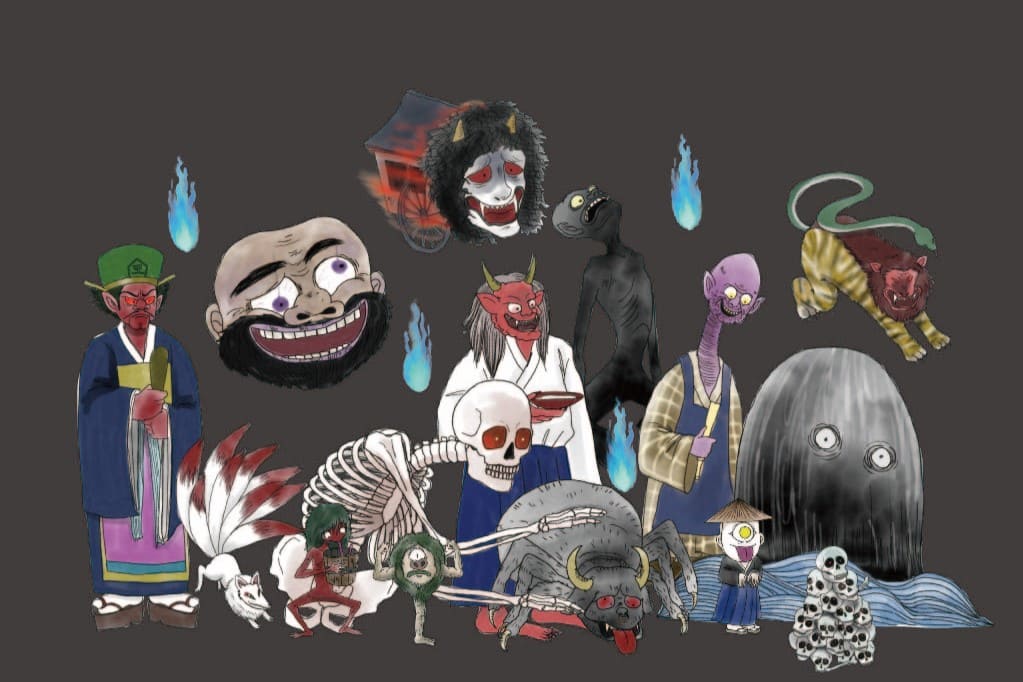
Imagine stepping outside on a quiet summer night in ancient Kyoto.
The streets are empty.
The moon hangs low in the sky.
Then you hear it.
A distant sound of drums.
Wooden sandals scraping against stone.
Strange laughter echoing through the darkness.
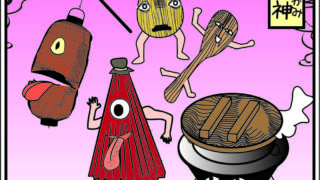
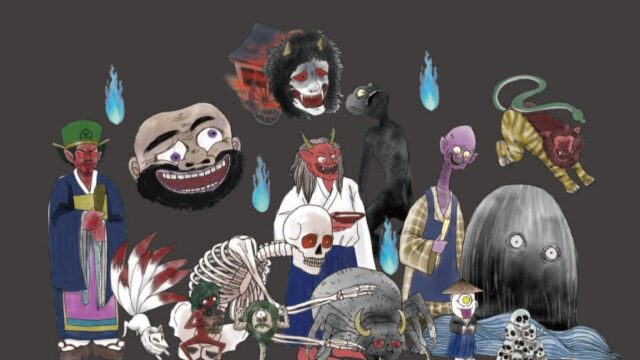
As the noise grows louder, hundreds of bizarre creatures emerge from the shadows—one-eyed monsters, living umbrellas, long-necked spirits, and demons of every shape imaginable.
This is Hyakki Yagyo (百鬼夜行), the legendary Night Parade of One Hundred Demons.
For centuries, Japanese people believed that encountering this supernatural procession could bring madness, misfortune, or even death.
But where did this terrifying legend come from?
And why does it continue to inspire modern games, anime, and movies today?
Let’s explore one of Japan’s most famous supernatural traditions.
- What Does Hyakki Yagyo Mean?
- What Happens During the Night Parade?
- The Origins of Hyakki Yagyo
- The Connection to Onmyoji and Protective Talismans
- Famous Yokai Seen in Hyakki Yagyo
- Hyakki Yagyo in Japanese Art
- Why Hyakki Yagyo Still Fascinates People Today
- Hyakki Yagyo and Nioh
- Final Thoughts about Hyakki Yagyo
What Does Hyakki Yagyo Mean?
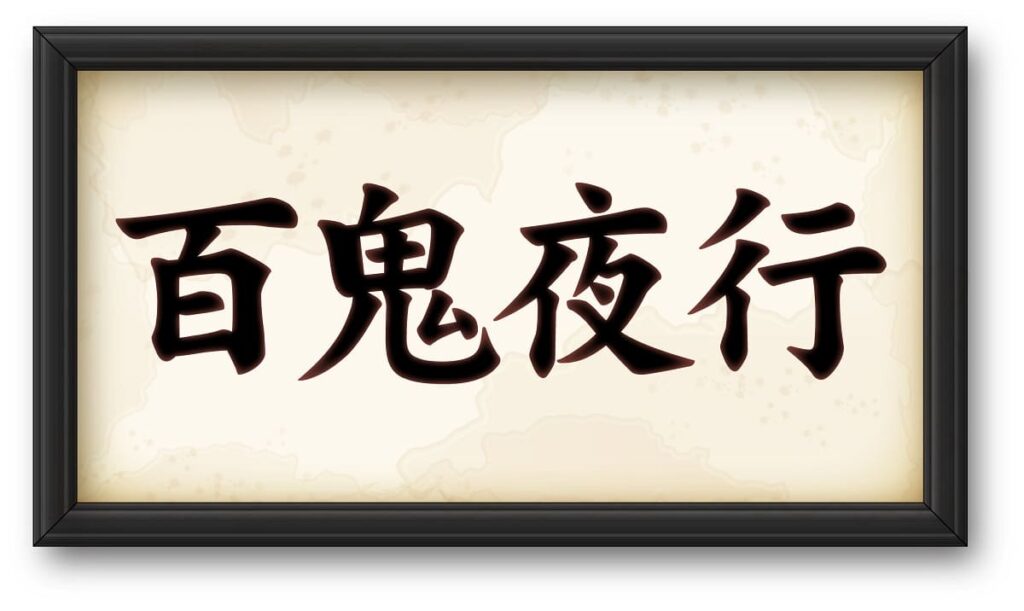
The term Hyakki Yagyo literally means:
- Hyakki (百鬼) = One Hundred Demons
- Yagyo (夜行) = Night Parade
Together, the phrase is usually translated as:
“Night Parade of One Hundred Demons.”

You may also see Hyakki Yagyo read as “Hyakki Yako.”
However, the number one hundred does not necessarily mean exactly 100 creatures.
In Japanese folklore, the number often symbolizes “countless” or “many.”
In other words, Hyakki Yagyo refers to a massive procession of supernatural beings moving through the night.
What Happens During the Night Parade?
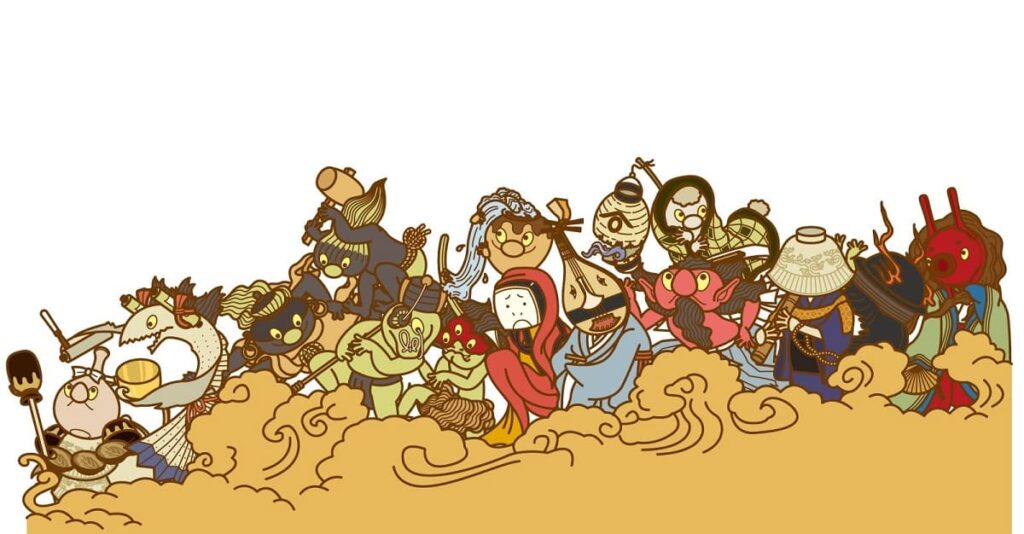
According to folklore, hundreds of yokai travel together through the streets after midnight.
Anyone unfortunate enough to cross their path could face terrible consequences.
Some stories claim the victim would:
- Go insane
- Become seriously ill
- Disappear forever
- Be dragged into the spirit world
Because of this fear, people avoided traveling alone at night.
In ancient Japan, darkness was mysterious and dangerous.
Without electric lights, strange sounds and shadows easily fueled stories about supernatural creatures.
Seeing Hyakki Yagyo sounds exciting, but if it really brings this much bad luck, I’ll pass!
The Origins of Hyakki Yagyo
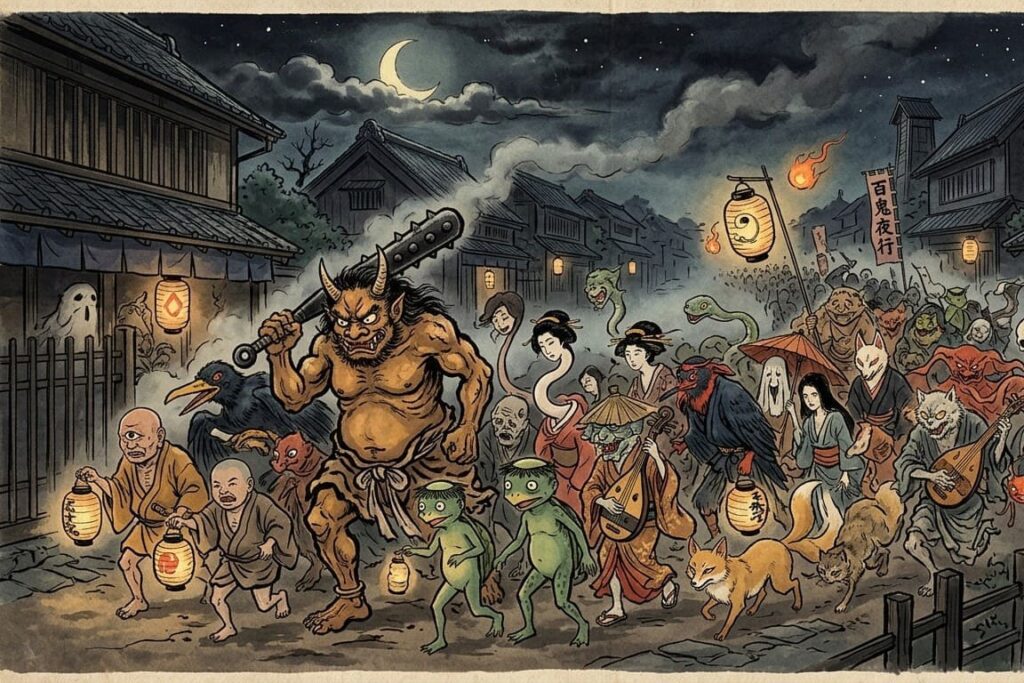
The legend can be traced back to Japan’s Heian Period (794–1185).
During this era, aristocrats believed that spirits, curses, and unseen forces influenced everyday life.
Many nobles consulted onmyoji (陰陽師), specialists who practiced Onmyodo, a traditional system combining astrology, divination, and spiritual protection.
Some historical records mention nights believed to be especially dangerous because supernatural beings were thought to roam freely.
These beliefs eventually evolved into the concept of Hyakki Yagyo.
The Connection to Onmyoji and Protective Talismans
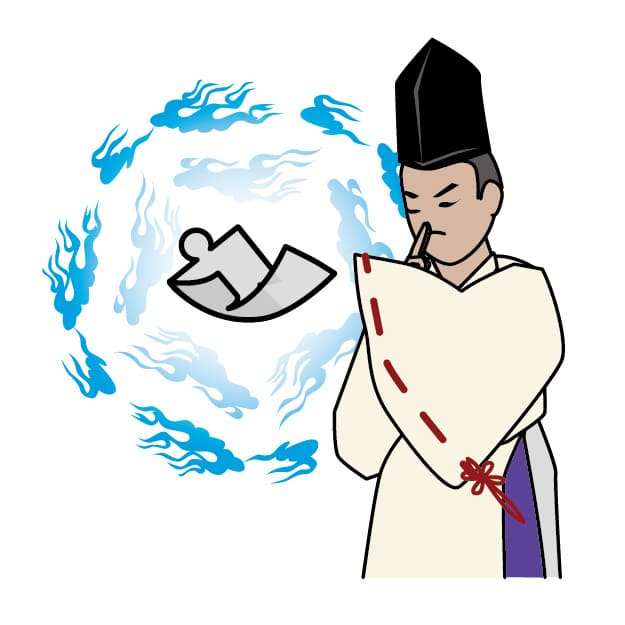
People believed that avoiding the parade was essential.
One popular method was carrying a protective talisman known as a:
Katatagae (方違え)
or seeking protection through Onmyodo rituals.
According to folklore, if someone unknowingly encountered the parade, spiritual protection might be their only chance of survival.
This connection between Hyakki Yagyo and Onmyodo later inspired many fictional stories and games.

This is my first time hearing about katatagae. Honestly, avoiding a yokai curse sounds worth the extra effort!
Famous Yokai Seen in Hyakki Yagyo
One reason the legend remains popular is the incredible variety of yokai said to participate.
Kasa-obake (Umbrella Yokai)
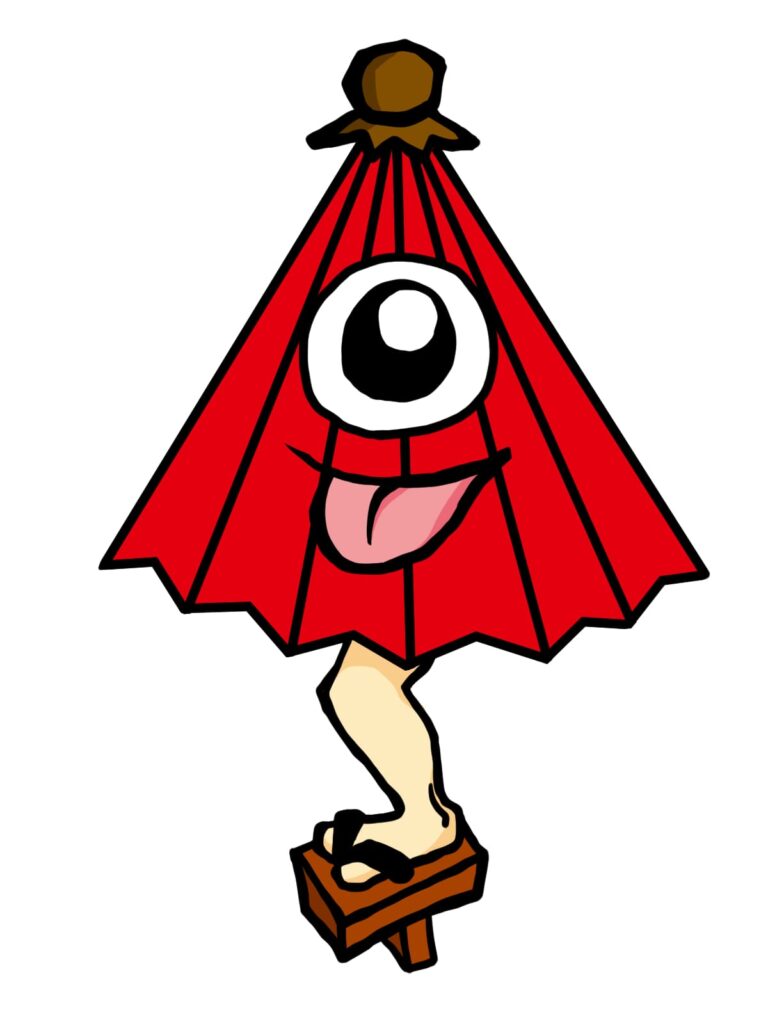
A discarded umbrella that comes to life with one eye and a long tongue.

Rokurokubi
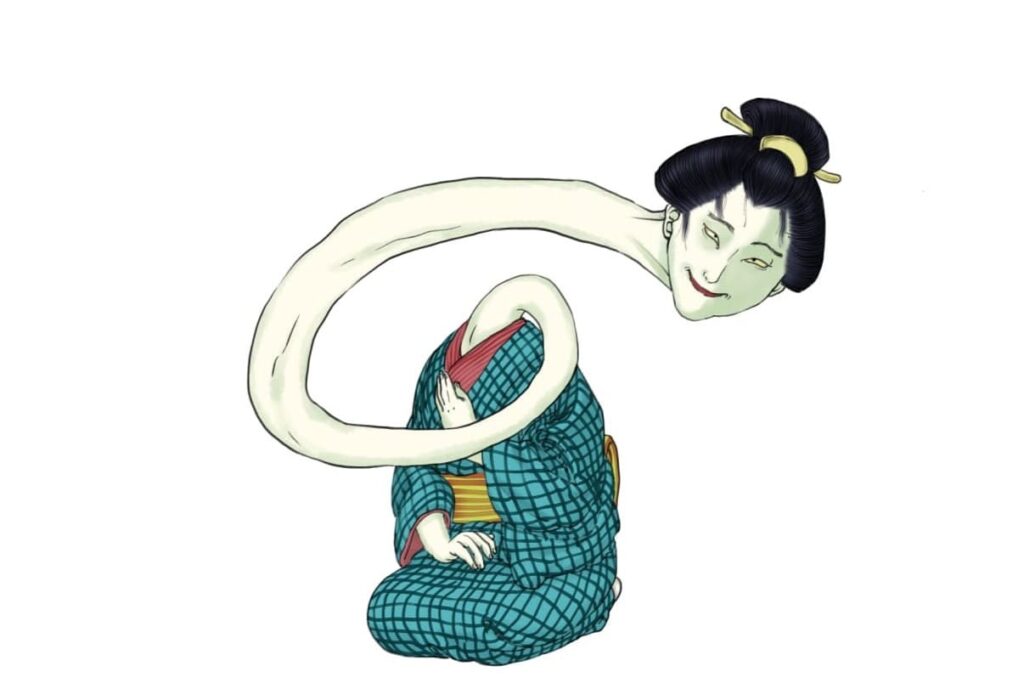
A woman whose neck stretches unnaturally long at night.

Nurarihyon
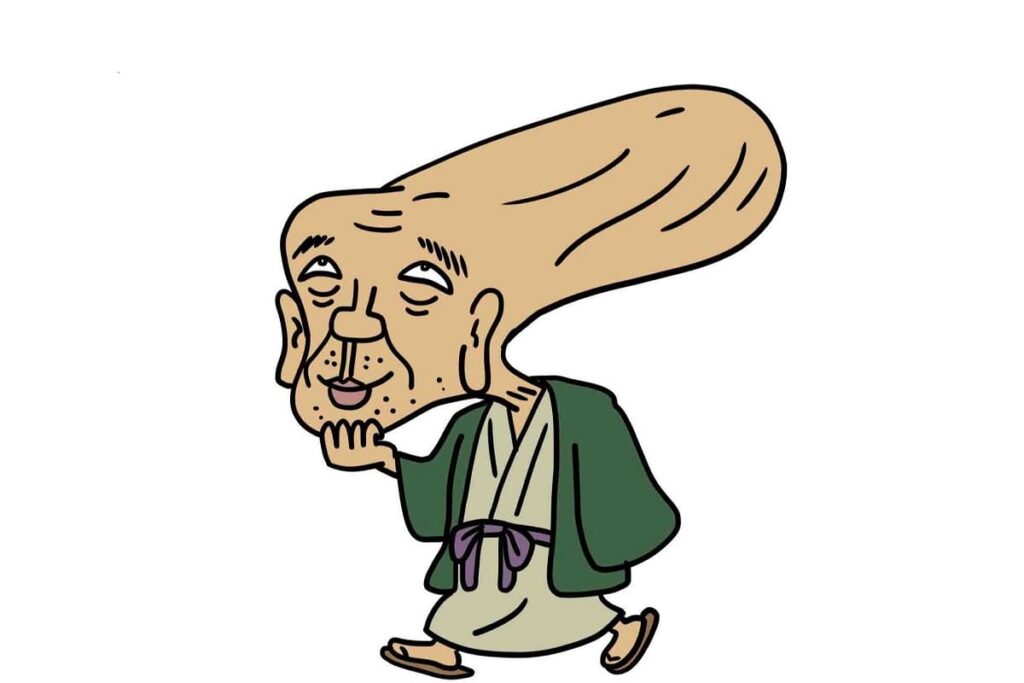
Often portrayed as a mysterious leader among yokai.
Hitotsume-kozo
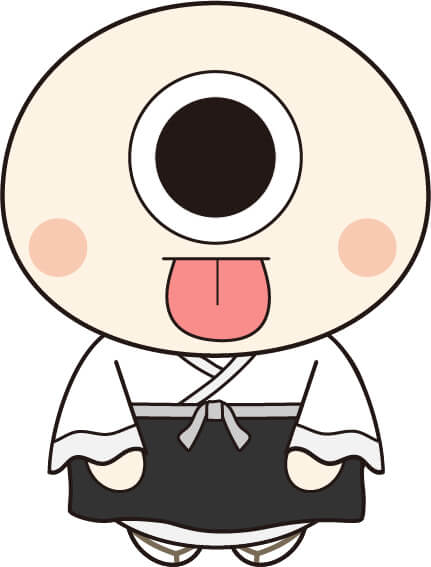
A childlike yokai with only one eye.
These creatures frequently appear in Hyakki Yagyo artwork and stories.

Hyakki Yagyo in Japanese Art
One of the most famous depictions appears in:
Hyakki Yagyo Emaki (百鬼夜行絵巻)
illustrated scrolls showing countless yokai marching through the night.
These scrolls became especially popular during the Muromachi and Edo periods.
Rather than being purely frightening, many illustrations depict yokai as humorous, mischievous, or even strangely charming.
This artistic tradition helped shape the modern image of Japanese yokai.
Why Hyakki Yagyo Still Fascinates People Today
The legend continues to inspire modern entertainment.
You can find references in:
- Nioh series
- Yo-kai Watch
- GeGeGe no Kitaro
- Other Anime and manga
For modern audiences, Hyakki Yagyo represents more than a ghost story.
It symbolizes a world where the boundary between humans and spirits becomes blurred.
Hyakki Yagyo and Nioh
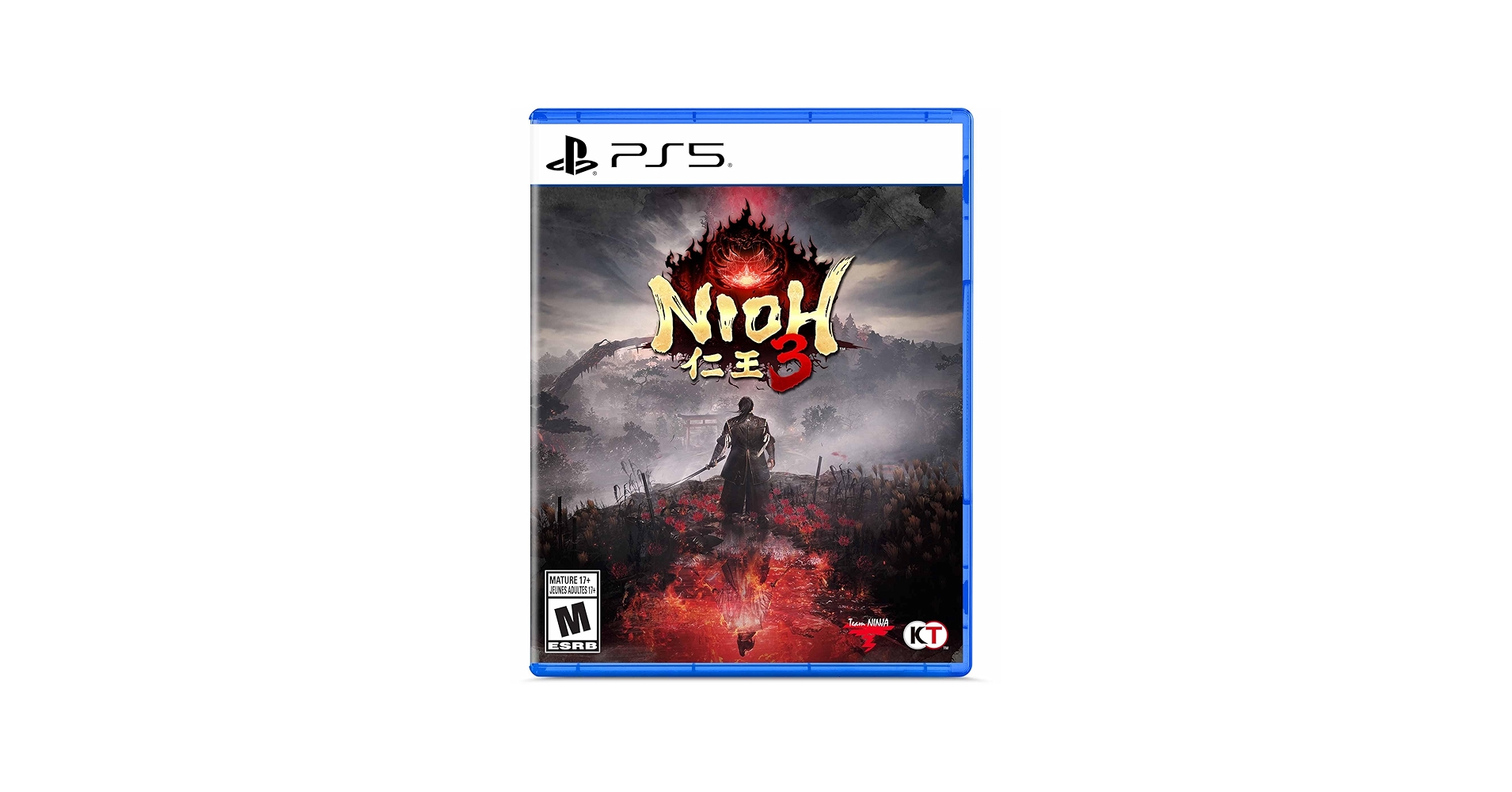

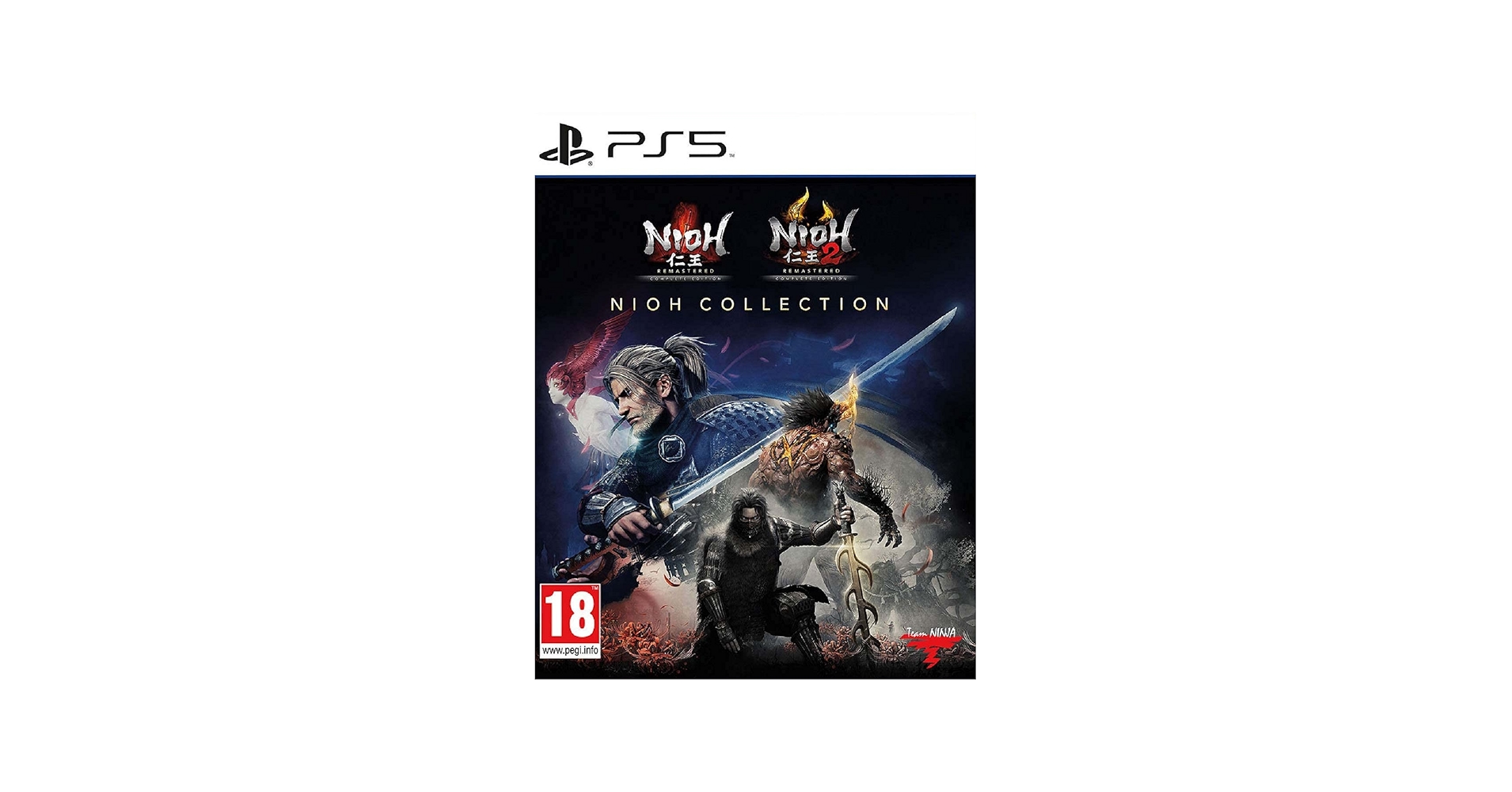
If you’re interested in experiencing a world filled with yokai, the Nioh series offers one of the best modern interpretations of Japanese folklore.
Many creatures inspired by traditional Hyakki Yagyo scrolls appear throughout the games.
Recognizing these yokai can make the experience even more enjoyable.
Oh, and in Nioh 2, you can collect Hyakki Yagyo picture scrolls through missions. There are yokai everywhere, which makes the game incredibly fun!
Final Thoughts about Hyakki Yagyo
For over a thousand years, Hyakki Yagyo has captured the imagination of storytellers, artists, and believers alike.
Whether viewed as a terrifying supernatural event, a cultural symbol, or a source of inspiration for modern entertainment, the Night Parade of One Hundred Demons remains one of Japan’s most unforgettable legends.
The next time you hear strange footsteps in the darkness, you might wonder:
What if the parade is passing by tonight?

If you are interested in Yokai or in Japanese Culture and you are a gamer, you may love these games!
Let’s play!
Yes! I can’t wait to play these games!
Let’s Play!



Comments