






Japanese folklore is filled with terrifying yokai that attack travelers, haunt abandoned places, or bring misfortune to those who cross their paths.
Yet among these supernatural beings is a surprisingly unusual figure known as Sunakake Baba.
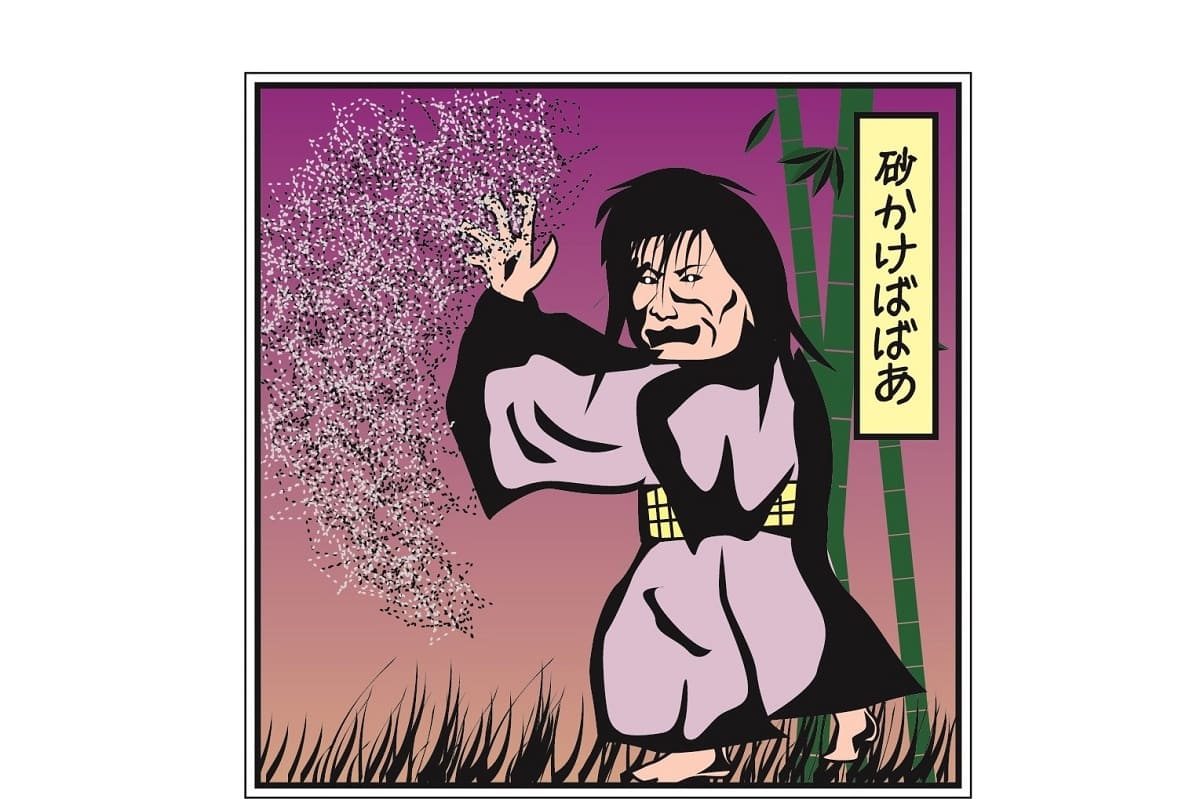
Her name literally means “the old woman who throws sand,” and that description is surprisingly accurate. Unlike many yokai, Sunakake Baba is not known for killing people or causing serious harm. Instead, she simply throws sand at unsuspecting travelers before disappearing into the darkness.
What makes her even more mysterious is that many legends claim nobody has ever clearly seen her.
Despite being one of Japan’s most famous yokai, Sunakake Baba remains largely invisible—known more for her actions than her appearance.
So who is this strange old woman, and why has she remained part of Japanese folklore for centuries?

Today, I’m going to introduce a yokai called Sunakake Baba and explore its fascinating legends!
What Does Sunakake Baba Mean?
The name Sunakake Baba can be broken into three parts:
- Suna (砂) = sand
- Kake (かけ) = to throw or scatter
- Baba (婆) = old woman or hag
The name literally translates to:
“The Sand-Throwing Old Woman.”
Unlike many yokai whose names hide deeper symbolism, Sunakake Baba’s name directly describes her most famous behavior.
What Kind of Yokai Is Sunakake Baba?
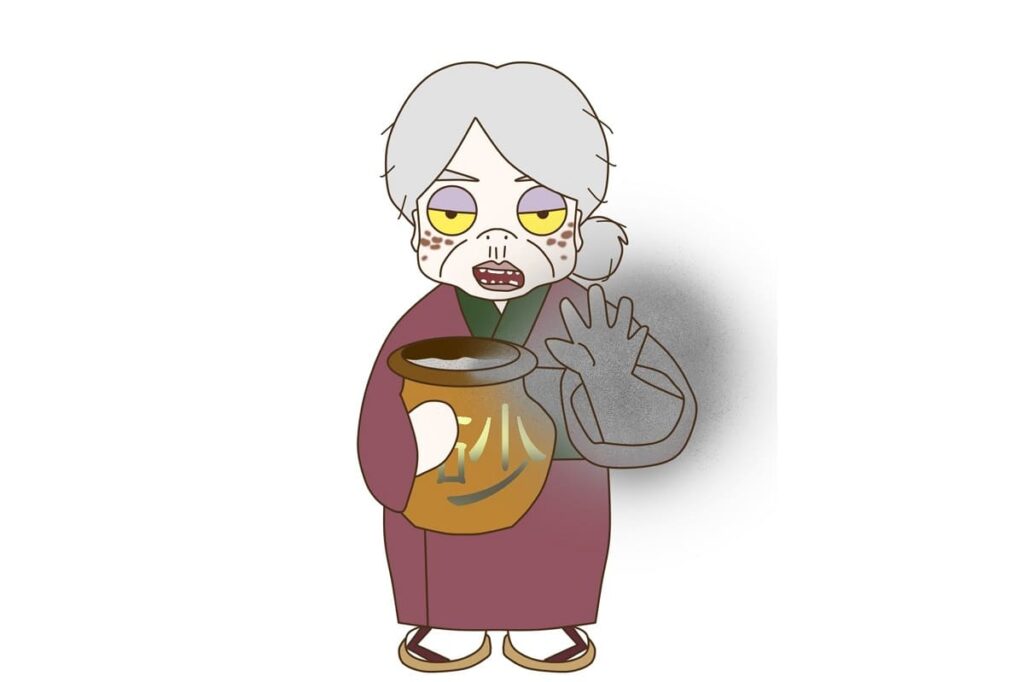
Sunakake Baba is a yokai associated with lonely roads, mountains, forests, and other places where people might travel alone at night.
According to folklore, travelers would suddenly feel sand striking their faces or hear strange sounds nearby.

Having sand suddenly fly into your face while you’re walking would be pretty unlucky, wouldn’t it?
However, when they looked around, nobody was there.
This led people to believe that an invisible supernatural being was responsible.
Unlike many famous yokai, Sunakake Baba often has no fixed appearance.
Some stories describe an elderly woman wearing worn-out clothing, while others insist she has never been seen at all.
In many traditions, the flying sand itself is the only evidence of her existence.
The Origins of Sunakake Baba

Sunakake Baba is believed to have originated in western Japan, particularly in regions such as Nara Prefecture and Hyogo Prefecture.
Stories about her spread throughout the Kansai region and later across other parts of the country.
Because these tales developed independently in different communities, there is no single definitive version of the yokai.
Some legends portray her as a mountain spirit.
Others describe her as a ghostly old woman.
Still others suggest that she may simply be an unseen force that enjoys startling people.
This variety of interpretations has only added to her mystery.
The Yokai Nobody Has Seen
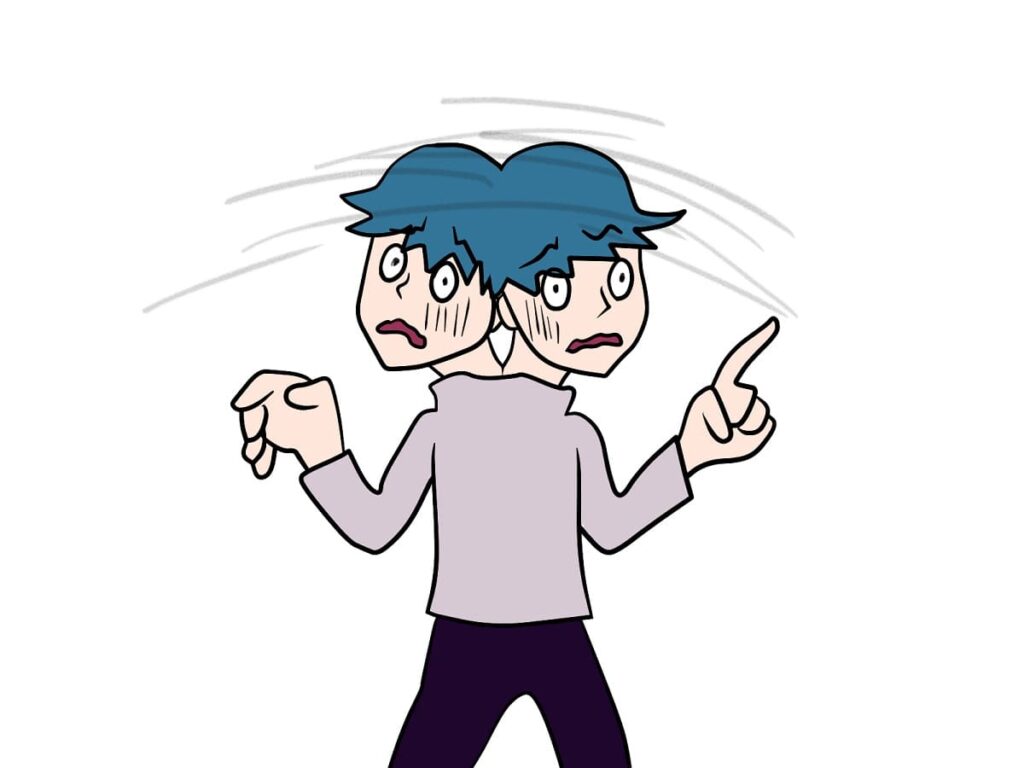
One of the most fascinating aspects of Sunakake Baba is that she often lacks a visible form.
Many yokai have detailed descriptions, illustrations, and distinctive physical features.
Sunakake Baba is different.
In numerous regional legends, people experience the effects of her presence but never actually see her.
A traveler might suddenly be showered with sand.
A strange noise might come from the darkness.
Something unseen might move nearby.
Yet the source remains hidden.
Because of this, some folklorists believe Sunakake Baba represents people’s fear of the unknown rather than a physical monster.
In other words, the mystery itself may be the yokai.

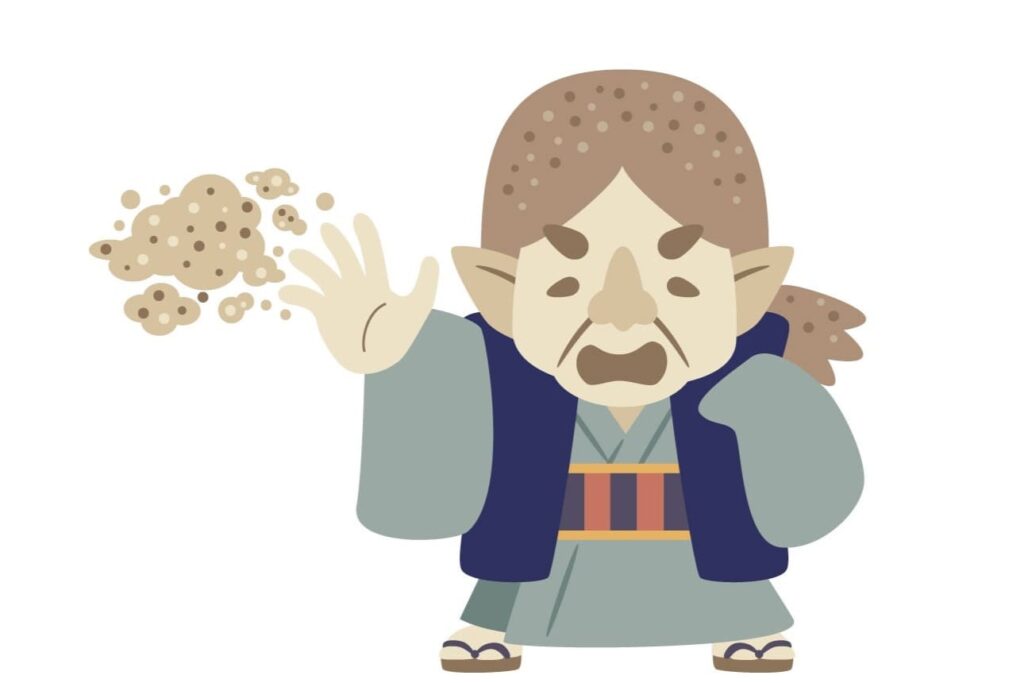
Whenever I hear the name Sunakake Baba, I immediately picture the character from GeGeGe no Kitaro, so it’s strange to think that the original yokai is often said to be invisible.
Is Sunakake Baba Dangerous?

Compared to many yokai, Sunakake Baba is surprisingly harmless.
Most stories stop at the sand throwing.
She does not drag people away.
She does not devour travelers.
She does not place deadly curses upon her victims.
Instead, she seems content with causing confusion, annoyance, and perhaps a little fear.
This relatively harmless nature may explain why she remains such a beloved figure in Japanese folklore.
Many people find her more mischievous than evil.
In a world filled with terrifying monsters, a yokai whose greatest weapon is a handful of sand feels strangely charming.
Sunakake Baba in GeGeGe no Kitaro

Sunakake Baba became even more famous through GeGeGe no Kitaro.
The series, created by Shigeru Mizuki, introduced traditional yokai to modern audiences and helped preserve many legends that might otherwise have been forgotten.
In GeGeGe no Kitaro, Sunakake Baba is portrayed as one of Kitaro’s trusted allies.
Rather than frightening travelers, she uses her sand-based abilities to assist the heroes.
For many Japanese people today, this version is even more familiar than the original folklore.
Sunakake Baba in Nioh 3
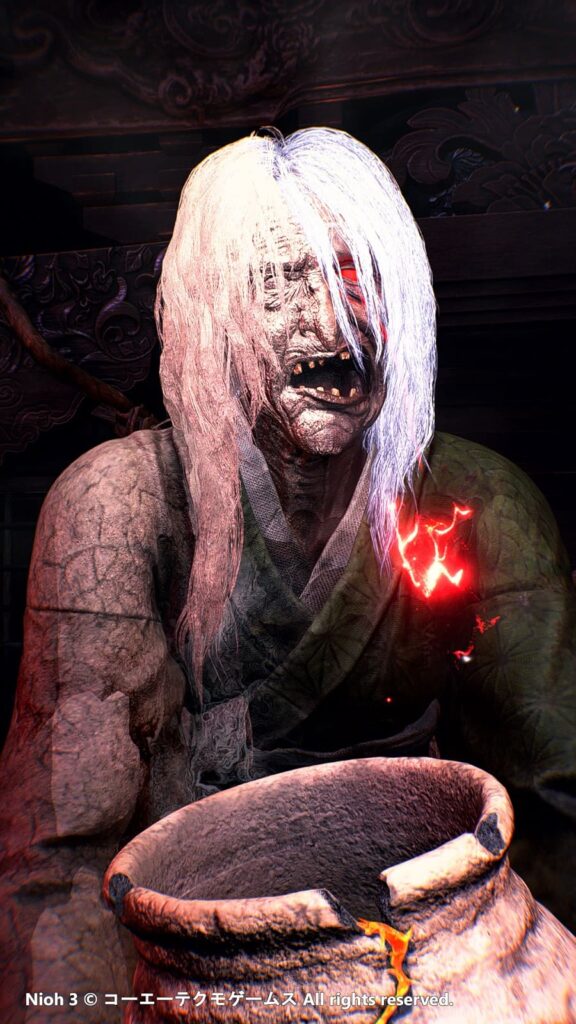
Sunakake Baba appears in the action RPG Nioh 3, where her traditional folklore abilities are transformed into dangerous combat techniques.
Unlike the relatively harmless yokai found in old legends, the Nioh 3 version carries a large jar filled with sand and uses it as a weapon.
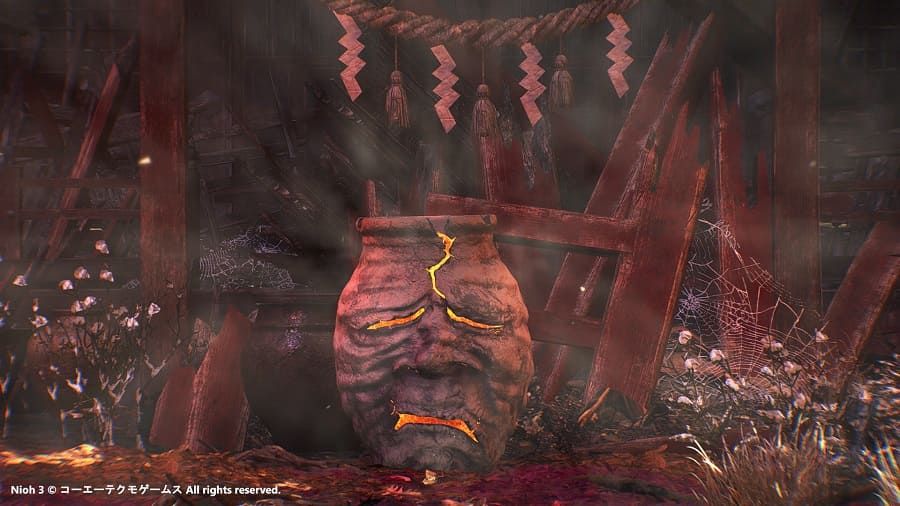
She can unleash rapid sand attacks that travel like flying blades, creating a barrage capable of striking opponents from a distance. She can also hide inside her jar, float through the air, and crash down onto enemies with powerful diving attacks.
Although these abilities are far more aggressive than those found in traditional folklore, they are still inspired by the yokai’s most famous trait: throwing sand.
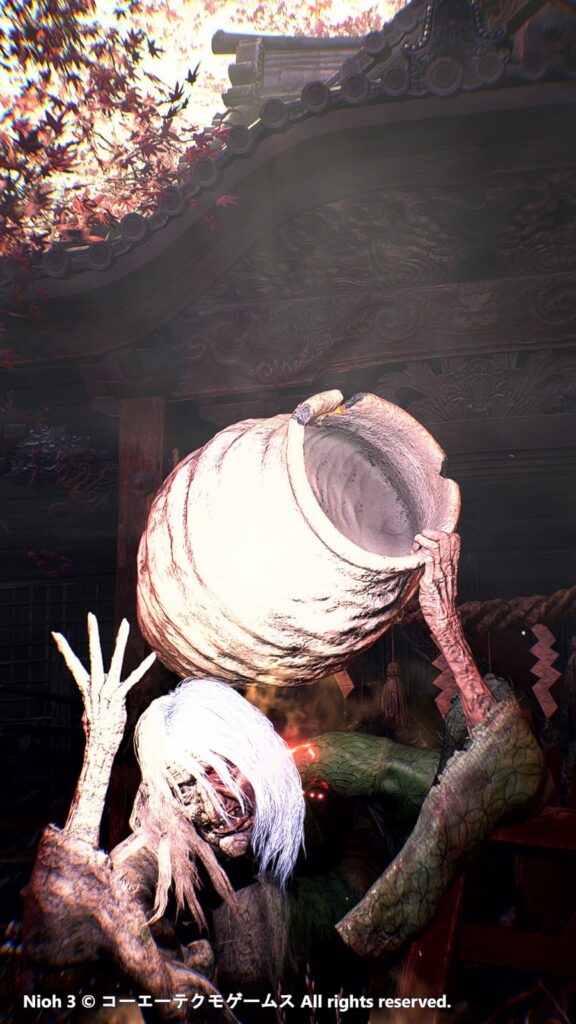
This is a good example of how modern games reinterpret Japanese folklore, taking a relatively minor supernatural habit and expanding it into a memorable combat style.

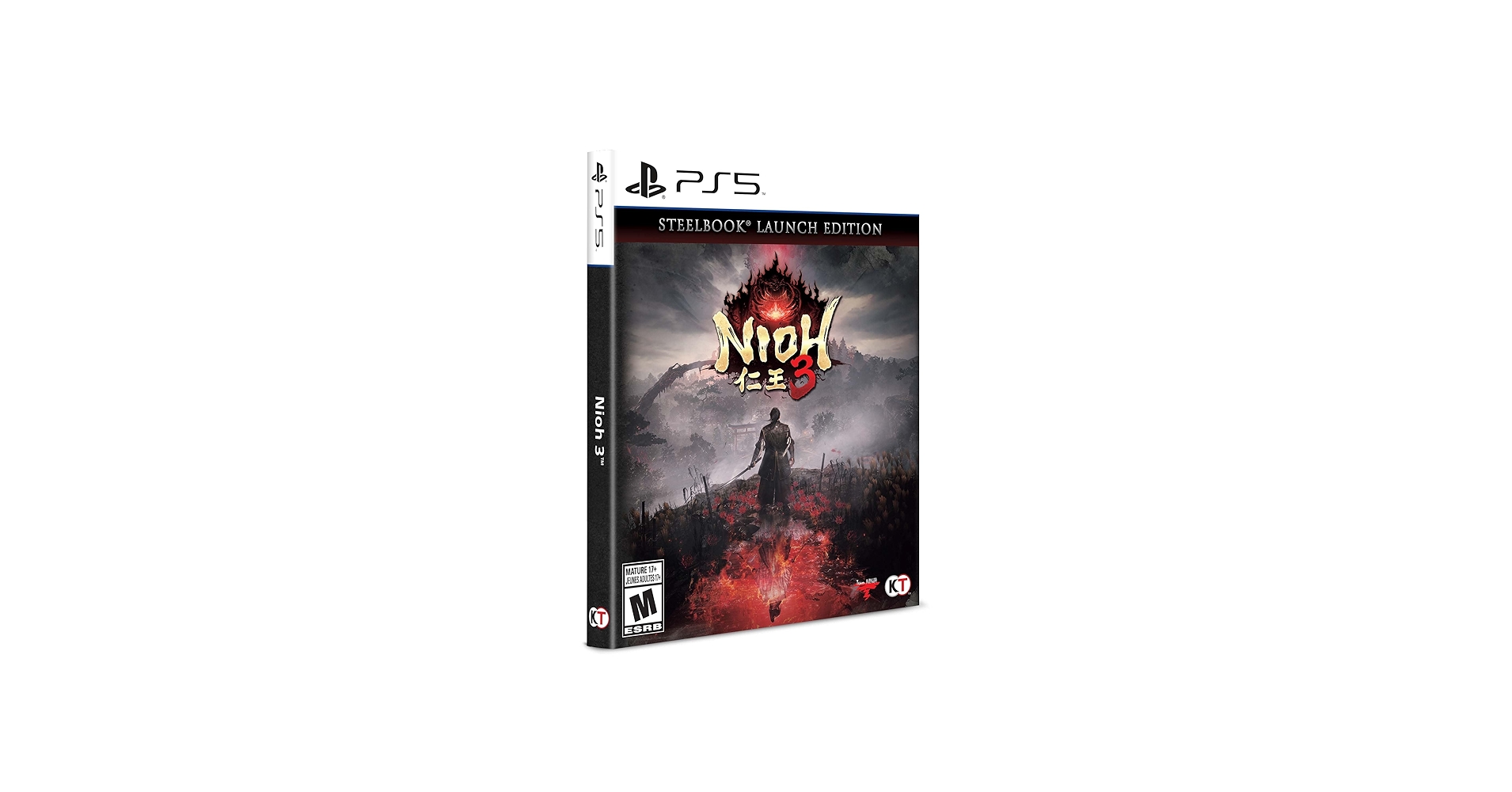
If you’re a fan of video games, you should give Nioh 3 a try—you’ll encounter a very different version of Sunakake Baba there!

Why Has Sunakake Baba Survived for So Long?
Many yokai stories survive because they are frightening.
Sunakake Baba survives because she is mysterious.
She represents a simple but universal experience:
The feeling that something is nearby even when nothing can be seen.
A sudden sound in the darkness.
A strange sensation on an empty road.
A moment when the ordinary world feels slightly less ordinary.
Her legend reminds us that fear does not always come from monsters.
Sometimes it comes from not knowing what is there.
Final Thoughts about Sunakake Baba
Sunakake Baba may not be the strongest yokai, the scariest yokai, or even the most active yokai in Japanese folklore.
Yet she remains one of the most memorable.
Perhaps that is because she embodies a kind of mystery that never disappears.
After all, countless people have claimed to experience her presence.
But according to many legends, nobody has ever truly seen her.
And maybe that is exactly how Sunakake Baba wants it.
Comments