











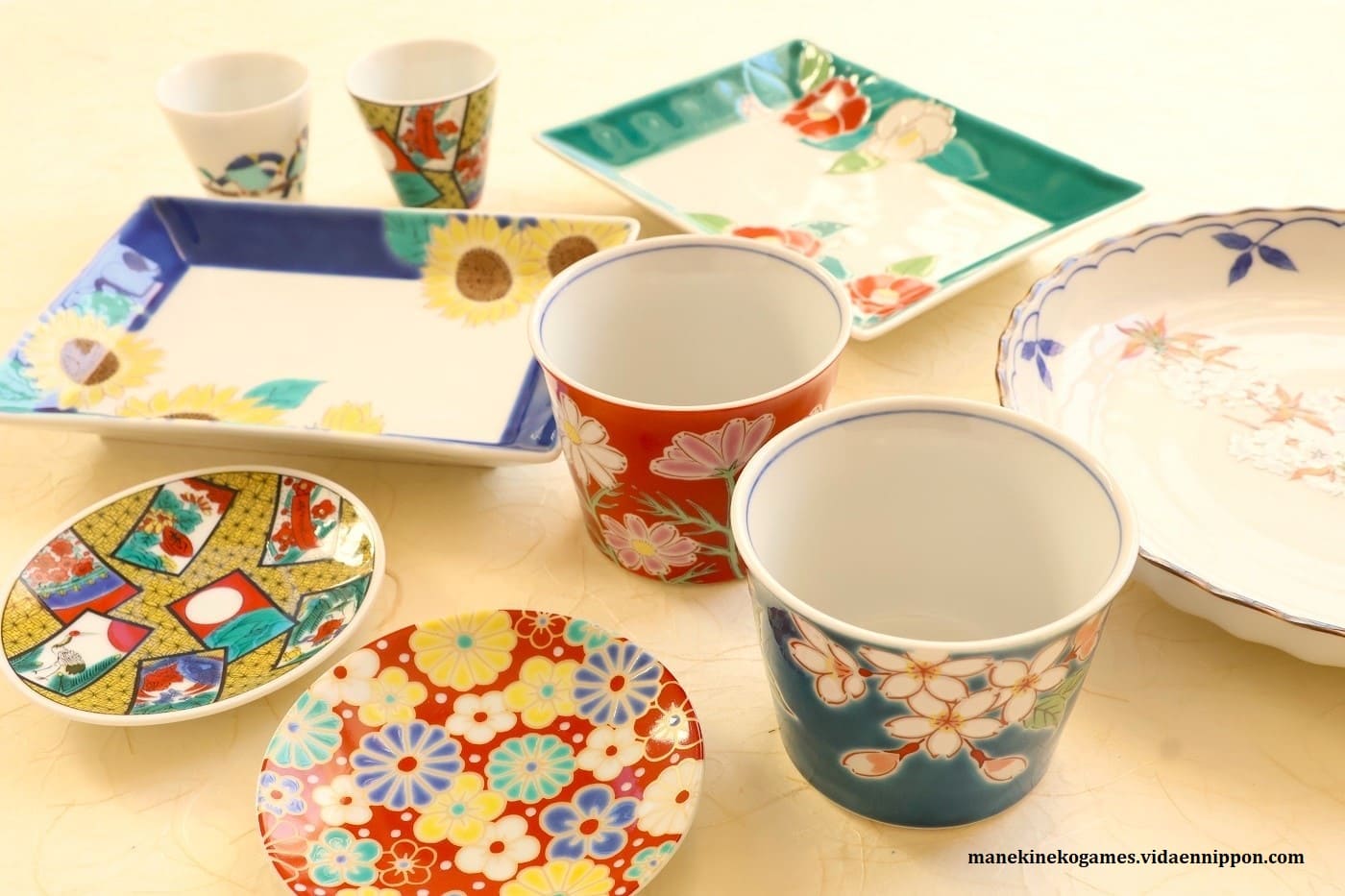
Japan is home to many famous pottery styles, but few are as vibrant and eye-catching as Kutani ware.
Known for its bold colors, intricate designs, and centuries-old craftsmanship, Kutani ware has become one of Japan’s most celebrated ceramic traditions. From elegant teacups to decorative plates and vases, its distinctive beauty continues to captivate collectors around the world.
In this article, we’ll explore the history of Kutani ware, its signature colors, common motifs, and why it remains beloved both in Japan and abroad.

Today, I’m going to introduce Kutani ware—one of my absolute favorite things in the world!
What Is Kutani Ware?
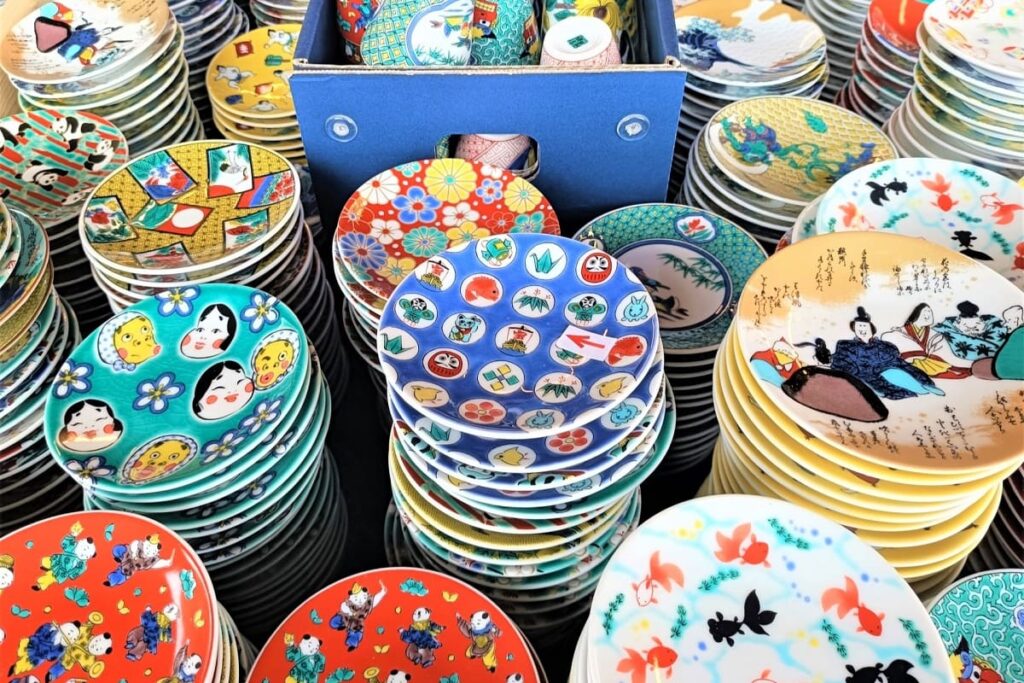
Kutani ware, known in Japanese as Kutani-yaki, is a traditional style of Japanese ceramics that originated in the Kaga region of present-day Ishikawa Prefecture.
It is famous for its richly colored overglaze paintings, often featuring detailed scenes of nature, birds, flowers, landscapes, and mythical creatures.
Unlike many minimalist Japanese ceramic styles, Kutani ware is known for its bold and decorative appearance. Its vivid colors and luxurious designs make it instantly recognizable among Japanese pottery traditions.
Today, Kutani ware is used for both practical tableware and decorative art pieces, ranging from teacups and sake cups to large ornamental vases.
The History of Kutani Ware
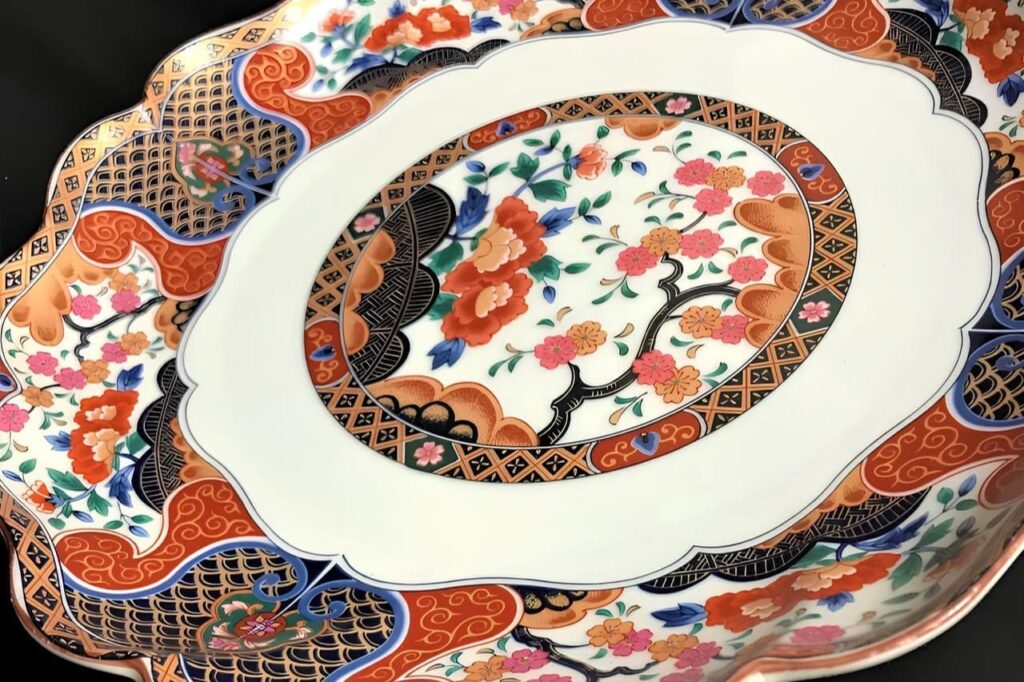
The history of Kutani ware dates back to the early 17th century.
According to historical records, production began around 1655 in the village of Kutani under the patronage of the Kaga Domain. The ceramics produced during this period are now known as “Ko-Kutani” (Old Kutani).
However, for reasons that remain unclear, production suddenly ceased after only a few decades.
More than a century later, Kutani ware was revived during the Edo period. Skilled artisans developed new painting techniques and decorative styles, helping the craft flourish once again.
Over time, Kutani ware gained a reputation for its artistic excellence and became one of Japan’s most respected ceramic traditions.
Today, it is recognized as an important part of Japan’s cultural heritage and continues to be produced by master craftsmen.
Why Is Kutani Ware So Colorful?
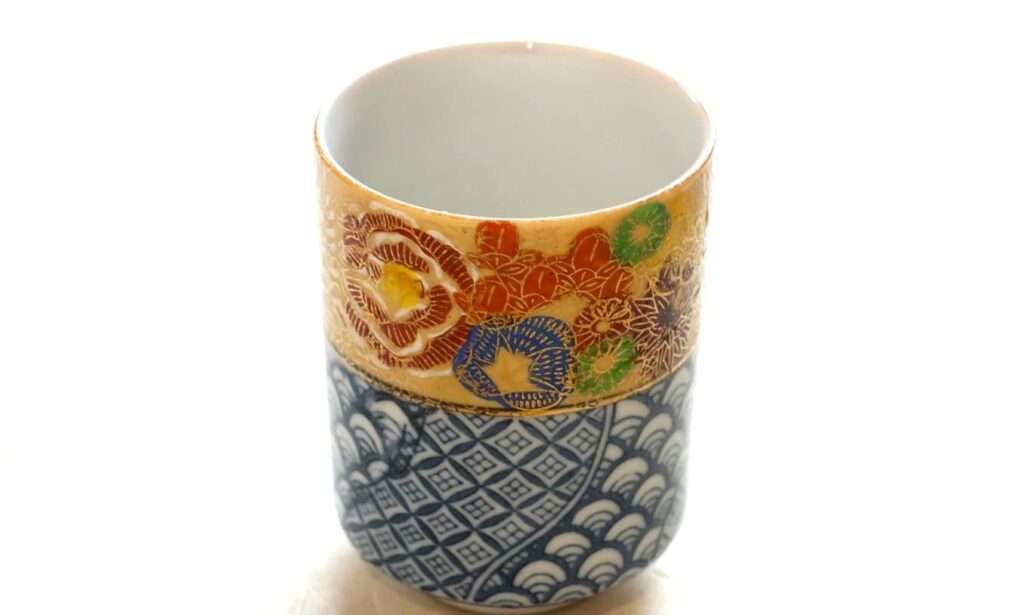
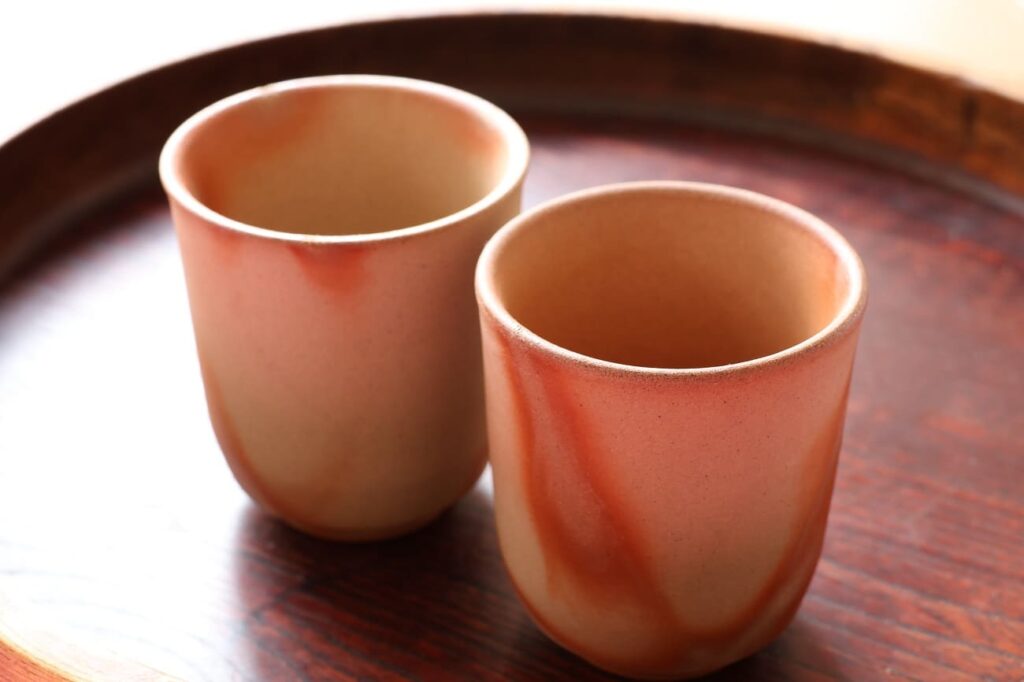
One of the most distinctive features of Kutani ware is its extraordinary use of color.
Many Japanese pottery styles emphasize simplicity and natural textures. Kutani ware takes a different approach.
Artisans carefully apply colorful overglaze enamels after the initial firing process. The pieces are then fired again, allowing the colors to fuse permanently with the surface.
This technique creates vivid designs that remain brilliant for generations.
The result is pottery that feels almost like a painting on ceramic.

Simple pottery has its own charm, but the vibrant colors of Kutani ware are truly breathtaking. They instantly catch your eye!

I see.
The Five Signature Kutani Colors
Traditional Kutani ware is especially known for a palette called “Kutani Gosai,” meaning “the five Kutani colors.”
Green
Green symbolizes nature, vitality, and growth. It is often used in landscapes and floral designs.
Yellow
Yellow adds warmth and brightness, helping create the lively appearance for which Kutani ware is famous.
Purple
Purple has long been associated with elegance and nobility in Japanese culture.
Dark Blue
Dark blue provides depth and contrast, balancing the brighter colors.
Red
Red is perhaps the most striking color in many Kutani pieces. It conveys energy, celebration, and visual impact.
Together, these five colors create the dramatic and luxurious aesthetic that makes Kutani ware unique.
Common Kutani Ware Motifs
The decorative designs found on Kutani ware often reflect traditional Japanese aesthetics and symbolism.
Popular motifs include:
Flowers
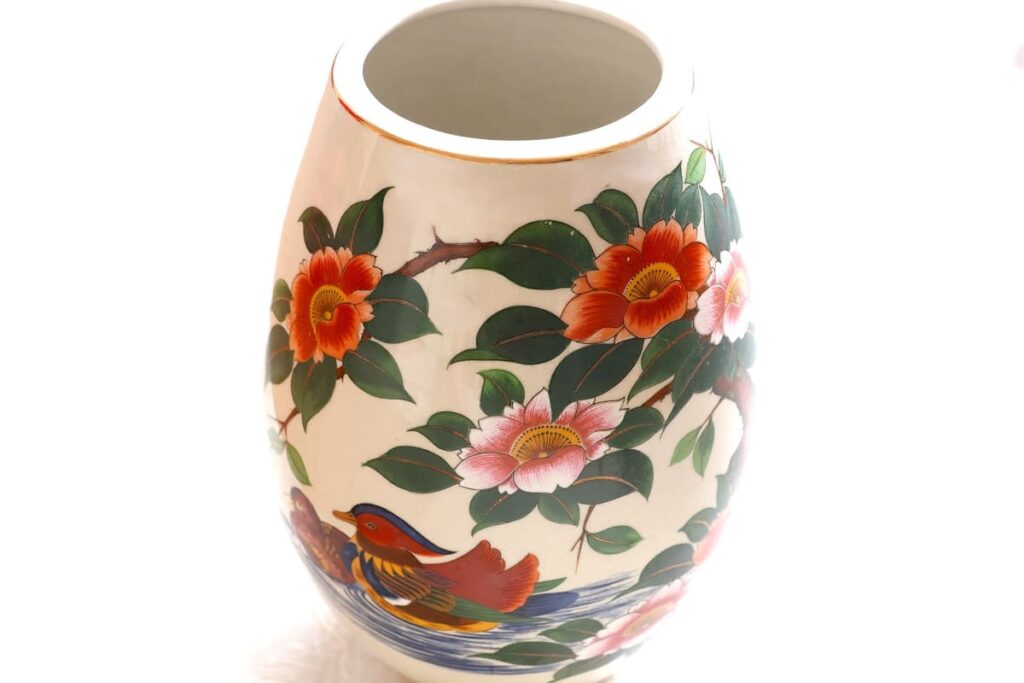
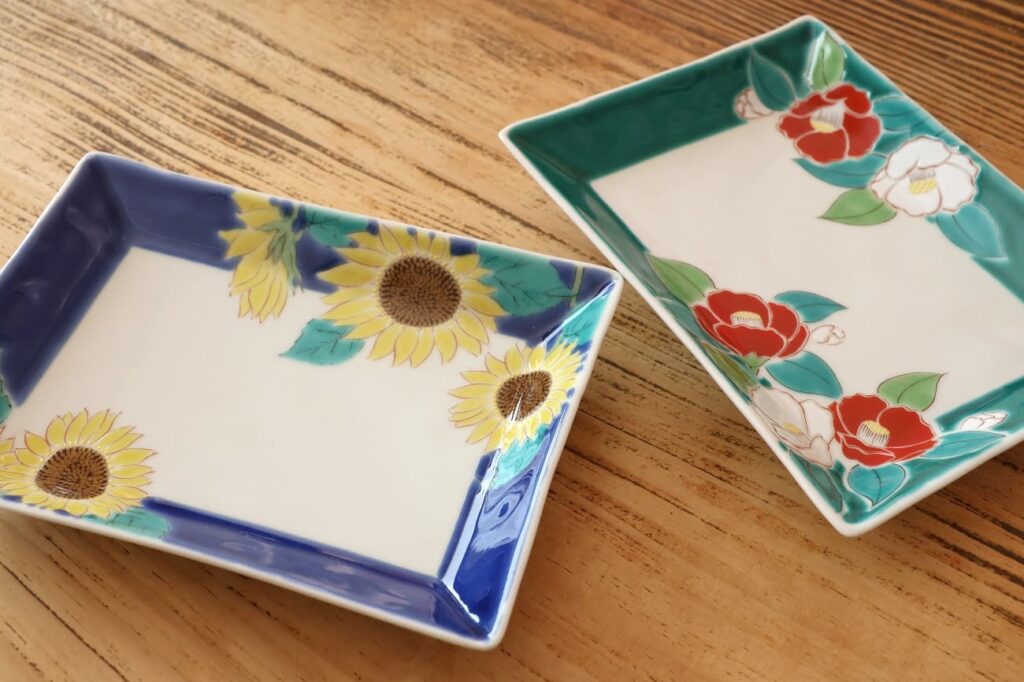
Peonies, chrysanthemums, plum blossoms, and cherry blossoms frequently appear in Kutani designs.
Birds
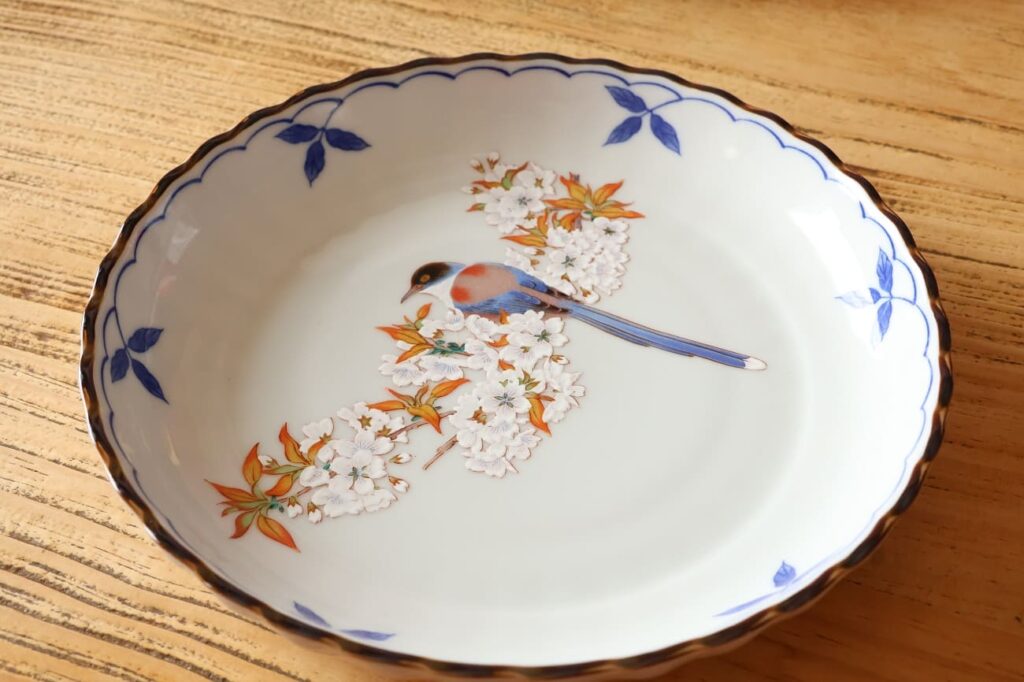

Peacocks, cranes, and other birds symbolize beauty, longevity, and good fortune.

I can never resist tableware decorated with birds. Whenever I see one, I immediately want it!
Good…
Landscapes

Many pieces feature mountains, rivers, gardens, and seasonal scenery inspired by Japan’s natural beauty.
Geometric Patterns
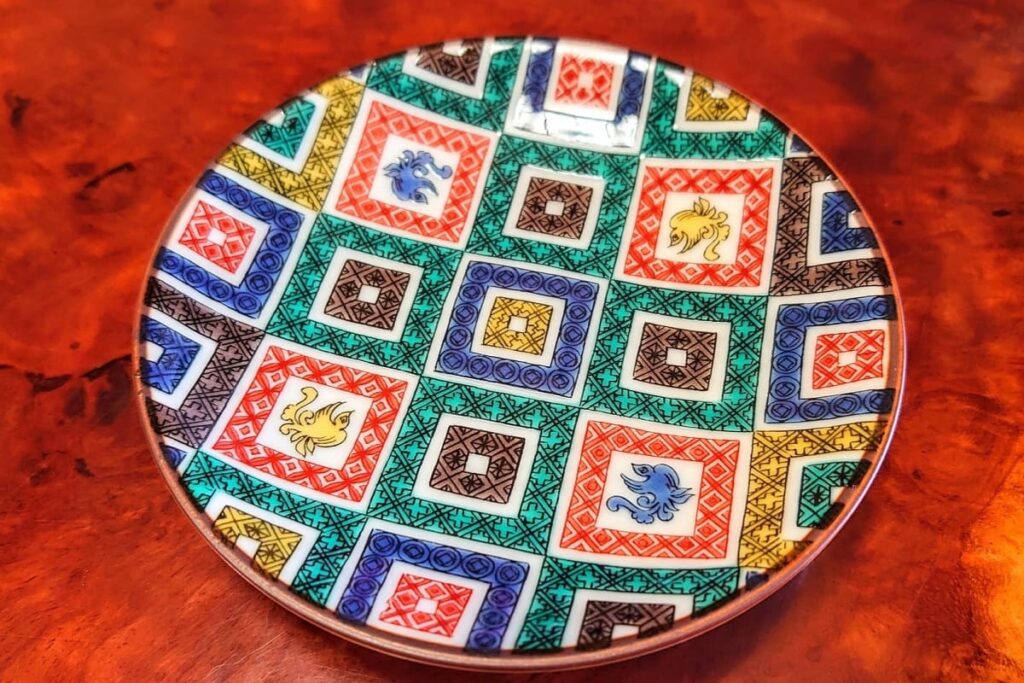
Traditional patterns are often combined with natural motifs to create visually rich compositions.
These detailed decorations are one reason why many collectors view Kutani ware as both functional pottery and fine art.
How Kutani Ware Is Made
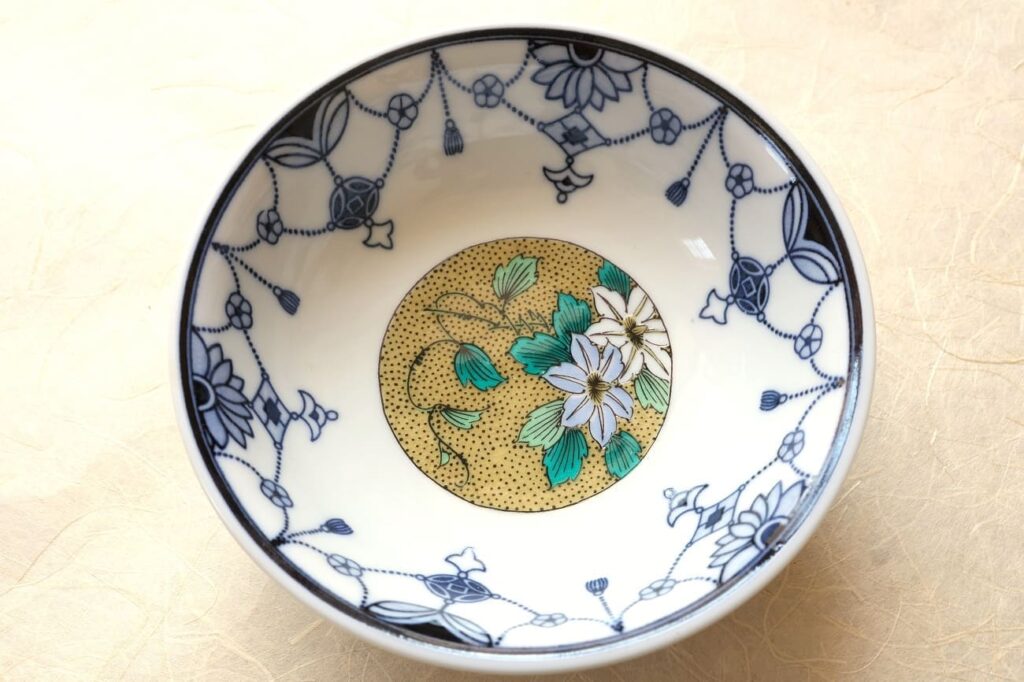
Creating Kutani ware requires patience and exceptional skill.
The process generally includes:
- Shaping the clay
- First firing
- Applying a white glaze
- Second firing
- Hand-painting intricate designs
- Applying colorful overglaze enamels
- Final firing
Because much of the decoration is painted by hand, no two pieces are exactly alike.
This individuality is part of the charm that attracts collectors and pottery enthusiasts.
My Favorite Thing About Kutani Ware
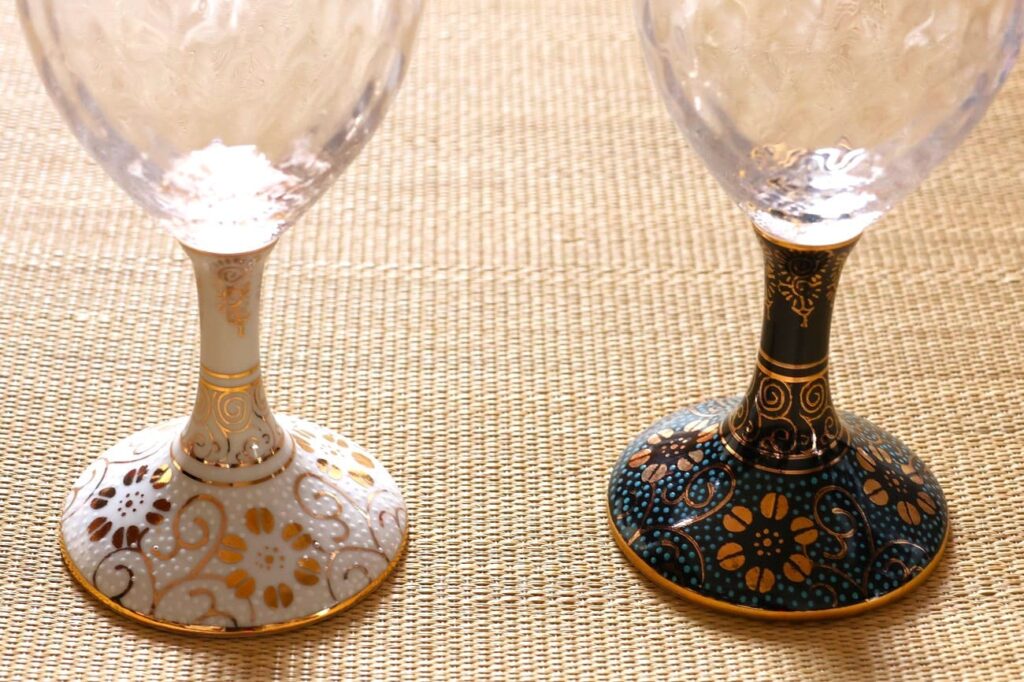
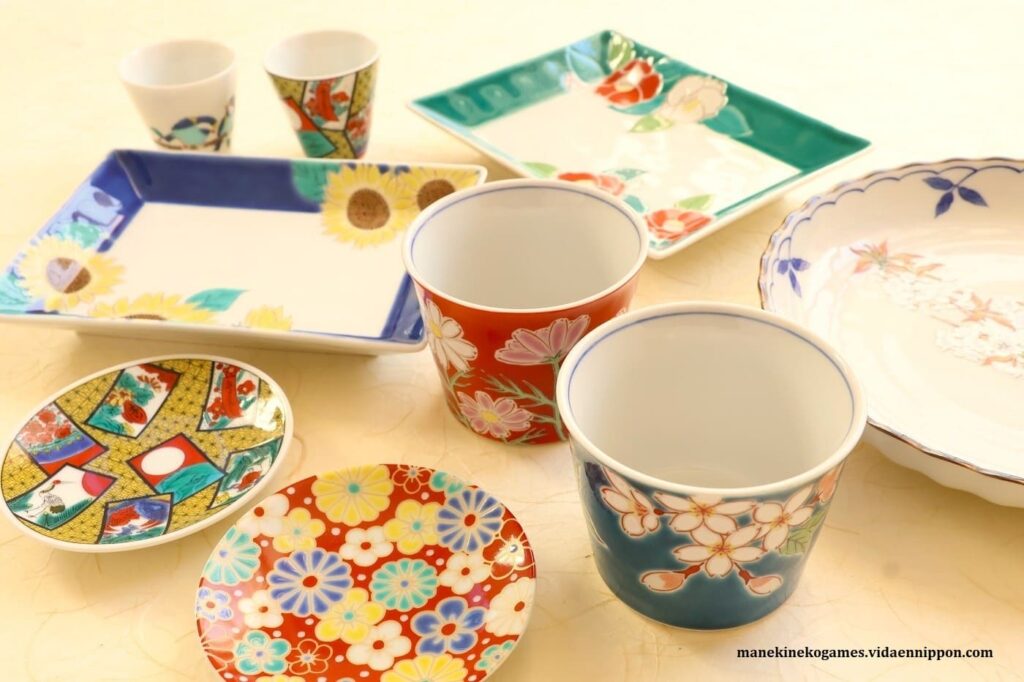
I’ve always loved Kutani ware, and over the years I’ve collected various pieces, including small plates, teacups, soba cups, sake cups, and even a vase.
What attracts me most is the artwork. Many Kutani pieces are decorated with intricate designs that remind me of traditional Japanese kimono patterns. The level of detail is astonishing, and I often find myself admiring a piece long after I’ve finished using it.
Another reason I love Kutani ware is its incredible variety. Some pieces feature classic motifs and traditional patterns, while others are modern, minimalist, or even playful and cute. No matter your personal taste, there is usually a Kutani design that feels just right.
Of course, the colors are unforgettable. The vivid reds, greens, yellows, blues, and purples give Kutani ware a unique presence. Sometimes I display my favorite pieces simply because I enjoy looking at them.
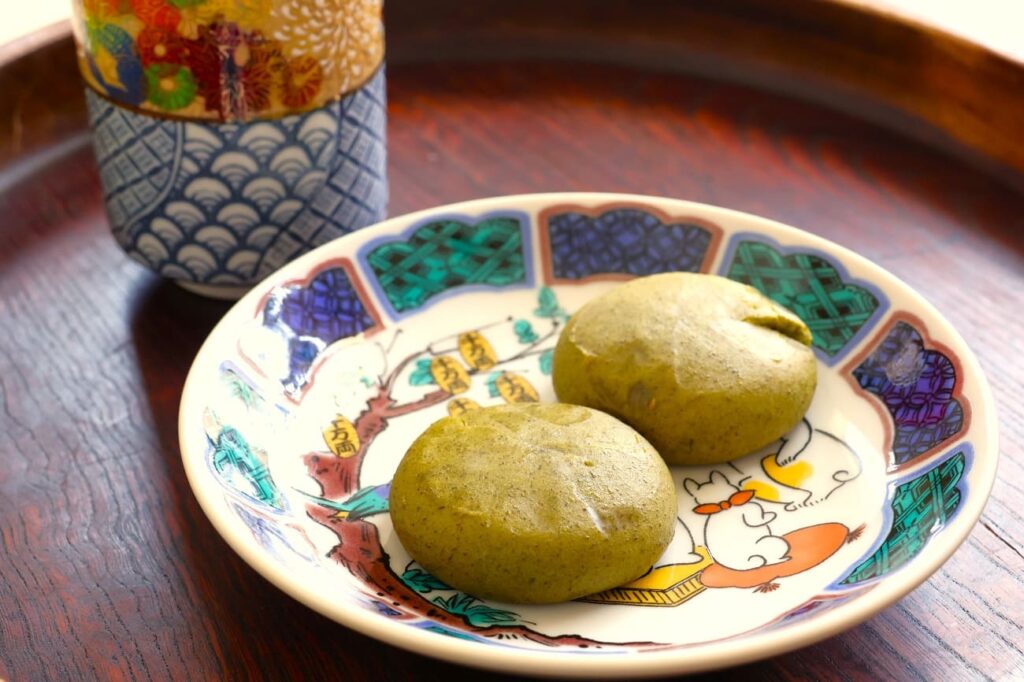
What surprises many people is how practical Kutani ware can be. It isn’t just beautiful—it feels comfortable in the hand and works wonderfully for everyday use.
I also love how it transforms even the simplest meal. A few beans, some pickles, or a small side dish can suddenly look elegant when served on a Kutani plate. The table instantly feels brighter and more festive.
For me, Kutani ware is more than tableware. It brings color, beauty, and a sense of joy to everyday life.
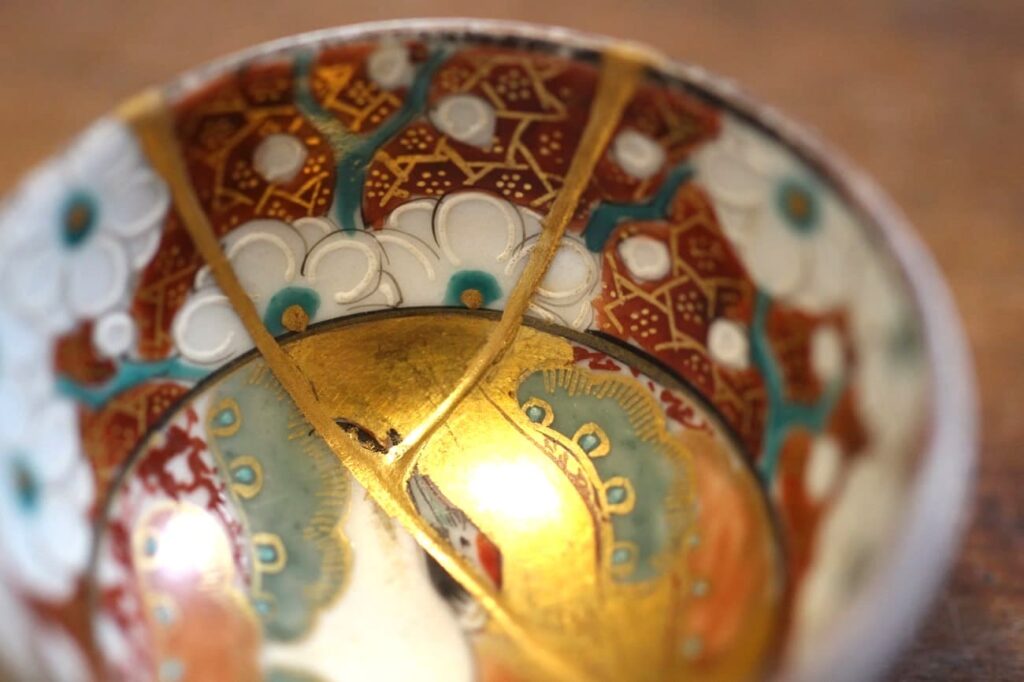
And if one of my favorite pieces were ever to break, I wouldn’t want to throw it away. I would rather repair it through kintsugi, the traditional Japanese art of mending broken pottery with lacquer and gold, and continue using it for years to come.
That’s how much I love Kutani ware.
My Favorite Kutani Ware Pieces
Over the years, I’ve collected many different Kutani ware items. While every piece has its own charm, these are the ones I find myself reaching for most often.
If you’re interested in Kutani ware, I recommend starting with a small plate or teacup. They’re beautiful, practical, and an easy way to bring a little piece of Japanese craftsmanship into your daily life.
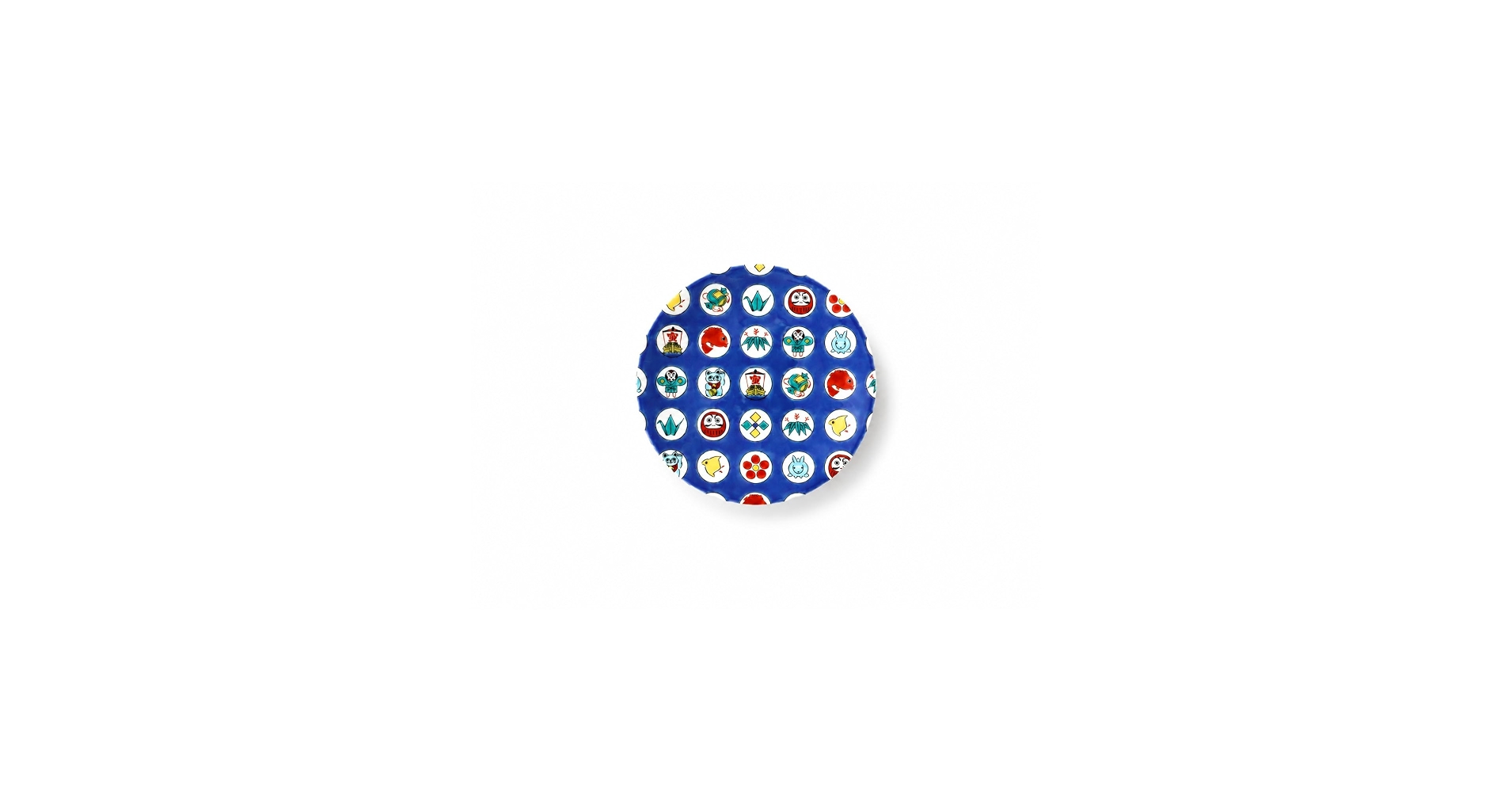
Mamezara (Small Plates)

If I had to choose just one type of Kutani ware, it would probably be mamezara.
My first Kutani ware piece was a mamezara, and I was completely captivated by it.
These small plates are perfect for serving sweets, pickles, nuts, or small side dishes. Even a simple snack feels a little more special when served on a beautifully decorated Kutani plate.

Soba Choko (Soba Cups)
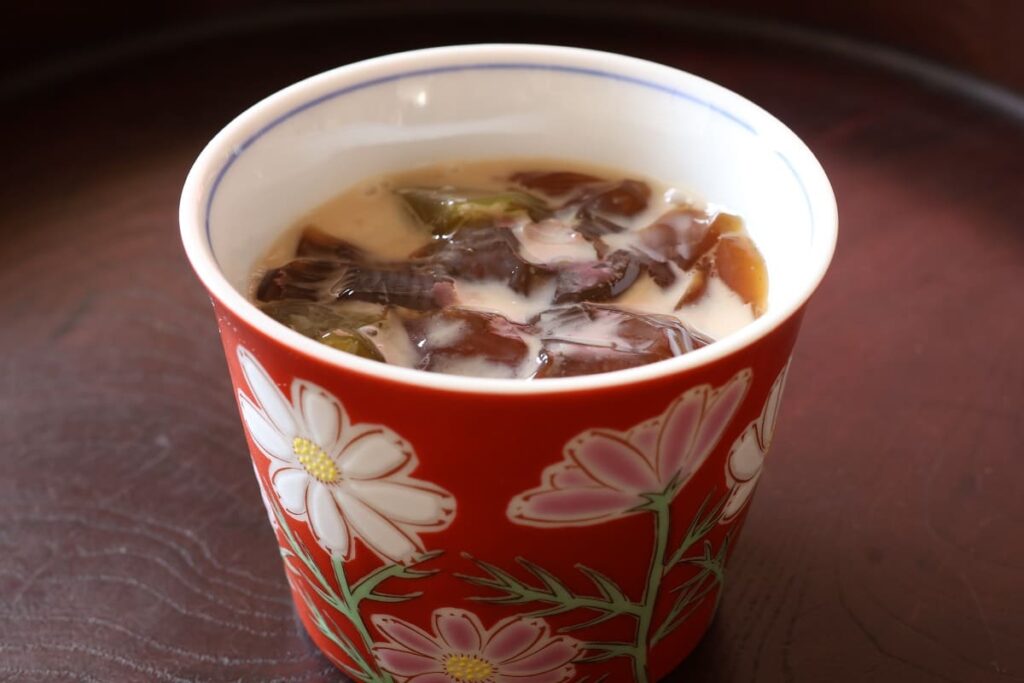
Originally designed for dipping sauce, soba cups are surprisingly versatile.
I use them for tea, desserts, yogurt, and sometimes even as small flower vases. Their size makes them one of the most practical Kutani ware items for everyday life.
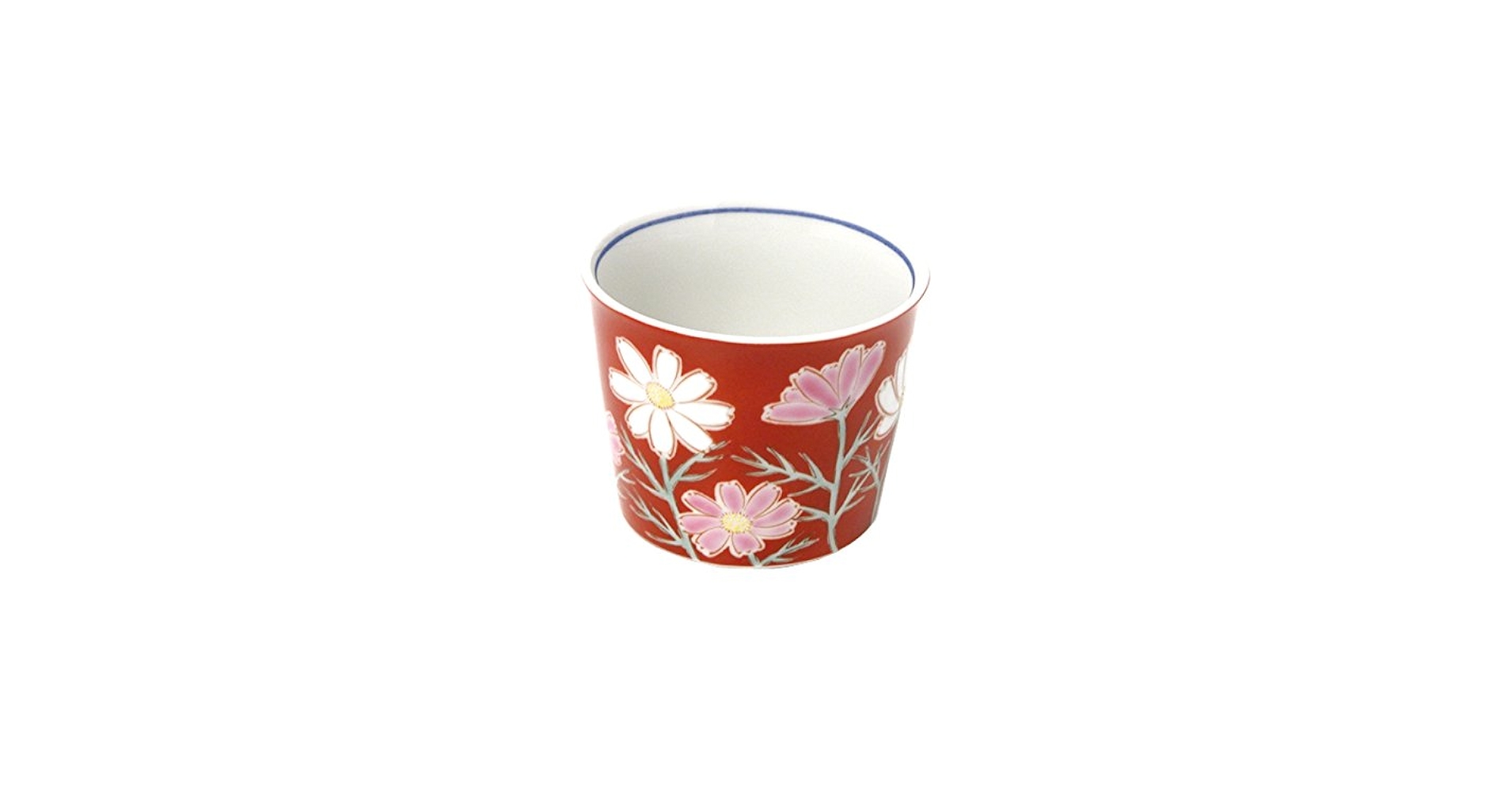


Soba choko cups were originally designed for dipping sauce served with soba noodles, but they’re surprisingly versatile. I use mine for amazake, kuzu-yu, zenzai, and even jelly desserts. They’re also the perfect size for serving a Japanese-style parfait!
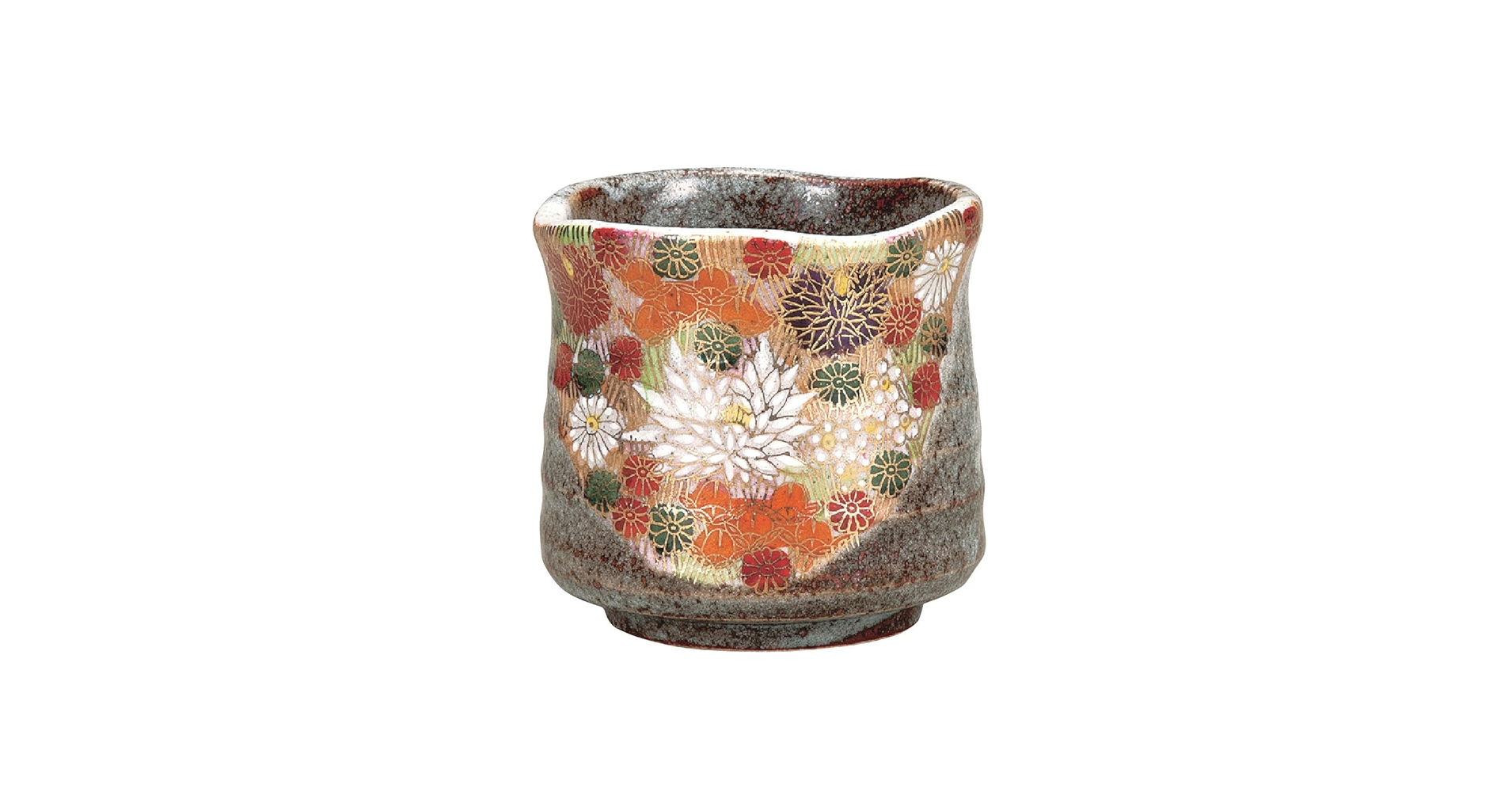
Yunomi Teacups
A Kutani yunomi is one of the easiest ways to enjoy traditional Japanese craftsmanship every day.
Whether you’re drinking green tea, roasted barley tea, or coffee, a beautifully painted cup can make an ordinary moment feel special.

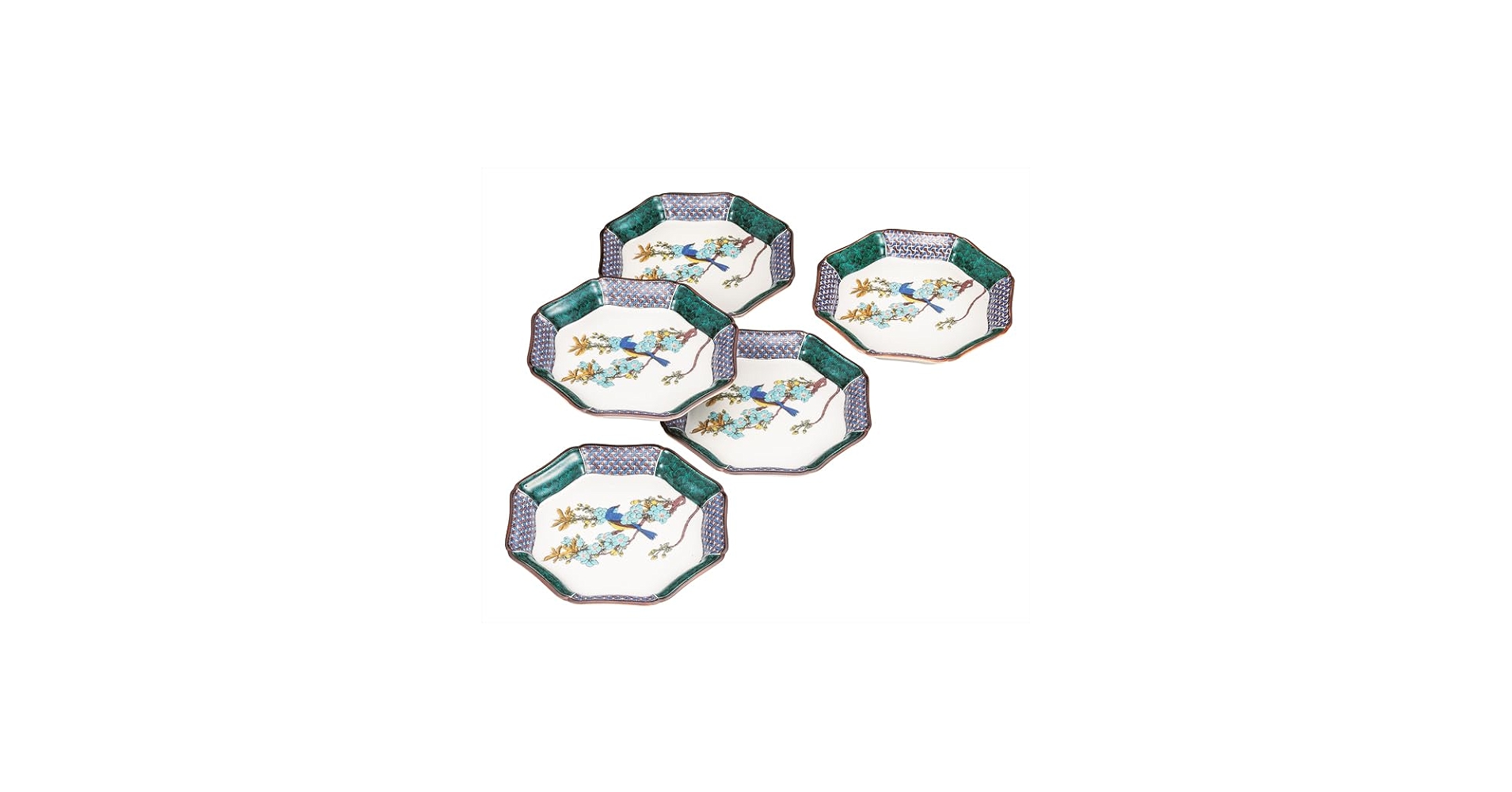
Medium Plates
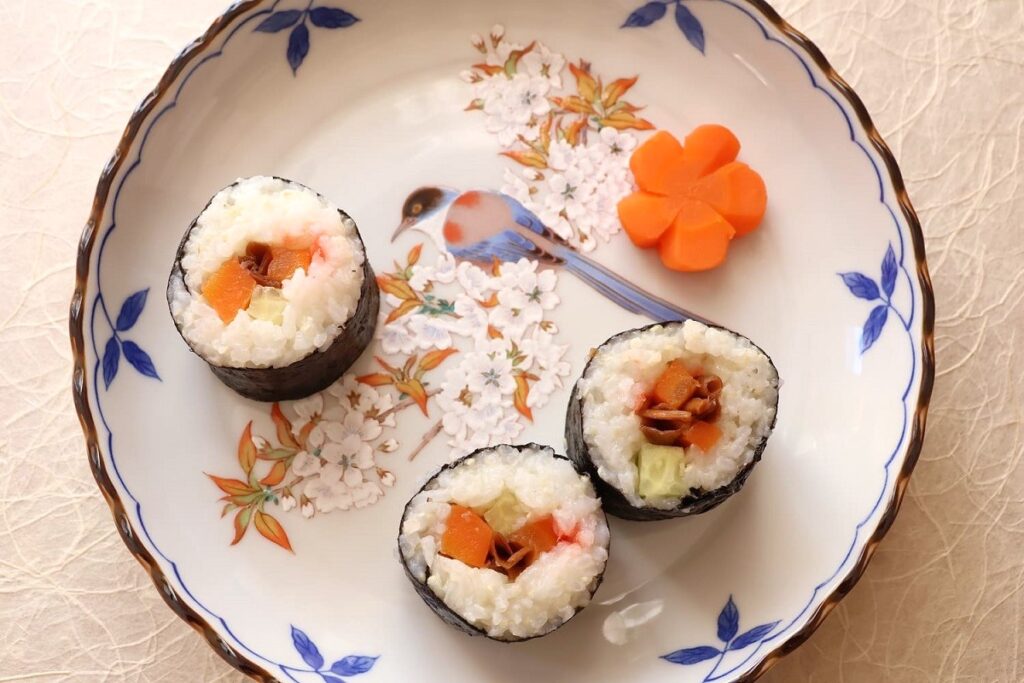
While I love small plates, medium-sized Kutani ware plates are probably the most versatile pieces in my collection.
They are perfect for serving desserts, sandwiches, salads, fruit, or small main dishes. A beautifully decorated Kutani plate can instantly elevate a meal and make even simple food look more elegant.
One of the things I appreciate most is that these plates are both practical and decorative. When not in use, they can be displayed like works of art thanks to their vibrant colors and intricate designs.
If you’re looking for your first piece of Kutani ware, a medium-sized plate is a wonderful place to start.

Medium-sized plates are some of the most versatile pieces I own. They work beautifully for traditional Japanese meals, but they’re just as charming when serving pasta or other Western dishes.

You are so talkative today!
Why Is Kutani Ware Popular Around the World?
Kutani ware appeals to international audiences for several reasons.
First, its vivid colors stand out from many other ceramic traditions.
Second, the craftsmanship reflects centuries of Japanese artistic heritage.
Third, Kutani ware is highly versatile. Some people use it daily for tea or meals, while others display it as decorative artwork.
Its combination of beauty, functionality, and cultural significance makes it attractive to both casual buyers and serious collectors.
As interest in Japanese culture continues to grow worldwide, Kutani ware remains one of the most admired forms of Japanese pottery.
Final Thoughts about Kutani ware
Kutani ware is far more than colorful pottery.
It represents centuries of artistic tradition, skilled craftsmanship, and a uniquely Japanese approach to beauty and design.
Whether you’re enjoying tea from a Kutani cup, serving food on a painted plate, or simply admiring a decorative vase, each piece tells a story through its vibrant colors and intricate details.
If you’re looking to explore the world of Japanese ceramics, Kutani ware is one of the most beautiful places to begin.


Comments