







“Is it okay for foreigners to wear yukata in Japan?”
If you’ve ever wondered this, you’re not alone. Many visitors are interested in trying on a yukata during summer festivals or while staying at a traditional inn—but worry about doing something wrong.
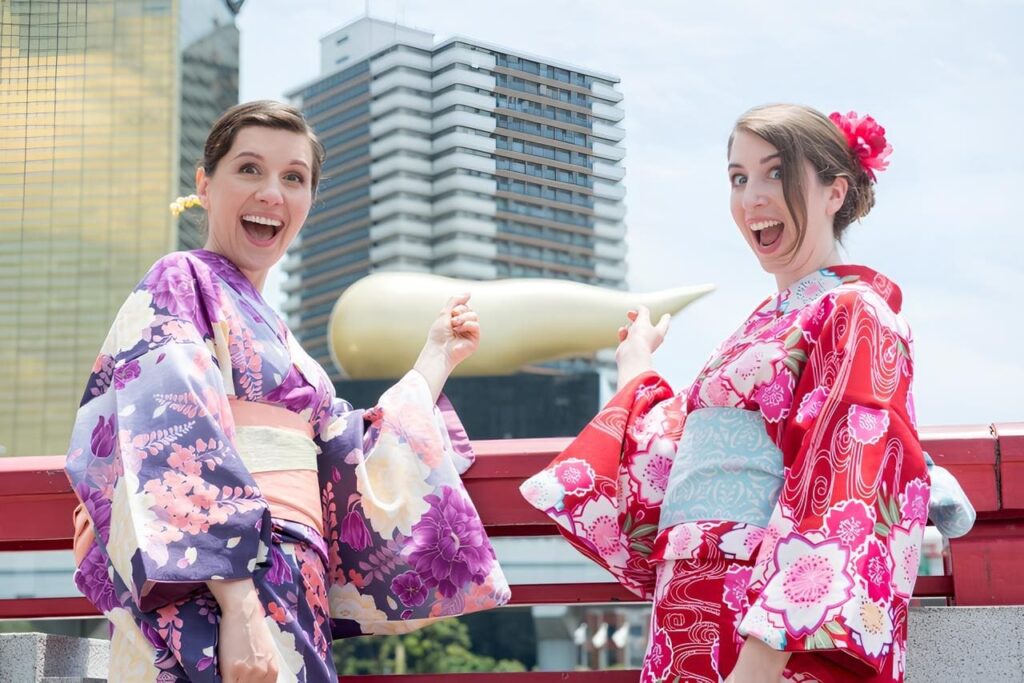
The good news is: yes, foreigners are absolutely welcome to wear yukata.
In fact, many Japanese people appreciate it when visitors show interest in their culture. The key is simple—just follow a few basic etiquette rules and wear it with respect.
This guide will walk you through everything you need to know, including common mistakes to avoid and tips to help you feel comfortable and confident.
Can Foreigners Wear Yukata?
Yes, absolutely.
Yukata are casual summer garments, and they are widely worn at festivals, fireworks events, and traditional inns. Unlike formal kimono, there are fewer strict rules.
As long as you wear it properly and respectfully, you’ll likely receive positive reactions.
Many Japanese people actually appreciate it when visitors show interest in their culture.

Seeing foreigners wearing yukata makes me really happy—it feels like they’re truly enjoying Japanese culture.
Basic Yukata Etiquette You Should Know
If you’re new to yukata, check out our complete beginner’s guide here →

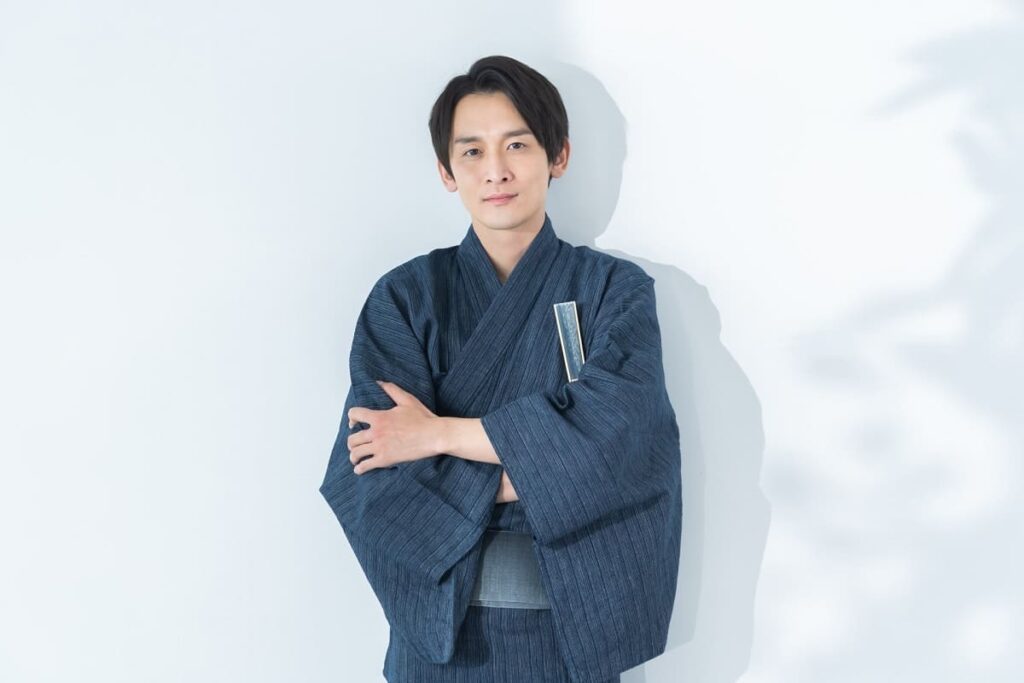
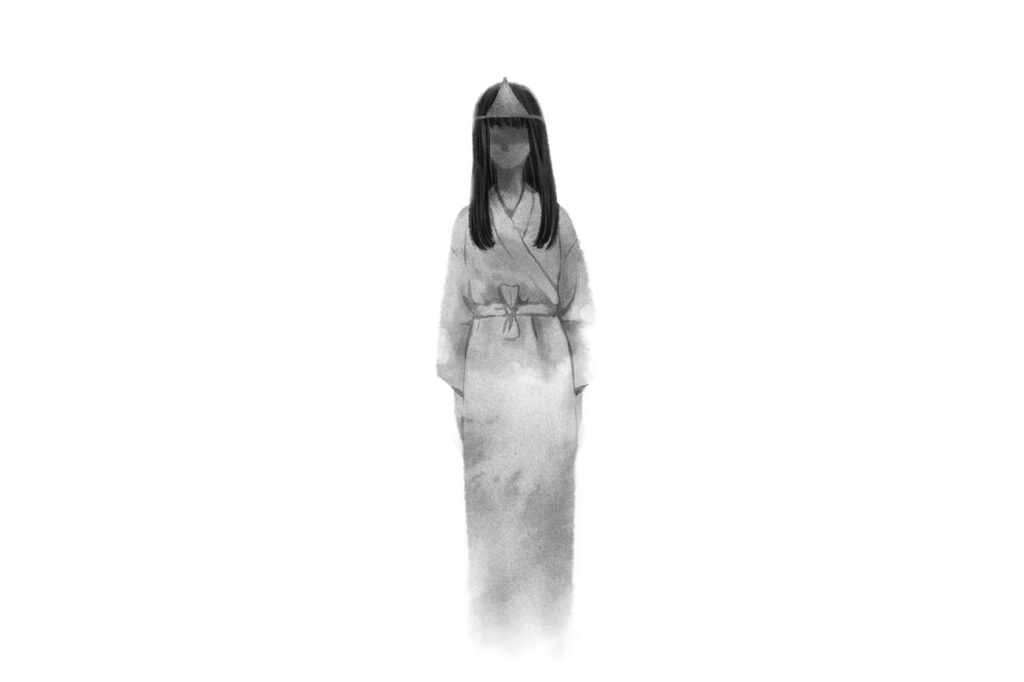
Always Wrap Left Over Right
This is the most important rule.
Always wrap the left side over the right. The opposite style (right over left) is used only for dressing the deceased in funerals, so it should be avoided.
Keep It Neat and Proper
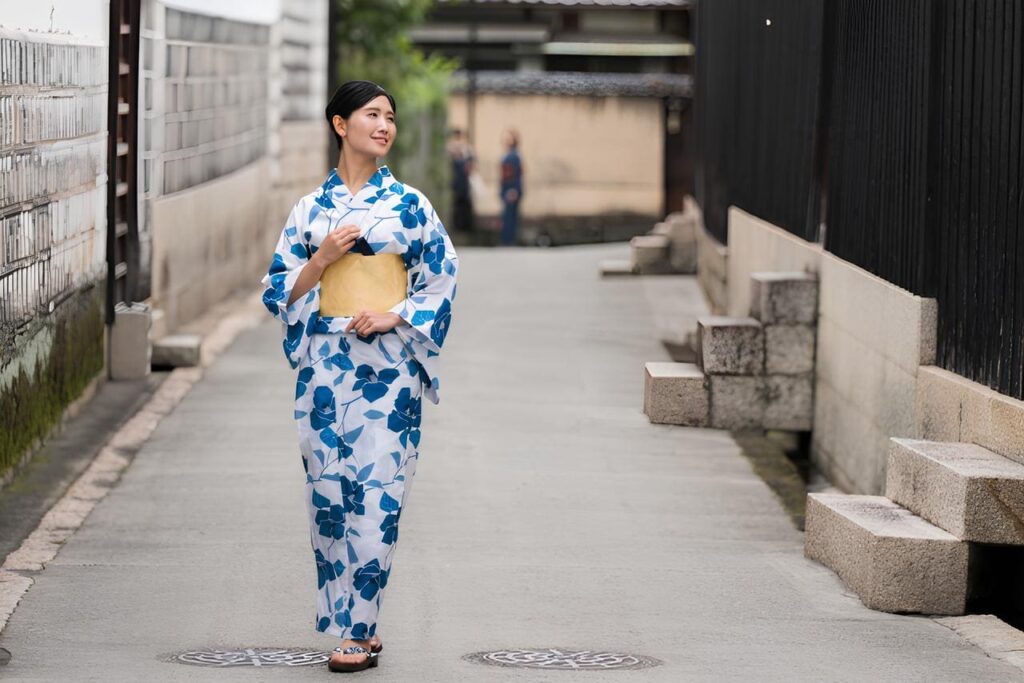
A yukata should look tidy and well-adjusted.
- Avoid letting it hang too loosely
- Make sure the length is appropriate (around the ankles)
- Tie the obi securely
A clean, simple look is always best.
Choose Appropriate Occasions
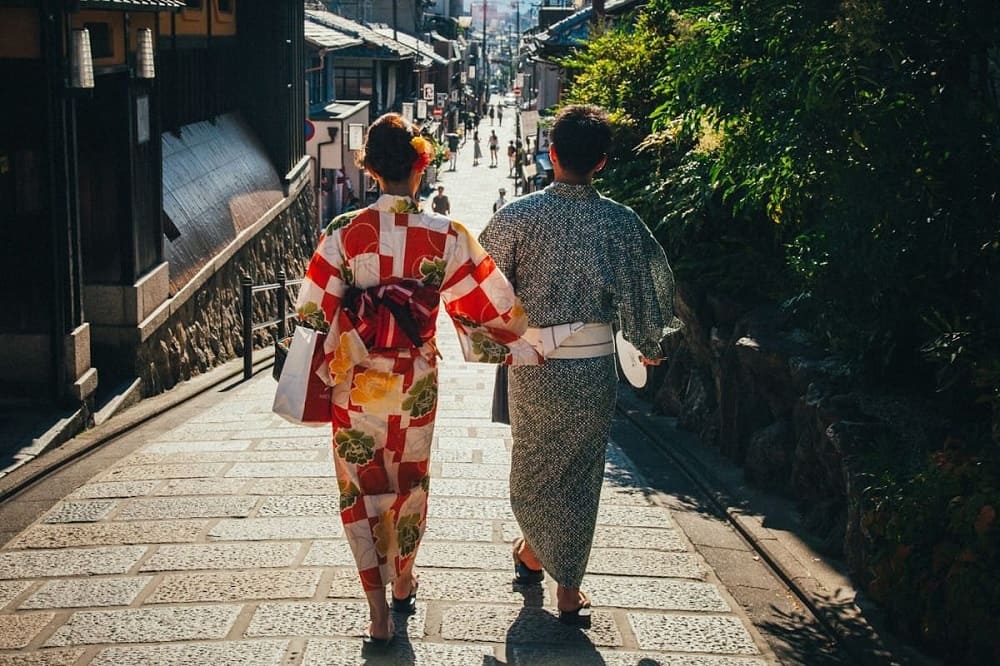
Yukata are meant for casual summer settings, such as:
- Summer festivals (matsuri)
- Fireworks events (hanabi)
- Staying at a ryokan
They are not suitable for formal events or ceremonies.

Looking for something more casual? Check out jinbei here →
Common Mistakes to Avoid
Even small details can make a big difference when wearing a yukata. Here are some common mistakes beginners should watch out for:
Walking with Large Steps
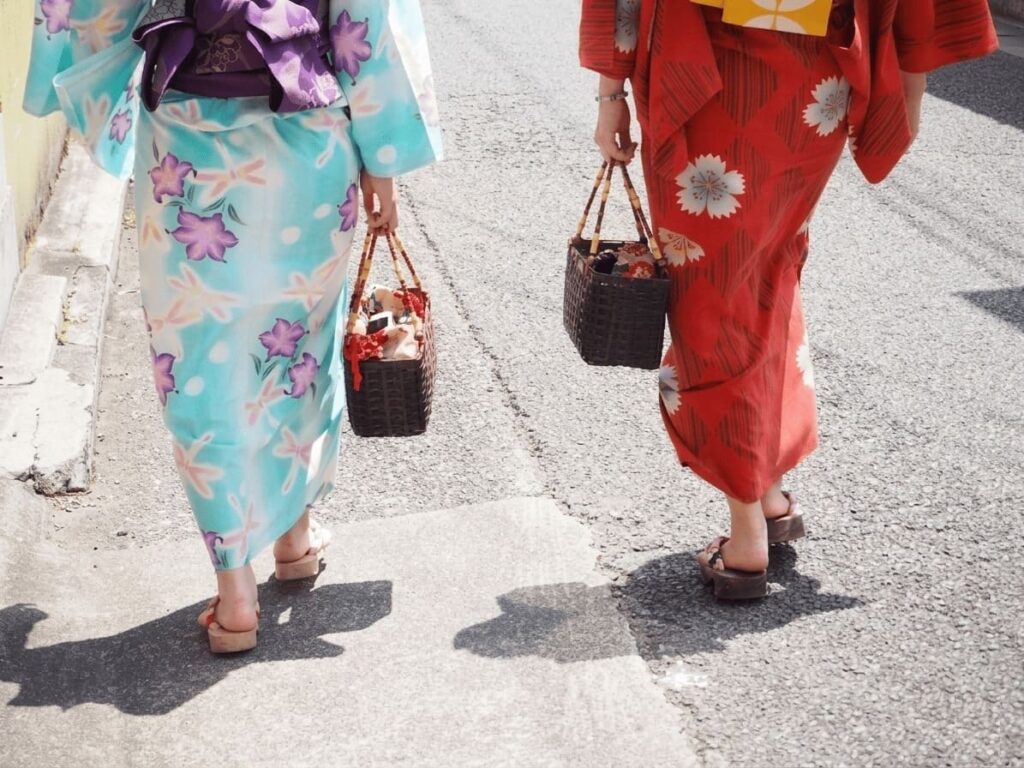
When wearing a yukata, avoid taking big strides.
Take smaller steps to keep the front properly closed.
Walking too widely can cause the fabric to open, making the outfit look untidy.

When going up or down stairs in a yukata, I usually turn my body slightly to the side or gently hold the front closed to keep it neat. Ufufu!
Rolling Up the Sleeves
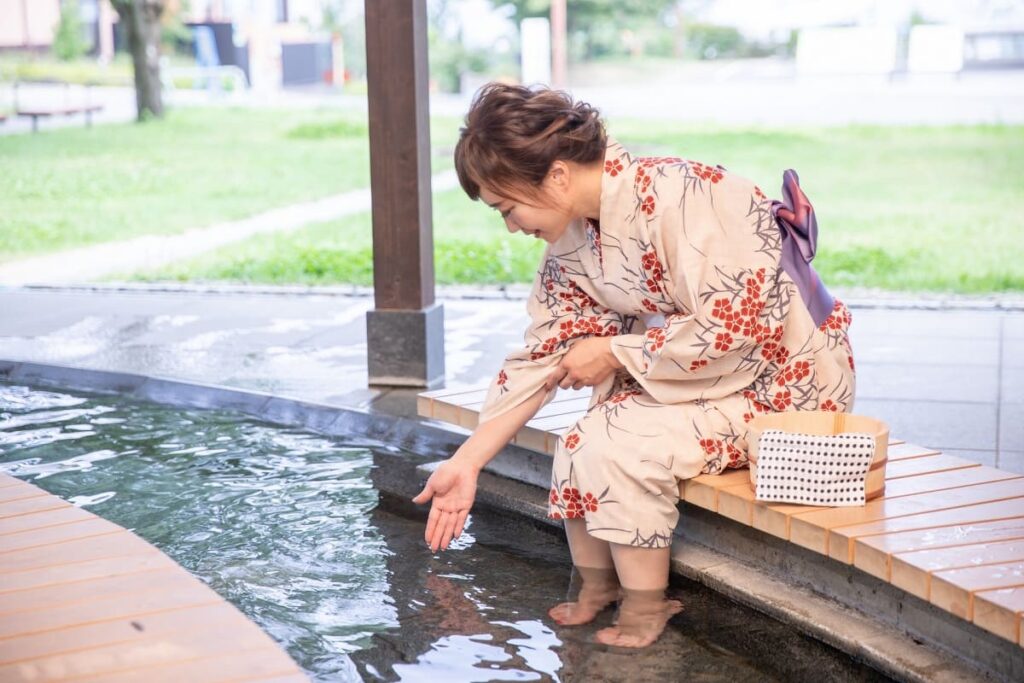
Avoid rolling up the sleeves or exposing too much skin.
In traditional Japanese clothing, unnecessary skin exposure is considered inappropriate.
If you need to raise your arms—such as when holding a train strap or adjusting your hair—it’s better to gently hold your sleeve in place with your other hand.
This is especially important for women, but it’s a good habit for anyone wearing a yukata.

One thing beginners often forget is their arms. When you stretch or raise them, gently holding your sleeve helps prevent your arms from being fully exposed.
Wrapping Right Over Left
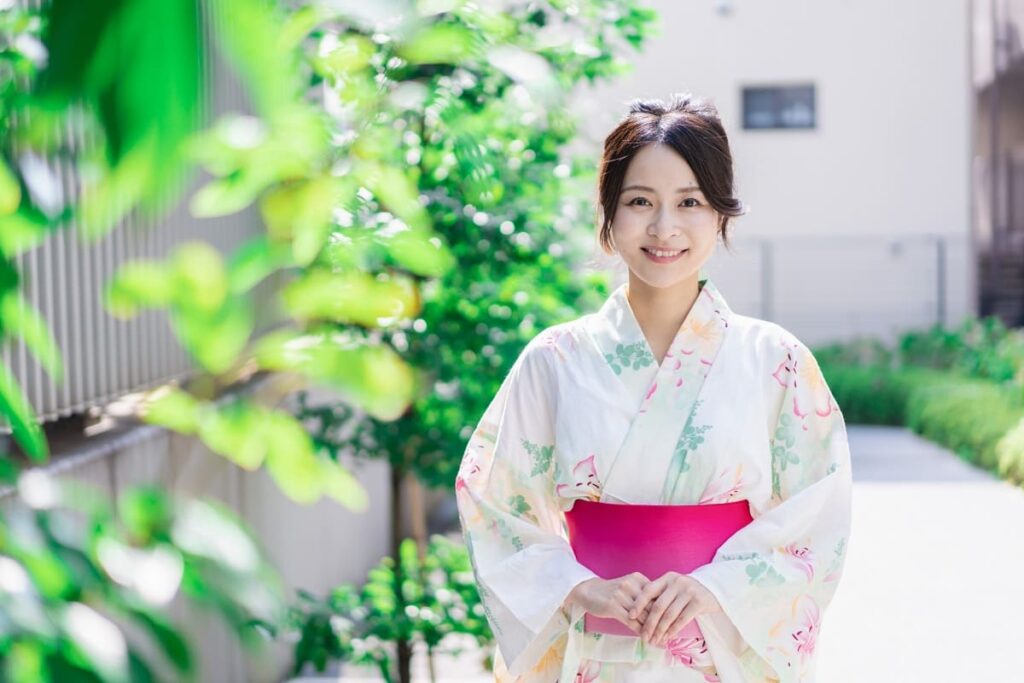
As mentioned earlier, this is a major cultural mistake. Always double-check before going out.
Wearing It Too Loosely
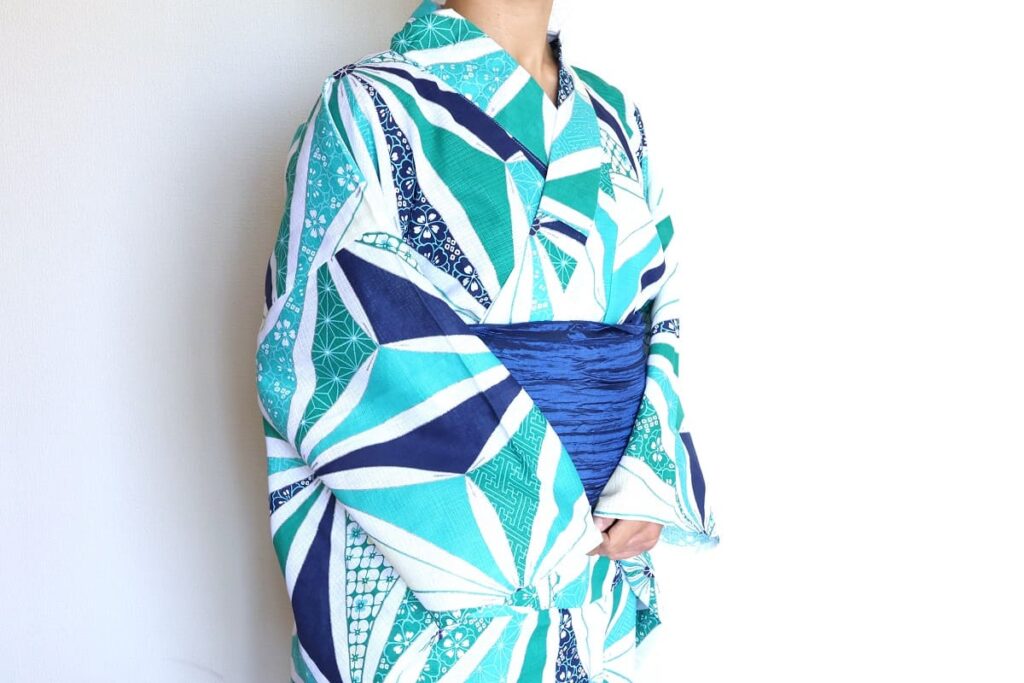
A loose or messy yukata can ruin the overall look. Take a moment to adjust it properly.
Is Wearing Yukata Cultural Appropriation?
This is a common concern, especially among international visitors.
The short answer is: No, wearing yukata is not considered cultural appropriation in Japan.
As long as it is worn respectfully, it is generally welcomed. In fact, many people feel happy seeing others enjoy Japanese traditions.
Don’t worry too much about being perfect—what matters most is showing respect and enjoying the experience.
Tips to Feel Comfortable in Yukata
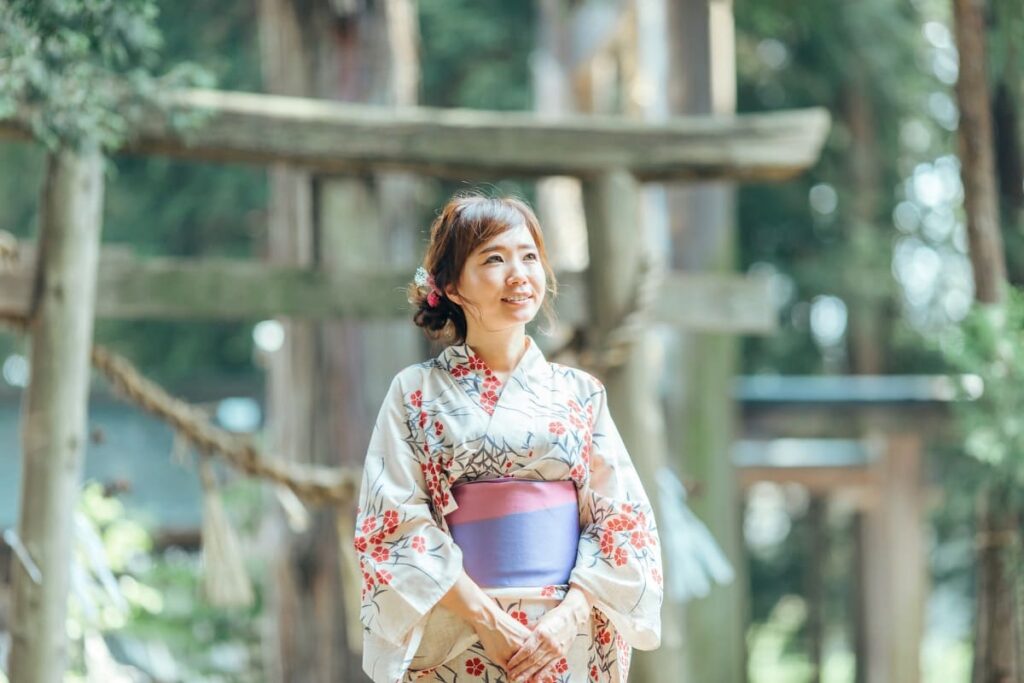
If you’re new to wearing yukata, here are some tips to help you feel more comfortable:
- Practice wearing it once before going out
- Choose lightweight, breathable fabric
- Walk with smaller steps for ease and elegance
- Start with a complete set to simplify the process
Recommended Yukata Sets for First-Time Visitors
If you’re trying yukata for the first time, a complete set is the easiest option.
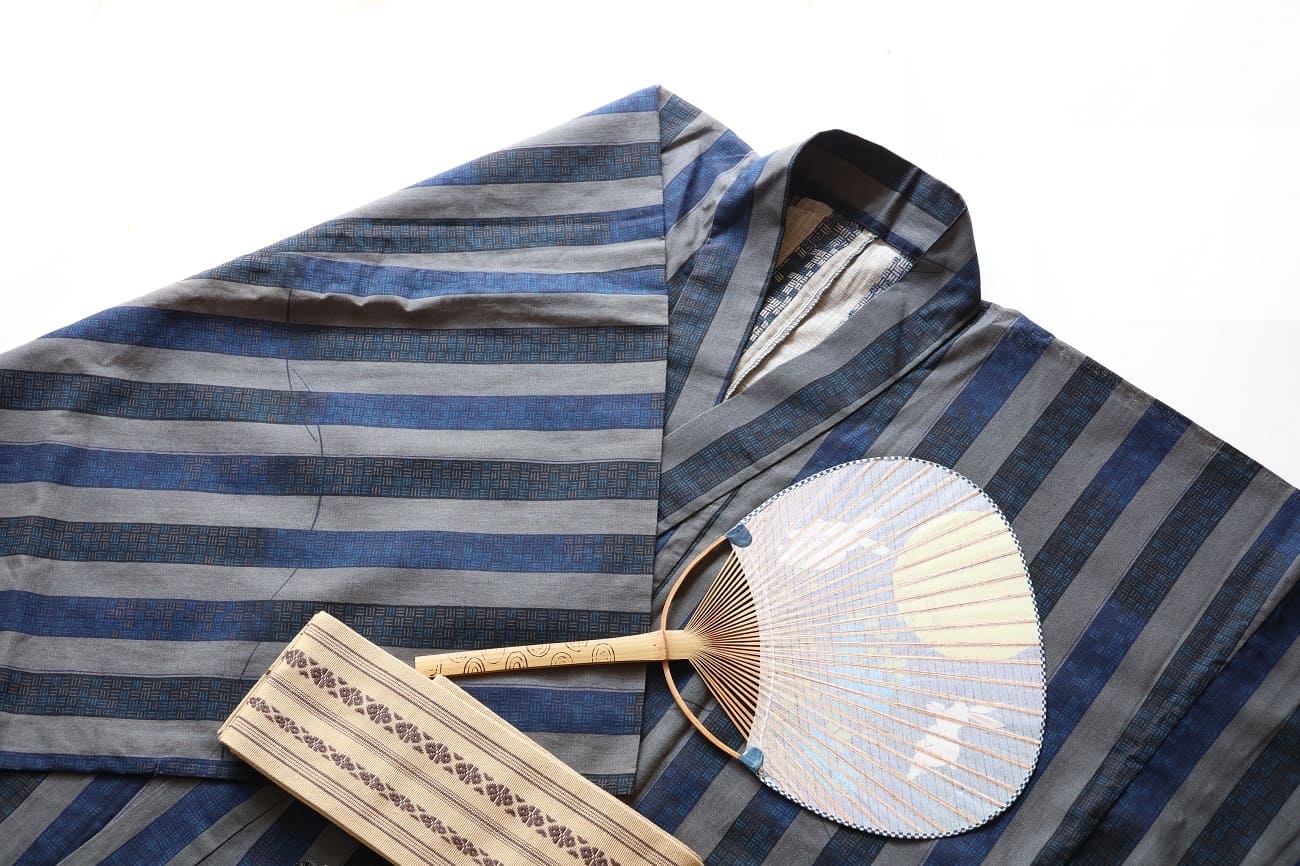
These usually include:
- Yukata robe
- Obi belt
- Geta sandals
This way, you don’t have to worry about matching items or missing anything.

Since it can be a hassle to buy a yukata, obi, and geta separately, I recommend getting a complete set.
👉 Ready to try a yukata? Get a beginner-friendly set here 👇
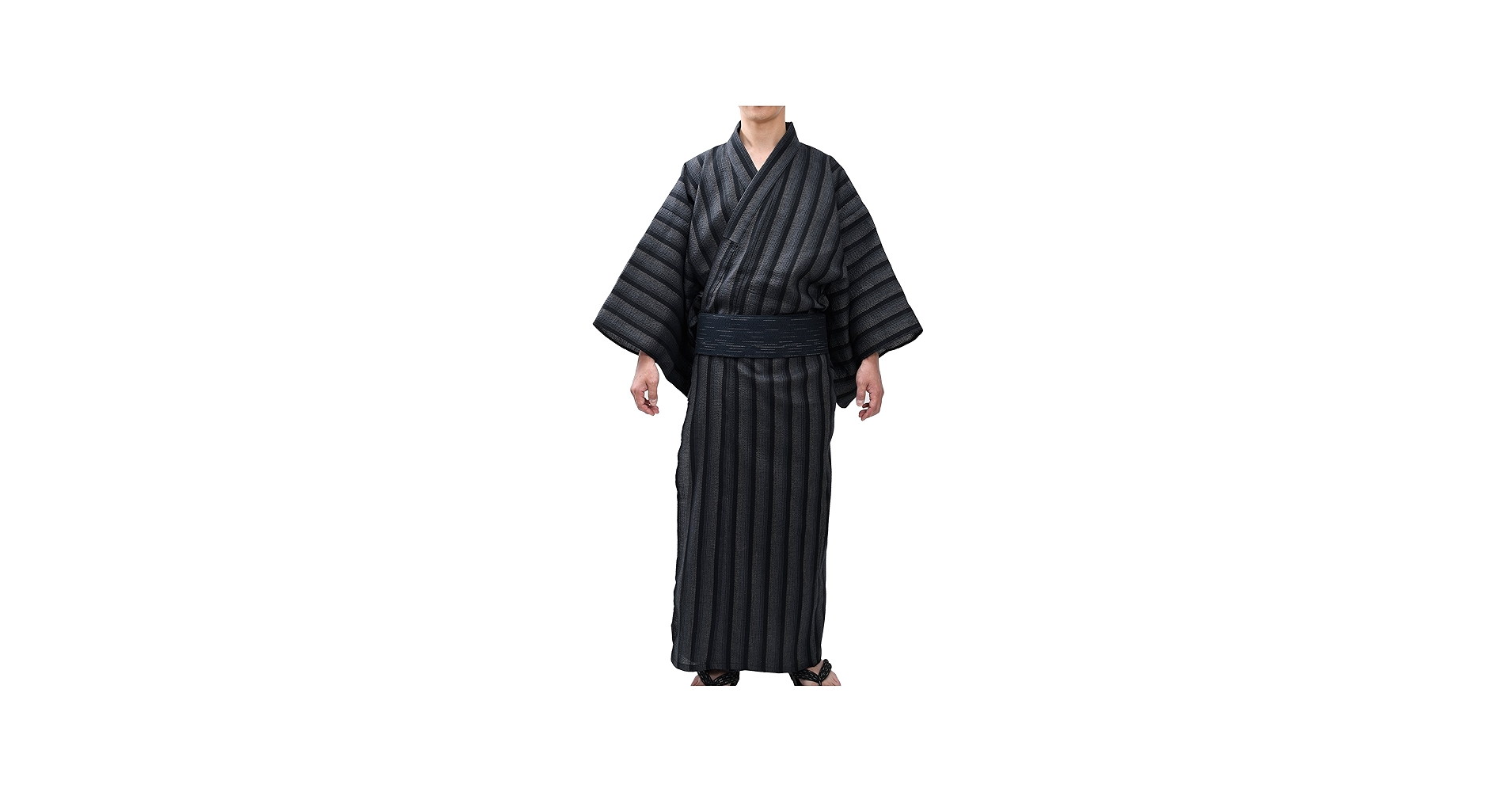


Some Japanese online shops also offer international shipping. One of my favorites is Kimonomachi—they have a great selection of beautiful yukata, so it’s definitely worth checking out!

Try Yukata Rental in Kyoto

If you’re visiting Japan and feel unsure about wearing a yukata by yourself, renting one in Kyoto is a fantastic option.
A popular choice among international visitors is Yumeyakata, a well-known kimono rental shop that offers a wide selection of yukata and professional dressing services.
One of the biggest advantages is that their website and services are available in multiple languages, making it easy for foreign travelers to book and enjoy the experience without stress.
Instead of worrying about how to wear a yukata properly, you can simply relax and let the staff take care of everything—from dressing to styling.

This is a great option if you want a hassle-free and authentic cultural experience in Japan.
FAQ about Yukata
- QIs it okay for foreigners to wear yukata in Japan?
- A
Yes, foreigners are welcome to wear yukata in Japan. It is a casual summer garment commonly worn at festivals, fireworks events, and ryokan. Wearing it respectfully is appreciated.
- QIs wearing yukata cultural appropriation?
- A
No, wearing yukata is not considered cultural appropriation in Japan. As long as it is worn with respect, it is generally welcomed.
- QWhat are common mistakes when wearing a yukata?
- A
Common mistakes include wrapping right over left, wearing it too loosely, walking with large steps, and exposing too much skin by rolling up sleeves.
- QWhat should you wear with a yukata?
- A
A typical yukata outfit includes an obi belt, geta sandals, and sometimes a kinchaku bag. Beginners are recommended to choose a complete set.
Final Thoughts about Yukata Etiquette
Wearing a yukata is more than just putting on traditional clothing—it’s about experiencing a unique part of Japanese summer culture.
Whether you’re attending a festival, watching fireworks, or simply exploring the streets, a yukata can make the moment feel even more special.
Even if you’re a beginner, don’t worry. With the right tips and a bit of practice—or even a ready-to-wear set—you can enjoy yukata with confidence.
So why not give it a try and make your summer in Japan truly unforgettable?
Best of all, you don’t need years of experience to get started. With a simple set and a bit of practice, anyone can enjoy this timeless summer tradition.

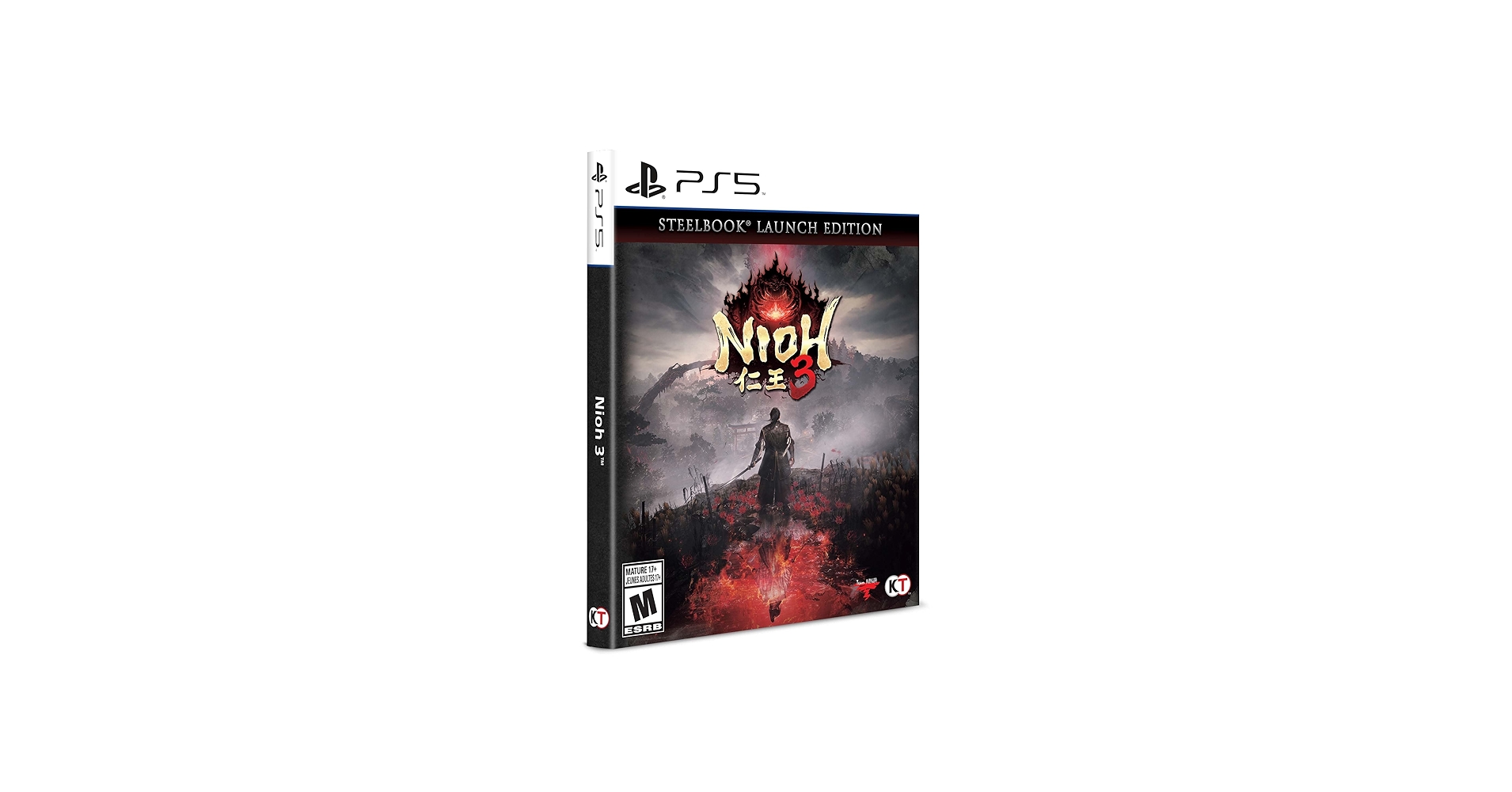
If you are interested in Japan, you may love this game!
Let’s play!

Yes! Let’s play!

Comments