













Have you ever noticed how a single word can instantly change your mood?
Across cultures and history, people have believed that words are more than sounds—they shape how we perceive reality itself.
In Japan, this idea is known as Kotodama, while in modern self-development, we often talk about Positive Affirmations.
Although their origins are very different, both share one essential belief:
The words you use shape your inner world—and your experience of life.
- What Is Kotodama?
- Words and Events Were Once the Same
- The Spiritual Power of Names
- Kotodama in Modern Culture: Spirited Away
- What Are Positive Affirmations?
- Why Words Affect Your Mood (Science Explains)
- How to Use Words More Effectively
- Kotodama vs. Positive Affirmations
- Recommended Reading and Tools
- Final Thoughts about Kotodama and affirmation
What Is Kotodama?

Kotodama (言霊) is an ancient Japanese concept that means “the spirit or soul of words.”
It is based on the belief that spoken words carry energy and directly influence reality.
As early as the 8th century, Japan was described as
“a land blessed by Kotodama.”
In this worldview:
- Positive words invite good fortune
- Careless or negative words may bring misfortune
Words were not just communication tools—they were seen as living forces.

In ancient Japan, words were treated with great care.
I guess people didn’t throw around harsh words so easily back then.
Words and Events Were Once the Same

In ancient Japanese language, the word “koto” meant both:
- 言 (spoken words)
- 事 (events or occurrences)
Speaking and reality were inseparable.
Because of this belief, people avoided speaking lightly.
Careless speech was called “kotoage”, meaning raising words, and was often discouraged.
To speak was to set reality in motion.
The Spiritual Power of Names

Names were believed to carry especially strong Kotodama.
In ancient Japan:
- A person’s true name (mana) was thought to contain their soul
- Revealing it meant entrusting one’s life
- Knowing someone’s true name meant having power over them
This is why people often used nicknames or titles instead of real names.
Kotodama in Modern Culture: Spirited Away


A famous modern example of Kotodama can be found in Studio Ghibli’s Spirited Away.
When Chihiro signs a contract with Yubaba:
- Her name “Chihiro” is taken
- She is renamed “Sen”
This is not just a nickname.
It symbolizes loss of identity and spiritual control.
Haku warns her:
“If you forget your name, you won’t be able to return home.”
Later, when Chihiro remembers Haku’s true name—
Nigihayami Kohakunushi—the spell binding him is broken.

If you haven’t seen Spirited Away yet, you should definitely check it out!
This reflects a classic Kotodama belief:
Correct words restore true identity.

What Are Positive Affirmations?

Positive Affirmations come from modern psychology and self-development.
They are:
- Positive statements repeated intentionally
- Used to reprogram the subconscious mind
Examples include:
- “I am capable.”
- “I am becoming more confident every day.”
Rather than spiritual energy, affirmations focus on:
- Brain function
- Habit formation
- Self-image
Why Words Affect Your Mood (Science Explains)
From a scientific and psychological perspective, words influence us in three key ways.
1. The Priming Effect

The brain looks for evidence that supports what you say.
- “Today is terrible” → the brain finds proof
- “Today feels promising” → small positives stand out
2. The Nervous System Response

- Negative words trigger stress responses and cortisol
- Positive words encourage serotonin and dopamine, helping you relax and feel motivated
3. Self-Image Reinforcement

You hear your own words more than anyone else’s.
Repeated self-talk becomes your identity:
- “I’m not good enough” reinforces limitation
- “I’m learning and improving” builds confidence

If my words are shaping how I see myself…
then I really want to change the way I speak to myself.


How to Use Words More Effectively

To make Kotodama or affirmations more effective, try these tips:
- Use present or progressive tense
“I am improving” instead of “I want to improve” - Add emotion
Feel the words instead of repeating them mechanically - Adjust if it feels fake
If “I am rich” feels unrealistic, try
“I am learning to receive abundance”
Kotodama vs. Positive Affirmations

- Kotodama honors the inherent power of words themselves
- Affirmations use words as tools to influence the brain
But both agree on one essential truth:
The language you use determines how you interpret your world.

Both Kotodama and affirmations are so fascinating.
I want to learn more and more about them.
Recommended Reading and Tools
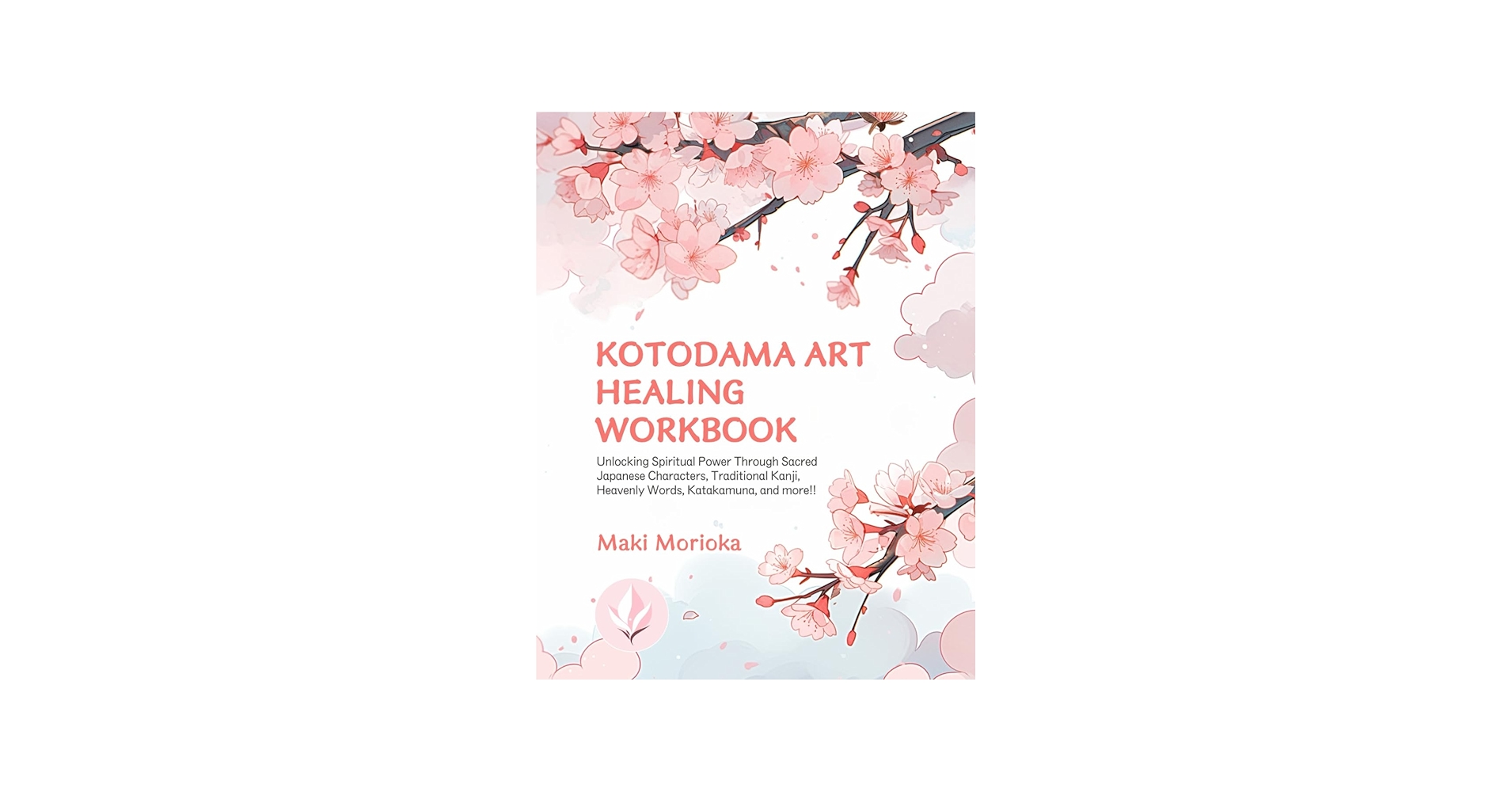
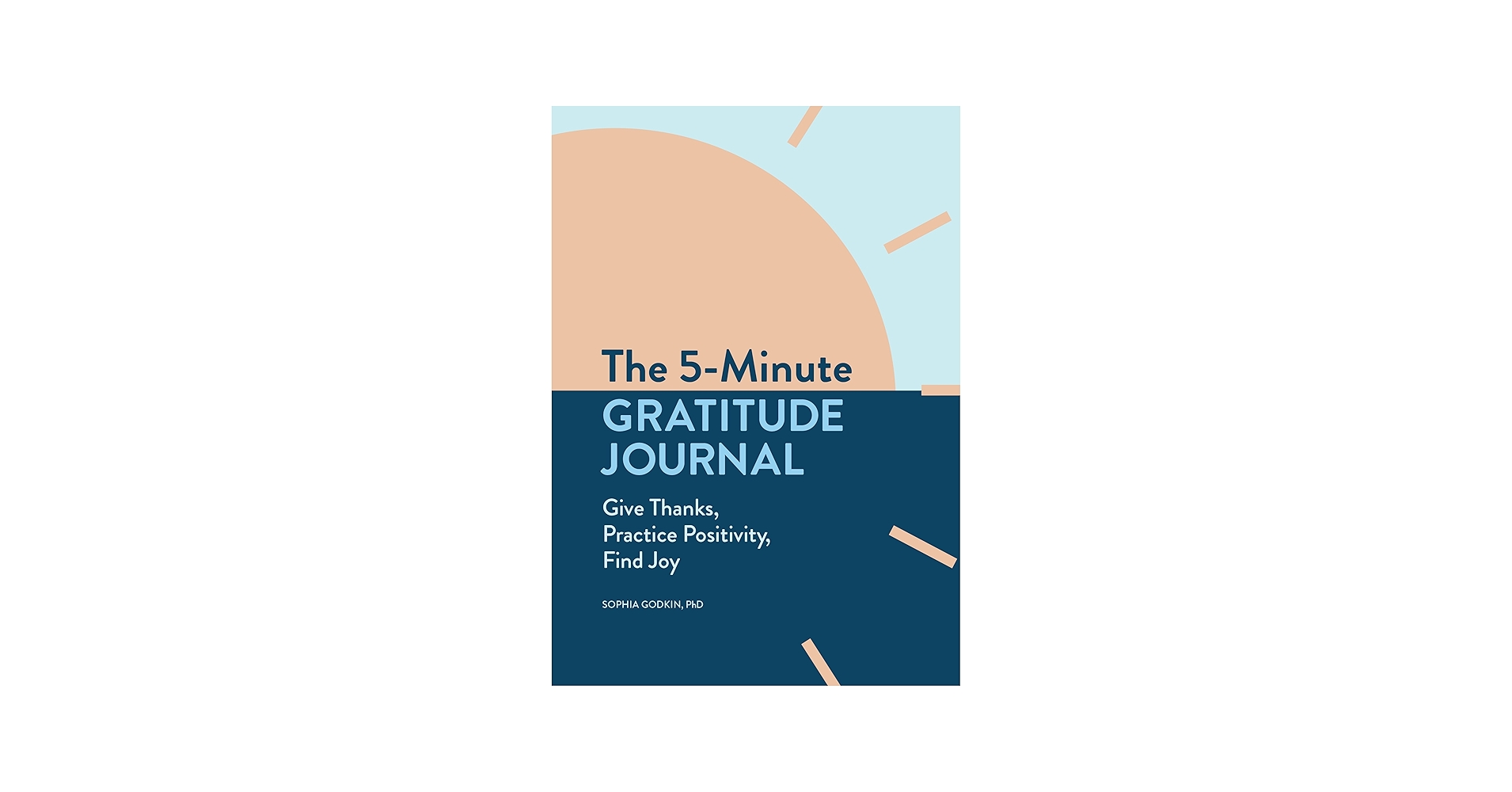
If you’re interested in exploring the power of words more deeply, you may enjoy:
- Books on positive affirmations and self-talk
- Journals designed for daily affirmations
- Mindfulness and mindset books that combine psychology and spirituality
Many readers find that writing or listening to affirmations daily helps reinforce positive habits and awareness.

Final Thoughts about Kotodama and affirmation
Kotodama teaches us to respect words as powerful forces.
Positive affirmations teach us how to use words intentionally to shape our mindset.
Different paths—but the same conclusion:
Your words are shaping your reality, every single day.
Choose them wisely.

If you are interested in Japan, you may love this game!
Let’s play!

Yes! Let’s play!



Comments