
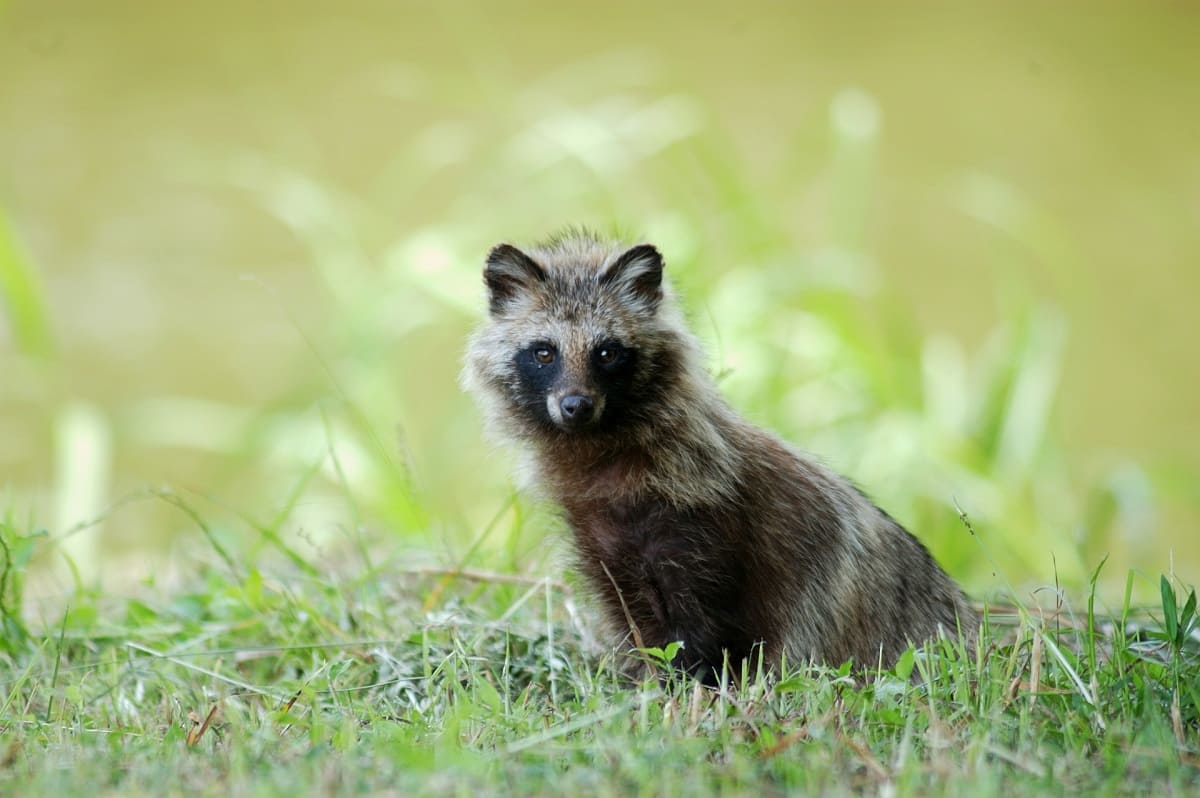

When you hear the word tanuki, what comes to mind?
A chubby animal with a mischievous face? Or a magical trickster from Japanese folklore?
In Japan, tanuki appear everywhere — in folktales, children’s stories, and even as statues outside shops and homes. But what are they really like in real life?
The more you learn about tanuki, the more fascinating they become. From their surprising behaviors to their deep cultural connections, there’s much more to them than meets the eye.
In this article, you’ll discover what kind of animal a tanuki truly is, how it lives, and why it holds such a special place in Japanese tradition.
Whether you’re already a fan or simply curious, you might just walk away with a new appreciation for these adorable and mysterious creatures.
In this article, You’ll discover:
- The truth about Japan’s mysterious tanuki
- The cultural meaning behind famous tanuki statues
- Why tanuki are seen as symbols of good fortune
- And some adorable tanuki-themed goods you might fall in love with
What Kind of Animal Is a Tanuki?
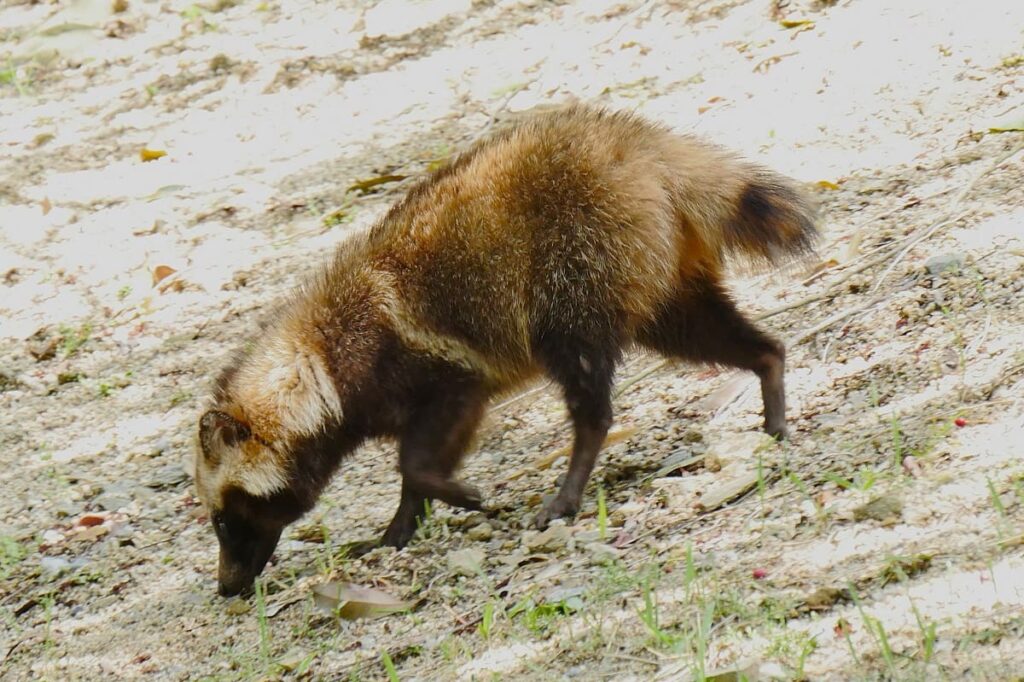

There are lots of tanuki living in our area, too!

Tanuki move so slowly—it’s really cute!
A Canine Native to East Asia (But Not a Tree-Climbing Expert)
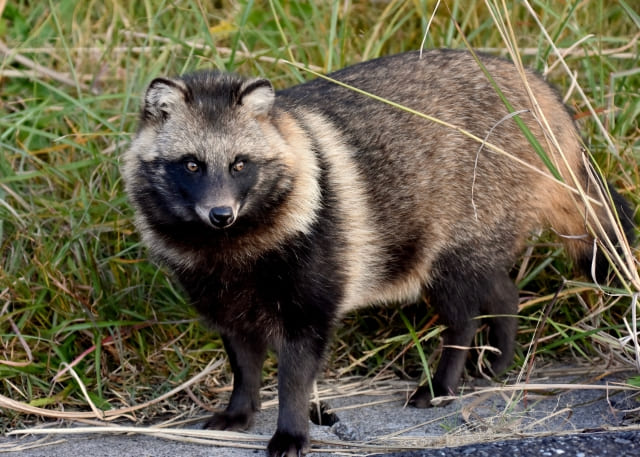
The tanuki is a member of the canine family, which means it’s related to dogs and wolves—even though its face may remind you of a raccoon. It is native to East Asia, and while it has now spread to other regions such as Europe, its roots are distinctly Asian.
Tanuki can climb trees, but that doesn’t mean they’re particularly skilled climbers. Unlike cats or monkeys, they prefer staying on the ground, foraging for food in forests, fields, and even around suburban areas.
Night Owls with a Strong Social Life
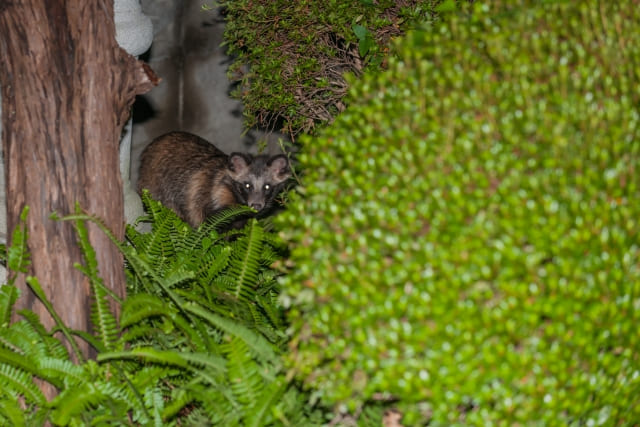
Tanuki are nocturnal creatures, meaning they are most active at night. They typically begin foraging about an hour before sunset, take a short rest around midnight, and then continue their search for food until sunrise.
They often move in groups of 3 to 5, though the group size can change with the seasons. In some cases, multiple families even come together to form larger packs. Despite their spooky reputation in stories, real-life tanuki are actually quite shy and peaceful—they avoid fights and prefer to flee rather than confront.

Yeah, that’s true. Tanuki are more active at night, so you don’t see them much during the day.
A Lifetime Bond: The Loyal Heart of a Tanuki
One of the most touching aspects of the tanuki’s nature is their lifelong loyalty.
They form a pair with one mate and stay together for life. If one partner dies, the surviving tanuki does not look for a new mate. Instead, it continues living alone, often seen wandering near the place where its partner passed away—almost as if mourning.
This incredible loyalty gives tanuki a rather romantic image in the animal world. Who would’ve thought that such mischievous creatures from stories could be so devoted in real life?
The Deep Connection Between Tanuki and Japanese Culture
Stars of Japanese Folktales and Legends
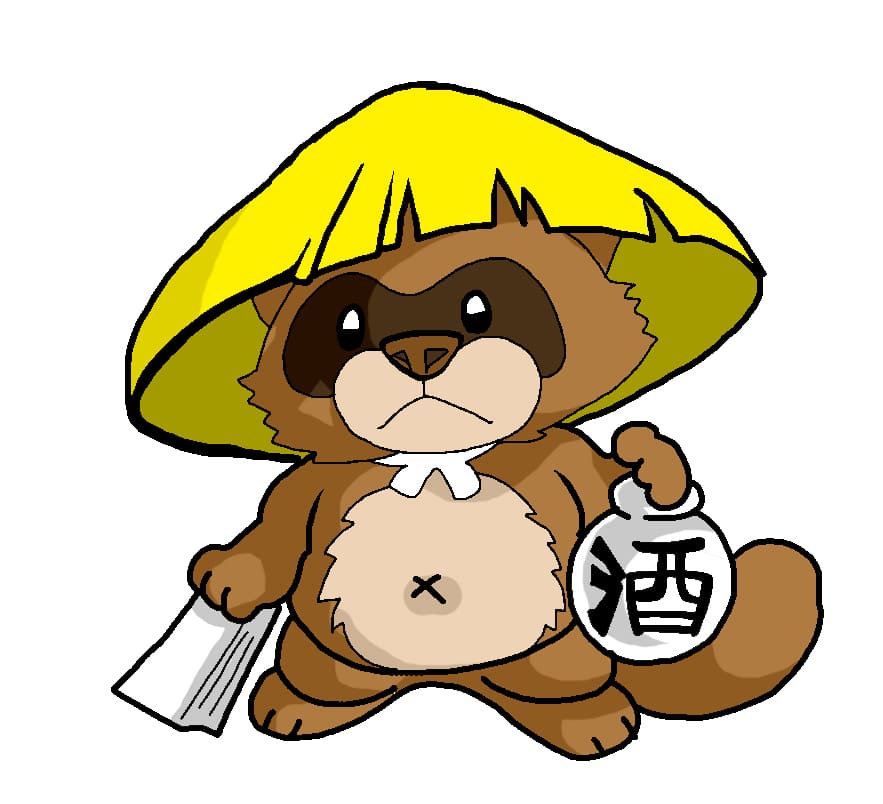
In Japanese folklore, tanuki are well-known as shape-shifters who play tricks on people.
You may have heard of the story “Bunbuku Chagama”, or seen tanuki featured in movies like Pom Poko. These tales often show tanuki using their magical abilities to transform into humans or objects.
While they sometimes cause trouble, they’re usually portrayed as lovable and clever animals—tricksters, yes, but with a good heart.

There are all kinds of tanuki legends all over Japan.

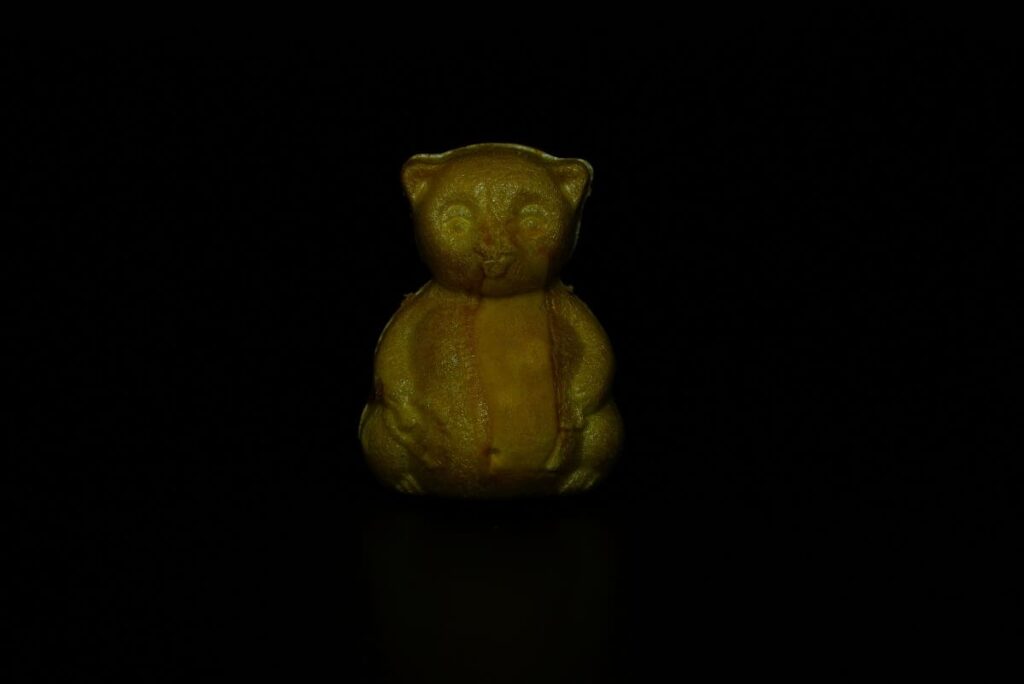
You can even find cakes and sweets shaped like tanuki being sold in many places. The picture above is Tanuki monaka.
Not So Scary: The Gentle Personality Behind the Legend

Although they are famous for their shape-shifting in myths, real tanuki are very timid and non-aggressive.
They live quietly in the shadows of forests and avoid confrontation whenever possible.
The phrase “tanuki-neiri” (狸寝入り), meaning “pretending to sleep,” actually comes from tanuki behavior. When startled, tanuki often freeze and lie still, looking as if they’re unconscious. This inspired the idea of “faking sleep” in Japanese expressions.
A Symbol of Prosperity and Good Fortune
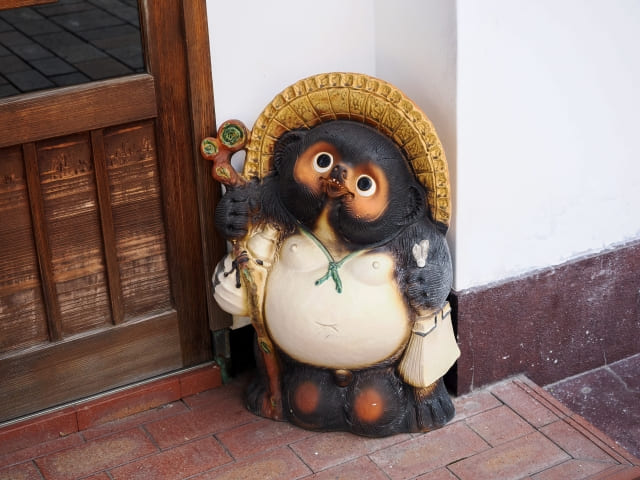
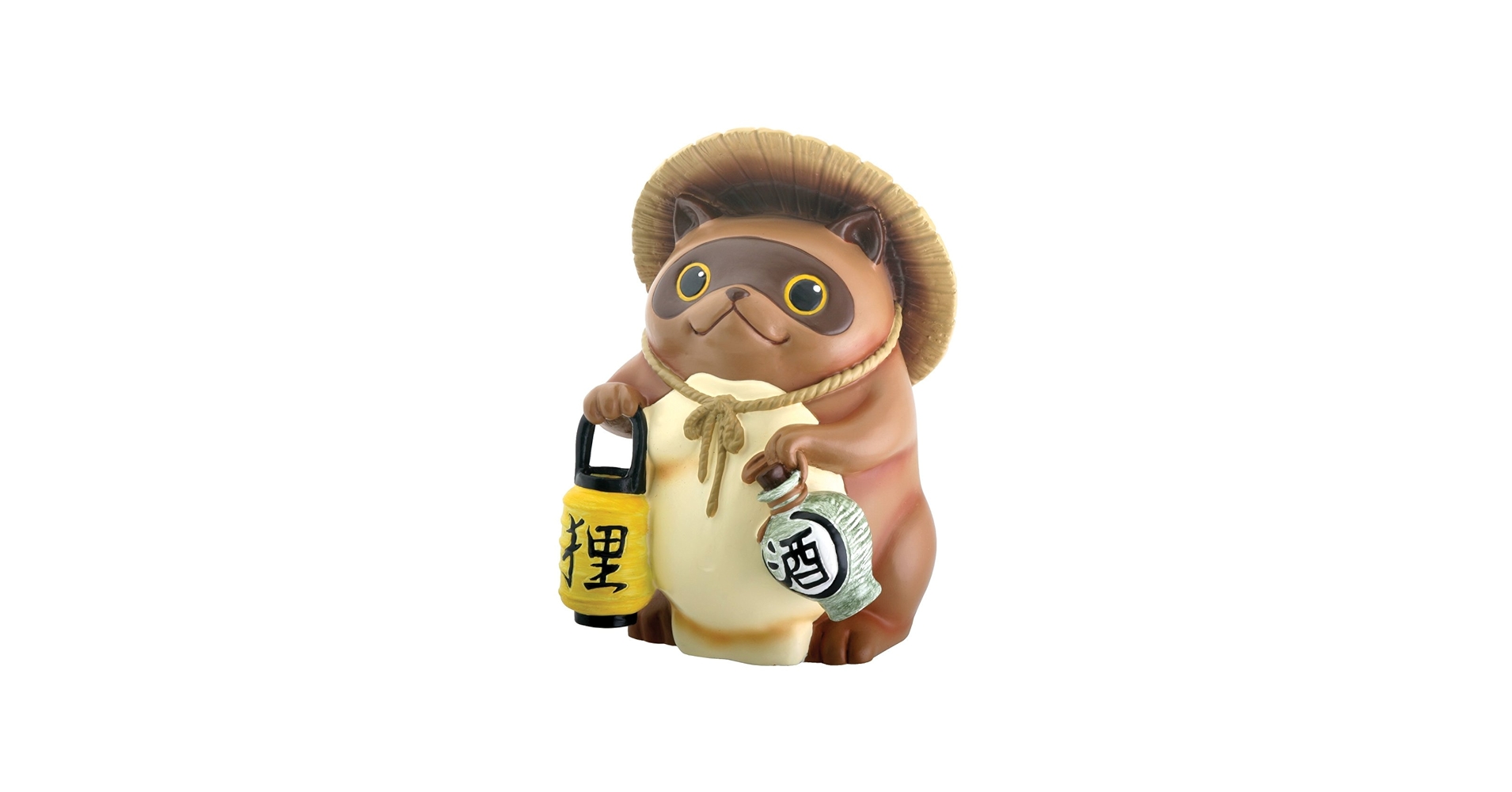
In Japan, you’ll often see tanuki statues outside restaurants and shops. These figures are not just for decoration—they’re considered good luck charms that bring prosperity to businesses.
Tanuki statues, especially those made in Shigaraki, have long been placed outside homes and shops as symbols of prosperity and good fortune.
Each feature — from the big belly to the straw hat — carries a special meaning. Many people in Japan still display them near entrances to invite wealth and protection.
If you’d like to bring a little piece of this tradition into your own home, you can find beautifully crafted Shigaraki tanuki statues here:

Check traditional Shigaraki tanuki statues on Amazon!
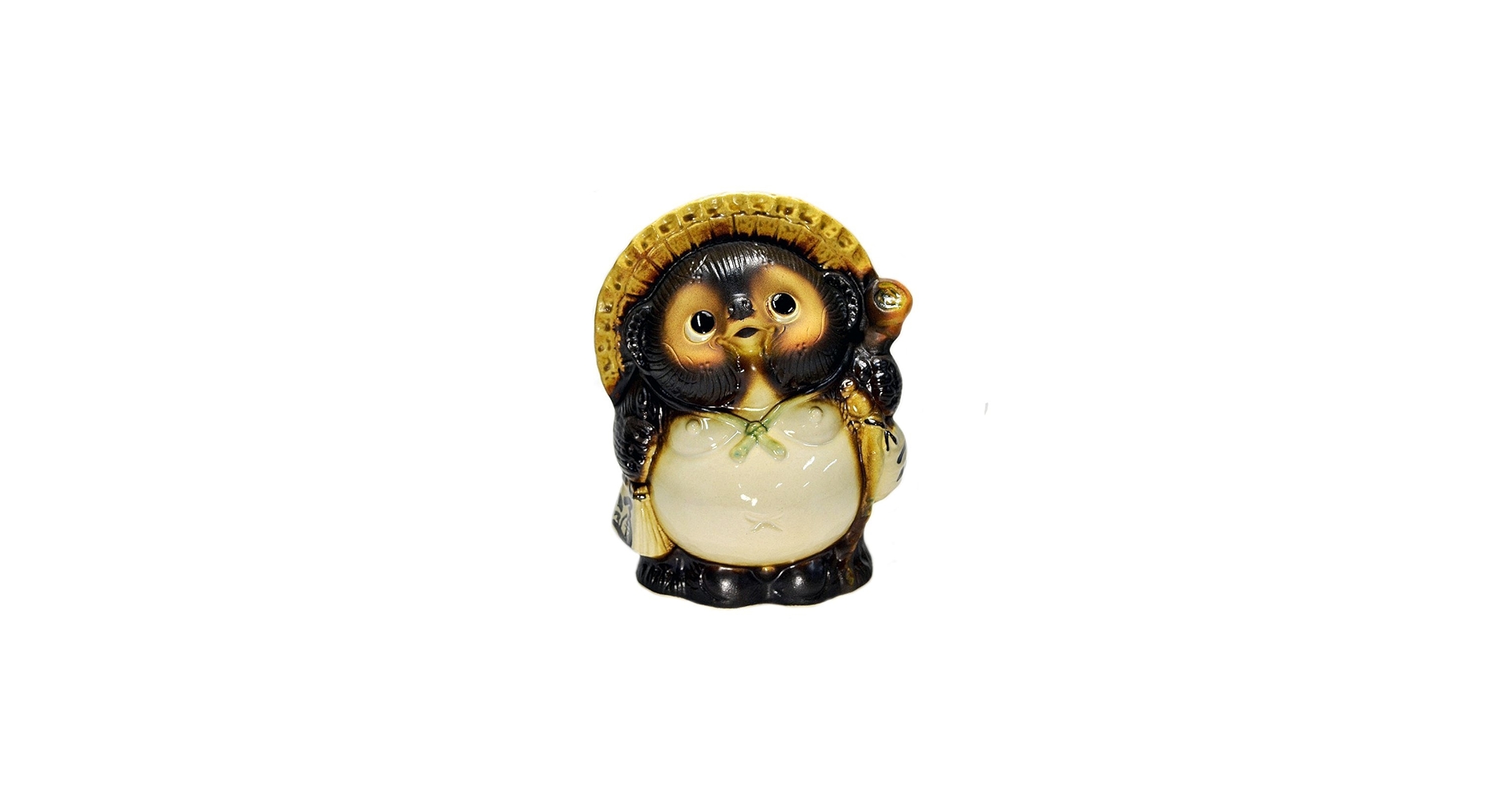
For centuries, tanuki have been symbols of prosperity, cheerfulness, and good fortune.
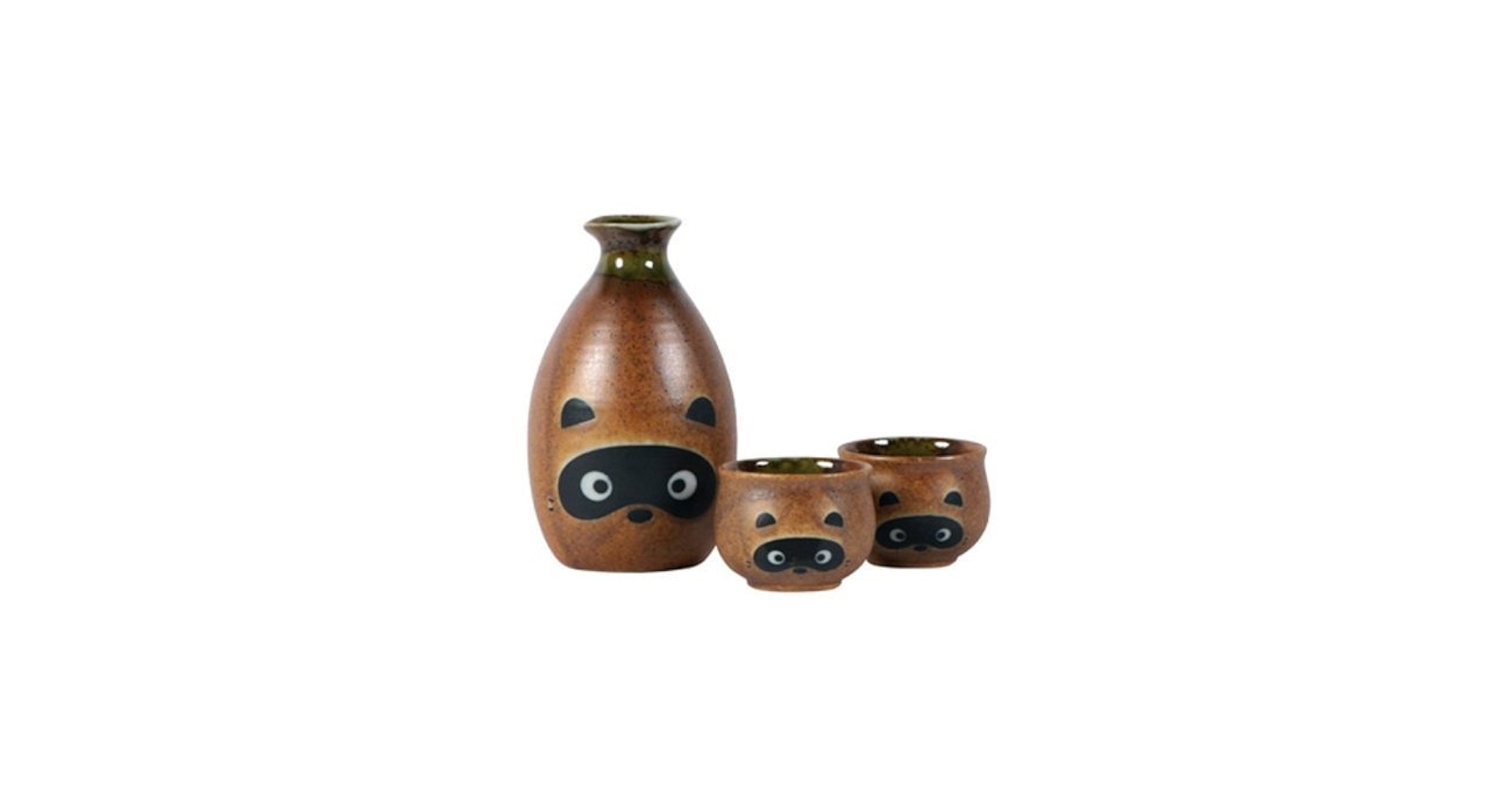
Interestingly, they are not only made as statues. Tanuki motifs also appear on sake cups and drinkware, reflecting their association with celebration and joyful gatherings.
The word “tanuki” is sometimes linked to the phrase “ta-nuki”, meaning “to surpass others.” Because of this, tanuki statues are believed to help shop owners outshine the competition and attract more customers.
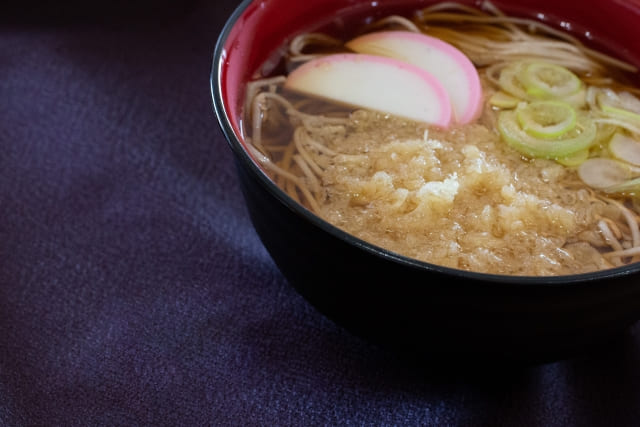
There’s also a Japanese noodle dish called “tanuki udon,” which features a warm bowl of noodles topped with crispy tempura flakes. Some say the name comes from the golden-brown color and puffy shape of the flakes, which resemble the fur and belly of a tanuki.

I love tanuki udon—it’s oily and delicious!
Perfect for when you’re starving.
Tanuki Q&A
- QWhat’s the difference between a tanuki and a raccoon?
- A
While they look similar, tanuki are members of the dog family and are native to East Asia, whereas raccoons are from North America and belong to a different family altogether.
- QCan I keep a tanuki as a pet?
- A
In Japan, tanuki are protected wildlife, and keeping them as pets is not allowed. They also carry parasites and require special care, so it’s best to admire them from a distance.
Final Thoughts about Tanuki
Tanuki are much more than just tricksters from folktales—they are unique, loyal, and peaceful animals with a special place in both nature and Japanese culture.
From their devoted lifelong partnerships to their iconic status as symbols of luck, they continue to charm people of all ages.
The next time you spot a tanuki statue outside a shop or read a Japanese story featuring one, you’ll know there’s more than meets the eye.
These furry creatures may be mysterious, but their story is one worth remembering.
If you’ve fallen in love with tanuki after reading this article, you’re not alone.
From small decorative figurines to charming home accents, there are plenty of adorable tanuki-themed items available online.

If you are a gamer, and you are interested in Japan, you may love these games!

Yes! Let’s play!


Comments