
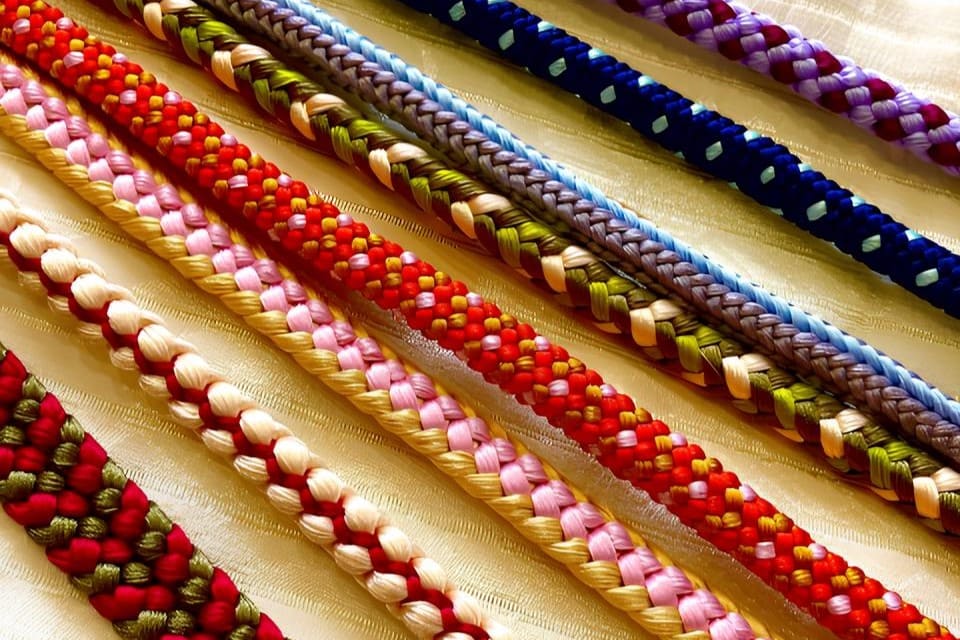



Do you know what kumihimo is?

Hmm, let me think… Oh! It’s that traditional Japanese braided cord that appears in the anime Your Name., right?
The anime film Your Name. (Kimi no Na wa.), directed by Makoto Shinkai, captivated audiences around the world with its breathtaking visuals, emotional story, and deep symbolism. Among its many memorable elements, one traditional Japanese craft quietly plays a crucial role: kumihimo.
If you watched Your Name. and found yourself wondering about the beautiful red braided cord worn by Mitsuha, this article is for you. Let’s explore what kumihimo is, its long history, and why it became such a powerful symbol of time and connection in the film.
What Is Kumihimo?
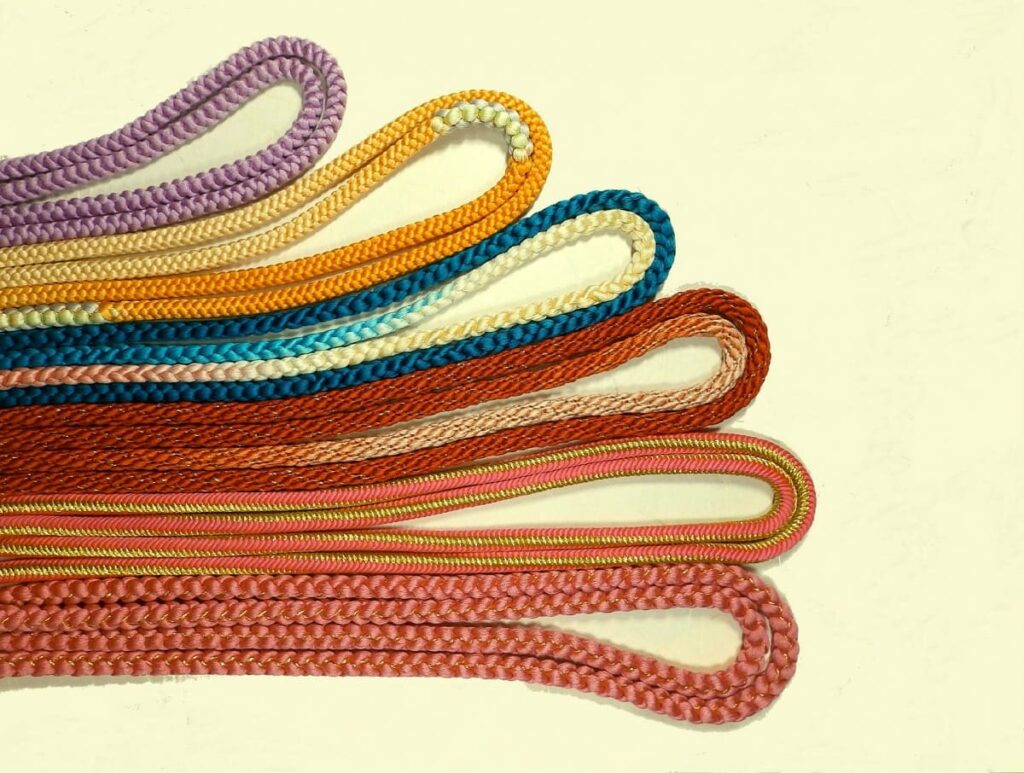
Kumihimo is a traditional Japanese braided cord made by intertwining several threads—sometimes just a few, sometimes dozens—into a single, strong cord.
Unlike woven fabric (which is flat) or knitted material (which uses loops), kumihimo is created by crossing threads diagonally in a three-dimensional structure. This unique method gives kumihimo some very practical qualities:
- Highly flexible
- Extremely durable
- Resistant to unraveling
Because of these characteristics, kumihimo has been used in both ceremonial and everyday items for centuries.

Kumihimo looks delicate at first glance, but it’s actually strong and long-lasting!
The History of Kumihimo
Kumihimo is believed to have been introduced to Japan during the Asuka period (6th–7th century), along with Buddhism from the Asian continent.

The Asuka period was a really long time ago. Apparently, in portraits of Prince Shōtoku from that era, kumihimo is shown being used as a cord to hang a sword from the waist.
Over time, its uses evolved:
| Early periods | Decorative cords for Buddhist scriptures and ritual objects |
| Kamakura period | Used by samurai for armor lacing and sword handles |
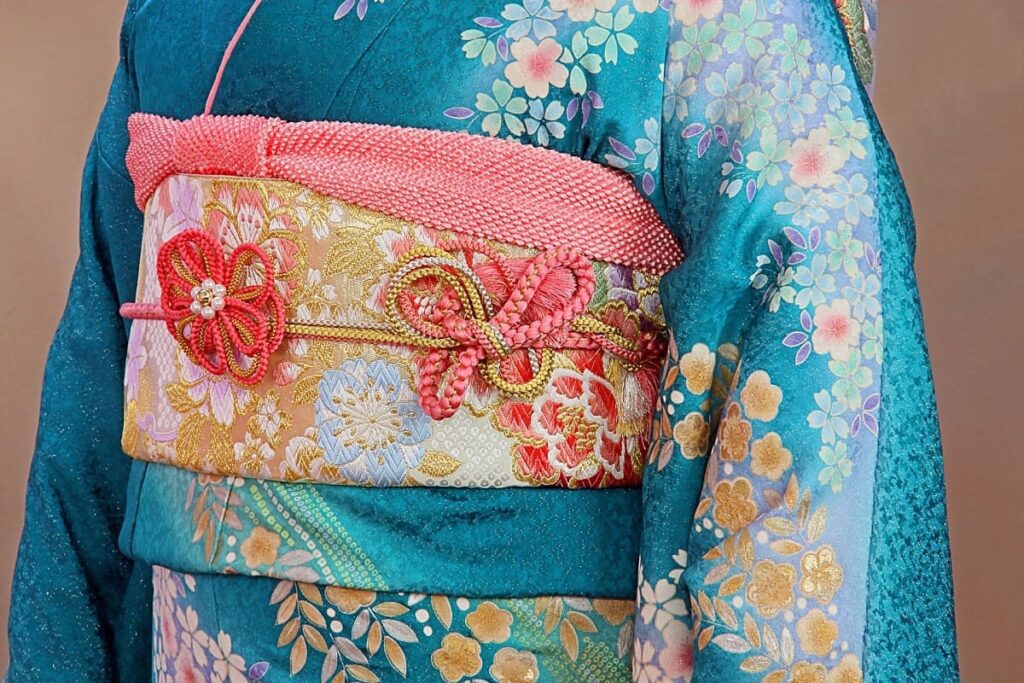
| Edo period | Developed into elegant obijime (decorative cords worn with kimono) |

An obijime is the cute cord tied around the waist in the kimono photo above.
Through each era, kumihimo adapted to Japanese life while maintaining its craftsmanship and symbolic depth.
How Kumihimo Is Made
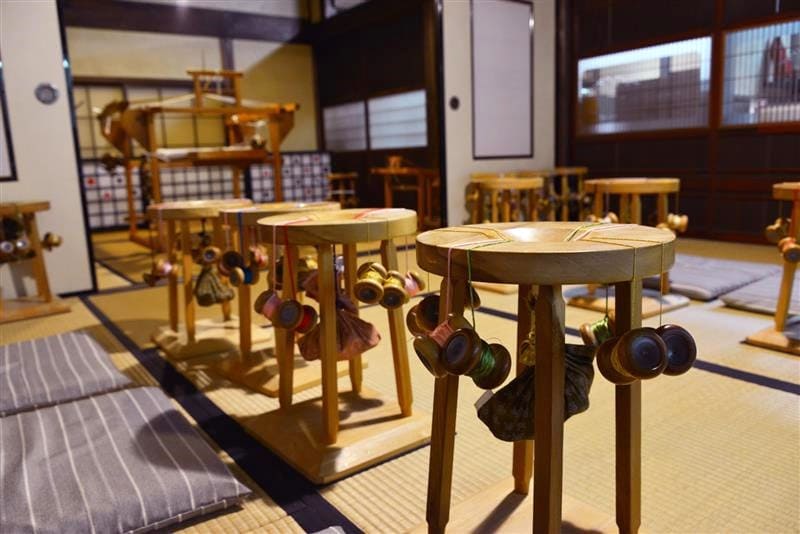
Traditional kumihimo is made using special wooden stands such as a marudai (round stand) or kakudai (square stand).
Threads are attached to small weighted bobbins, and the artisan moves them rhythmically in a specific pattern. The process requires patience, concentration, and a steady tempo.
Slowly, the loose threads become a single, beautifully structured cord.
Watching kumihimo being made feels almost meditative—and fans of Your Name. may recognize how this quiet rhythm mirrors the film’s themes.
Kumihimo in Your Name.
In Your Name., kumihimo is not just a traditional craft. It is deeply tied to the story’s emotional core.
The heroine Mitsuha comes from a family that runs Miyamizu Shrine, where kumihimo-making has been passed down through generations. This tradition connects her family to Japan’s spiritual worldview—and to the concept of musubi.
The Symbolism of “Musubi” (Connection)
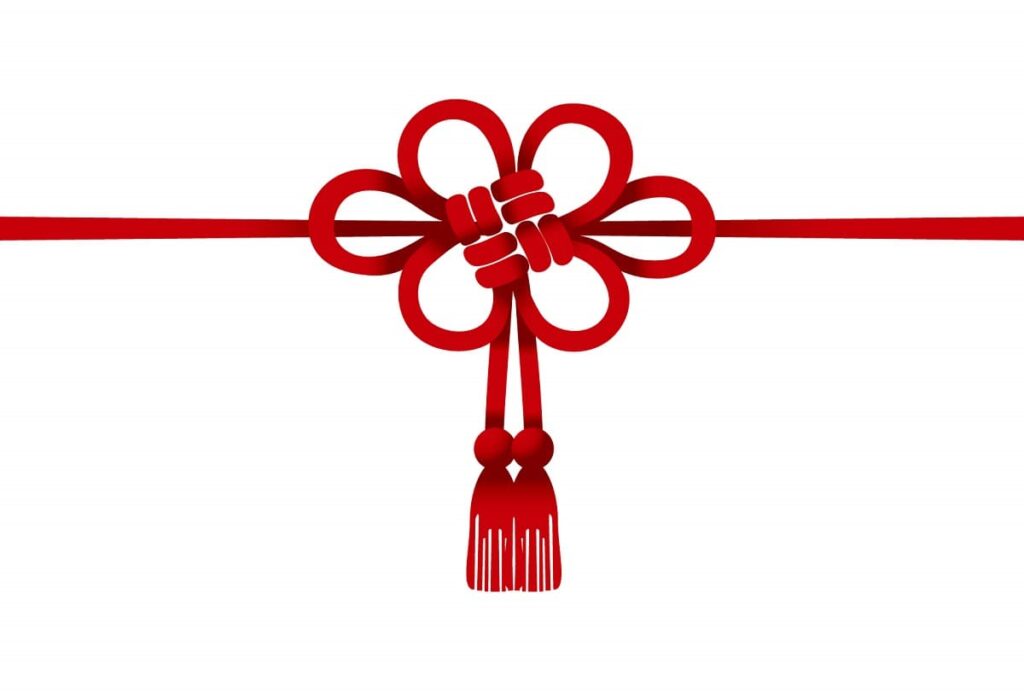
One of the film’s most important ideas is musubi, often translated as “binding” or “connection.”
Through the perspective of Mitsuha’s grandmother, musubi is described as something that links many things together: threads, people, and even the flow of time itself.
Kumihimo becomes a physical expression of this idea.
Individual threads start out separate, cross and twist, sometimes tangle, sometimes loosen—yet eventually form a single cord. This process reflects how human relationships work, how time bends and overlaps, and how connections can be lost and found again.
In Your Name., kumihimo represents time, fate, and human bonds, woven together into one continuous form.

Mitsuha’s grandmother’s words really stayed with me. After watching the movie, I felt like I wanted to try making kumihimo by hand myself.
The Red Kumihimo That Connects Mitsuha and Taki
The red kumihimo is one of the most iconic objects in the film.
When Mitsuha gives her braided cord to Taki in Tokyo—three years in the past—it becomes proof that their lives are intertwined across time.
Later, Taki wears the cord around his wrist without fully understanding why, yet it serves as a vessel for memory, anchoring his connection to Mitsuha even as his conscious memories fade.
This single piece of kumihimo leads the story toward its emotional climax, where time briefly overlaps and the two finally reconnect.

It’s scary to think what might have happened if Mitsuha hadn’t given that red kumihimo to Taki… It was such a crucial item in the story!
Experiencing Kumihimo Today
After the release of Your Name., interest in kumihimo surged—not only in Japan, but around the world.
Kumihimo Workshops
In places such as Iga (Mie Prefecture) and Tokyo, visitors can join hands-on workshops using traditional stands like those seen in the film.
These experiences allow fans to physically engage with the same craft that inspired the story.

If you’ve ever thought, “I want to try making kumihimo,” you definitely should give it a go!

My personal goal is to make my own obijime someday!
Modern Uses of Kumihimo
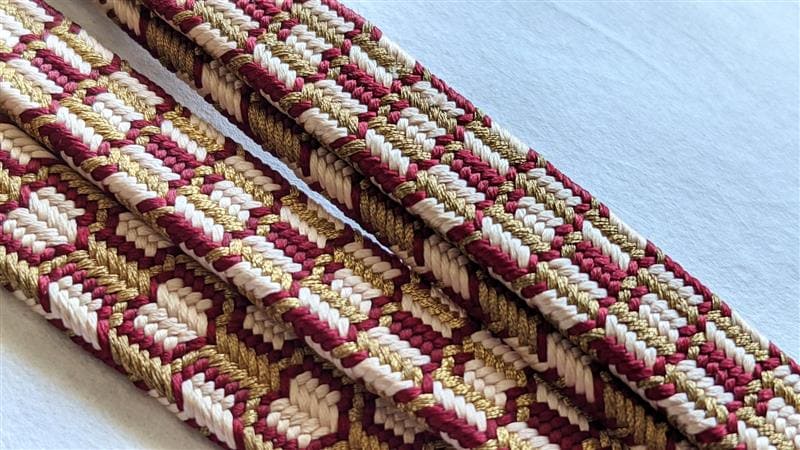
Today, kumihimo techniques are also used in modern designs:
- Smartphone straps
- Bracelets and accessories
- Sneaker laces
- Fashion items blending tradition and street style
This fusion of old and new shows how kumihimo continues to evolve while preserving its meaning.
Final Thoughts about Kumihimo
Kumihimo is more than a beautiful Japanese craft—it is a symbol of how people, memories, and time itself are woven together.
By watching Your Name., many viewers discovered kumihimo for the first time. Learning its history and symbolism adds new depth to the film and reveals how thoughtfully Japanese culture is embedded in the story.
If the red braided cord stayed in your mind after the credits rolled, perhaps that is musubi at work—quietly connecting you to a tradition that has flowed through time for centuries.

If you are interested in Japanese culture, you may love these games!
Let’s play!

Yes! Let’s play!


Comments