






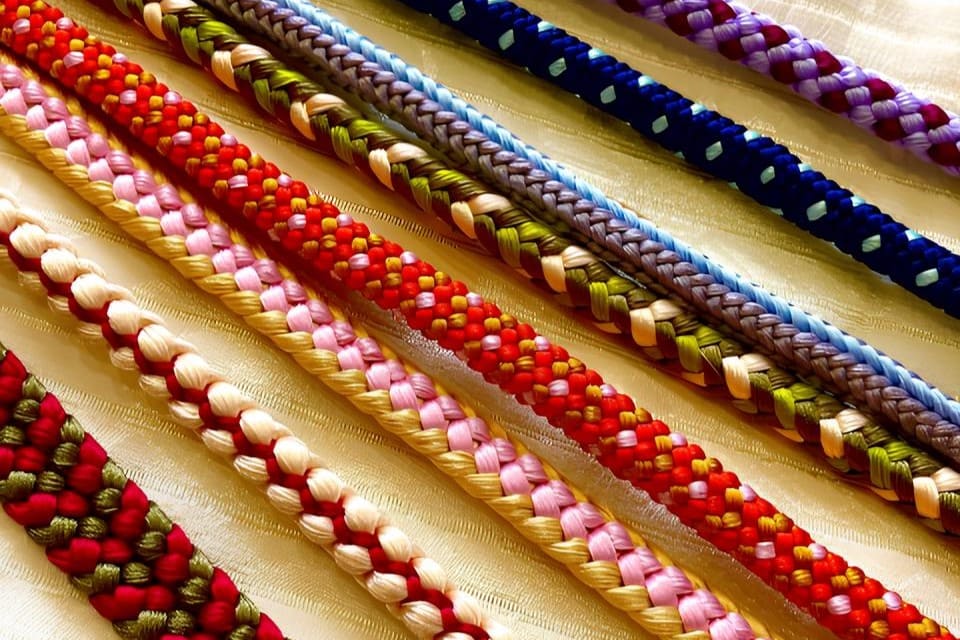
If you have watched Your Name., you may remember the beautiful red cord that connects Mitsuha and Taki across time. That cord is kumihimo—a traditional Japanese craft of braiding threads into intricate cords.
But kumihimo is more than a memorable detail from an anime film. It has a long history in Japan and has been used for everything from Buddhist objects and samurai armor to kimono accessories and modern designs. In Your Name., it also takes on a deeper meaning through the concept of musubi, or connection.
In this guide, we’ll explore what kumihimo is, how it has been used throughout Japanese history, how it is made, and why this beautiful braided cord plays such an important role in Your Name..

Today, we’re talking about kumihimo! I’m actually really fascinated by it, too. I’d love to learn how to make it someday and create beautiful accessories to go with kimono!
What Is Kumihimo?
Kumihimo is a traditional Japanese craft of braiding threads into cords. The threads are carefully intertwined to create cords in a variety of shapes, patterns, and thicknesses.
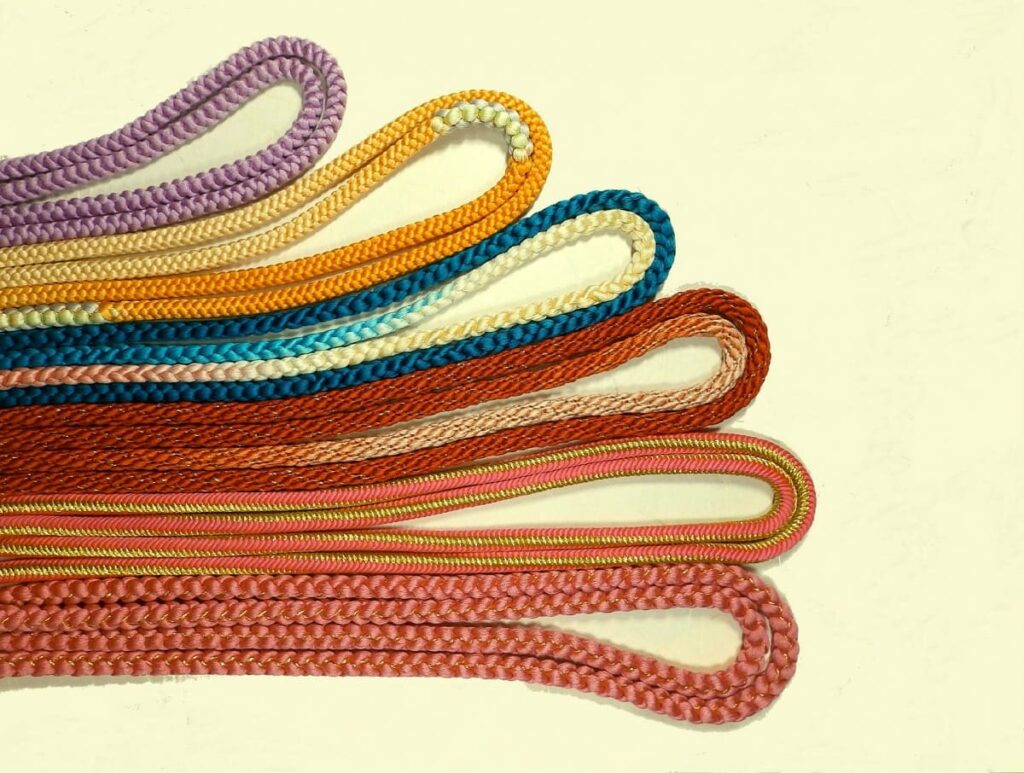
Kumihimo has been used in Japan for a wide range of purposes, from religious and ceremonial items to samurai armor and sword fittings, as well as everyday items such as obijime cords.
The History of Kumihimo
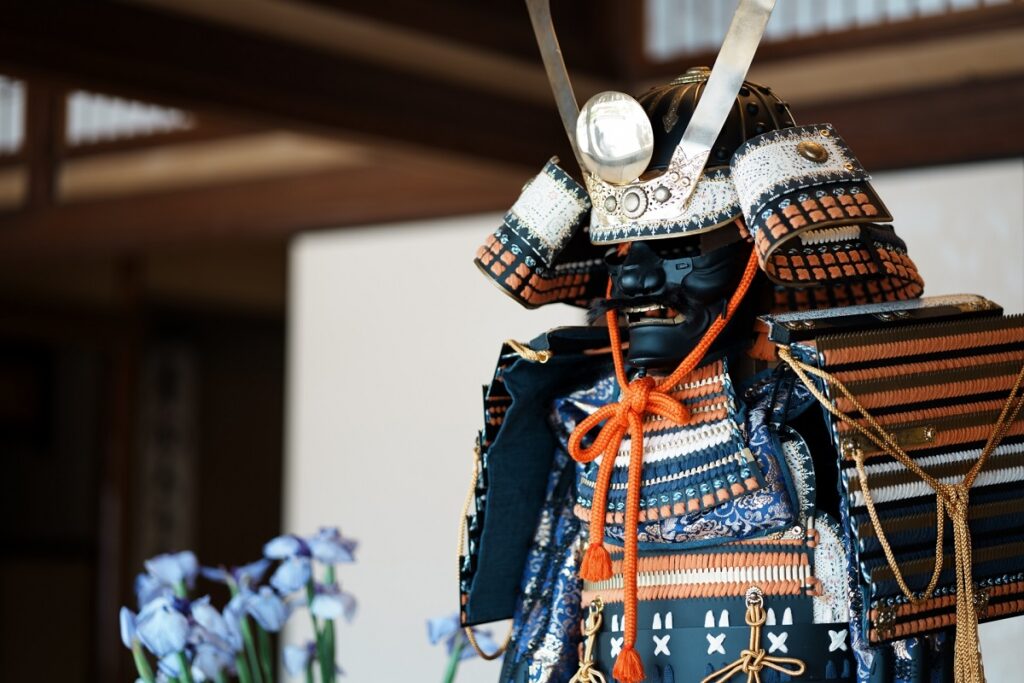
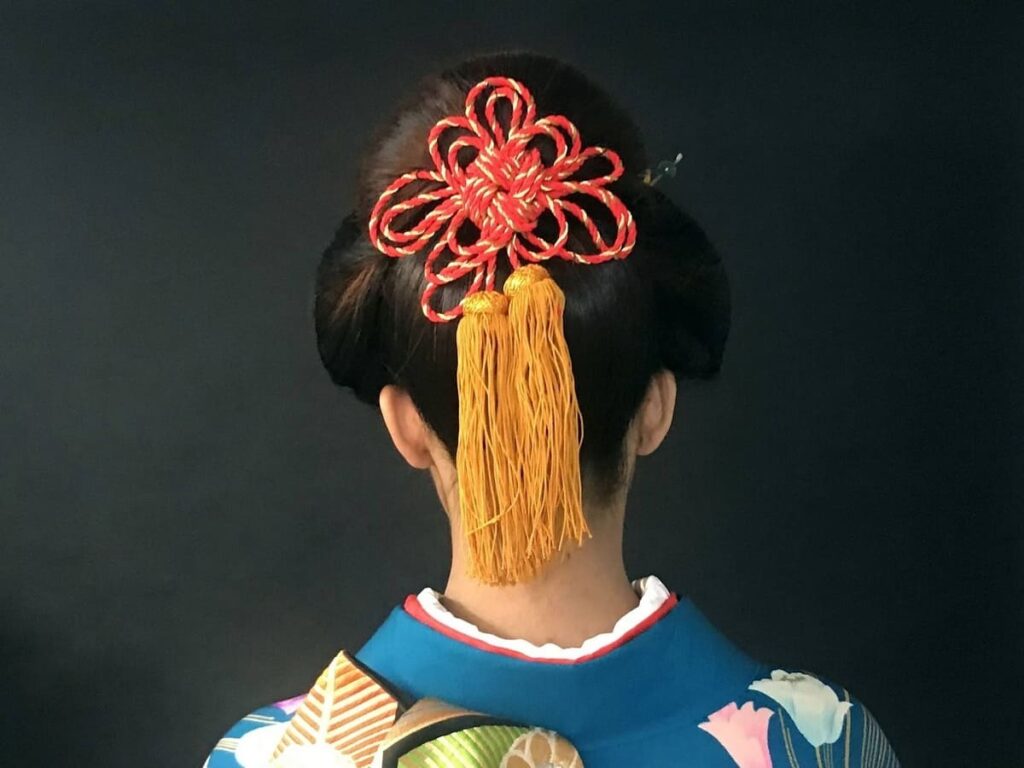
Kumihimo has a long history in Japan, with braiding techniques and traditions developing through cultural exchange with mainland Asia, particularly China and Korea.
Over time, its uses expanded and evolved:
| Period | How Kumihimo Was Used |
|---|---|
| Early history | Used with Buddhist scriptures and priestly robes |
| Rise of the samurai | Used for helmets, armor, and sword hilts |
| From the 17th century | Widely used for everyday items such as obijime |
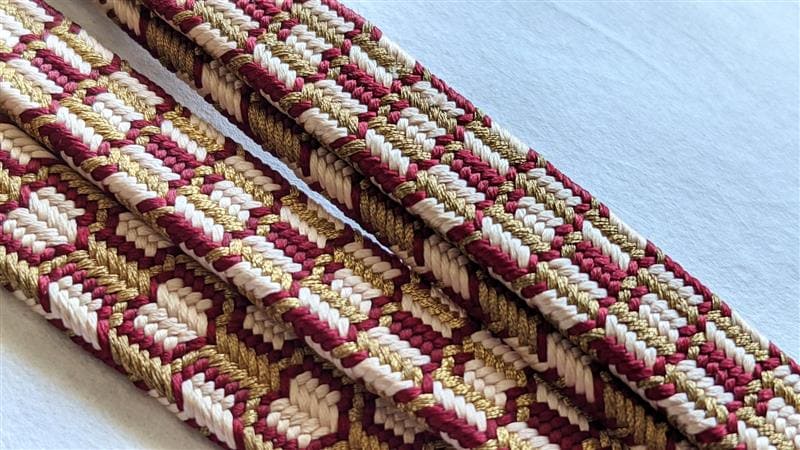
An obijime is a decorative cord tied around a kimono obi to help hold it in place, as shown in the photo above.
Over the centuries, kumihimo developed alongside Japanese society, adapting to changing needs while preserving its intricate craftsmanship.

I had no idea kumihimo was used for so many different things!
How Kumihimo Is Made
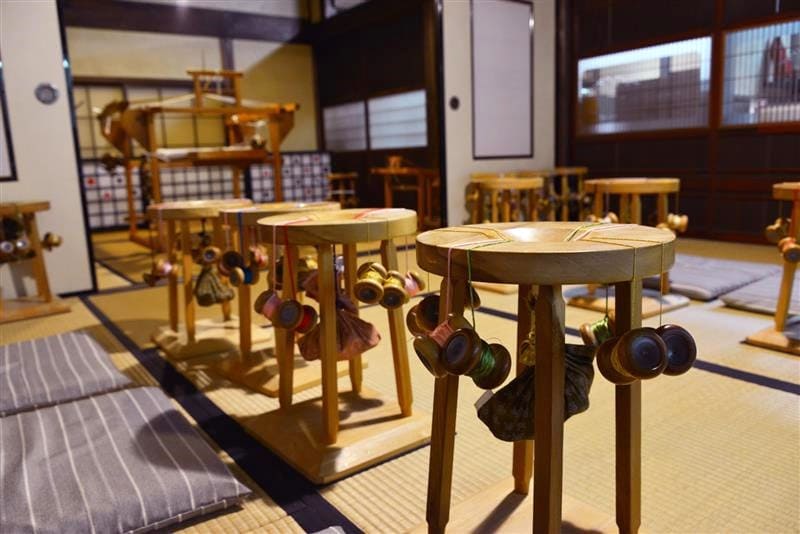
Traditional kumihimo is made using special braiding stands, such as a marudai (round stand) or kakudai (square stand).
The threads are wound onto weighted bobbins, which are moved in a precise sequence to create the braid. The process requires patience, concentration, and a steady rhythm.
Slowly, the loose threads come together to form a single, beautifully patterned cord.
Watching kumihimo being made feels almost meditative. Fans of Your Name. may find this quiet rhythm familiar, as the film beautifully connects kumihimo with the idea of musubi.
Kumihimo in Your Name.



I bet many people first learned about kumihimo through Your Name..
In Your Name., kumihimo is more than just a traditional craft. It plays an important role in the story and is closely connected to the idea of musubi.
In the film, Mitsuha comes from the Miyamizu family, a family closely connected to the local shrine. The tradition of making kumihimo is passed down through generations in her family.
This tradition connects the Miyamizu family to the film’s spiritual themes and to the concept of musubi.
The Symbolism of “Musubi” (Connection)
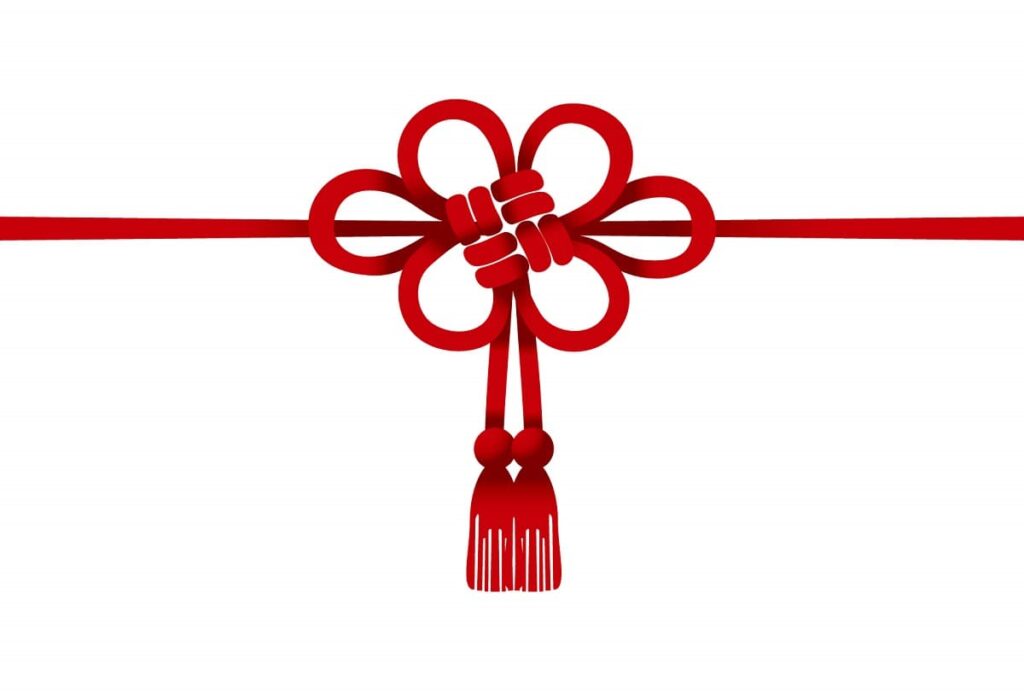
One of the film’s central ideas is musubi, a Japanese concept related to connection and bringing things together.
As Mitsuha’s grandmother explains, musubi is about bringing things together—threads, people, and the many connections that shape our lives. Kumihimo becomes a tangible expression of this idea.
Individual threads begin separately, then cross and intertwine before forming a single cord. This process can be seen as a metaphor for human relationships, the way time can seem to bend and overlap, and the connections we may lose and find again.
In Your Name., kumihimo can be seen as representing time, fate, and human bonds, woven together into one continuous form.
The Red Kumihimo That Connects Mitsuha and Taki
The red kumihimo cord is one of the most memorable objects in the film.
When Mitsuha gives her braided cord to Taki in Tokyo—three years in the past—it becomes a powerful symbol of how their lives are intertwined across time. Later, Taki wears the cord around his wrist without fully understanding why. It can be seen as a tangible reminder of Mitsuha, even as his memories of her begin to fade.
This single piece of kumihimo plays an important role in the story’s emotional climax, when time briefly overlaps and the two finally reconnect.

“It’s scary to think about what might have happened if Mitsuha hadn’t given that red kumihimo to Taki… It was such an important part of the story!”
Experiencing Kumihimo Today
After the release of Your Name., kumihimo attracted renewed attention, both in Japan and among anime fans around the world.
Kumihimo Workshops
In places such as Iga in Mie Prefecture and Tokyo, visitors can take part in kumihimo workshops using traditional braiding techniques.
These experiences allow fans to try the traditional craft featured in the film.

I’d love to learn how to make kumihimo. I want to try making hair accessories and decorations for the Japanese New Year!
Modern Uses of Kumihimo
Today, kumihimo techniques are also used in modern designs and everyday accessories:
- Smartphone straps
- Bracelets and accessories
- Sneaker laces
- Fashion items that blend traditional techniques with modern styles
This fusion of old and new shows how kumihimo continues to evolve with modern life.
Final Thoughts about Kumihimo
Kumihimo is more than a beautiful Japanese craft. In Your Name., it becomes a powerful symbol of how people, memories, and time can be woven together.
For many viewers, Your Name. offered a first glimpse of kumihimo and its cultural significance. Learning about its history and symbolism can add another layer of meaning to the film and help you appreciate how Japanese cultural ideas are woven into the story.
If the red braided cord stayed in your mind after the credits rolled, perhap

If you are interested in Japanese culture, you may love these games!
Let’s play!

Yes! Let’s play!

Comments