




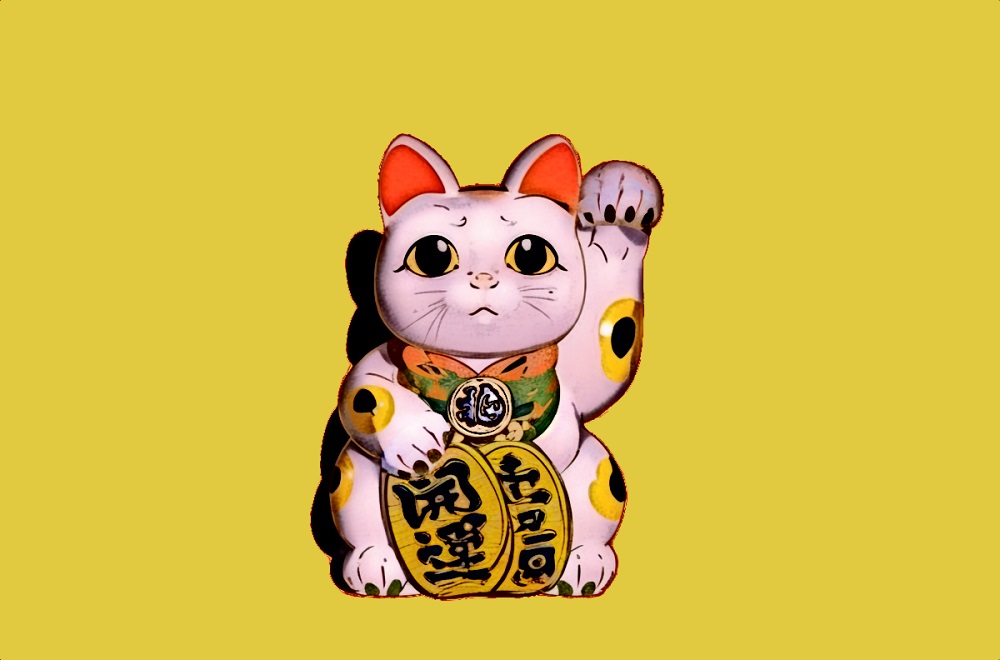
Have you ever noticed a cat waving at you from the entrance of a Japanese shop?
That little cat isn’t saying hello.
It’s inviting good luck inside.
With its friendly smile and raised paw, the Maneki Neko, or “beckoning cat,” has welcomed customers, prosperity, and happiness for hundreds of years.
You’ll find these charming cats everywhere in Japan—from tiny family-run restaurants and traditional souvenir shops to busy shopping streets and even the entrances of modern businesses.
Many people simply think of it as a cute decoration.
But behind that cheerful face lies a fascinating history, several surprising meanings, and one of Japan’s most beloved cultural traditions.
In this article, we’ll explore the stories, symbolism, and hidden meanings of Maneki Neko—and discover why this little lucky cat continues to capture hearts in Japan and around the world.
What Is Manekineko?
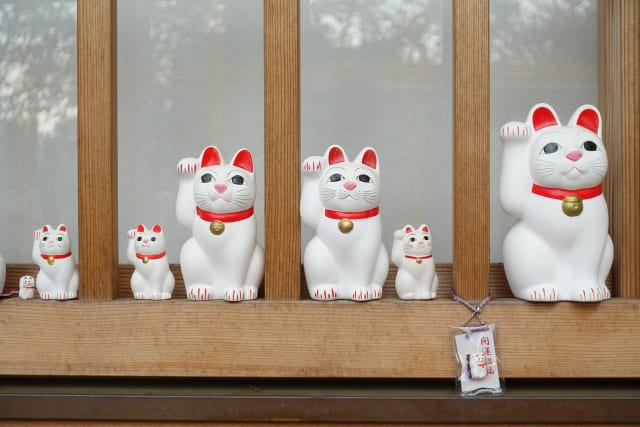
If you’ve ever visited Japan—or even a Japanese restaurant overseas—you’ve probably seen a smiling cat with one paw raised in the air.
This charming figure is called Maneki Neko, which literally means “beckoning cat” or “inviting cat.”
Unlike the way people wave in many Western countries, the raised paw isn’t saying “hello.”
Instead, it’s making a traditional Japanese beckoning gesture that invites people, good fortune, and happiness to come closer.
For centuries, Maneki Neko has been displayed in homes, restaurants, shops, and businesses across Japan as a symbol of good luck and prosperity.
Today, it has become one of Japan’s most recognizable cultural icons.
Whether made of ceramic, wood, or even powered by a tiny solar panel, every Maneki Neko carries the same heartfelt wish:
May happiness find its way to you.
The History and Origins of Manekineko
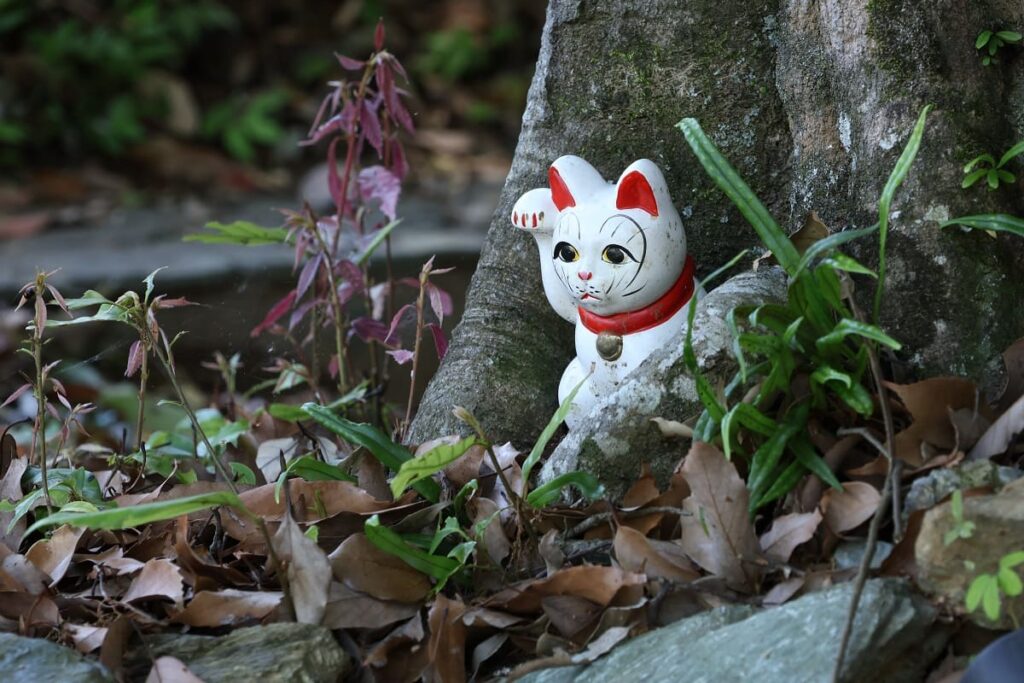

Let’s learn about history of Manekineko.
The Legend Behind Maneki Neko
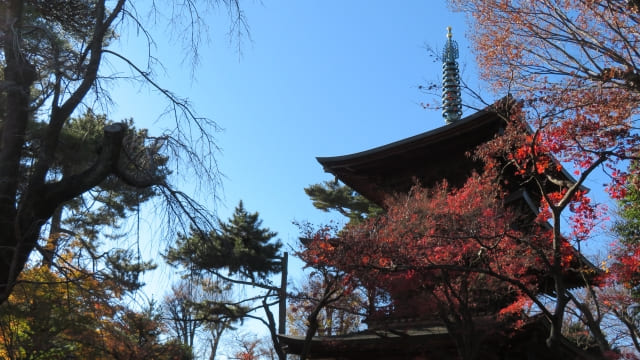
Now, imagine you’re walking through Japan during the Edo period…
The streets are quiet, and a light rain begins to fall as a samurai makes his way home.
Looking for shelter, he notices a small temple in the distance.
Just then, a cat sitting at the temple gate raises one paw, as if inviting him to come closer.
Curious, the samurai steps toward the cat.
A moment later, lightning strikes the exact spot where he had been standing only seconds before.
The cat had unknowingly saved his life.
Grateful for this incredible stroke of luck, the samurai became a generous supporter of the temple.
Over time, people began to believe that a cat raising its paw could invite good fortune, wealth, and happiness.

Many people call it the “Chinese Lucky Cat,” but Maneki Neko actually originated in Japan.
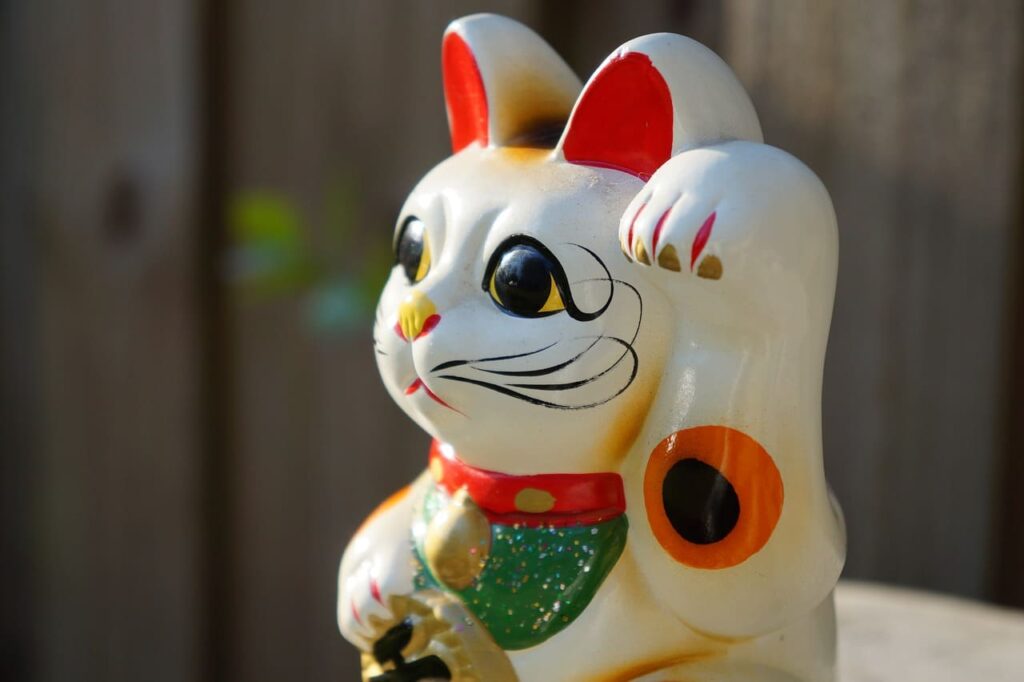
This famous story is one of the most well-known legends explaining the origin of Maneki Neko.
Whether it really happened or not, the tale has been passed down for generations and continues to make the lucky cat even more beloved today.
The legend behind Maneki Neko is so fascinating! This temple is actually Gotokuji Temple, one of the most famous places associated with Maneki Neko.
Temples and Shrines Famous for Manekineko
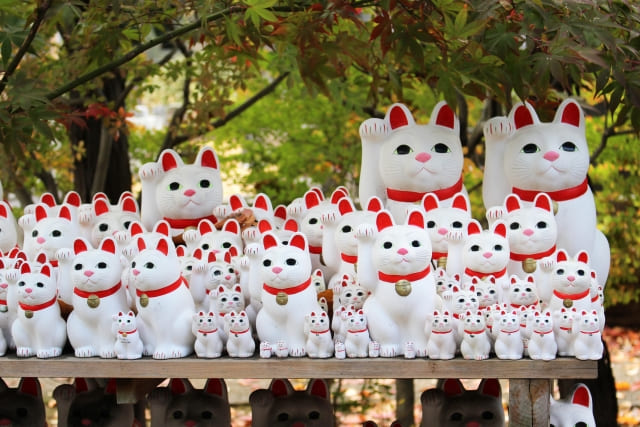
Aside from Gotokuji Temple, Imado Shrine in Tokyo is another spot closely associated with Manekineko. Known for its romantic connections, Imado Shrine is believed to bring blessings for love and marriage. Additionally, in Aichi Prefecture, Tokoname City features a charming “Manekineko Street” filled with art and figurines dedicated to the lucky cat.
Do Colors and Poses Change Its Meaning?
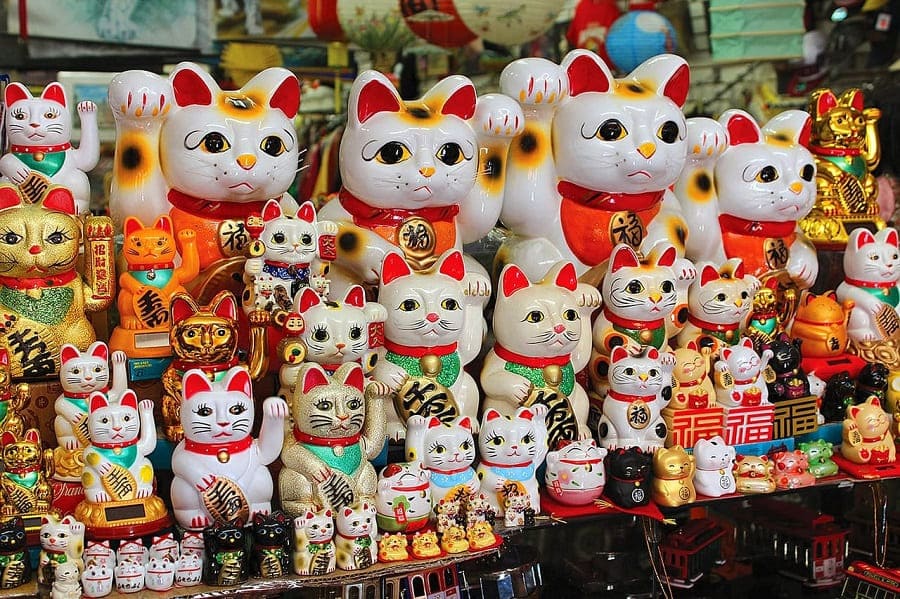
Manekineko comes in various colors and poses, each with unique meanings:
Colors and Their Benefits
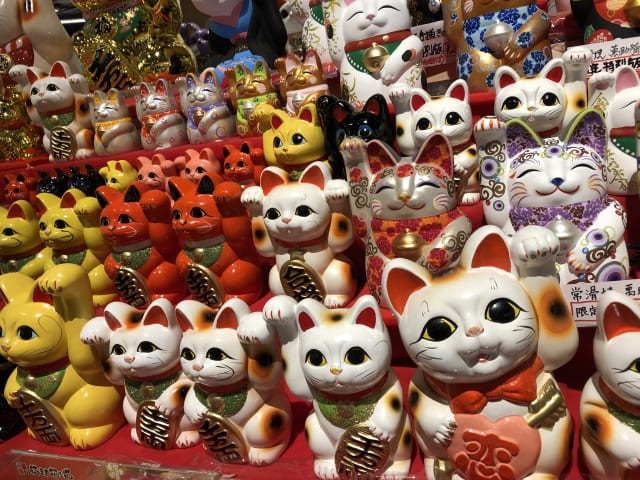
- White: Purity and general good luck.
- Black: Wards off evil spirits and protects health.
- Gold: Brings wealth and financial success.
- Pink: Associated with love and romance.
- Red: Offers protection from illness and boosts vitality.

The classic Maneki Neko is white, but they actually come in many different colors, including black, gold, red, and more. Each color has its own special meaning!

Besides there are so many different kinds of Maneki Neko! Some are even made using famous Japanese pottery styles like Arita ware and Kutani ware, so if you love Japanese ceramics, they’re definitely worth checking out. Personally, I’m secretly hoping to own a Kutani ware Maneki Neko someday!
Raised Paw: Right vs. Left
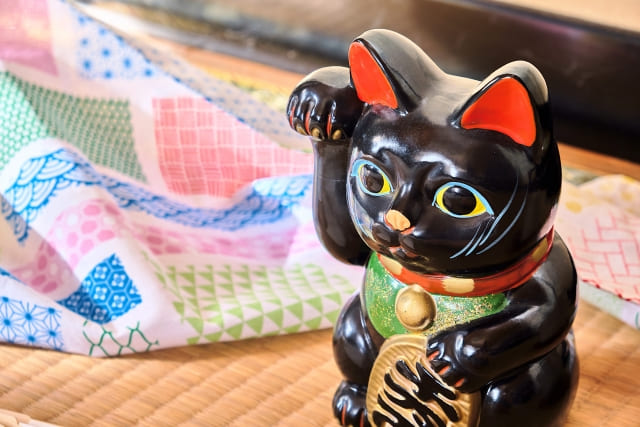
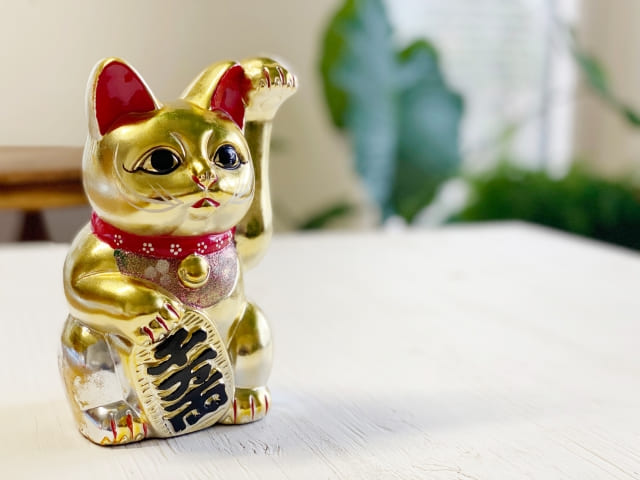
- Right Paw: Attracts money and prosperity.
- Left Paw: Welcomes customers and people.
The Height of the Paw
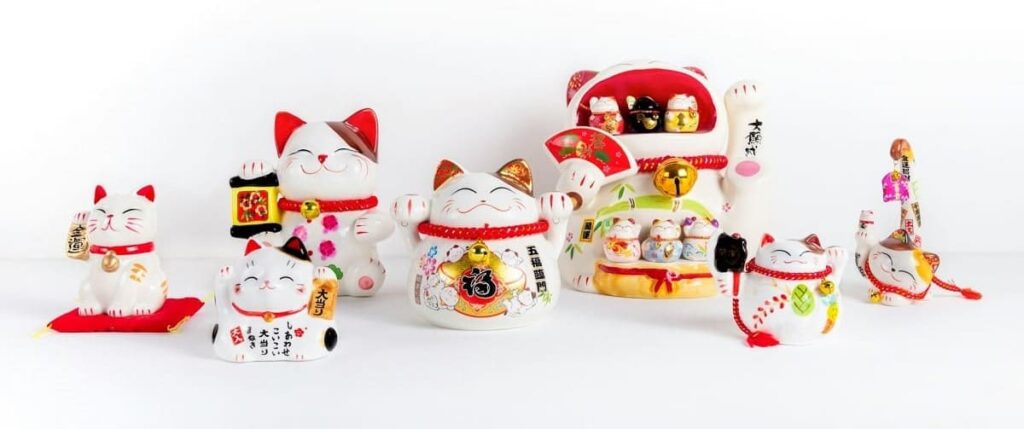
The height of the paw also matters.
A higher paw is said to beckon luck from afar, while a lower paw attracts fortune nearby.
Why Do Japanese People Love Maneki Neko?
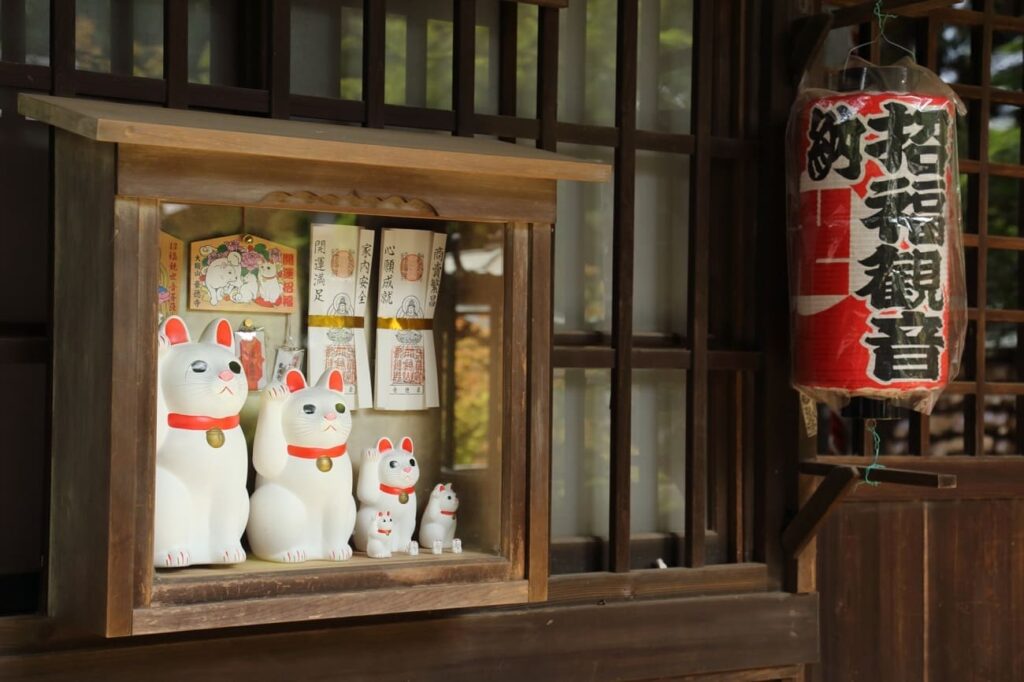
If you ask Japanese people whether a Maneki Neko really brings good luck, you’ll probably hear many different answers.
Some people genuinely believe in its lucky power, while others simply see it as a traditional symbol of good fortune.
For many of us, a Maneki Neko is a little like a lucky charm. We don’t expect it to magically change our lives, but having one nearby feels comforting and hopeful.
It’s also simply adorable.
Whether it’s smiling from the entrance of a shop or waving from a windowsill at home, a Maneki Neko has a warm and friendly presence that makes people smile.
Perhaps that’s the real reason it has remained so popular for centuries.
It quietly reminds us to welcome happiness, good fortune, and new opportunities into our lives.
There’s something so charming about Maneki Neko. Just having one in a room makes it feel a little brighter and happier.
My Own Maneki Neko Story
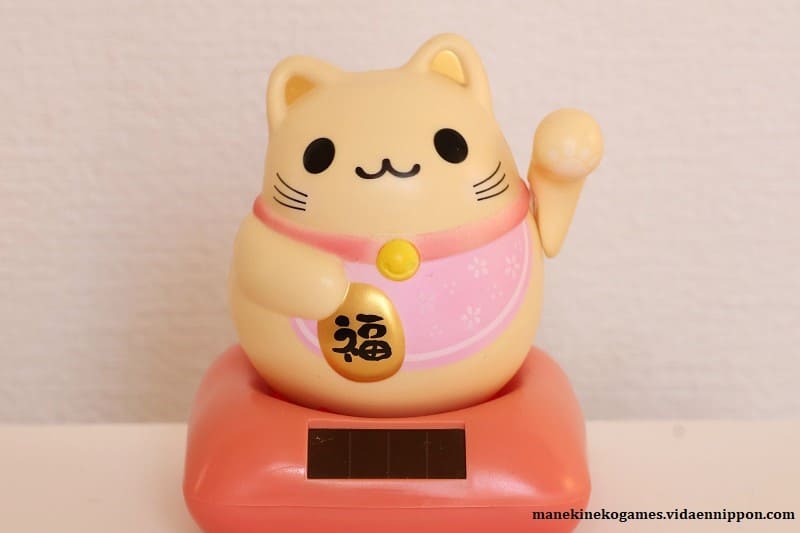
One of my favorite Maneki Neko has a special place in my home.
The year we got married, Otsuki’s father brought back a small solar-powered Maneki Neko as a souvenir for Taro. He found it during a business trip because he knew Taro loved cats.
Otsuki still remembers how happy Taro looked when he opened the gift.
Since then, that little Maneki Neko has been sitting on our windowsill, cheerfully waving its paw every sunny day as if inviting good fortune into our home.
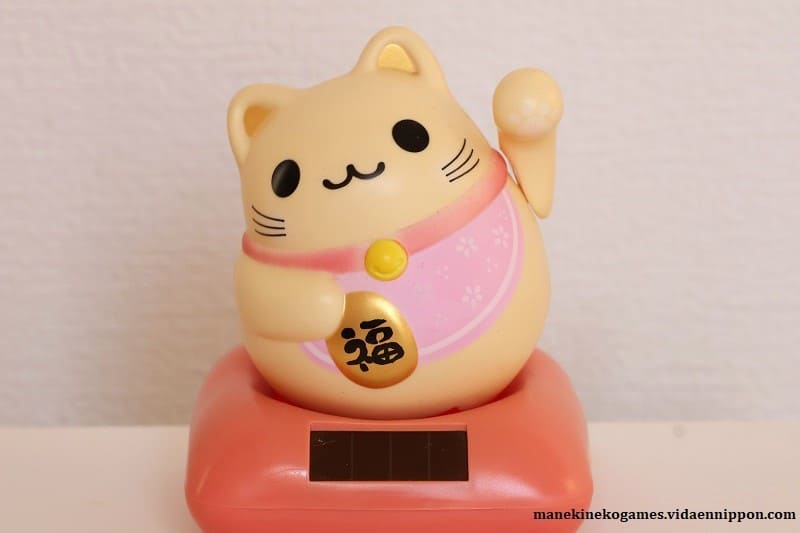
The funny part is that it’s powered by sunlight, so on rainy or cloudy days, it simply stops waving. It makes us smile because it feels like our little lucky cat is taking a day off.
Even if you don’t believe it can bring good luck, it’s a charming reminder to appreciate the small joys in everyday life.
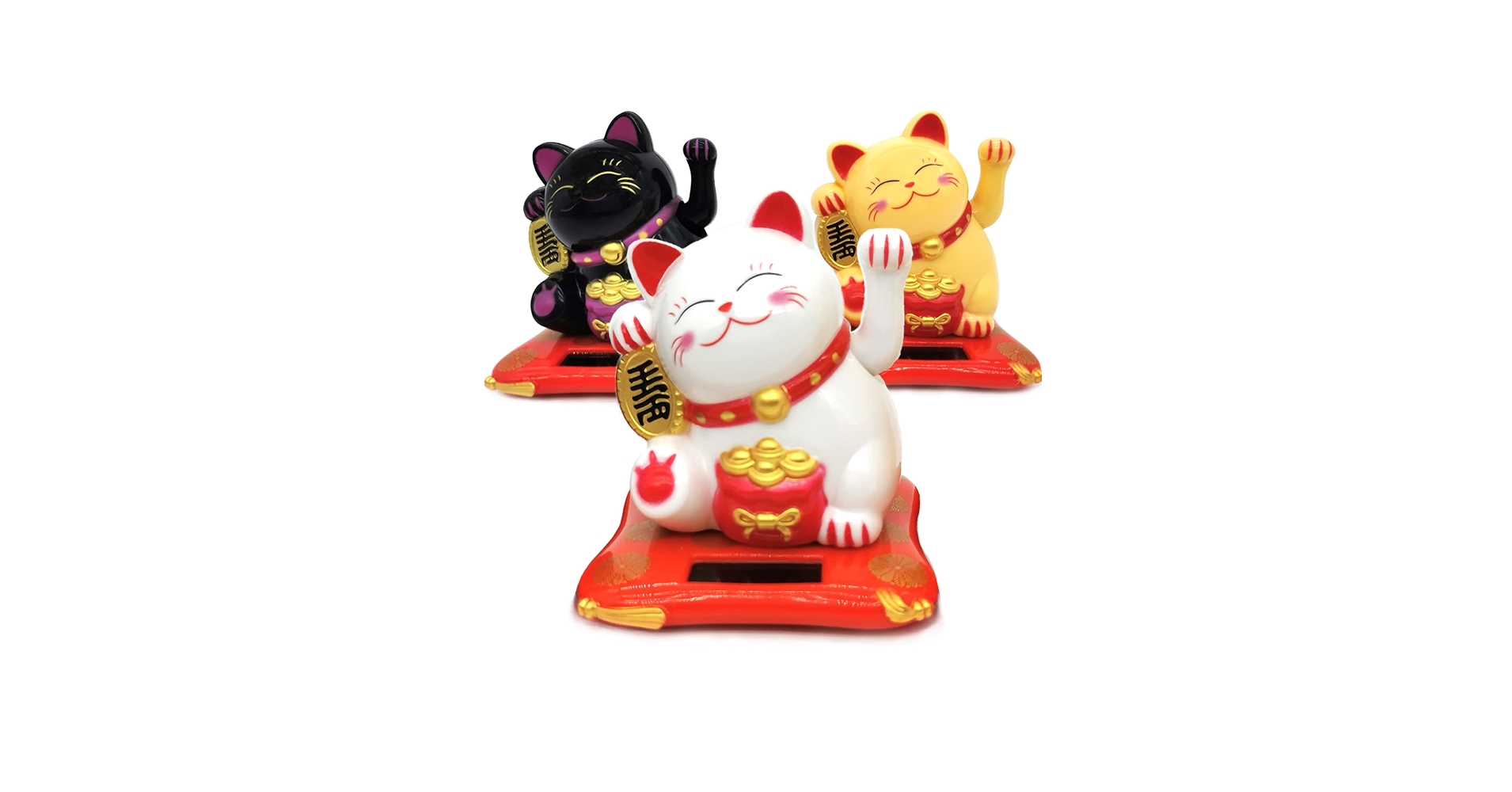

Our Manekineko original color faded from white to this because of too much sunlight! Lol
Yes, I don’t remember the original color anymore lol
By the way, we named our blog “Manekineko GAMES” because, just like a Maneki Neko, we hope it will welcome people from all over the world.

Yes. みんな、きてね!
Why Maneki Neko Makes the Perfect Souvenir from Japan
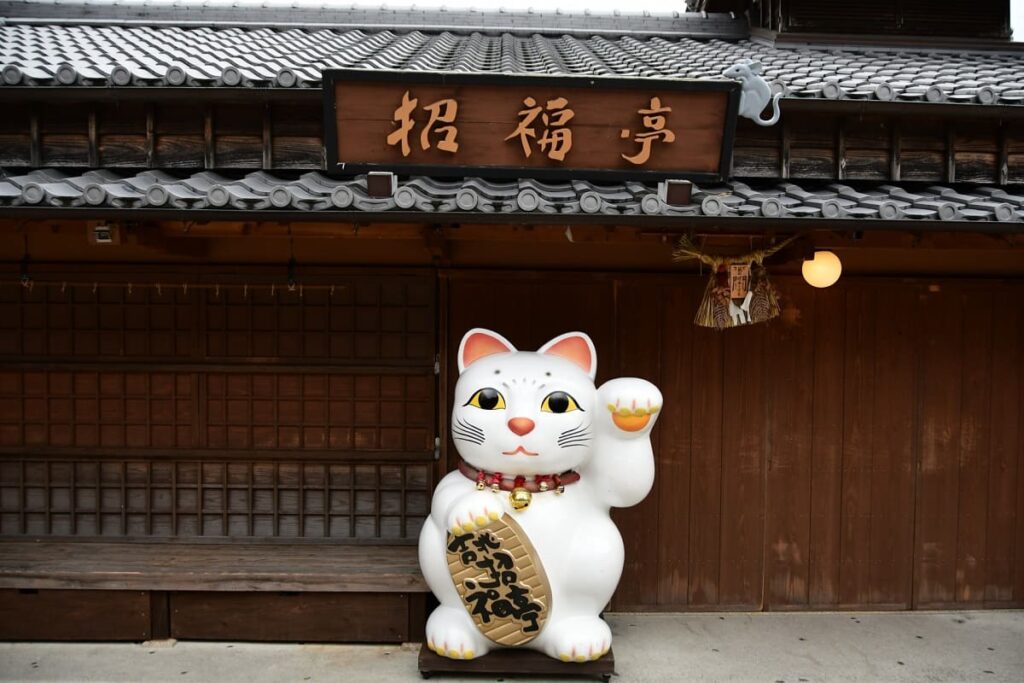
If you’re looking for a souvenir that’s both beautiful and meaningful, it’s hard to beat a Maneki Neko.
Unlike many souvenirs that simply remind you of a trip, a Maneki Neko carries a heartfelt wish for good fortune, happiness, and prosperity.
That’s one reason it has remained a favorite gift in Japan for generations.
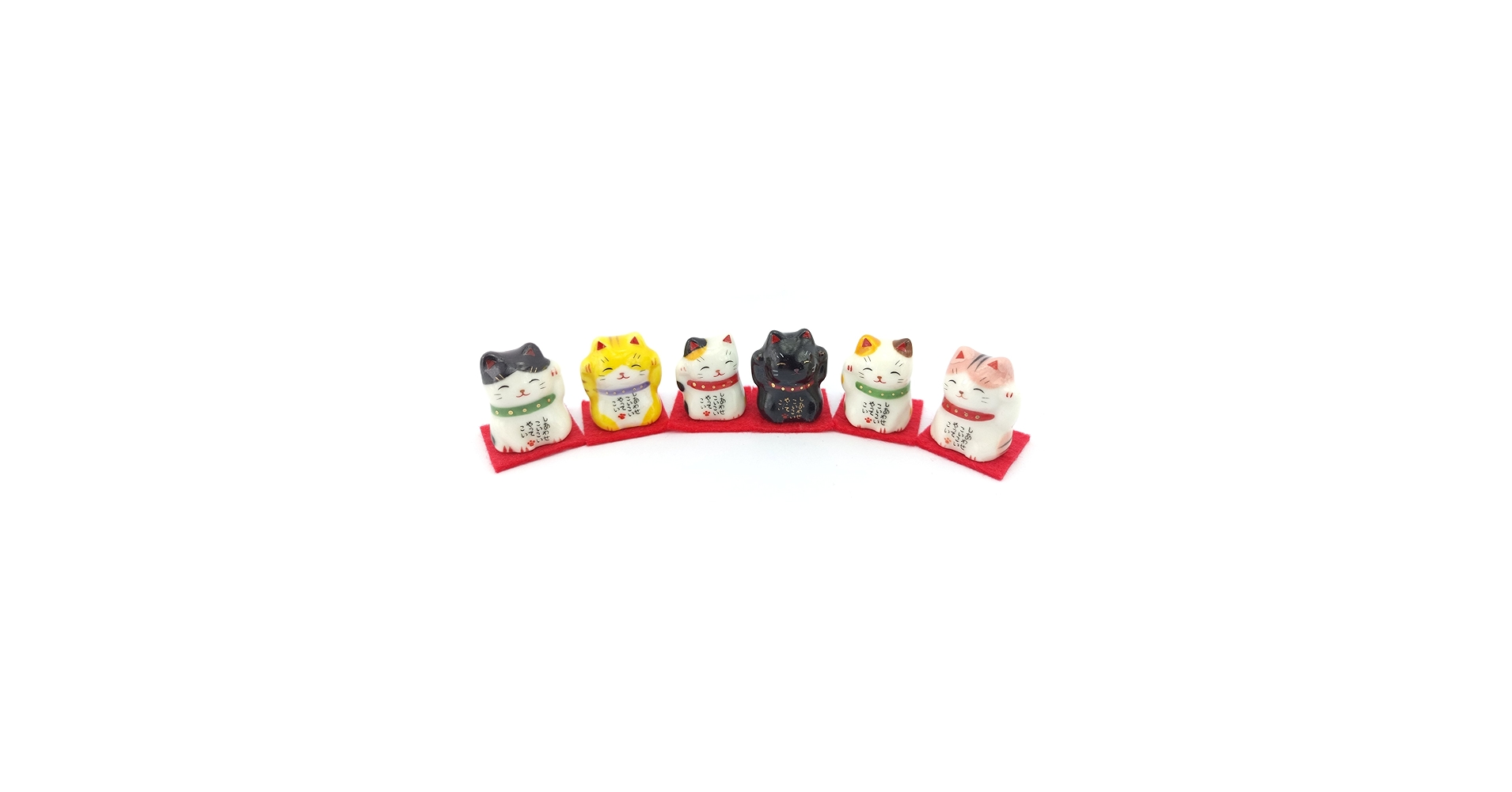
You’ll find Maneki Neko in all kinds of sizes, colors, and designs—from tiny palm-sized figures that fit easily into a suitcase to beautifully handcrafted ceramic pieces made by local artisans.
Some are traditional, while others are surprisingly modern, featuring playful expressions or even solar-powered waving paws.
Whether you place one near your front door, on your desk, or in your living room, it will always remind you of your journey through Japan.
And who knows?
It might even bring a little extra good luck into your life.

If you visit Japan, I hope you’ll find a Maneki Neko that makes you smile. The best souvenir isn’t always the most expensive one—sometimes it’s the one that brings back your happiest memories every time you see it.
I just got back from my trip to Japan, but I totally missed out on buying a maneki-neko.

Then you don’t have to wait until your next trip to Japan to get a Maneki Neko. You can easily order one online through Amazon U.S. or Rakuten Japan, which offers international shipping to many countries.


Final Thoughts about Manekineko
Manekineko is not just a lucky charm; it’s a cultural icon that reflects Japan’s deep respect for fortune, gratitude, and symbolism. Whether you’re looking to improve your finances, attract customers, or simply enjoy a meaningful decoration, Manekineko has something for everyone.
Why not choose your own Manekineko today and let it invite good luck into your life?

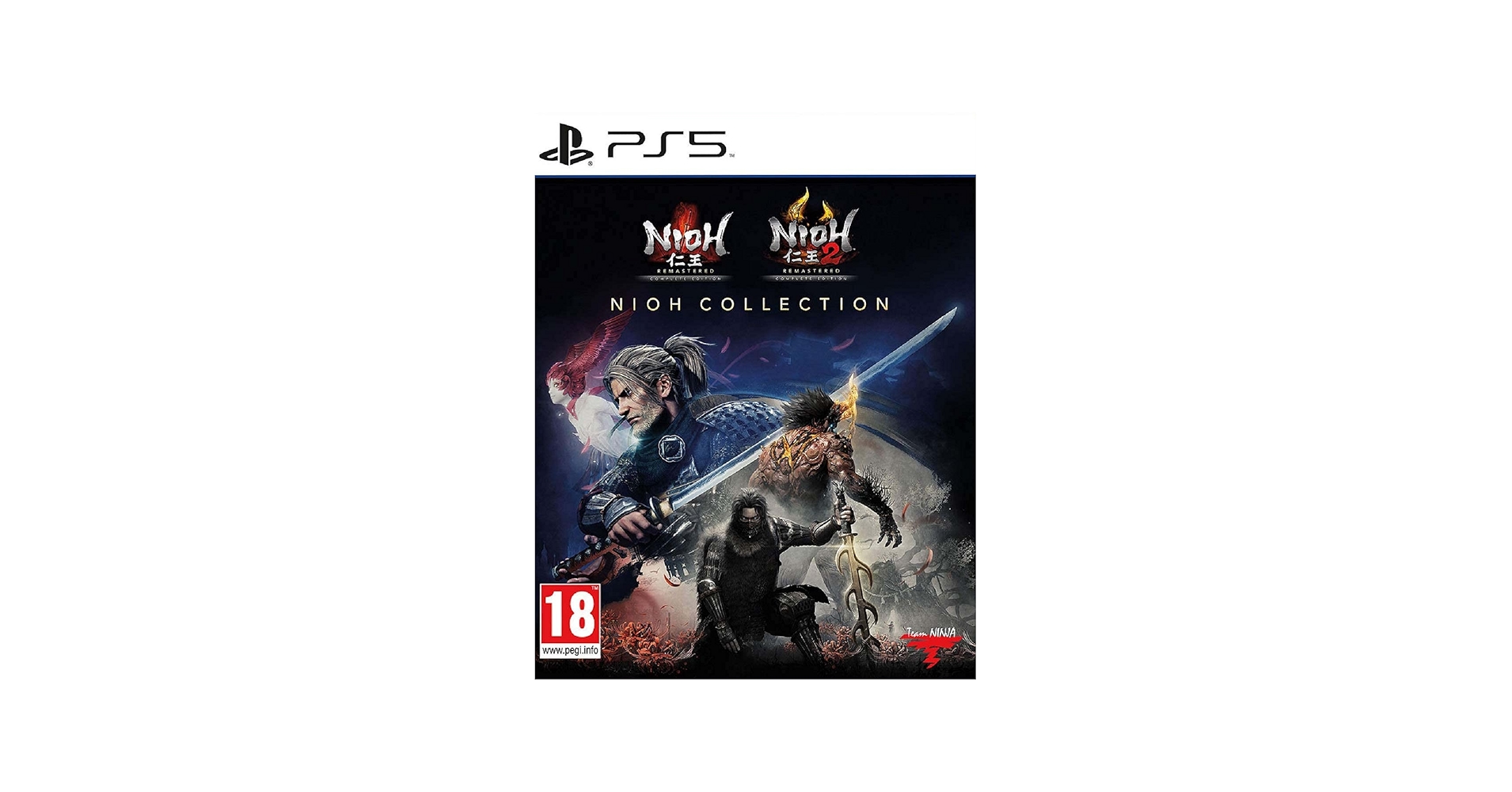
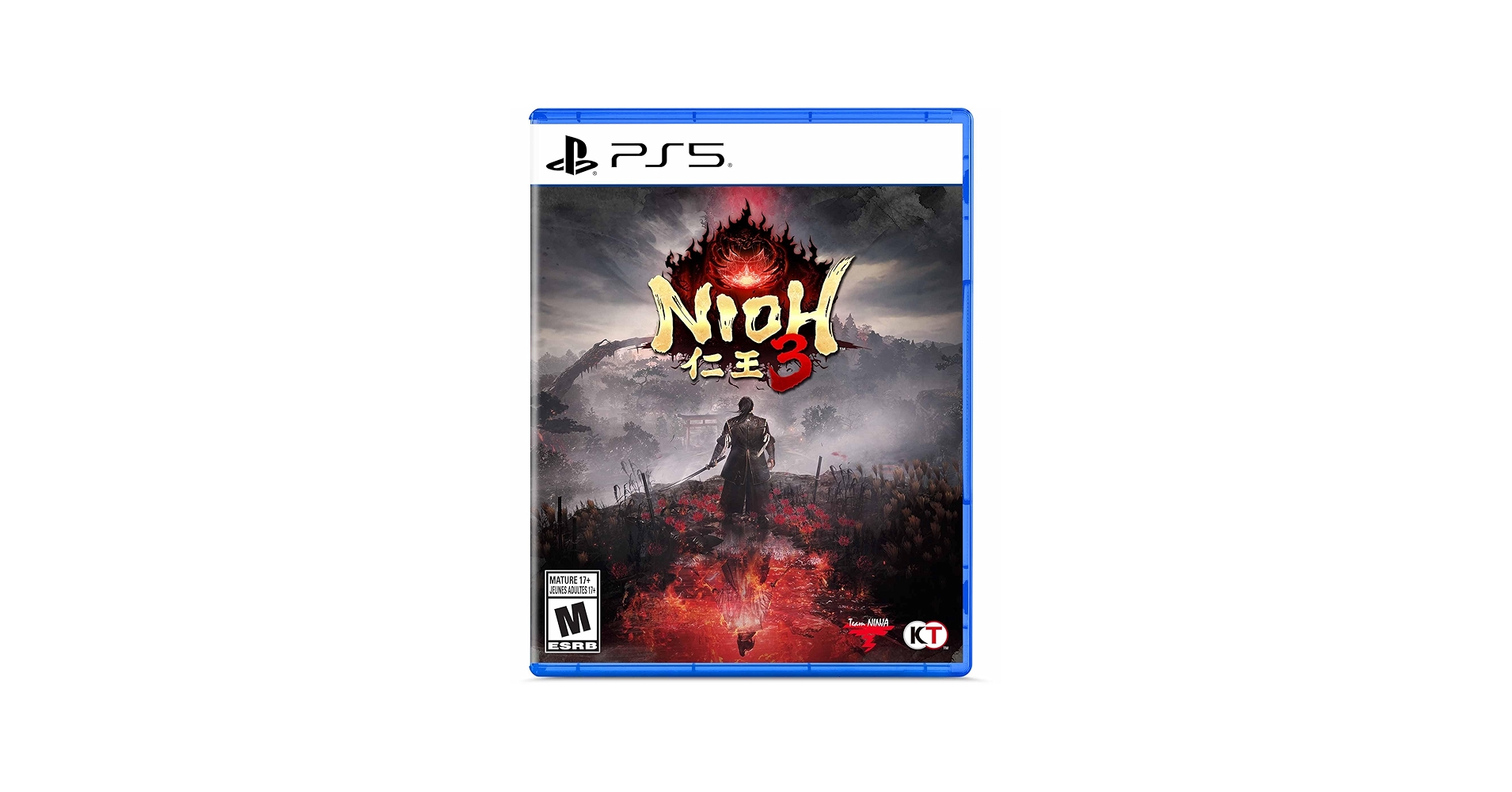
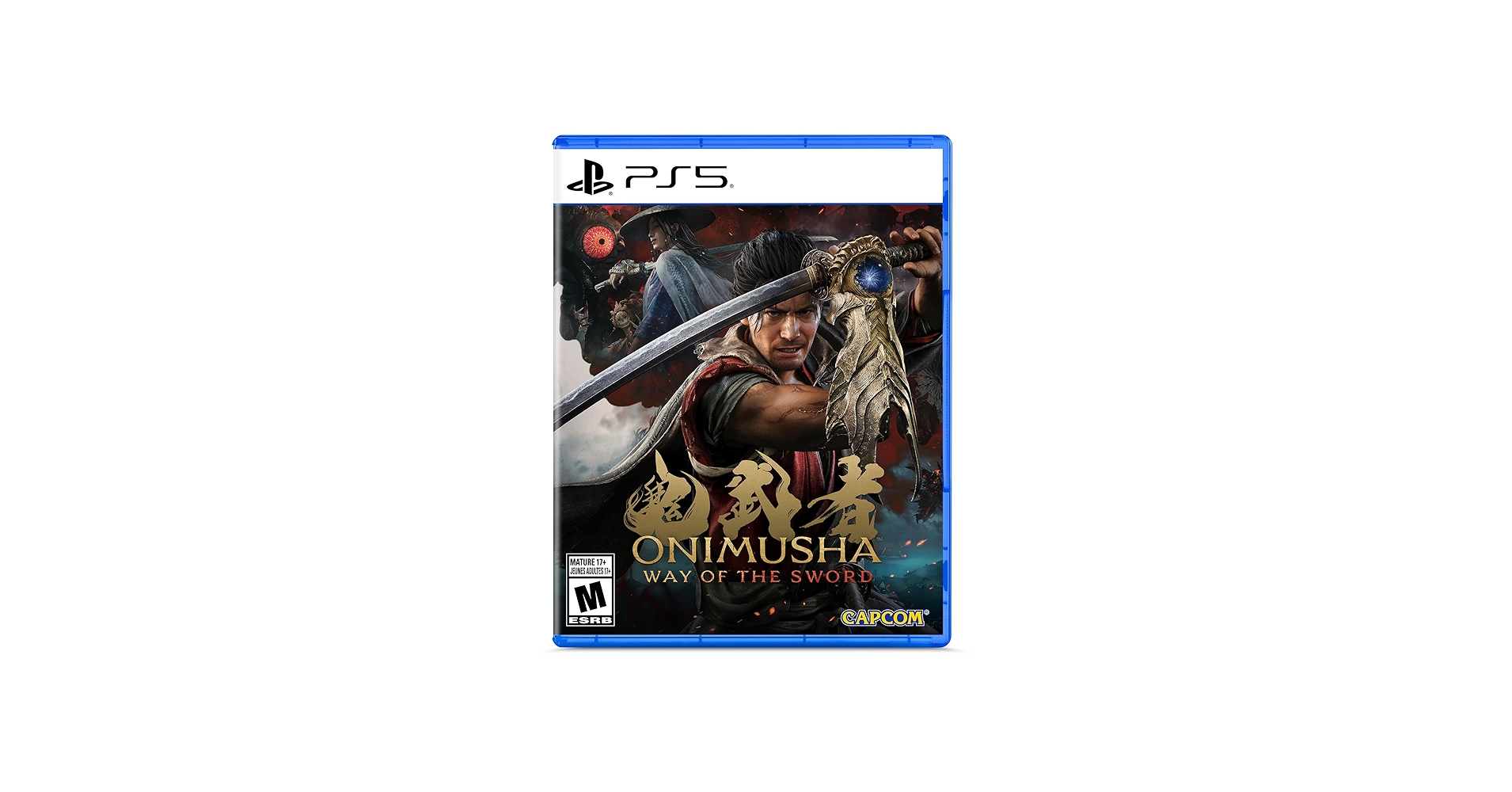
If you are interested in Japanese culture, you may love this game!
Let’s play!
Yes! I can’t wait to play these games!
Let’s Play!



Comments