
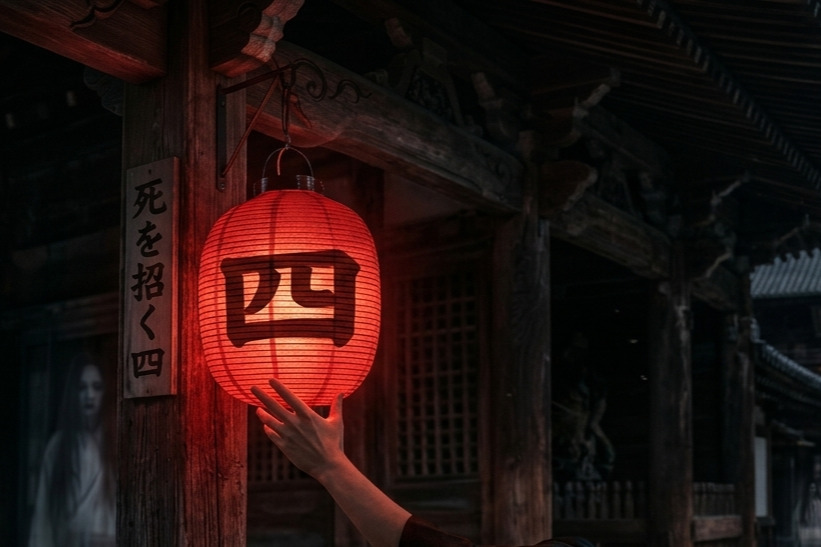


Japan is rich in traditions, folklore, and symbolic meanings. Alongside well-known customs like festivals and seasonal rituals, Japan also has many fascinating superstitions—beliefs about luck, bad fortune, and mysterious signs.
Many of these ideas come from Shinto beliefs, Buddhist traditions, and everyday folk wisdom passed down through generations.
Some people take them seriously, while others treat them as playful cultural traditions. Either way, they offer a fascinating glimpse into Japanese culture.
Here are 10 strange Japanese superstitions that many people in Japan still recognize today.
- Quick Facts About Japanese Superstitions
- What Are Japanese Superstitions?
- 10 Famous Japanese Superstitions
- 1. The Unlucky Number 4
- 2. Sleeping with Your Head Facing North
- 3. Whistling at Night Attracts Snakes
- 4. Cutting Your Nails at Night
- 5. Hiding Your Thumb During a Funeral Car
- 6. Breaking a Comb Brings Bad Luck
- 7. Black Cats Can Bring Good Luck
- 8. Writing Someone’s Name in Red Ink
- 9. Broken Geta Straps Bring Bad Luck
- 10. Sneezing Means Someone Is Talking About You
- Why Do These Superstitions Exist in Japan?
- Japanese Lucky Charms
- Frequently Asked Questions About Japanese Superstitions
- Final Thoughts about Japanese superstitions
Quick Facts About Japanese Superstitions
・Many Japanese superstitions come from Shinto, Buddhism, and folk traditions.
・Some beliefs are based on wordplay in the Japanese language.
・Even in modern Japan, certain superstitions still influence daily life.
・However, many people today treat them as cultural traditions rather than serious beliefs.
What Are Japanese Superstitions?

Japanese superstitions are traditional beliefs that connect certain actions, numbers, or events with good luck or bad luck.
Many of these ideas developed from:
- Shinto spirituality
- Buddhist customs
- wordplay in the Japanese language
- practical warnings that became folklore
Even in modern Japan, these beliefs continue to influence everyday life—from building design to common sayings.
10 Famous Japanese Superstitions
1. The Unlucky Number 4

In Japanese, the number 4 can be pronounced shi, which sounds the same as the word for death.
Because of this, the number is often avoided in certain situations.
Examples include:
- hospitals skipping room number 4
- apartment buildings skipping the 4th floor
- gift sets avoiding four items

The connection between the number 4 and death is probably the most famous Japanese superstition.
Some hotels and hospitals even skip the 4th floor or room number 4.
Personally, I don’t worry much about numbers like that, though.
2. Sleeping with Your Head Facing North
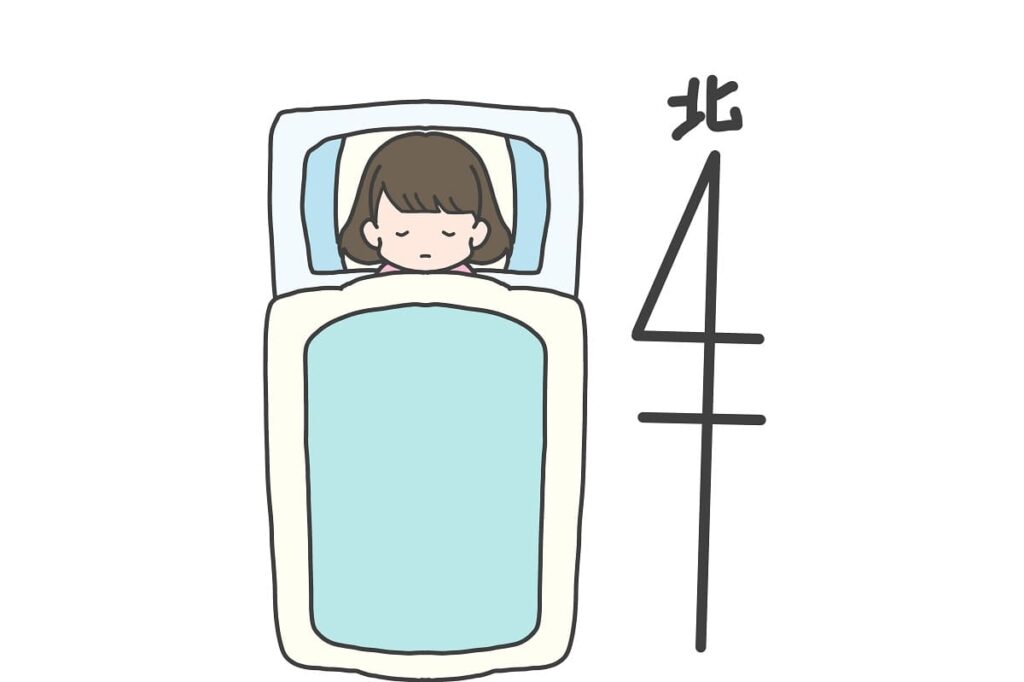
Sleeping with your head pointing north is considered unlucky in Japan.
This belief comes from Buddhist funeral customs, where the deceased is placed with their head facing north.
Because of this association with death, many people avoid this sleeping position.

When I first heard this superstition as a child, I remember thinking I should never sleep with my head facing north.
These days I don’t really worry about it anymore.
3. Whistling at Night Attracts Snakes
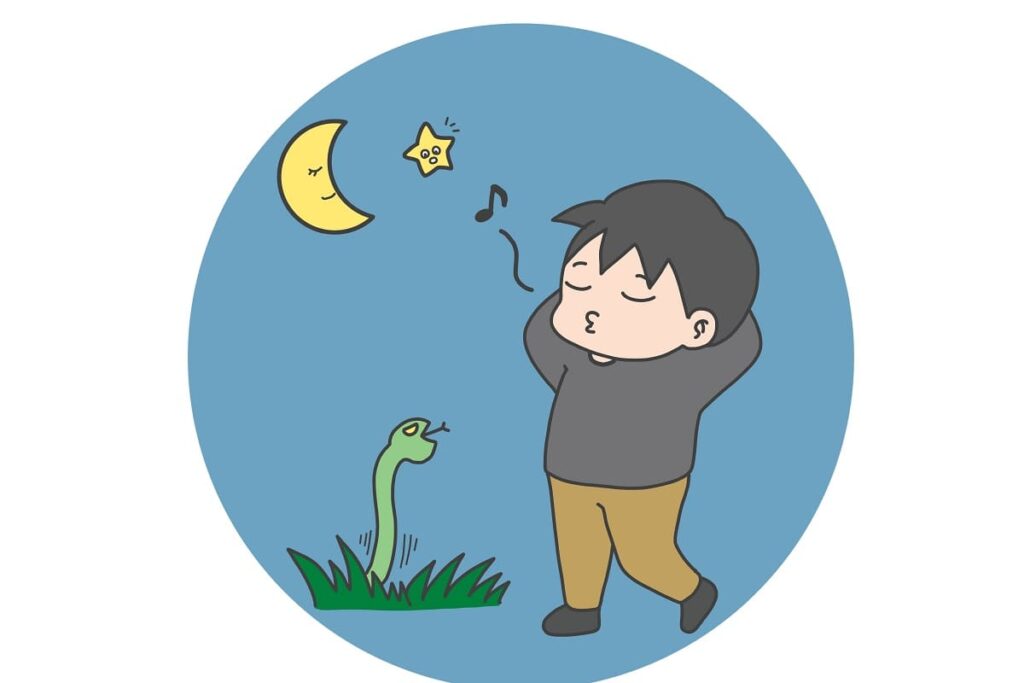
Parents in Japan often tell children:
“If you whistle at night, snakes will come.”
There are several theories about this superstition:
- it discouraged children from going outside at night
- the sound could attract thieves
- snakes symbolized danger in folklore

When I was a child, I was told that whistling at night could attract unwanted things, so it was better not to whistle during the hours when spirits were believed to be active.
4. Cutting Your Nails at Night
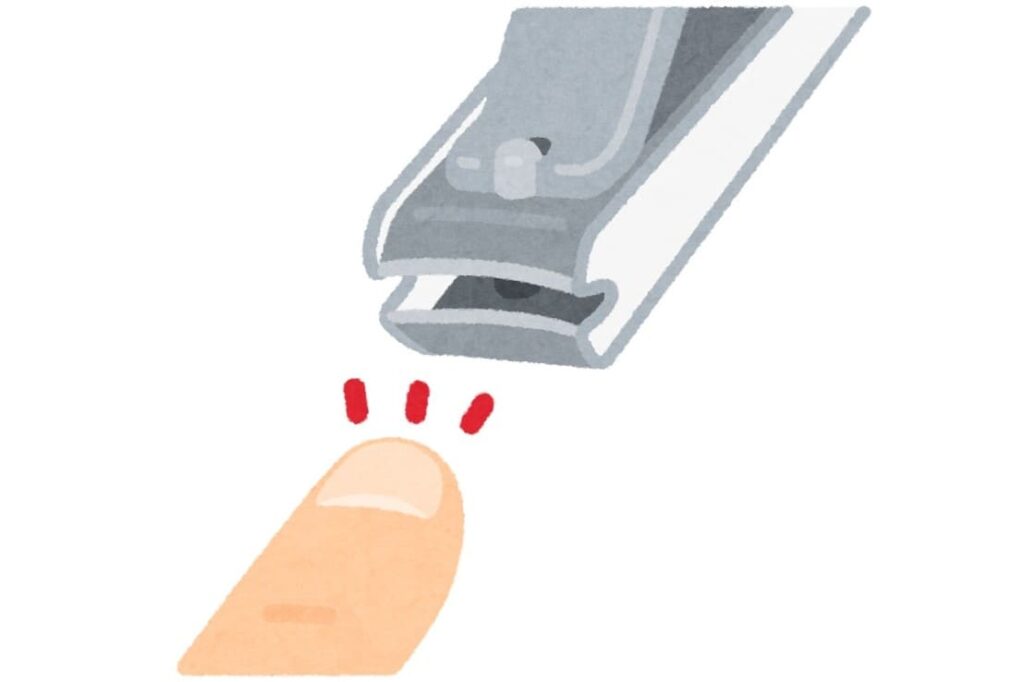
A traditional saying warns:
“If you cut your nails at night, you won’t be with your parents when they die.”
One explanation is that in the past, cutting nails at night was dangerous due to poor lighting.
Over time, the warning became associated with family misfortune.
The superstition about not cutting your nails at night may come from a wordplay called “yozume.”
In the Edo period, using sharp tools under the dim light of an oil lamp could be dangerous, so the saying may have started as a warning.
5. Hiding Your Thumb During a Funeral Car
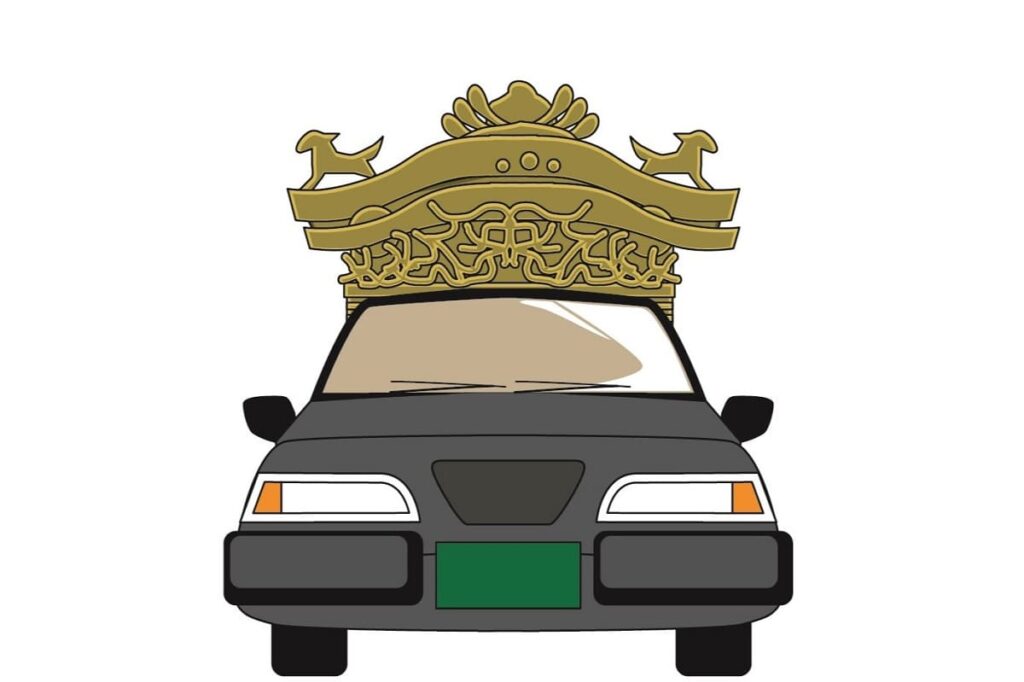
Some people hide their thumbs when a funeral car passes by.
The reason is linguistic.
The Japanese word for thumb is “oya-yubi,” meaning “parent finger.”
Hiding it symbolically protects one’s parents.
The superstition about hiding your thumb when a funeral car passes by is something I’ve practiced since I was a child.
Even now as an adult, it’s the one superstition I still can’t seem to stop doing.
6. Breaking a Comb Brings Bad Luck
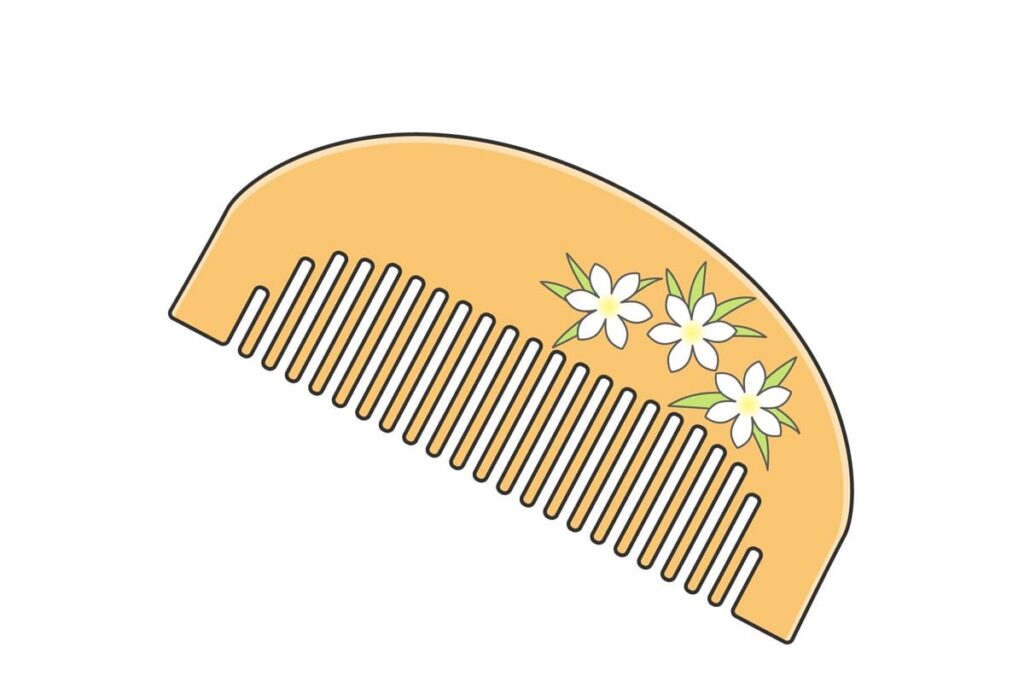
A broken comb is sometimes believed to bring misfortune.
This idea may come from wordplay:
- ku (苦) meaning suffering
- shi (死) meaning death
The word kushi (comb) contains both sounds.
7. Black Cats Can Bring Good Luck
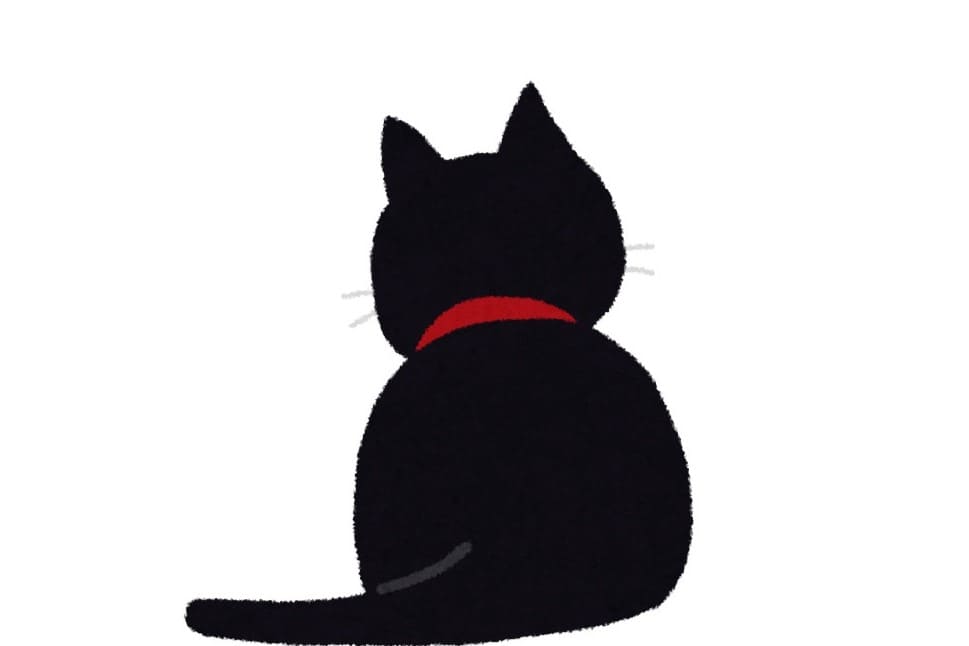
Unlike in some Western countries, black cats are often considered lucky in Japan.
In some traditions, they are believed to help women attract romantic partners.
Because of this, black cats sometimes appear as positive symbols in Japanese culture.
8. Writing Someone’s Name in Red Ink
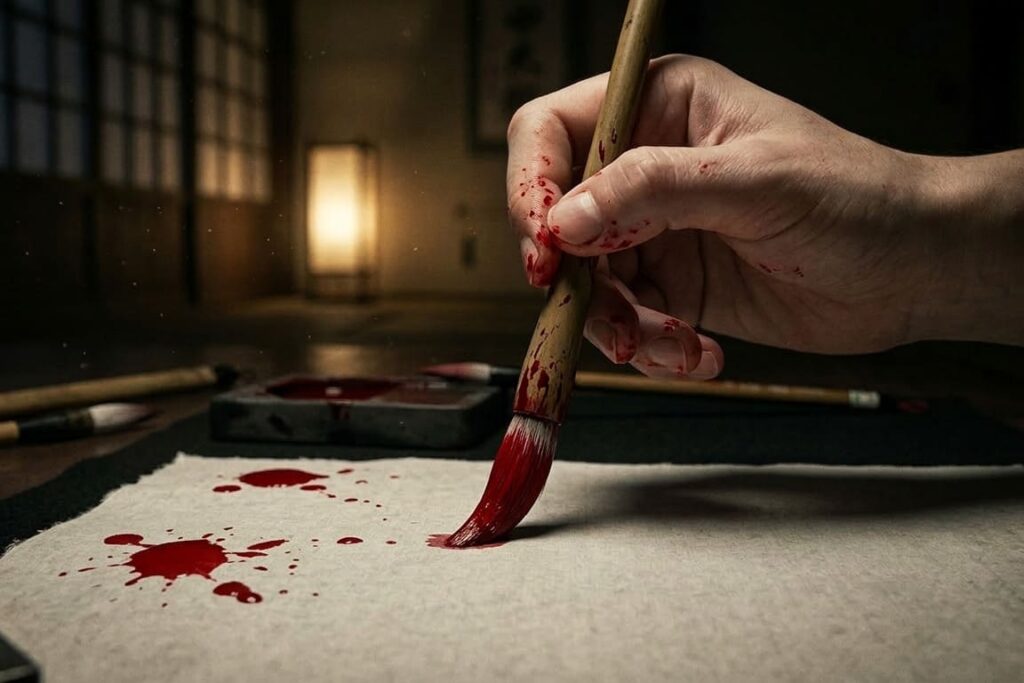
Writing a person’s name in red ink can feel uncomfortable or disrespectful in Japan.
In the past, red writing was sometimes associated with the names of the deceased on memorial records.
Because of this connection, it is generally considered polite to avoid writing someone’s name in red.
9. Broken Geta Straps Bring Bad Luck

Traditional wooden sandals called geta have straps that hold the foot in place.
If the strap suddenly breaks while walking, it has sometimes been seen as a sign of misfortune ahead.
This belief may have started simply because broken footwear was dangerous while traveling.
10. Sneezing Means Someone Is Talking About You
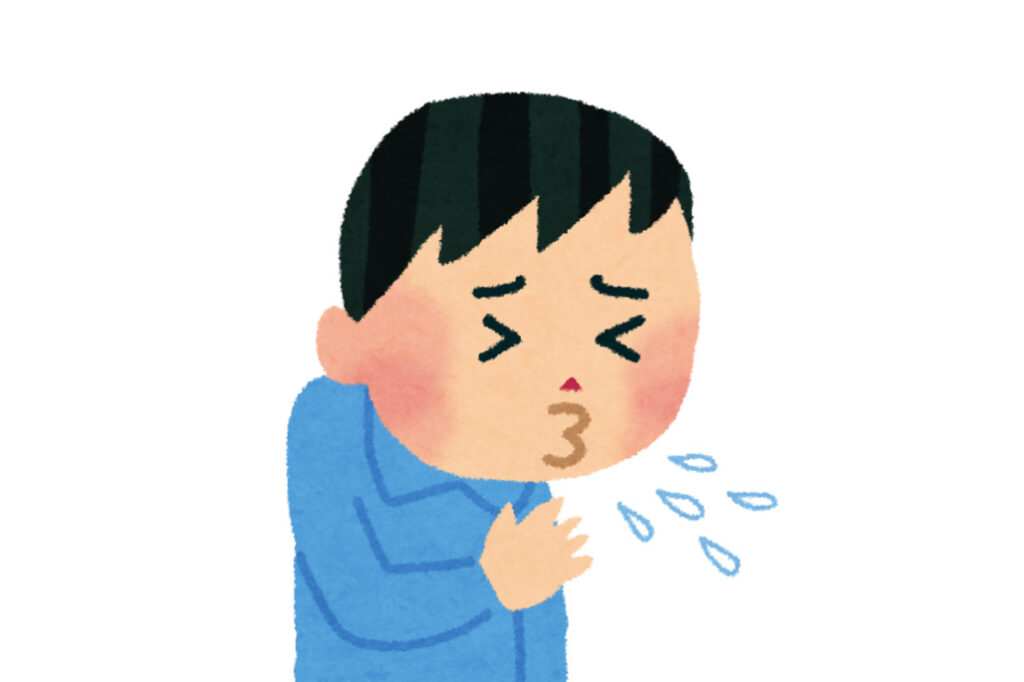
Another playful superstition says that if you suddenly sneeze, someone may be talking about you.
There’s even a humorous saying:
- One sneeze → someone is praising you
- Two sneezes → someone is criticizing you
- Three sneezes → someone is in love with you
Today, most people treat this idea as a joke, but it remains a fun part of folklore.
The superstition that sneezing means someone is talking about you is still well known today.
However, where I live, I’ve never really heard the idea about the number of sneezes or what kind of rumors they represent.
Why Do These Superstitions Exist in Japan?

Japanese superstitions developed from a combination of religion, language, and everyday life.
Many of these beliefs were originally practical warnings. For example, the idea that you should not cut your nails at night may have started as a safety warning during times when lighting was poor.
Over time, these warnings evolved into cultural sayings and superstitions passed down through generations.
Even today, most people in Japan do not take these beliefs literally. However, they remain part of everyday culture and are often followed “just in case.”
Japanese Lucky Charms
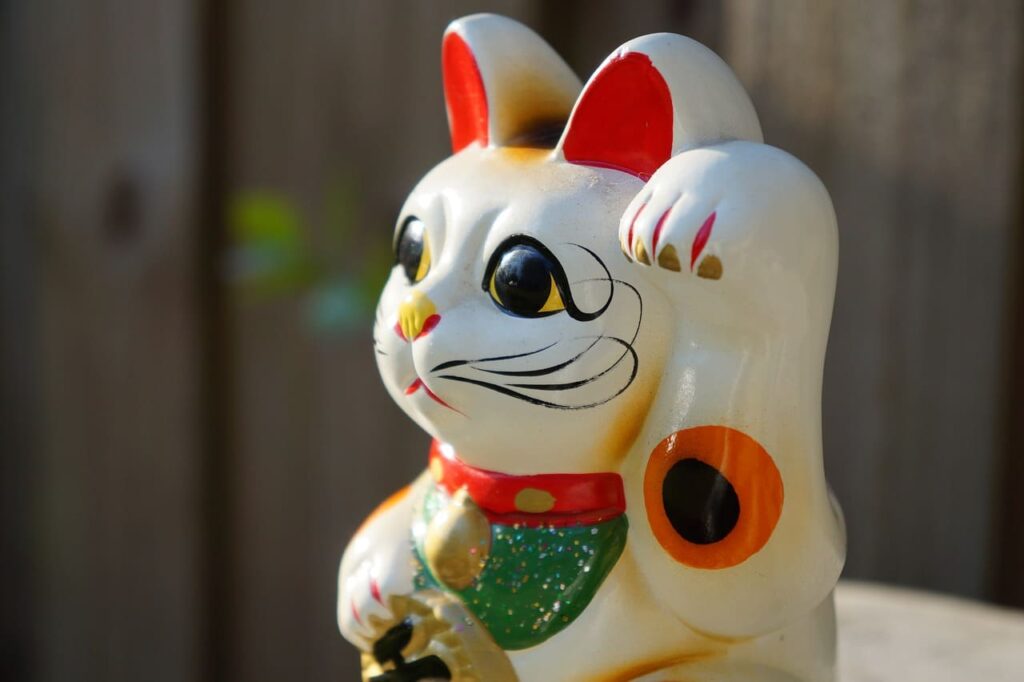
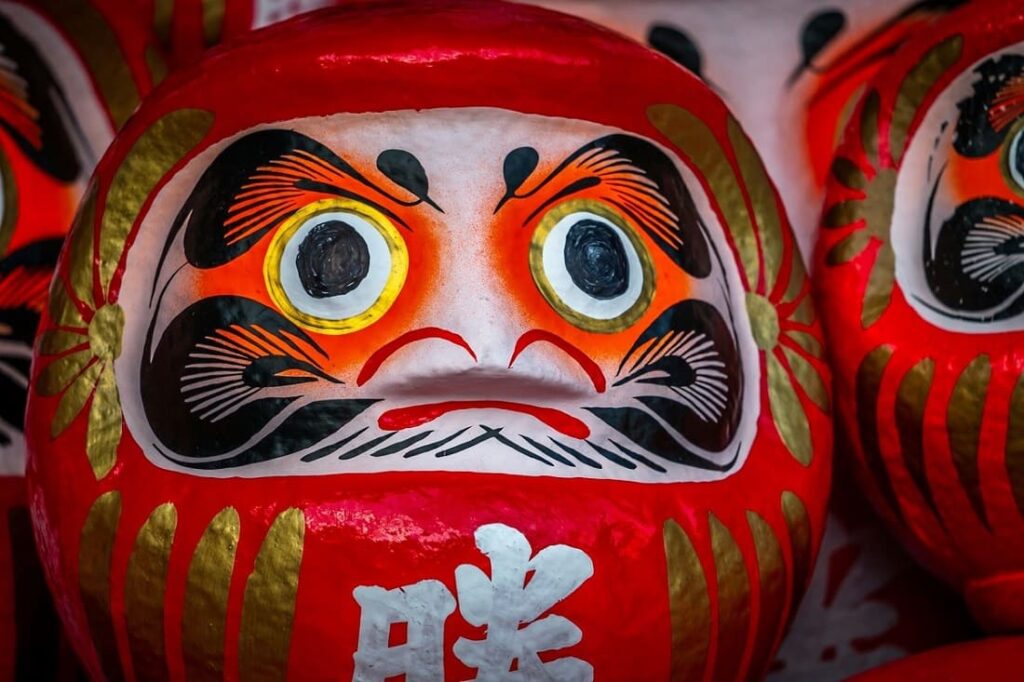
Japan has many traditional lucky charms believed to bring good fortune.
Examples include:
- Maneki Neko (lucky cat)
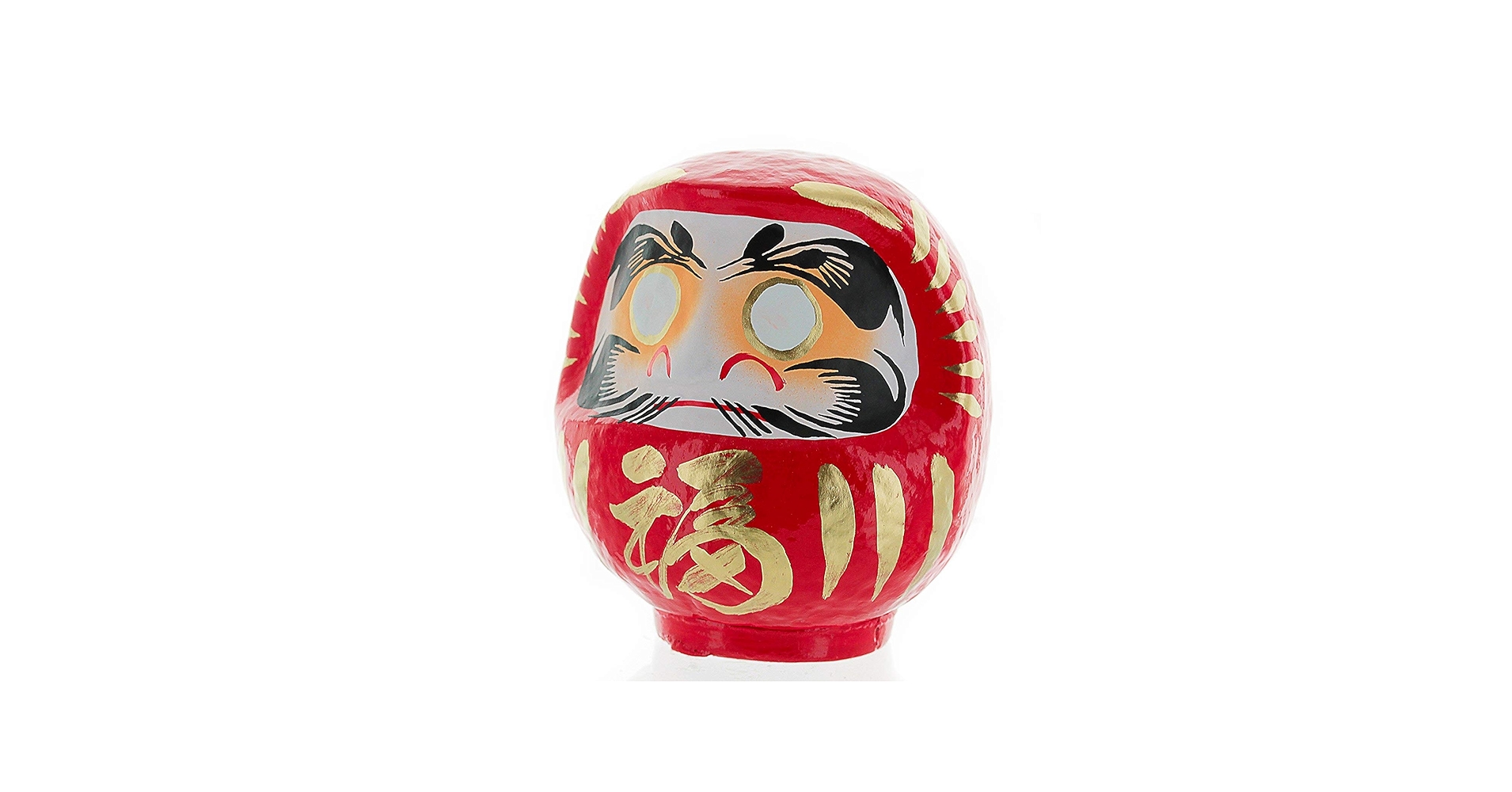
- Daruma dolls
- Omamori charms
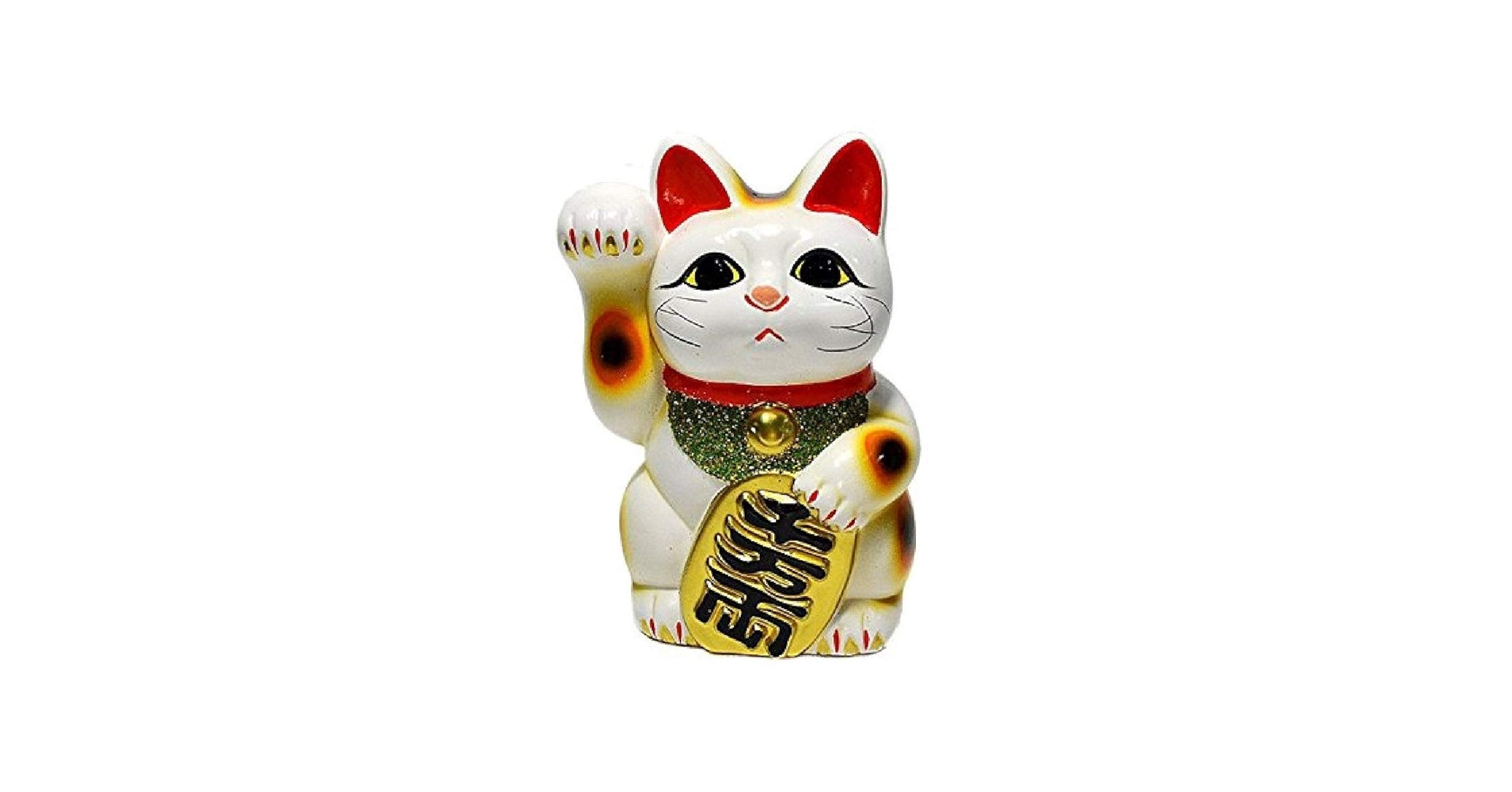
Looking for a traditional Japanese lucky charm?
Check out these popular Japanese good luck items.
Frequently Asked Questions About Japanese Superstitions
- QAre Japanese people superstitious?
- A
Most people in modern Japan do not strongly believe in superstitions. However, many traditions are still known and sometimes followed out of habit or cultural respect.
- QWhy is the number 4 unlucky in Japan?
- A
Because the number 4 can be pronounced shi, which sounds the same as the Japanese word for death.
- QIs it really bad luck to whistle at night in Japan?
- A
Today most people treat it as a cultural saying rather than a serious belief.
Final Thoughts about Japanese superstitions
Japanese superstitions offer a unique glimpse into the country’s history, language, and beliefs.
From unlucky numbers to mysterious nighttime warnings, these traditions show how folklore still shapes everyday life in Japan.
Whether taken seriously or not, they remain an entertaining and meaningful part of Japanese culture.

If you are interested in Japan, you may love this game!
Let’s play!

Yes! Let’s play!



Comments