



You may have heard the Japanese word “Kotodama”, but explaining it clearly can be surprisingly difficult.
It sounds spiritual, even mystical, and some people might wonder: Is it just superstition?
In reality, Kotodama is a deeply rooted Japanese concept that reflects how people think about language, behavior, and everyday life.
In this article, we’ll explore:
- What Kotodama means
- Where the idea comes from (mythology and ancient poetry)
- How it still influences modern Japanese culture
- And how it connects to psychology and positive affirmations today
All in a clear, easy-to-understand way.

(While playing in a game) Damn it! Go to hell, you jerk! I will throw rocks at you!

Oh dear. Watch your language.
How about we study Kotodama today?
- What Does Kotodama Mean?
- The Idea That Words Create Reality
- Japan as “The Land Blessed by Words”
- A Myth That Shows the Danger of Careless Words
- Kotodama in Ancient Japanese Poetry
- Kotodama in Modern Japanese Life
- Is Kotodama Similar to Positive Affirmations?
- Kotodama from a Psychological Perspective
- Kotodama: Not Superstition, but Cultural Wisdom
What Does Kotodama Mean?

Kotodama literally means “the spirit (or power) of words.”
It refers to the traditional belief that spoken words can influence reality.
For centuries in Japan, people believed that:
- Speaking positive words could bring good outcomes
- Careless or negative words could invite misfortune
Words were not seen as neutral sounds or symbols, but as forces that could shape events, emotions, and relationships.
The Idea That Words Create Reality
In Kotodama thinking, language and reality are inseparable.
What you say is believed to affect what happens next.
Positive Words (Good Fortune)

For example:
- “Congratulations”
- “I’m looking forward to it”
- “You’ll be fine”
Such expressions were thought to attract favorable situations and smooth outcomes.

It’s true, I do feel better when I speak positively.
Negative Words (Misfortune)

On the other hand:
- Grim predictions
- Insulting language
- Definite negative statements
were feared because they might turn into reality.
This belief is one reason Japan developed the cultural habit of avoiding certain words in sensitive situations.

I see, I really need to be careful with the words I say.
Japan as “The Land Blessed by Words”

In ancient Japanese texts, Japan is often described as:
“A land where happiness comes through words.”
This phrase appears in classical literature such as the Manyōshū, Japan’s oldest poetry anthology.
The idea was simple but powerful:
- Using correct words
- Choosing beautiful expressions
- Speaking with consideration
was believed to bring not only personal happiness, but also peace and prosperity to society as a whole.
In other words, how you speak reflected how you live.
A Myth That Shows the Danger of Careless Words
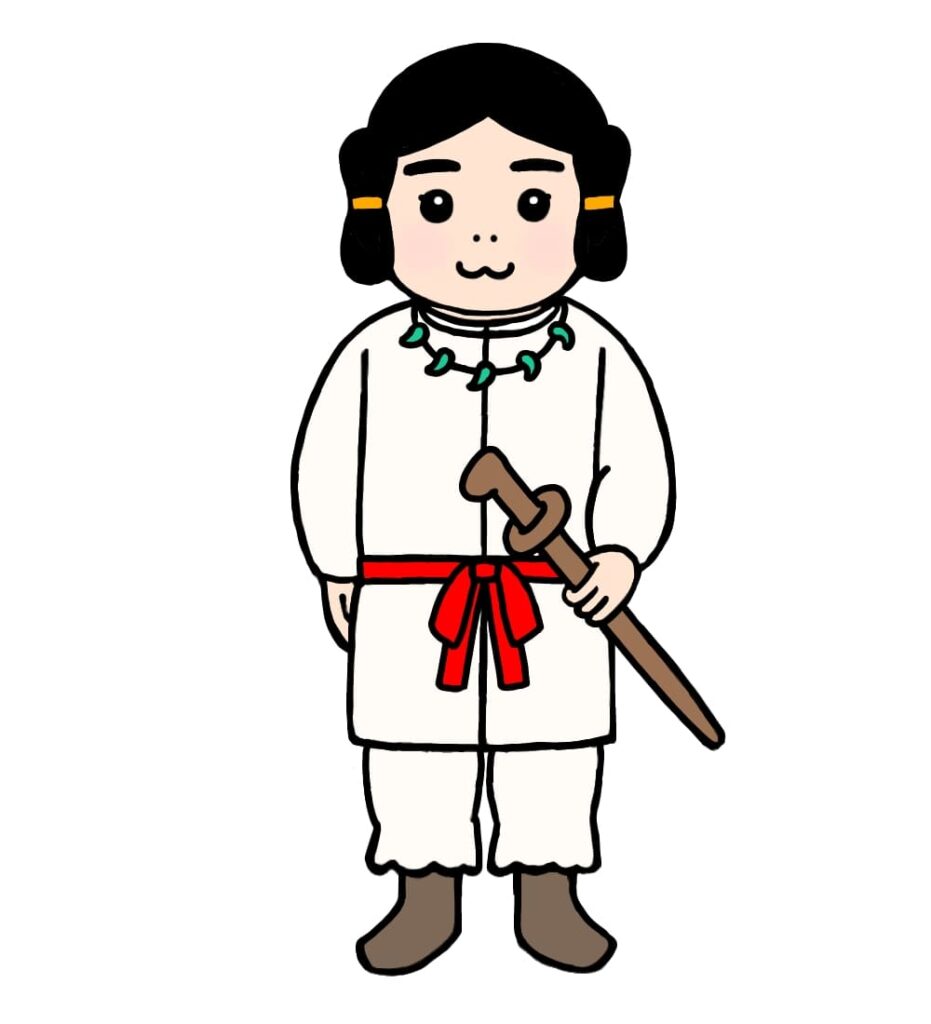
One famous story highlighting the power of Kotodama comes from Japanese mythology, featuring the legendary hero Yamato Takeru.
What Is “Kotoage”?
In ancient Japan, openly declaring intentions or predictions was called kotoage — “raising words.”
Because words were believed to activate Kotodama, people avoided making bold or arrogant statements.
The Mt. Ibuki Story
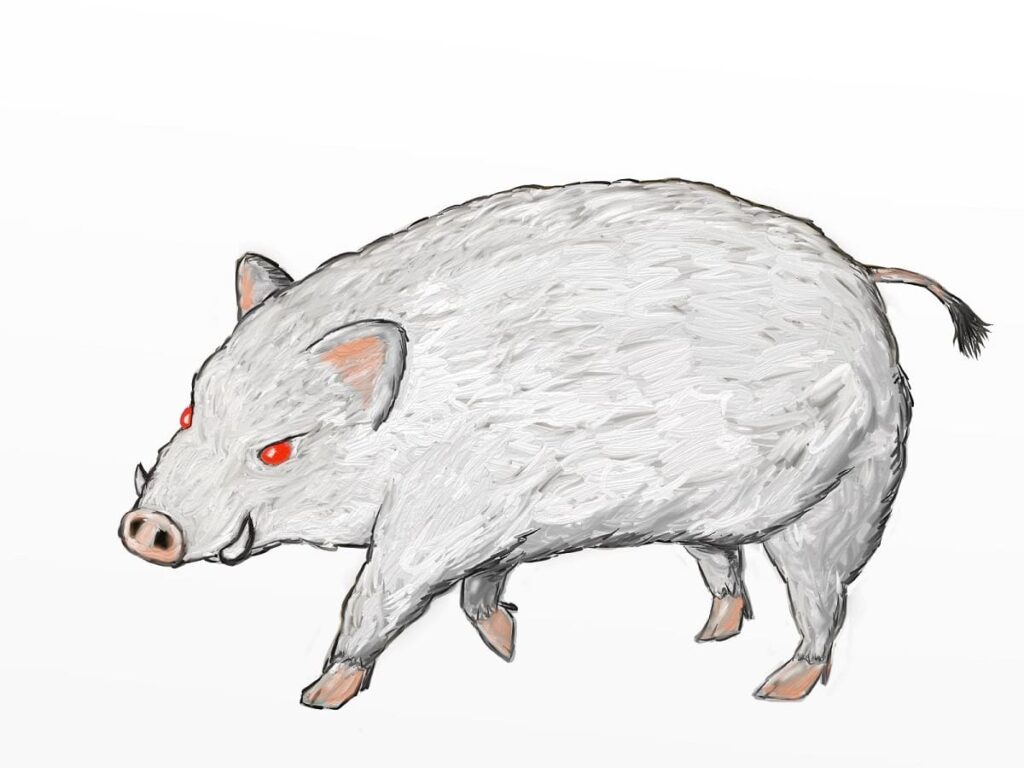
While traveling to defeat a mountain god, Yamato Takeru encountered a giant white boar.
He said aloud:
“This must be a messenger of the god. I’ll deal with it later.”
What he didn’t realize was that the boar was the god itself.
Insulted by his words, the deity caused icy rain and confusion, leading Yamato Takeru to fall ill and eventually die.

I didn’t know Yamato Takeru died because of Kotodama!
The Lesson

This myth teaches that careless, prideful speech can bring real consequences — a clear illustration of the fear and respect surrounding Kotodama.

If you are interested in Yamato Takeru,
please read the article below.

Kotodama in Ancient Japanese Poetry
The belief in the power of words also appears in classical poetry.
A Poem by Kakinomoto no Hitomaro
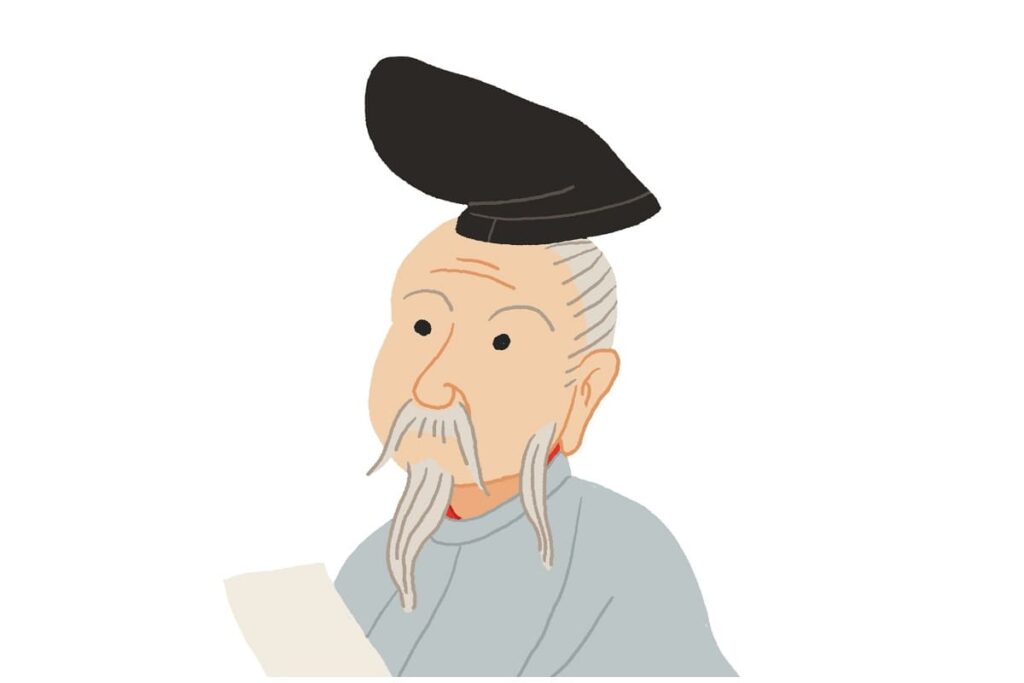
The revered poet Hitomaro wrote a farewell poem that includes the famous line:
“This land of Yamato
is a land blessed by the spirit of words.
May you return safely.”
At a time when travel was extremely dangerous, words were believed to carry protective power.
The poet trusted that his spoken prayer would help safeguard the traveler.
This shows that the sense of words carrying spiritual weight existed even in everyday life.
Kotodama in Modern Japanese Life
Kotodama is not just an ancient belief — it still shapes modern customs.
Avoiding Certain Words
In Japan, people often avoid words like:
- “Break” or “separate” at weddings
- “Fail” or “fall” during exams
These habits reflect the lingering idea that words influence outcomes.

Exactly. We have to avoid words like “すべる/suberu” “おちる/ochiru” and “つまずく/tsumazuku” in front of students taking exams.
Celebratory Language
Using auspicious words repeatedly — such as those meaning “longevity” or “prosperity” — is also seen as a way to reinforce good fortune.

Many readers find it helpful to explore introductory books on Japanese spirituality
when learning about Kotodama, especially those that explain Shinto beliefs and philosophy.
Is Kotodama Similar to Positive Affirmations?

Modern affirmations sound very familiar:
- “I can do this.”
- “Today will be a good day.”
Repeating positive statements to influence mindset and behavior is widely accepted in psychology.
In that sense, Kotodama can be seen as a traditional Japanese version of affirmations.
I think I’m starting to understand the importance of words. I’ll stop using foul language from now on.

Yeah, that’s a good idea. Even if you lose badly in a game, keep a positive attitude! but yeah, that might be impossible for you Gaki lol, good luck with that!
Kyahhhh!!! %#*&%#%#*&%# Taro!
Kotodama from a Psychological Perspective

From modern psychology, Kotodama makes practical sense.
The person most affected by your words is your own brain.
Positive language encourages your mind to notice opportunities and solutions.
As a result:
- Your behavior becomes more proactive
- Your choices expand
- Your relationships improve
This aligns with the concept of a self-fulfilling prophecy, where expectations influence outcomes.
Many people who practice Kotodama also keep a small journal
to consciously choose positive words and reflect on their daily language.
If you’re interested, a simple mindfulness or affirmation journal
can be a great place to start.

Affirmation journals offer a modern way to practice mindful language
by writing positive words and intentions every day.
Kotodama: Not Superstition, but Cultural Wisdom
Kotodama isn’t just mystical thinking.
It represents a long-standing Japanese insight:
Treat words with care, and you shape both your inner world and your surroundings.
When you realize that everyday words can affect mood, relationships, and future possibilities, choosing them thoughtfully becomes almost enjoyable.
Why not try adding a little Kotodama to your own words today?

If you are gamer and you are also interested in Japan, you may love these games!

Yes! Let’s play!


Comments