










When people think of Japan, places like Tokyo, Kyoto, or Mount Fuji often come to mind. But hidden between Honshu and Shikoku lies Awaji Island, a place where mythology, history, and spiritual energy quietly intersect.
Awaji Island isn’t just a beautiful island with great food and ocean views. According to Japan’s oldest myths, this is where Japan itself began. That alone makes it one of the most fascinating — and powerful — destinations in the country.

Awaji Island isn’t as well known as you might expect, but it’s actually full of mysterious charm.
In this article, we’ll explore what Awaji Island is really like, why it’s considered a spiritual power spot, and why it’s such an exciting place for travelers interested in Japanese culture, history, and mythology.
Basic Information About Awaji Island
Before diving into myths and legends, let’s start with the basics.
- Location: Southern Hyogo Prefecture, between Honshu and Shikoku
- Size: About 592 km² (the second-largest island in Japan after Sado Island)
- Population: Around 130,000
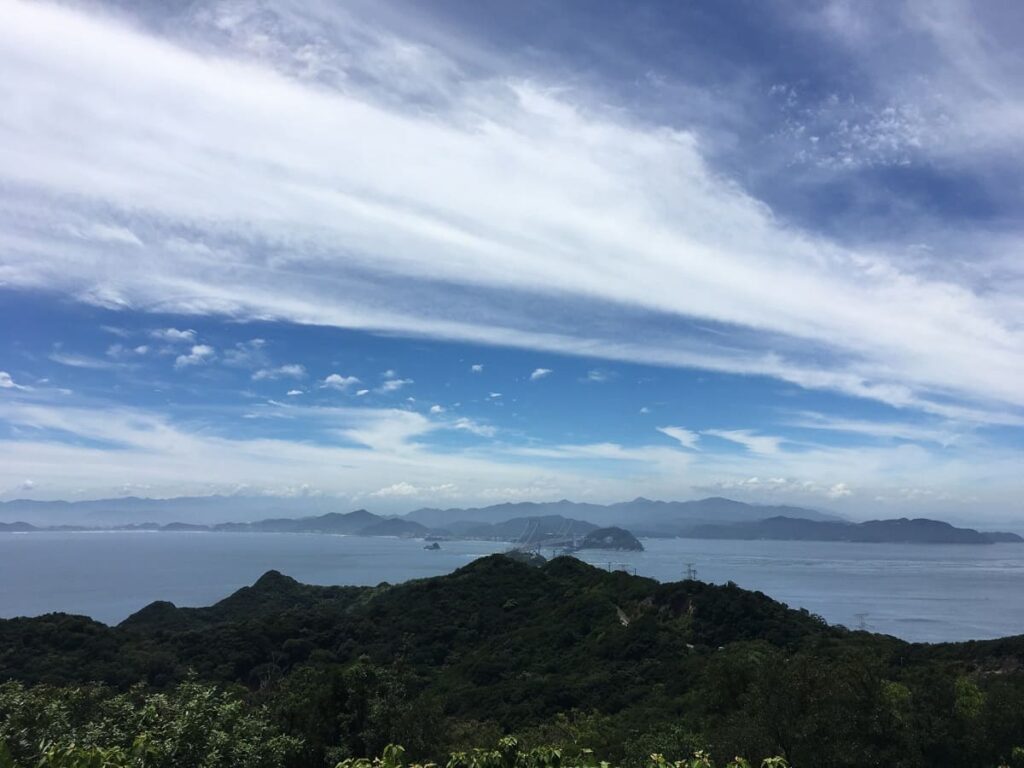
- Access: Directly connected to Kobe by the Akashi Kaikyo Bridge (about 1 hour by car)
Awaji Island enjoys a mild climate with relatively little rainfall. Thanks to its calm seas and gentle weather, it’s sometimes called “Japan’s Mediterranean.”
The island is also famous for its food, including:
- Sweet Awaji onions
- Fresh seafood from the Seto Inland Sea
- Premium Awaji beef
In recent years, stylish cafes, art spaces, and resorts have popped up across the island. Still, beneath its modern appeal, Awaji Island remains deeply rooted in ancient history and spiritual tradition.
Awaji Island’s Surprising History: Once Part of Tokushima
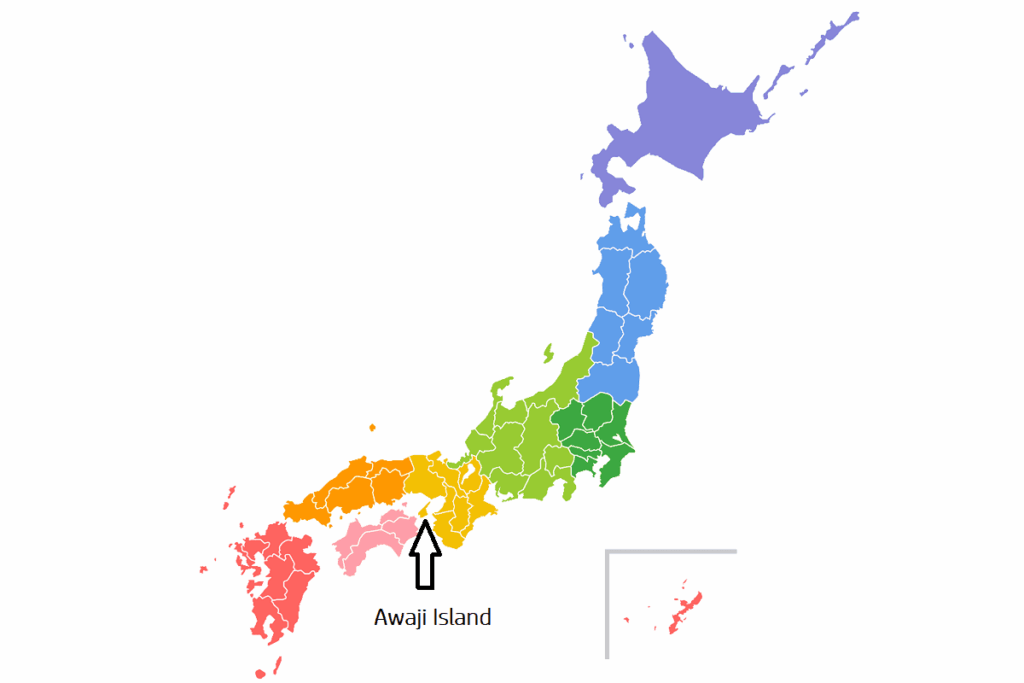
Today, Awaji Island belongs to Hyogo Prefecture, but for much of its past, it was governed by Tokushima Domain (Awa Province).
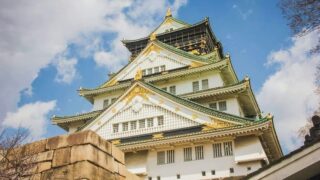
During the Edo period, the island was ruled by the Hachisuka clan and administered from Sumoto Castle by the Inada family.
After the Meiji Restoration, a serious internal conflict known as the Kōgo Incident (1870) broke out within the Tokushima Domain. Samurai from the main domain attacked the Inada family on Awaji Island, shocking the new government.
To prevent further unrest — and encouraged by statesman Ito Hirobumi, who wanted to strengthen Hyogo around Kobe Port — the government decided to separate Awaji Island from Tokushima.
In 1876, Awaji Island was officially incorporated into Hyogo Prefecture, where it remains today.

By the way, the Inada family who were attacked later relocated to Shizunai in Hokkaido, where they took part in land development. This historical episode even became the inspiration for the film “Year One in the North.”
Why Is Awaji Island So Popular Spiritually?
Awaji Island has become a magnet for spiritual travelers — and it’s not just a trend.
The Birthplace of Japan

According to Kojiki and Nihon Shoki, Japan’s oldest chronicles, the gods Izanagi and Izanami created the Japanese islands.
Standing on the Heavenly Floating Bridge, they stirred the sea with a sacred spear called Ame-no-Nuboko. When droplets fell from the spear, they formed Onokoro Island — and from there, Awaji Island was born as the first land of Japan.

It’s widely known that Awaji Island is said to be the very first island created by the gods Izanagi and Izanami.
In spiritual belief systems, “beginnings” carry immense power. That’s why many people visit Awaji Island when they want to reset their lives, start something new, or seek a fresh direction.

If you are interested in Izanagi and izanami Check out the article below.

An Island That Feels Like a Natural Barrier
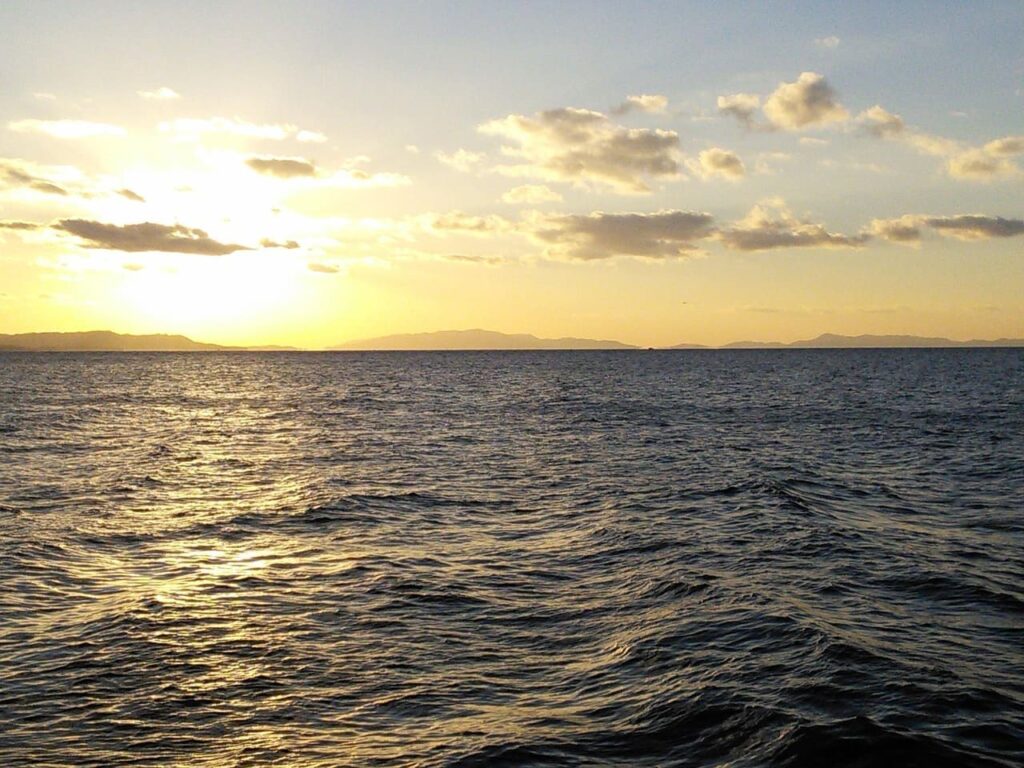
Surrounded by the sea and rich with forests and mountains, Awaji Island feels isolated in the best possible way.
Visitors often say:
- The air feels cleaner
- The silence is deeper
- Their thoughts naturally turn inward
For many, the island itself feels like a natural spiritual sanctuary.

When I was a student, a junior from Awaji Island used to complain, “There’s nothing here but the sea and mountains,” but honestly, that’s exactly what makes it such a beautiful place, rich in nature.
Sacred Sites Connected by Ancient Lines
Awaji Island is home to multiple shrines tied directly to Japanese mythology. These sites are not random — many are believed to align with ancient energy lines, similar to ley lines.
Because of this, Awaji Island is often described as: “An entire island that functions as a power spot.”
Must-Visit Power Spots on Awaji Island
Here are three of the island’s most iconic spiritual destinations.
1. Izanagi Shrine
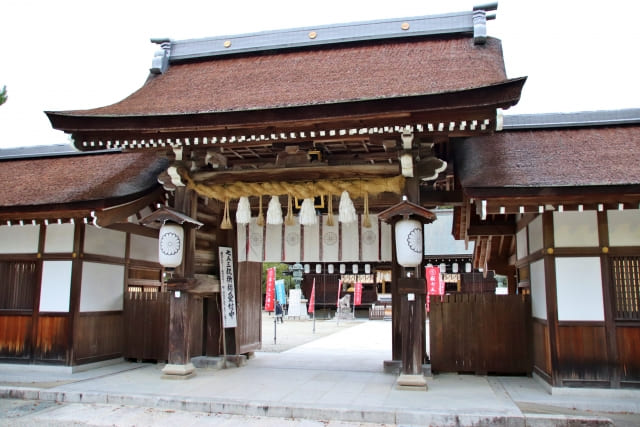
Often considered one of Japan’s oldest shrines, Izanagi Shrine is said to mark the place where the god Izanagi spent his final years after creating the land.
| Highlights | The sacred Married Camphor Trees, over 900 years old Believed to bring blessings for relationships, marriage, and safe childbirth |
| Spiritual Significance | Located on the legendary “Sun Line” connecting major sacred sites like Ise Grand Shrine and Izumo Taisha |

Izanagi Shrine is often described as the oldest — and most powerful — spiritual spot on Awaji Island. If you visit the island, it’s a must-see.
2. Onokoro Shrine
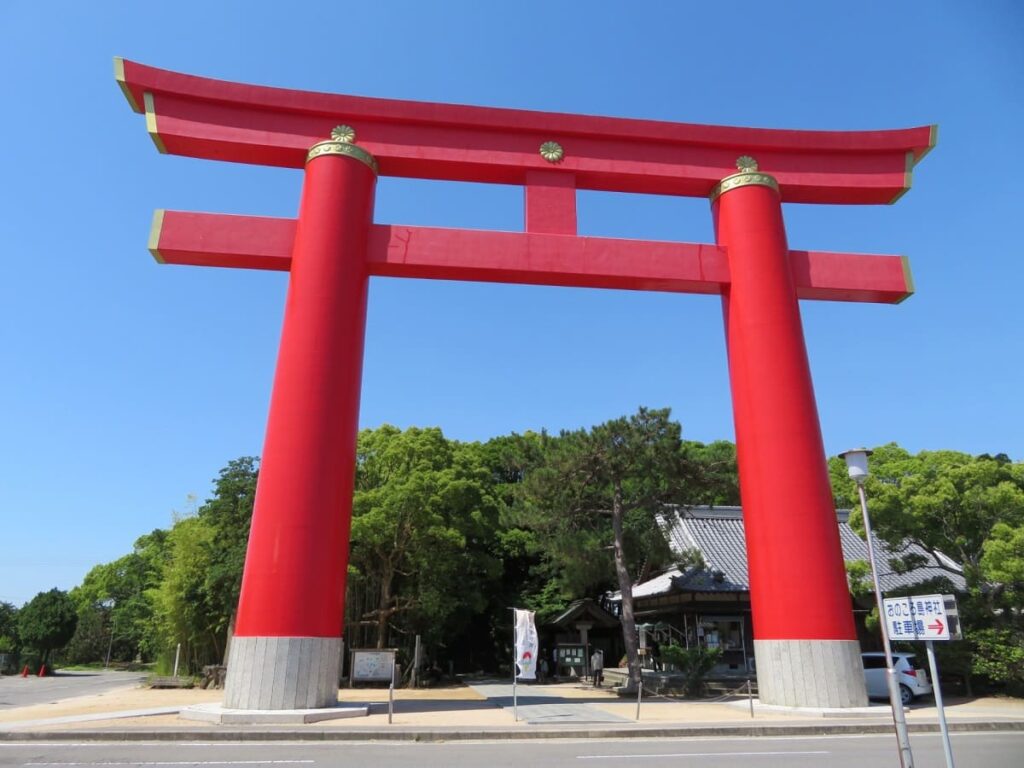
Built on a hill believed to be part of ancient Onokoro Island, this shrine is instantly recognizable by its massive torii gate.
| Highlights | One of Japan’s three largest torii gates (21.7 meters tall) |
| Spiritual Significance | The Wagtail Stone, associated with new encounters and romantic connections |
The torii gate here is enormous! You can’t miss its impressive presence, even from the expressway.
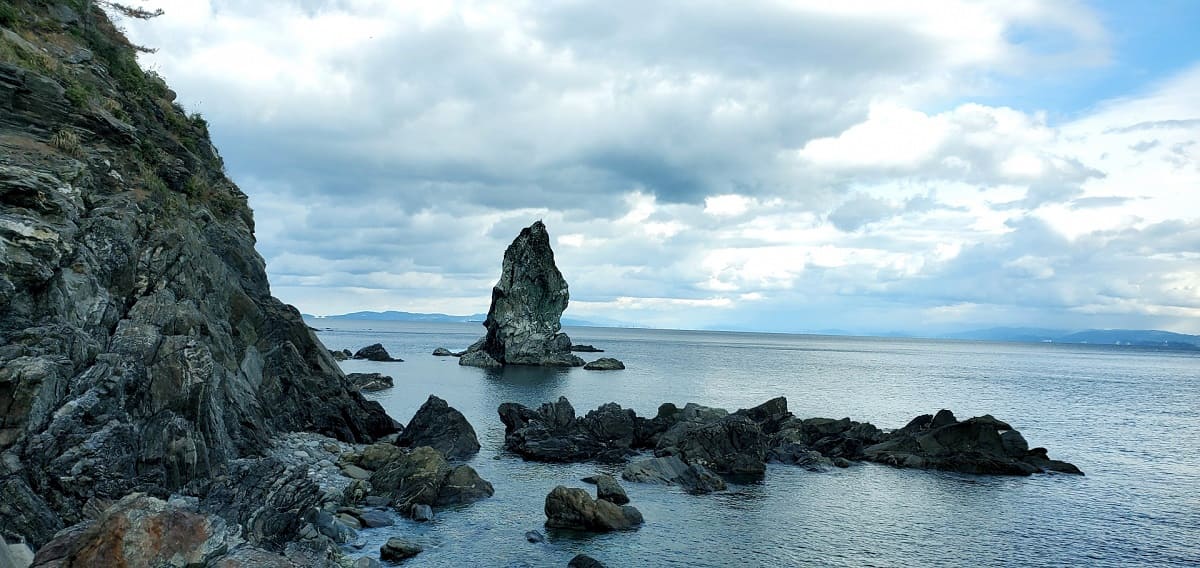
3. Nushima Island
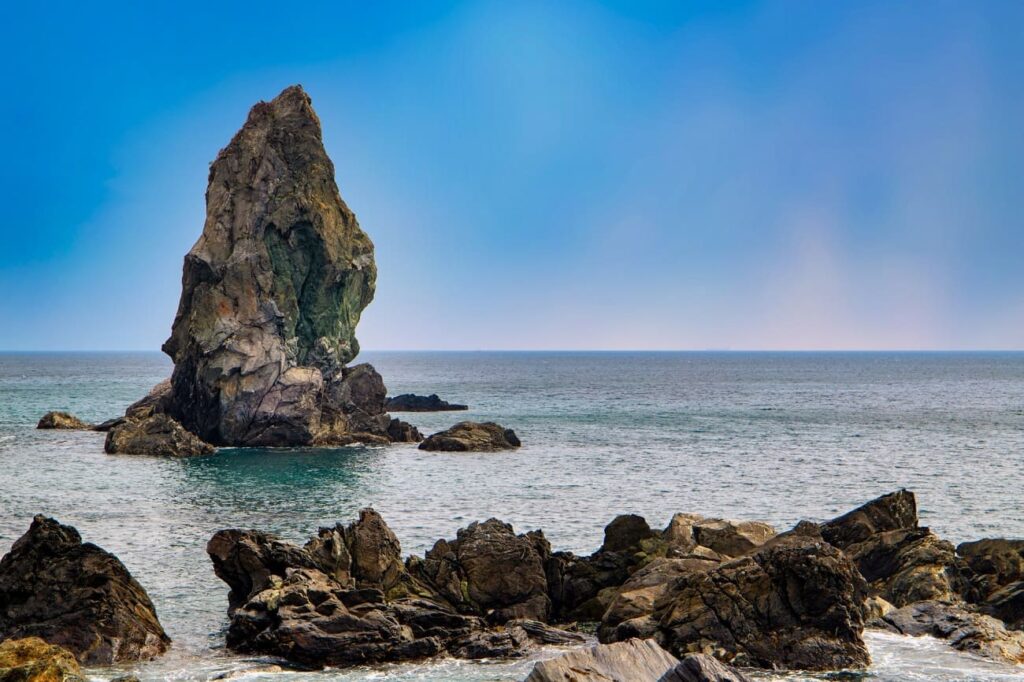
A small island south of Awaji, Nushima is believed by many scholars to be the true location of Onokoro Island.
| Highlights | The towering Kamitate-gami Rock, rising 30 meters from the sea |
| Spiritual Significance | Its spear-like shape symbolizes the gods’ descent The island’s quiet atmosphere feels deeply purifying |
The Legend of Shibaemon Tanuki

Awaji Island is also famous for folklore.
One of its most beloved legends is Shibaemon Tanuki, one of Japan’s Three Great Tanuki.
Shibaemon was said to love theater so much that he traveled to Osaka in disguise. Tragically, he was killed by a dog — but many stories tell of how he later returned the kindness shown to him by humans.
These tales add warmth and humor to Awaji Island’s spiritual image, reminding visitors that Japanese mythology is as playful as it is profound.
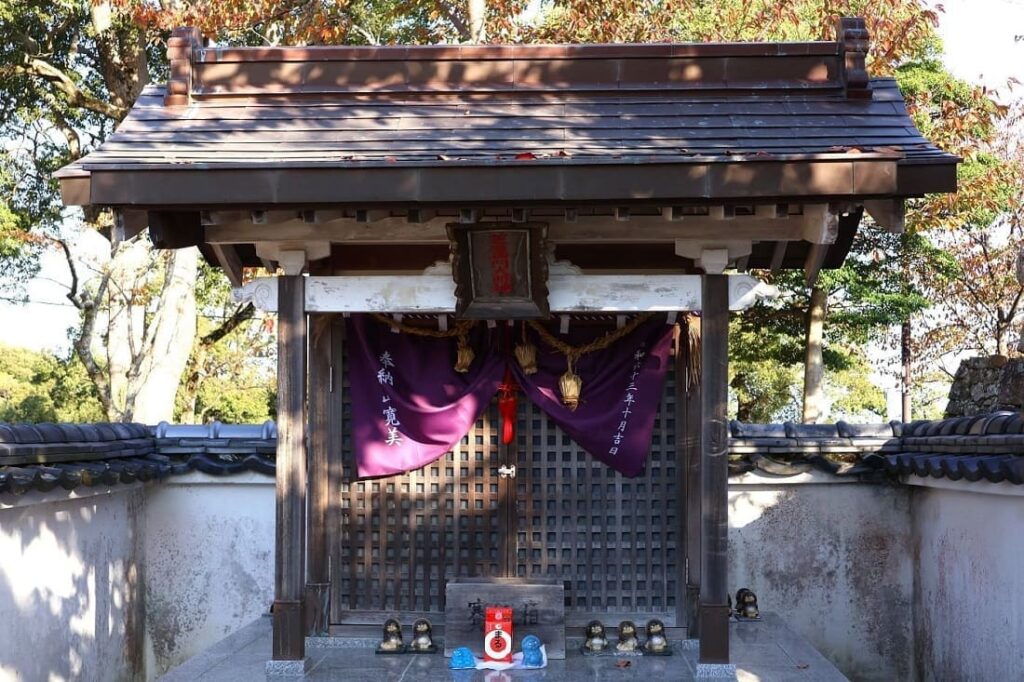
Shibaemon Daimyojin, associated with the legendary Shibaemon Tanuki, is also enshrined at the ruins of Sumoto Castle.
If you are interested in Bakedanuki, check the article below as well.

Final Thoughts about Awaji Island: Where Everything Begins
Awaji Island is more than a travel destination.
It is:
- The mythical birthplace of Japan
- A crossroads of history and politics
- A spiritual sanctuary surrounded by sea
If you’re interested in Japan beyond the guidebooks — in its myths, legends, and hidden energies — Awaji Island is a place you should experience at least once.
For those standing at a crossroads in life, Awaji Island quietly whispers: “This is where beginnings happen.”

If you like gaming, and you are also interested in Japan, you may love these Japanese themed games!
Let’s play!
Yes! Let’s play!

Comments