


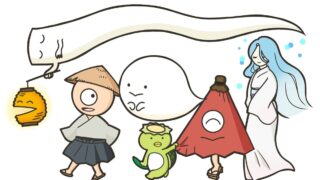
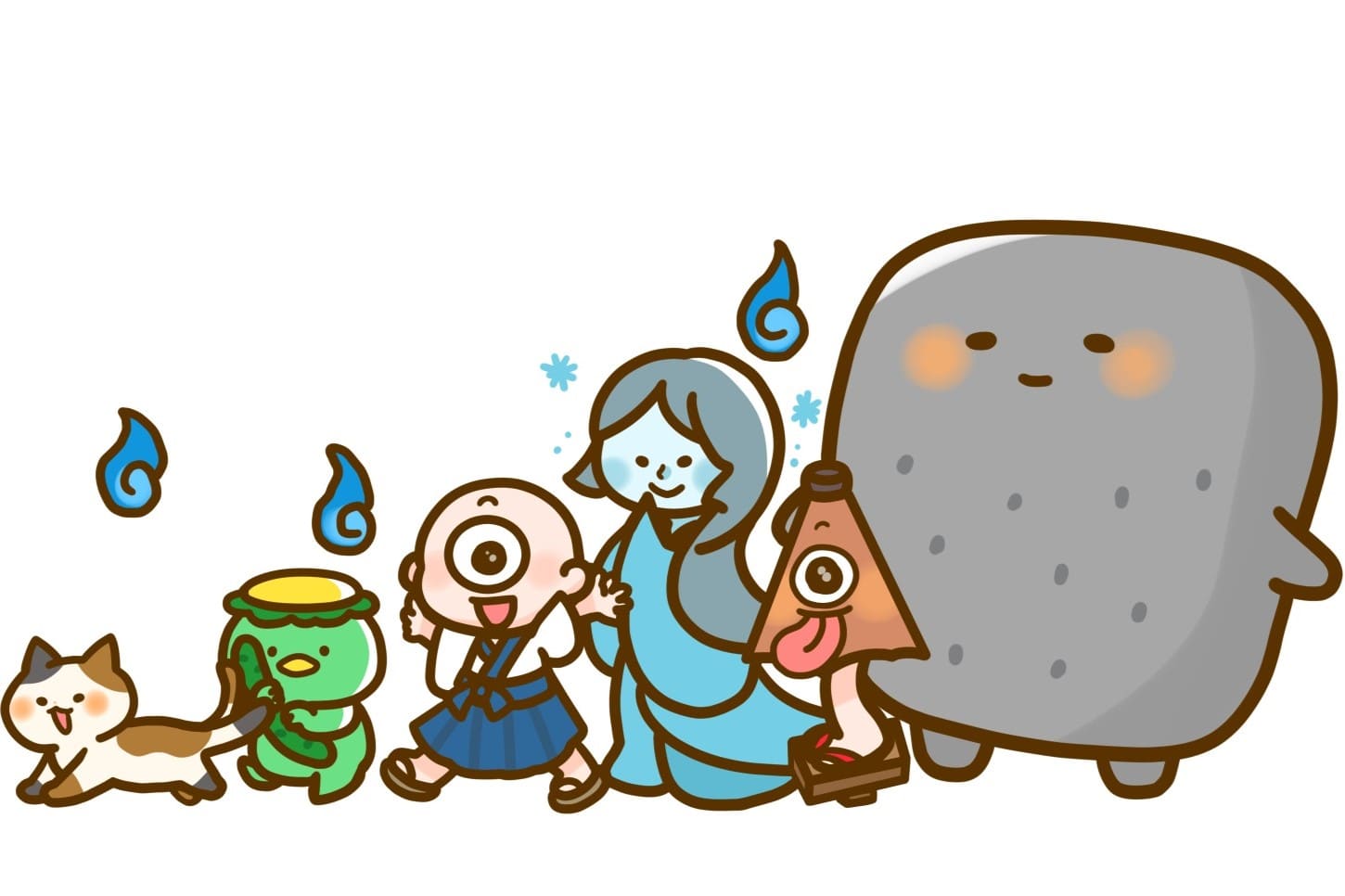
Japan is full of strange and fascinating supernatural beings known as yokai.
Some are terrifying monsters, while others are playful tricksters. A few even bring good luck to the people who encounter them. These mysterious creatures have appeared in Japanese folklore for centuries and continue to inspire modern pop culture today.
You can find yokai in traditional legends, artwork, anime, and games like the Nioh series or the popular franchise Yo-kai Watch.
In this guide, we’ll introduce 12 famous yokai from Japanese folklore and the stories behind them.
- What Are Yokai?
- 12 Famous Yokai in Japanese Folklore
- 1. Kappa – The River Trickster
- 2. Tengu – The Mountain Guardian
- 3. Oni – The Fearsome Demon
- 4. Kitsune – The Shape-Shifting Fox
- 5. Tanuki – The Playful Trickster
- 6. Yuki-onna – The Snow Woman
- 7. Rokurokubi – The Long-Necked Woman
- 8. Zashiki-warashi – The Child Spirit of Good Fortune
- 9. Ubume – The Ghostly Mother
- 10. Yamanba – The Mountain Witch
- 11. Sunekosuri – The Mysterious Leg-Rubber
- 12. Nurikabe – The Invisible Wall
- Why Yokai Still Fascinate People Today
- Yokai Q&A
- Final Thoughts about Yokai in Japan
What Are Yokai?
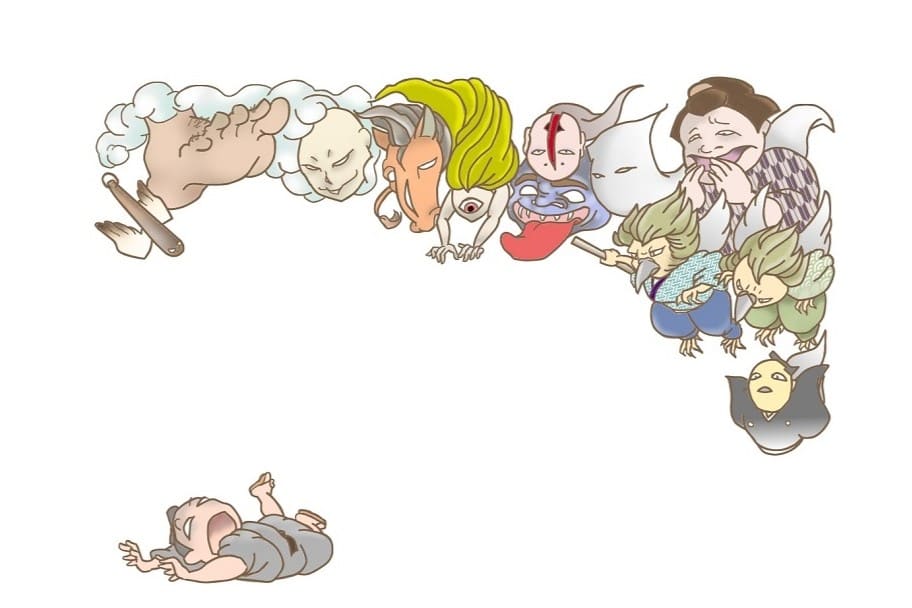
Yokai are supernatural beings from Japanese folklore.
The word “yokai” can refer to many different kinds of mysterious creatures, including:
- monsters
- spirits
- demons
- shapeshifting animals
- strange supernatural phenomena
Some yokai are dangerous, while others are mischievous or even protective.
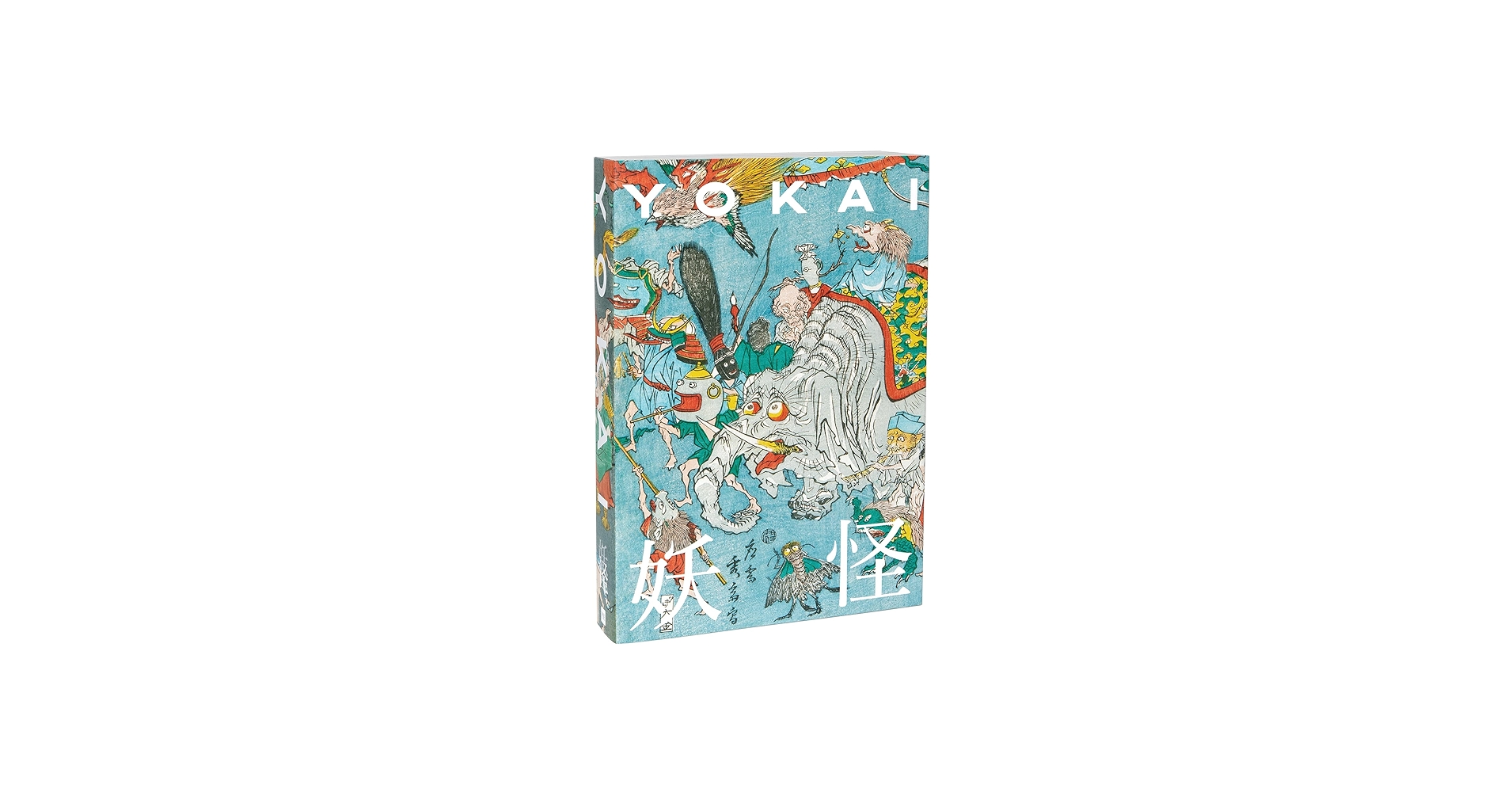
There are so many different kinds of yokai, which makes them really fun to learn about.
Many of these creatures became widely known during Japan’s Edo period, when artists and storytellers began collecting and illustrating yokai legends.
Even today, yokai remain an important part of Japanese culture and storytelling.
12 Famous Yokai in Japanese Folklore
1. Kappa – The River Trickster
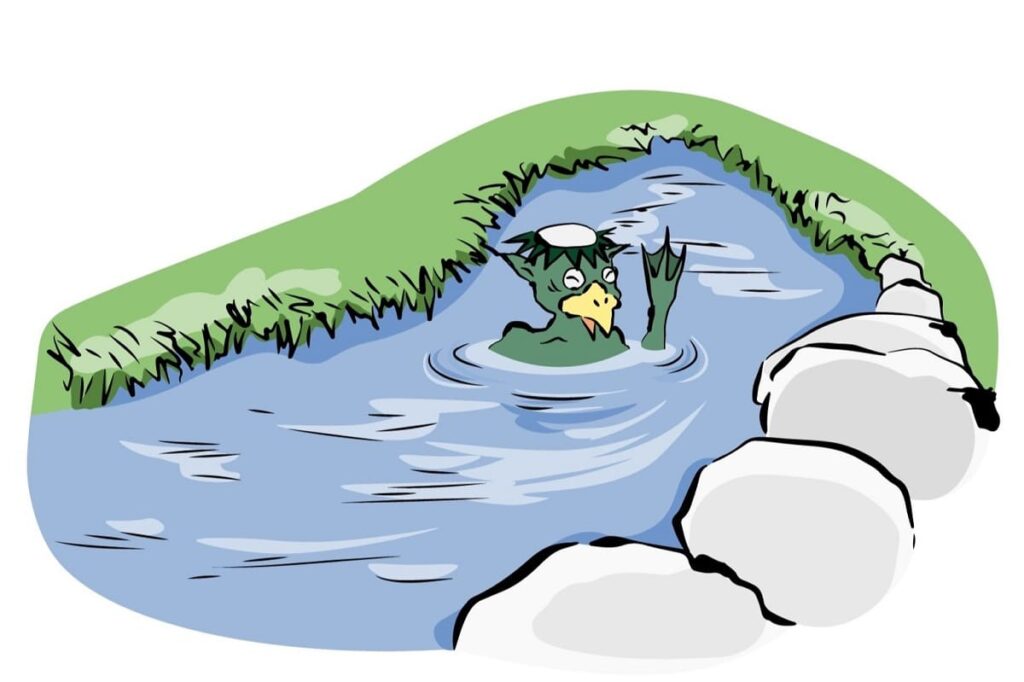
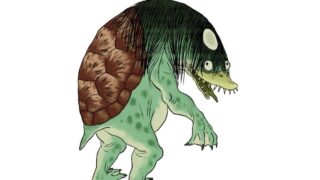
The kappa is one of the most famous yokai in Japan.
This turtle-like water creature lives in rivers and ponds. It has a dish-shaped hollow on its head that must stay filled with water, which gives the kappa its supernatural strength.
Kappa are known for loving cucumbers and challenging humans to sumo wrestling. While some stories describe them as dangerous, others portray them as polite creatures who keep their promises.
Because of their association with rivers, parents in the past sometimes warned children about kappa to keep them away from dangerous water.

By the way, a thin sushi roll made with cucumber, vinegared rice, and seaweed is called kappa maki, named after the kappa yokai.
2. Tengu – The Mountain Guardian
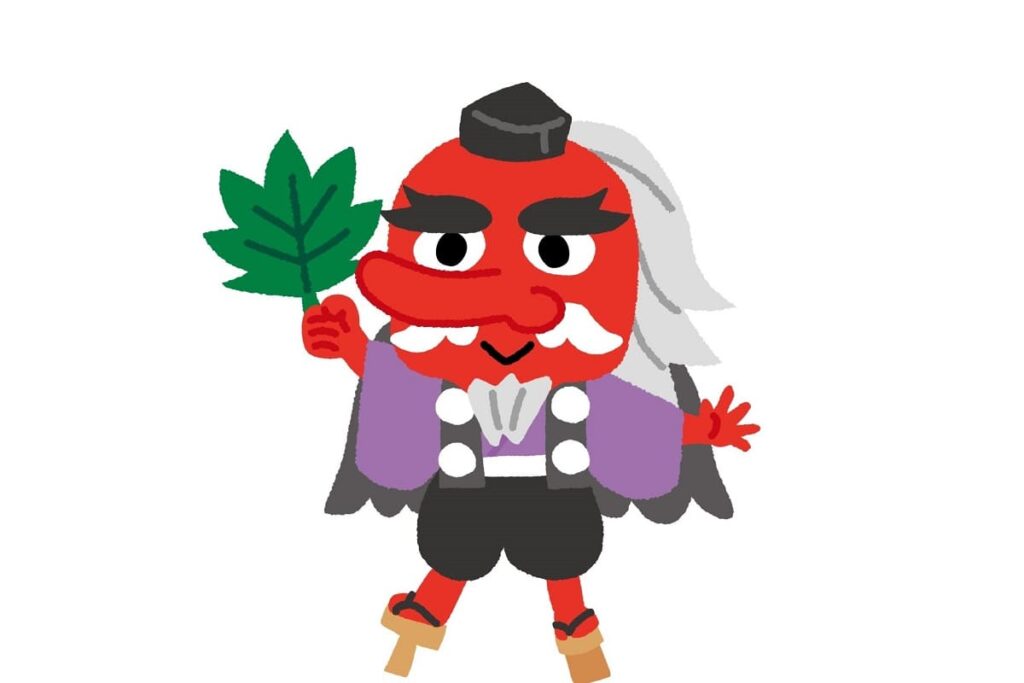
Tengu are powerful supernatural beings that live in the mountains.
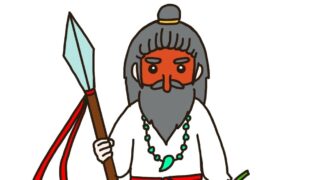
They are often depicted with red faces and long noses, wearing the robes of mountain monks. Tengu are famous for their incredible martial arts skills and supernatural powers.
In Japanese folklore, tengu can be both protectors and tricksters. Some legends say they punish arrogant warriors, while others describe them as guardians of sacred mountains.
3. Oni – The Fearsome Demon
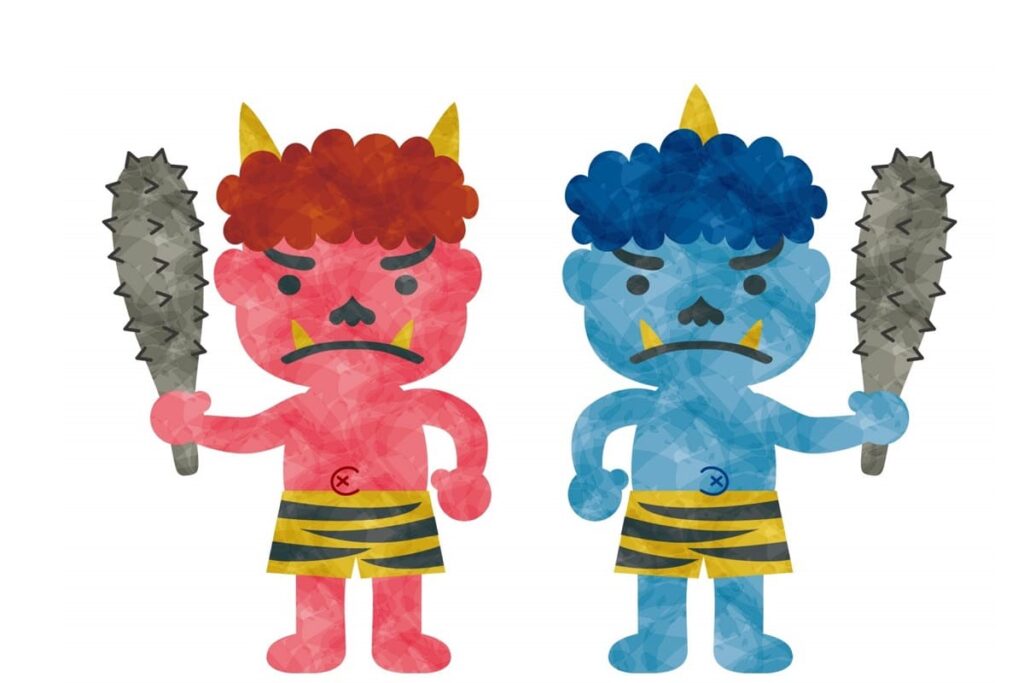
Oni are terrifying demon-like creatures that appear in many Japanese legends.
They are typically depicted as huge monsters with horns, sharp teeth, and iron clubs. Oni are often associated with punishment and the underworld.
In modern Japan, oni are especially famous during the spring festival Setsubun, when people throw beans while shouting “Oni wa soto! Fuku wa uchi!” (“Demons out, good luck in!”).
4. Kitsune – The Shape-Shifting Fox
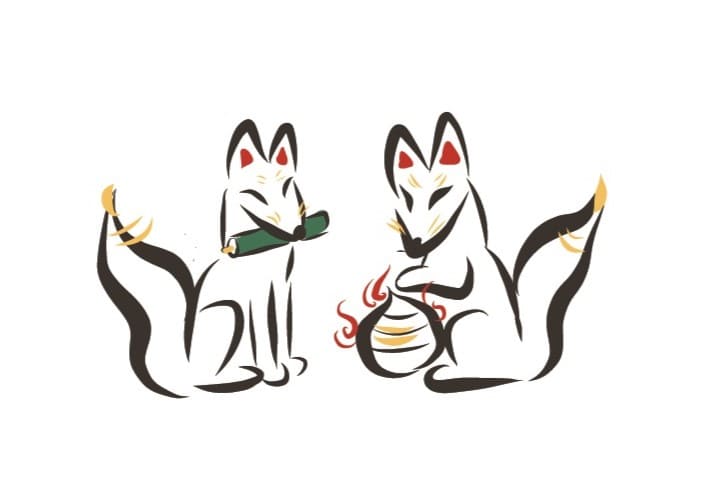
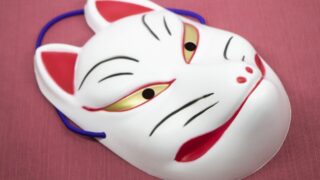
Kitsune are magical fox spirits known for their intelligence and supernatural abilities.
According to Japanese folklore, older and more powerful kitsune can transform into human form. Many stories describe fox spirits appearing as beautiful women who interact with humans.
Kitsune are also closely connected to the Shinto deity Inari, whose shrines across Japan are guarded by fox statues.
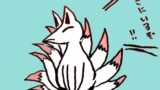
There are actually several different fox yokai, so be sure to check out the articles about each one.
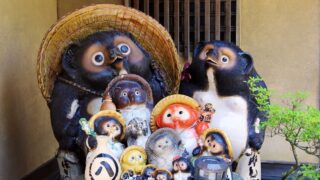
5. Tanuki – The Playful Trickster
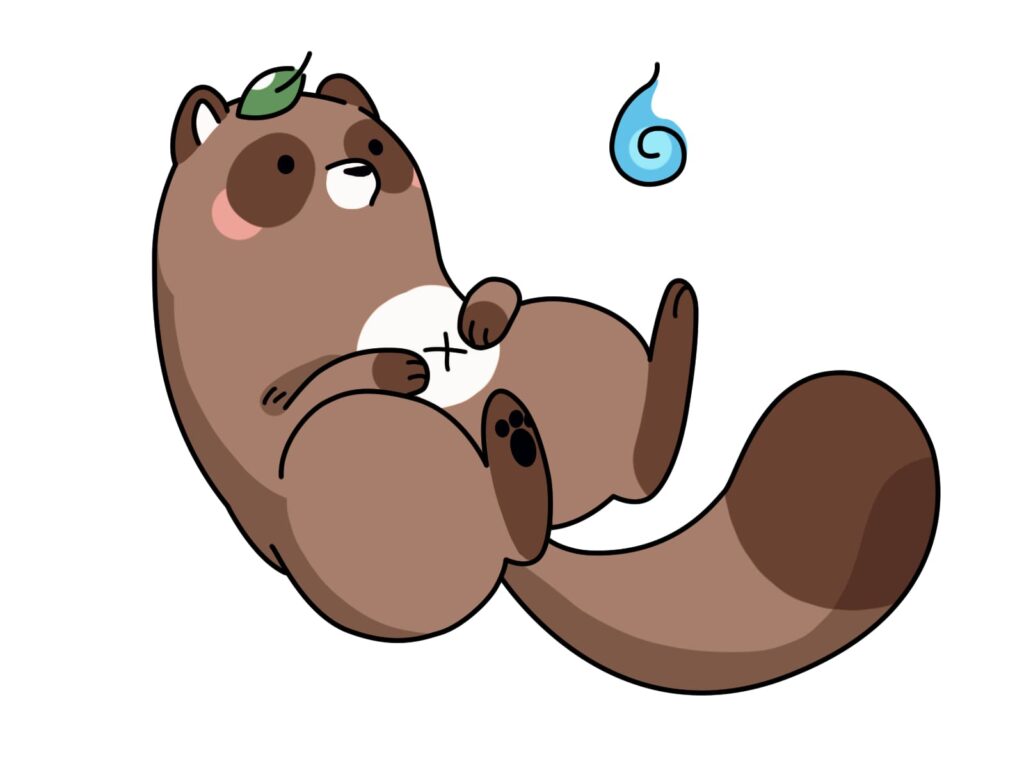
Tanuki are mischievous shapeshifting creatures based on the Japanese raccoon dog.
In folklore, tanuki love to play tricks on humans, but they are rarely evil. Instead, they are usually portrayed as cheerful pranksters.
I’ve even spotted a tanuki near my neighborhood recently. I’d better be careful not to get tricked by it!
Today, tanuki statues are popular good-luck charms in Japan, especially outside restaurants and shops.
6. Yuki-onna – The Snow Woman

Yuki-onna is a mysterious spirit that appears during snowy winter nights.
She is often described as a beautiful woman with pale skin and long dark hair. In many legends, she appears to travelers lost in snowstorms.
Some stories portray Yuki-onna as deadly and cold-hearted, while others show her as a tragic figure capable of compassion.

7. Rokurokubi – The Long-Necked Woman
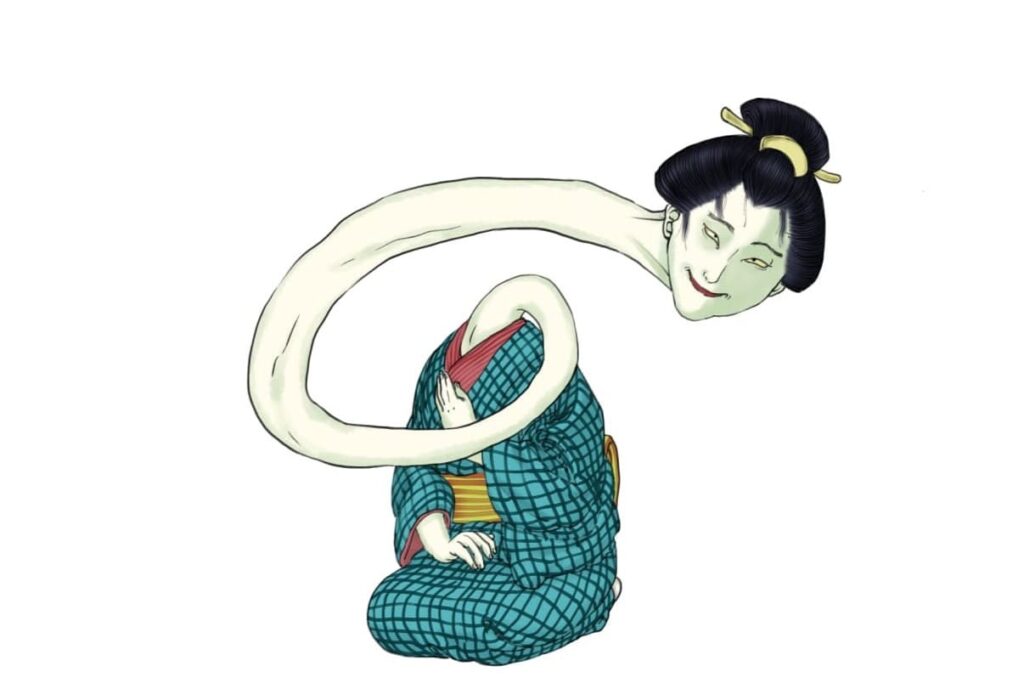
Rokurokubi look like normal human women during the day.
However, at night their necks stretch to incredible lengths. In some versions of the legend, their heads even detach and fly around.
These eerie yokai appear in many Japanese ghost stories and were especially popular in Edo-period folklore.

8. Zashiki-warashi – The Child Spirit of Good Fortune
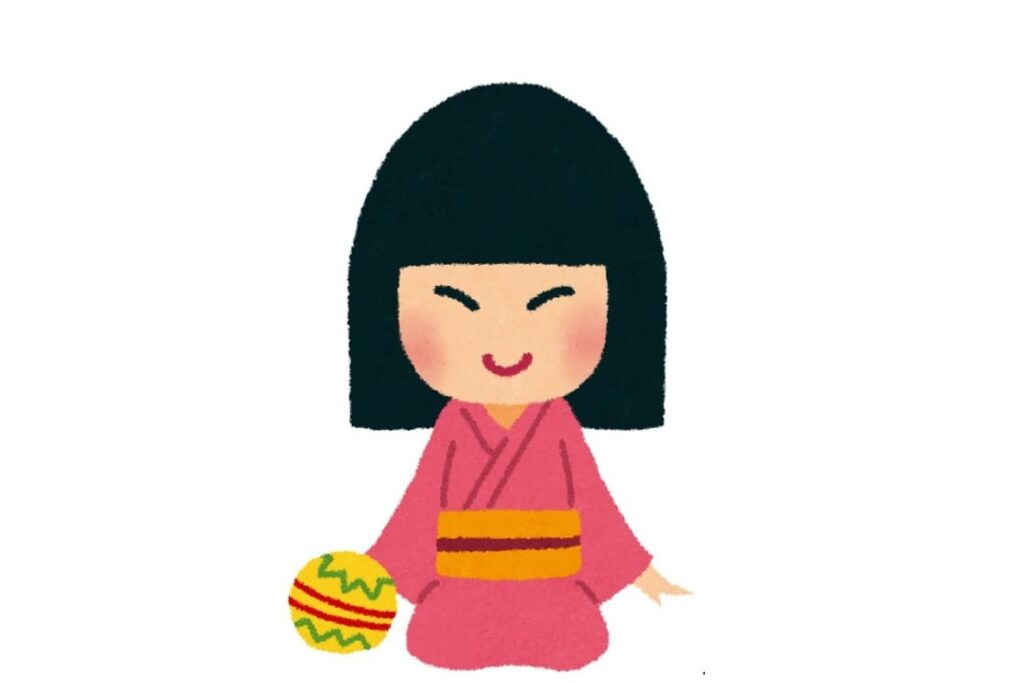
Zashiki-warashi are childlike spirits said to live in old houses.
Unlike many yokai, they are considered lucky. A home visited by a zashiki-warashi is believed to prosper and bring good fortune to its residents.
However, if the spirit leaves the house, it is said that the family may fall into misfortune.
Zashiki-warashi are especially famous in the Tohoku region. Some traditional inns are even rumored to be visited by them, and I’d love to stay at one someday.
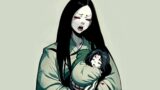
9. Ubume – The Ghostly Mother
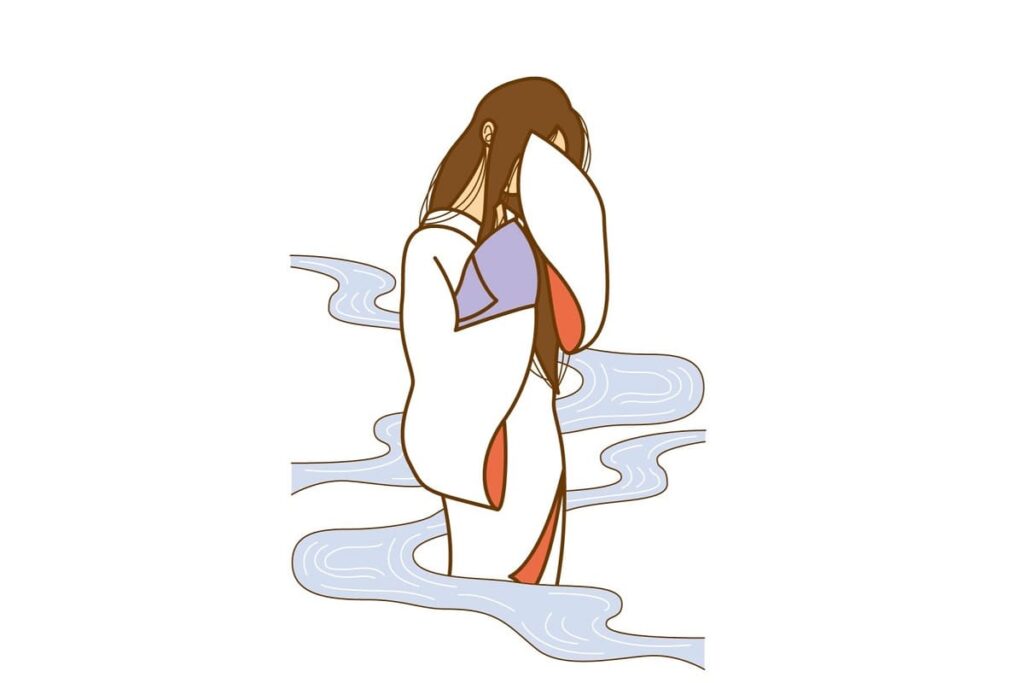
Ubume is a tragic yokai connected to motherhood.
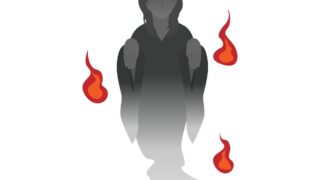
She is said to be the spirit of a woman who died during childbirth. According to legend, ubume may appear at night carrying a baby and asking strangers to hold it.
As the baby becomes heavier and heavier, the person realizes they have encountered a supernatural being.
10. Yamanba – The Mountain Witch
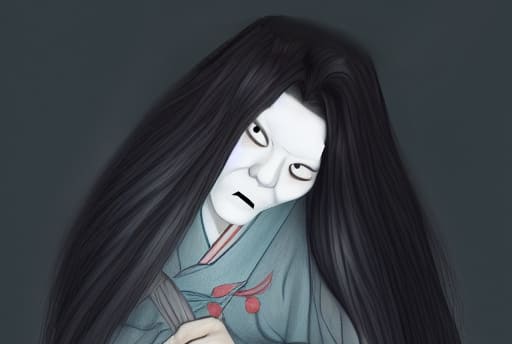
Yamanba is a mysterious old woman who lives deep in the mountains.
In some stories she helps lost travelers, but in others she is a dangerous monster that devours humans.
Because of these contradictory legends, yamauba is sometimes seen as both a terrifying witch and a symbol of the wild, untamed power of nature.
11. Sunekosuri – The Mysterious Leg-Rubber
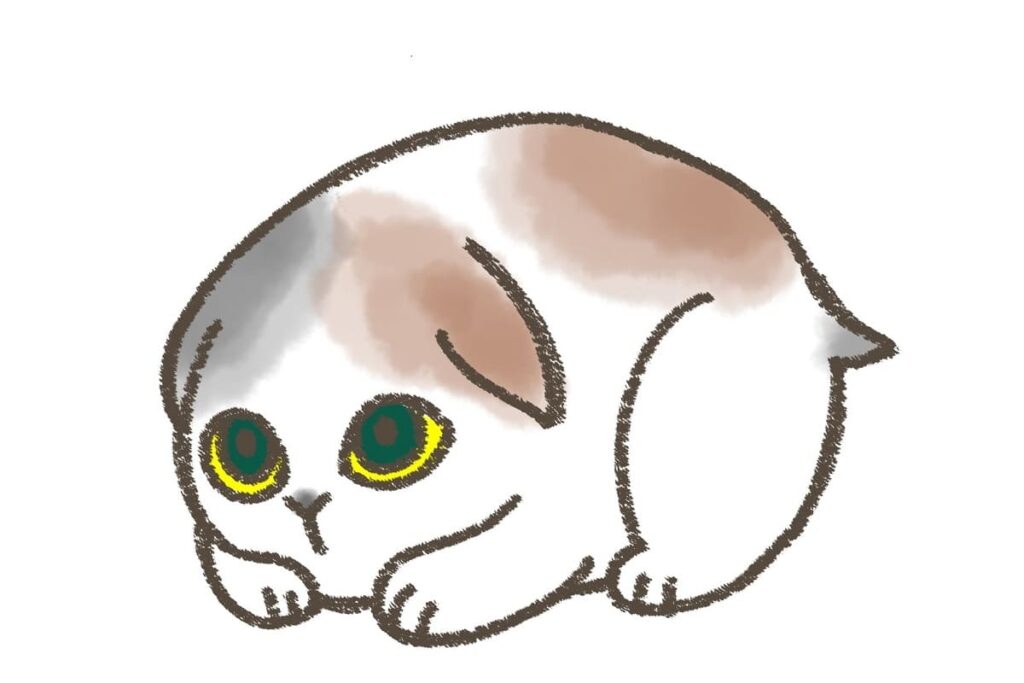
Sunekosuri is a strange but harmless yokai.
It is said to run between people’s legs at night, rubbing against their shins as they walk down dark roads. Travelers who encounter it may stumble and feel something brush their legs.
Despite its spooky reputation, sunekosuri is generally considered a playful creature rather than a dangerous one.
12. Nurikabe – The Invisible Wall
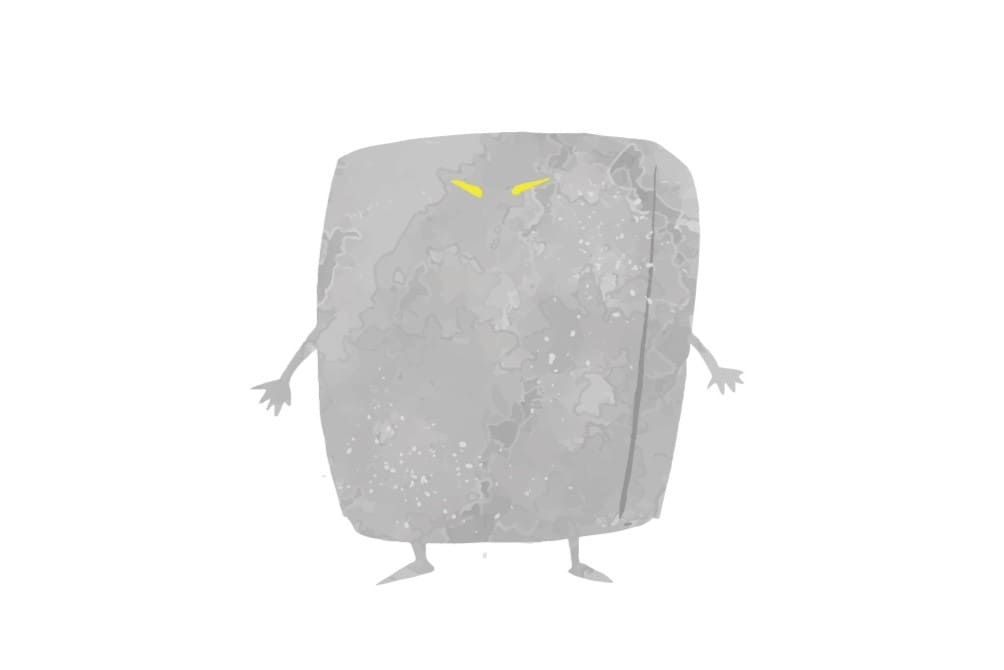
Nurikabe is a mysterious yokai that appears as an invisible wall blocking a traveler’s path at night.
When someone tries to move forward, they suddenly find themselves unable to pass, as if an unseen barrier is standing in the way.
Some legends say that hitting the lower part of the wall may allow a traveler to escape.

Why Yokai Still Fascinate People Today
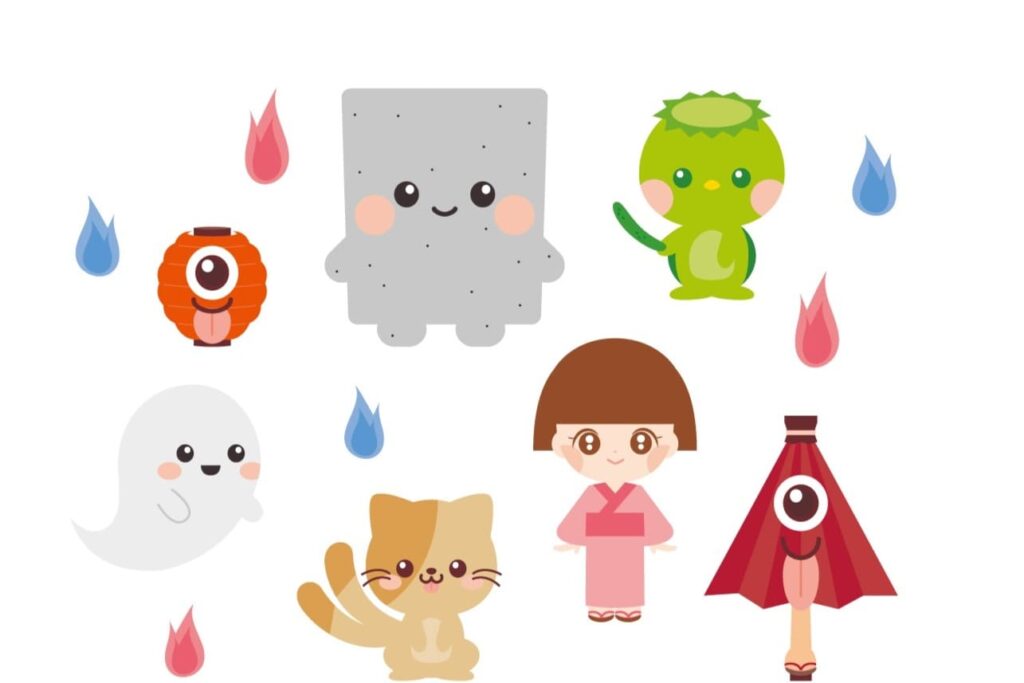
Even in modern times, yokai continue to capture people’s imagination.
They appear in anime, manga, video games, and movies, introducing these strange creatures to new audiences around the world.
Yokai also reflect traditional Japanese beliefs about nature, spirits, and the unknown. Through these stories, we can see how people in the past explained mysterious events and expressed their fears and hopes.
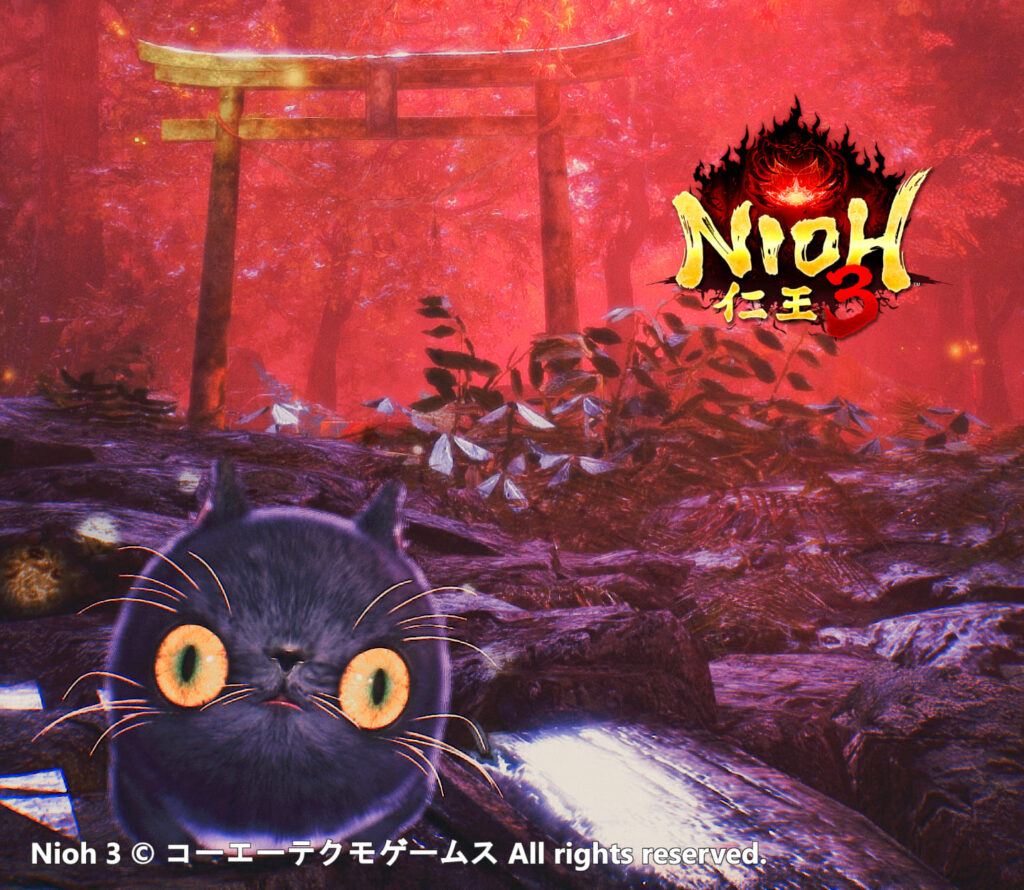
If you want to see yokai in a more action-packed and intense setting, the Nioh series is definitely worth checking out.
The game features many traditional yokai as powerful enemies, mixing Japanese folklore with fast-paced samurai combat. It’s a fun and immersive way to experience these legendary creatures in a modern form.
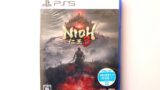
Nioh series is one of my favorite games!!

Mine too! I love Nioh Games!! Yay!!
Yokai Q&A
- QWhat are yokai in Japanese folklore?
- A
Yokai are supernatural beings from Japanese folklore, including monsters, spirits, demons, and shapeshifting creatures. They can be dangerous, mischievous, or even bring good luck.
- QWhat are the most famous yokai?
- A
Some of the most famous yokai include Kappa, Tengu, Oni, Kitsune, Tanuki, and Yuki-onna. These creatures appear in traditional stories as well as modern anime and games.
- QAre yokai good or evil?
- A
Yokai are not strictly good or evil. Some are dangerous, while others are playful or even protective. Their behavior depends on the story and context.
- QDo Japanese people still believe in yokai?
- A
Most people in Japan today do not literally believe in yokai, but they remain an important part of culture, folklore, and entertainment.
- QWhere do yokai come from?
- A
Yokai originate from Japanese folklore, especially stories from the Edo period when artists and writers documented and illustrated supernatural creatures.
- QWhat is the difference between yokai and ghosts?
- A
Yokai is a broad term that includes many supernatural beings, while ghosts (yurei) specifically refer to the spirits of the dead. Not all yokai are ghosts.
If you are interested in famous Yokai in Japan,
check the article below!
https://manekinekogames.vidaennippon.com/yokai/12-famous-yokai/
Final Thoughts about Yokai in Japan
From mischievous tricksters to terrifying demons, yokai are one of the most fascinating parts of Japanese folklore.
These strange creatures have survived for centuries and continue to inspire stories, art, and entertainment today.
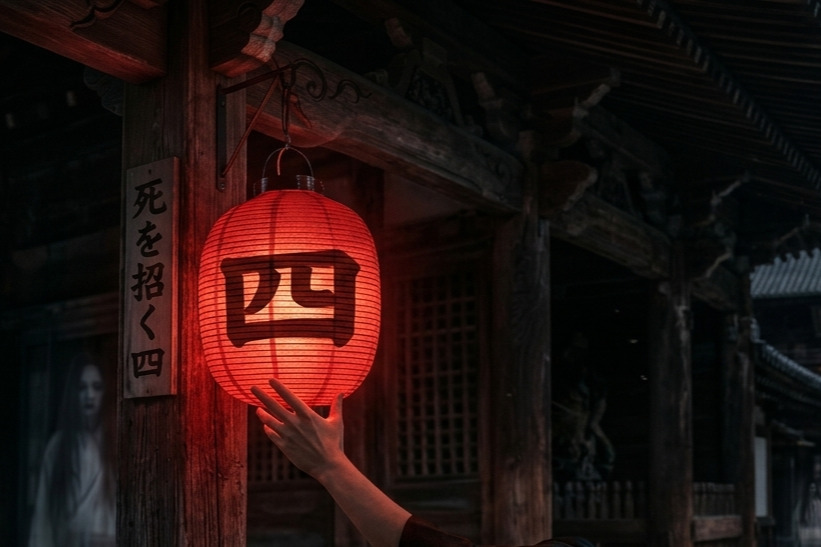
The next time you hear a strange noise in the forest or see something unusual in the shadows… it might just be a yokai.

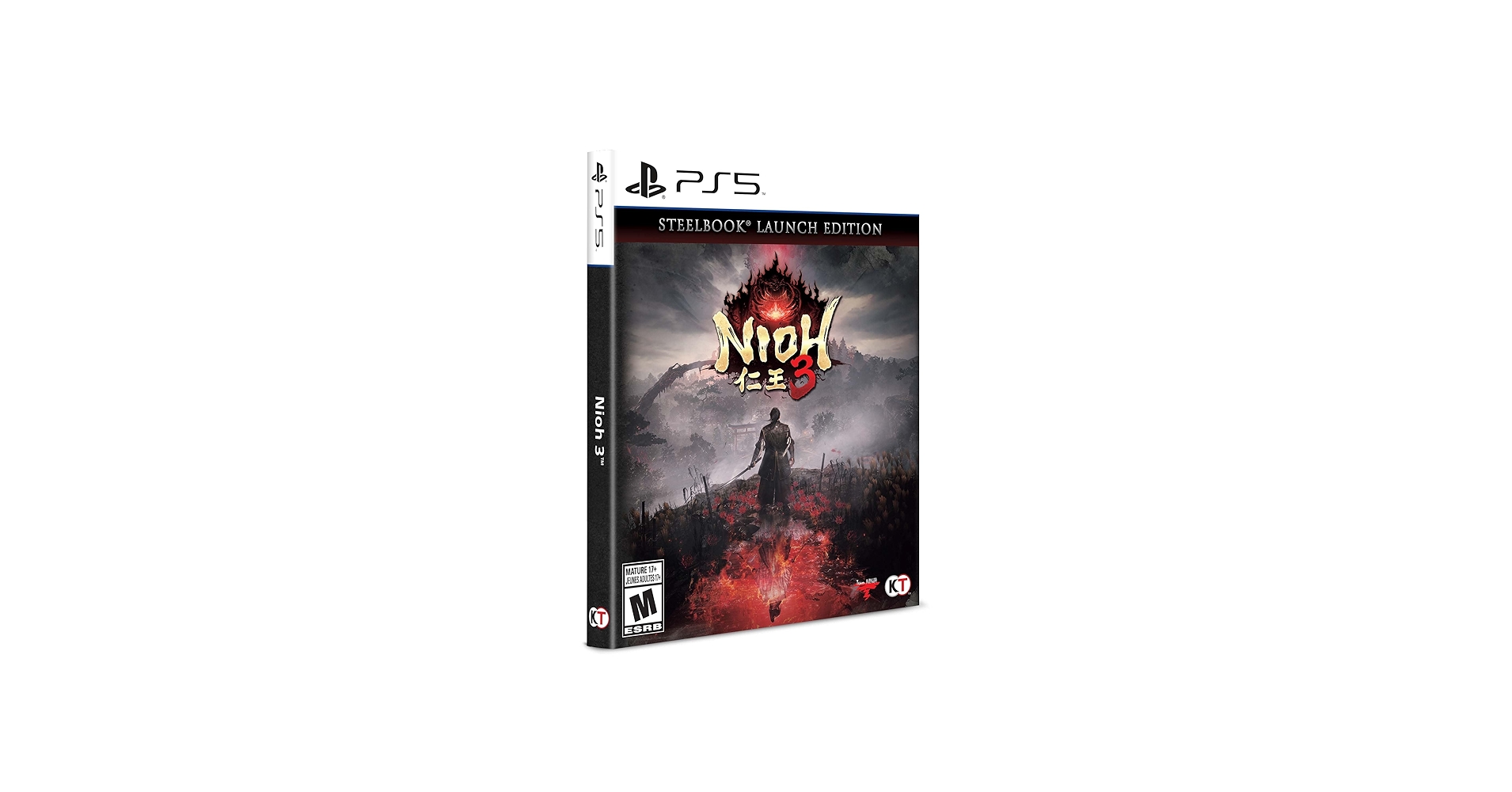
If you are interested in Japan, you may love this game!
Let’s play!

Yes! Let’s play!
Comments