







Japan is known for its beautiful traditions, rich history, and deep cultural values. But for many visitors, some Japanese customs can feel… a little unusual.
From eating fried chicken on Christmas to slurping noodles loudly, these traditions might seem strange at first glance. However, each one has a meaningful background rooted in history, social values, and everyday life in Japan.
In this article, we’ll explore 15 odd Japanese traditions—and the fascinating reasons behind them.
Eating KFC on Christmas
Slurping Noodles Loudly
Sleeping on Futon
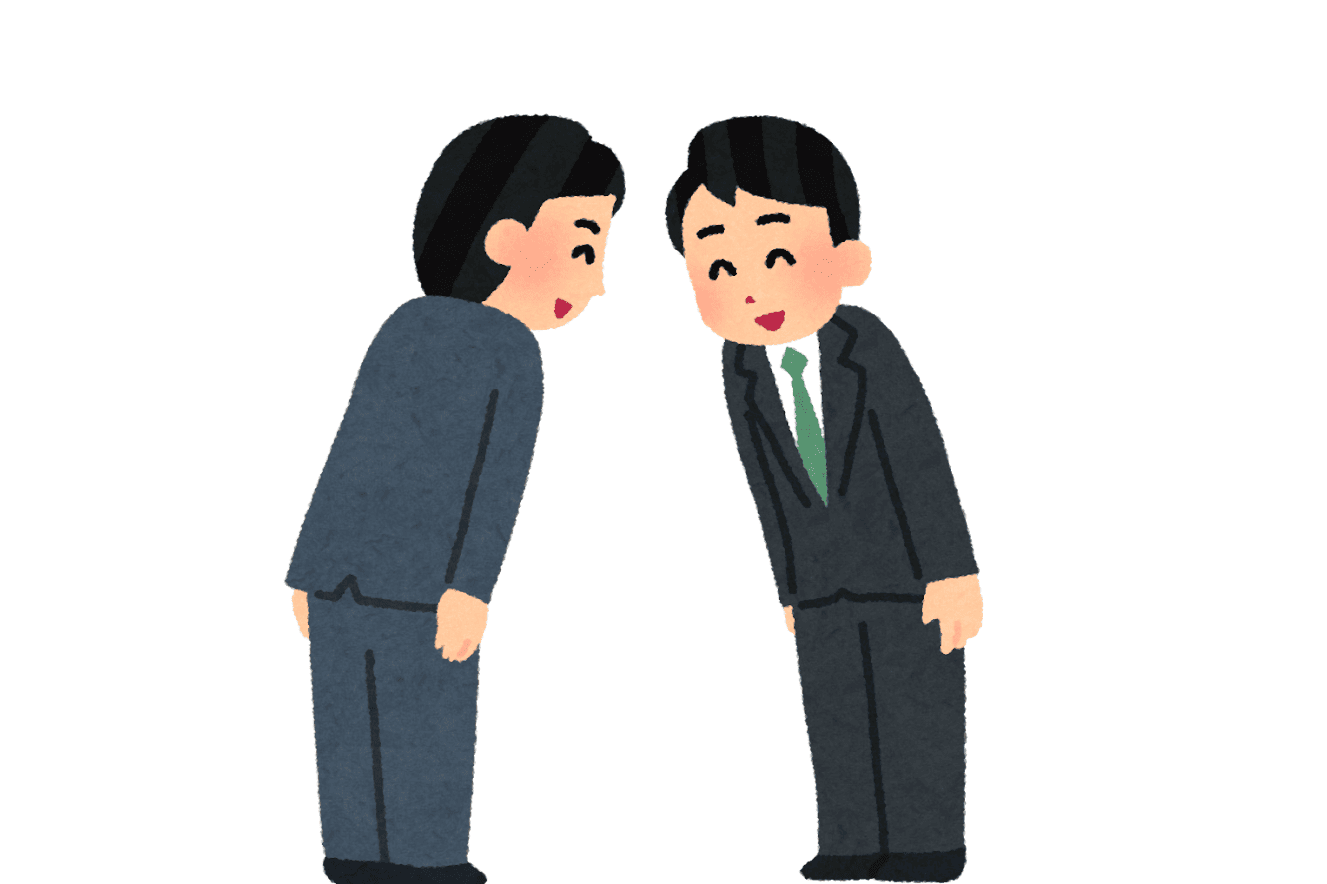
Bowing Instead of Handshakes
No Tipping Culture
Wearing Masks in Public
Blood Type Personality Beliefs
Saying “Itadakimasu”
Taking Off Shoes Indoors
Silence on Public Transport
Gift-Giving Etiquette
Lucky & Unlucky Numbers
Visiting Shrines on New Year
Students Cleaning Schools
Seasonal Superstitions
- 1. Eating KFC on Christmas
- 2. Slurping Noodles Loudly
- 3. Sleeping on Futon
- 4. Bowing Instead of Handshakes
- 5. No Tipping Culture
- 6. Wearing Masks in Public
- 7. Blood Type Personality Beliefs
- 8. Saying “Itadakimasu”
- 9. Taking Off Shoes Indoors
- 10. Silence on Public Transport
- 11. Gift-Giving Etiquette
- 12. Lucky & Unlucky Numbers
- 13. Visiting Shrines on New Year
- 14. Students Cleaning Schools
- 15. Seasonal Superstitions
- FAQ about Japanese odd tradition
- Final Thoughts Odd Japanese Traditions
1. Eating KFC on Christmas

What’s Odd
In Japan, many families celebrate Christmas by eating fried chicken from KFC.
Why Do Japanese People Do This?
This tradition started as a successful marketing campaign in the 1970s and became a nationwide custom.
Cultural Meaning
It shows how modern Japanese culture blends Western holidays with local adaptations.

We don’t have a tradition of eating KFC for Christmas in my family, but it’s extremely popular in many households in Japan. Especially on Christmas Eve, KFC drive-thrus get incredibly crowded in the evening!
2. Slurping Noodles Loudly
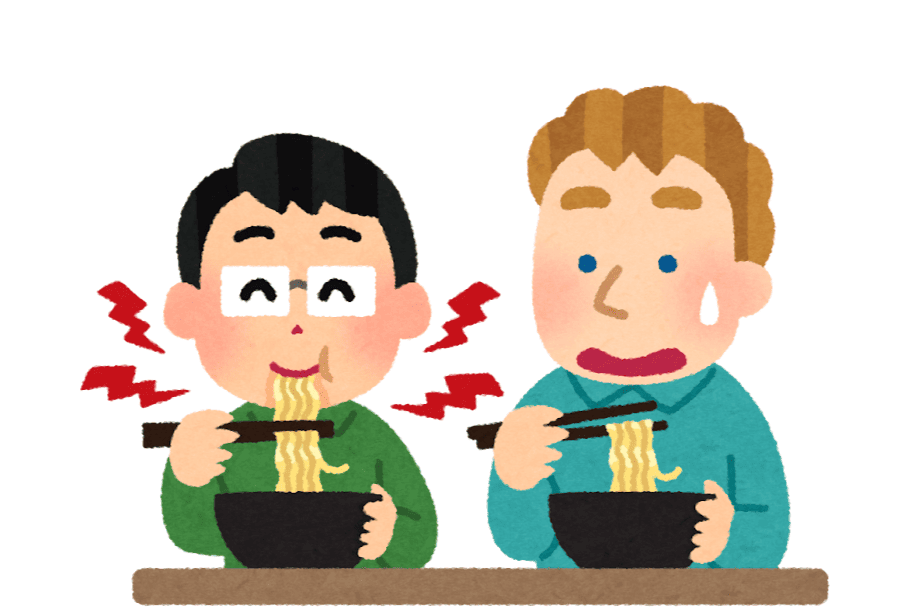
What’s Odd
Making loud slurping sounds while eating noodles is considered polite.
Why
Slurping enhances flavor and shows appreciation to the chef.
Meaning
Respect for food and enjoyment are openly expressed.
3. Sleeping on Futon
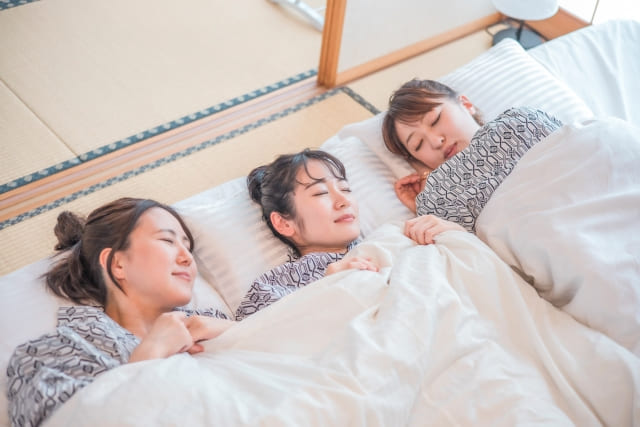
What’s Odd
Many people sleep on thin mattresses placed directly on the floor.
Why
It saves space and is practical for smaller homes.
Meaning
Minimalism and efficient living.

Nowadays, many people sleep in Western-style rooms with beds, but back when traditional Japanese homes were more common, it was normal to sleep on a futon laid out on tatami mats. I absolutely love futons!
Sleeping on a futon is one of the most authentic ways to experience Japanese lifestyle at home.


4. Bowing Instead of Handshakes
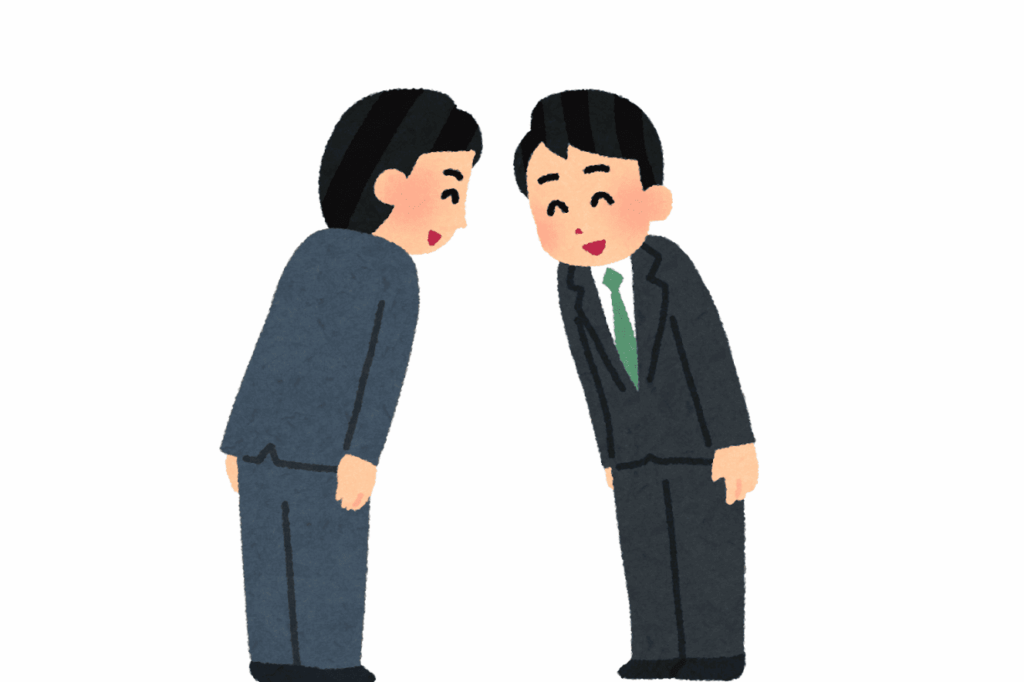
What’s Odd
People bow instead of shaking hands.
Why
Bowing has been part of Japanese etiquette for centuries.
Meaning
Respect, hierarchy, and politeness.

It’s true—people in Japan rarely touch each other in everyday situations.
5. No Tipping Culture

What’s Odd
Tipping is not expected.
Why
Good service is seen as standard, not something extra.
Meaning
Pride in professionalism.
6. Wearing Masks in Public
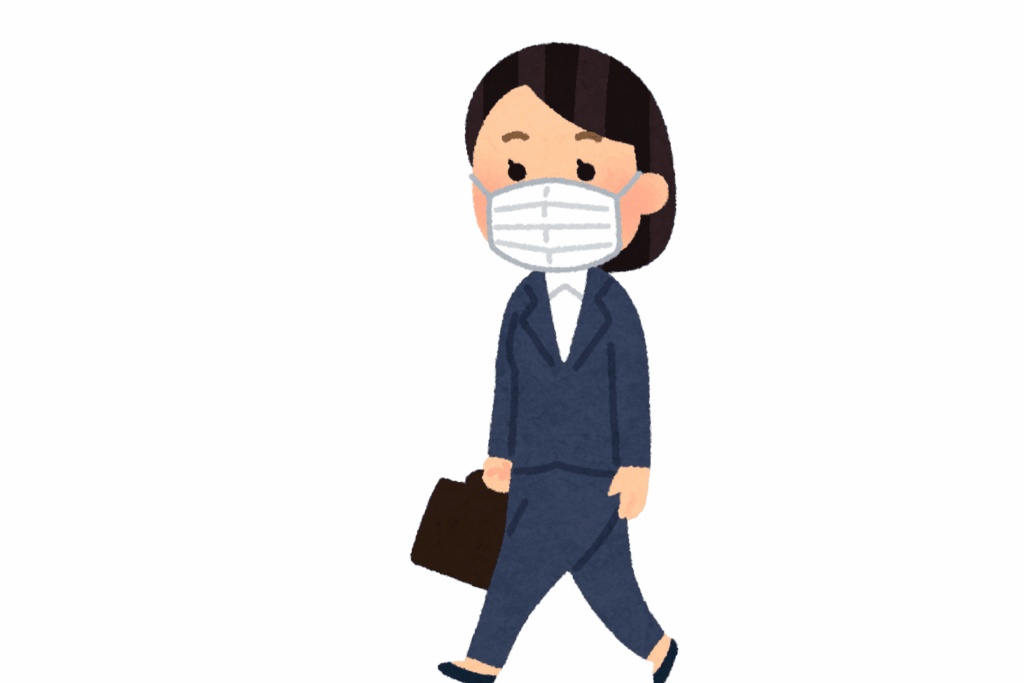
What’s Odd
People wear masks even when not sick.
Why
To prevent spreading illness or for allergies.
Meaning
Consideration for others.

I personally wear a mask quite often too!
7. Blood Type Personality Beliefs
What’s Odd
People believe blood type influences personality.
Why
Popularized through media and culture.
Meaning
A unique way of understanding personality.

I don’t really care much about blood types, but when I was in elementary and middle school, talking about blood type personalities was actually pretty popular and fun.
8. Saying “Itadakimasu”
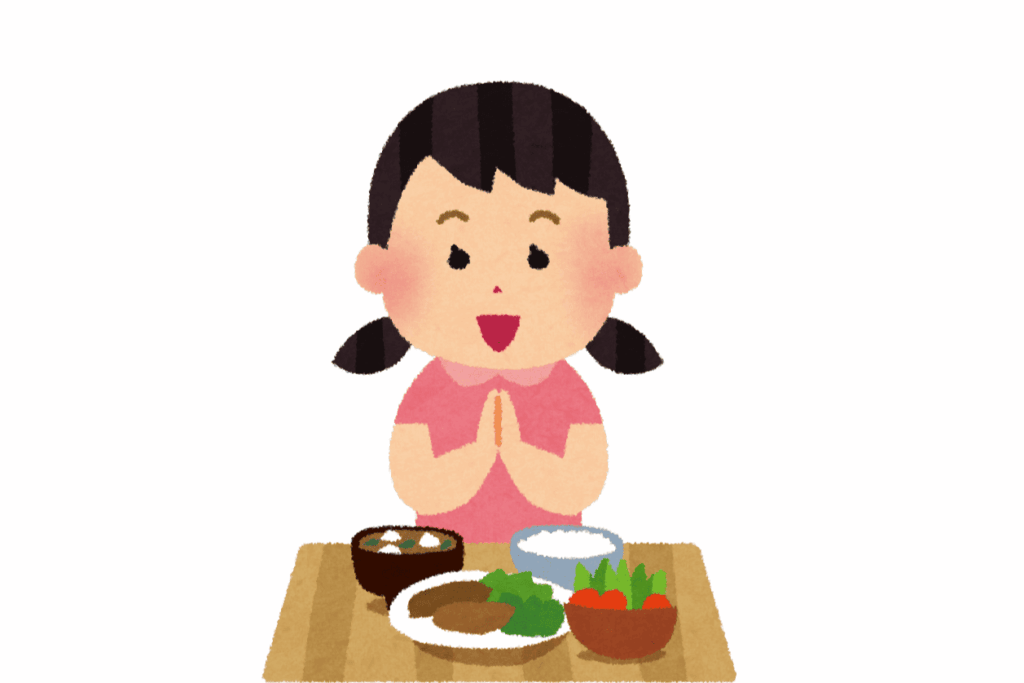
What’s Odd
People say a phrase before eating every meal.
Why
It expresses gratitude.
Meaning
Respect for food and life.
9. Taking Off Shoes Indoors
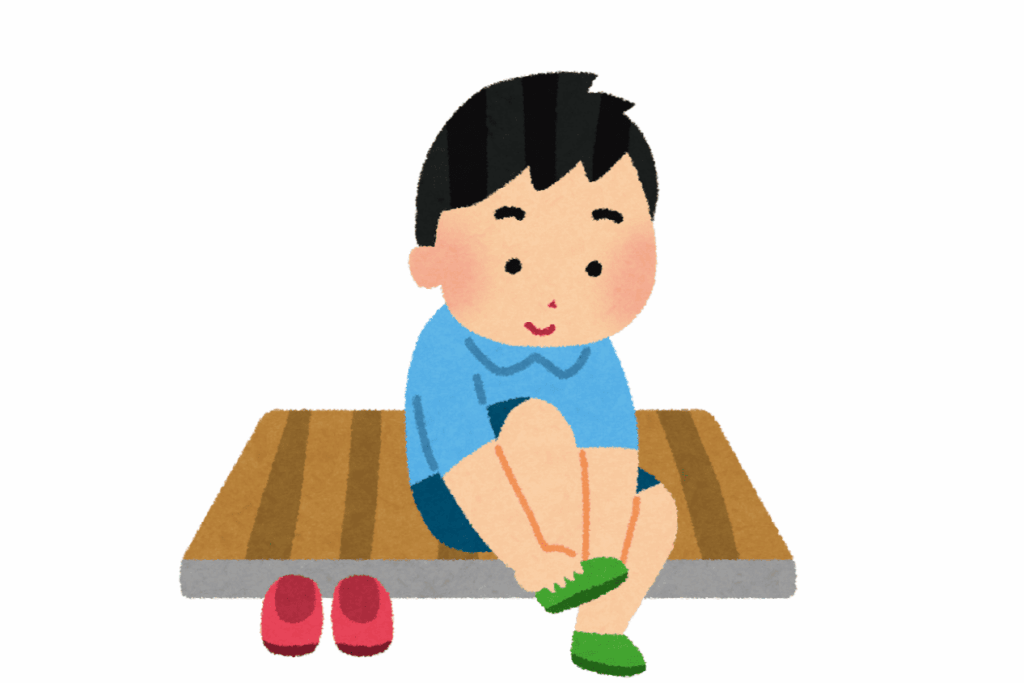
What’s Odd
Shoes must be removed before entering homes.
Why
To keep living spaces clean.
Meaning
Cleanliness and order.
10. Silence on Public Transport
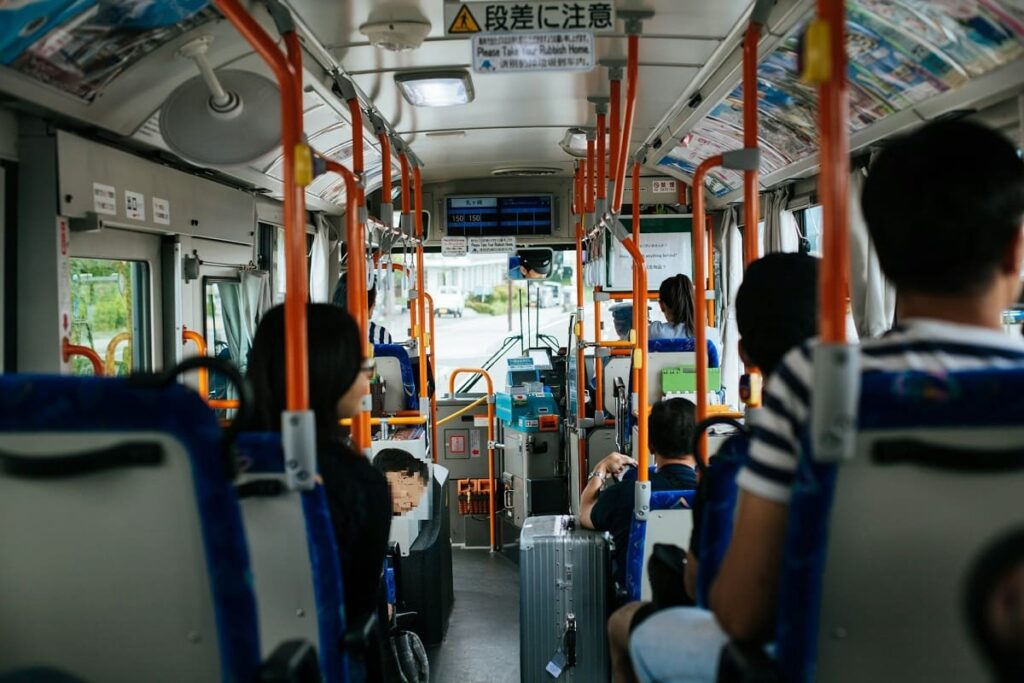
What’s Odd
Trains are often very quiet.
Why
Talking loudly is considered rude.
Meaning
Respect for shared space.

It’s not like you’re not allowed to talk on public transportation, but people generally keep quiet. That said, you’ll sometimes see elderly people or high school girls chatting without worrying too much about it.
11. Gift-Giving Etiquette
What’s Odd
Gift-giving involves detailed rules and presentation.
Why
It reflects relationships and social harmony.
Meaning
Thoughtfulness and respect.

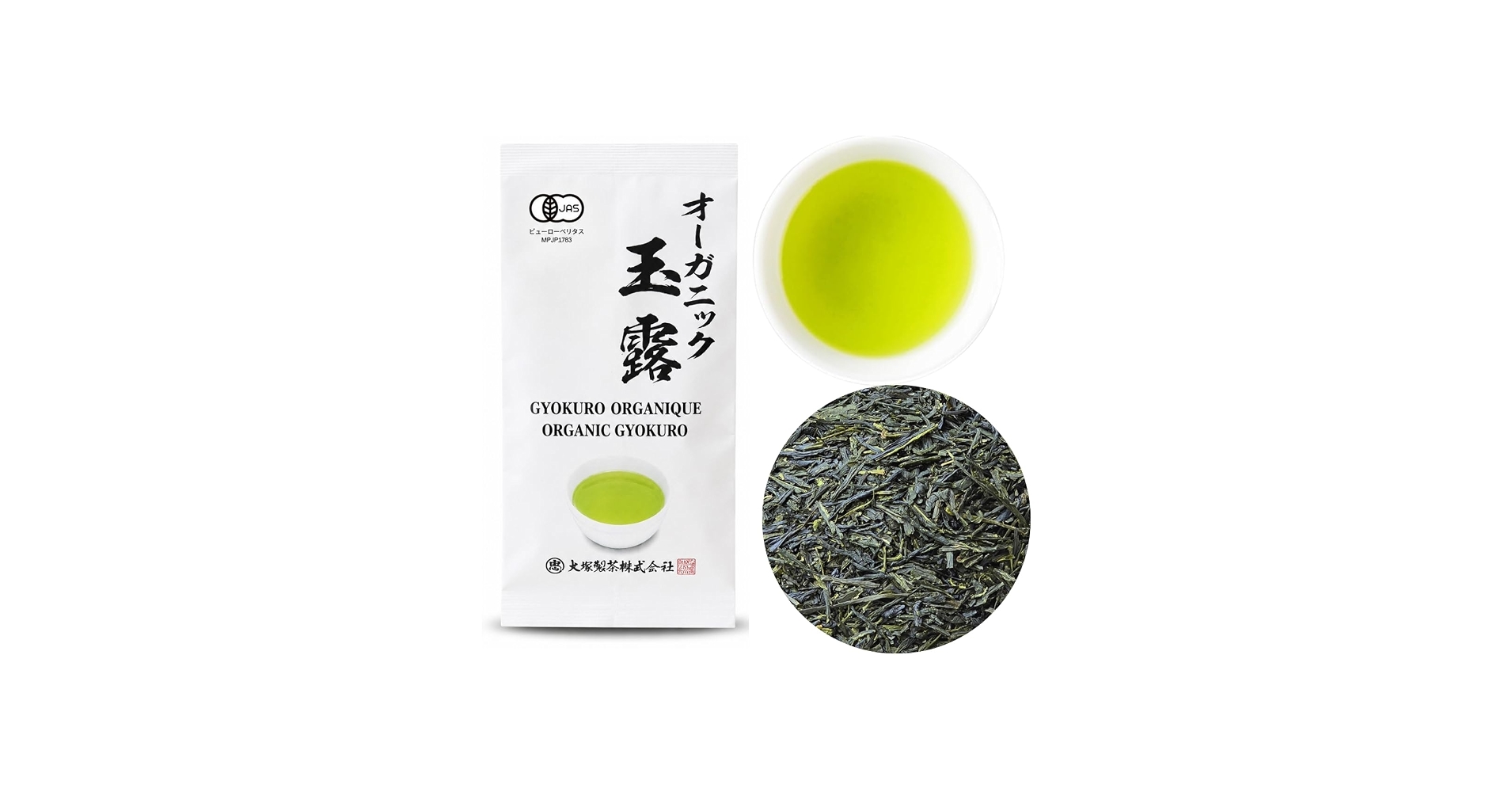
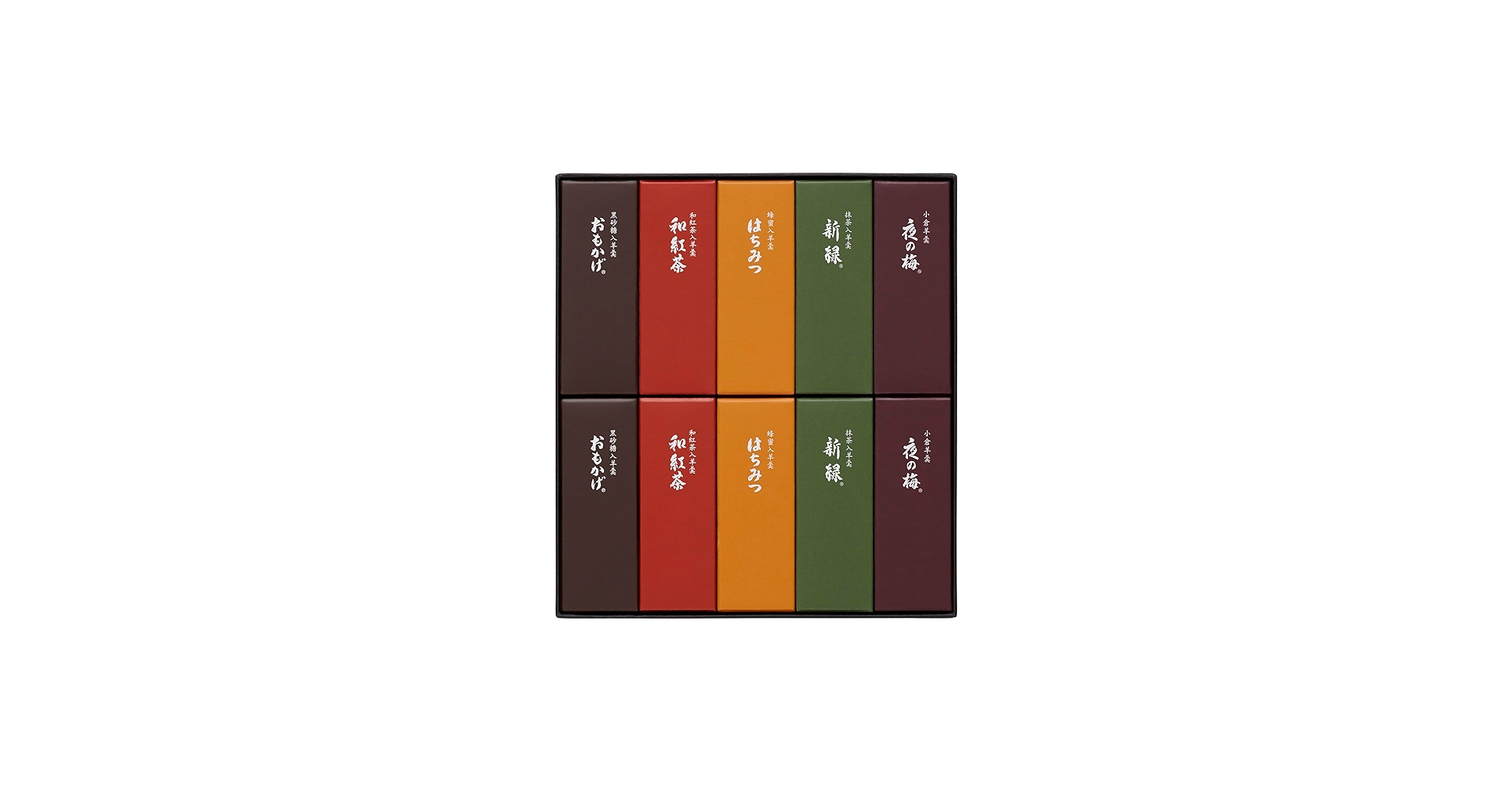
Explore authentic Japanese gifts.

Yes let’s go!


12. Lucky & Unlucky Numbers

What’s Odd
Certain numbers are avoided.
Why
Some numbers sound like negative words.
Meaning
Language-based superstition.
13. Visiting Shrines on New Year
What’s Odd
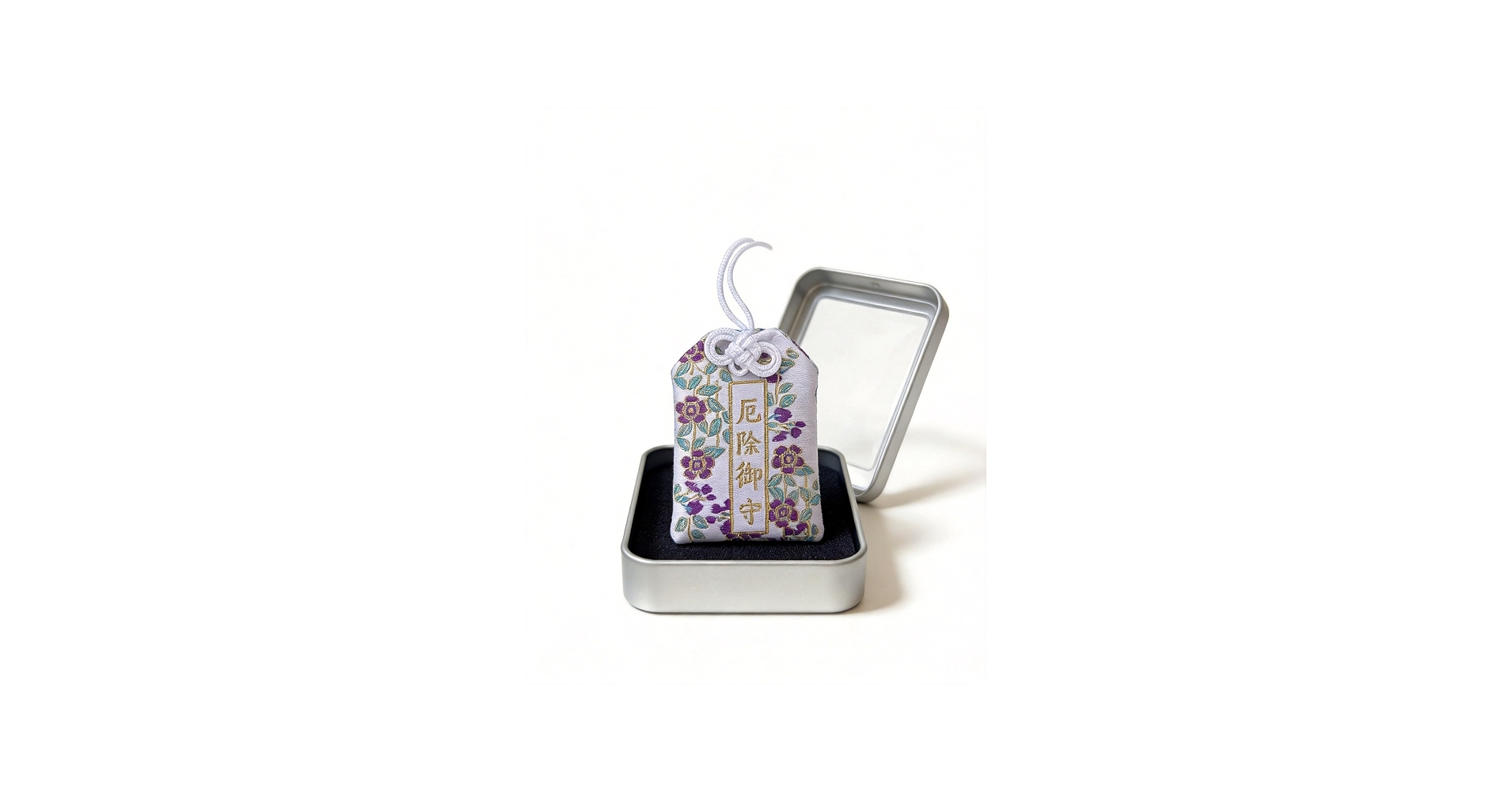
Millions visit shrines at the start of the year.
Why
To pray for good fortune.
Meaning
Spiritual reset and renewal.

14. Students Cleaning Schools
What’s Odd
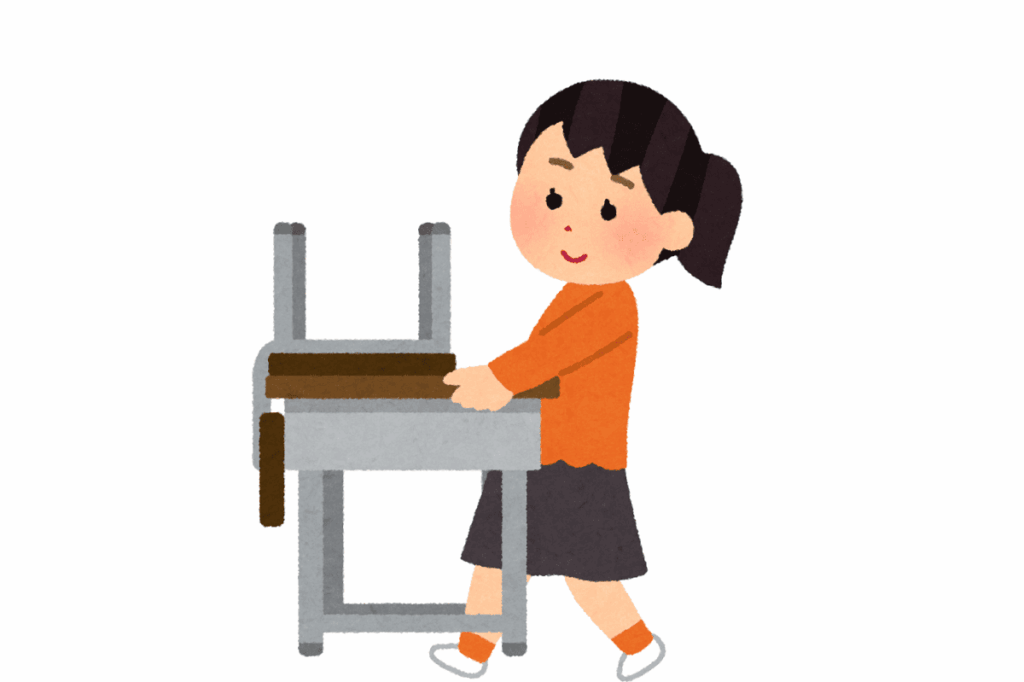
Students clean their own classrooms.
Why
It teaches responsibility.
Meaning
Discipline and respect.
When I was a student, we also used to move all the desks and chairs before cleaning the classroom. I think it’s a great practice to take care of the spaces we use ourselves.
15. Seasonal Superstitions
What’s Odd
People follow seasonal beliefs and lucky days.
Why
Rooted in traditional calendars and folklore.
Meaning
Connection to nature and tradition.
Many of these beliefs are still part of everyday life in Japan today.
If you’re curious, check out our full guide to Japanese superstitions and lucky days.

FAQ about Japanese odd tradition
- QWhy are Japanese traditions considered odd?
- A
They may seem unusual to outsiders, but they are rooted in history, culture, and social values.
- QWhy do Japanese people eat KFC on Christmas?
- A
It started as a marketing campaign and became a widely accepted tradition.
- QWhy do Japanese people slurp noodles?
- A
It enhances flavor and shows appreciation for the meal.
Final Thoughts Odd Japanese Traditions
At first glance, these Japanese traditions may seem strange or even confusing. But when you look closer, each one reflects something much deeper—respect, harmony, mindfulness, and a strong connection to both people and tradition.
What may appear “odd” is often just a different way of seeing the world.
In fact, many of these customs are rooted in long-standing beliefs and cultural practices that continue to shape everyday life in Japan. If you’re curious to explore more, you might also enjoy learning about Japanese superstitions and lucky days, where even more fascinating traditions come to life.
As you discover these unique customs, you may begin to see that “weird” doesn’t mean wrong—it simply means different. And sometimes, those differences are what make a culture truly unforgettable.

If you are interested in Japan, you may love this game!
Let’s play!

Yes! Let’s play!
Comments