






In Japan, animals are more than just creatures of nature—they carry deep symbolic meanings tied to luck, prosperity, and spiritual beliefs. From ancient folklore to modern culture, certain animals are considered powerful bringers of good fortune.
In this guide, we’ll explore the most iconic lucky animals in Japan and what they represent.
- Sea Bream (Tai) – A Symbol of Celebration and Success
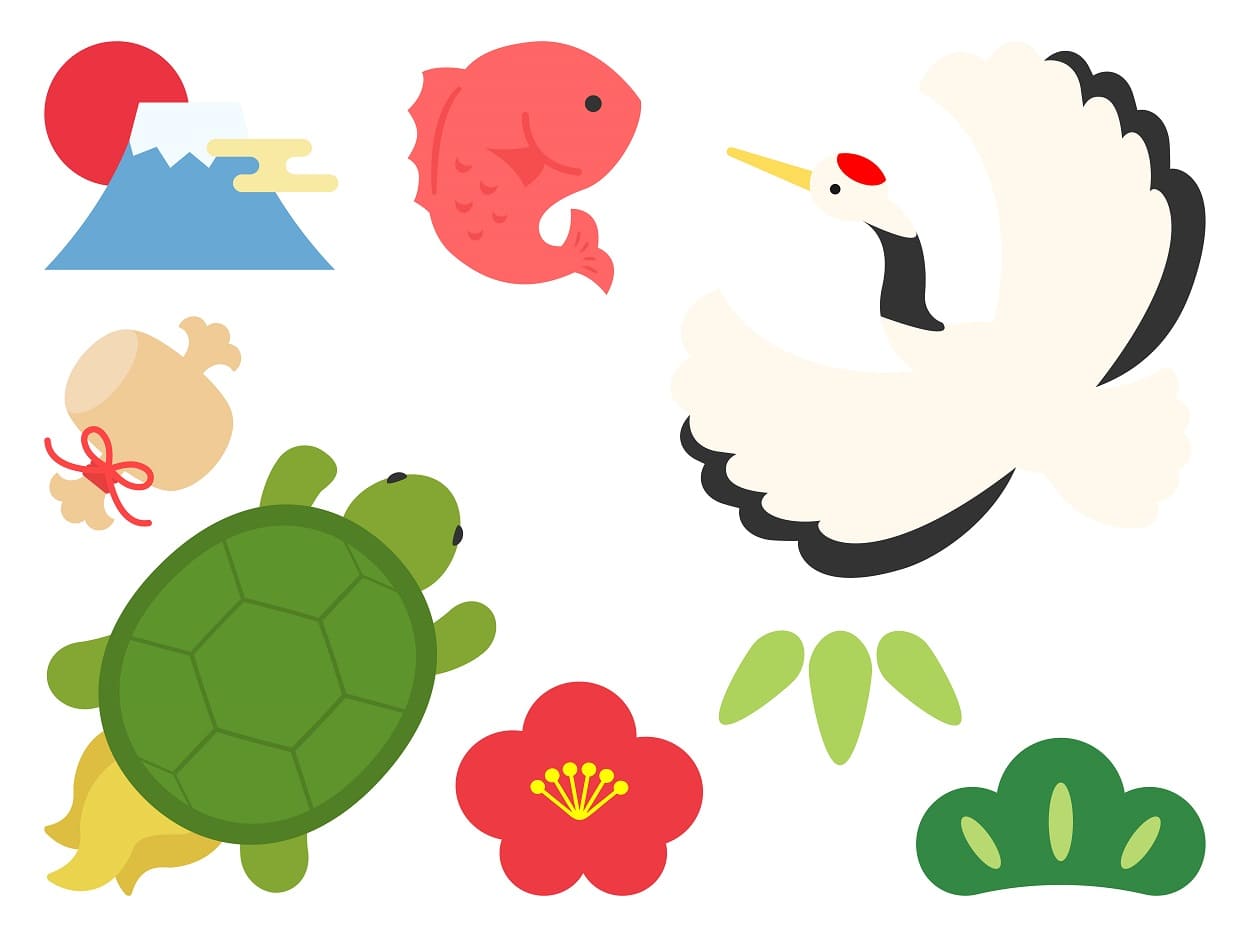
- Crane (Tsuru) – Longevity and Eternal Happiness
- Turtle (Kame) – Wisdom and Long Life
- Owl (Fukurou) – Protection and Good Luck
- Cat (Maneki Neko) – Wealth and Customers
- Snake (Hebi) – Wealth and Renewal
- Tanuki – Prosperity and Good Business
- Rabbit (Usagi) – Progress and Good Fortune
- Deer (Shika) – Divine Messengers
- Why Animals Are Considered Lucky in Japan
- Final Thoughts about lucky Animals in Japan
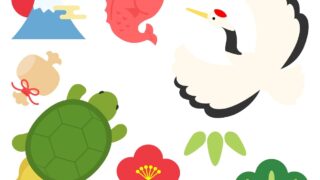
Sea Bream (Tai) – A Symbol of Celebration and Success
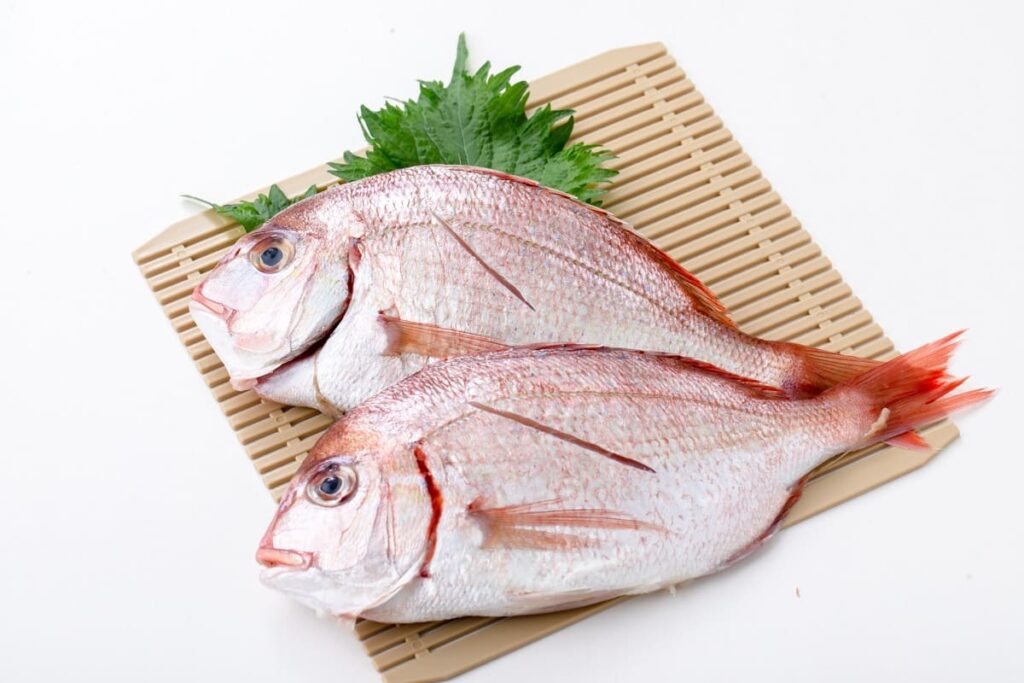
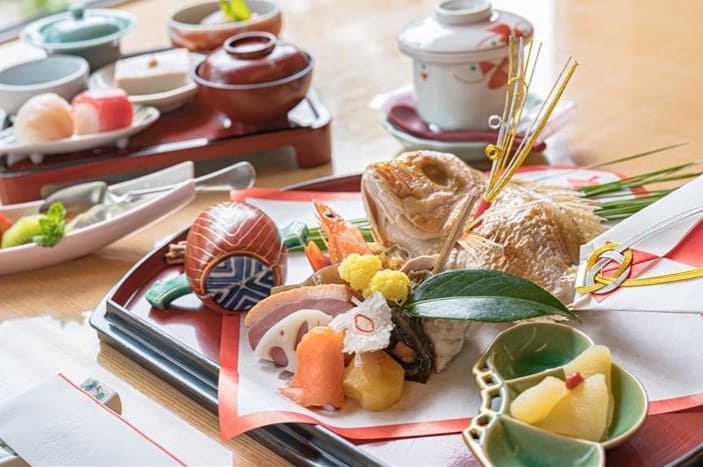
The sea bream, or tai, is one of Japan’s most famous lucky foods.
- Associated with celebrations and happy occasions
- Wordplay: “medetai” (auspicious, joyful)
- Common at weddings and New Year feasts
Often served whole to symbolize completeness and good fortune.
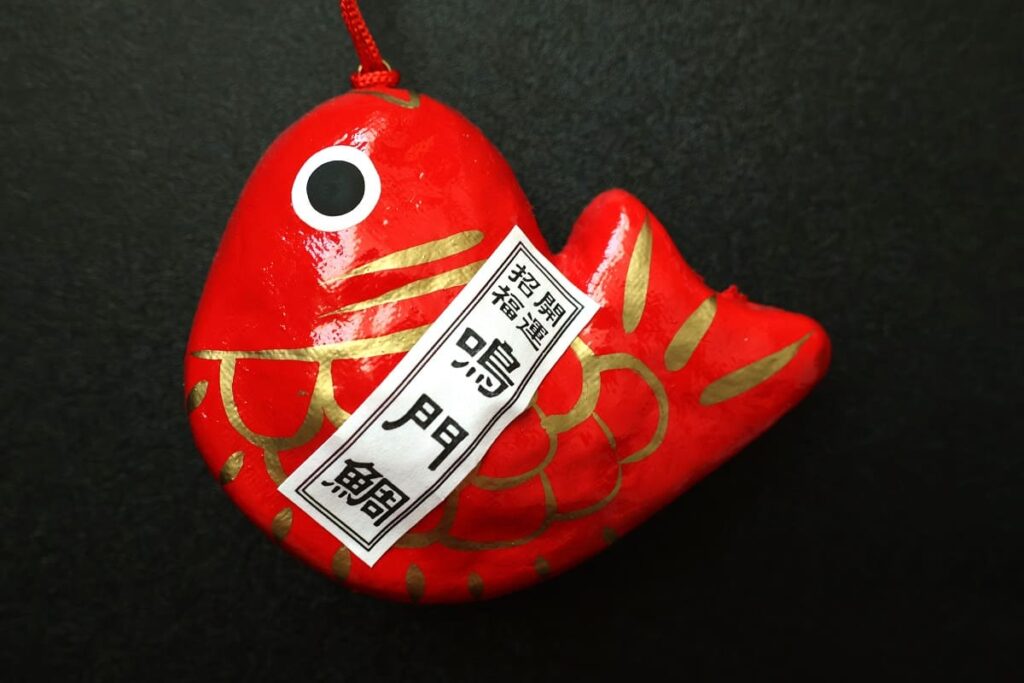

Food-wise, nothing says celebration in Japan like tai (sea bream).
It’s light, delicate, and honestly really delicious.
It’s also popular as a lucky decoration—we even have a tai ornament at home!
Please check the article below as well.
Crane (Tsuru) – Longevity and Eternal Happiness
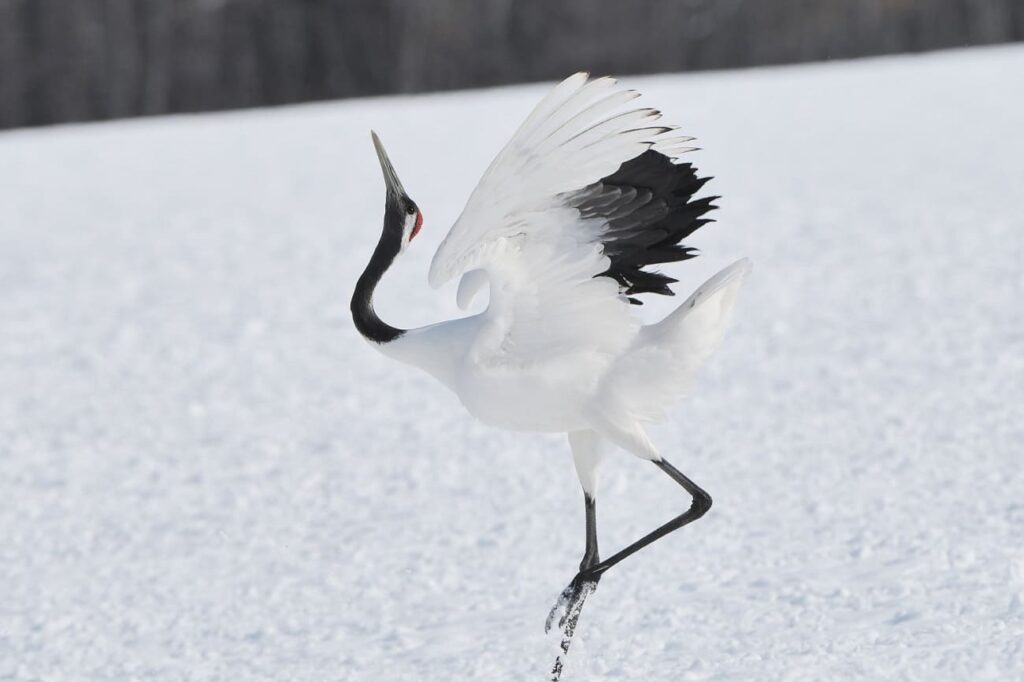
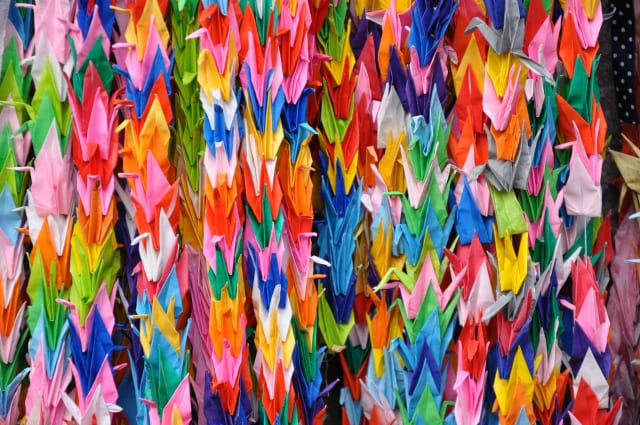
The crane is a sacred bird in Japanese culture.
- Symbol of longevity and peace
- Believed to live for 1,000 years
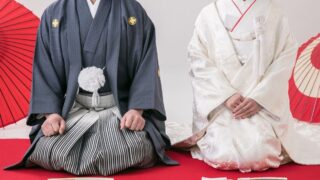
- Popular in wedding decorations and origami
Folding 1,000 cranes is said to grant a wish.

That reminds me—when I was a kid, I once begged my grandmother for a kimono with a crane pattern at a kimono shop.
But I changed my mind halfway and ended up getting one with a temari (ball) pattern instead.
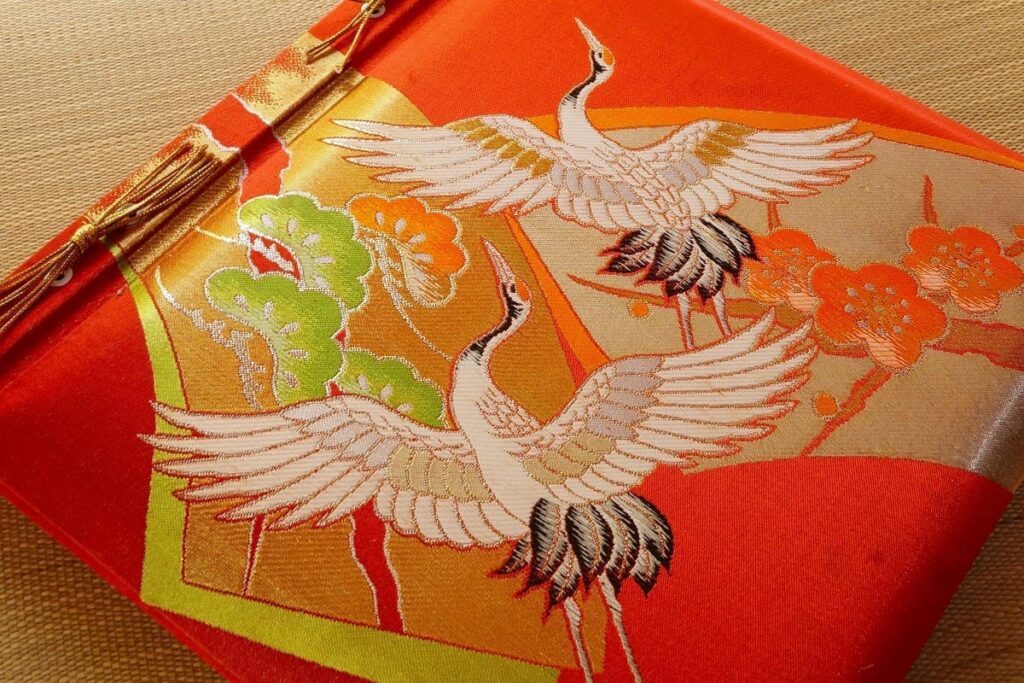

By the way, the album with the crane design in the photo is from my parents’ wedding.
It gives such a luxurious and elegant impression—perfect for special celebrations, don’t you think?
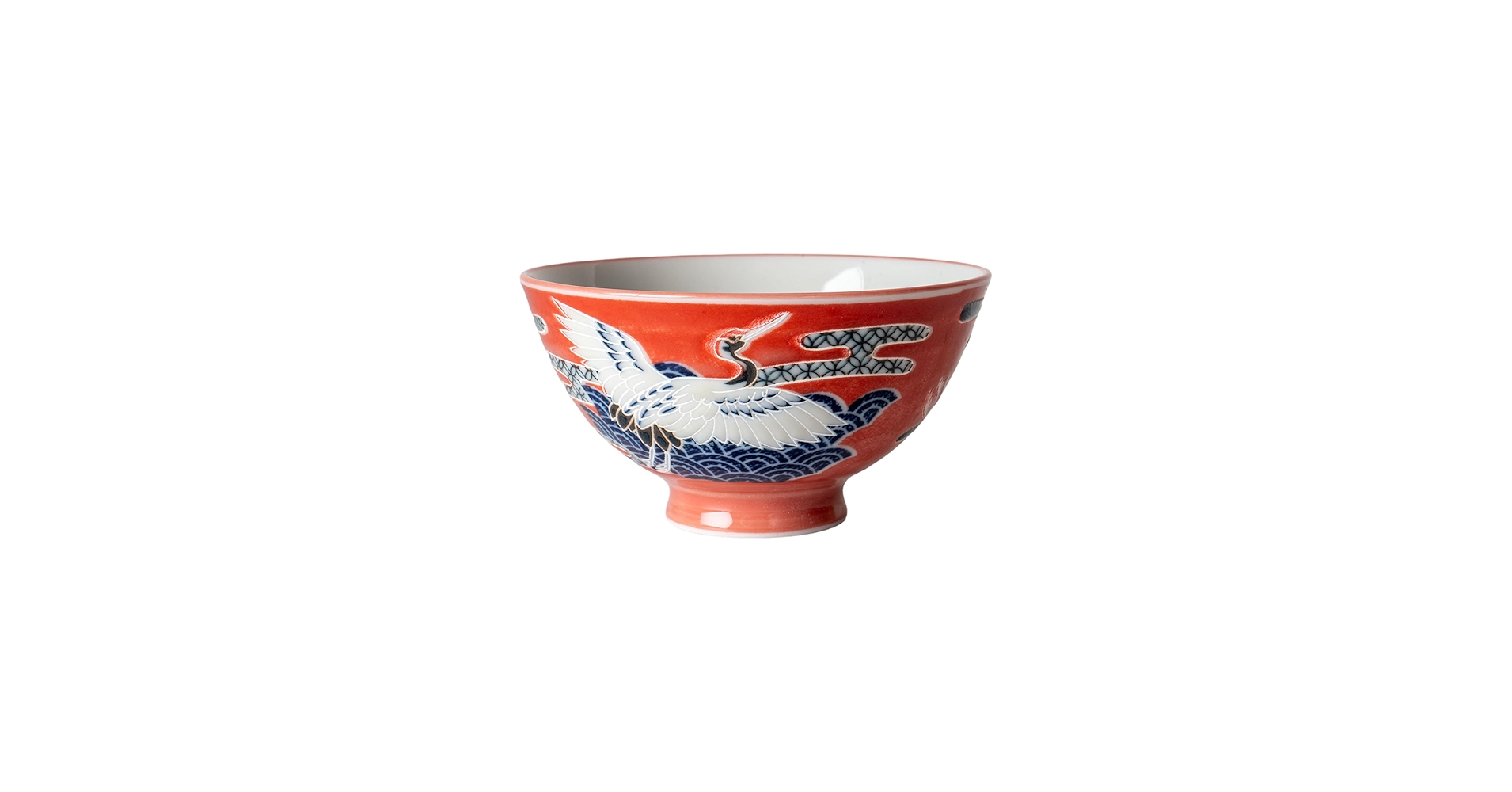
Love meaningful designs? These traditional animal motifs make beautiful gifts.

Turtle (Kame) – Wisdom and Long Life
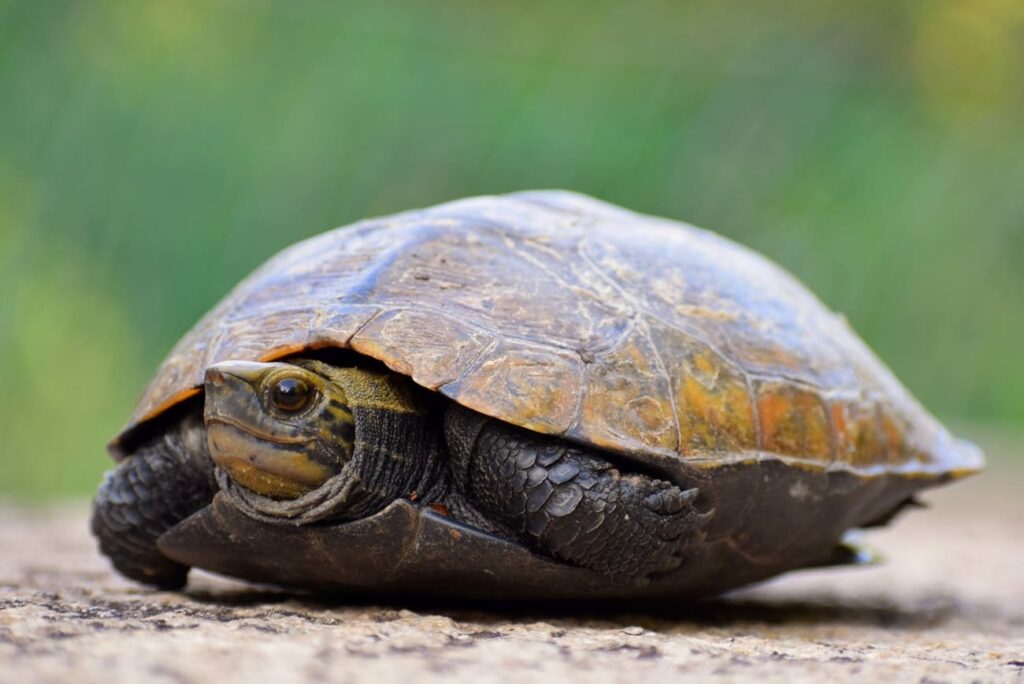
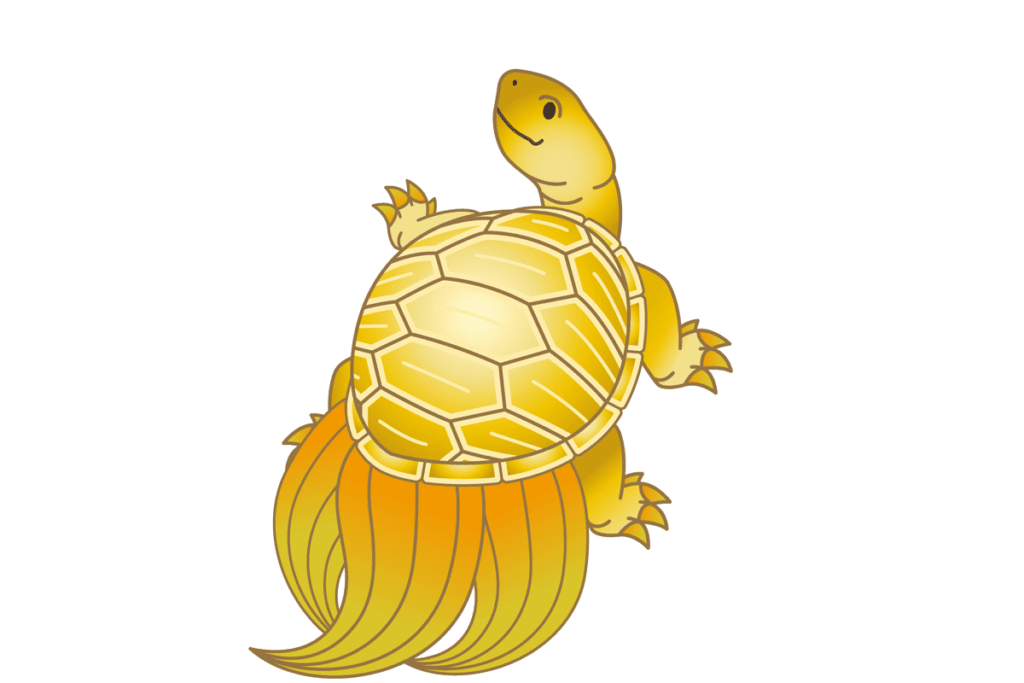
The turtle represents endurance and longevity.
- Said to live for 10,000 years
- Often depicted with a flowing tail (minogame)
- Associated with protection and stability
Owl (Fukurou) – Protection and Good Luck
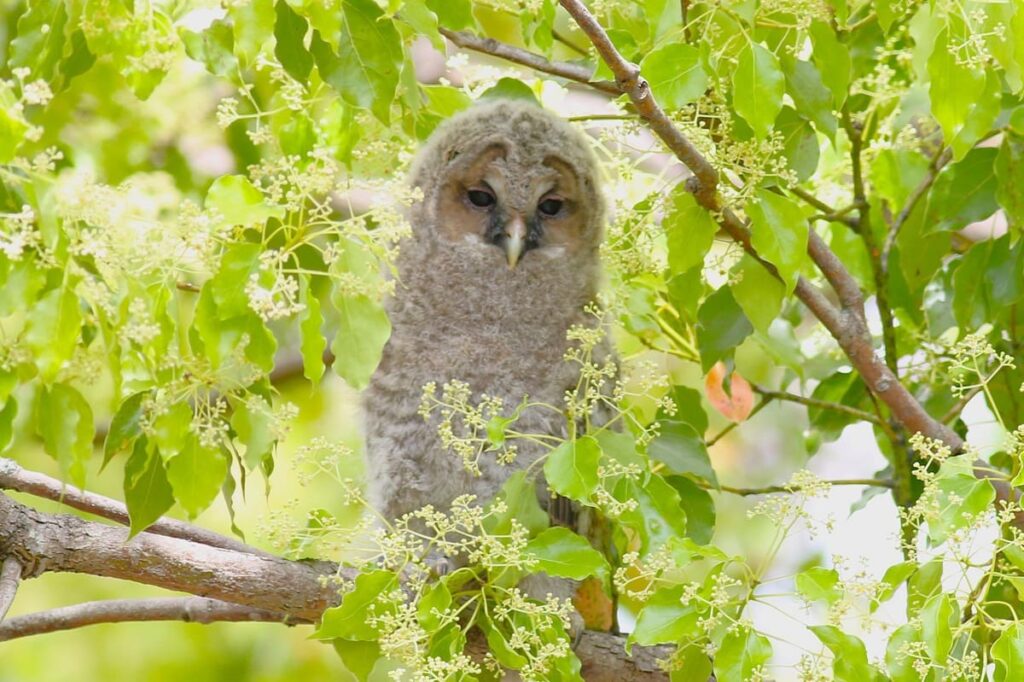
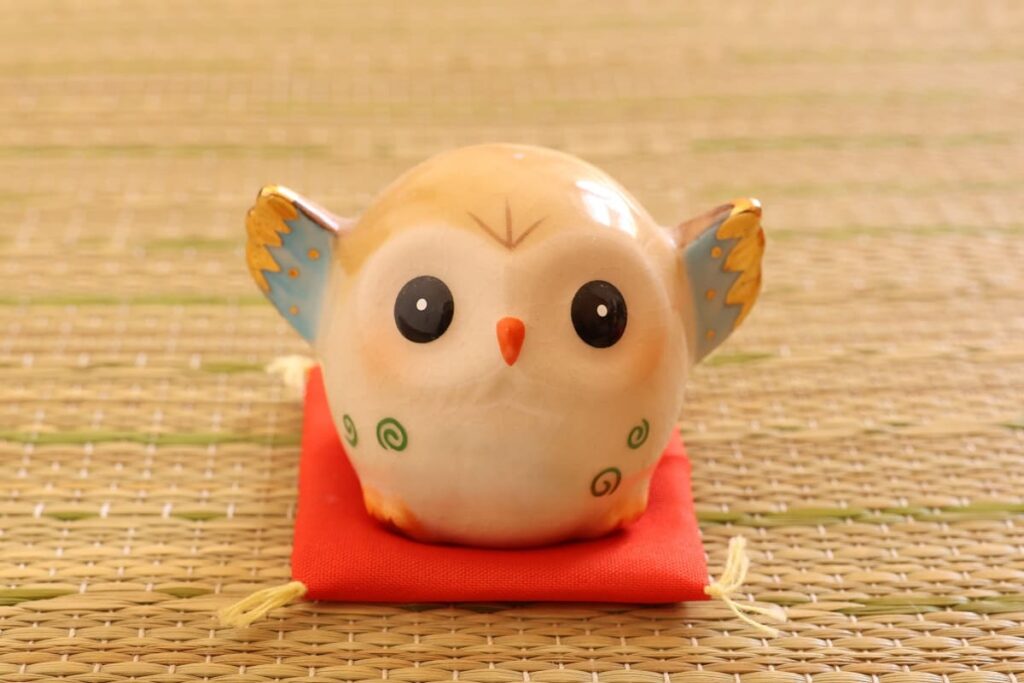
Owls are widely loved as lucky charms in Japan.
- “Fukurou” can mean “no hardship” (不苦労)
- Also associated with wisdom and protection
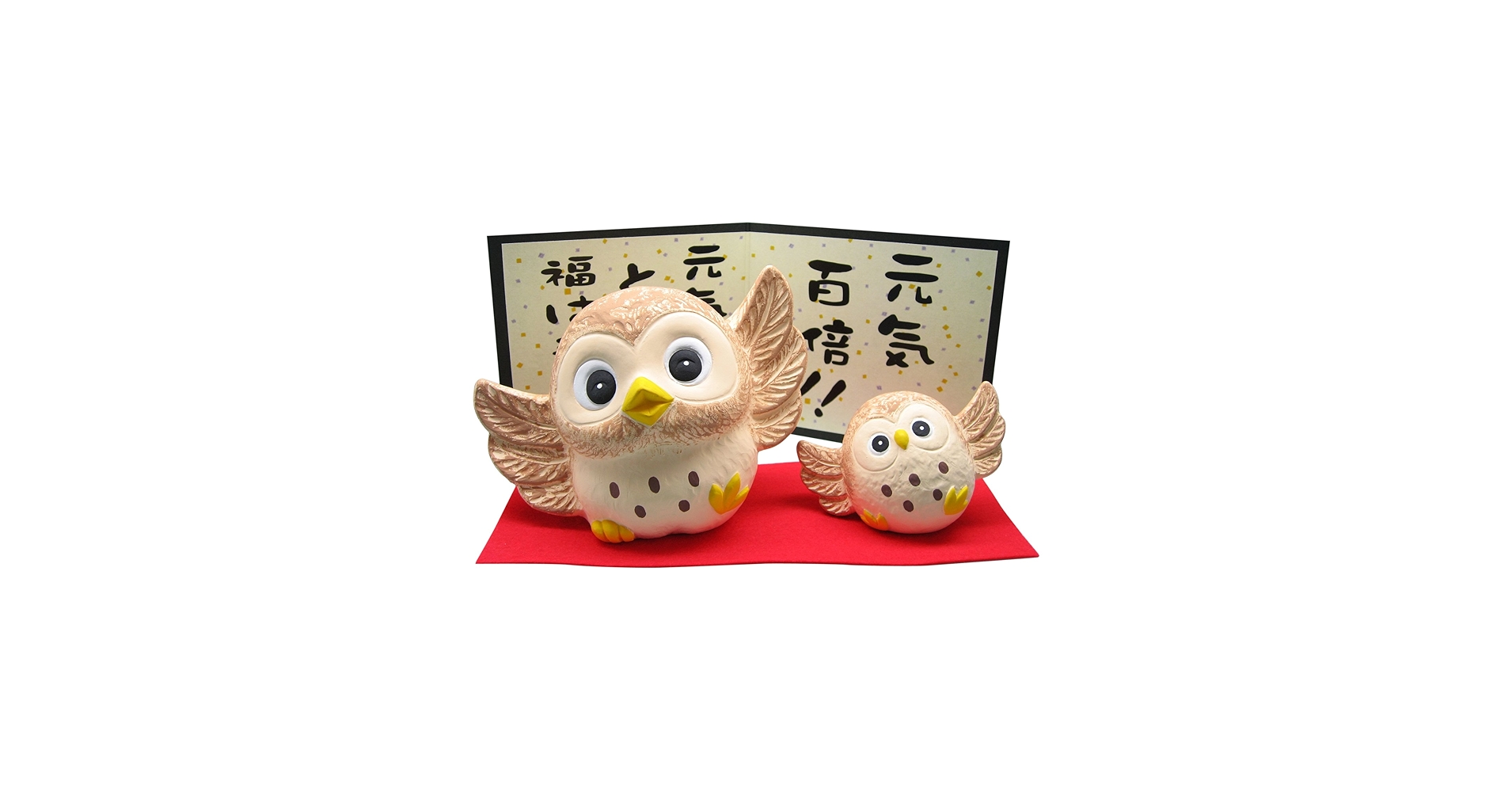
- Popular as souvenirs and home decor

We even have an owl figurine displayed at home.
I’d love to visit an owl café someday.
Looking for a small charm to protect your space?
Browse Japanese owl lucky charms and decor

Cat (Maneki Neko) – Wealth and Customers
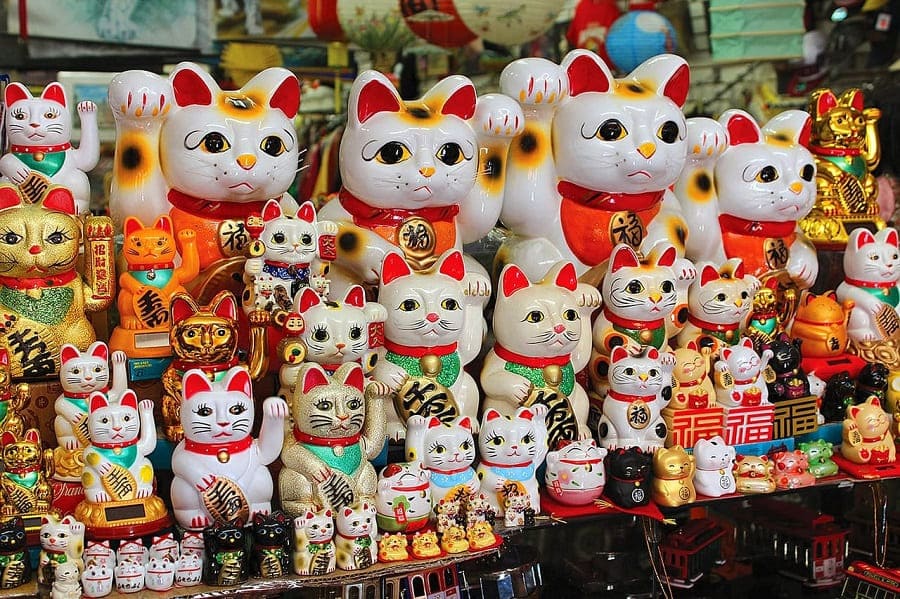
One of the most recognizable Japanese symbols.
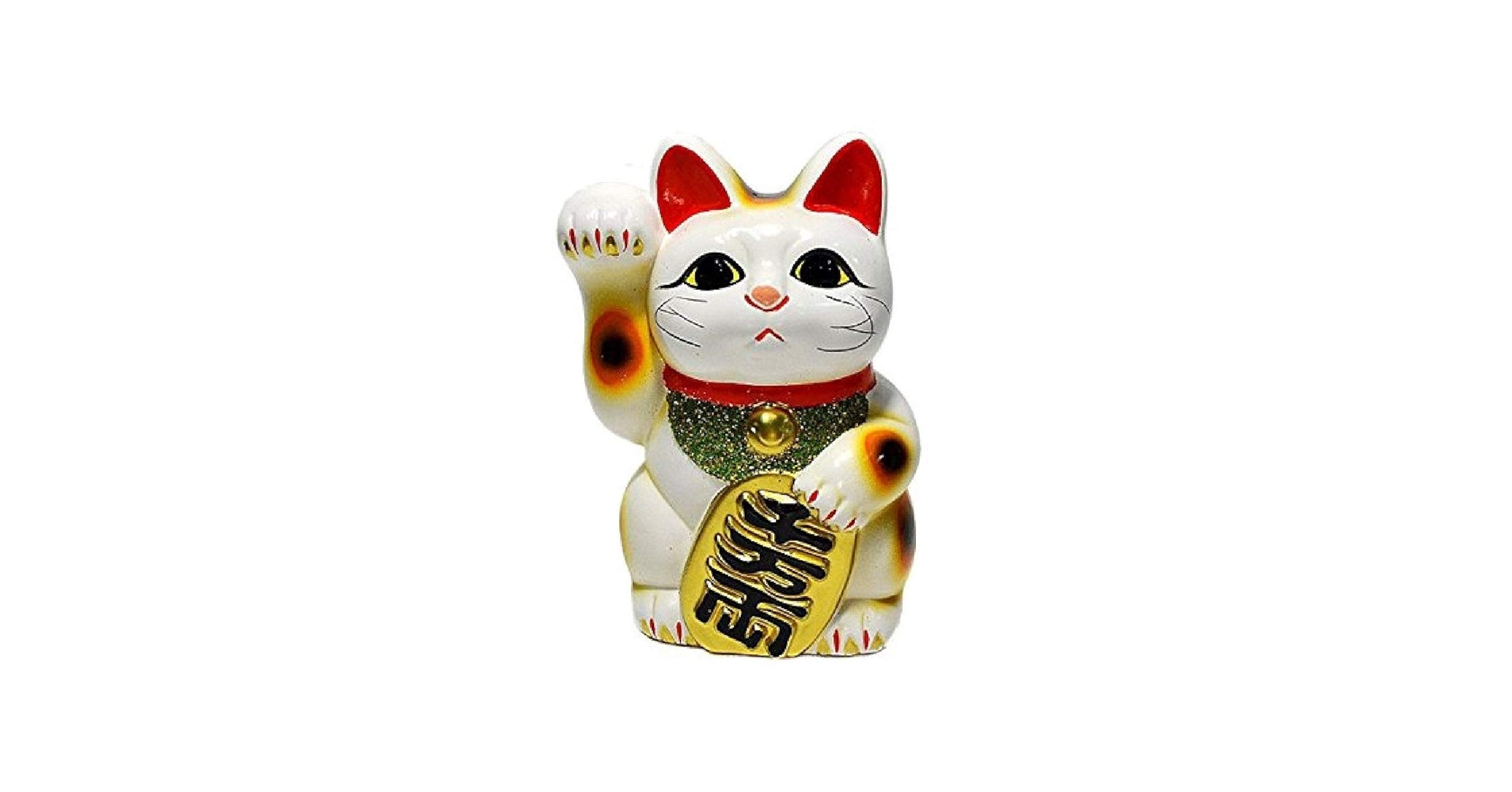
- Beckoning cat that invites fortune
- Right paw: money luck
- Left paw: customers and people
Commonly seen in shops and restaurants.

Even our blog name is “Manekineko Games.”
We just love cats, of course—but it also reflects our wish to welcome lots of visitors!
Bring a little luck into your home with a traditional maneki neko!

If you want to know more about Maneki neko, check the article below as well.
Snake (Hebi) – Wealth and Renewal
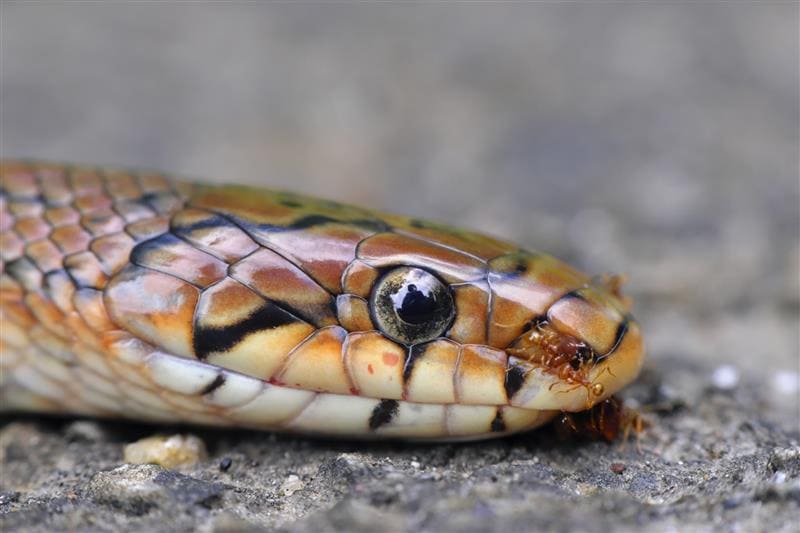
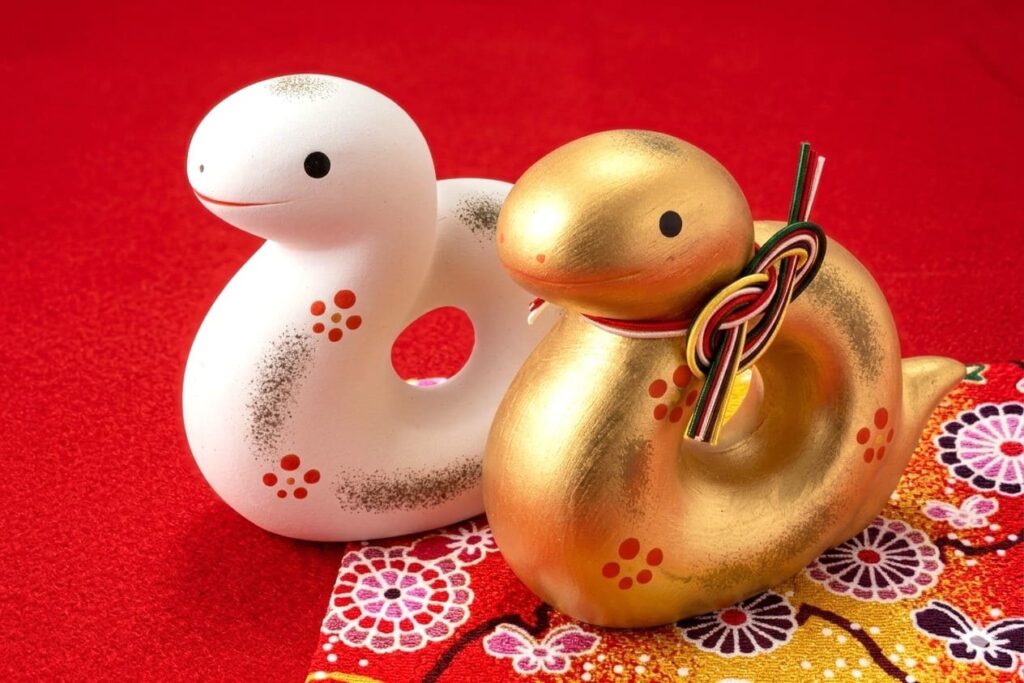
Snakes have strong spiritual associations.
- Linked to wealth and financial luck
- Symbol of rebirth (shedding skin)
- Connected to Benzaiten, a goddess of fortune
Snake motifs are sometimes used in wallets for luck.
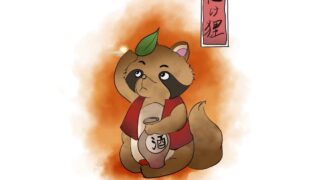
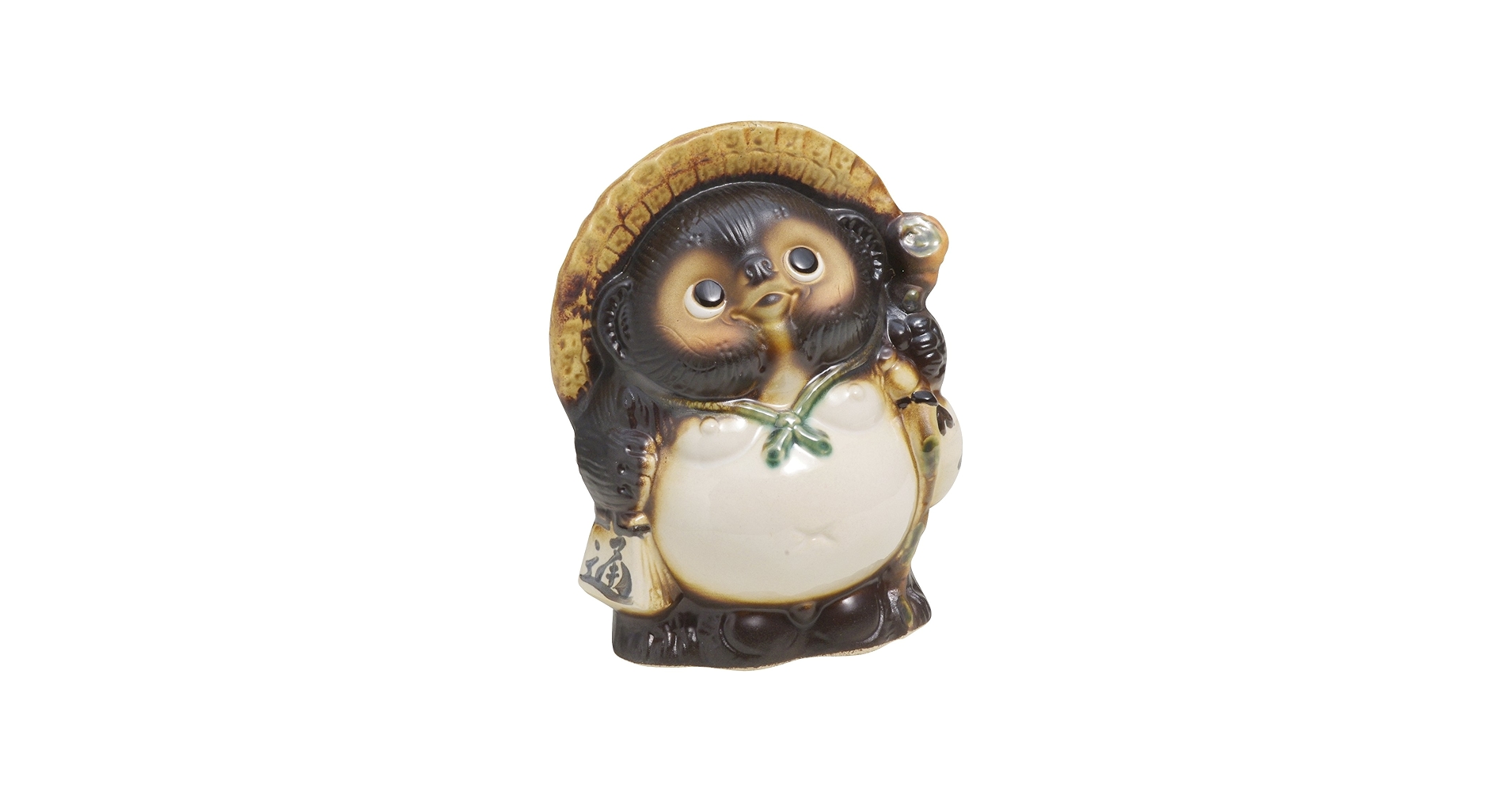
Tanuki – Prosperity and Good Business
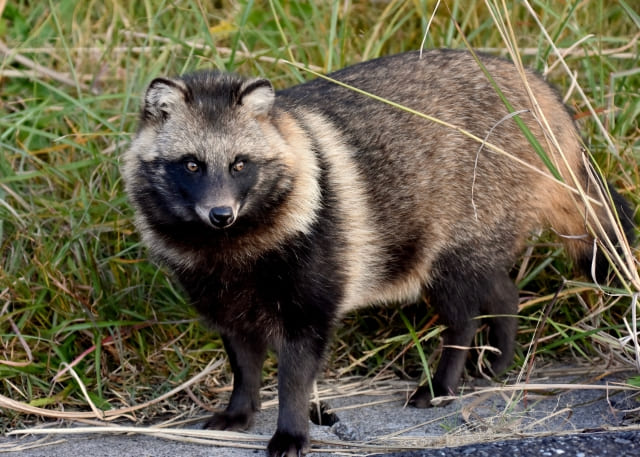
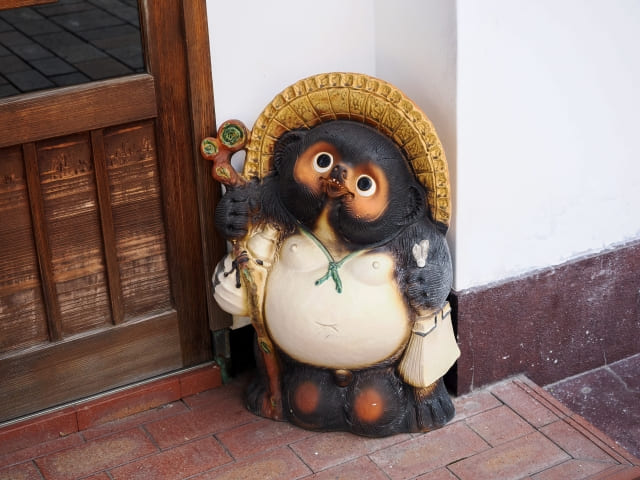
A playful and unique symbol in Japan.
- Associated with prosperity and success
- Known for trickster folklore
- Often displayed as statues outside shops
Especially famous in Shigaraki pottery.

Japan has so many folk tales about tanuki, right?
Recently, a wild tanuki family moved into our neighborhood, so I’m secretly worried we might get tricked someday.
Add a touch of playful prosperity to your home with a classic tanuki statue.
Explore traditional Japanese tanuki figurines

For more detail, check the article below.

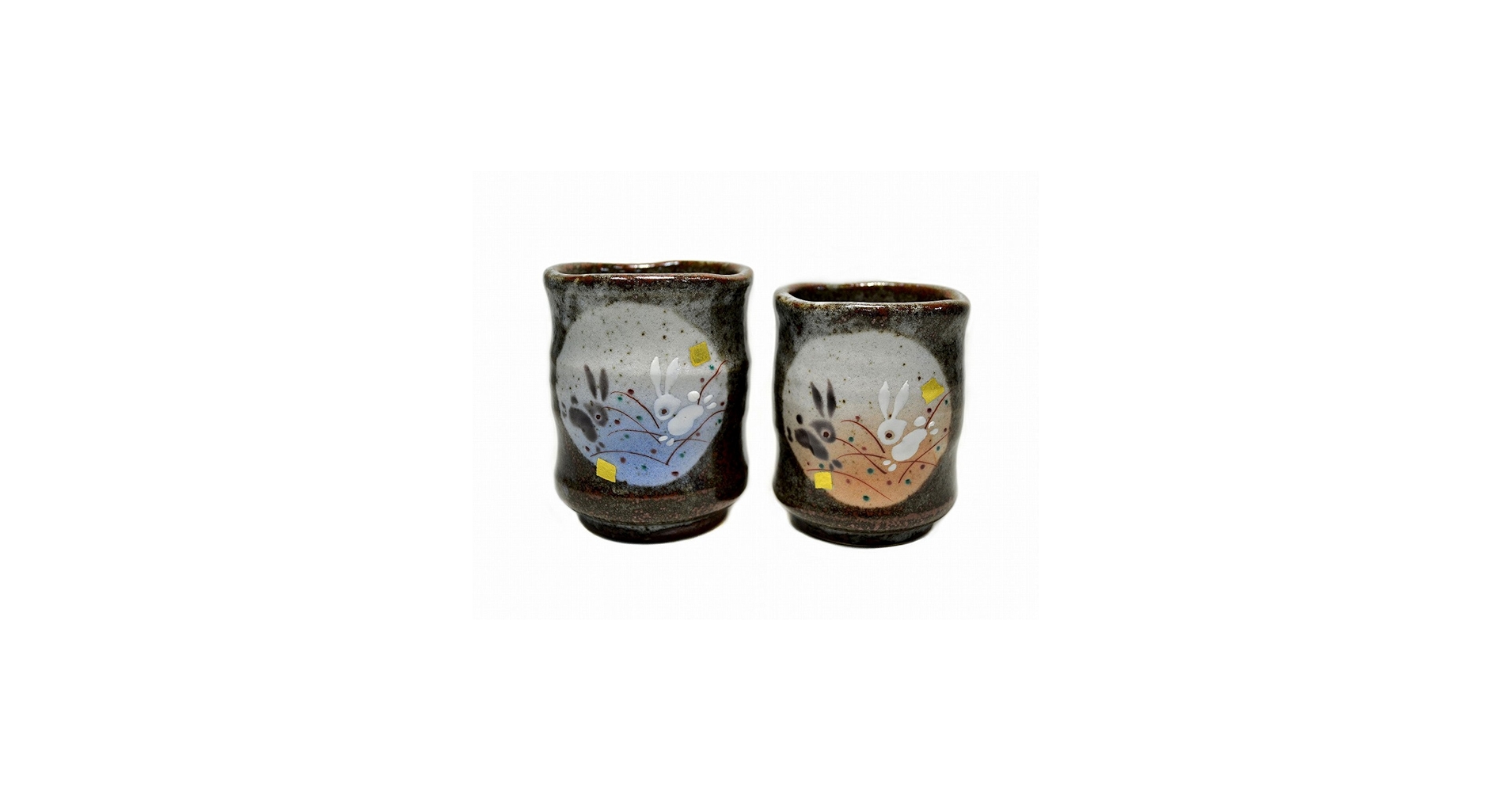
Rabbit (Usagi) – Progress and Good Fortune
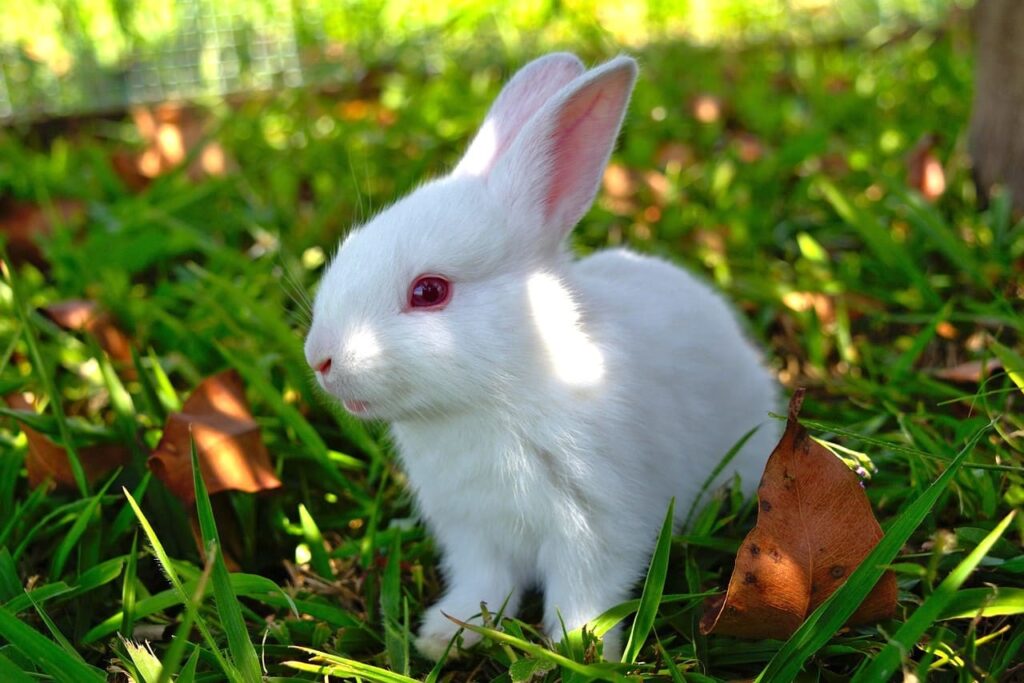
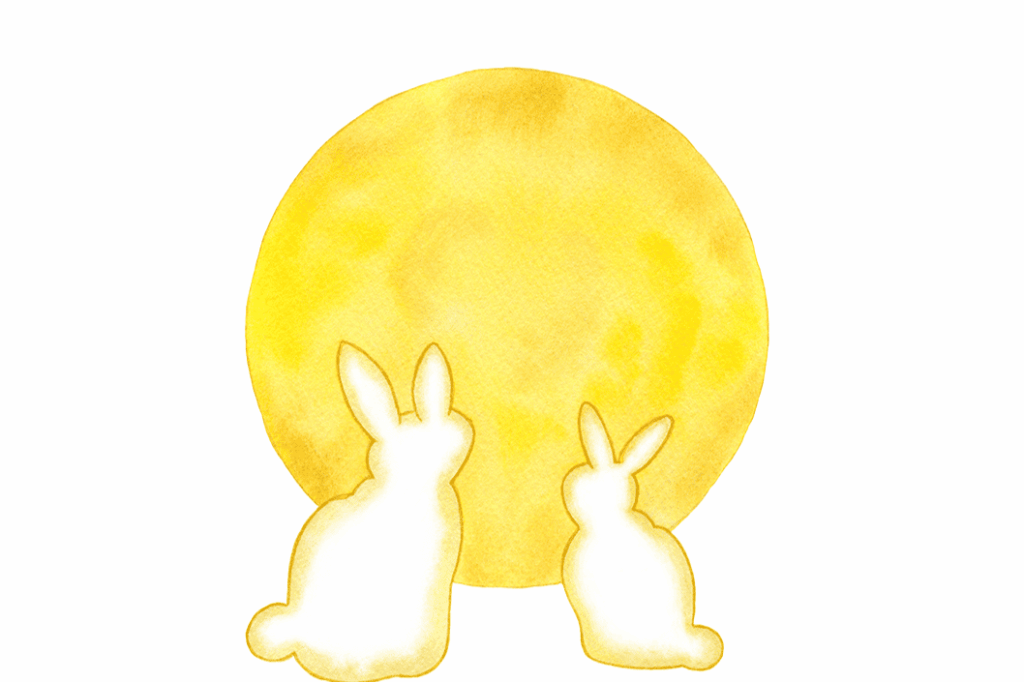
Rabbits symbolize forward movement.
- Known for jumping forward → progress in life
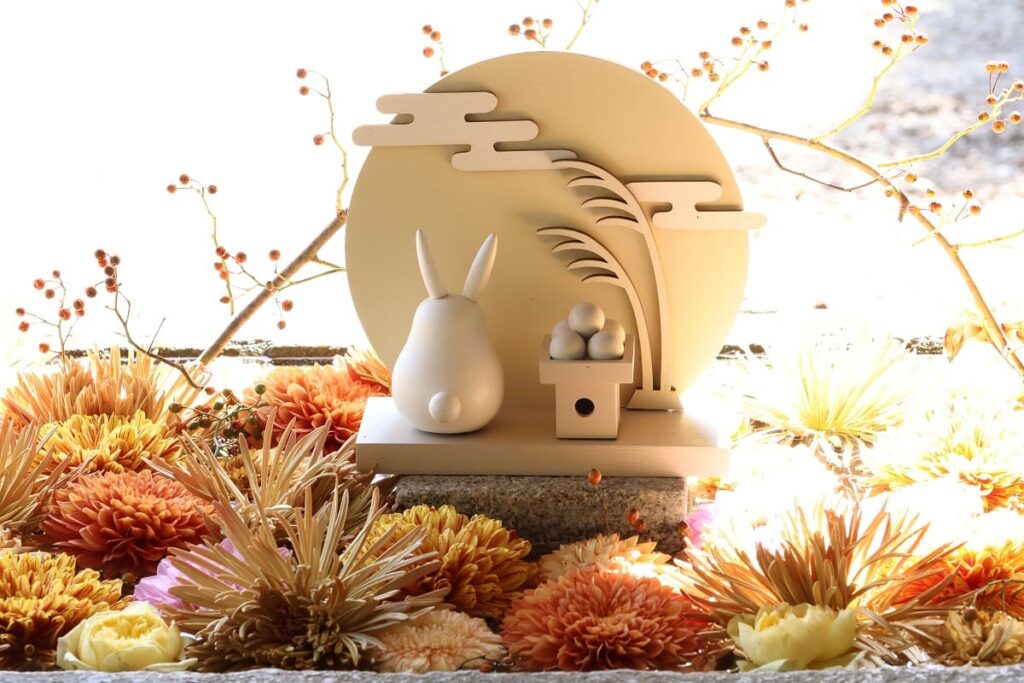
- Associated with the moon in Japanese folklore
- Considered lucky in love and success

Deer (Shika) – Divine Messengers
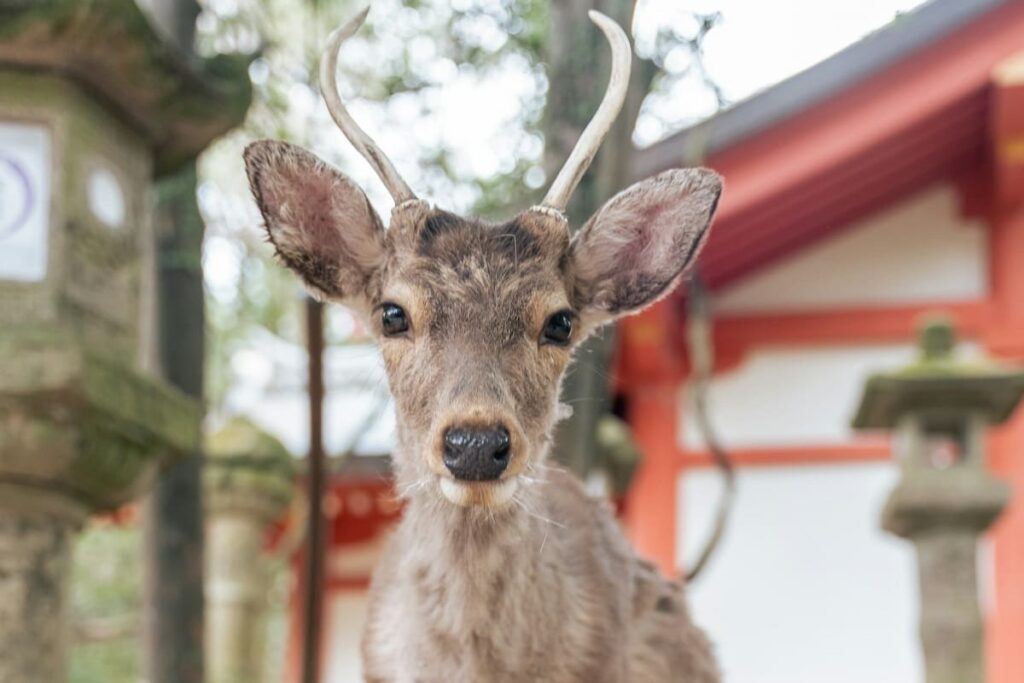
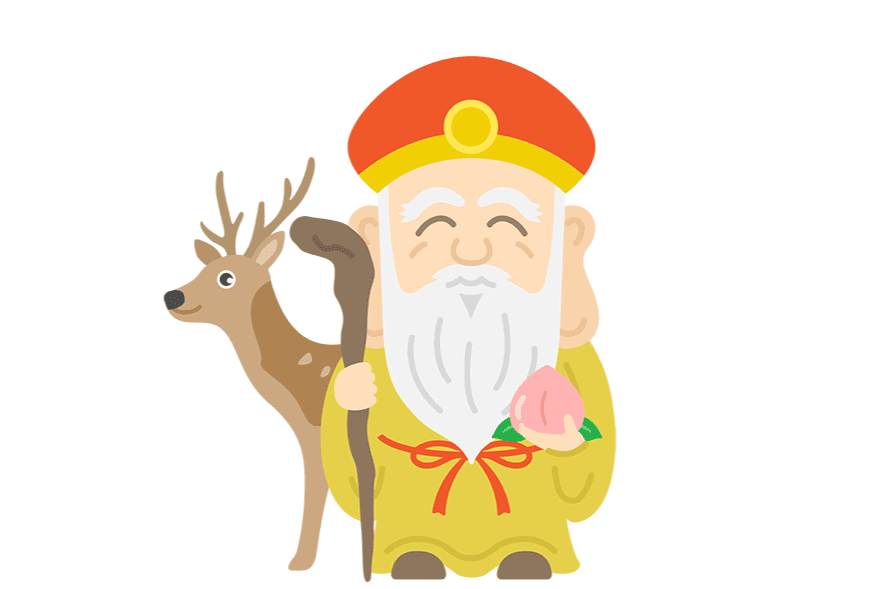
Deer are considered sacred in Japan.
- Believed to be messengers of the gods
- Strong connection to Shinto shrines
- Symbol of protection and harmony
Especially famous in Nara.
Why Animals Are Considered Lucky in Japan
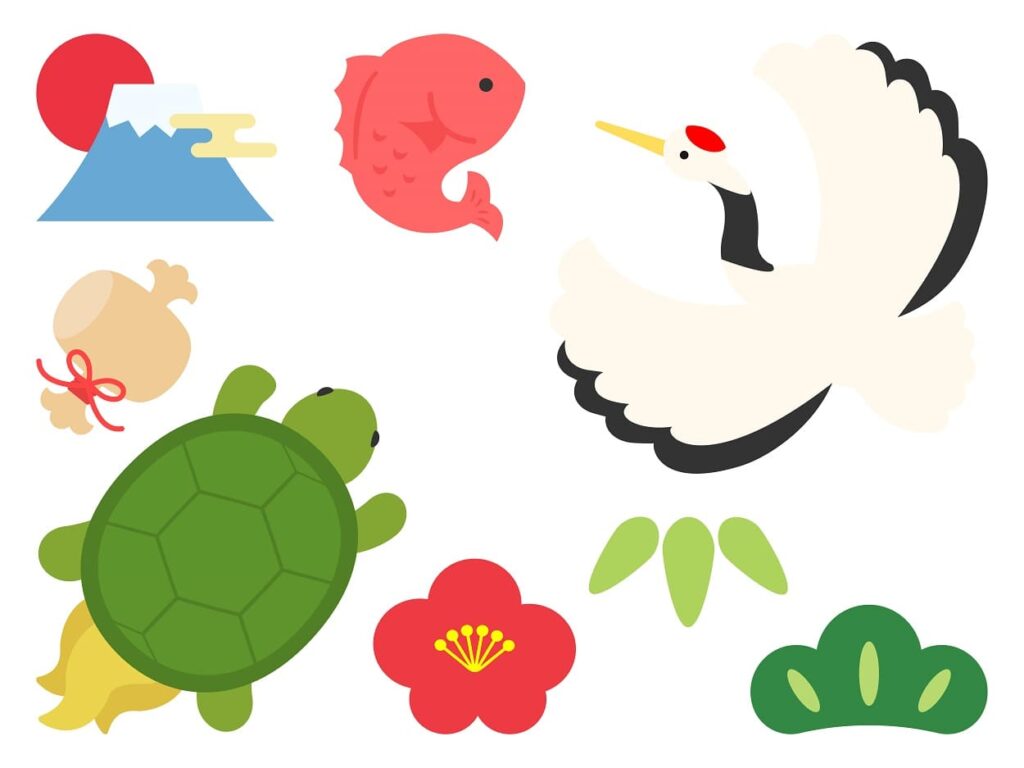
Japanese beliefs about lucky animals come from a mix of:
- Shinto spirituality (nature is sacred)
- Buddhist symbolism
- Wordplay and cultural traditions
These meanings have been passed down for centuries and are still alive today.
Final Thoughts about lucky Animals in Japan
Lucky animals in Japan are more than symbols—they reflect deep cultural values, hopes, and beliefs. Whether it’s a crane for longevity or a maneki neko for prosperity, each animal carries a story worth exploring.

If you are interested in Japan, you may love this game!
Let’s play!

Yes! Let’s play!


Comments