





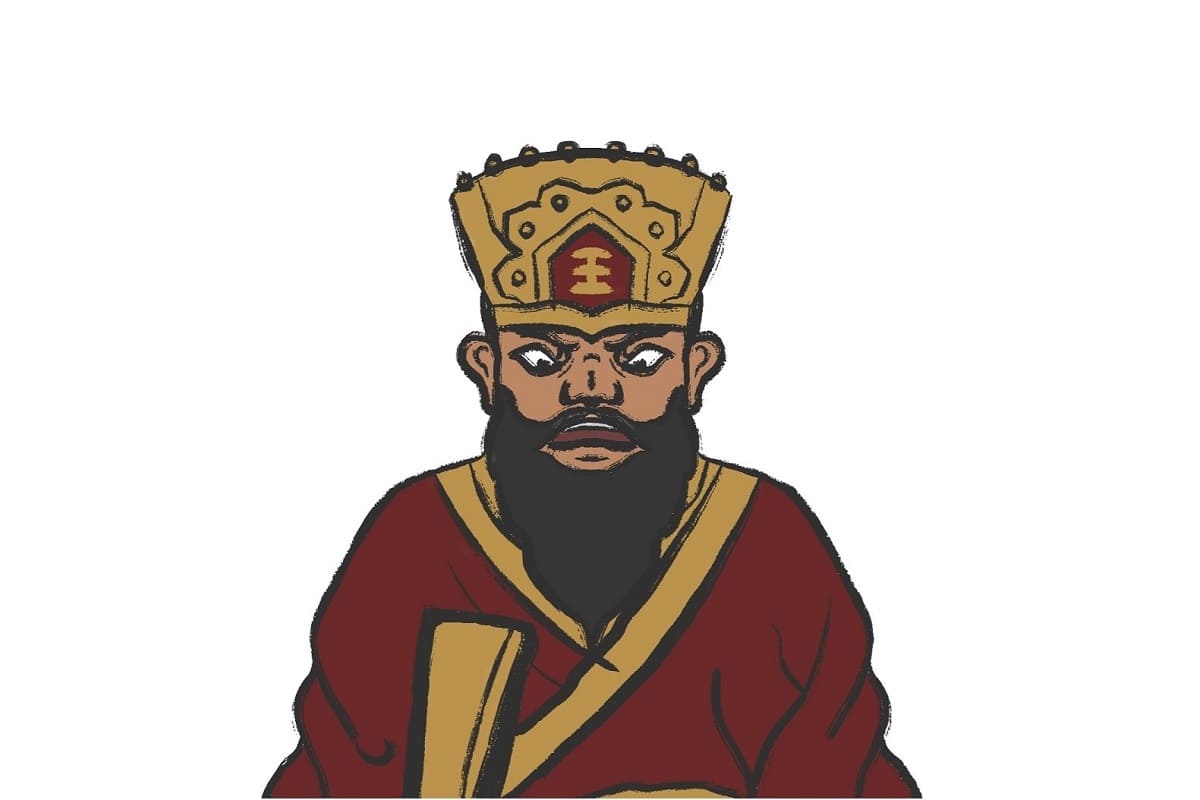
Most Japanese people grow up hearing about Enma Daio, the fearsome judge who decides the fate of souls after death.
Often called the “King of Hell” in English, Enma is one of the most famous figures in Japanese Buddhism. According to traditional beliefs, he examines a person’s actions during life and determines where their soul will go in the next world.
However, Enma is not simply a devil or a ruler of punishment. He is a judge whose role is to uphold justice and ensure that every soul receives the consequences of its deeds.
Even today, Enma continues to appear in temples, folklore, anime, manga, and video games, making him one of Japan’s most recognizable supernatural figures.
In this article, we’ll explore who Enma Daio is, where he came from, how he judges the dead, and why he remains an important part of Japanese culture today.
What Is Enma Daio?
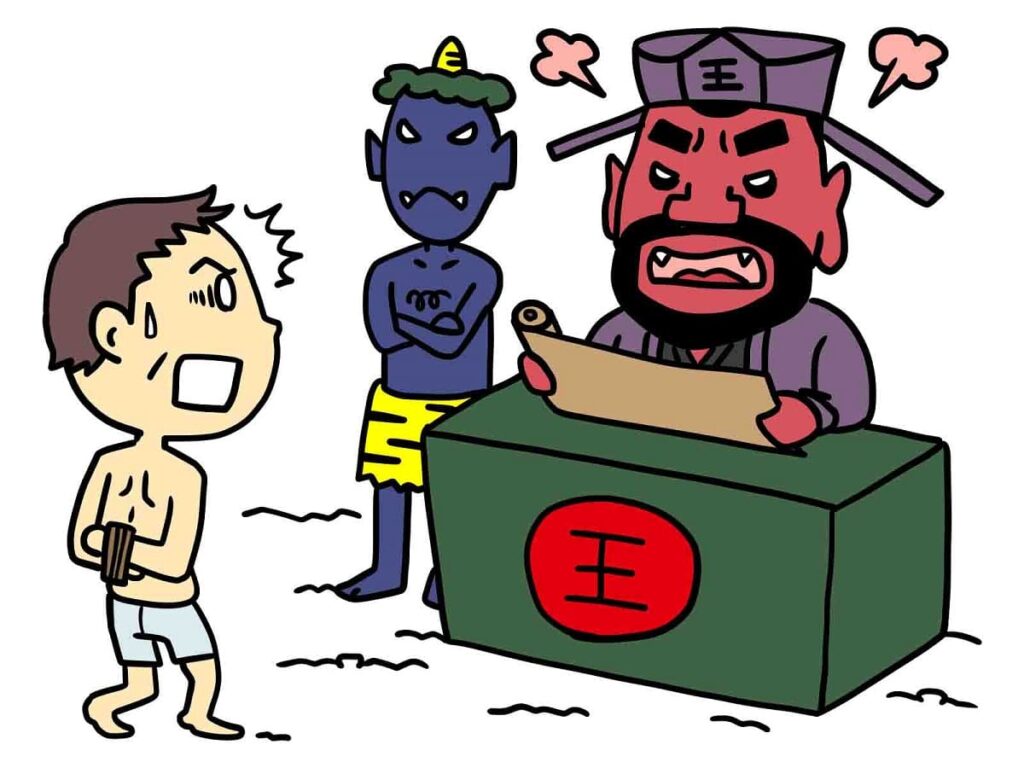
Enma Daio is the judge of the dead in Japanese Buddhist tradition. After a person dies, it is believed that their soul is brought before Enma, who examines their actions and determines their fate in the afterlife.
Because of this role, Enma is often associated with Hell and is commonly described as its king. However, this description can be misleading. Rather than ruling Hell as an evil overlord, Enma functions more like a judge presiding over a court.
His responsibility is to evaluate each soul fairly and decide where it should be reborn according to the law of karma. Good deeds may lead to a favorable rebirth, while harmful actions can result in suffering or punishment.
This idea reflects one of the core teachings of Buddhism: that actions have consequences, and individuals are ultimately responsible for the results of their own behavior.
As a result, Enma has long been seen as both a fearsome and respected figure—someone who punishes wrongdoing but also upholds cosmic justice.

So Enma isn’t exactly a devil—he’s more like a judge in the afterlife.

No wonder Japanese people have feared and respected Enma for centuries.
Where Did Enma Come From?
Although Enma Daio is strongly associated with Japanese Buddhism today, his story actually began far from Japan.
The figure known as Enma has traveled across countries, cultures, and centuries, evolving along the way. His journey started in ancient India, passed through China, and eventually became part of Japanese religious tradition.
Understanding these origins helps explain why Enma remains such a complex and fascinating figure today.
Origins in Hinduism
The origins of Enma can be traced back to Yama, a deity in ancient Hinduism.
Yama was regarded as the ruler of the dead and is often considered the first mortal being to die. Because he was the first to pass into the world of the dead, he became its guardian and judge.
Unlike many gods associated with death in Western mythology, Yama was not necessarily evil. Instead, he served as a guardian of order who guided souls and maintained justice in the afterlife.
Many of the characteristics later associated with Enma—judgment, morality, and authority over the dead—can already be seen in the ancient stories of Yama.

Wait, Enma originally came from India?
Enma’s Role in Buddhism
As Buddhism spread throughout Asia, many existing beliefs and deities were incorporated into Buddhist teachings. Yama was one of them.
Within Buddhist traditions, Yama gradually took on a new role as a judge who evaluated the actions of the dead. Rather than simply ruling over the realm of death, he became responsible for determining the consequences of a person’s karma.
Over time, stories about Yama became intertwined with Buddhist concepts such as rebirth, karma, and the cycle of reincarnation.
This transformation helped shape the figure that would later become Enma Daio in East Asia.
How Enma Reached Japan
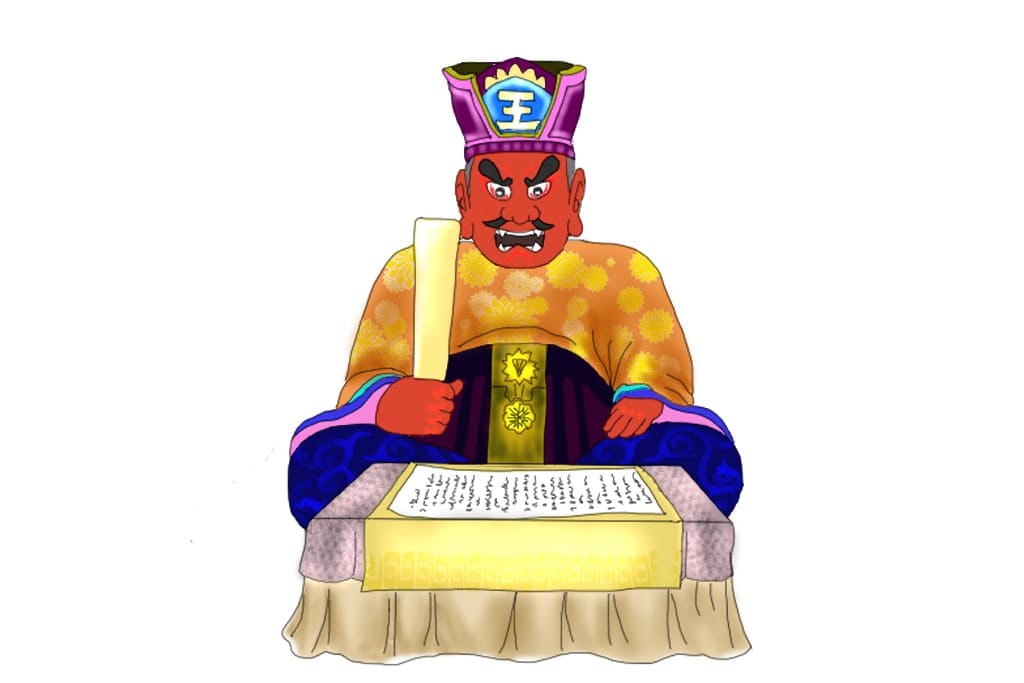
The story of Enma did not stop in India.
As Buddhism spread to China, Yama was transformed into Yanluo Wang, the king who judged souls in the afterlife. Chinese traditions added new stories, rituals, and beliefs, expanding his role even further.
When Buddhism eventually reached Japan, these ideas traveled with it. Over the centuries, Yanluo Wang became known in Japanese as Enma Daio.
Japanese people embraced Enma as both a religious figure and a cultural symbol. He appeared in temple art, Buddhist teachings, folktales, and even children’s moral lessons.
As a result, Enma became much more than an imported deity. He evolved into one of the most recognizable figures in Japanese views of the afterlife.
What began as an ancient Indian god eventually became one of the most famous figures in Japanese Buddhism—a remarkable journey that spans thousands of years and countless cultural exchanges.
How Does Enma Judge the Dead?
According to traditional Buddhist beliefs, death is not the end of a person’s journey.
After death, the soul is brought before Enma Daio, who carefully examines the person’s actions during life. Based on this judgment, Enma determines what kind of rebirth—or punishment—awaits them.

I believe before they reach Enma Daio The souls of the dead need to cross a river first! The name is The Sanzu River. If you are interested about the Sanzu River, please read the article below next!

Although different Buddhist traditions tell the story in slightly different ways, the basic idea remains the same: every action leaves a trace, and every soul must eventually face judgment.
The Court of the Dead
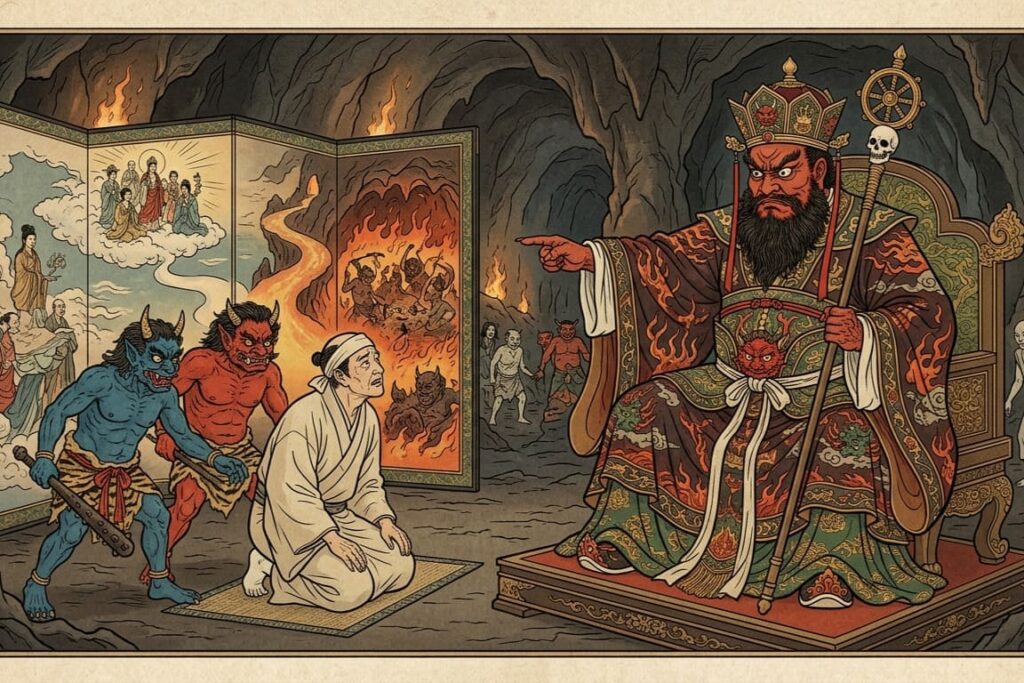
Many traditional illustrations depict Enma sitting in a grand court surrounded by attendants, guards, and officials.
When a soul arrives, it must stand before the great judge and answer for its actions. Nothing can be hidden, and no excuse can erase what has already been done.
This image of a supernatural courtroom helped people visualize the Buddhist idea that actions have consequences—even after death.
For centuries, stories of Enma’s court reminded people to live honestly and treat others with kindness.

That sounds less like a king’s throne room and more like a courtroom!
lol!
The Mirror of Karma
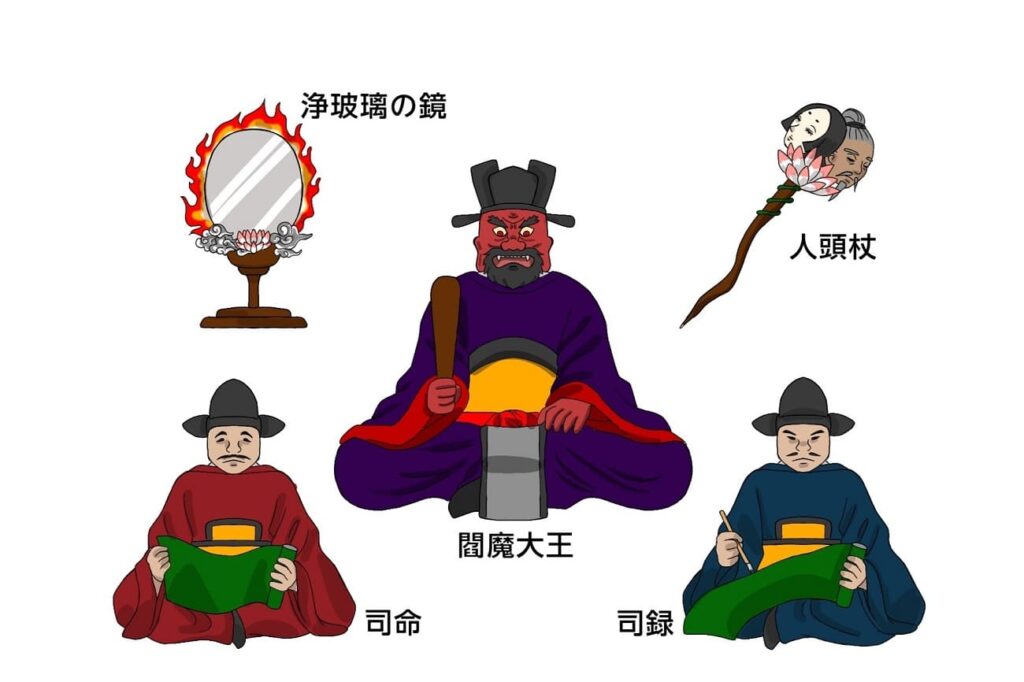
One of the most fascinating objects associated with Enma is the Mirror of Karma, known in Japanese as the Jōhari Mirror.
According to legend, this magical mirror reveals everything a person did during their lifetime. No lies, excuses, or secrets can escape its gaze.
Even actions that were hidden from family and friends are said to appear clearly within the mirror.
Because of this, the Jōhari Mirror symbolizes the idea that every action eventually becomes known and that true justice cannot be avoided.
For many people, it was a powerful reminder to act honestly even when nobody was watching.

It’s so scary that everything you did in life is caught on record… I definitely want to go to paradise when my time comes.
Records of Good and Evil Deeds
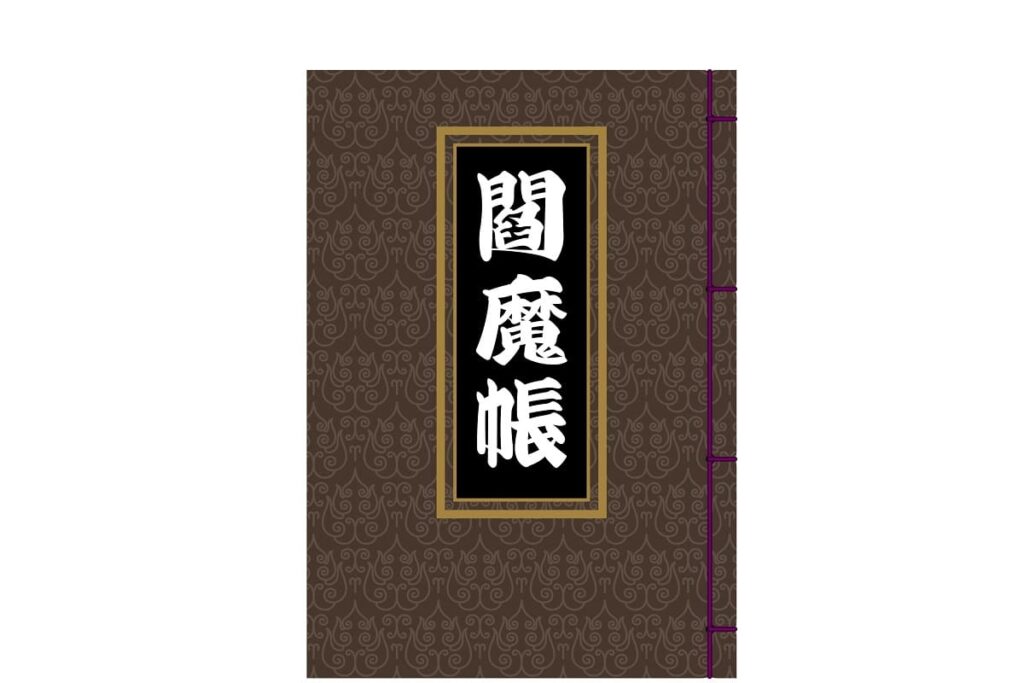
In some traditions, Enma’s judgment is supported by detailed records of a person’s life.
These records contain both good deeds and bad deeds, ensuring that every action is taken into account.
Acts of kindness, generosity, and compassion may help a soul receive a favorable judgment. On the other hand, cruelty, dishonesty, and selfish behavior can lead to severe consequences.
The message is clear: every choice matters.
This belief reflects the Buddhist concept of karma, which teaches that actions influence future outcomes.
Deciding the Next Destination
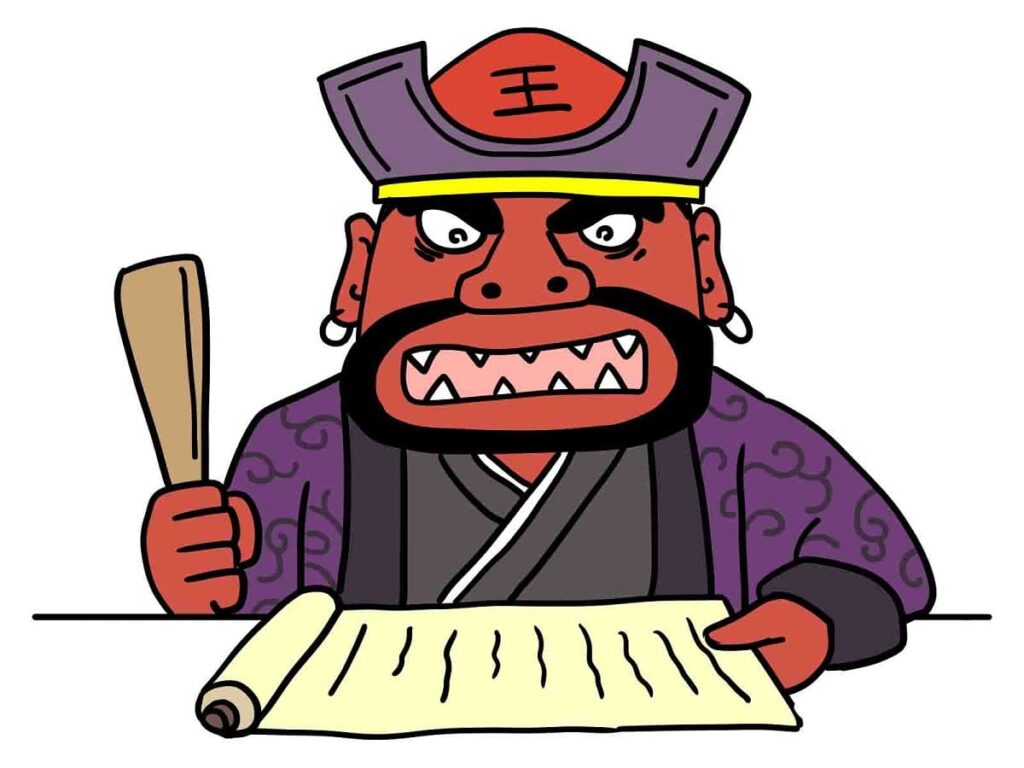
After the judgment is complete, Enma determines where the soul will go next.
According to Buddhist teachings, rebirth can occur in several different realms. A soul may be reborn as a human, an animal, a heavenly being, or in one of the hell realms, depending on its karma.
Contrary to popular belief, Hell is not always considered an eternal destination. In many Buddhist traditions, punishment serves as a consequence of negative actions rather than everlasting damnation.
The ultimate goal is not simply to avoid punishment but to break free from the cycle of rebirth altogether.
Who Helps Enma Judge Souls?
Although Enma is the most famous judge of the dead, he does not work alone.
Traditional Japanese beliefs describe an entire system of supernatural beings who assist in the judgment of souls and the administration of the afterlife.
Some of these figures are terrifying, while others serve important administrative roles within the realm of the dead.
Gozuki and Mezuki
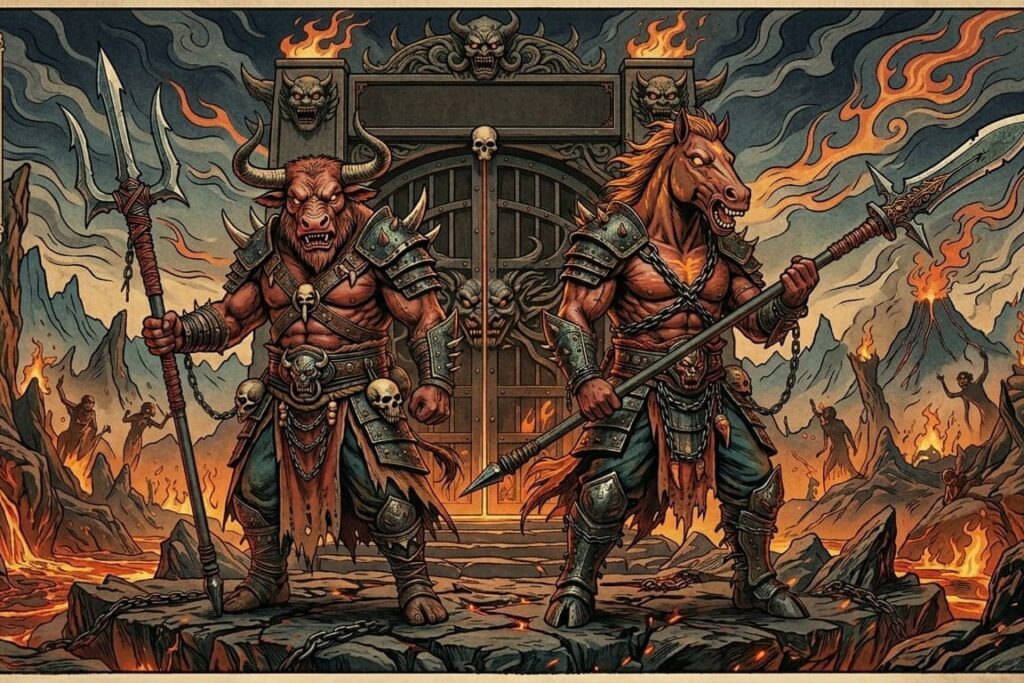
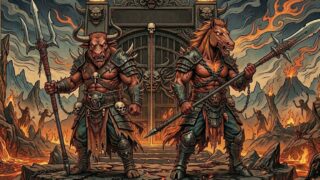
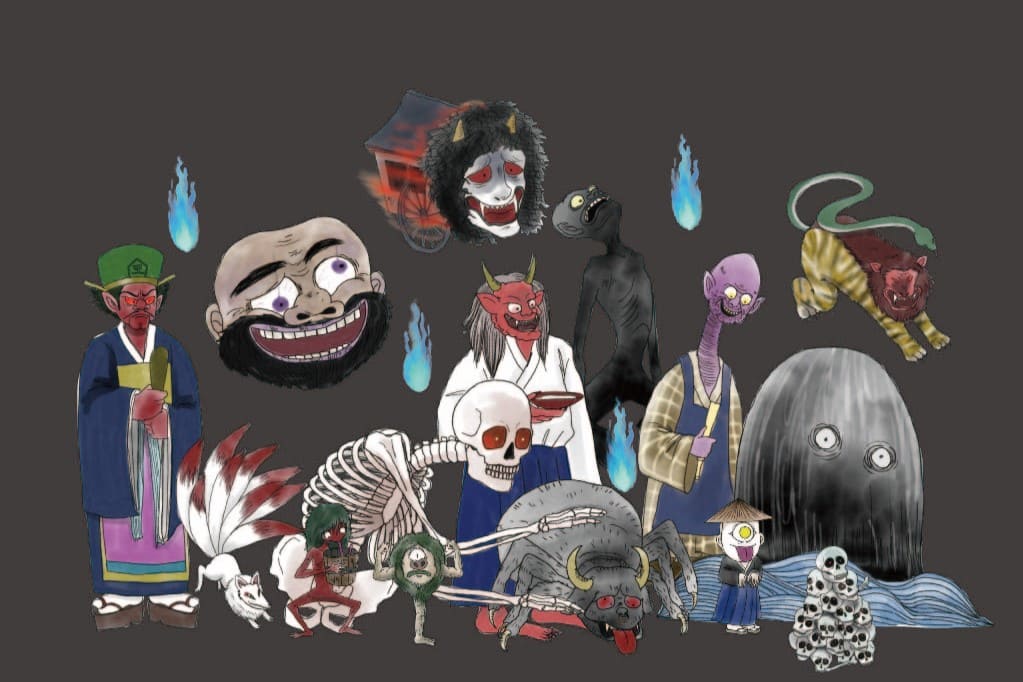
Among Enma’s most famous attendants are Gozu and Mezu, whose names mean “Ox-Head” and “Horse-Face.”
These fearsome guardians are said to guide or capture souls and bring them before the court of the dead.
Their frightening appearance has made them popular figures in Japanese folklore, artwork, and modern entertainment.
Gozu and Mezu, Enma’s terrifying attendants

Enma and Japanese Folklore
Beyond religious teachings, Enma has also played an important role in Japanese folklore for centuries.
Stories about him were often used to teach moral lessons, especially to children. As a result, many Japanese people grow up hearing tales about Enma long before they learn about Buddhist doctrine.
These stories helped transform Enma from a distant religious figure into a familiar part of everyday culture.
“If You Lie, Enma Will Pull Out Your Tongue”
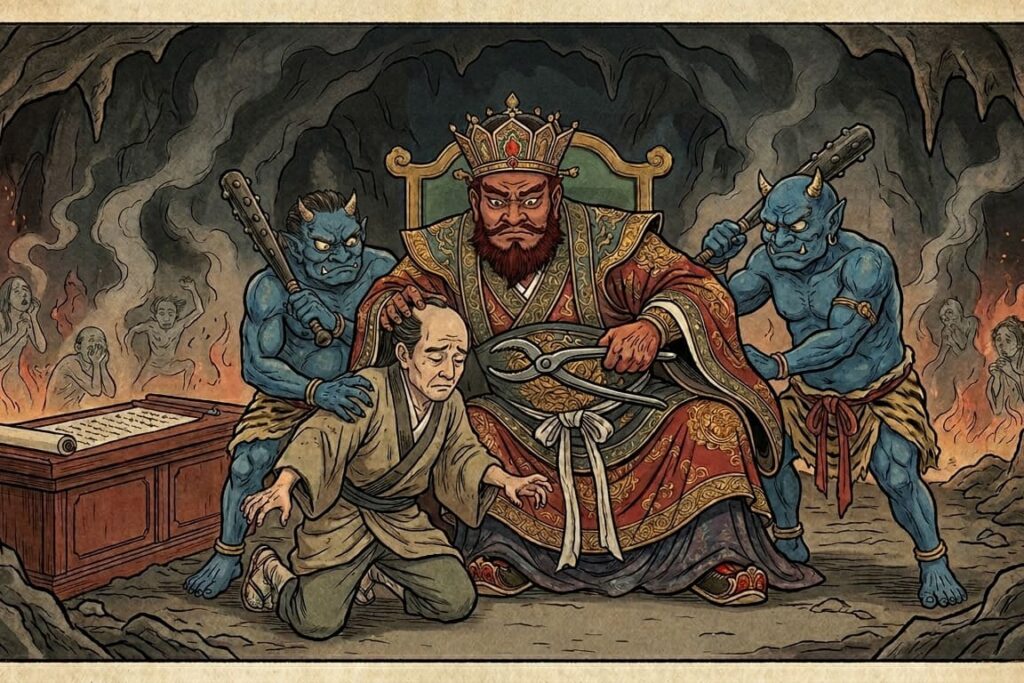
One of the most famous Japanese sayings involving Enma warns that liars will have their tongues pulled out after death.
For generations, adults used this frightening image to encourage children to tell the truth.
While few people literally believed such a punishment would occur, the story carried an important lesson: dishonesty eventually leads to consequences.
Even today, many Japanese adults remember hearing this warning when they were young.
Childhood Memories of Enma
When I was growing up in Japan, adults occasionally warned children not to tell lies by mentioning Enma.
Although the idea of having my tongue pulled out sounded terrifying, it also made Enma seem very real. He wasn’t simply a character from an old religious text—he was part of everyday life and childhood imagination.
Experiences like these help explain why Enma remains deeply rooted in Japanese culture even today
Can Enma Be Worshipped?
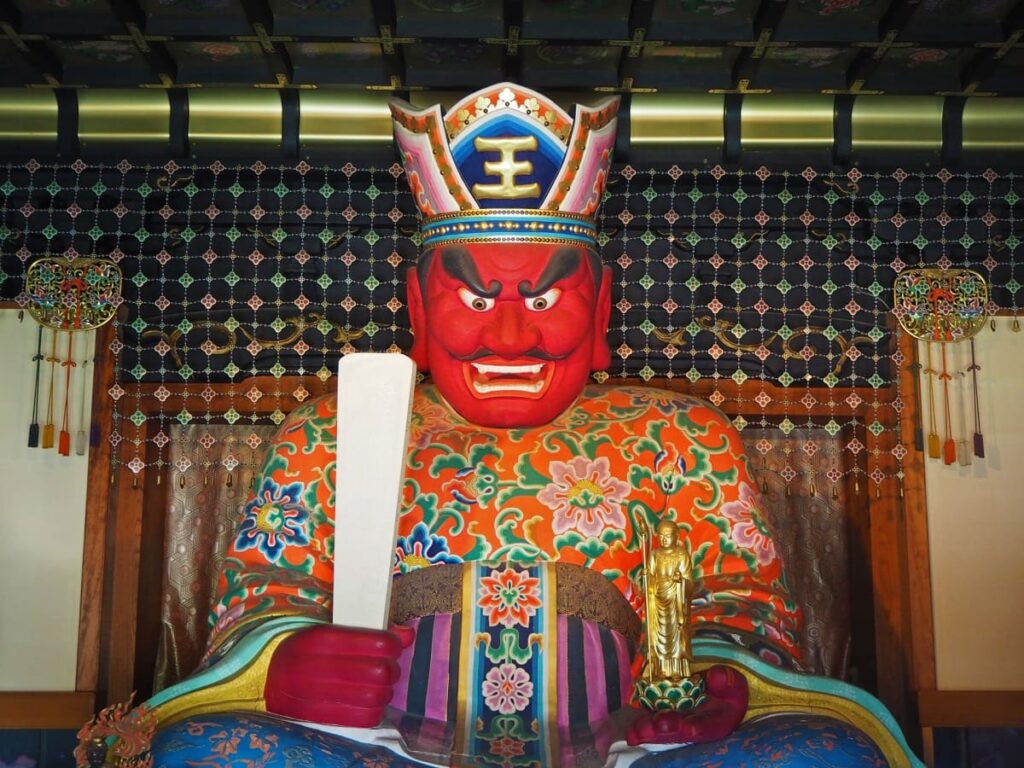
Despite his fearsome reputation, Enma is not viewed solely as a punisher.
In fact, statues and halls dedicated to Enma can be found in temples throughout Japan. Many people respect him as a symbol of justice, fairness, and moral responsibility.
Some believers even pray to Enma for protection, guidance, or a favorable judgment in the afterlife.
This dual nature—both feared and respected—is one of the reasons Enma remains such a fascinating figure.
That’s surprising. I thought people only feared Enma.
Enma in Modern Japanese Culture
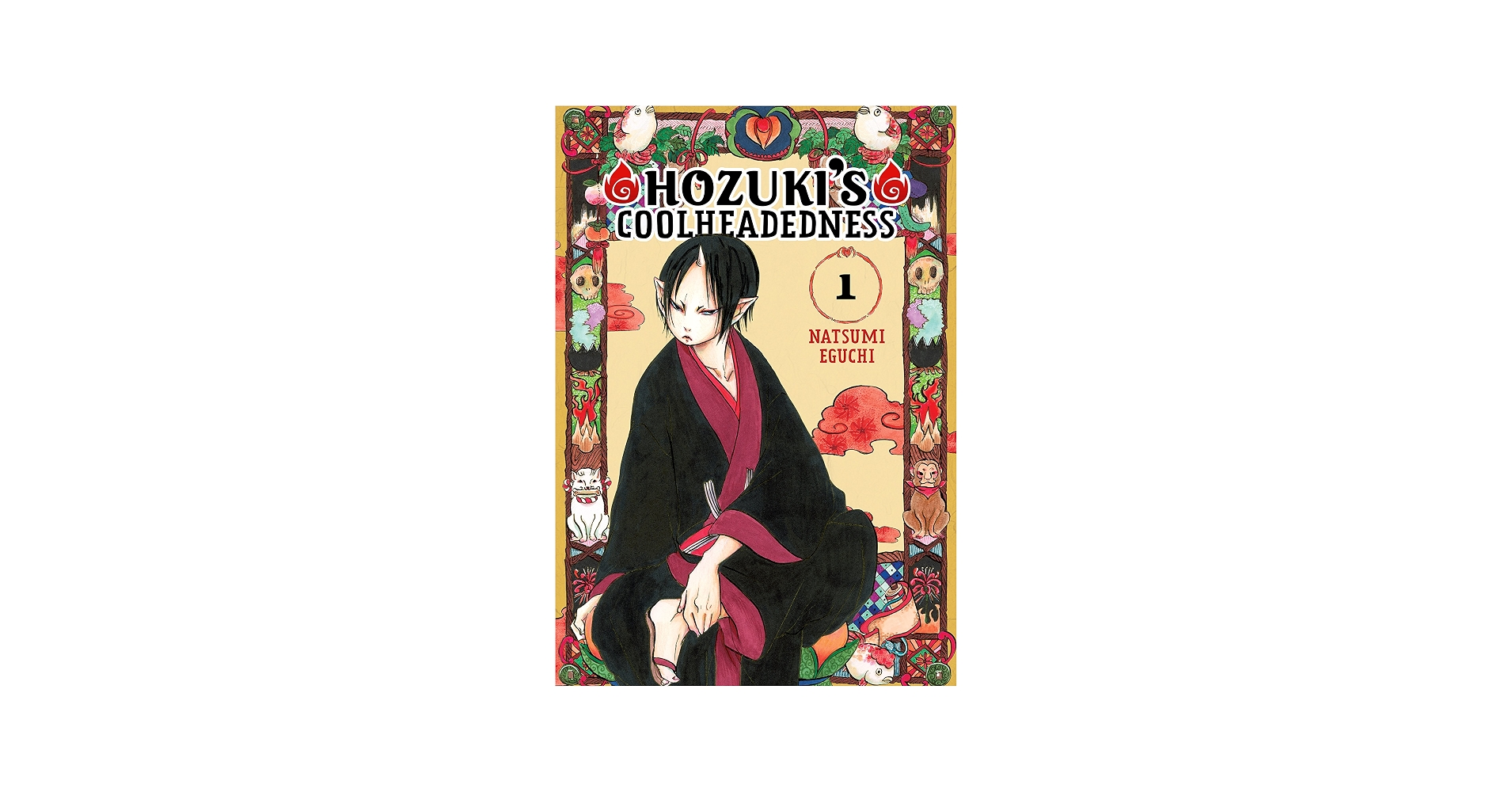

Although Enma’s origins stretch back thousands of years, he continues to appear throughout modern Japanese culture.
From manga and anime to movies and video games, Enma remains a recognizable symbol of judgment, morality, and the afterlife.
His image is often reimagined in creative ways, but the core idea remains the same: Enma is the one who decides the fate of souls.
Enma in Video Games
Players interested in Japanese mythology may also encounter Enma-related themes in video games inspired by Buddhist beliefs and folklore.
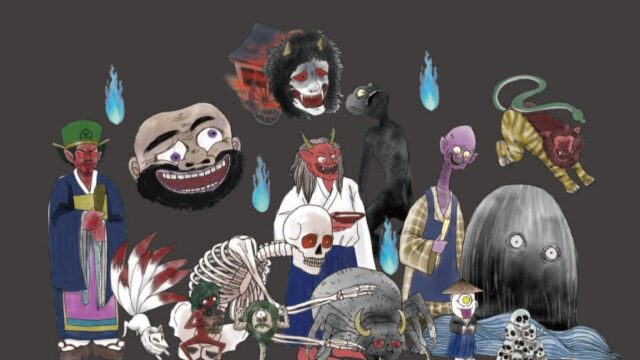
Games such as the Nioh series introduce players to many supernatural beings from Japanese tradition, helping global audiences discover figures like Enma, Gozu, Mezu, and various yokai.
Quick Facts About Enma Daio
| Fact | Details |
|---|---|
| Japanese Name | Enma Daio (閻魔大王) |
| Origin | Yama of Ancient India |
| Religion | Buddhism |
| Main Role | Judge of the Dead |
| Associated With | Karma and Rebirth |
| Famous Helpers | Gozu and Mezu |
| Symbol | Justice and Moral Judgment |
| Known For | Deciding the fate of souls |
Why Enma Still Matters in Japan Today
At first glance, Enma may seem like a frightening ruler of Hell. Yet his deeper significance lies in what he represents.
Enma reminds people that actions have consequences, that honesty matters, and that justice ultimately prevails.
For centuries, his stories have helped teach moral values while also expressing Buddhist ideas about karma and rebirth.
Whether encountered in a temple, a folktale, or a modern video game, Enma continues to offer a fascinating glimpse into how Japanese culture understands life, death, and personal responsibility.

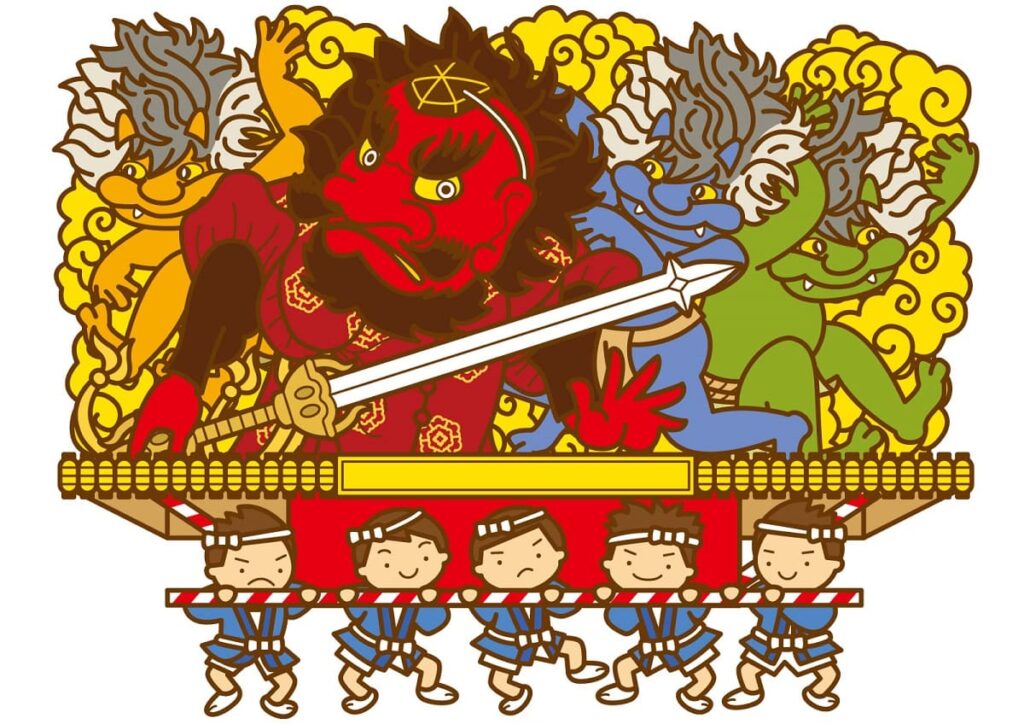
At the Aomori Nebuta Festival, the Tachi-Neputa float based on Enma daio is so popular.
Is Enma Daio Evil?
Answer:
No. Although Enma is often portrayed as a fearsome ruler of Hell, he is not considered evil in Japanese Buddhism. His role is to judge souls fairly according to their actions and karma.
Final Thoughts about Enma Daio
Enma Daio may be one of the most feared figures in Japanese folklore, but his story is ultimately about fairness rather than fear.
Through tales of judgment, karma, and rebirth, Enma reminds us that our choices matter—not only in the next life, but in this one as well.
Perhaps that is why, after centuries of cultural change, the King of Hell continues to watch over the Japanese imagination.

Oh By the way! If you are interested in Yokai or in Japanese Culture and you are a gamer, you may love these games!
Let’s play!

Yes! I can’t wait to play these games!
Let’s Play!
Comments