






For centuries, Japanese people have imagined a terrifying realm where sinners face punishment after death.
This place is known as Jigoku, the Japanese Buddhist concept of Hell.
Filled with fearsome demons, fiery punishments, and strict judges, Jigoku has appeared in religious teachings, folklore, artwork, ghost stories, anime, and video games throughout Japanese history.
However, Japanese Hell is not simply a place of eternal punishment.
It is part of a much larger view of life, death, karma, and rebirth that has shaped Japanese culture for centuries.

Ready for something a little scary? This time, we’re exploring Jigoku, the Japanese Buddhist Hell.
- What Is Jigoku?
- How Is Japanese Hell Different from Yomi?
- The Journey After Death
- Who Judges the Dead?
- The Eight Great Hells of Buddhism
- Tokatsu Jigoku (Hell of Repeated Revival)
- Kokujō Jigoku (Hell of Black Ropes)
- Shūgō Jigoku (Hell of Crushing)
- Kyōkan Jigoku (Hell of Screaming)
- Daikyōkan Jigoku (Hell of Great Screaming)
- Shōnetsu Jigoku (Hell of Burning Heat)
- Daishōnetsu Jigoku (Hell of Great Burning Heat)
- Abi Jigoku (Avici Hell / Mugen Jigoku)
- Oni: The Demons of Japanese Hell
- Jigoku in Anime, Games, and Popular Culture
- Final Thoughts about Jigoku
What Is Jigoku?
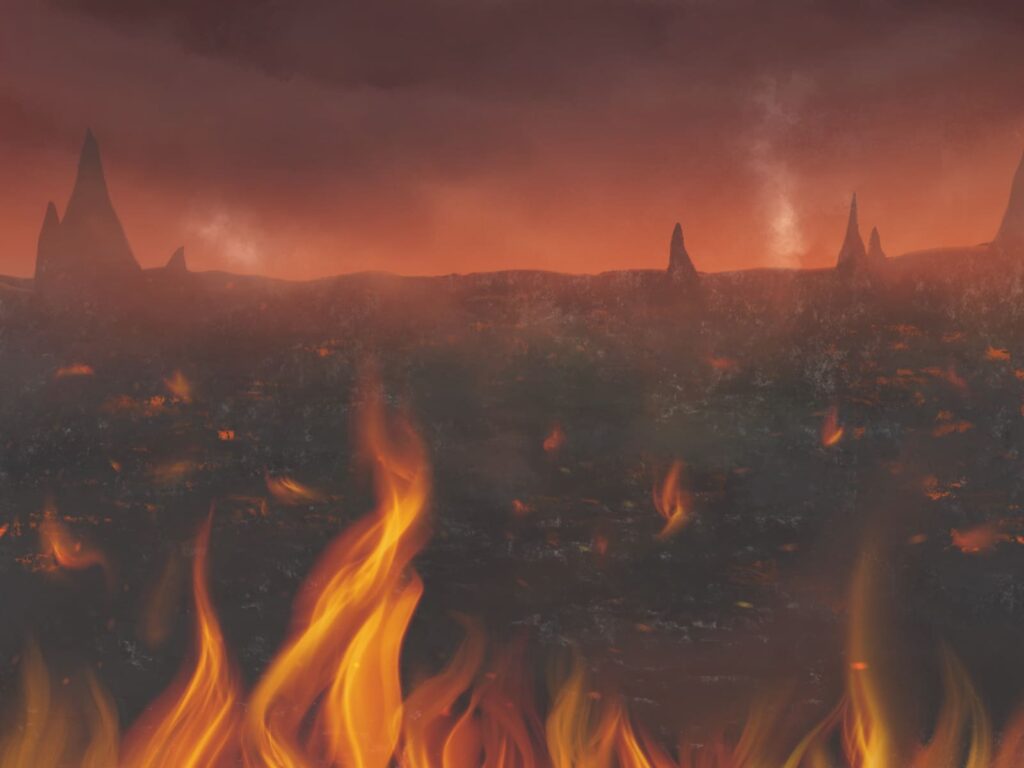
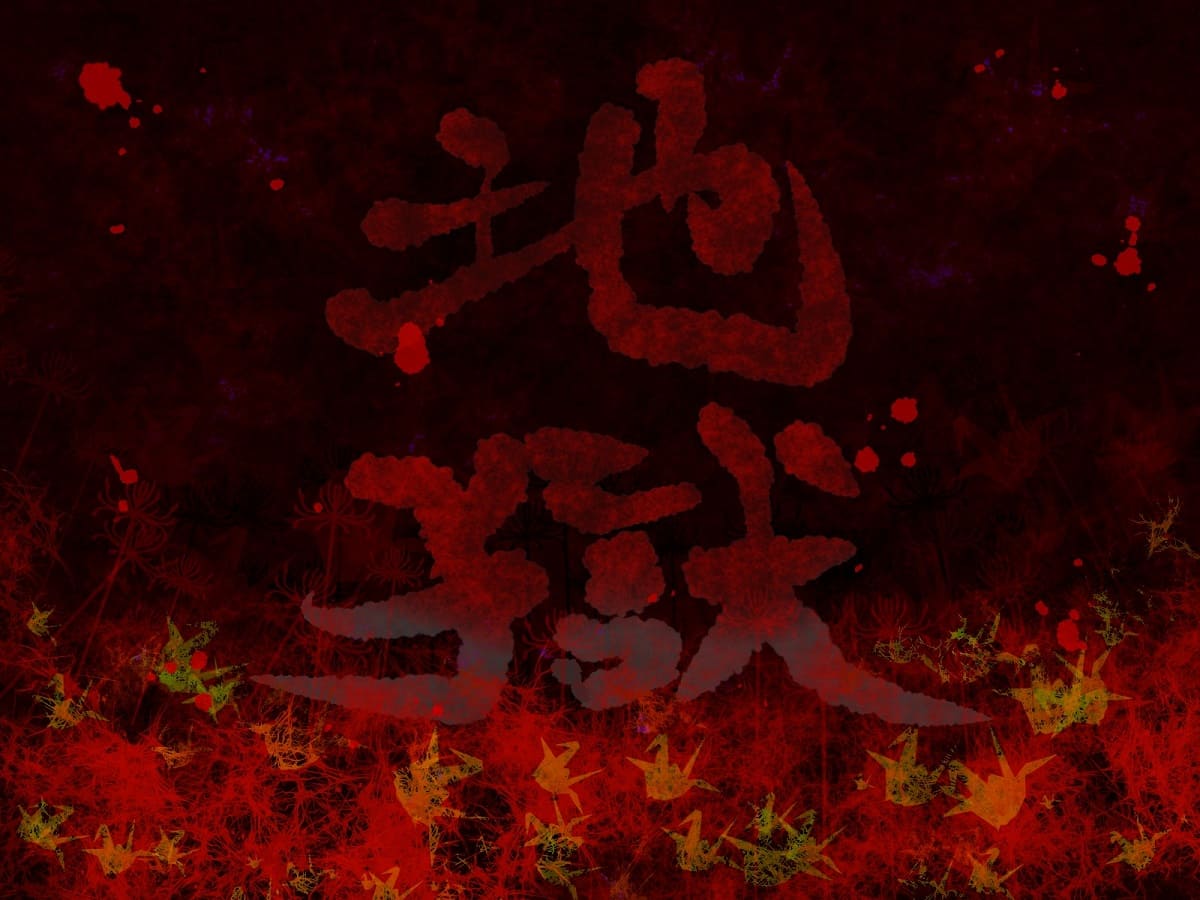
Jigoku (地獄) is the Japanese word for Hell and is primarily based on Buddhist teachings that were introduced to Japan from China and India.
According to Buddhist belief, people are judged after death based on the actions they performed during their lifetime.
Those who accumulated bad karma may be sent to one of several hells, where they experience punishments that reflect their misdeeds.
Unlike some Western concepts of Hell, however, Jigoku is not necessarily eternal.
After completing their punishment, souls may eventually be reborn into another existence.
This connection between punishment and rebirth is one of the key differences between Buddhist Hell and many Western ideas of the afterlife.
How Is Japanese Hell Different from Yomi?
Many people assume that Jigoku and Yomi no Kuni are the same place, but they come from different traditions.
Yomi no Kuni belongs to ancient Japanese mythology and is associated with Shinto beliefs.
It is the land of the dead where souls reside after death, regardless of whether they were good or evil.
Jigoku, on the other hand, comes from Buddhist teachings and is specifically a place of judgment and punishment.
While Yomi is often portrayed as a gloomy underworld, Jigoku is a realm where sinners must atone for their actions.
Together, these two concepts reveal how Japanese ideas about death evolved as Shinto traditions and Buddhism influenced one another.
Interested in Japan’s ancient land of the dead? Explore our guide to Yomi no Kuni.

The Journey After Death
Before a soul reaches its final destination, it must first pass through a series of trials.
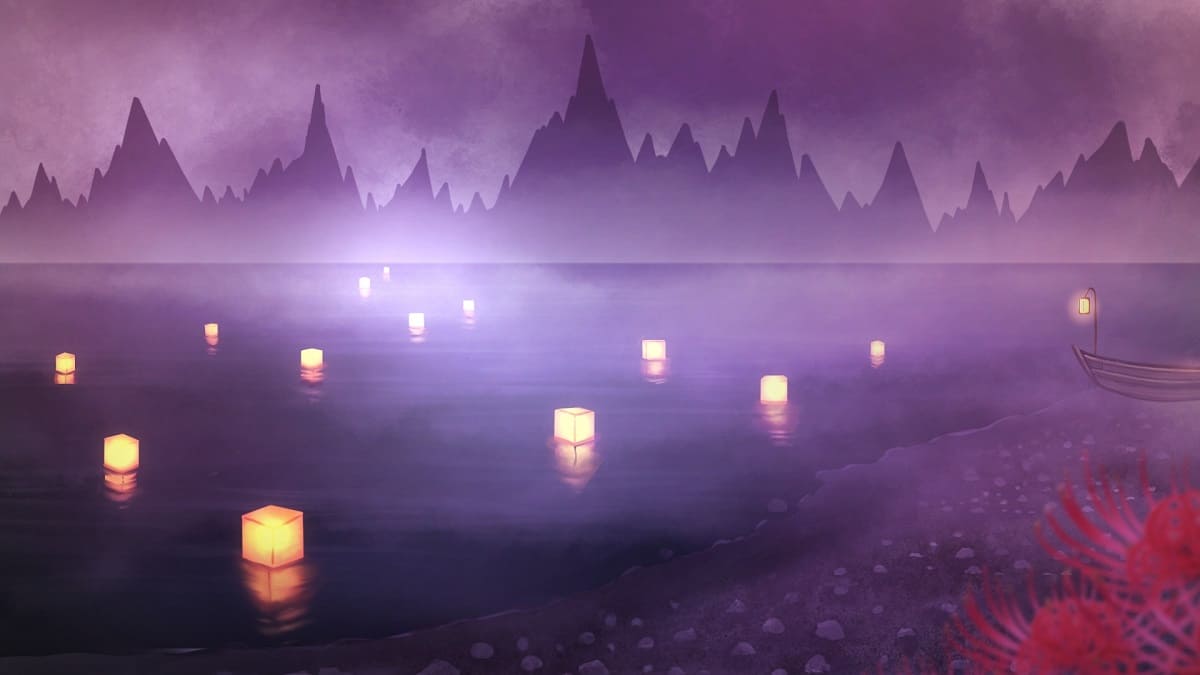
In Japanese folklore, one of the most famous stages of this journey is the crossing of the Sanzu River.
The Sanzu River acts as a boundary between the world of the living and the world of the dead.
According to tradition, the way a soul crosses depends on the deeds they performed during life.
Some cross safely over a bridge, while others must struggle through dangerous waters.
This journey serves as a reminder that one’s actions in life shape what awaits after death.
Want to learn more about this mysterious river? Read our article about the Sanzu River.
Who Judges the Dead?
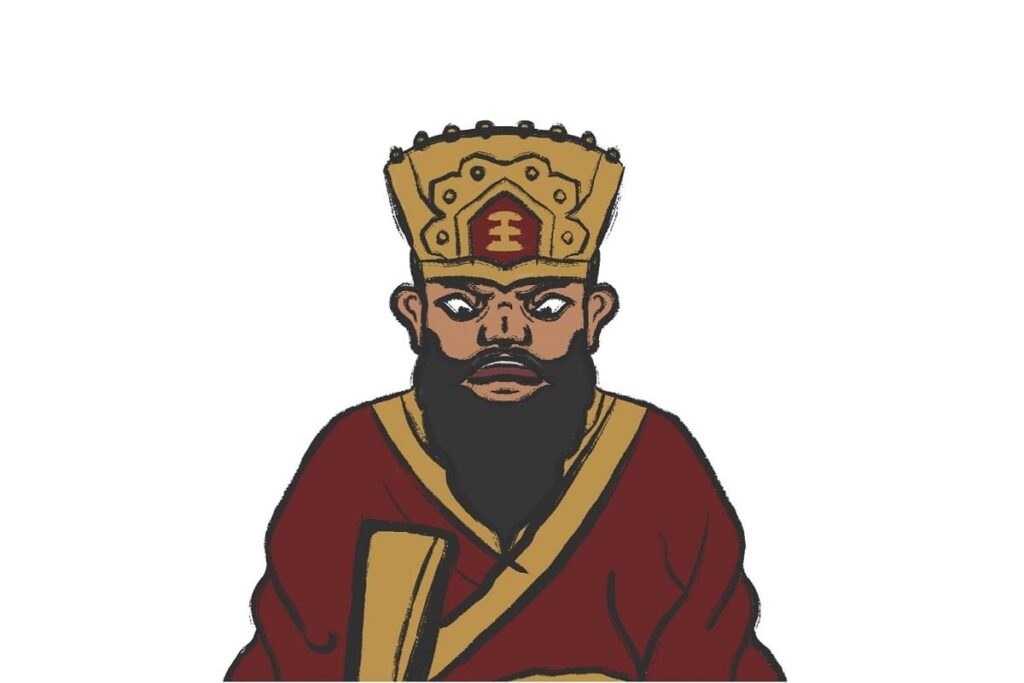
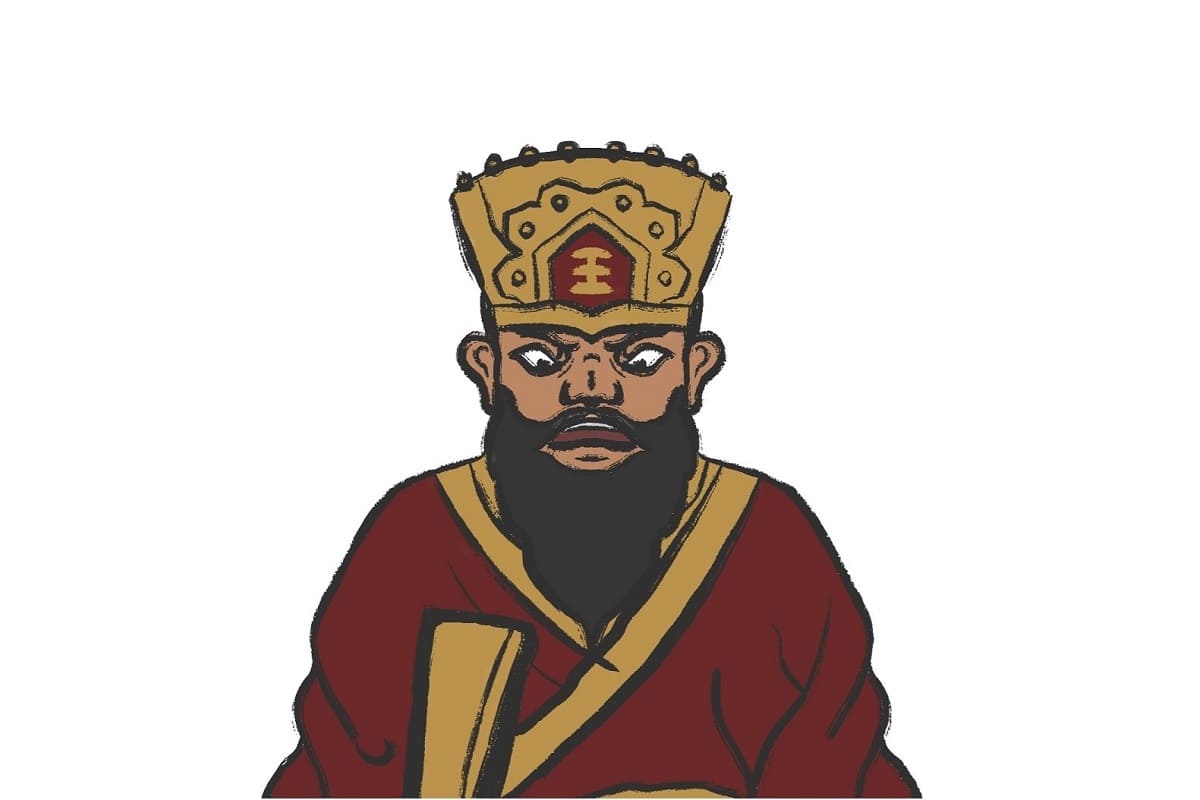
At the center of Japanese Hell stands Enma Daio, the fearsome ruler who judges the souls of the dead.
Often compared to a supernatural judge, Enma reviews a person’s actions and determines where they should go after death.
In many stories, he is portrayed as stern and terrifying, but also fair.
His role is not simply to punish people but to ensure that karma is properly balanced.
For generations, Japanese parents even warned misbehaving children that Enma would know if they lied.
Because of this, Enma became one of the most recognizable figures in Japanese views of the afterlife.


Speaking of Hell, there’s an old Japanese saying that if you tell lies, Enma, the King of Hell, will pull out your tongue!
The Eight Great Hells of Buddhism
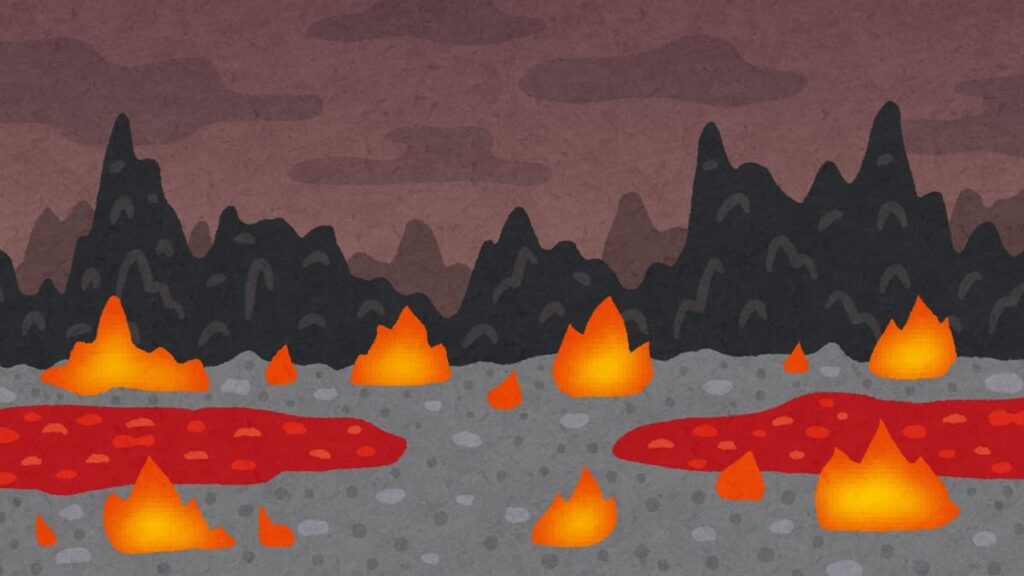
According to Buddhist tradition, Hell is not a single place. Instead, sinners may be sent to different realms depending on the severity of their actions.
Among the most famous are the Eight Great Hells, each associated with a different form of punishment.

When I was a child, I read a manga called Jigoku and Gokuraku at a relative’s house. The illustrations of the Eight Great Hells were terrifying—I remember thinking, “I definitely don’t want to end up there!” Here’s a quick introduction to the Eight Great Hells.
Tokatsu Jigoku (Hell of Repeated Revival)
Those sent to Tokatsu Jigoku are constantly killed by weapons and violence, only to be revived and forced to suffer the same fate again and again.
Kokujō Jigoku (Hell of Black Ropes)
In this hell, black lines are marked across the bodies of sinners before they are cut apart along those lines.
It is said to punish acts of violence and cruelty.
Shūgō Jigoku (Hell of Crushing)
Sinners are trapped between enormous mountains or objects that repeatedly crush them.
The suffering is said to continue without relief.
Kyōkan Jigoku (Hell of Screaming)
This realm is filled with intense heat and unbearable pain, causing its inhabitants to scream continuously.
Daikyōkan Jigoku (Hell of Great Screaming)
An even harsher version of Kyōkan Jigoku, where the suffering and anguish become far more severe.
Shōnetsu Jigoku (Hell of Burning Heat)
The condemned are tortured by extreme fire and heat.
Many Buddhist depictions show sinners being pierced by burning weapons.
Daishōnetsu Jigoku (Hell of Great Burning Heat)
This hell intensifies the torments of Shōnetsu Jigoku and is reserved for those who committed especially grave sins.
Abi Jigoku (Avici Hell / Mugen Jigoku)
The deepest and most feared of all Buddhist Hells.
Known as the Hell of Uninterrupted Suffering, it is said that punishment here continues without pause for an unimaginably long period of time.

The deeper the Hell, the more severe the punishment. Abi Jigoku is considered the most terrifying destination in the Japanese Buddhist underworld.
Oni: The Demons of Japanese Hell
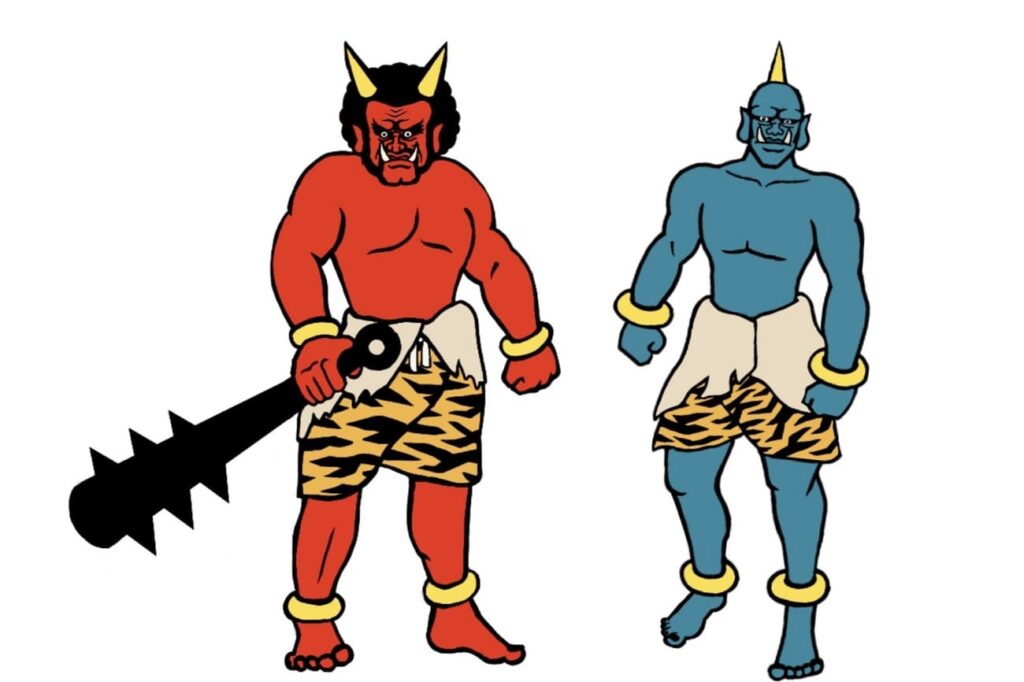
No image of Japanese Hell would be complete without the terrifying Oni.
Oni are powerful demons often depicted with:
- Red or blue skin
- Horns
- Sharp fangs
- Massive iron clubs
In many depictions of Jigoku, Oni act as guards, jailers, and executioners.
They carry out punishments ordered by the judges of the underworld.
Although frightening, Oni also serve an important symbolic role.
They represent the consequences of human greed, anger, and selfishness.
You may already be familiar with oni from stories like Momotaro or from the demon-chasing traditions of Setsubun.

But in Japanese Buddhist beliefs, oni also play another important role—as the fearsome enforcers of Hell.
Jigoku in Anime, Games, and Popular Culture
The imagery of Japanese Hell continues to influence modern entertainment.
Themes inspired by Jigoku can be found in numerous anime, manga, and video games, including:
- Nioh
- Hozuki’s Coolheadedness
- Persona 4
These works often reinterpret traditional ideas about demons, judges, punishment, and the afterlife for modern audiences.
As a result, ancient beliefs continue to live on in contemporary Japanese culture.
Final Thoughts about Jigoku
Jigoku is one of the most fascinating and frightening aspects of Japanese religious tradition.
More than just a place of punishment, it reflects Buddhist ideas about karma, responsibility, and the consequences of one’s actions.
When viewed alongside concepts such as the Sanzu River and Yomi no Kuni, Japanese Hell reveals a rich and complex vision of the afterlife that has influenced Japanese culture for centuries.
Even today, stories of Jigoku continue to captivate people around the world, reminding us that every action may shape the journey that awaits beyond this life.
Comments