





Japan’s rich mythology and Buddhist traditions are home to numerous fascinating creatures, and among them are Gozuki (Ox-Head Demon) and Mezuki (Horse-Head Demon). These fearsome figures serve as the enforcers of the underworld, tasked with delivering justice to the souls of the wicked.
While deeply rooted in Buddhist teachings, their terrifying appearance and symbolic roles have captivated imaginations for centuries. Most recently, they’ve gained popularity as formidable bosses in the hit action RPG, Nioh 2.
In this article, we’ll explore who Gozuki and Mezuki are, their roles in Buddhism, their iconic designs, and their portrayal in Nioh 2.
What Are Gozuki and Mezuki?
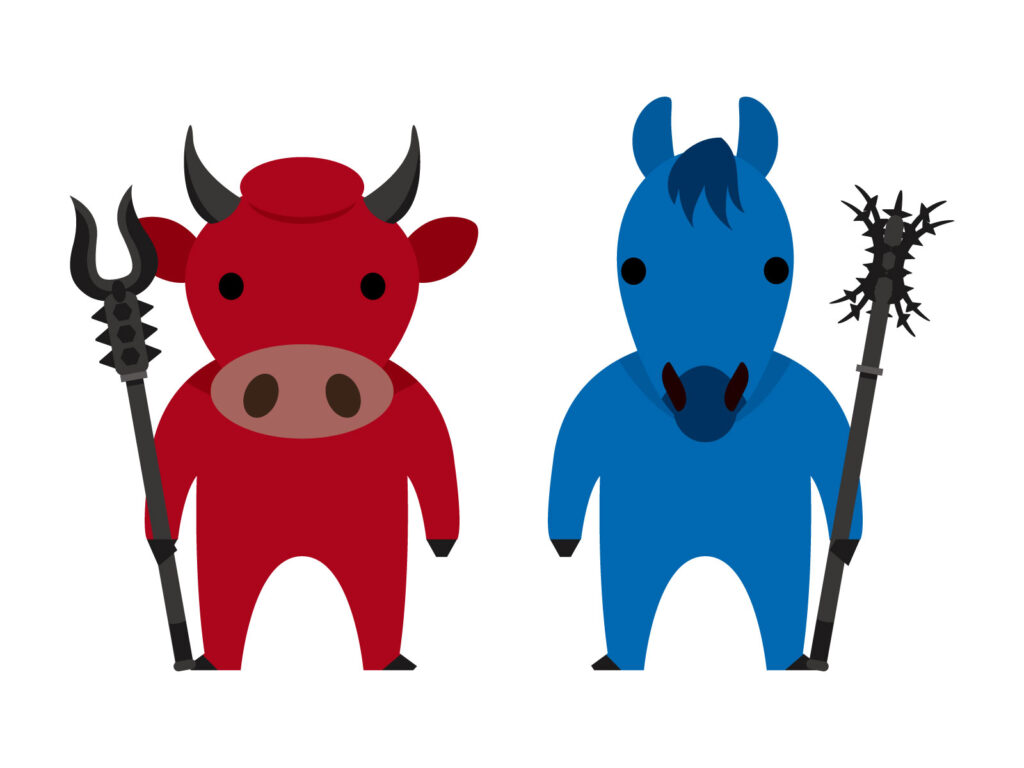
Gozuki and Mezuki are two legendary guardians of the underworld in Japanese Buddhist tradition. Their names literally mean “Ox-Head” and “Horse-Head,” reflecting their distinctive appearances.
These fearsome figures are often depicted as servants of Enma, the ruler and judge of the dead. Their role is to guide souls to the afterlife, guard the gates of hell, and help maintain order within the underworld.
Today, many people outside Japan recognize Gozuki and Mezuki through video games such as Nioh and Nioh 2. However, their origins go back centuries and are deeply connected to Buddhist beliefs about death, judgment, and the afterlife.

Honestly, I had never heard of Gozuki and Mezuki until I played the Nioh series. So they’re beast-headed guardians who serve in the underworld?
Are Gozuki and Mezuki Japanese or Chinese?
Many people assume Gozuki and Mezuki are uniquely Japanese figures, but their origins are more complex.
The concept of an ox-headed guardian of the underworld can be traced back to Buddhist traditions that spread from India to China. According to one theory, only an ox-headed figure originally appeared in early Buddhist beliefs.
When these ideas reached China, local traditions often emphasized balance and symbolic pairs. Over time, a horse-headed counterpart was added, creating the famous duo known in Chinese folklore as Ox-Head and Horse-Face.
As Buddhism spread throughout East Asia, these underworld guardians were introduced to Japan, where they became known as Gozuki and Mezuki.
Although scholars continue to debate the exact details of their origins, the pair seen in Japanese folklore today reflects centuries of cultural exchange between India, China, and Japan.

I see.
So Gozuki and Mezuki aren’t figures unique to Japan after all.
Gozuki’s Role in Buddhism
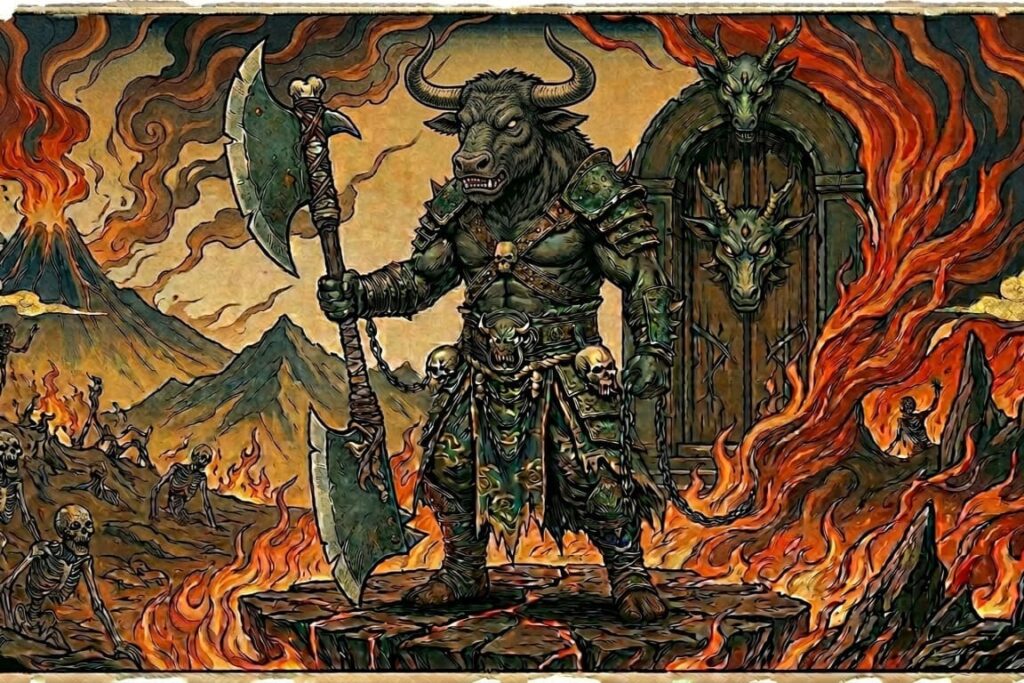
In Japanese Buddhist tradition, Gozuki is one of the guardians who serve Enma, the king of the underworld.
His primary duty is to escort the souls of the dead and ensure that the judgments of the afterlife are carried out properly. Because of his intimidating appearance and immense strength, Gozuki is often portrayed as a powerful enforcer within hell.
Rather than acting as an evil demon, Gozuki functions as a servant of cosmic justice. His role is to maintain order and help guide souls to their destined fate.
Appearance
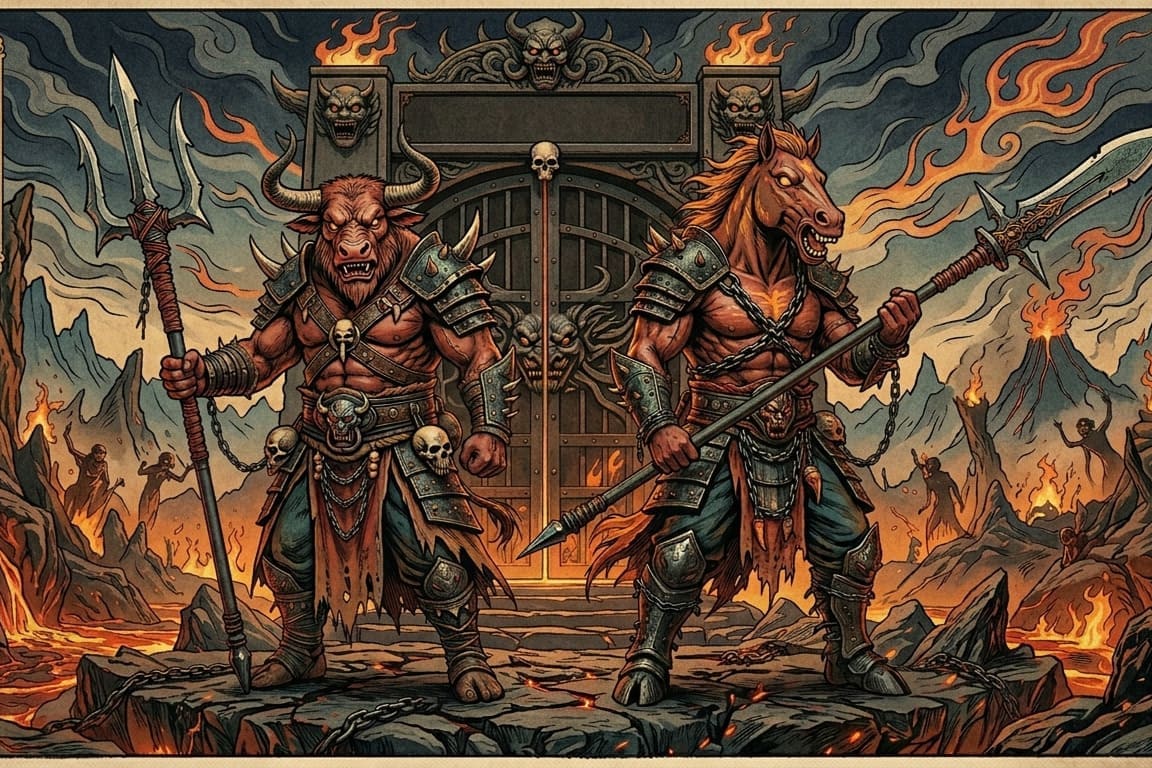
Gozuki is traditionally depicted with the head of an ox and the body of a muscular human-like figure.
His ox head symbolizes strength, endurance, and unwavering determination. In artwork and religious imagery, he is often shown carrying weapons or standing guard near the gates of the underworld.
His imposing appearance reflects his responsibility as a guardian who ensures that no soul escapes its judgment.
Mezuki’s Role in Buddhism
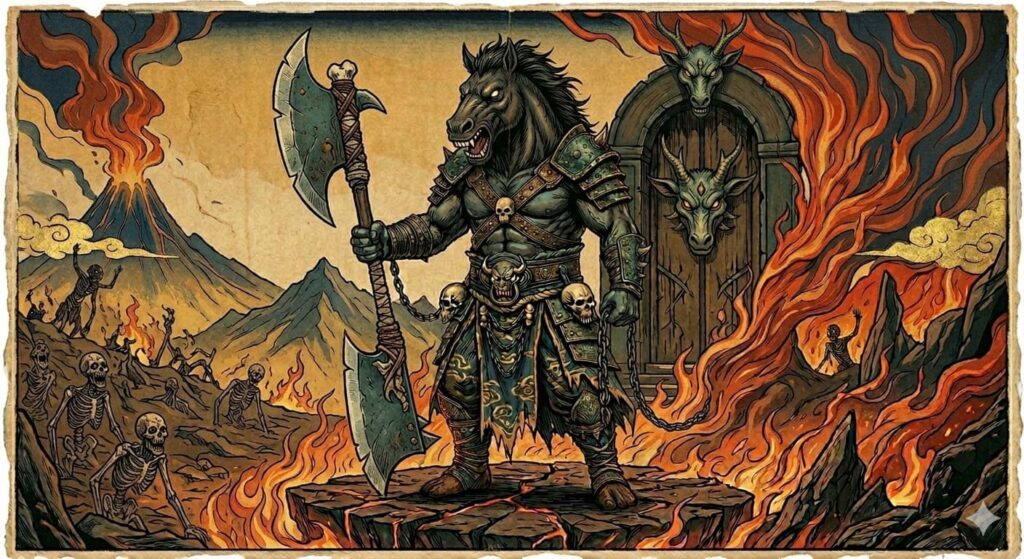
Mezuki serves a role similar to that of Gozuki. As one of Enma’s trusted guardians, he helps guide souls through the underworld and enforces the decisions made by the ruler of hell.
Together, Gozuki and Mezuki form a powerful pair that represents authority, judgment, and the inevitability of death.
Throughout Buddhist folklore, the two guardians are often mentioned together rather than as separate figures, emphasizing their partnership and shared duties.
Appearance
Mezuki is traditionally portrayed with the head of a horse and the body of a powerful humanoid warrior.
The horse head is often associated with speed, vigilance, and relentless pursuit. These qualities suit Mezuki’s role as a guardian responsible for escorting souls through the afterlife.
Like Gozuki, he is commonly depicted as a fearsome figure whose appearance serves as a reminder that no one can escape the consequences of their actions.
Gozuki, Mezuki, and Enma: Who Rules Hell?
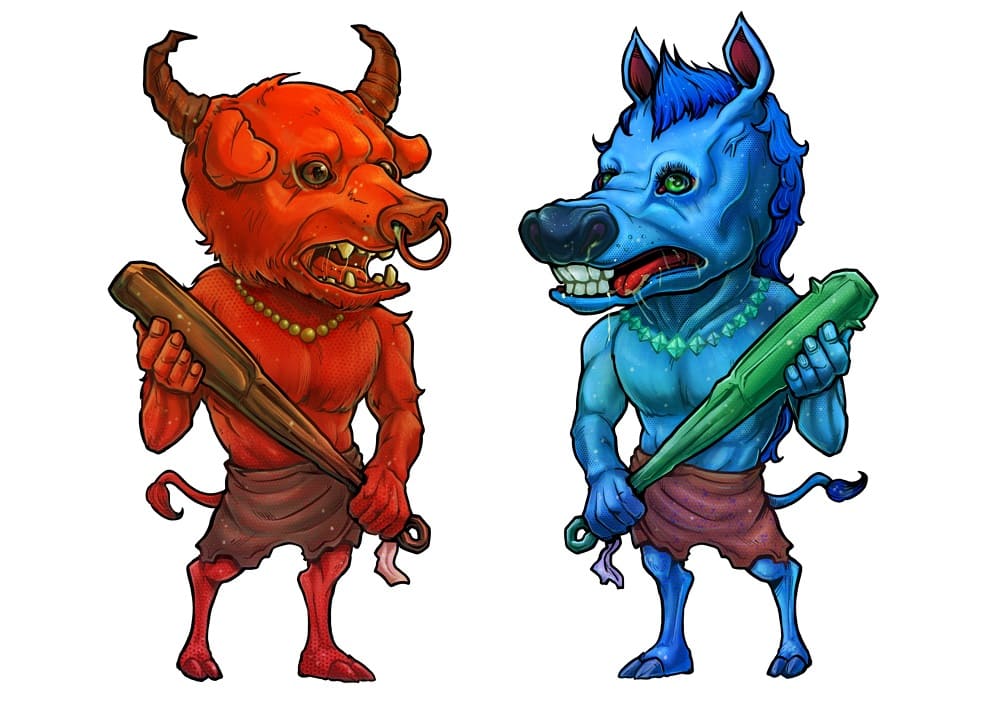
Despite their fearsome reputations, Gozuki and Mezuki are not rulers of hell.
That role belongs to Enma, the judge of the dead in Japanese Buddhist tradition. After a person dies, Enma examines their actions during life and determines their fate in the afterlife.
Gozuki and Mezuki serve as his loyal attendants and guardians. They escort souls, guard the gates of the underworld, and carry out Enma’s judgments.
You can think of Enma as the judge, while Gozuki and Mezuki function as the wardens who enforce his decisions.
This hierarchy helps explain why the two guardians are frequently depicted alongside Enma in stories and artwork related to the Buddhist underworld.
The Symbolism of Gozuki and Mezuki
Beyond their roles as underworld guardians, Gozuki and Mezuki carry deep symbolic meaning.
Together, they represent balance and duality. The ox and horse create a complementary pair, reflecting the idea that order is maintained through opposing but harmonious forces.
They also symbolize judgment and accountability. Their presence reminds people that every action has consequences and that all souls must eventually face the results of their deeds.
For many believers, Gozuki and Mezuki serve as powerful reminders of moral responsibility and the Buddhist understanding of cause and effect.
Gozuki and Mezuki in Nioh
The popularity of Gozuki and Mezuki has grown significantly thanks to the Nioh series.
Drawing inspiration from Japanese folklore and Buddhist traditions, the games reimagine these ancient guardians as terrifying yokai-like enemies that challenge players throughout their journey.

Gozuki and Mezuki in Nioh are terrifying! I honestly don’t like fighting them.
Gozuki in Nioh 2
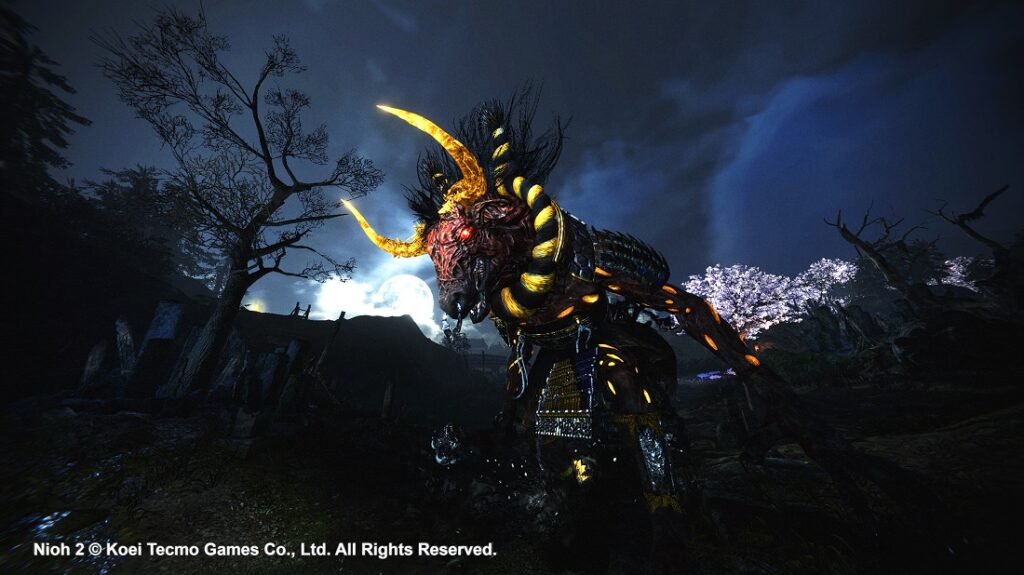
In Nioh 2, Gozuki is often one of the first major enemies players encounter.
His devastating attacks and aggressive behavior serve as an early test of the player’s mastery of combat mechanics. Many players remember Gozuki as the enemy that taught them the importance of timing, patience, and stamina management.
Mezuki in Nioh 2
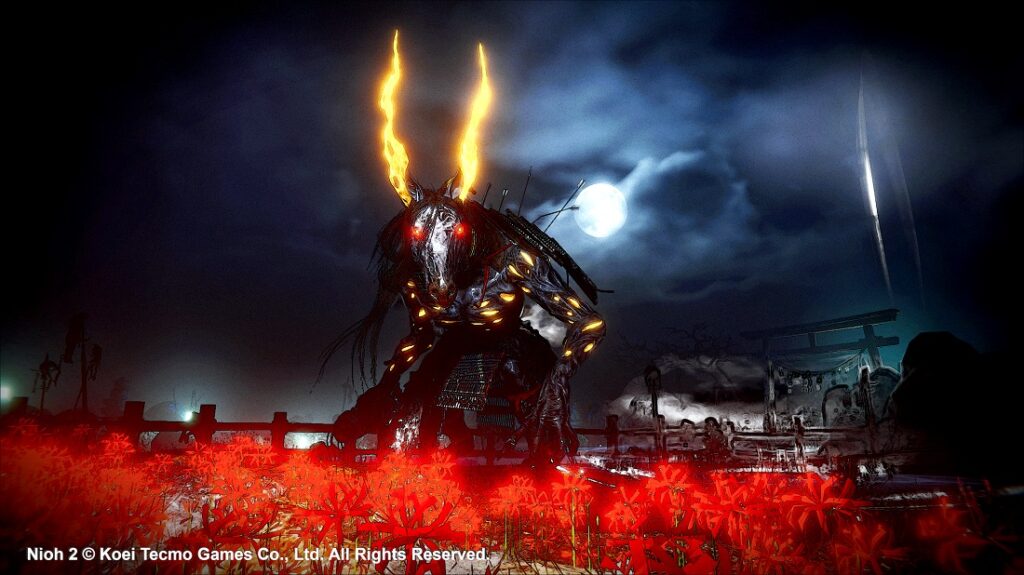
Mezuki appears as one of the game’s most memorable bosses.
With his massive size, intimidating design, and wide-reaching attacks, he creates a dramatic encounter that leaves a lasting impression on players.
His appearance remains faithful to the traditional image of the horse-headed guardian while adapting the character for a dark fantasy setting.
Why Nioh Players Remember Them
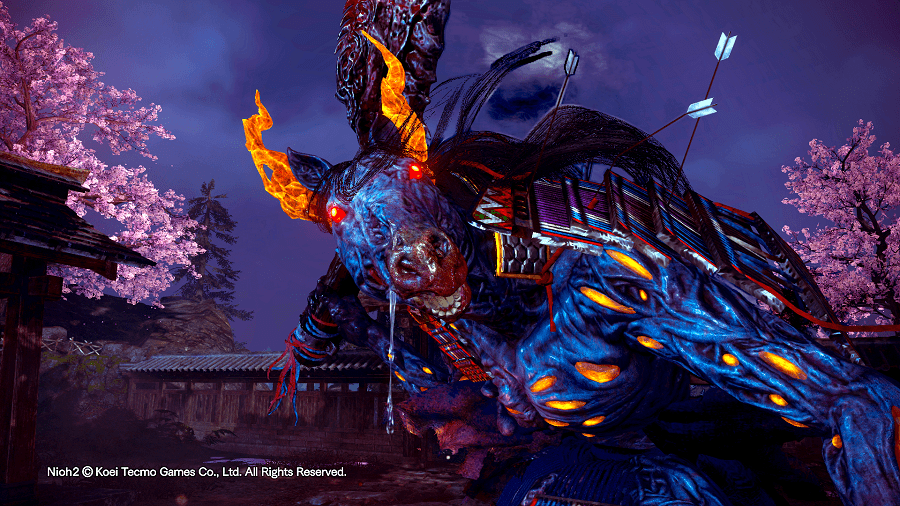
What makes Gozuki and Mezuki especially memorable is the fact that they are rooted in real folklore.
Unlike many fantasy monsters created solely for entertainment, these characters are based on centuries-old religious beliefs and cultural traditions.
Learning about their origins allows players to appreciate the deeper layers of inspiration behind the world of Nioh.
Will Gozuki and Mezuki Appear in Nioh 3?
Fans of the franchise will be pleased to know that Gozuki and Mezuki continue to appear in Nioh 3.
Their return highlights the series’ ongoing connection to Japanese mythology and Buddhist folklore. As some of the most recognizable guardians of the underworld, they remain important symbols of the dark supernatural world that defines the Nioh series.
Gozuki and Mezuki are back in Nioh 3, so get ready to face them again!
FAQ about Gozuki and Mezuki
- QAre Gozuki and Mezuki evil?
- A
Not exactly. In Buddhist tradition, Gozuki and Mezuki are not evil demons acting on their own desires. Instead, they serve as guardians and enforcers within the underworld, carrying out the judgments of Enma.
- QAre Gozuki and Mezuki based on Buddhism?
- A
Yes. Gozuki and Mezuki originate from Buddhist beliefs about the afterlife and the underworld. Their stories developed over centuries as Buddhism spread across Asia.
- QAre Gozuki and Mezuki yokai?
- A
They are often grouped with yokai in popular culture, but their origins are different. Traditionally, Gozuki and Mezuki are underworld guardians connected to Buddhist beliefs rather than supernatural creatures from folk tales.
- QWho is stronger, Gozuki or Mezuki?
- A
Folklore does not clearly state that one is stronger than the other. They are generally viewed as equal guardians who work together under Enma’s authority. In video games, however, their abilities may differ depending on the game’s design.
- QWhy do Gozuki and Mezuki have animal heads?
- A
Their animal heads likely symbolize their role as supernatural guardians. Some scholars believe the ox-headed guardian appeared first, while the horse-headed counterpart was later added as beliefs evolved in China. Today, the pair represents one of the most famous duos in East Asian underworld traditions.
Final Thoughts about Mezuki and Gozuki
Gozuki and Mezuki are far more than terrifying enemies from Nioh. They are ancient guardians whose story has traveled across centuries and cultures, evolving as Buddhist beliefs spread from India to China and eventually to Japan.
Whether encountered in folklore, religious traditions, or modern video games, these iconic figures continue to fascinate audiences around the world.
By understanding the origins of Gozuki and Mezuki, we gain a deeper appreciation not only for Japanese mythology but also for the rich cultural exchanges that helped shape it.

Oh By the way! If you are interested in Yokai or in Japanese Culture and you are a gamer, you may love these games!
Let’s play!

Yes! I can’t wait to play these games!
Let’s Play!

Comments