










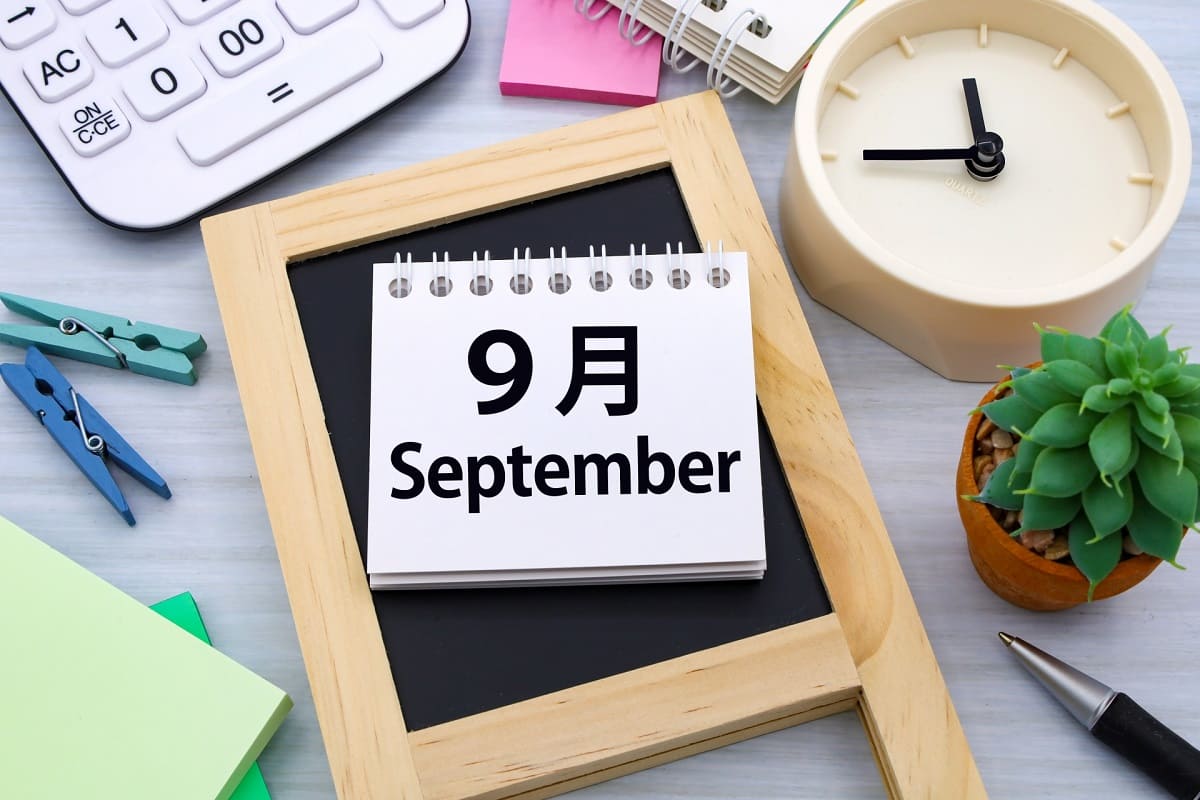
Have you ever heard of Silver Week in Japan?
Most people know about Golden Week, Japan’s famous string of holidays in spring. But did you know that Japan also has a rare holiday period in September called Silver Week?
There’s a catch, though: Silver Week doesn’t happen every year. It only occurs when several national holidays fall into a very specific pattern.
And 2026 is a special year — Japan will have a five-day Silver Week for the first time in 11 years!
So, what exactly is Silver Week? Why does it happen only once in a while? And why is it called “Silver Week”?
Let’s take a closer look at this unusual Japanese holiday period and find out what makes Silver Week 2026 so special.

Today, we’re talking about Silver Week! If you’ve heard of Golden Week but are wondering, “What is Silver Week?” be sure to check it out!
- What Is Silver Week?
- Why Doesn’t Silver Week Happen Every Year?
- How Does a Five-Day Silver Week Happen?
- Why Is Silver Week 2026 Special?
- Where Did the Name “Silver Week” Come From?
- When Is Silver Week 2026?
- How Can You Enjoy Silver Week in Japan?
- What Kind of Events Can You Enjoy During Silver Week?
- FAQ about Silver Week
- Final Thoughts About Silver Week in Japan
What Is Silver Week?

Silver Week is a rare string of public holidays in Japan that can occur in September.
It is sometimes described as the autumn counterpart to Golden Week, Japan’s famous holiday period in late April and early May.
However, unlike Golden Week, Silver Week doesn’t happen every year. It only occurs when Respect for the Aged Day and Autumnal Equinox Day fall into a particular pattern.
The longest Silver Week can last for five consecutive days off, including a weekend and three consecutive days off.
Why doesn’t it happen every year?
The reason is a little complicated — and it all comes down to how the holidays fall on the calendar.
Silver Week isn’t a national holiday itself. It is a popular name for a period when several holidays and weekends come together. In other words, “Silver Week” is a nickname for a long holiday period, not the name of a single public holiday.
Why Doesn’t Silver Week Happen Every Year?
Unlike Golden Week, Silver Week doesn’t happen every year.
That’s because Silver Week depends on the way two September holidays fall on the calendar: Respect for the Aged Day and Autumnal Equinox Day.
For a five-day Silver Week to occur, these holidays need to line up in a very specific way.
Respect for the Aged Day
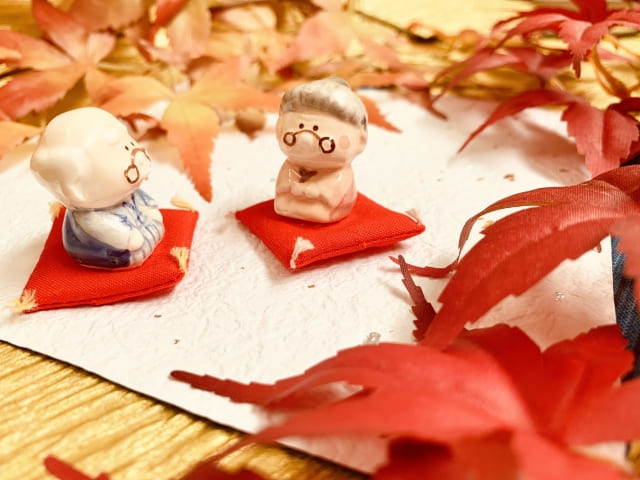
Respect for the Aged Day (Keirō no Hi) is observed on the third Monday of September.
It was moved to the third Monday under Japan’s Happy Monday System, which was introduced for this holiday in 2003.

Oh, and did you know that Respect for the Aged Day used to be fixed on September 15 before 2003?
Autumnal Equinox Day
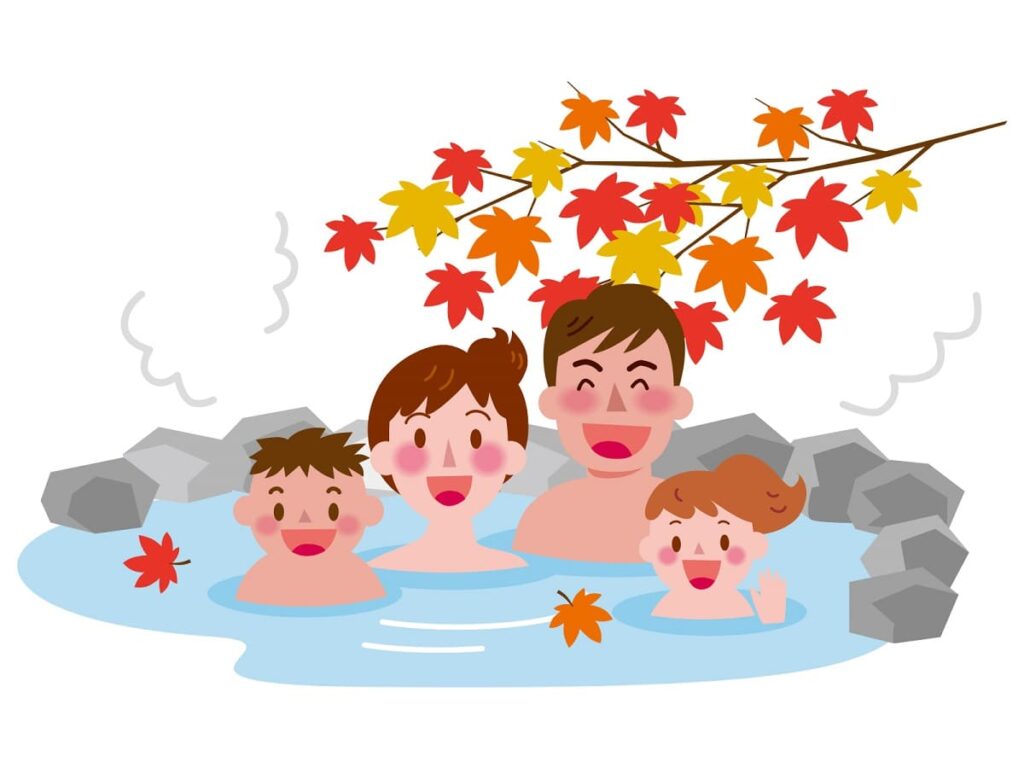
Autumnal Equinox Day (Shūbun no Hi) usually falls on September 22 or 23, although the exact date can vary from year to year.
Its date is determined based on astronomical calculations of the autumnal equinox.
The Calendar Conditions for a Five-Day Silver Week
For Silver Week to become a five-day break, A five-day Silver Week can occur when Respect for the Aged Day falls on a Monday and Autumnal Equinox Day falls on the following Wednesday.
When that happens, the Tuesday in between becomes a the Tuesday in between becomes a day off under Japan’s Act on National Holidays.
That creates a five-day break:
Saturday → Sunday → Monday → Tuesday → Wednesday
Five consecutive days off!
How Does a Five-Day Silver Week Happen?

A five-day Silver Week happens when Respect for the Aged Day falls on a Monday and Autumnal Equinox Day falls on the following Wednesday.
In that situation, the Tuesday between the two national holidays becomes a holiday under Japan’s Act on National Holidays.
When the weekend is added to these three days, you get five consecutive days off.
Let’s see how it works in 2026.
| Date | Day | Holiday |
|---|---|---|
| September 19 | Saturday | Weekend |
| September 20 | Sunday | Weekend |
| September 21 | Monday | Respect for the Aged Day |
| September 22 | Tuesday | Holiday between two national holidays |
| September 23 | Wednesday | Autumnal Equinox Day |
September 19–23, 2026 = 5 consecutive days off!
And that’s the secret behind Silver Week!
It’s not a special festival or a holiday season that Japan officially names “Silver Week.” It’s simply what people call this rare stretch of holidays when the calendar lines up just right.
Why Is Silver Week 2026 Special?
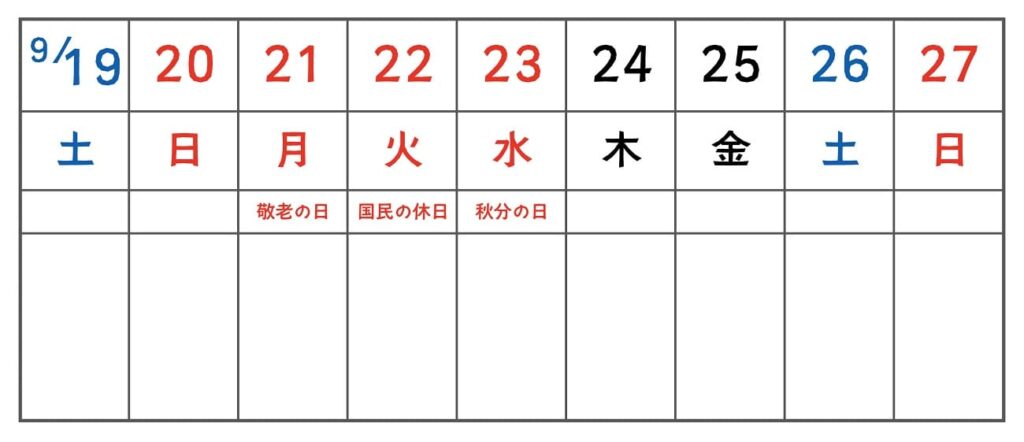
Silver Week 2026 is special because it will be the first five-day Silver Week in 11 years.
The previous five-day Silver Weeks occurred in 2009 and 2015, making 2026 a rare return after an 11-year gap.
The reason for this long gap is that the two key September holidays need to fall into a very specific pattern for a five-day holiday period to occur.
That pattern happens again in 2026.

September already has quite a few days off, but having them line up into a long break is still exciting, isn’t it? I’m really looking forward to Silver Week too!
Where Did the Name “Silver Week” Come From?
The term “Silver Week” became popular in 2009, when Japan experienced a rare five consecutive days in September.
The name “Silver Week” has a surprisingly long history. It was originally used by Japan’s film industry in the 1950s, but the term did not become widely established at the time.
The term came back into the spotlight in 2009, when Japan experienced a rare five-day holiday period in September.
But why “silver”? And is it related to Respect for the Aged Day?
Not quite!
Since Silver Week includes Respect for the Aged Day, you might wonder if the word “silver” refers to older people.
The connection isn’t quite that simple.
Since Silver Week includes Respect for the Aged Day, you might wonder if “silver” refers to older people.
The connection isn’t quite that simple.
The name is generally understood as a counterpart to Golden Week, although the inclusion of Respect for the Aged Day may also make the name especially fitting.

The Name Has a Surprisingly Long History
The name “Silver Week” actually has a longer history than you might expect.
The term was reportedly coined by Japan’s film industry in the 1950s as a promotional term for an autumn holiday period centered around Culture Day (November 3). However, it never became as widely established as “Golden Week.”
The Name Became Popular Again in 2009
The term came back into the spotlight in 2009, when Japan experienced a rare five-day holiday period in September.
Even in 2015, the term was not universally familiar in Japan. A survey conducted before the 2015 holiday period found that only 29.6% of respondents called the autumn holiday period “Silver Week,” while nearly half said they did not give it a special name.

That’s right. I didn’t even know the term “Silver Week” myself until 2015. When I first heard it, I remember thinking, “What’s that?”
Is “Silver” Related to Older People?
Since Silver Week includes Respect for the Aged Day, you might wonder if the word “silver” refers to older people.
The connection isn’t quite that simple.
The name “Silver Week” is generally understood as a counterpart to Golden Week, Japan’s major holiday period in spring. The use of “silver” may also feel fitting because Respect for the Aged Day is part of the holiday period, but this is not generally presented as the sole origin of the name.
So, while the association with older people is understandable, Silver Week isn’t a holiday specifically for seniors. It’s simply a popular name for a rare series of holidays in September.
When Is Silver Week 2026?
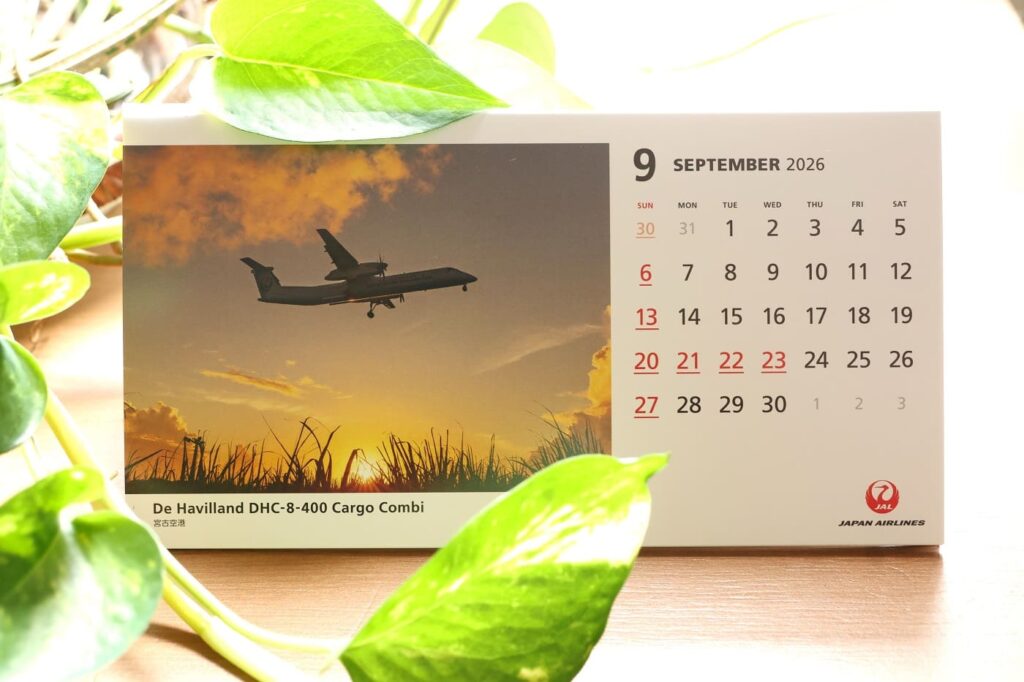
Silver Week returns in 2026!
Japan will have a rare five-day holiday period from Saturday, September 19 through Wednesday, September 23, 2026.
| Date | Holiday |
|---|---|
| Saturday, September 19 | Weekend |
| Sunday, September 20 | Weekend |
| Monday, September 21 | Respect for the Aged Day |
| Tuesday, September 22 | National Holiday |
| Wednesday, September 23 | Autumnal Equinox Day |
So, if you work a typical Monday-to-Friday schedule, you can enjoy five consecutive days off without taking paid leave.
For people who have weekends and public holidays off, this creates a five-day break.

I’ve heard that some people are taking paid leave on Thursday, September 24, and Friday, September 25, and enjoying a nine-day break. Talk about making the most of the holidays!
How Can You Enjoy Silver Week in Japan?
1. Take a trip
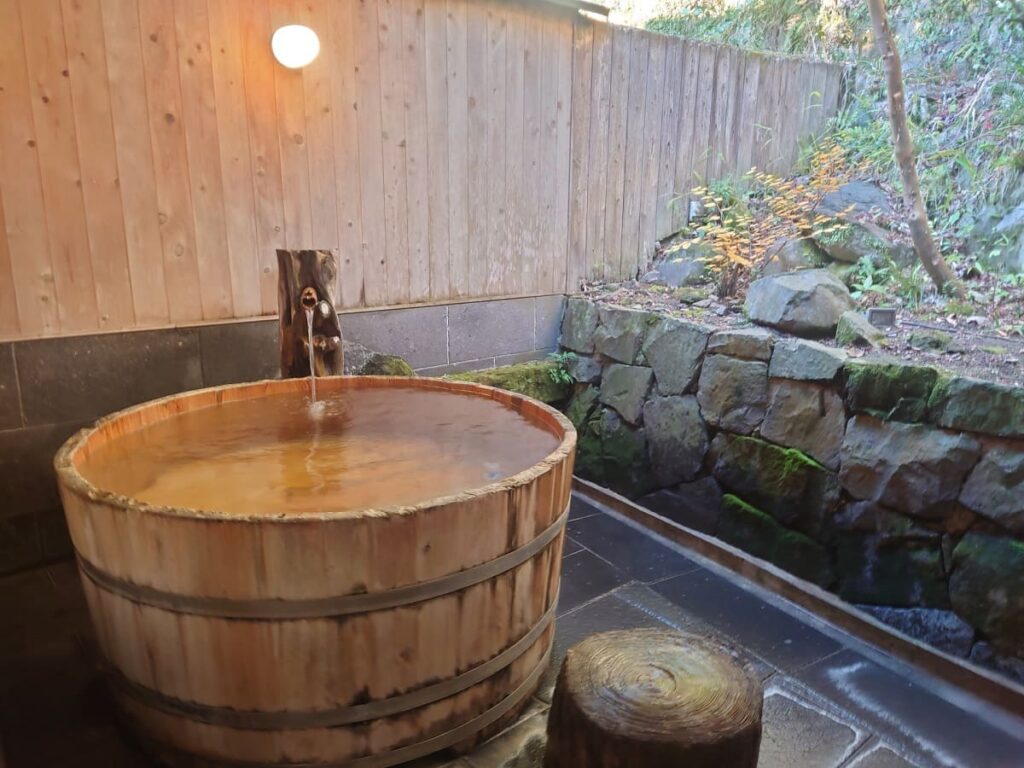
Silver Week can be a great opportunity to explore another part of Japan.
With five consecutive days off, you may have enough time for a longer trip or to visit somewhere you’ve always wanted to see.
2. Enjoy a local festival
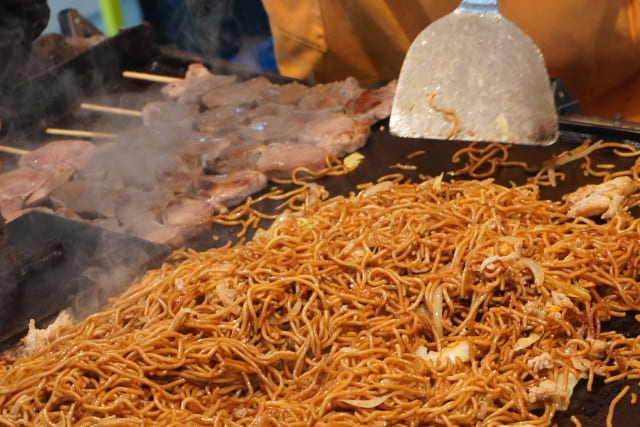

You don’t have to travel far to enjoy Silver Week.
Many towns and cities hold local festivals, markets, food events, and other seasonal activities around this time of year.
If you’re staying in Japan during Silver Week, checking out a local event can be a fun way to experience the holiday without traveling long distances.
In my area, for example, local events such as a night market and festivals are planned for Silver Week 2026.
3. Look for evening events

As the evenings begin to cool later in September, night markets and evening festivals can be an enjoyable way to spend Silver Week.
They can also be a nice alternative to traveling during the busiest parts of the day.
Be Prepared for Crowds

Silver Week can be a very busy travel period in Japan.
Popular tourist destinations, airports, trains, and highways may become crowded, especially during the five-day holiday period.
If you’d rather avoid packed transportation and traffic jams, staying close to home and enjoying a local event can be a great alternative.
A personal note:
I once traveled by plane during Silver Week, and the flight was completely full, the plane was full of families. The airport was also extremely crowded. Since Silver Week brings various events and travel opportunities across Japan, staying local can be a surprisingly enjoyable option if you’d rather avoid the crowds.
What Kind of Events Can You Enjoy During Silver Week?
Silver Week doesn’t have to mean taking a long trip.
With events taking place across Japan, there are plenty of ways to enjoy the holiday close to home.
You may find pottery fairs, gourmet events, music performances, fireworks displays, handmade markets, and outdoor activities taking place around Japan during Silver Week.
Event schedules vary by region and year, so check local tourism websites or event listings for the latest information.

Since Silver Week is making a long-awaited return in 2026, it sounds like all kinds of events will be taking place across Japan! I’d love to check out a night market or an outdoor jazz festival in the evening!
Explore a Pottery Fair
If you love Japanese crafts, Silver Week can be a great time to visit a pottery fair and browse locally made tableware and ceramics.
Enjoy a Food or Gourmet Event
Food fairs and gourmet events are another fun option. You may be able to try local specialties, seasonal foods, or dishes from different parts of Japan without traveling far.
Enjoy Music and Evening Events
Music events, night markets, and evening festivals can be a great way to enjoy the holiday after the heat of the day has eased.
Look for Fireworks and Seasonal Events
Although fireworks are often associated with summer in Japan, some fireworks displays and other seasonal events take place in September as well.
Browse Handmade and Craft Markets
Handmade markets are another option if you enjoy crafts, art, and one-of-a-kind items.
Try an Outdoor Activity
If the weather is comfortable, you could also look for outdoor events, nature activities, or family-friendly experiences.
FAQ about Silver Week
- QDoes Silver Week happen every year?
- A
No. Silver Week does not happen every year.
It only occurs when Respect for the Aged Day and Autumnal Equinox Day fall into a particular pattern that creates a longer break.
The next five-day Silver Week is in 2026.
- QWhy is it called “Silver Week”?
- A
The name “Silver Week” is generally understood as a counterpart to “Golden Week.”
The term has a longer history, having reportedly been used in the 1950s before coming back into the spotlight in 2009.
- QWhy does Tuesday become a holiday during Silver Week?
- A
When Respect for the Aged Day falls on a Monday and Autumnal Equinox Day falls on the following Wednesday, the Tuesday between them becomes a holiday under Japan’s Act on National Holidays.
This creates a five-day holiday period from Saturday through Wednesday.
- QIs Silver Week related to Respect for the Aged Day?
- A
Not directly.
Silver Week includes Respect for the Aged Day, but the name is generally understood as a counterpart to Golden Week, rather than a reference to older people.
- QWhat can I do during Silver Week in Japan?
- A
You can travel, visit local festivals and markets, explore pottery fairs, enjoy food and music events, or look for seasonal activities in your area.
If you’d rather avoid crowded airports, trains, and highways, staying local can also be a great way to enjoy the holiday.
- QIs Silver Week a good time to travel in Japan?
- A
It can be, but expect crowds.
Silver Week can be a busy travel period, especially at airports, train stations, highways, and popular tourist destinations.
If you plan to travel, booking transportation and accommodation early can help you avoid last-minute problems.
Final Thoughts About Silver Week in Japan
Silver Week is one of Japan’s most unusual holiday periods.
Unlike Golden Week, it doesn’t happen every year. When the calendar lines up just right, however, a combination of September holidays can create five consecutive days.
In 2026, Silver Week will take place from Saturday, September 19 through Wednesday, September 23, giving people a rare five-day break without having to take paid leave if they normally have weekends and public holidays off.
Whether you use the break to travel, visit a pottery fair, enjoy a local festival, explore a food or handmade market, or simply relax close to home, there are plenty of ways to enjoy Silver Week.
If you’re in Japan in September 2026, take a look at what’s happening in your area. You might find a special event just around the corner!

Oh By the way! If you are interested in Yokai or in Japanese Culture and you are a gamer, you may love these games!
Let’s play!

Yes! I can’t wait to play these games!
Let’s Play!

Comments