











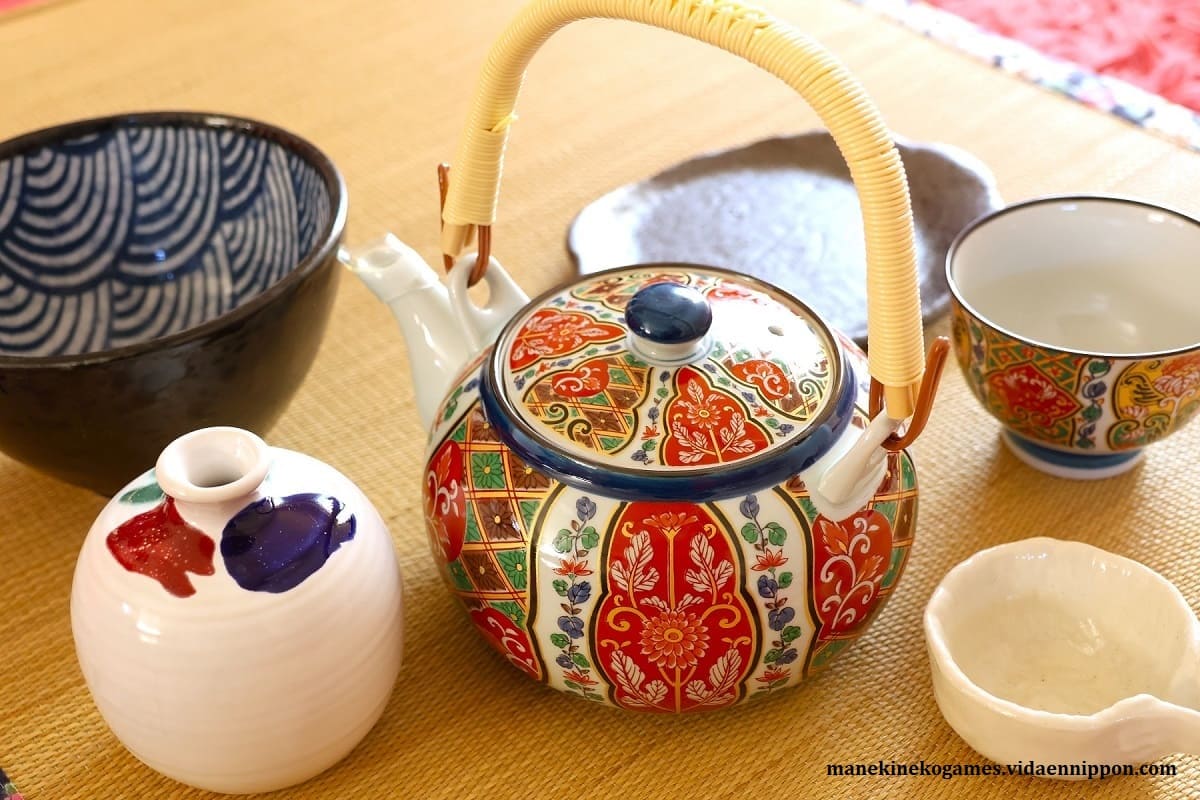
- Bring the Beauty of Japan to Your Table
- The Unique Characteristics of Japanese Pottery
- The History of Japanese Pottery
- Famous Japanese Pottery and Porcelain
- Best Japanese Pottery for Everyday Life
- Japanese Porcelain for Special Occasions
- Why Japanese Pottery Is So Popular Worldwide
- Frequently Asked Questions About Japanese Pottery
- Final Thoughts about Japanese pottery
Bring the Beauty of Japan to Your Table
Japanese pottery is more than just dinnerware.
It reflects centuries of craftsmanship, seasonal awareness, and mindful living.
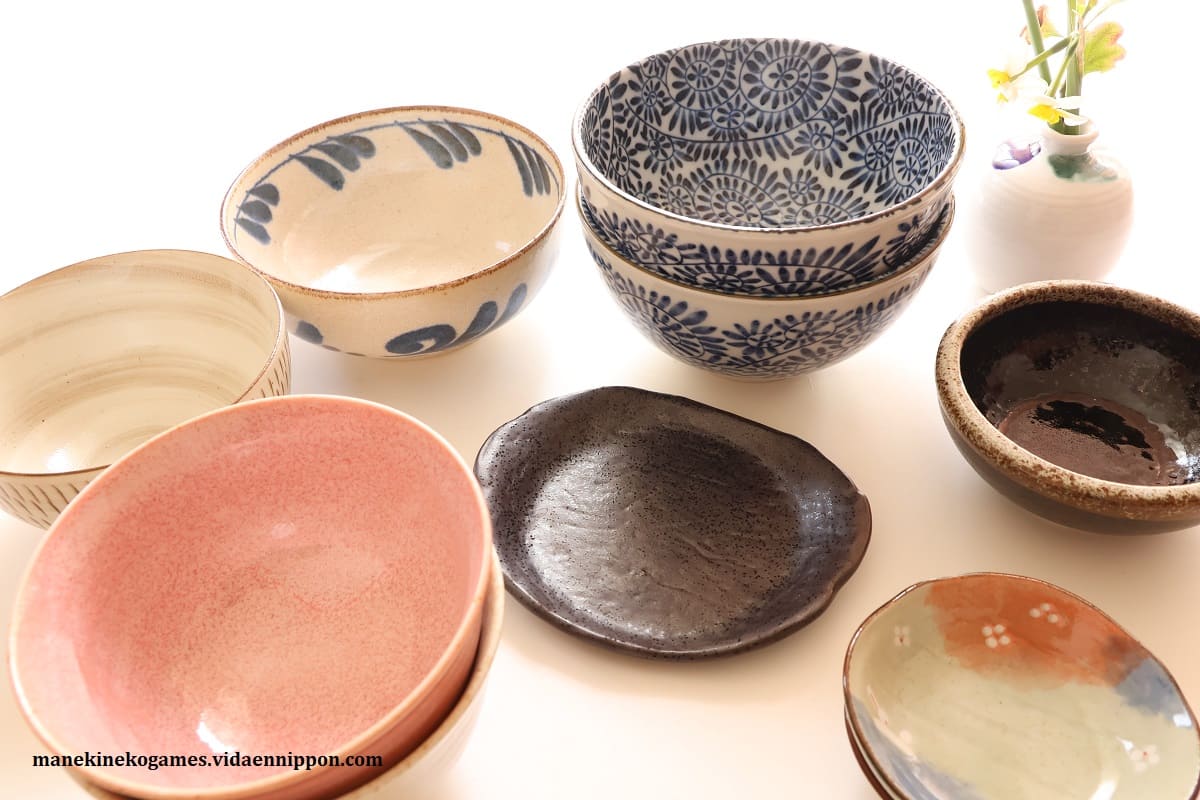
Imagine serving sushi on a handcrafted porcelain plate or enjoying your morning coffee from a minimalist Japanese mug. Every meal becomes an experience — a quiet moment of beauty inspired by Japan.
In this guide, you’ll explore traditional ceramics, famous wares like Mino, Arita, and Kutani, and discover how to choose the perfect Japanese pottery for everyday life or special occasions.

Looking for authentic Japanese pottery for your home?
Explore our carefully selected Japanese tableware for everyday use and elegant gifts.
The Unique Characteristics of Japanese Pottery
1. Harmony with Nature
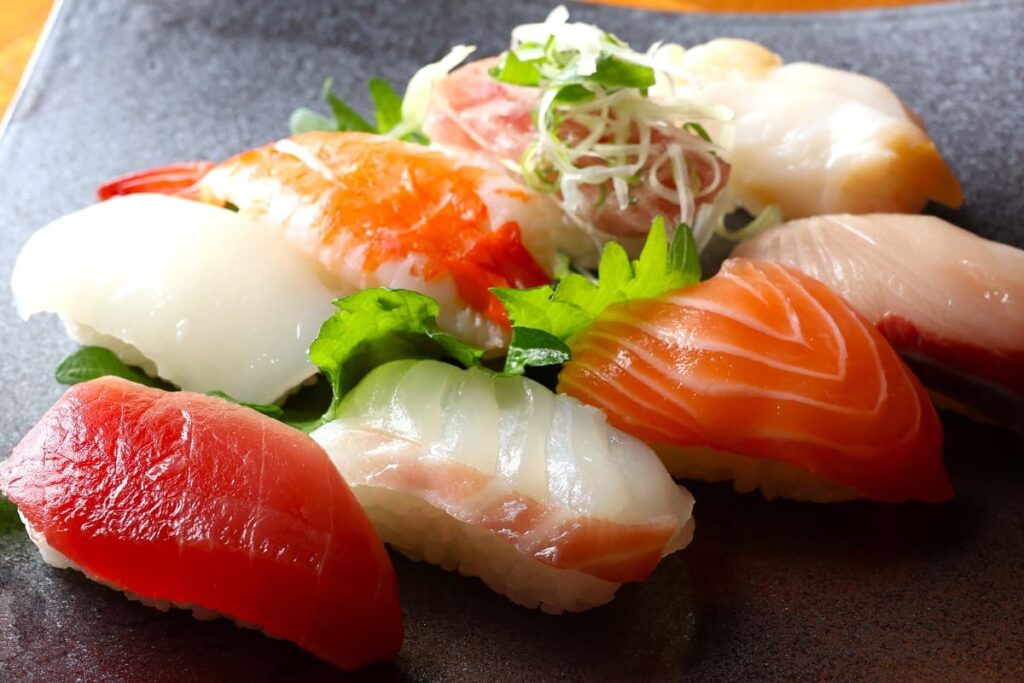
Japanese ceramics celebrate natural textures and organic imperfections.
Rather than pursuing perfect symmetry, artisans embrace:
- Subtle irregular shapes
- Natural glaze variations
- Earthy tones
This aesthetic is deeply connected to Japan’s philosophy of wabi-sabi — finding beauty in simplicity and imperfection.
2. Deep Connection to the Seasons
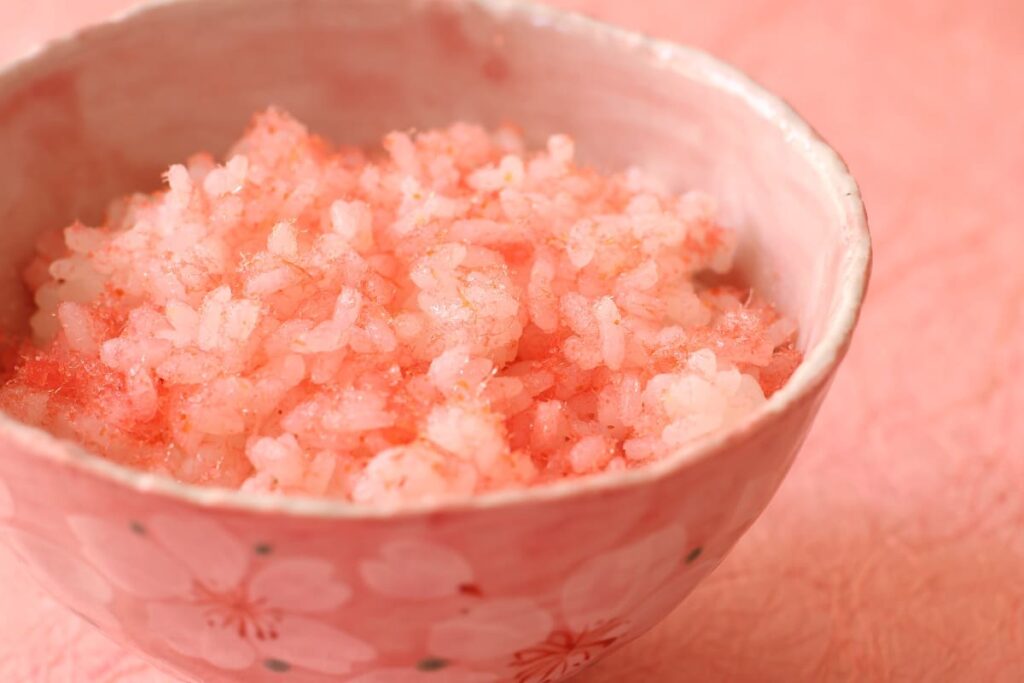
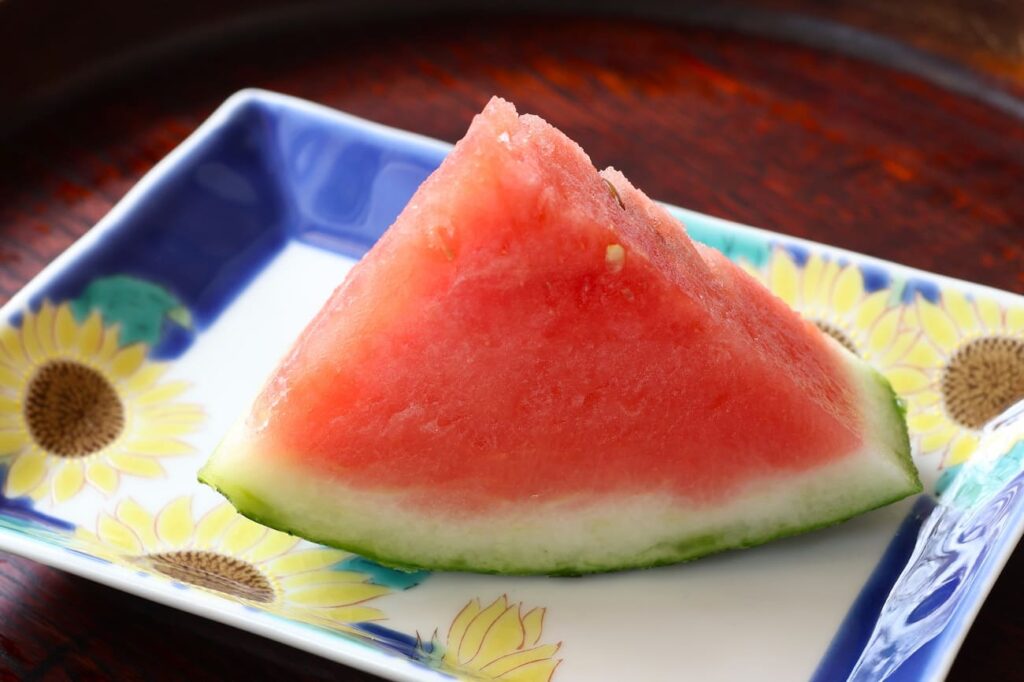
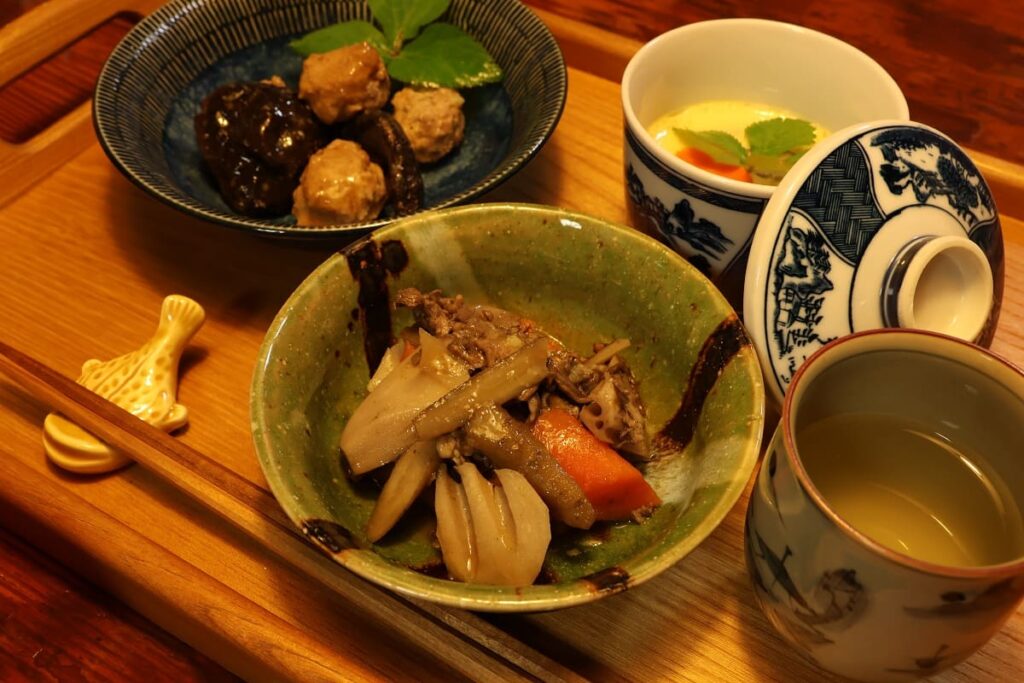
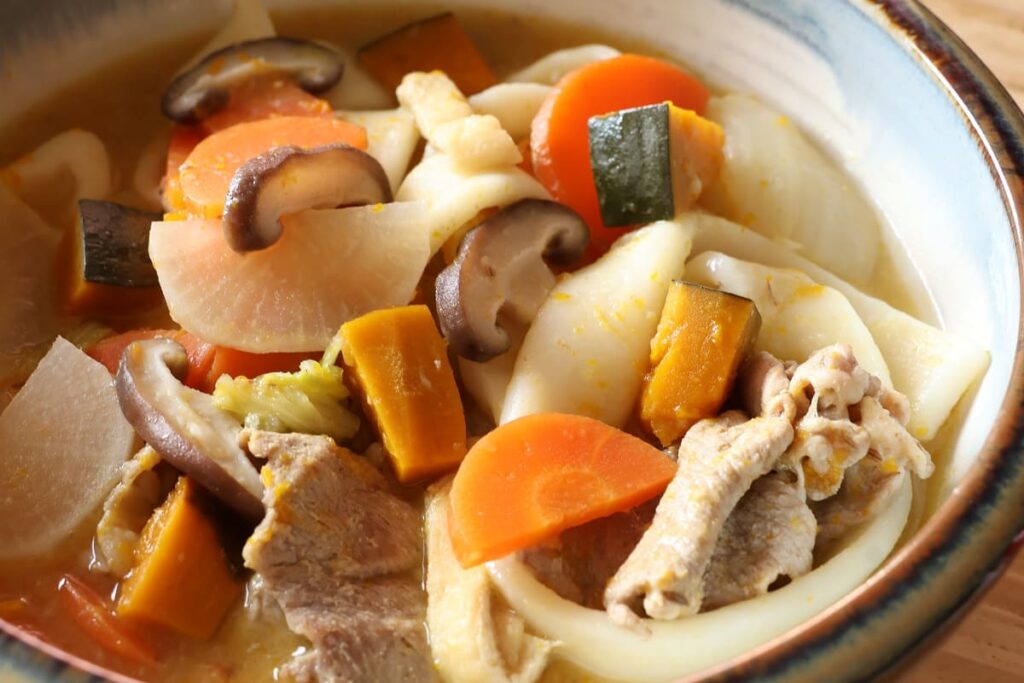
In Japan, food and tableware are inseparable.
Plates and bowls are often chosen based on the season:
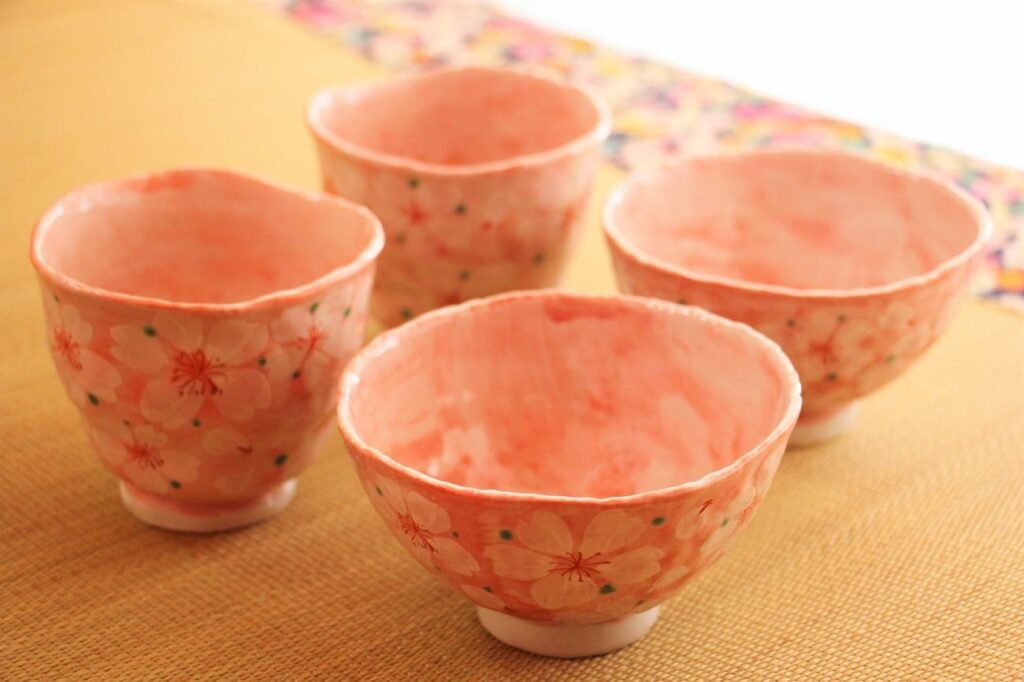
- Spring → Cherry blossom motifs
- Summer → Cool blue glazes
- Autumn → Warm browns and rustic textures
- Winter → Thick, comforting ceramic bowls
This seasonal sensitivity makes Japanese pottery feel alive and intentional.

I change my tableware depending on the season. Choosing dishes for everyday meals is something I genuinely enjoy.
3. Lightweight and Practical
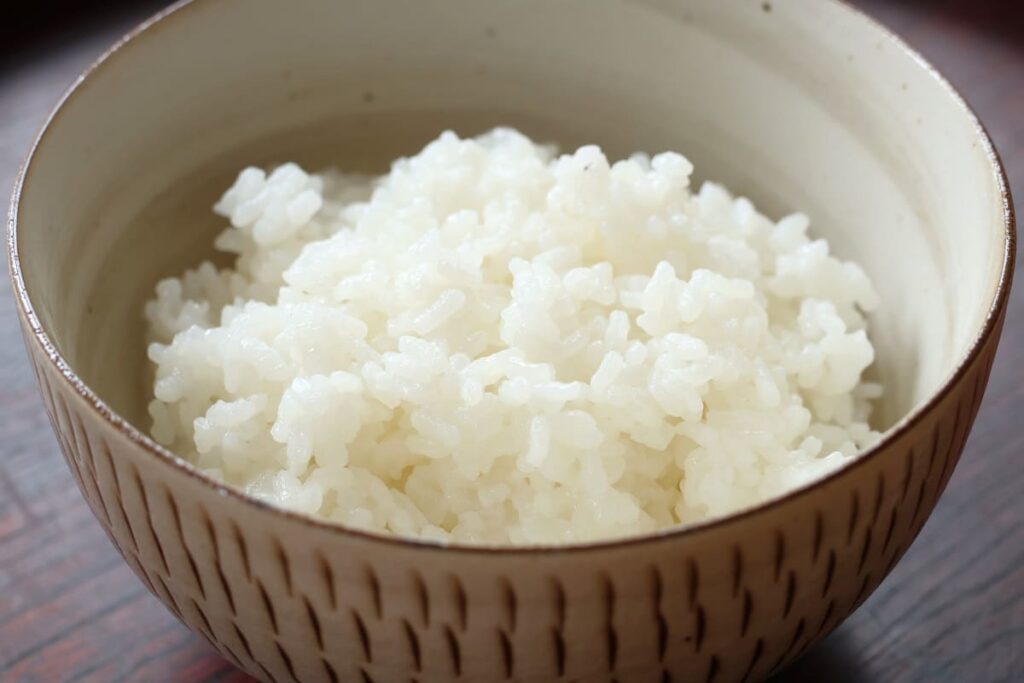
Despite their artistic appearance, Japanese ceramics are highly functional.
Many pieces are:
- Lightweight
- Easy to hold
- Designed for daily use
Beauty and practicality coexist — something many Western users find refreshing.
The History of Japanese Pottery

The history of Japanese pottery dates back over 10,000 years to the Jōmon period, one of the world’s oldest ceramic traditions.
Over centuries, Japanese ceramics evolved through:
- Cultural exchange with China and Korea
- The development of the tea ceremony
- Samurai-era aesthetics
The rise of tea culture dramatically influenced pottery styles.
Rustic, natural, and understated bowls became symbols of refined taste.
Today, Japanese pottery continues to balance tradition and modern design.
Famous Japanese Pottery and Porcelain
Everyday Use: 美濃焼 (Mino Ware)
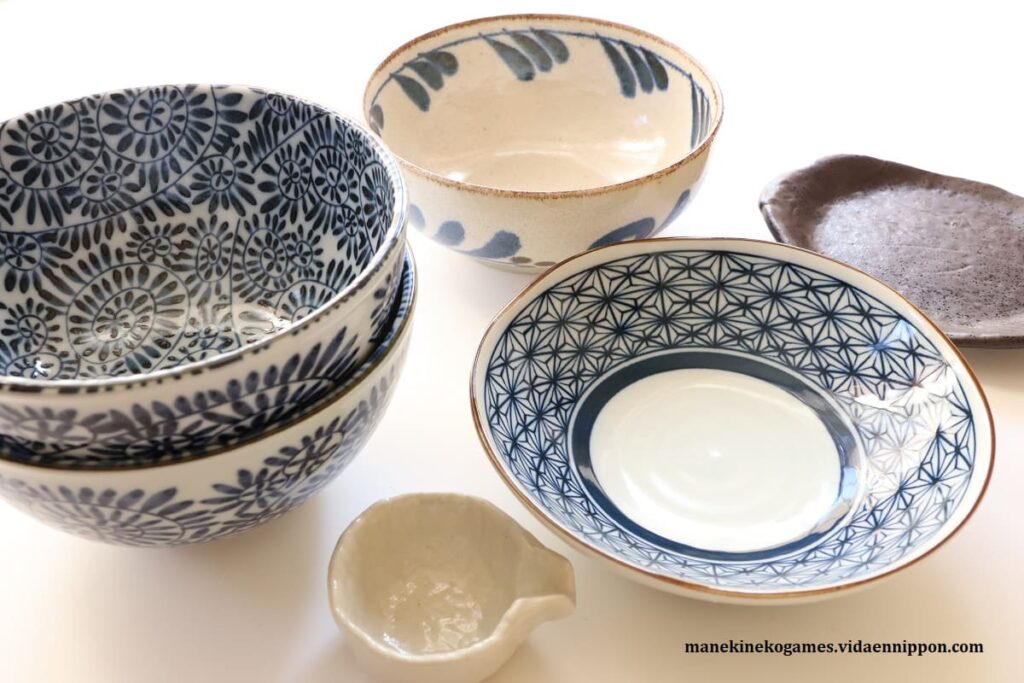
Produced in Gifu Prefecture, Mino ware accounts for a large portion of Japan’s tableware production.
Why it’s popular:
- Minimalist design
- Durable and lightweight
- Affordable
- Easy to mix with Western interiors
If you want authentic Japanese pottery for everyday dining, Mino ware is an excellent starting point.
👉 Shop Authentic Mino Ware on Amazon
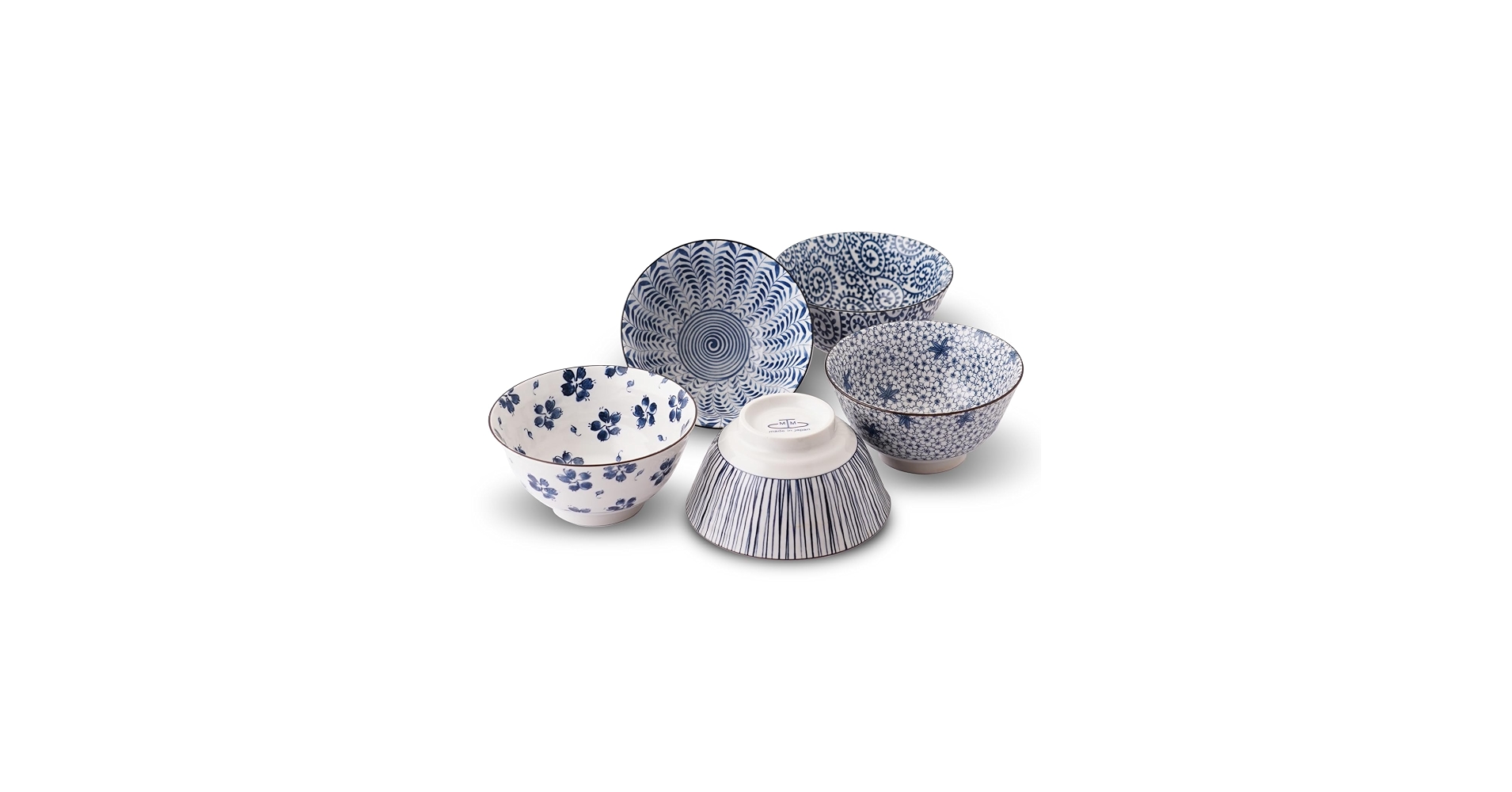

Lightweight & durable
• Perfect for everyday dining
• Blends with modern Western interiors

Mino ware is often reasonably priced and perfect for daily use. I have quite a collection at home! If you are interested in it, check the article below as well!
Luxury Elegance: 有田焼 (Arita Porcelain)
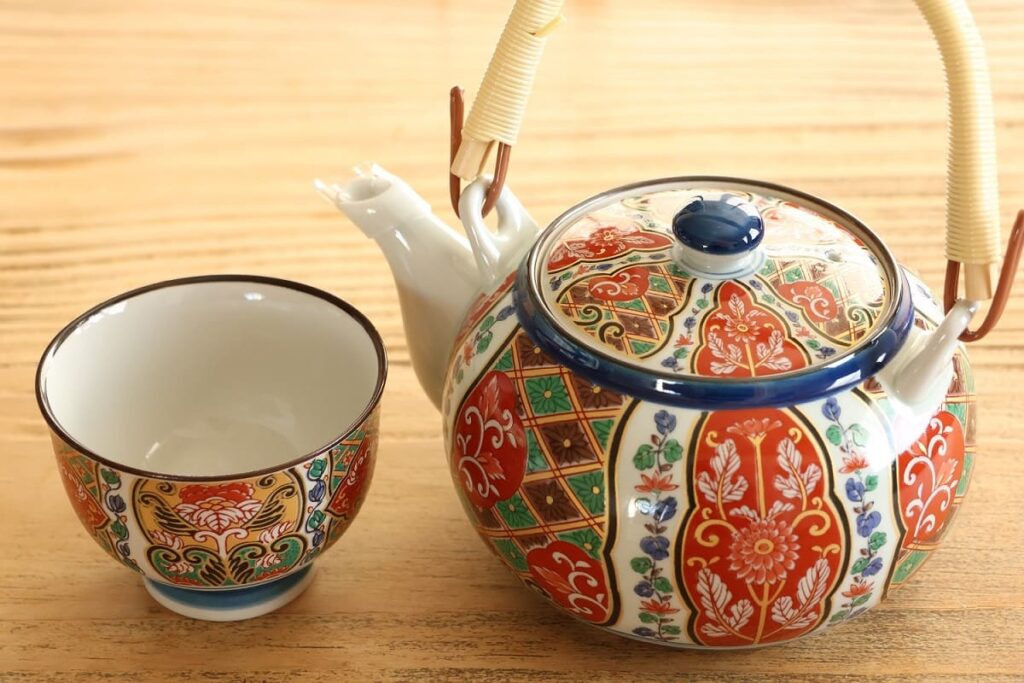
Originating in Saga Prefecture, Arita ware is one of Japan’s most famous porcelain styles.
Known internationally as “Imari ware,” it features:
- Brilliant white porcelain
- Intricate hand-painted designs
- Refined elegance
Perfect for:
- Wedding gifts
- Formal dinner parties
- Special celebrations
Looking for an elegant Japanese gift?
👉 Browse Arita Porcelain Gift Ideas
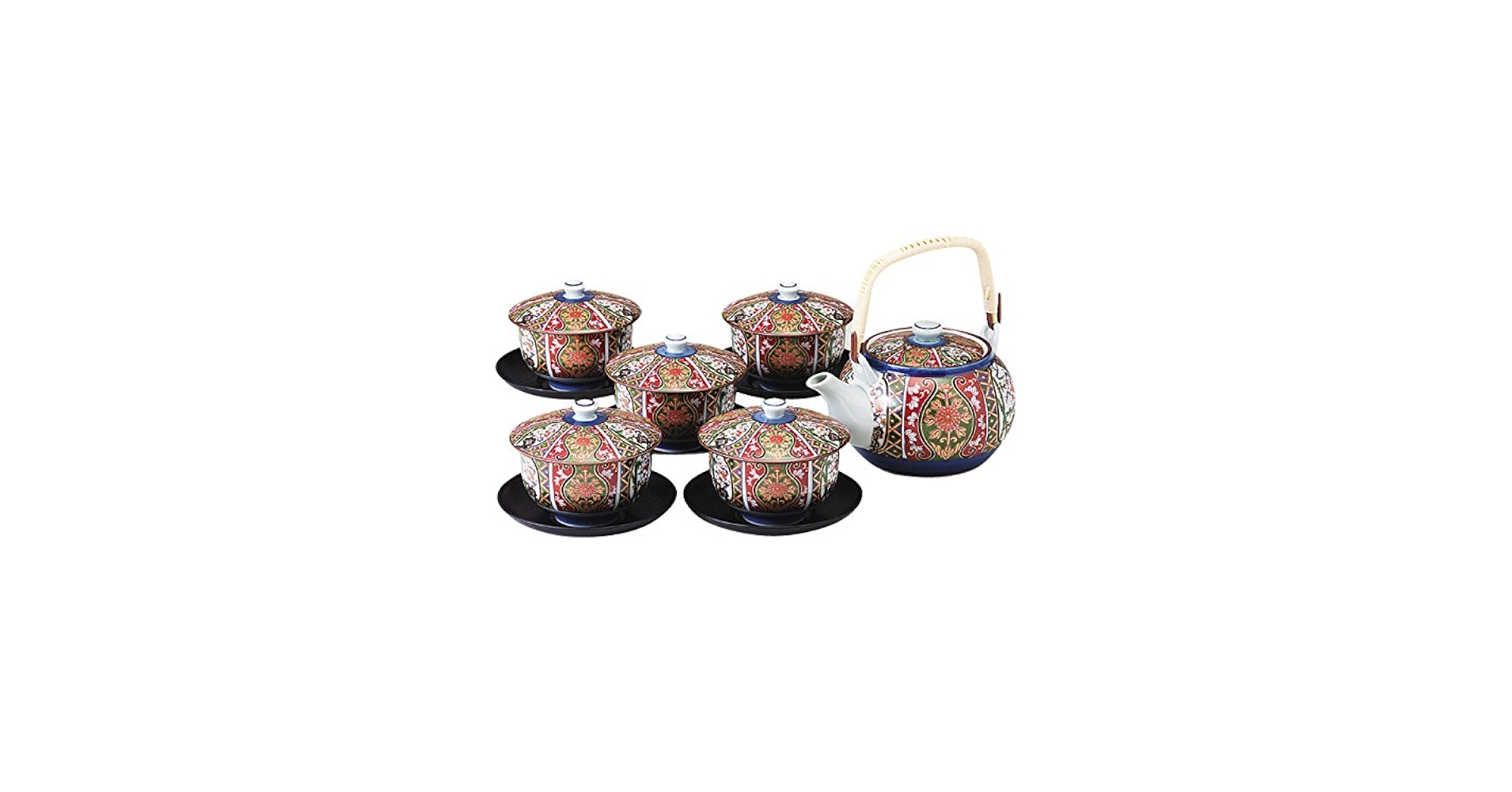

Hand-painted traditional designs
• Ideal for weddings & anniversaries
• Timeless white porcelain beauty
Bold and Artistic: 九谷焼 (Kutani Ware)
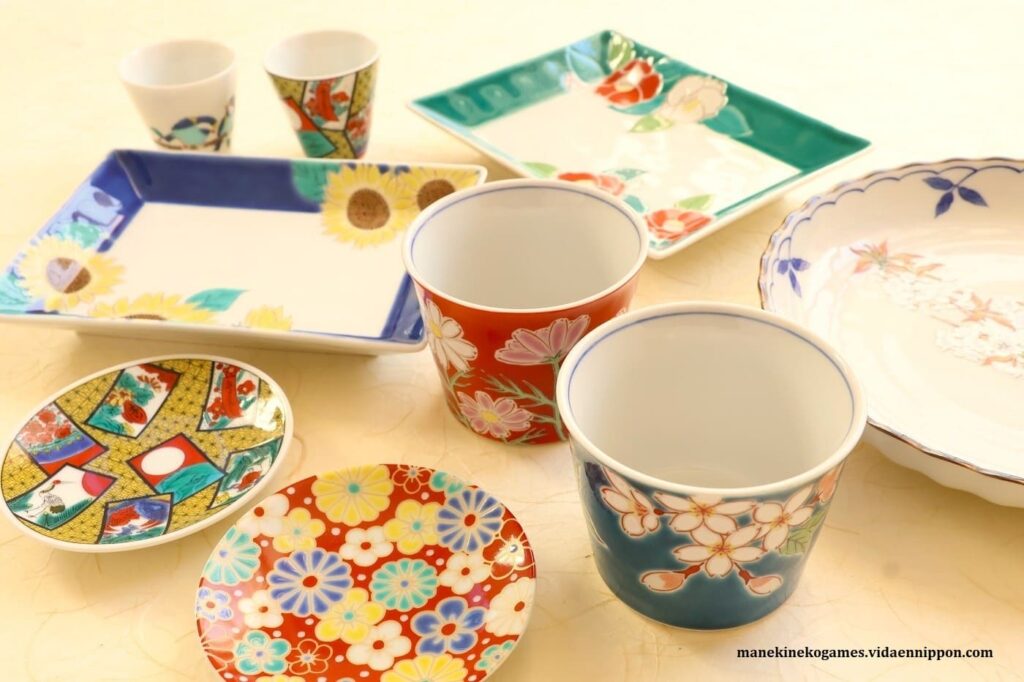
Kutani ware from Ishikawa Prefecture is instantly recognizable.
Signature features:
- Rich reds, greens, yellows, and purples
- Dramatic patterns
- Artistic, statement-making presence
Ideal for collectors or those who want their table setting to stand out.
Want something bold and artistic?
👉 Explore Kutani Ware Statement Pieces
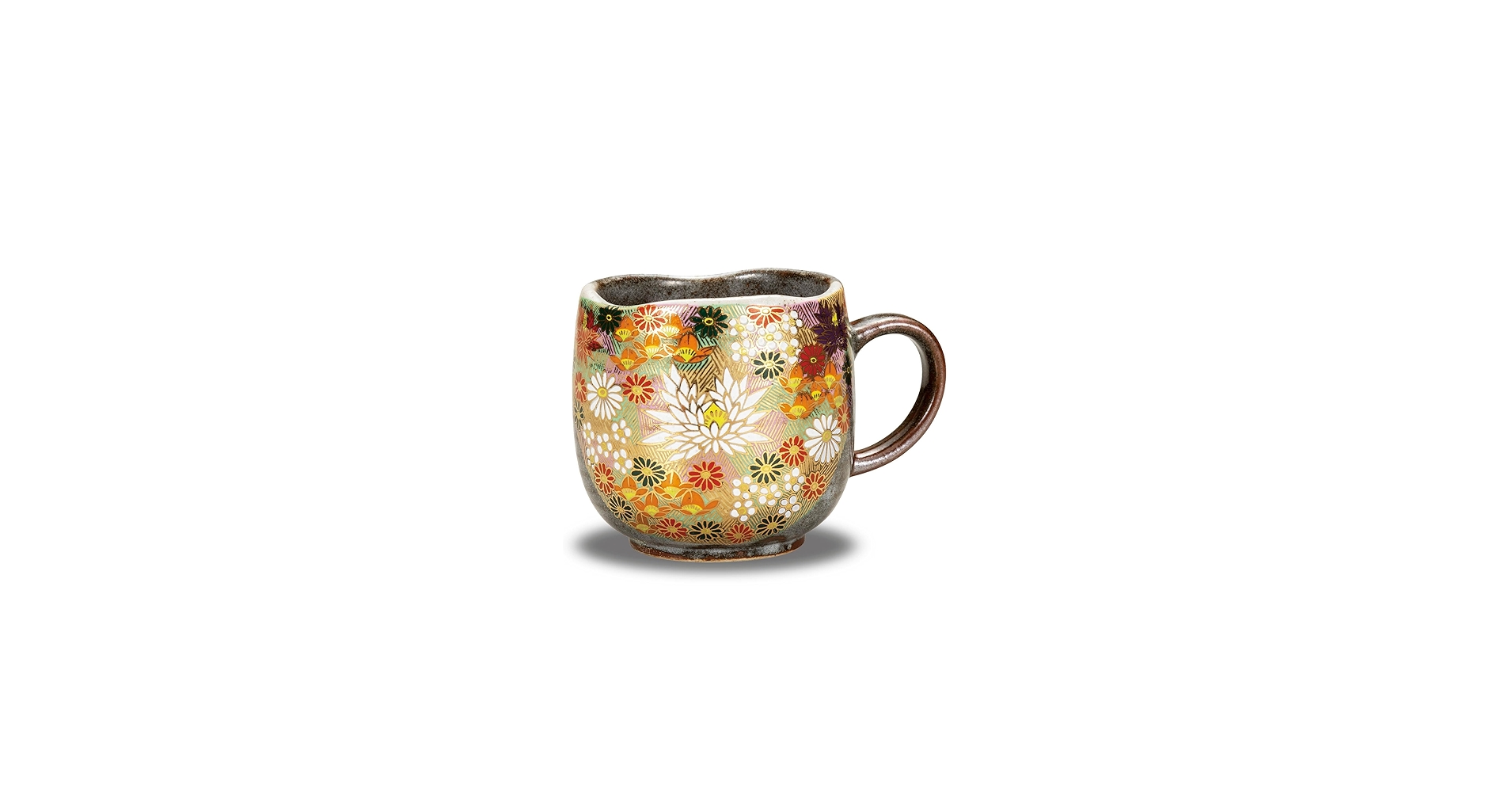

Rich traditional colors
• Collectible Japanese art tableware
• Perfect for special dinners

Kutani ware is my absolute favorite. It feels so beautiful and special that I always want to use it for New Year celebrations.
Best Japanese Pottery for Everyday Life
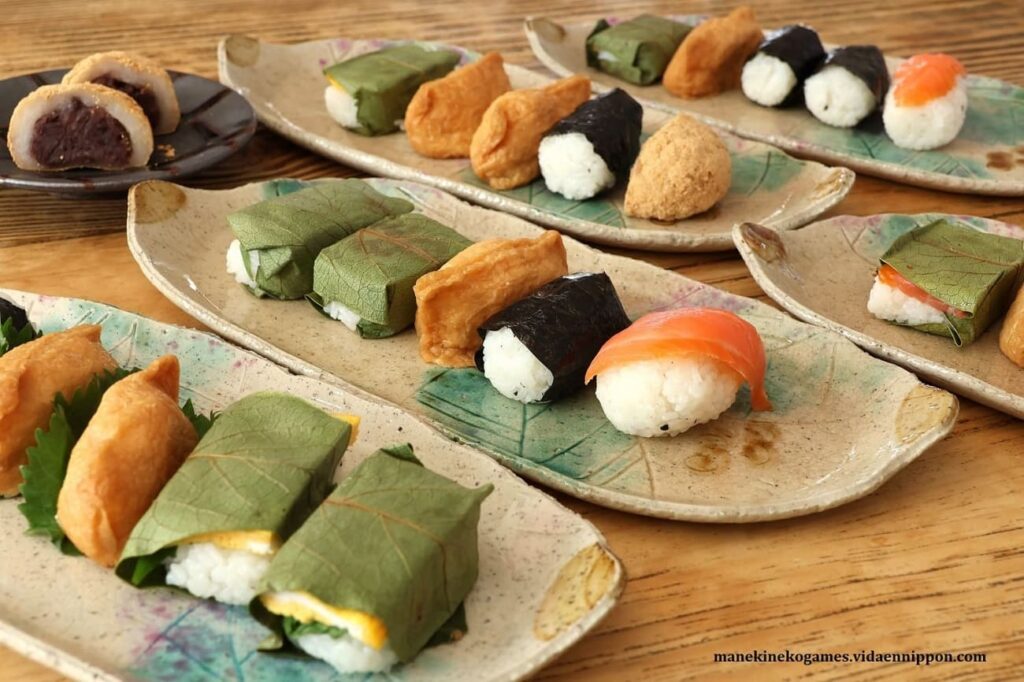
If you’re new to Japanese ceramics, start with:
- Minimalist dinner plates
- Japanese-style mugs
- Ramen or donburi bowls
Mino ware pieces blend beautifully with both Japanese and Western cuisine — from sushi to pasta.
They’re practical, durable, and easy to incorporate into daily life.
Japanese Porcelain for Special Occasions
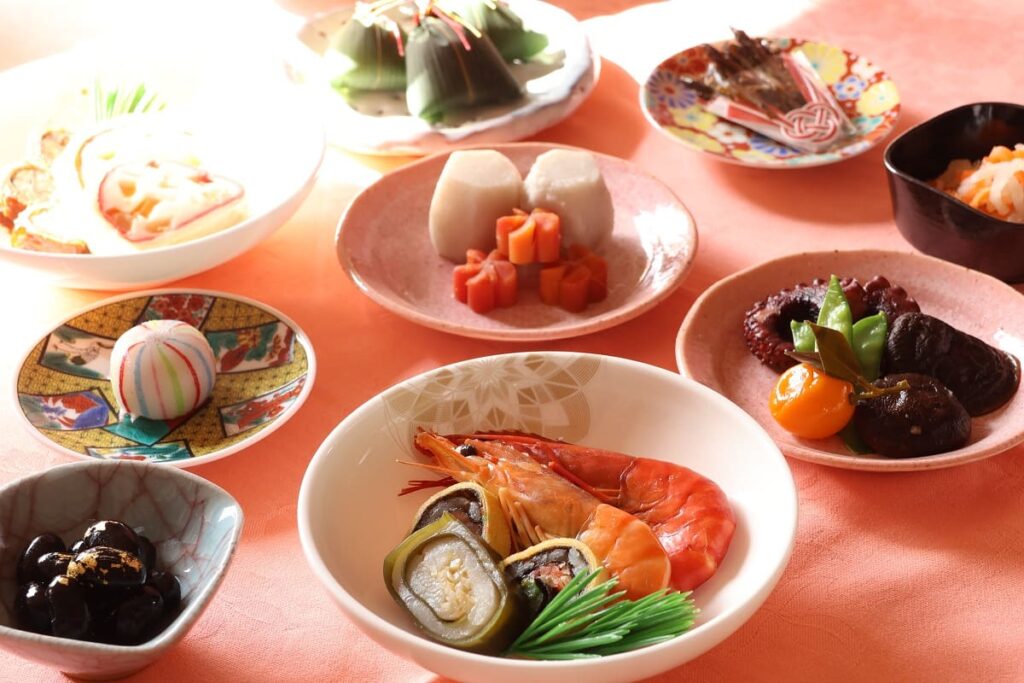
For holidays, anniversaries, or meaningful gifts, consider:
- Arita porcelain plates
- Kutani art bowls
- Decorative statement pieces
These elevate any dining experience and make unforgettable gifts.
Why Japanese Pottery Is So Popular Worldwide
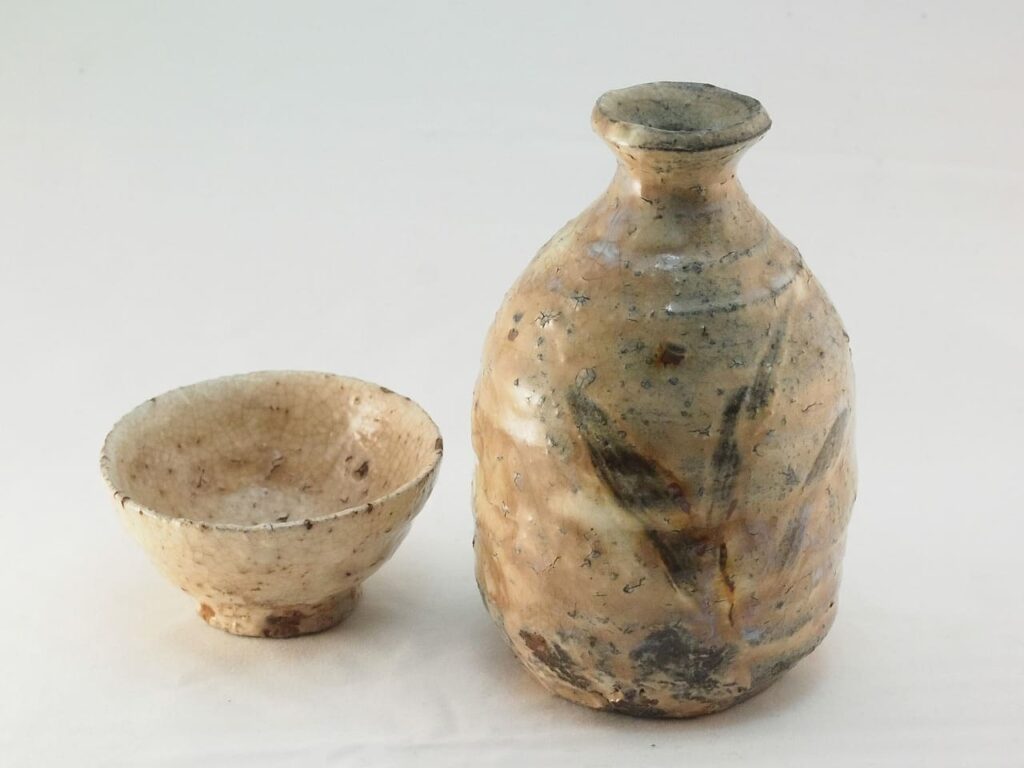
Japanese ceramics have gained global attention because they offer:
- Minimalist elegance
- Deep cultural heritage
- Artisan craftsmanship
- Instagram-worthy aesthetics
With the growing popularity of matcha, sushi culture, and Japanese interior design, authentic Japanese tableware continues to attract global buyers.

My personal recommendation would be tableware inspired by karesansui (Japanese dry landscape gardens). I’d love to own a set someday.



Frequently Asked Questions About Japanese Pottery
- QWhat is the difference between Japanese pottery and porcelain?
- A
Pottery is made from clay and has a warmer, softer texture.
Porcelain is made from refined materials, fired at higher temperatures, and is harder and whiter.
- QIs Japanese pottery microwave safe?
- A
It depends on the product.
Many Mino ware pieces are microwave-safe, but porcelain with gold decoration (such as some Arita or Kutani pieces) may not be.Always check the manufacturer’s instructions.
- QIs Japanese pottery a good gift?
- A
Absolutely.
Arita porcelain and Kutani ware are especially popular as elegant, culturally meaningful gifts.
Final Thoughts about Japanese pottery
Japanese pottery transforms an ordinary meal into an experience.
It’s not just about eating —
it’s about appreciating craftsmanship, seasonality, and mindful living.
Whether you choose minimalist Mino ware for daily life or luxurious Arita porcelain for special occasions, you’re bringing a piece of Japan into your home.

If you are interested in Japan, you may love this game!
Let’s play!

Yes! Let’s play!

Comments