









Lanterns, or tōrō in Japanese, are traditional lighting fixtures often seen in gardens, temples, and shrines. Their elegant design and soft glow create a uniquely Japanese atmosphere. More than just practical lighting, lanterns carry cultural and spiritual significance, symbolizing prayer, remembrance, and connection to nature.
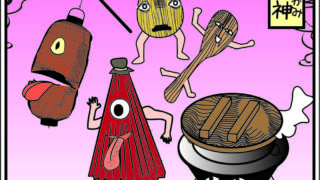
Interestingly, Tōrō also appear in the game Nioh 2, where they enhance the game’s Japanese ambiance. Additionally, the game introduces a lantern-inspired yokai, Koroka, adding a spooky yet fascinating element.
In this article, we’ll explore the types of Tōrō, their materials and uses, the traditional tōrō nagashi (floating lantern ceremony), and how they’re represented in Nioh 2.
What Are Tōrō?
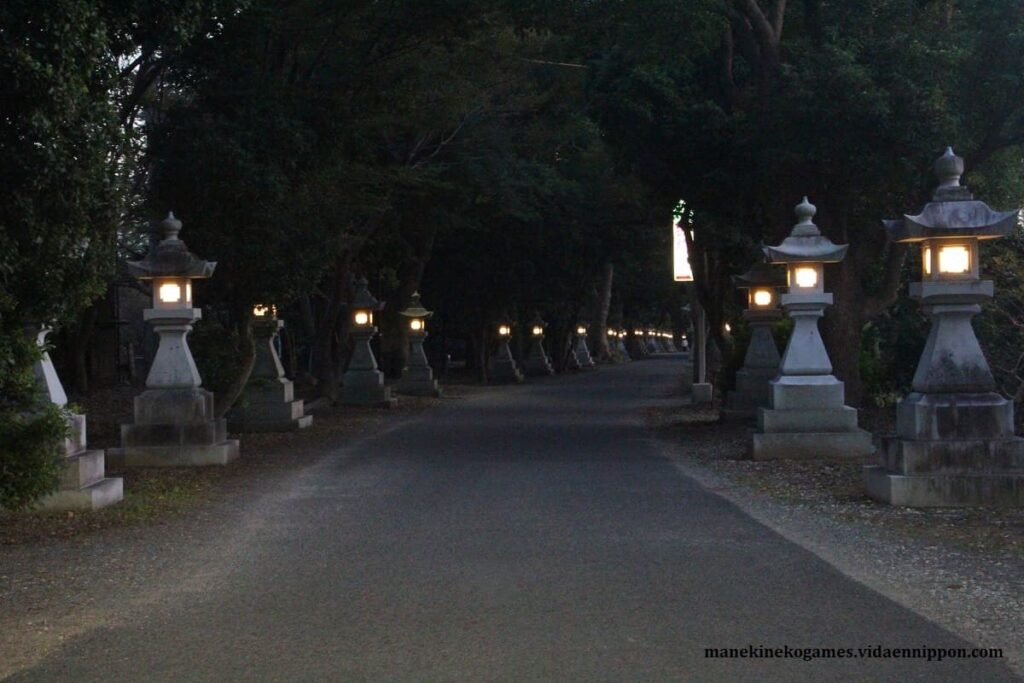
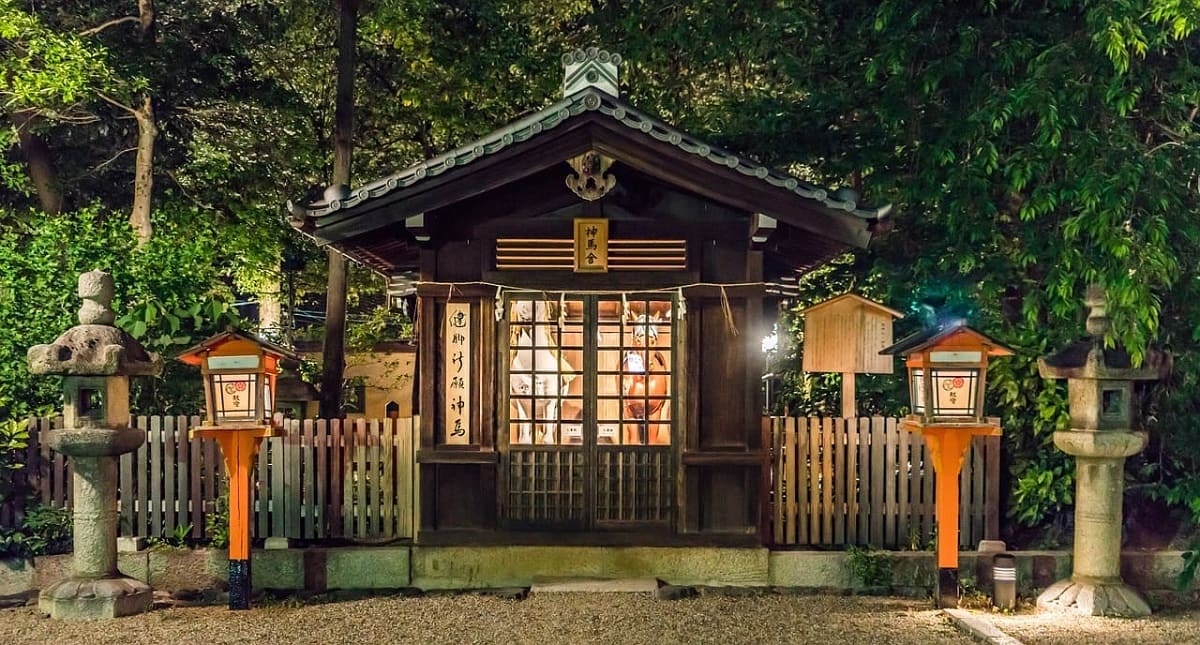
Tōrō are traditional Japanese lighting fixtures with origins dating back to the introduction of Buddhism from China. Originally used to illuminate temple paths and altars, they have since evolved into decorative and symbolic elements in Japanese culture.
Materials Used in Tōrō
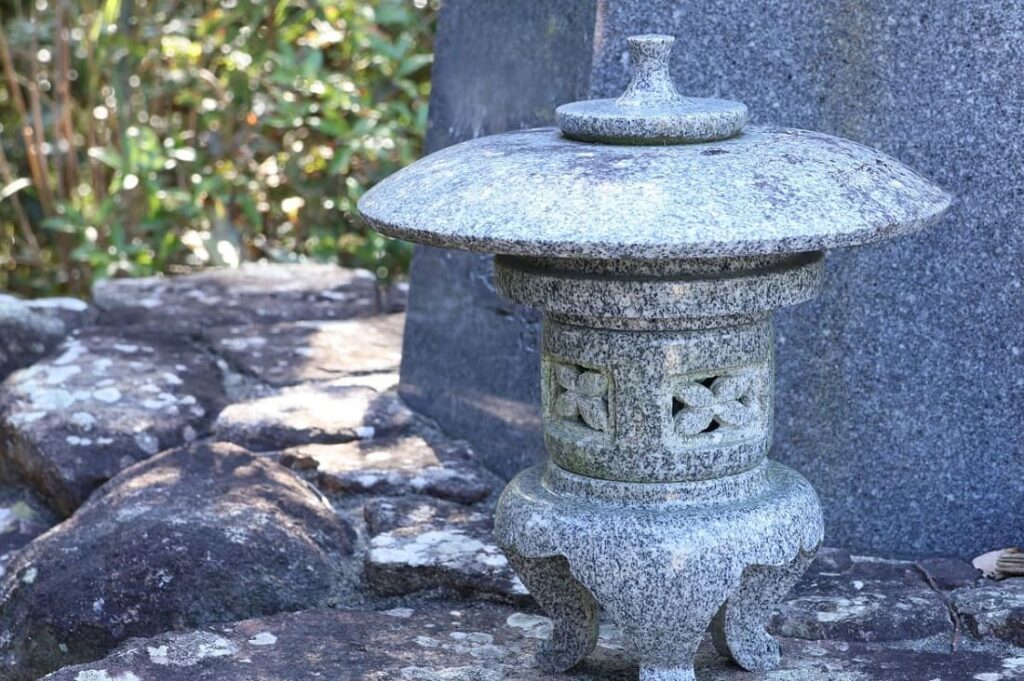
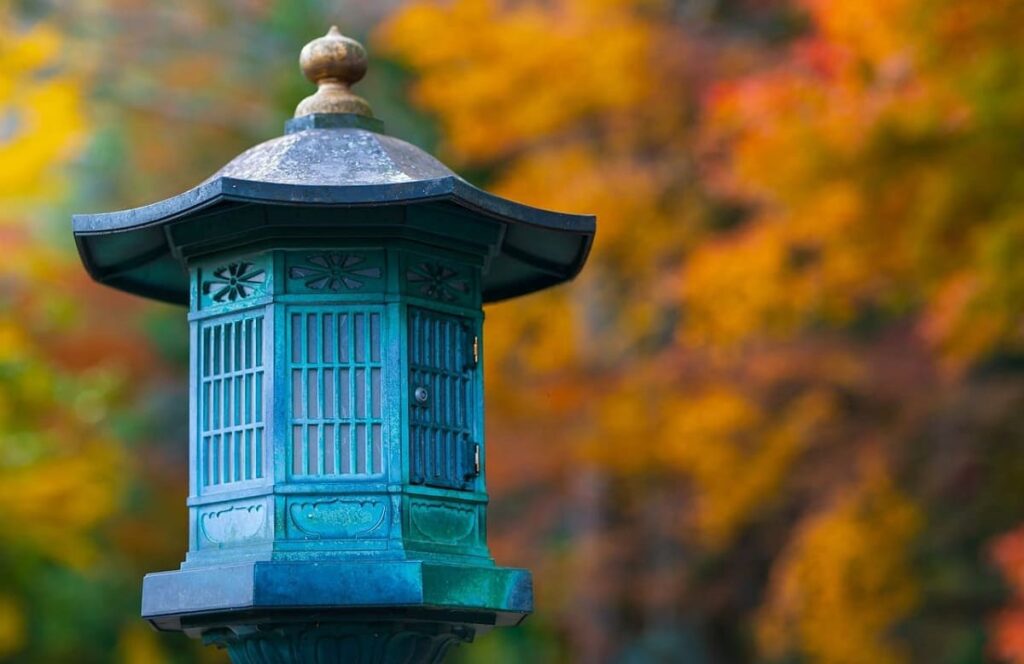
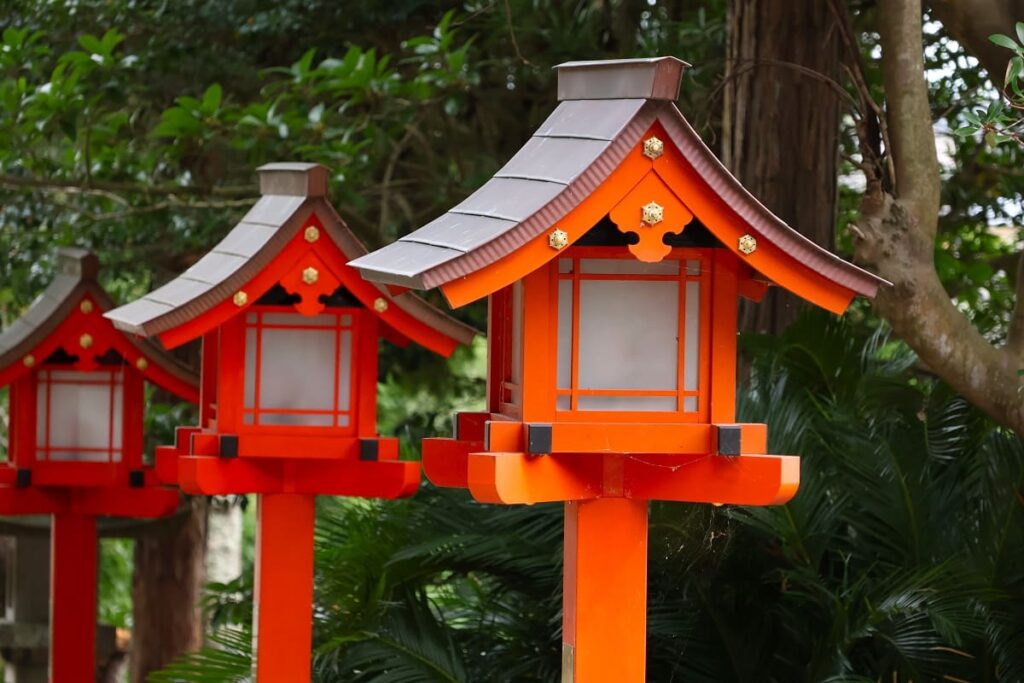
Tōrō are crafted from a variety of materials, each suited to specific purposes:
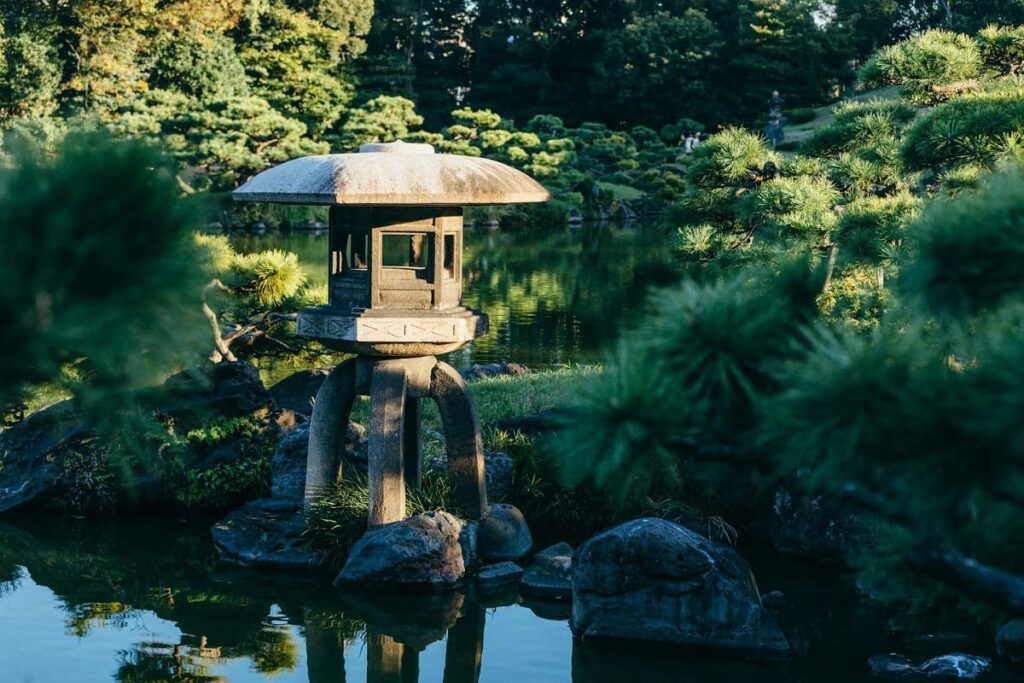
- Stone (Stone Lanterns): Commonly found in gardens and temples, these durable lanterns exude a sense of permanence and elegance.
- Metal (Copper Lanterns, etc.): Often used at temple or shrine entrances, offering durability against the elements.
- Wood (Wooden Lanterns): Lightweight and versatile, frequently used in festivals and events.
- Paper (Paper Lanterns): Known for their soft light, these lanterns are popular in homes and ceremonies.
Uses of Tōrō
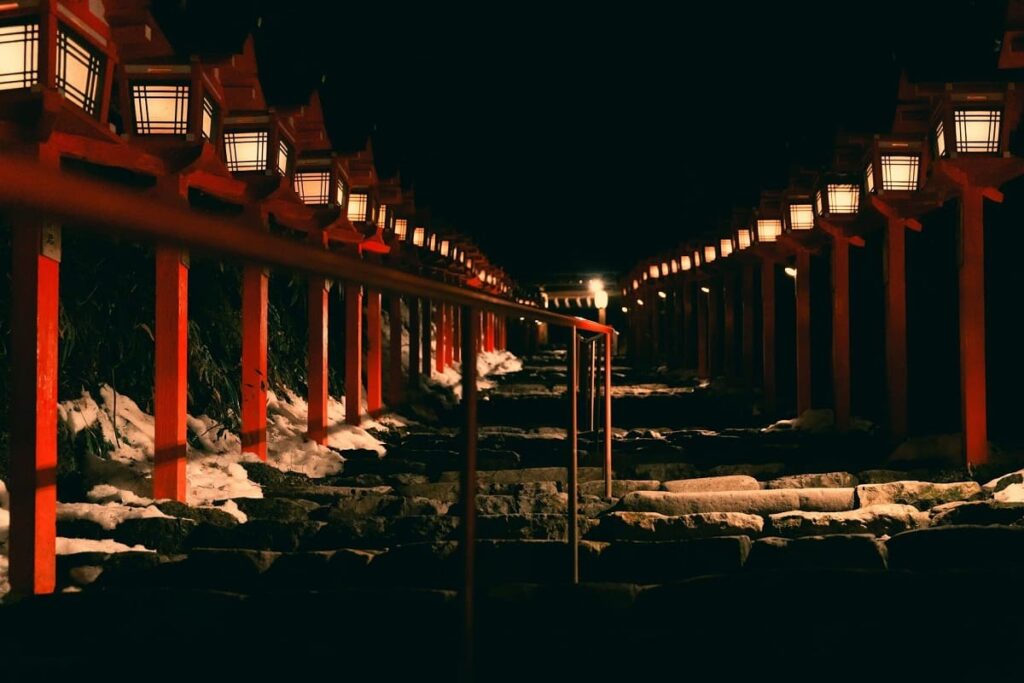
Initially a practical lighting source, lanterns have taken on broader roles over time:
- Garden Decorations: Integral to traditional Japanese gardens, enhancing their beauty and tranquility.
- Festivals and Events: Tōrō illuminate sacred spaces during religious and cultural celebrations.
- Spiritual Symbolism: Tōrō represent the guiding light for spirits and prayers for peace or prosperity.
What Is Tōrō Nagashi?
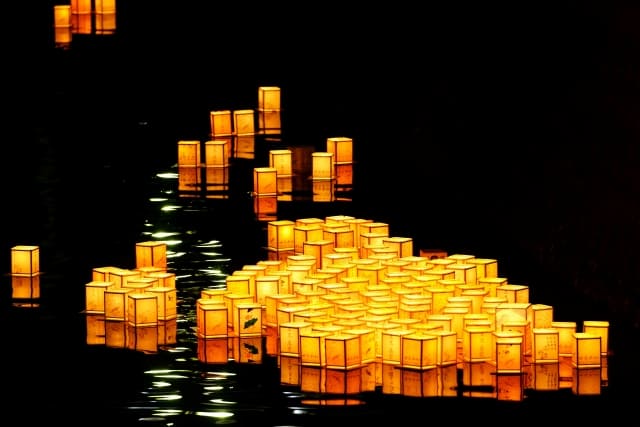
Tōrō nagashi is a traditional ceremony where paper lanterns are floated down rivers or into the sea to honor the deceased. This event often takes place during Obon, a time when spirits of ancestors are believed to return to the living world.
The ceremony carries deep meaning:
- Remembrance: The floating lanterns guide the spirits of the deceased, ensuring they find their way to the afterlife.
- Prayer: Participants pray for the health and happiness of their families.
- Community Bonding: Many regions hold tōrō nagashi as part of local festivals, fostering communal ties and preserving traditions.
One famous tōrō nagashi event takes place at Hiroshima’s Peace Memorial Park, offering a moment of reflection and peace.
Tōrō and Koroka in Nioh 2
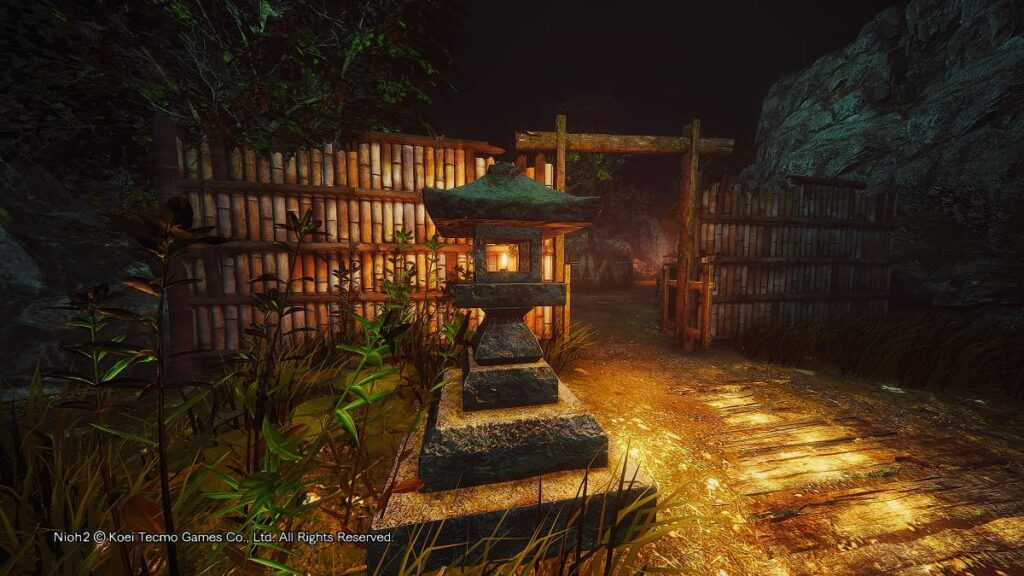
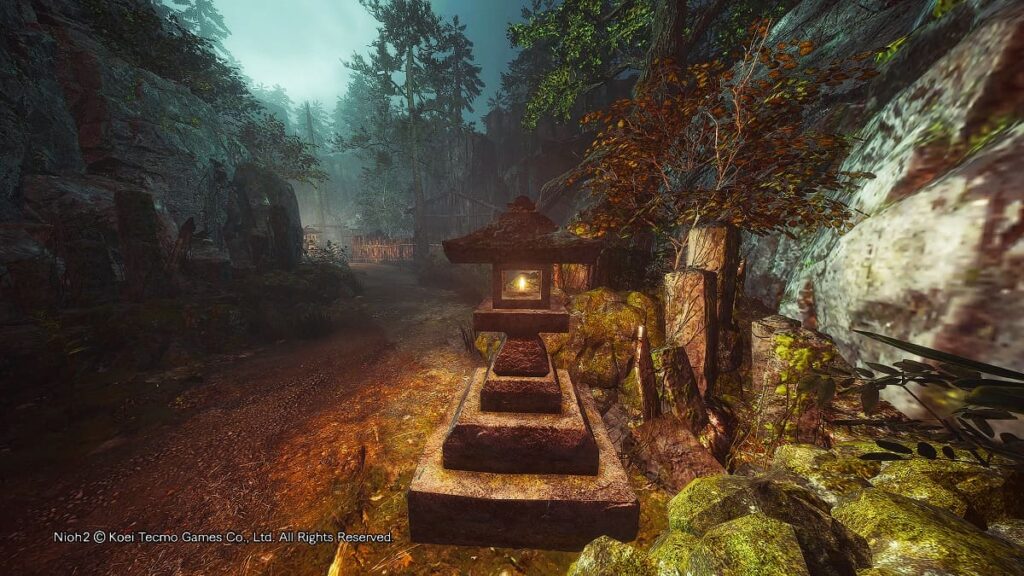
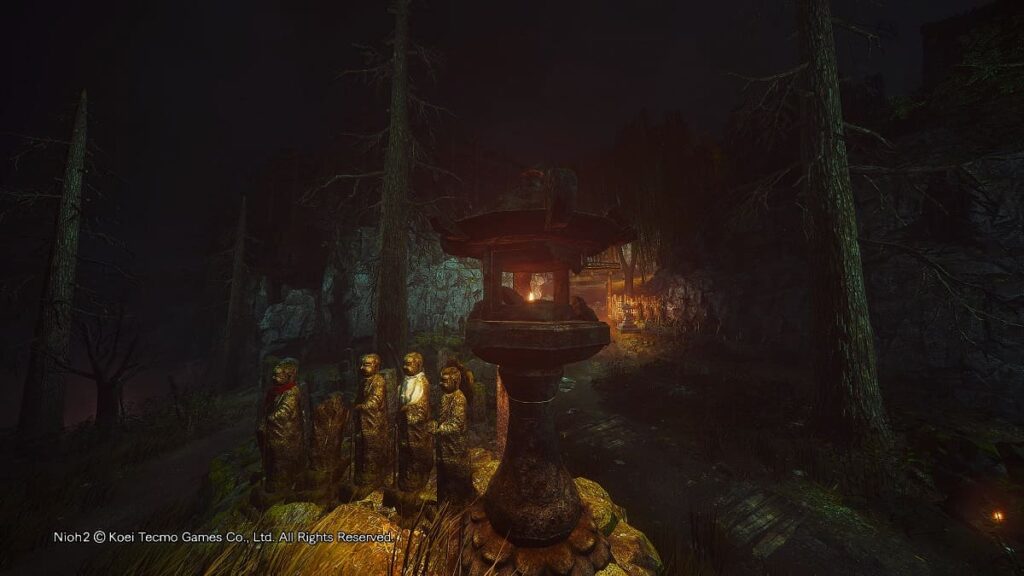
In Nioh 2, Tōrō are scattered throughout various scenes, adding depth and authenticity to the game’s Japanese aesthetic. Moreover, players encounter a lantern-inspired yokai known as Koroka.
This yokai is said to inhabit abandoned or long-unused Tōrō, manifesting as a glowing specter. In the game, Koroka emits an eerie light and challenges players, embodying the spirit of traditional Japanese ghost stories. Nioh 2 successfully brings this element of Japanese folklore to life, blending it seamlessly with its gameplay.
We have an article about Koroka as well. If you want to know about Koroka more, please read this article, too.

Japanese lanterns Tōrō FAQs
- QAre Tōrō still used in modern Japan?
- A
Yes! Stone lanterns are staples in gardens and shrines, while modern versions of paper or LED lanterns are widely used in festivals and events.

You can buy LED tōrō at Rakuten Ichiba.
This store has Global express service.


- QWhere can I experience tōrō nagashi?
- A
Many regions in Japan host tōrō nagashi events, but the Hiroshima Peace Memorial Park’s ceremony is particularly famous and moving.
Conclusion
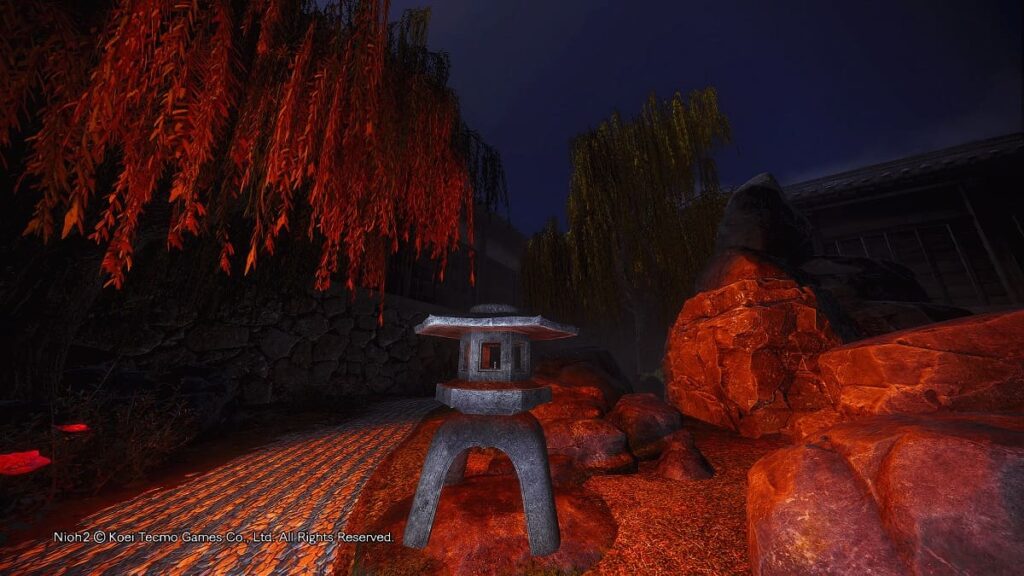
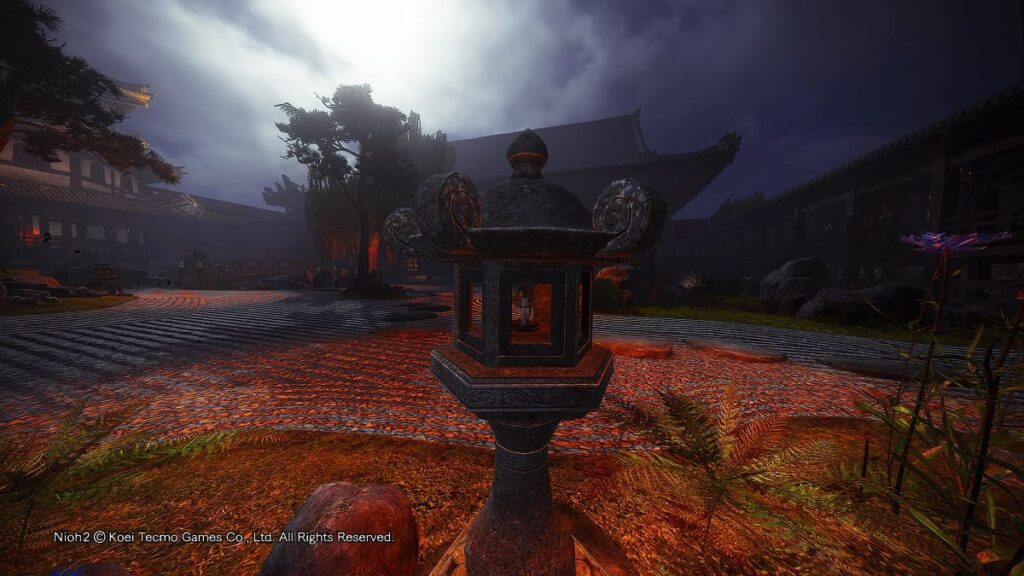
Lanterns are more than just lighting fixtures; they are a vital part of Japanese tradition, representing beauty, spirituality, and cultural heritage. Whether as stunning garden ornaments, heartfelt offerings during tōrō nagashi, or captivating features in Nioh 2, lanterns continue to illuminate Japan’s past and present.
Next time you see a lantern, take a moment to appreciate the rich history and culture it represents. And if you haven’t played Nioh 2, it’s a fantastic way to explore Japanese culture through a different lens!

Oh By the way! If you are interested in Yokai or in Japanese Culture and you are a gamer, you may love these games!
Let’s play!

Yes! I can’t wait to play these games!
Let’s Play!






Comments