





When people think of summer, they often picture sunny beaches, fireworks, and family vacations.
In Japan, however, summer has another unforgettable tradition—horror.
Many Japanese people grow up listening to ghost stories, visiting haunted houses at summer festivals, taking part in kimodameshi (tests of courage), and watching scary TV specials during school vacation. Even as adults, many still enjoy spending a hot summer evening in a cool room while watching a chilling horror movie.
But why has horror become such an important part of Japanese summer? And what makes Japanese horror so different from the horror films many people know from Hollywood?
In this article, we’ll explore the unique world of Japanese horror, the culture behind it, and five classic movies that every horror fan should watch.
Why Do Japanese People Enjoy Horror in Summer?
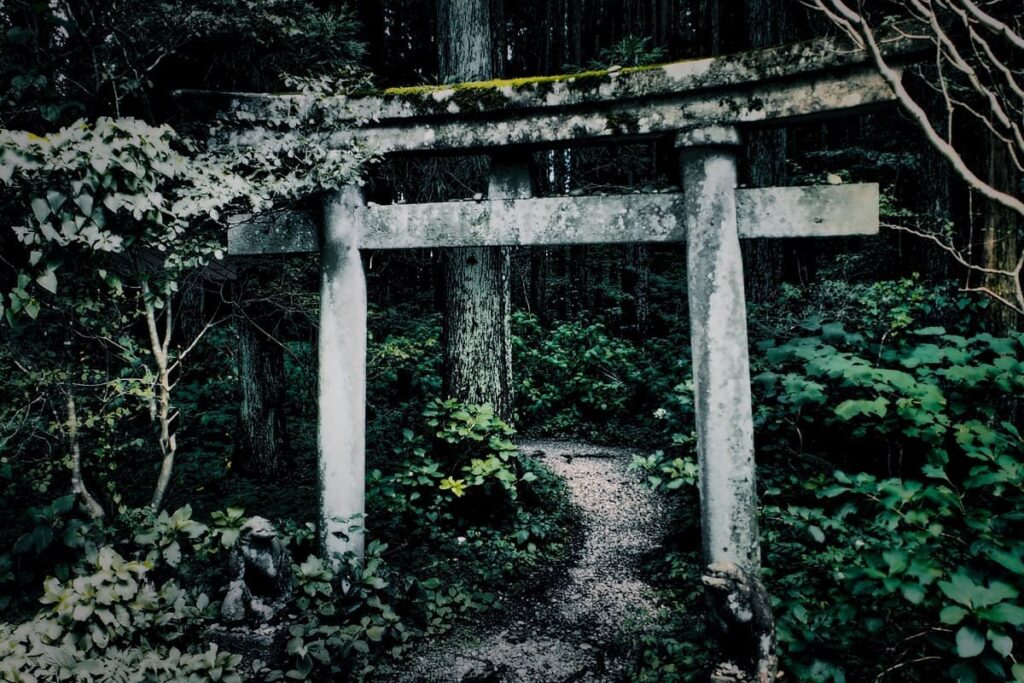
To many people outside Japan, the connection between summer and ghost stories may seem surprising.
One popular explanation is simple: fear makes you feel cold.
Long before air conditioners became common, people believed that listening to frightening stories could send chills down their spine and help them forget the summer heat—even if only for a moment.
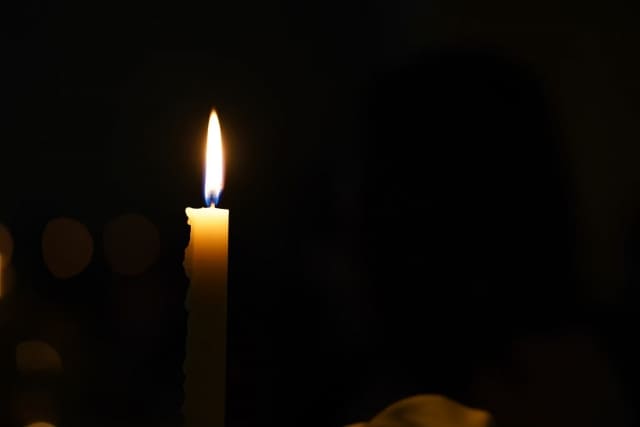
This tradition became especially popular during the Edo period (1603–1868), when people gathered to tell ghost stories in a game called Hyakumonogatari Kaidankai (“The Gathering of One Hundred Ghost Stories”). Participants would light one hundred candles and extinguish one after each story. As the room became darker, the atmosphere grew increasingly eerie.
Even today, horror remains part of Japanese summer culture. During the season, television stations often air horror specials, summer festivals feature haunted houses, and many families and friends enjoy watching scary movies together.
For many Japanese people, summer isn’t just the season of fireworks and festivals—it’s also the season of ghost stories.

When I was a child, I loved telling ghost stories with my friends and cousins during summer vacation. We’d bring books filled with scary stories and take turns reading them one by one. They were so frightening that we’d completely forget about the summer heat! The only downside was that later that night, I’d remember those stories and be too scared to go to the bathroom by myself.
What Makes Japanese Horror Different?
Japanese horror, often called J-Horror, focuses less on shocking moments and more on creating a lingering sense of unease.
Instead of relying on sudden jump scares or graphic violence, Japanese horror slowly builds tension through silence, atmosphere, and psychological fear.

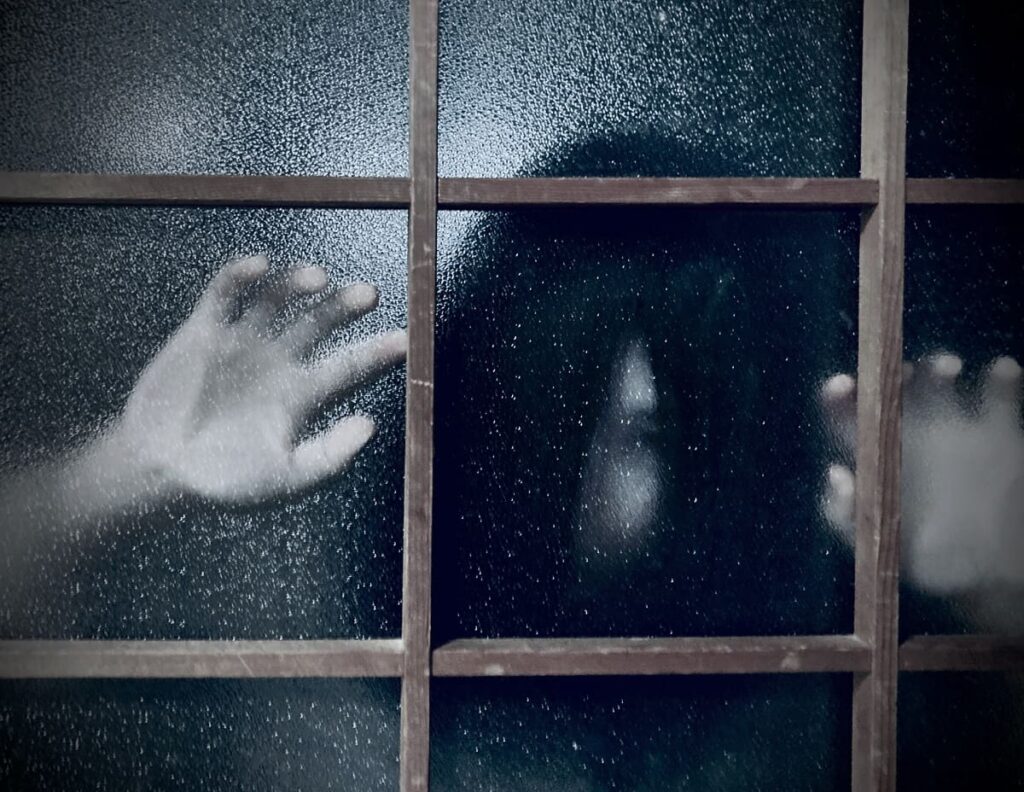
One of the creepiest things about Japanese horror is that ghosts often appear silently in the background or the corner of the screen. So keep your eyes open—you don’t want to miss them!
Many stories leave questions unanswered, allowing viewers’ imaginations to become part of the horror itself.
Here’s a simple comparison:
| Japanese Horror | Western Horror |
|---|---|
| Psychological fear | Physical danger |
| Slow-building tension | Fast-paced action |
| Tragic ghosts | Monsters or killers |
| Silence and atmosphere | Loud jump scares |
| Emotional sadness | Graphic violence |
| Unanswered mysteries | Clear explanations |
Neither style is better than the other—they simply aim to create fear in different ways.

I enjoy Western horror movies too, but if I had to pick a favorite, it’d be Annabelle: Creation.
Why Are Japanese Ghosts So Scary?
One reason Japanese horror feels unique is its connection to traditional beliefs.
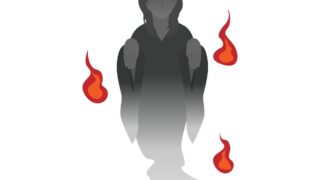
Many famous ghost stories feature yūrei (ghosts) or onryō (vengeful spirits). These spirits are often ordinary people who died while carrying deep emotions such as anger, sadness, jealousy, or regret.
Rather than attacking randomly, they are usually driven by unresolved feelings that continue after death.
These ideas are deeply connected to Japanese folklore, Buddhism, and Shinto traditions, where the boundary between the world of the living and the spirits is often portrayed as surprisingly close.
Because of this cultural background, Japanese horror is often just as tragic as it is frightening.
5 Japanese Horror Movies You Should Watch
If you’re curious about Japanese horror, these five films are excellent places to start.
1. Ringu (1998)
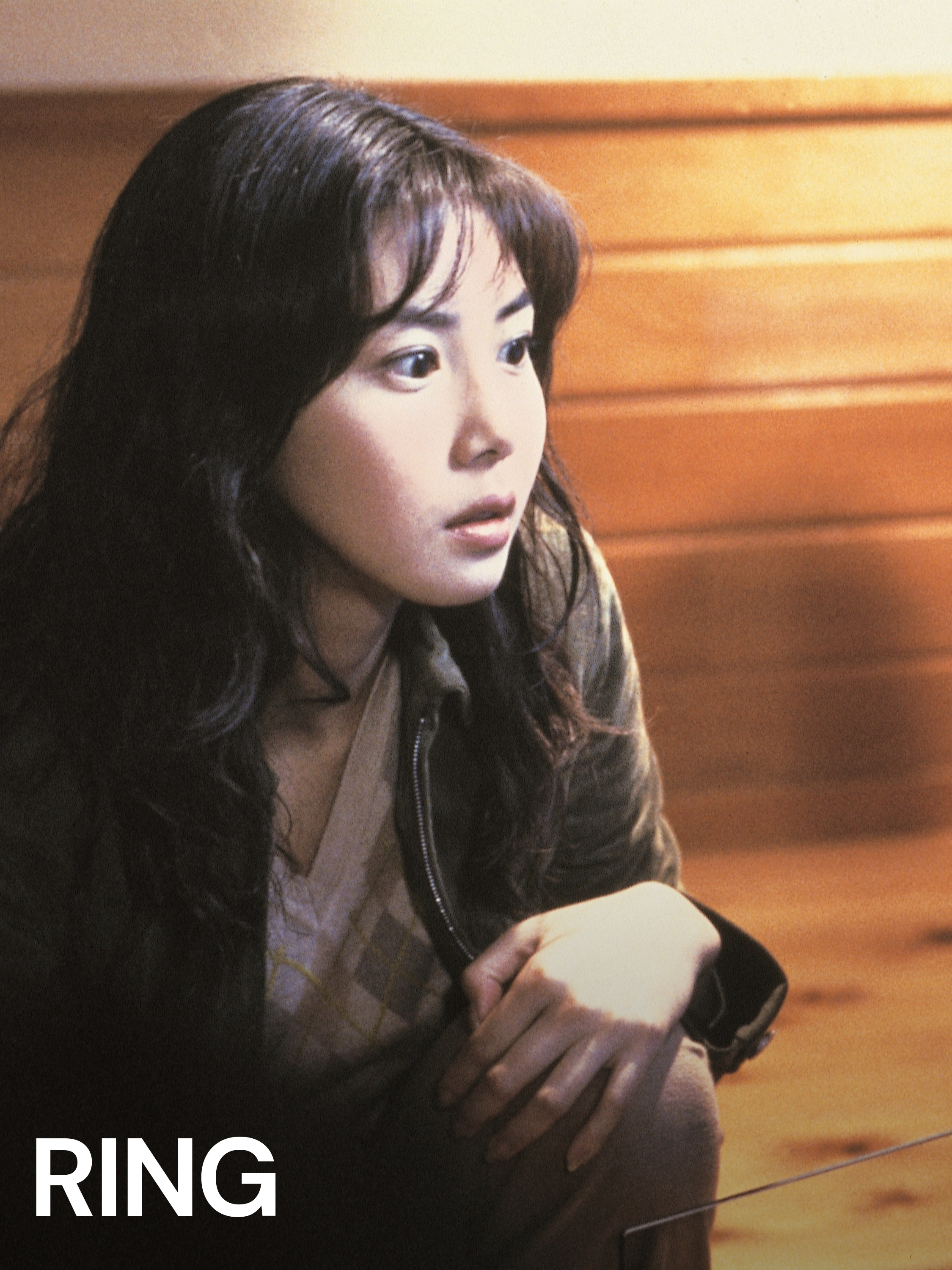

Perhaps the most famous Japanese horror film ever made, Ringu introduced the world to Sadako, the ghost who emerges from a television screen after viewers watch a cursed videotape.
Its quiet atmosphere and unforgettable ending inspired numerous international remakes and helped launch the global popularity of J-Horror.

The Ringu series has always been my favorite. If you’re new to Japanese horror, it’s the perfect place to start!
2. Ju-on: The Grudge (2002)
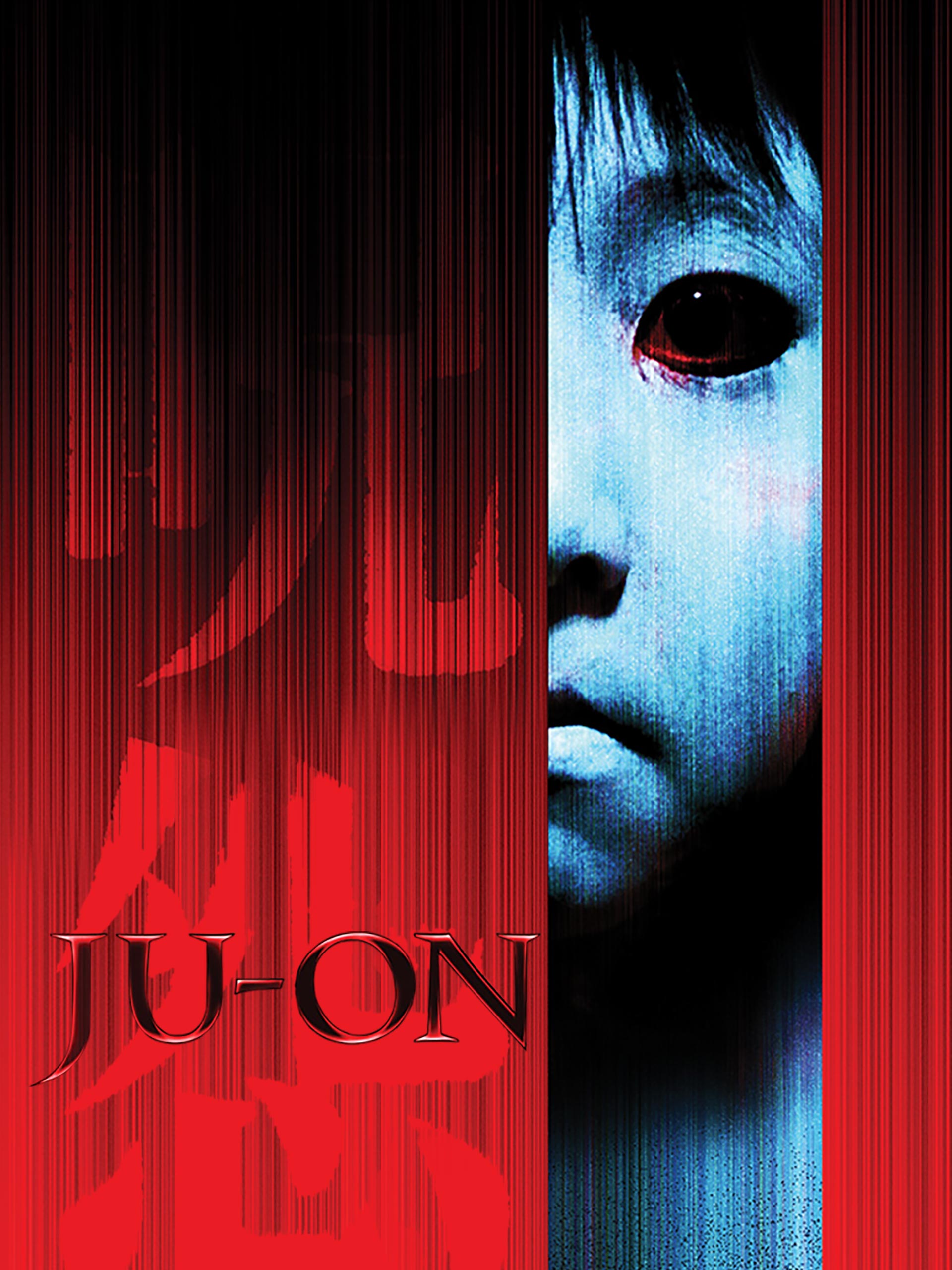

Instead of focusing on one victim, Ju-on tells the story of a house consumed by a powerful curse.
Anyone who enters the house becomes part of its terrifying cycle, creating one of the most unsettling horror films ever produced.
3. One Missed Call (2003)
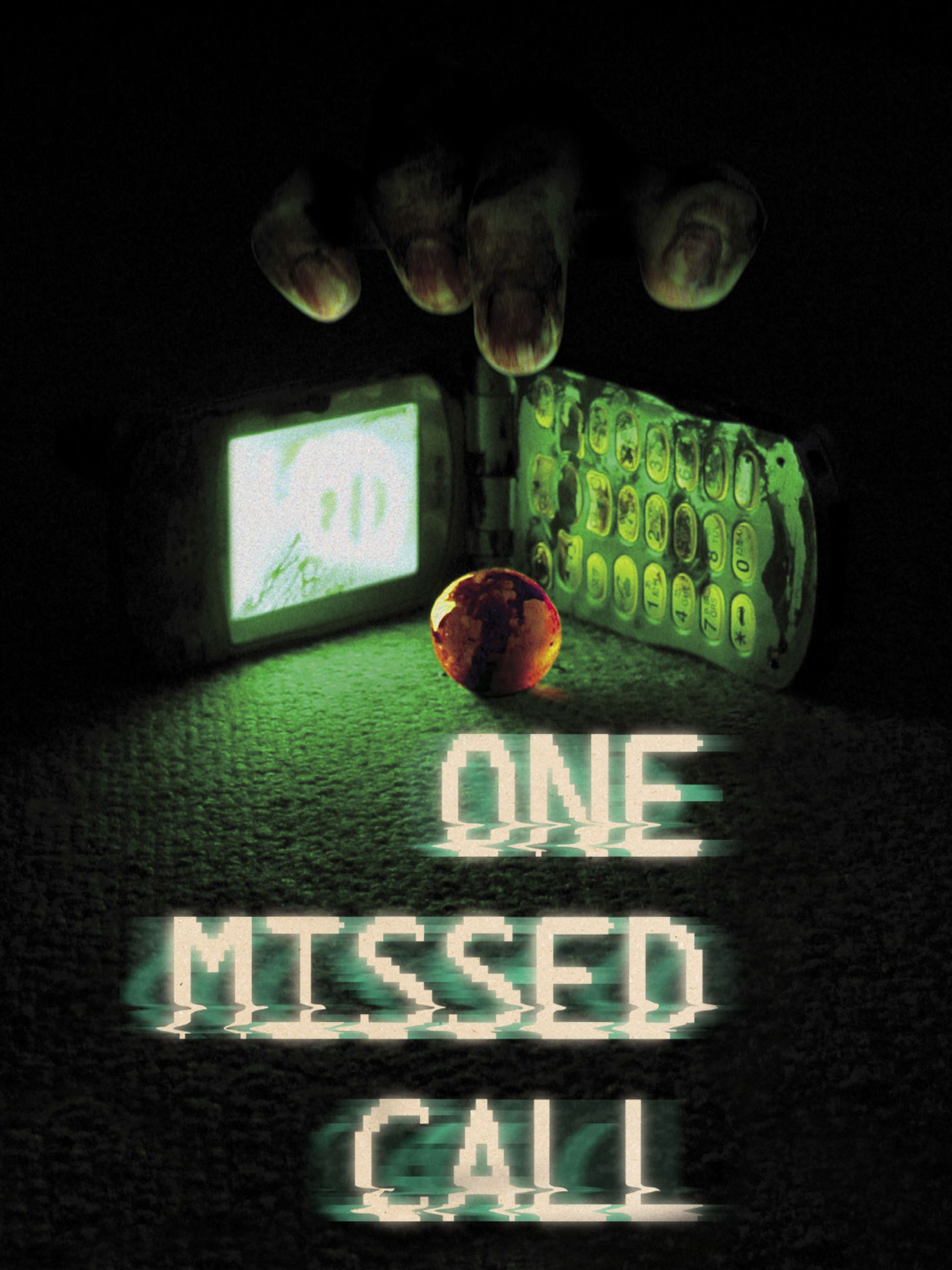

Imagine receiving a voicemail from… your future self.
This supernatural thriller turns something as ordinary as a mobile phone into a source of terror, showing how modern technology can become part of a ghost story.

Oh, this one is one of my favorites! I love the sound of the ringtone so much! I sometimes use it for some people in my contacts!
4. Noroi: The Curse (2005)
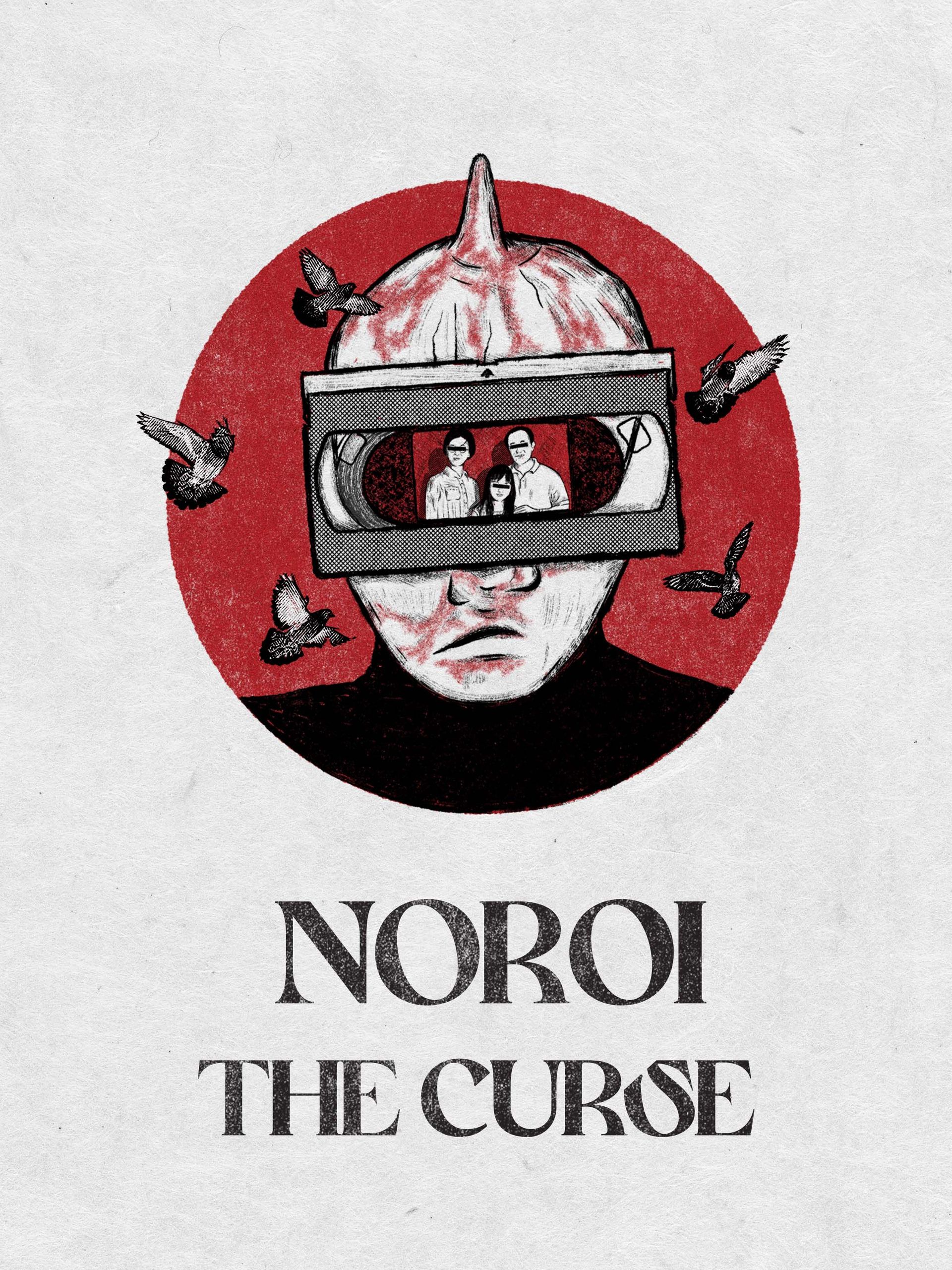

Presented like a documentary, Noroi slowly pieces together strange incidents, disappearances, and ancient folklore.
Its realistic style makes many viewers question where fiction ends and reality begins.
5. Dark Water (2002)
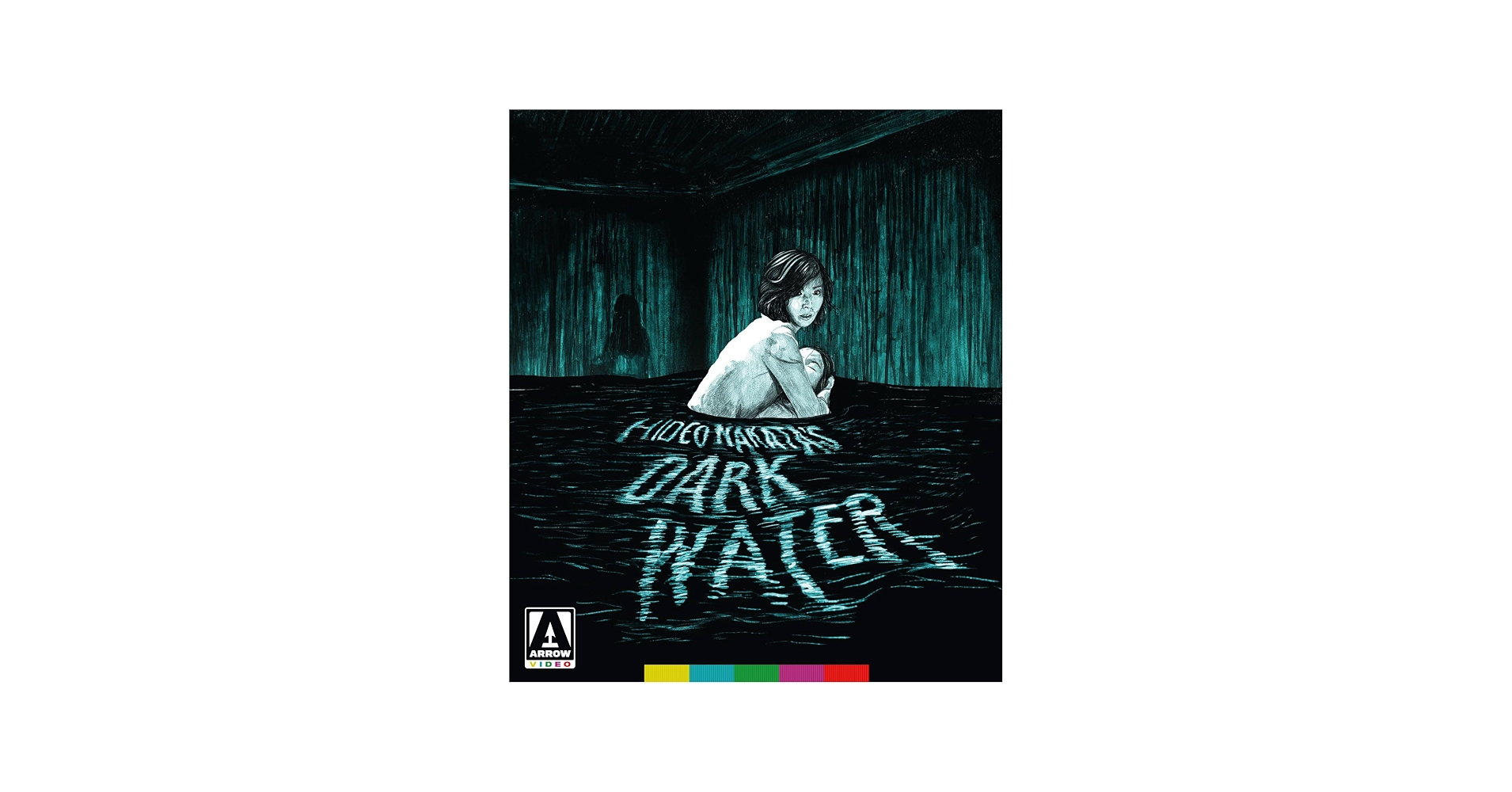

Unlike many horror films, Dark Water combines supernatural fear with an emotional story about family, loneliness, and motherhood.
The result is both heartbreaking and deeply unsettling.

Dark Water is a horror movie, but it’s about much more than being scary. It’s an emotional story that stays with you long after it ends
Why Japanese Horror Has Fans Around the World
Although deeply rooted in Japanese culture, J-Horror has gained devoted fans across the globe.
Many viewers appreciate its slower pace, emotional storytelling, and unforgettable atmosphere. Instead of frightening audiences only during the movie, Japanese horror often leaves them thinking long after the credits roll.
This unique style has influenced filmmakers around the world and inspired numerous Hollywood remakes.

Someday, I’d love to host a Japanese horror movie night with people who love J-horror as much as I do!
Explore More Japanese Folklore
If you enjoyed learning about Japanese horror, you may also like exploring Japan’s rich world of folklore.
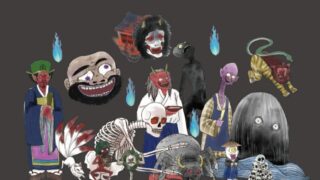
Many horror stories are connected to traditional ghosts, mysterious yokai, haunted places, and legends that have been passed down for centuries.
Understanding these cultural backgrounds makes Japanese horror even more fascinating.
Final Thoughts about Japanese horror
Japanese horror is more than a collection of scary movies.
It reflects centuries of folklore, spiritual beliefs, and storytelling traditions that continue to shape Japanese culture today.
Whether you’re watching Ringu for the first time or discovering lesser-known classics like Noroi, you’ll soon notice that Japanese horror isn’t simply about making people scream.
It’s about creating a feeling that quietly stays with you long after the movie ends.
So this summer, why not turn off the lights, prepare a cool drink, and experience Japanese horror for yourself?
Comments