








If you’ve traveled through Japan, you’ve probably noticed small Jizo statues quietly standing beside roads, in temple grounds, or even deep in the mountains.
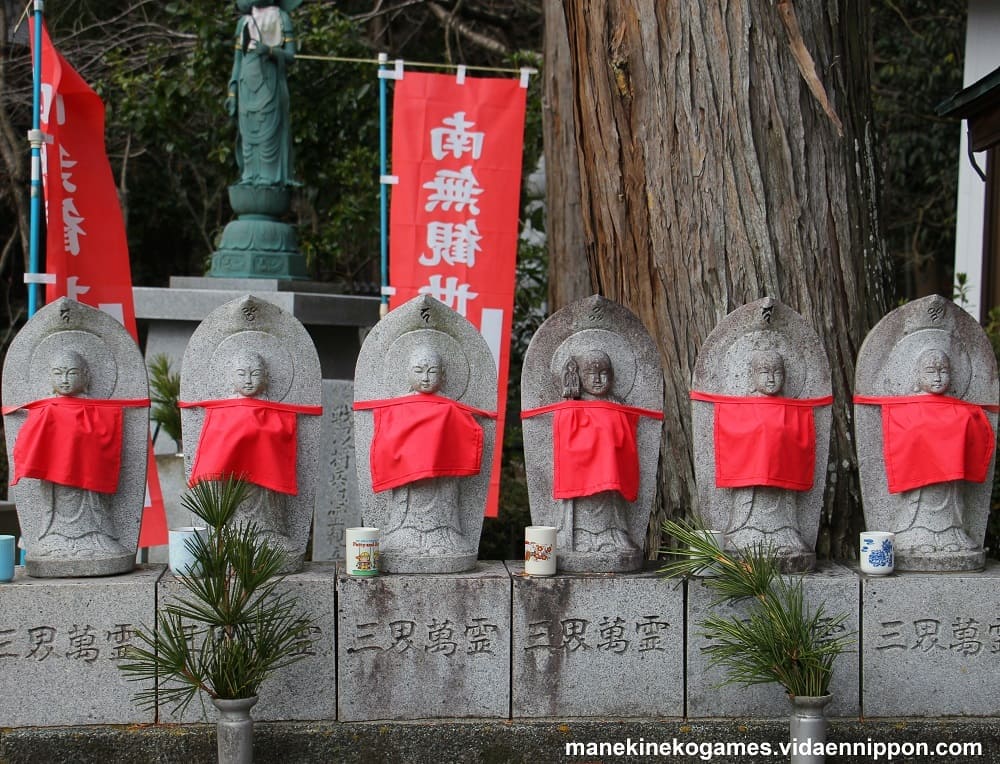
Jizo statues, known as “Ojizo-san” in Japan, are familiar Buddhist figures commonly found all over the country, especially along roadsides, in temples, and cemeteries. They are deeply revered for their role in protecting people, especially children, and offering guidance to those in need.
Jizo is not just a religious statue; it’s a compassionate figure that has long provided comfort to people, easing their suffering. Over time, Jizo has become embedded in Japanese culture, even influencing modern media and entertainment.
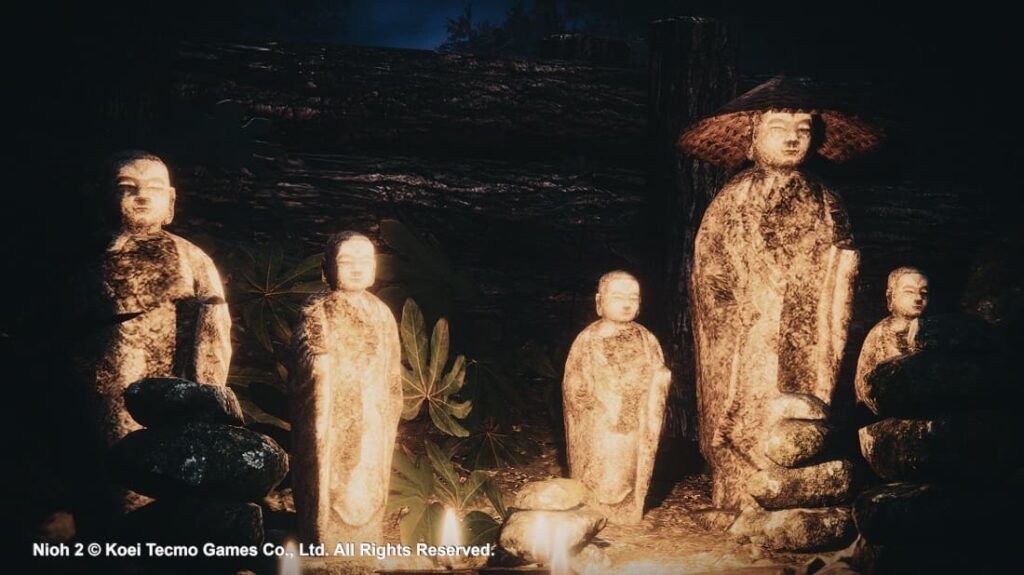
Interestingly, Jizo statues also appear in modern video games. In Nioh 2, an action RPG set in Japan, players can spot Jizo statues during their journey along mountain paths or rural roads. In this article, we’ll explore the history and role of Jizo, as well as its appearance in Nioh 2.
What is a Jizo Statue?
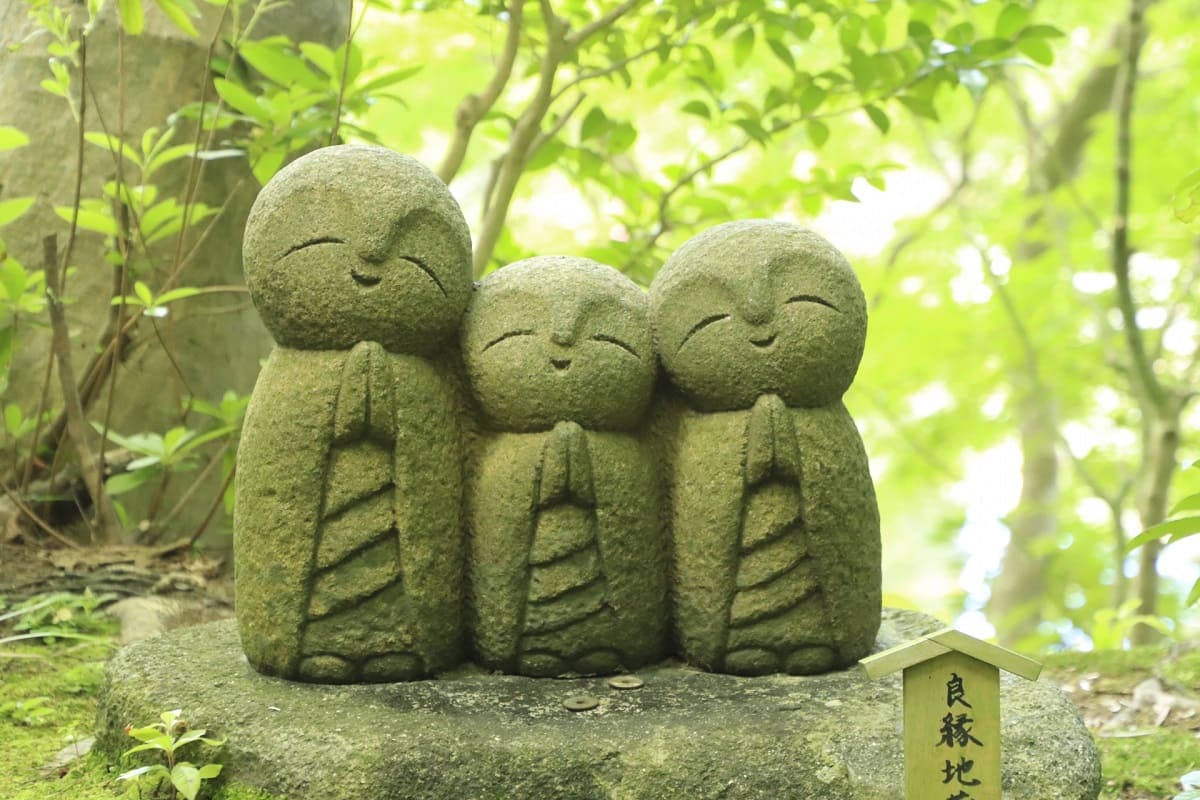

Today, let’s explore the world of Jizo, the beloved stone statues you’ll see all over Japan!
The History of Jizo Statues
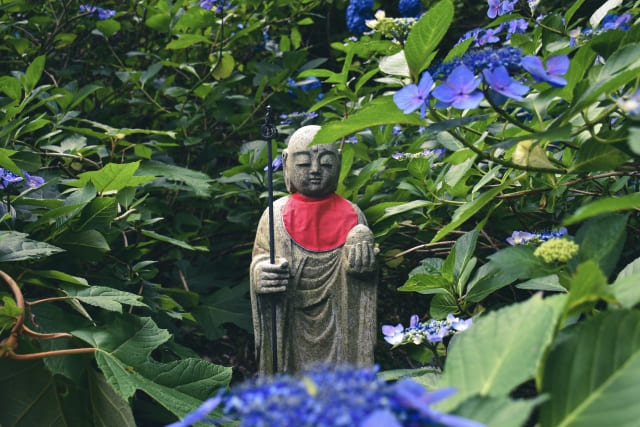
The origin of Jizo statues dates back to India and the teachings of Buddhism. Jizo Bodhisattva is one of the figures who are believed to save souls suffering in the afterlife. As Buddhism spread to Japan, Jizo worship became widespread, and from around the Heian period (794-1185), Jizo statues began appearing across Japan.

I didn’t realize Jizo actually originated from Buddhism.
During the Kamakura period (1185-1333), Jizo worship gained further traction as people sought salvation for their souls after death. Jizo, in particular, became associated with the protection of children, and the faith surrounding these statues grew stronger, especially among parents praying for the safety of their children.
The Role of Jizo
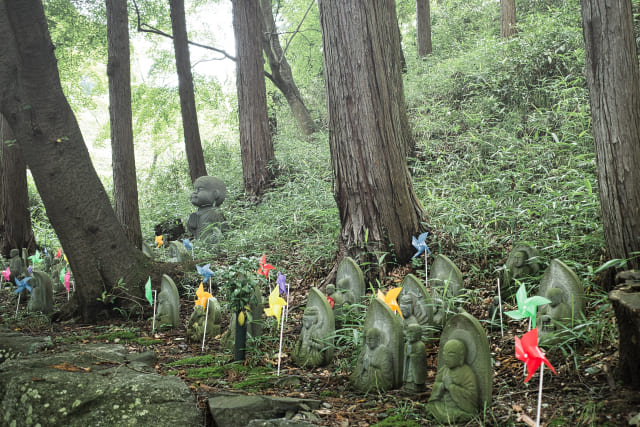
Jizo is known for his role in alleviating suffering and protecting people, especially children and travelers. He is said to travel through the six realms of existence (Hell, Hungry Ghosts, Animals, Ashura, Humans, and Devas) to save those suffering in each realm.
In Japan, Jizo statues are often revered by mothers praying for their children’s safety. If a child passes away at a young age, parents may parents may pray to Jizo to ensure their child’s soul finds peace. This belief continues to this day, and many Jizo statues are placed in locations where people can offer prayers for the well-being of their children.
Why Do Jizo Statues Wear Red Bibs?
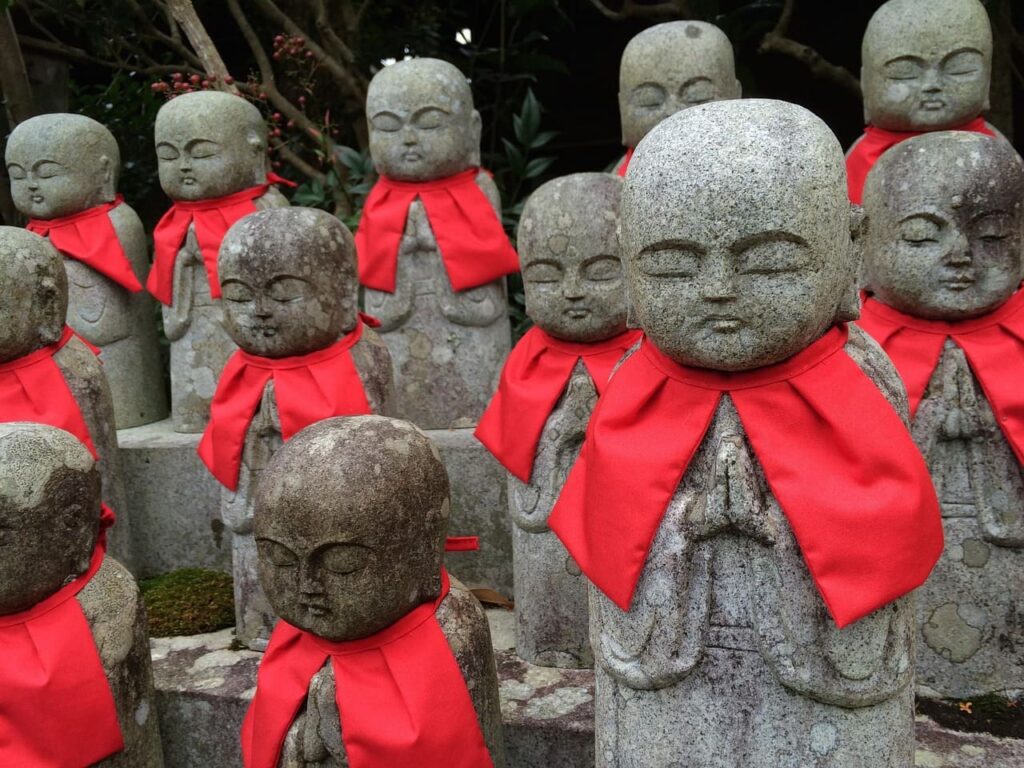
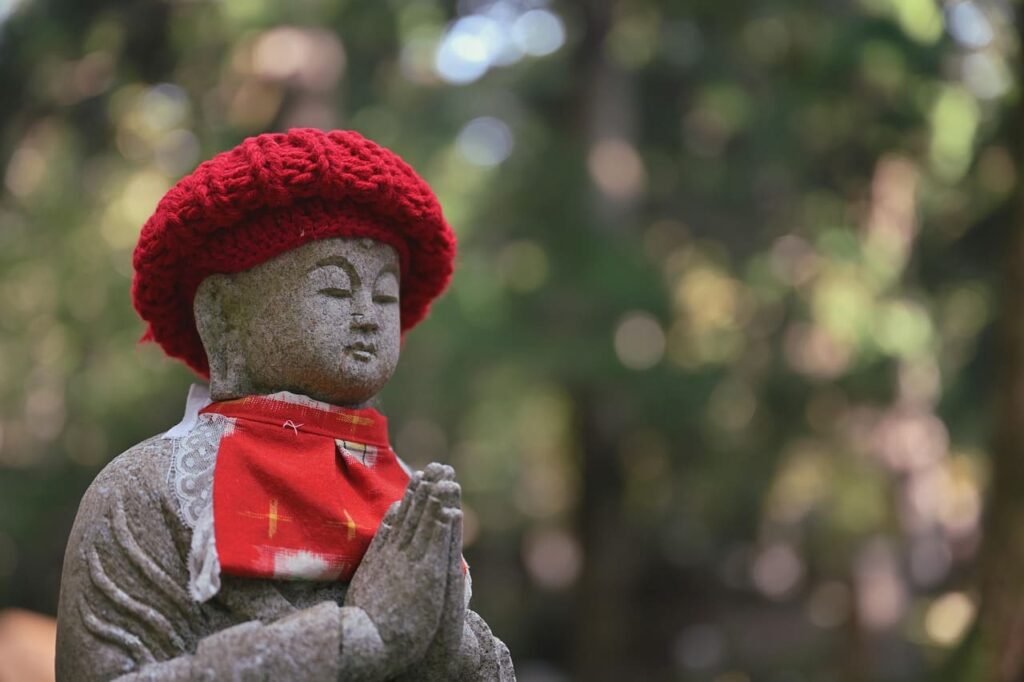
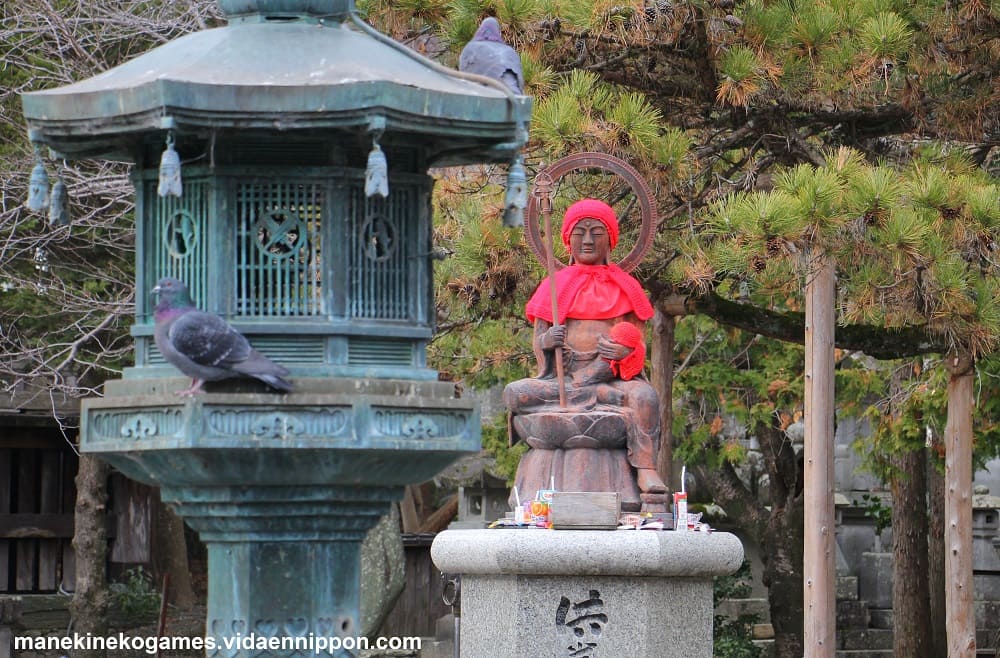
One of the first things visitors notice about Jizo statues in Japan is the bright red bib placed around their necks.
There isn’t just one explanation for this tradition, but several beautiful beliefs have been passed down through generations.
Red has long been considered a protective color in Japan. People believed it could ward off evil spirits, illness, and misfortune.
Because Jizo is known as the protector of children, parents often place a red bib on a statue while praying for their children’s health, safety, and happiness.
Red bibs are also commonly offered in memory of children who passed away at a young age. Families dress Jizo with love and gratitude, believing he watches over their children in the afterlife.

Today, many bibs are handmade by local volunteers or donated by worshippers, making each Jizo statue a touching symbol of kindness, hope, and remembrance.
In Japanese culture, red has traditionally been associated with protection against evil spirits and disease. This is one reason babies were once dressed in red, and why many shrines and temples also feature red gates and buildings.
Jizo in Japanese Folktales: The Story of Kasa Jizo
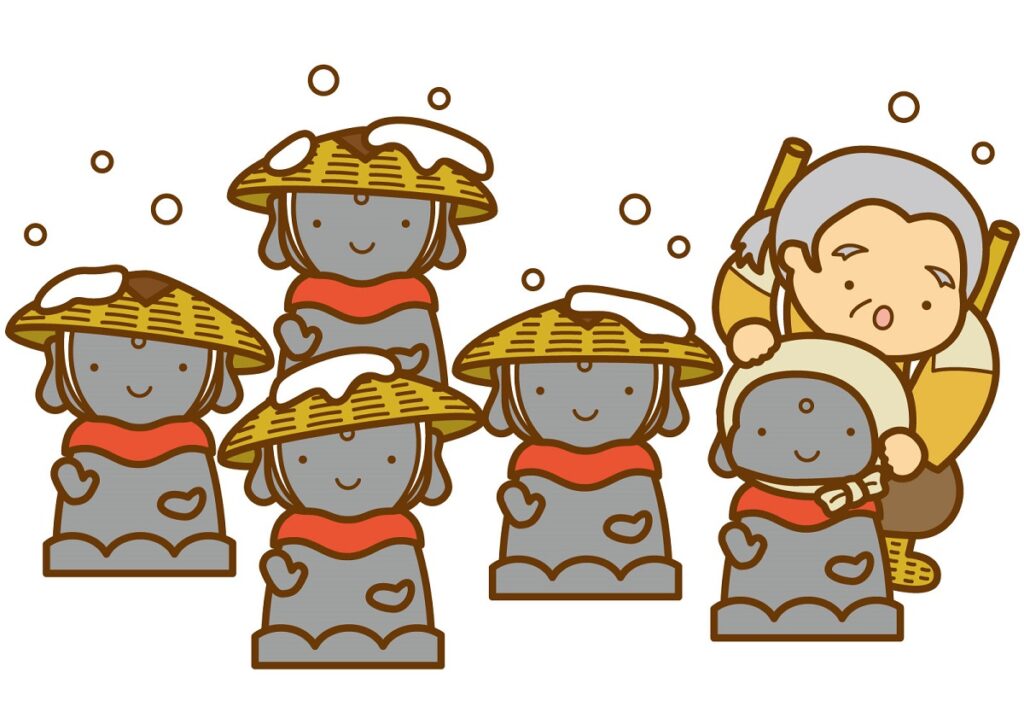
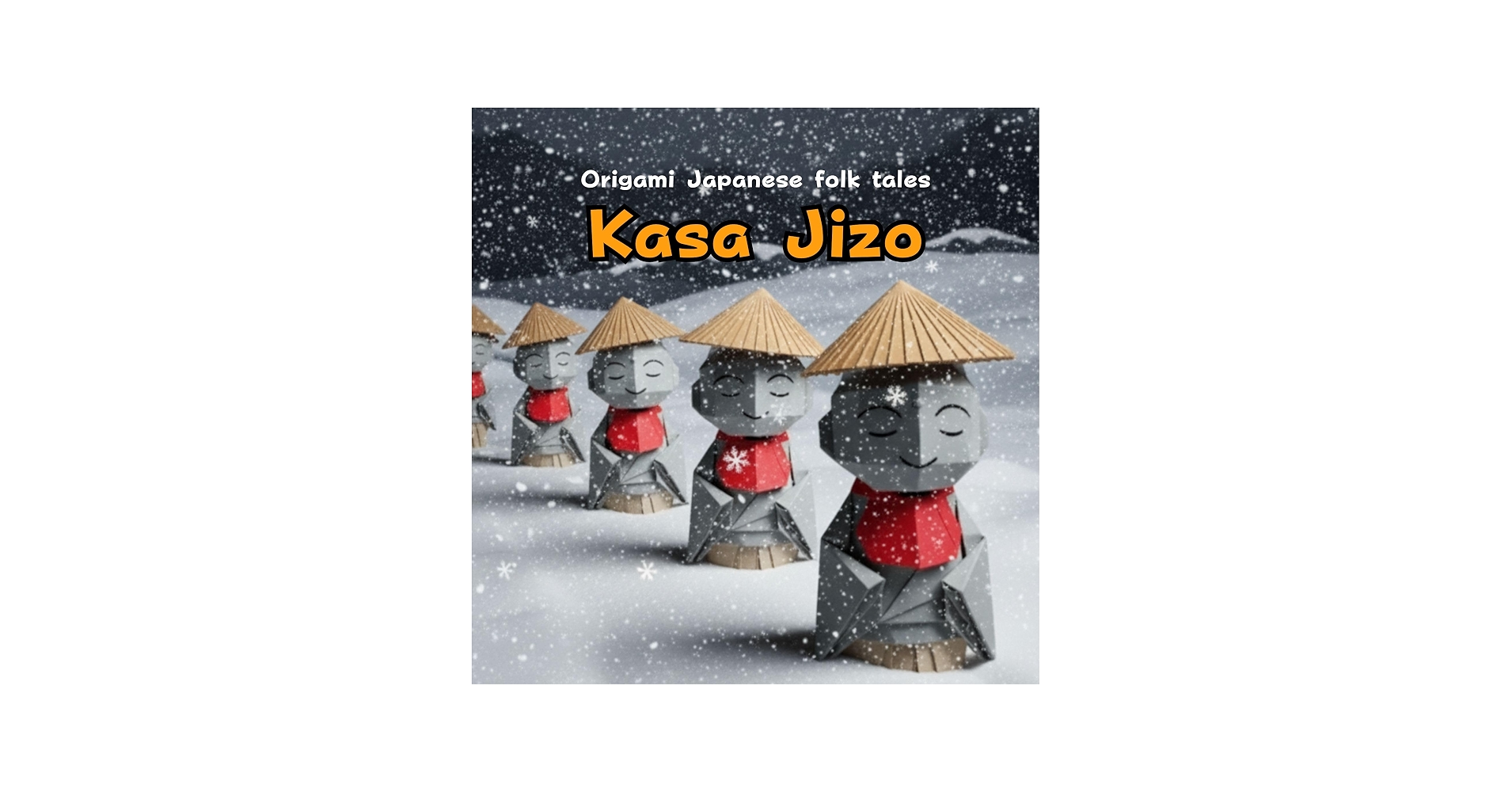
One of Japan’s best-loved folktales featuring Jizo is Kasa Jizo (“The Jizo with Straw Hats”).
The story tells of a poor elderly couple who, unable to sell the hats they made, decided to place them on snow-covered Jizo statues instead, hoping to keep them warm.
That night, the Jizo statues secretly visited the couple’s home and rewarded their kindness with gifts.
The story teaches that compassion and generosity are always rewarded, and many Japanese children grow up hearing this tale.
I still remember reading Kasa Jizo when I was young. Even today, whenever I see rows of Jizo statues wearing hats or bibs, that heartwarming story comes back to me.

I loved the story of Kasa Jizo when I was a child. But I still remember watching it on TV—the scene where the six Jizo statues quietly walked together through the snowy night was just a little scary!

Why Do Japanese People Love Jizo So Much?
For many Japanese people, Jizo is much more than a Buddhist statue.
From an early age, we grow up seeing Jizo statues along roadsides, at temples, in quiet neighborhoods, and even in the mountains. They are such a familiar part of everyday life that many of us hardly notice them until we become adults.
Even people who don’t consider themselves religious often feel that Jizo should be treated with kindness and respect. It’s difficult to explain, but most Japanese would never think of damaging or mocking a Jizo statue.
One reason may be that Jizo has always been seen as a gentle protector—watching over children, travelers, and those who have passed away. Rather than being distant or fearsome, Jizo has long been regarded as a compassionate presence quietly standing beside people throughout their lives.
Perhaps that’s why, even today, a small Jizo statue standing quietly by the roadside can bring a sense of comfort to so many people.
I love Jizo’s kind, gentle face. Whenever I come across one along the Pilgrimage route, I can’t help but feel a little relieved.
Jizo Statues in Nioh 2
Jizo’s Depiction in Nioh 2
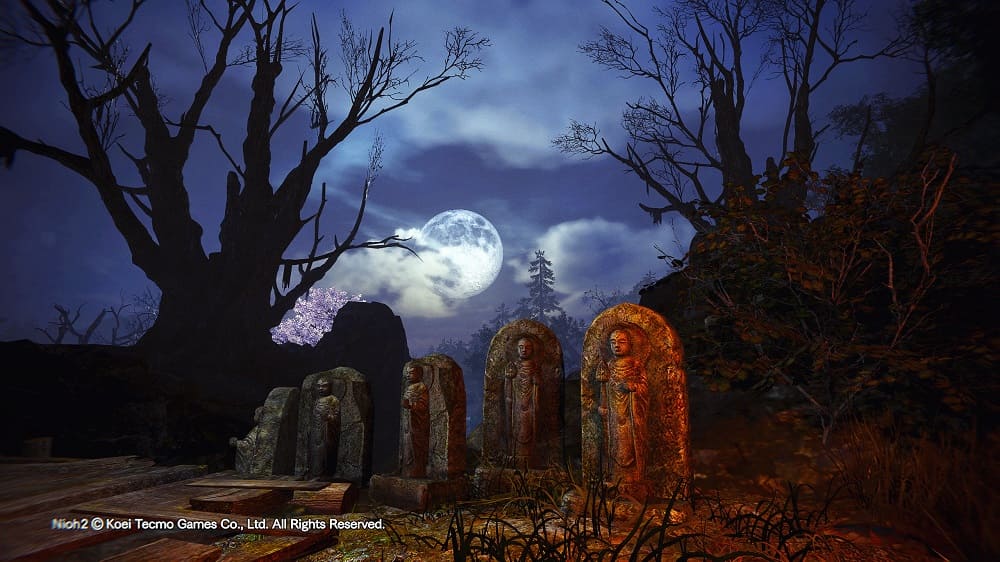
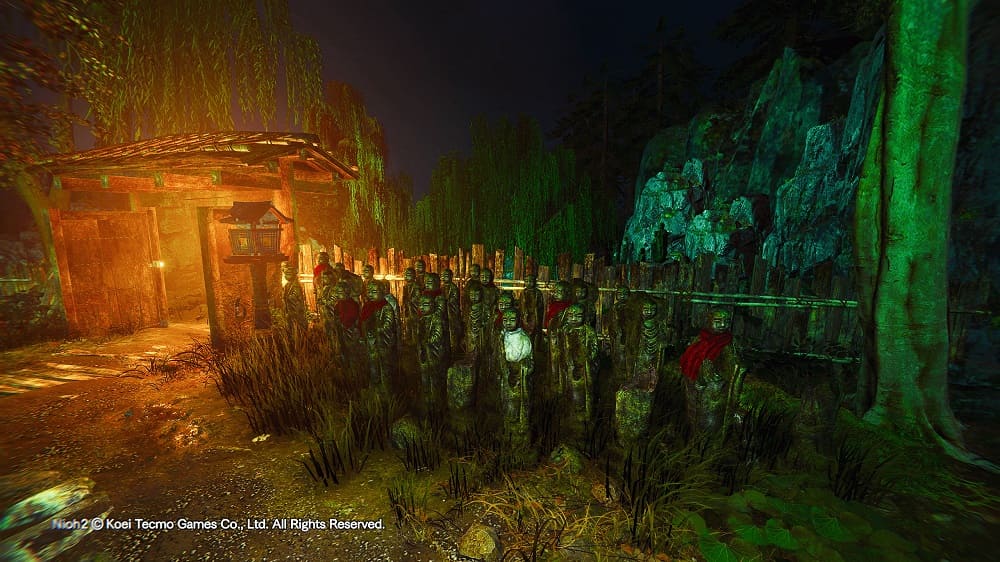
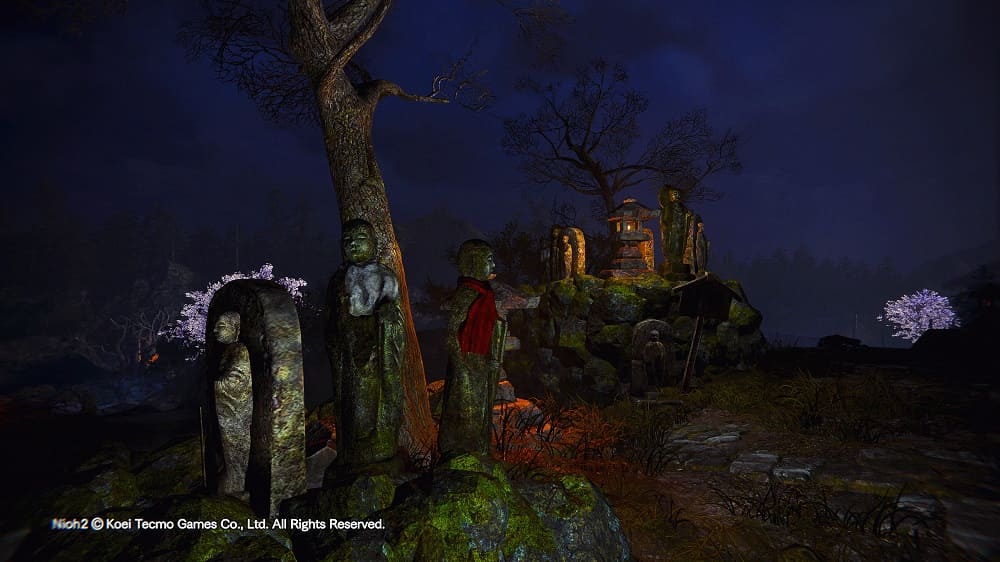
Nioh 2 is an action RPG set during Japan’s Sengoku period, where players can encounter various elements of Japanese culture. One of the notable cultural symbols that appear in the game is the Jizo statue. As players progress through mountain paths or rural roads, they occasionally come across these statues.
The Jizo statues in Nioh 2 are faithful representations of those seen in real-life Japan. Their inclusion helps build an authentic atmosphere, grounding the game’s world in traditional Japanese culture.
The Significance of Jizo’s Appearance in Nioh 2
While the Jizo statues in Nioh 2 don’t serve any direct gameplay purpose, their presence enriches the cultural depth of the game. The statues provide a moment of serenity amidst the intense combat and action, giving players a brief respite and adding to the immersion of traveling through historical Japan.
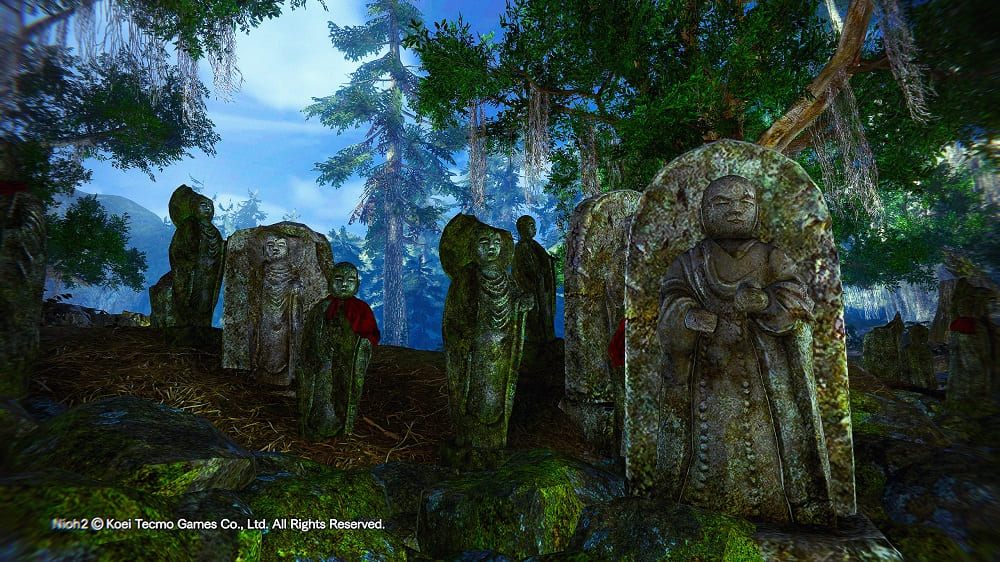
By including these statues, the game reminds players of Japan’s rich cultural and religious history, making the world of Nioh 2 feel even more authentic and historically grounded.
Jizo Q&A
- QWhere can you see Jizo statues in real life?
- A
Jizo statues can be found all over Japan, especially in temples, cemeteries, and along roadsides. They are often placed in locations where people pray for the safety of children or for travelers’ protection.
- QWhat is the significance of Jizo statues in Nioh 2?
- A
In Nioh 2, players come across Jizo statues while traveling through mountain paths or rural roads. Although they don’t play an active role in the game, their presence helps create an authentic atmosphere, connecting the game to traditional Japanese culture.
- QWhy do some Jizo statues wear red bibs?
- A
The red bibs are symbolic of Jizo’s role in protecting children. Parents offer these bibs as prayers for the safety of their children, believing that Jizo will safeguard them.
Final Thoughts about Jizo
Jizo statues have been a deeply revered symbol of compassion in Japan for centuries. They are found throughout the country, with different regions adding their unique touch to Jizo’s image, reflecting local customs and beliefs. Jizo’s compassionate role in protecting children and travelers remains a significant part of Japanese culture.
Moreover, Jizo statues have even found their way into modern entertainment, such as in Nioh 2, where players can spot them along their journey. This demonstrates how deeply rooted Jizo’s image is in Japanese culture, even extending into contemporary media.
Ultimately, Jizo statues serve as more than just religious figures; they continue to offer comfort and protection to people across generations, providing a sense of peace and solace in a changing world.

Oh By the way! If you are interested in Yokai or in Japanese Culture and you are a gamer, you may love these games!
Let’s play!

Yes! I can’t wait to play these games!
Let’s Play!


Comments