




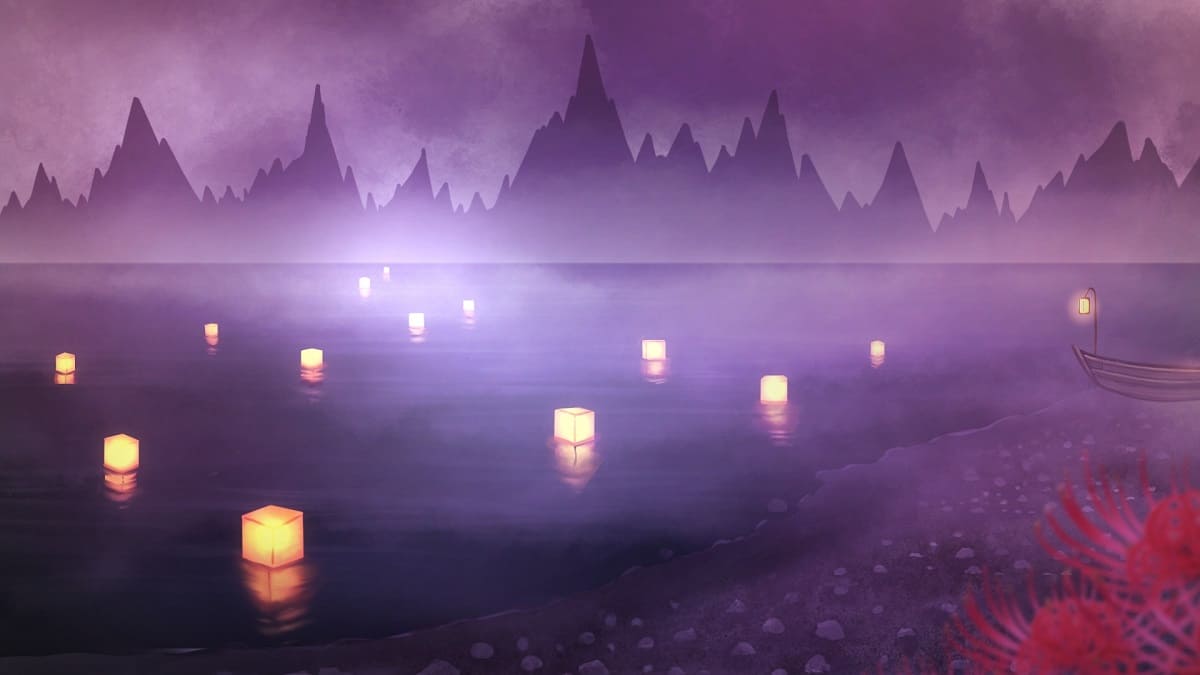
In Japanese beliefs, the dead are said to cross a mysterious river before reaching the afterlife.
This river is called the Sanzu River (Sanzu-no-Kawa), and for centuries, it has appeared in Buddhist teachings, folk tales, funeral traditions, ghost stories, anime, and video games.
To many Japanese people, the Sanzu River is more than just a myth.
It is part of the cultural imagination surrounding death, the soul, and what may await beyond this world.
Often compared to the River Styx of Greek mythology, the Sanzu River represents the boundary between life and death — a place every soul must eventually face.
- What Is the Sanzu River in Japanese Beliefs?
- Why Is It Called “Sanzu” (Three Crossings)?
- The Old Woman Waiting by the River
- Children and the Tragic Legend of Sai no Kawara
- Why Did Japanese People Believe in the Sanzu River?
- The Real-Life River Connected to the Legend
- The Sanzu River in Anime, Games, and Japanese Pop Culture
- Final Thoughts about Sanzu River
What Is the Sanzu River in Japanese Beliefs?
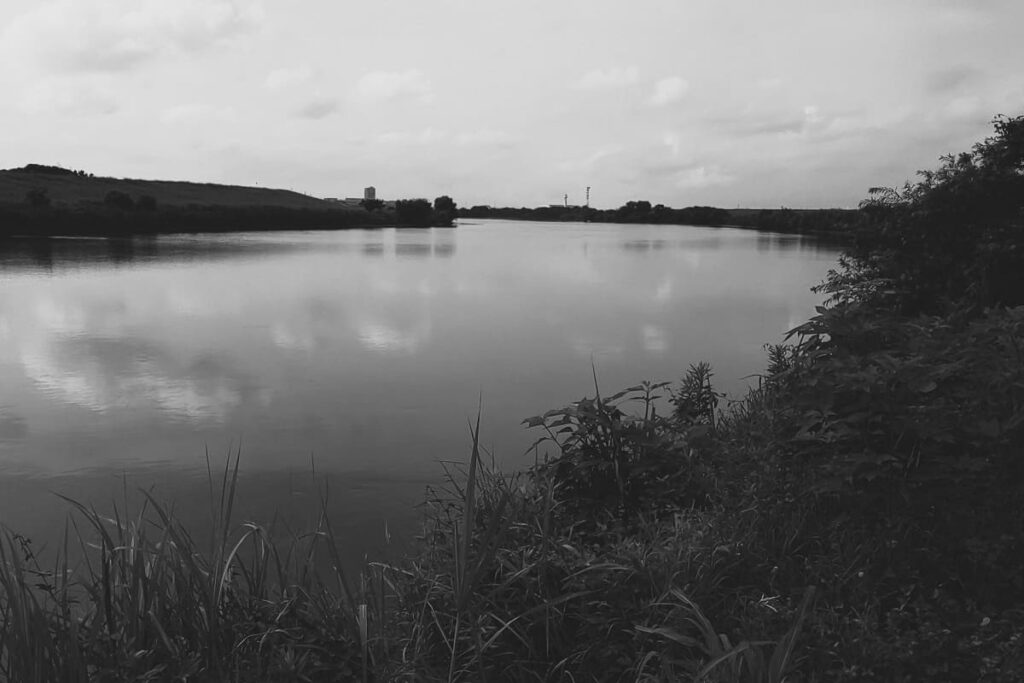
The Sanzu River is a river believed to exist in the world of the dead in Japanese Buddhist tradition.
According to folklore, souls arrive at the river after death and must cross it on their journey to the afterlife.
The river is usually said to appear seven days after a person dies, which is connected to traditional Japanese mourning rituals held during the first seven weeks after death.
Many Western readers compare it to the River Styx from Greek mythology, but the Sanzu River has its own uniquely Japanese atmosphere — quieter, more emotional, and deeply connected to ideas of karma and remembrance.
Rather than being a place of dramatic punishment, the Sanzu River often feels like a spiritual border between worlds.

Some people who have come close to death because of illness or injury say they saw a river in their dreams. It’s actually a surprisingly common story.

You often hear stories about people seeing deceased family members waiting on the other side of the river, only to be told, “It’s not your time yet—go back.”
Why Is It Called “Sanzu” (Three Crossings)?
The name “Sanzu” can be translated as “three crossings.”
According to traditional belief, the way a soul crosses the river depends on how they lived their life.
The Bridge for the Virtuous
Those who lived kindly and virtuously are said to cross safely over a bridge.
This is considered the easiest and most peaceful path.
The Shallow Crossing for Ordinary People
Average people must walk through shallow waters.
The crossing is more difficult, but still manageable.
The Deep Waters for Sinners
Those who committed serious wrongdoings are forced to cross dangerous deep waters filled with suffering.
In some stories, the river becomes violent and terrifying.
This idea — that morality determines the path after death — is one reason the legend continues to fascinate people around the world.
The Old Woman Waiting by the River
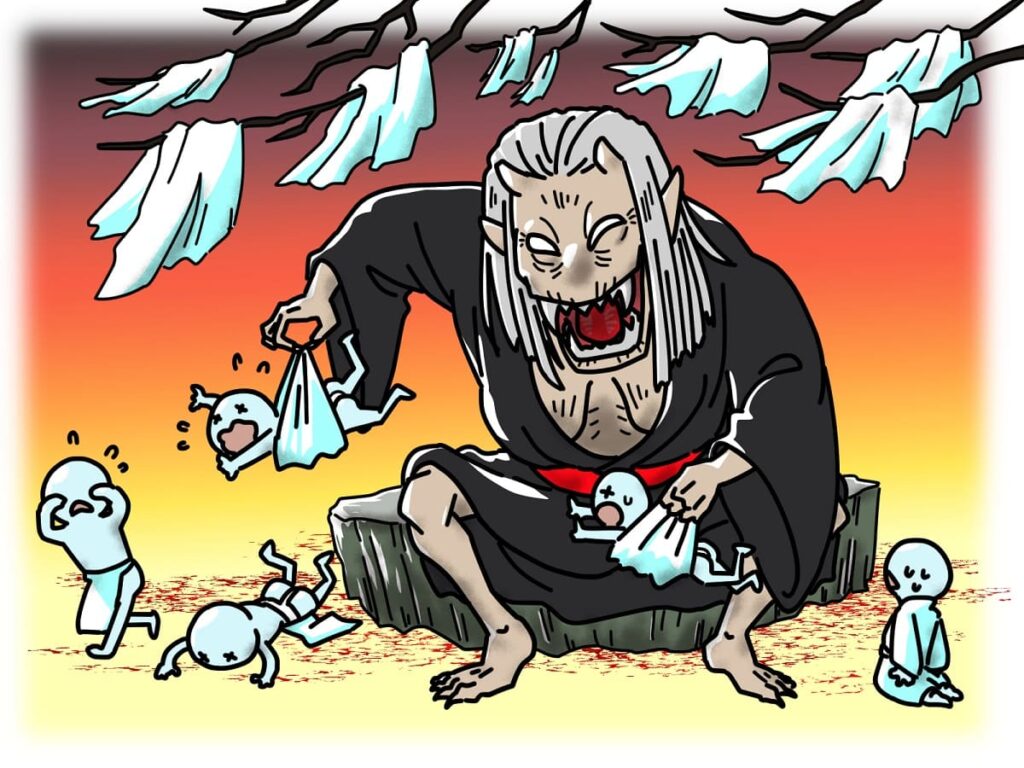
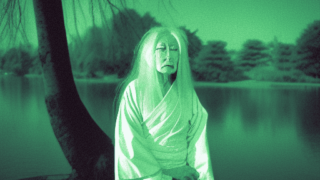
Near the river waits a terrifying old woman known as Datsueba.
According to legend, she removes the clothing of the dead after they cross the river.
The weight of the clothing is then used to judge the sins committed during life.
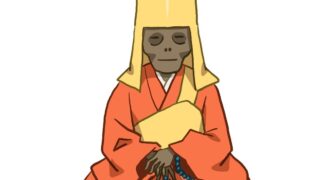
In some stories, Datsueba works together with an old man who hangs the clothes on tree branches to measure their heaviness.
This eerie scene became deeply rooted in Japanese images of the afterlife and still appears in horror stories and dark fantasy media today.
Children and the Tragic Legend of Sai no Kawara
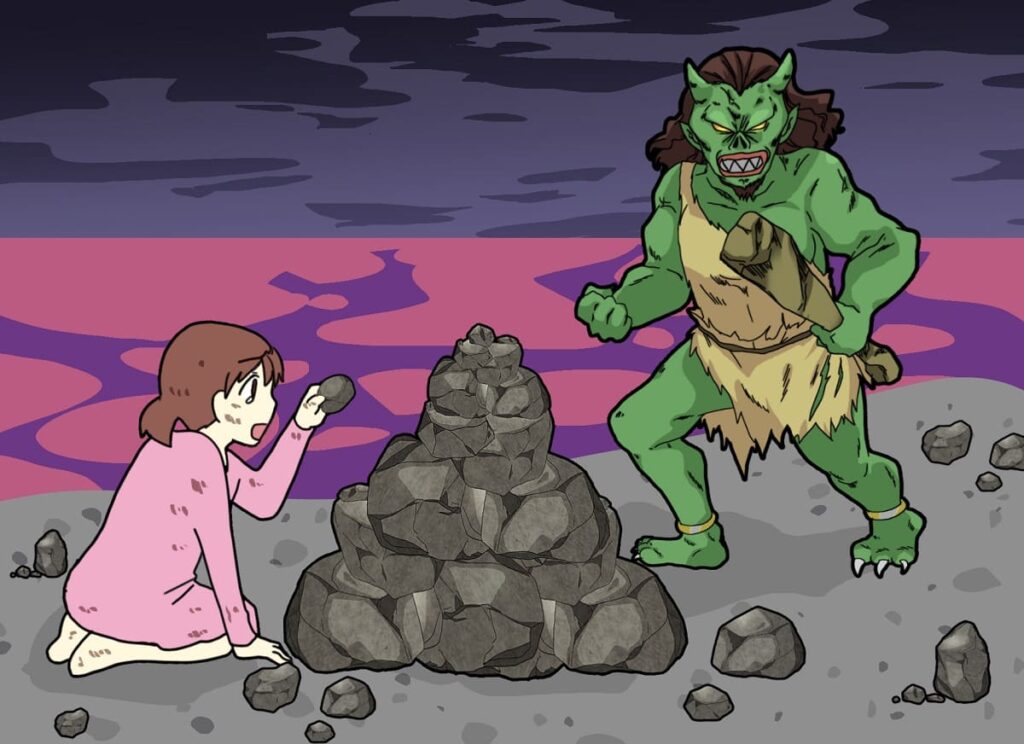
One of the saddest legends connected to the Sanzu River is the story of Sai no Kawara.
It is said that children who die before their parents cannot move on peacefully.
Instead, they are forced to stack stones beside the river as an act of penance.
But each time they finish, demons destroy the towers and force them to begin again.
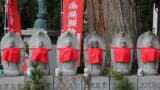
The story becomes even more emotional because the children are eventually protected by Jizo, a beloved Buddhist guardian figure associated with children and travelers.
Sai no Kawara reflects the old Japanese belief that a child dying before their parents was a great tragedy. When you imagine children endlessly stacking stones until Jizo comes to save them, it’s hard not to feel heartbroken.

Parents desperately wanted Jizo to find and protect their children as quickly as possible. That’s why they would offer bibs carrying their child’s scent to Jizo statues. Many people say this is the reason Jizo is often depicted wearing a red bib today.
For many Japanese people, this legend is not simply frightening — it is deeply heartbreaking.
It reflects themes of grief, parental love, and the sorrow surrounding children who die too young.
Why Did Japanese People Believe in the Sanzu River?
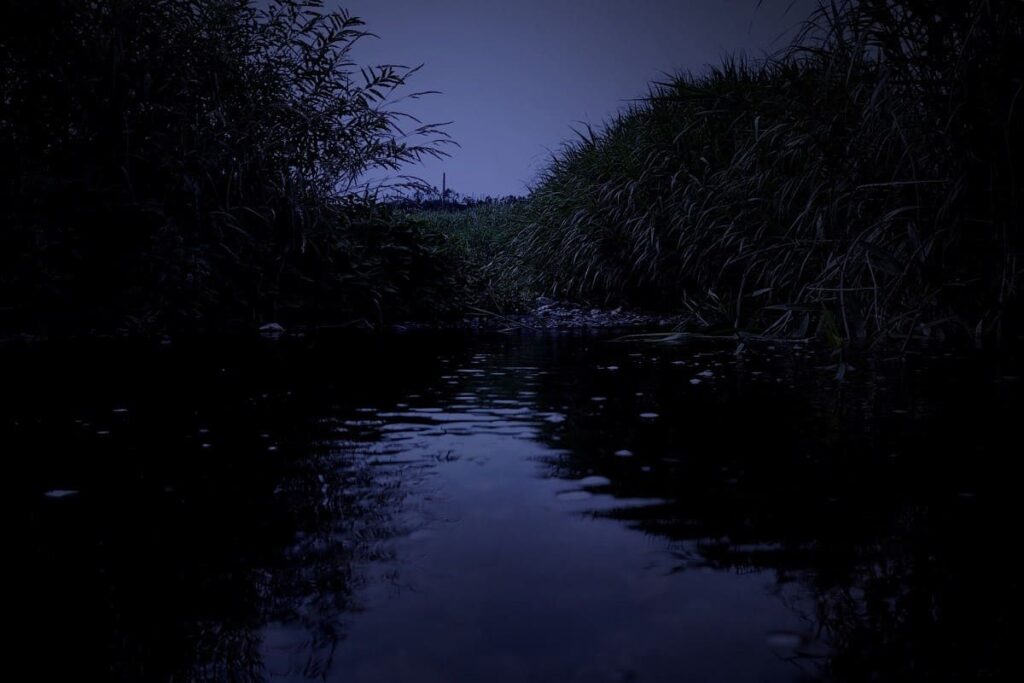
The Sanzu River reflects traditional Japanese views about death and the afterlife.
Historically, death in Japan was not always seen as a complete separation.
Instead, the dead were believed to remain spiritually connected to the living through memory, ritual, and ancestral traditions.
This is one reason why festivals like Obon remain so important in Japan today.
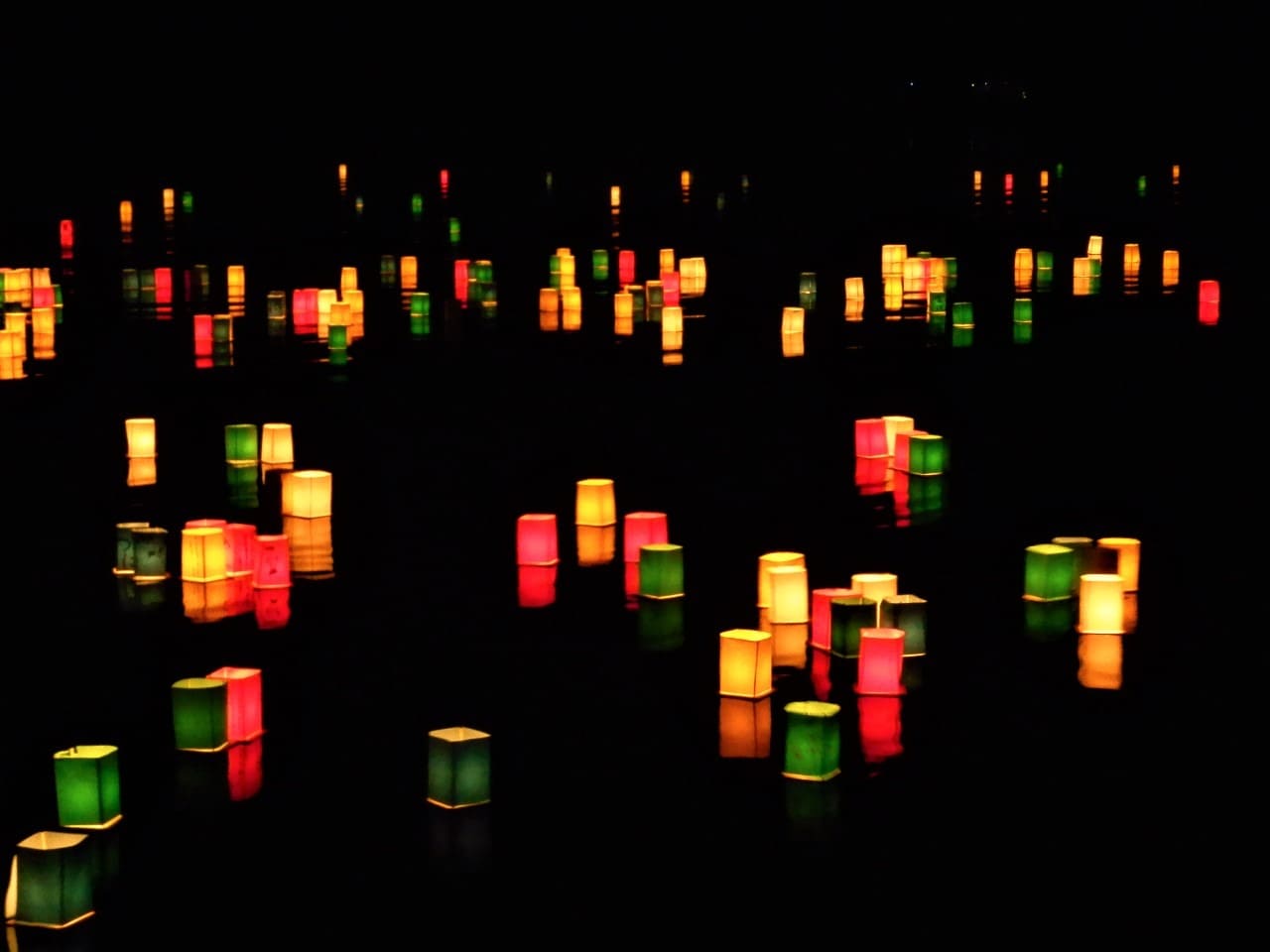
During Obon, families welcome the spirits of ancestors back home with lanterns, offerings, and prayers.
The boundary between the living and the dead becomes symbolically thinner — much like the spiritual boundary represented by the Sanzu River itself.
In this way, the legend is not only about fear.
It is also about remembrance, family bonds, and the journey of the soul.
If you want to learn about Obon more,
check the article below.

Before the Sanzu River: The Myth of Yomi no Kuni
While the Sanzu River is mainly associated with Buddhist beliefs, Japan also has an older vision of the afterlife found in Shinto mythology.
This realm is known as Yomi no Kuni, the land of the dead that appears in ancient myths about the deities Izanami and Izanagi.
If you’d like to explore Japan’s oldest afterlife legend, be sure to check out our guide to Yomi no Kuni.
The Real-Life River Connected to the Legend
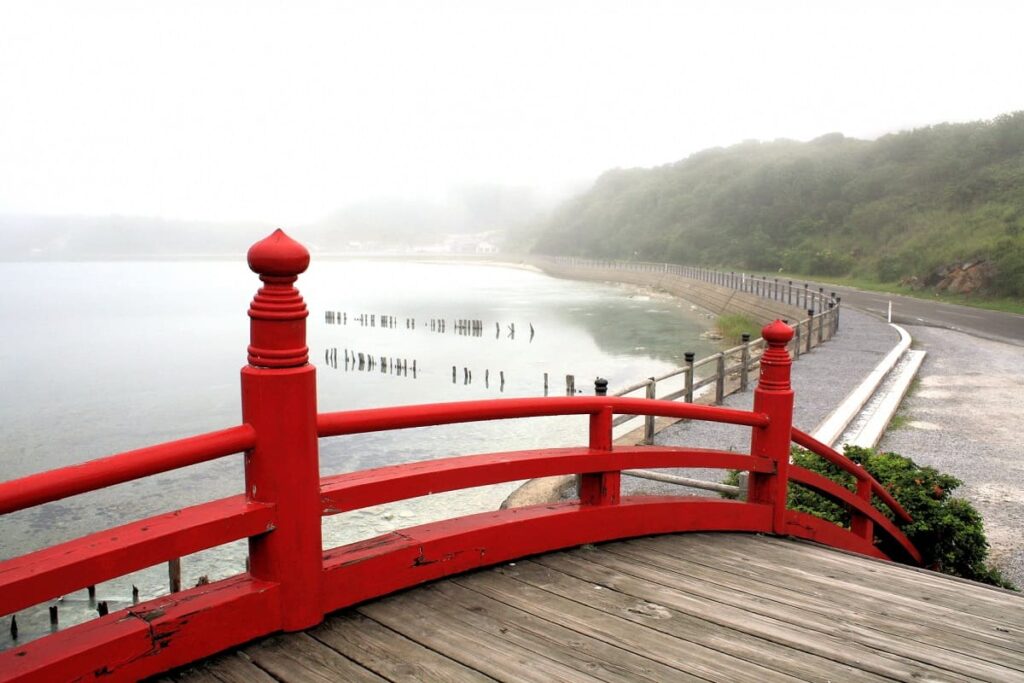
Interestingly, there is a real river in Japan associated with the legend of the Sanzu River.
Located in Gunma Prefecture, the Sanzugawa River has long been connected to local beliefs about the boundary between life and death.
Its quiet atmosphere and mysterious name continue to attract visitors interested in Japanese folklore and spiritual history.
For many travelers, seeing a real place linked to such an ancient legend makes the story of the Sanzu River feel even more haunting and unforgettable.
The Sanzu River in Anime, Games, and Japanese Pop Culture
The Sanzu River continues to influence modern Japanese pop culture, especially in dark fantasy stories, supernatural anime, and video games.
You can find references or similar imagery in works such as:
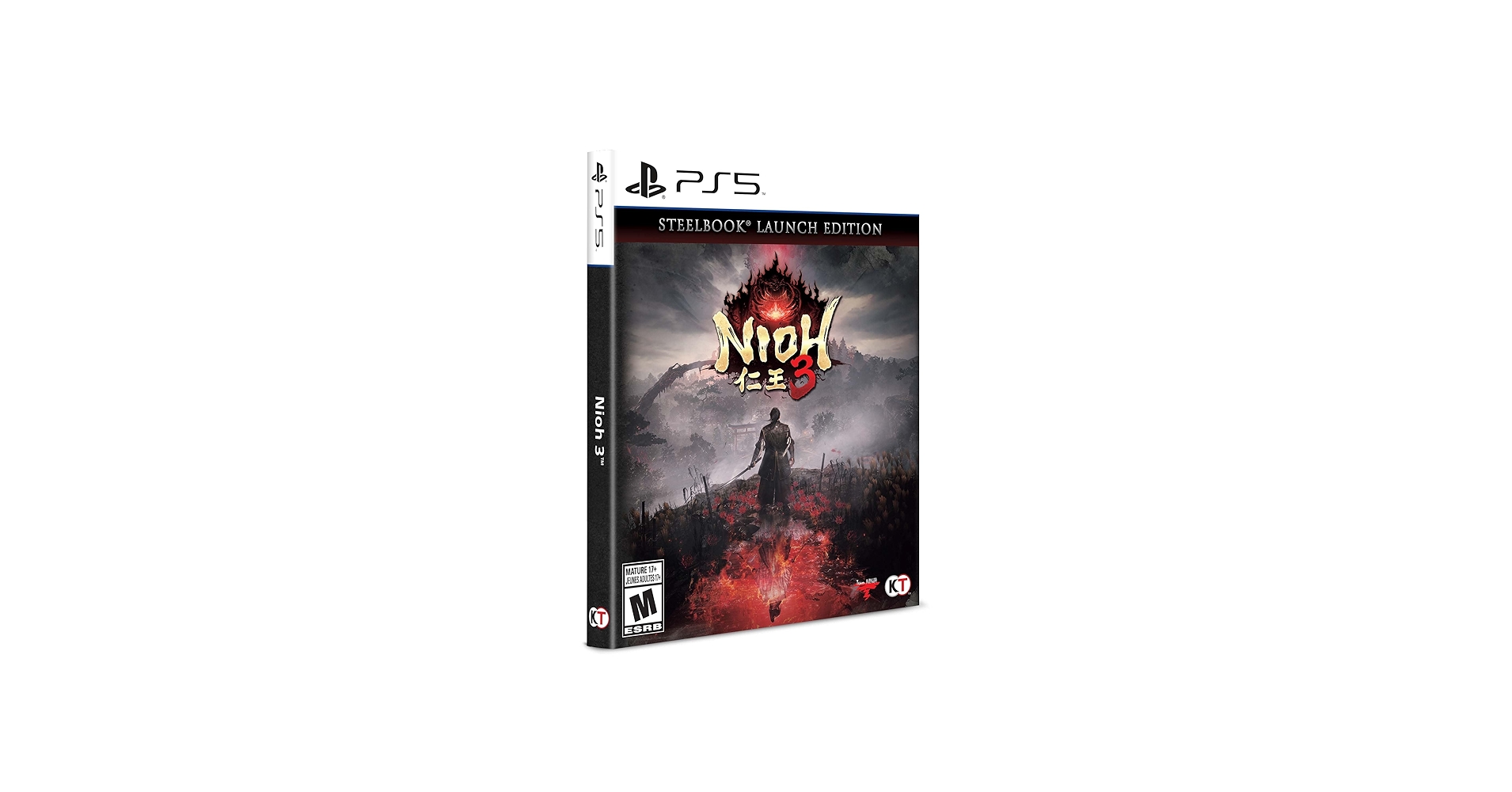
- Nioh
- Bleach
- Persona 4
Modern creators often reinterpret the Sanzu River as a mysterious liminal space filled with spirits, yokai, or lost souls.
Its atmosphere fits perfectly with Japanese horror aesthetics — quiet rivers, foggy landscapes, abandoned crossings, and the uneasy feeling of standing between worlds.

Final Thoughts about Sanzu River
The Sanzu River is one of the most fascinating parts of Japanese spiritual folklore.
It combines Buddhist teachings, folk beliefs, ghost stories, and emotional ideas about memory and loss into a single haunting image: a river that every soul must one day cross.
Even today, the legend continues to inspire artists, storytellers, anime creators, and game developers across Japan.
And perhaps that is why the Sanzu River still feels so powerful.
It is not simply a story about death.
It is a story about the journey beyond it.
Comments