






Before I played Nioh 2, I had never heard of Ubume.
The first time I encountered her, I honestly thought she was one of the most annoying enemies in the game. She flew through the air, let out terrifying screams, and gracefully dodged so many of my attacks.
Later, I became curious about the folklore behind this mysterious yokai.
What I discovered completely changed the way I saw her.
In this article, I’ll explain who Ubume is in Nioh 2, how she differs from the traditional Japanese Ubume, and the fascinating bird yokai that inspired her design.

If you’ve ever thought, “Ubume in Nioh 2 is so annoying!”, this article is for you!
What Is Ubume in Nioh 2?
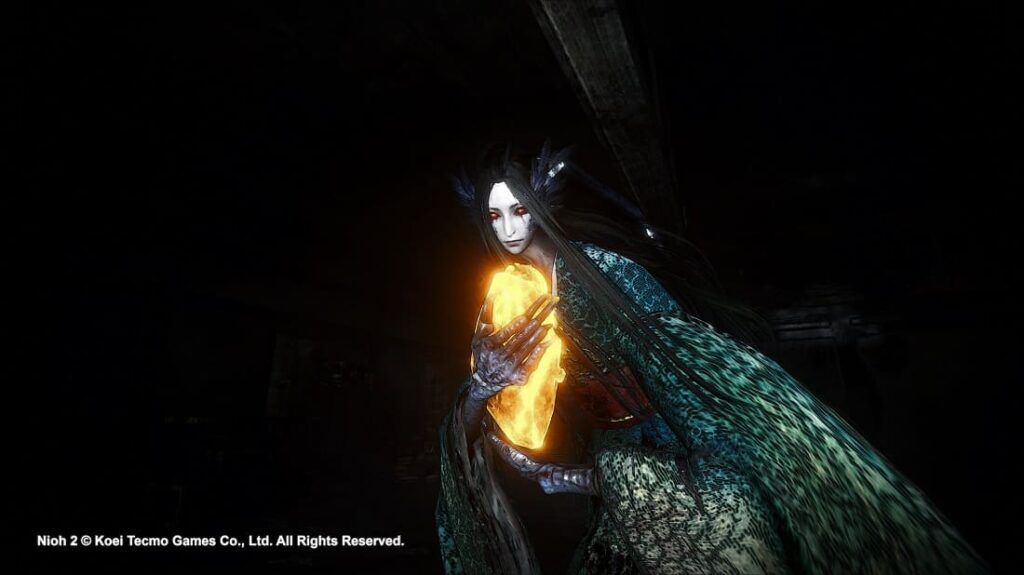
Ubume is a flying yokai enemy that appears in Nioh 2.
She attacks with piercing screams, swift aerial movements, and elegant dodges that can frustrate even experienced players.
Her haunting appearance makes her one of the game’s most memorable female yokai.
Although she is called “Ubume,” her design is not based entirely on the traditional Japanese legend.

Ubume’s graceful dodges and terrifying screams are unforgettable, aren’t they?
Is Nioh 2’s Ubume the Same as the Traditional Ubume?
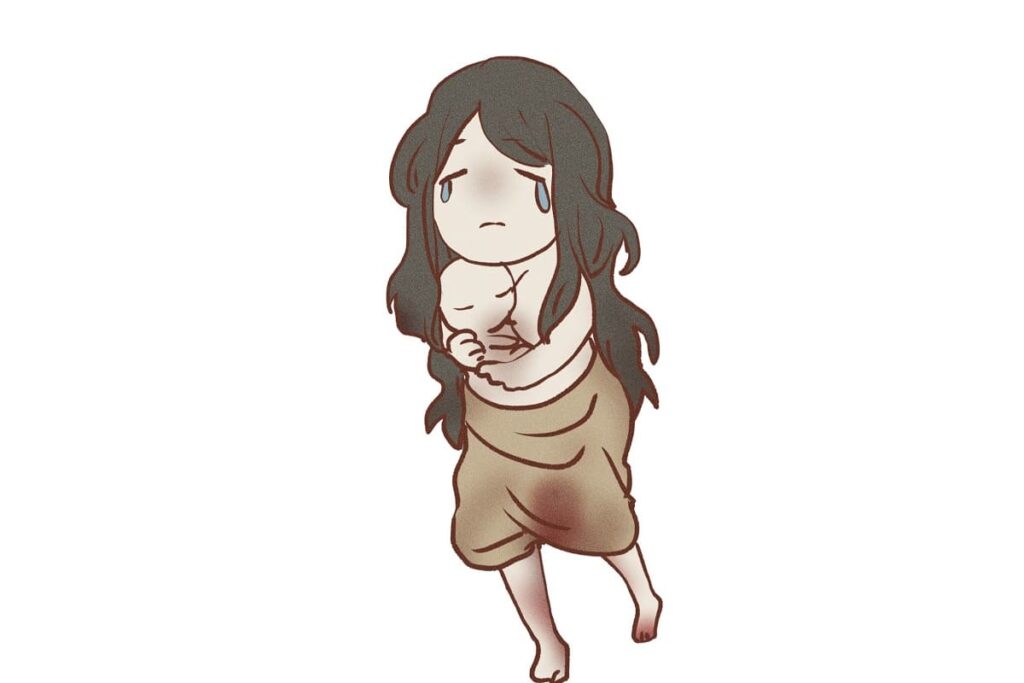
Not exactly.
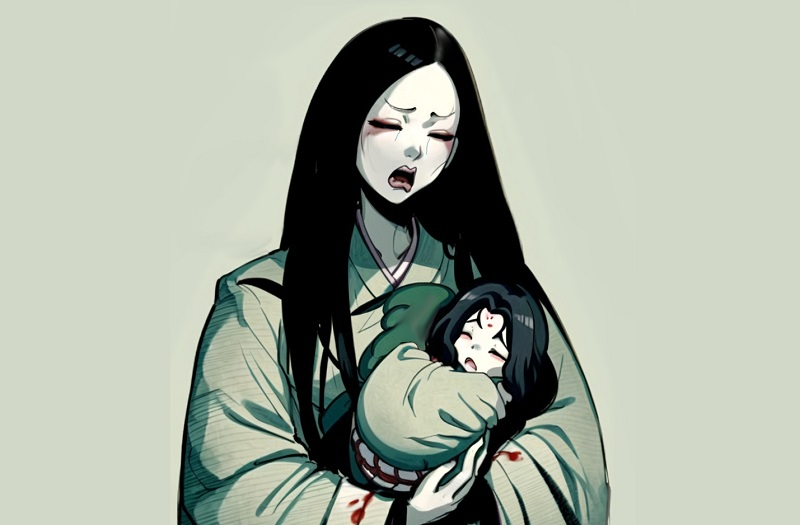
Many people assume that the game’s Ubume is the same as the tragic mother spirit from Japanese folklore.
However, the creature in Nioh 2 also draws inspiration from Kokakucho (姑獲鳥)—a bird-like yokai whose origins can be traced back to Chinese mythology.
Because both are read as “Ubume” in Japanese, the two legends have often become intertwined over time.
If you’d like to learn about the traditional mother spirit, be sure to read our article about Ubume (産女) as well.
Who Is Kokakucho?
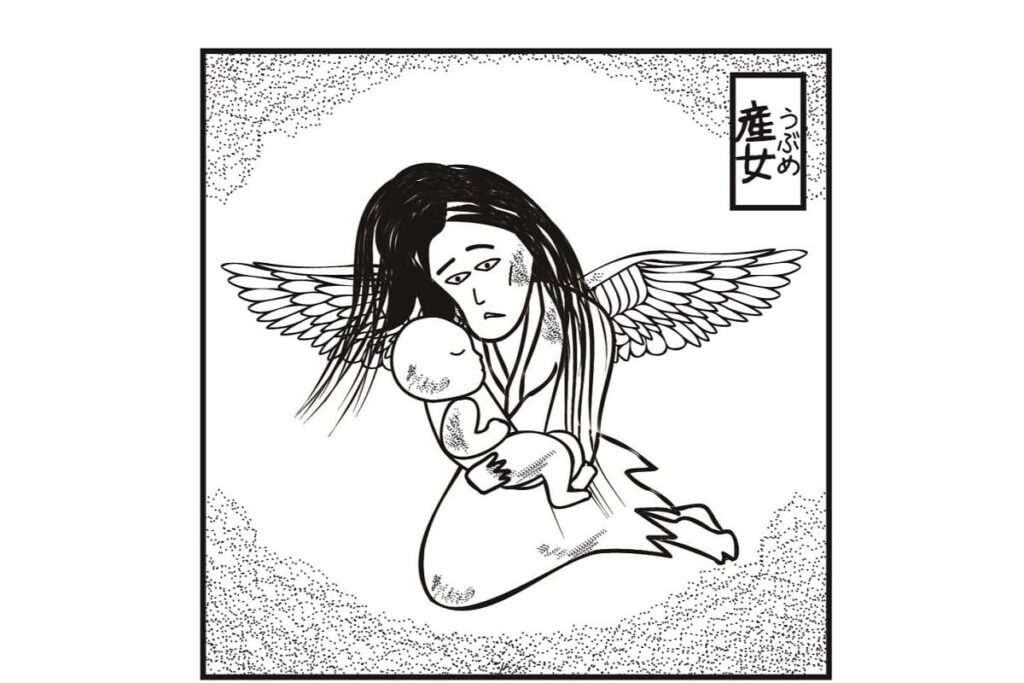
Kokakucho is a mysterious bird yokai that originated in ancient Chinese folklore before becoming part of Japanese supernatural tradition.
It is often described as a strange bird associated with women who died during childbirth or mothers separated from their children.

One theory says that Kokakucho became a yokai because her overwhelming maternal love kept her from accepting the loss of her child. When I think about how she must have felt, I can’t help feeling heartbroken.
Over the centuries, the stories of Kokakucho and the Japanese Ubume gradually blended together, which is why many modern works—including Nioh 2—combine elements of both legends.
In Chinese mythology, the Guhuniao (coockoo bird monster) is considered a type of demonic spirit. It is said that she transforms into a human woman when she sheds her feathers, and flies through the night sky to harm children.
Ubume’s Design in Nioh 2
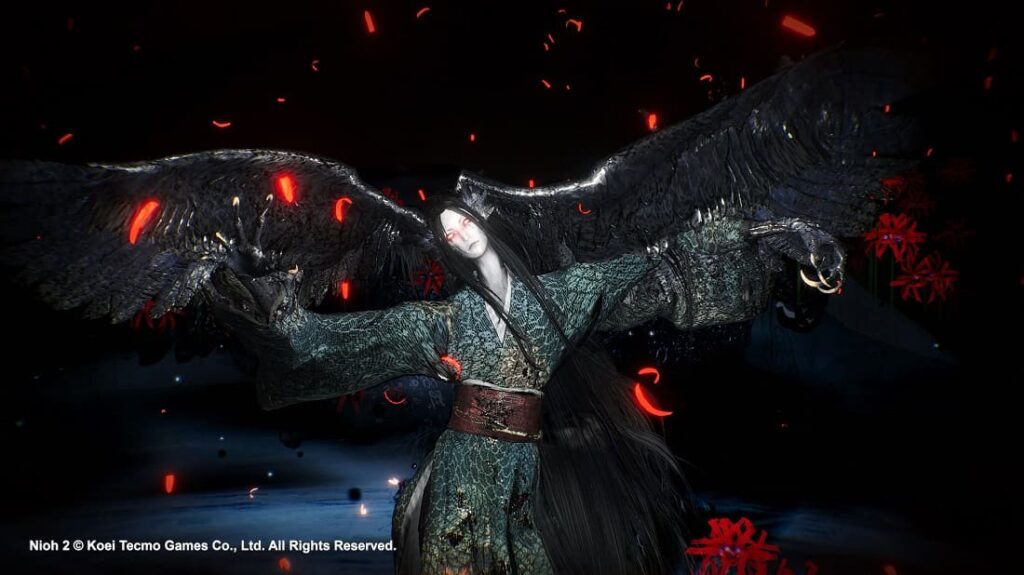
One of the things that makes Ubume so memorable is her appearance.
Her feather-like features, bird-inspired movements, and eerie cries create an unsettling atmosphere that perfectly fits the world of Nioh 2.
Rather than faithfully recreating a single legend, the developers combined traditional folklore with original game design to create a unique and terrifying yokai.

By the way, Ubume’s flying silhouette in Nioh 2 is unforgettable—but those aren’t actually wings. They’re her long hair. Creepy, isn’t it?
Fighting Ubume in Nioh 2
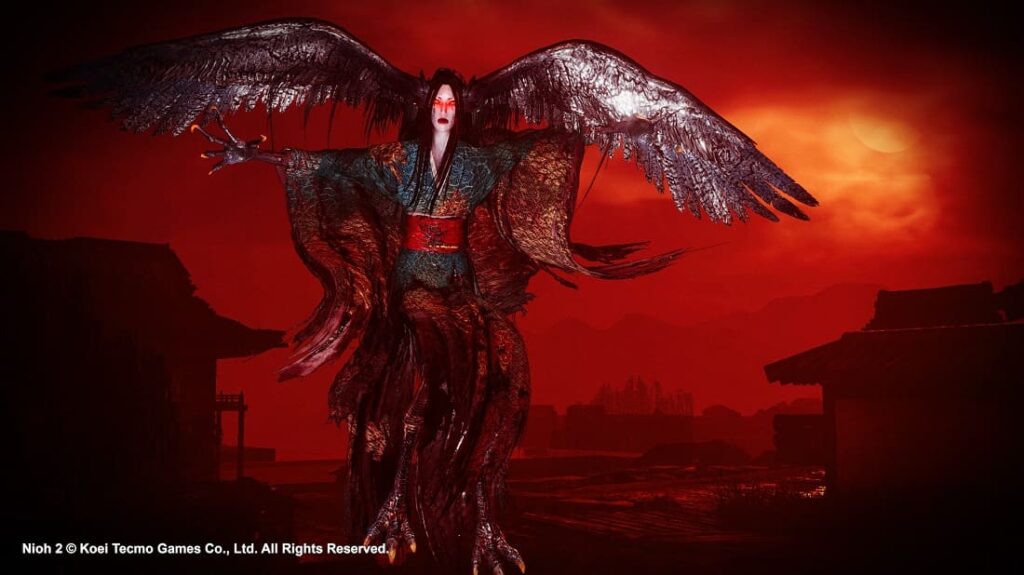
I’ll be honest—Ubume is still one of the enemies I least enjoy fighting.
She rarely stays still.
Just when I think I’ve found an opening, she gracefully dodges away and answers with another piercing scream.
I’ve missed more attacks against Ubume than I’d like to admit!
Even so, learning the folklore behind her made me appreciate the thought that went into her design.
Now, instead of seeing only an annoying enemy, I also see a yokai inspired by centuries of fascinating legends.
My Thoughts about Ubume in Nioh
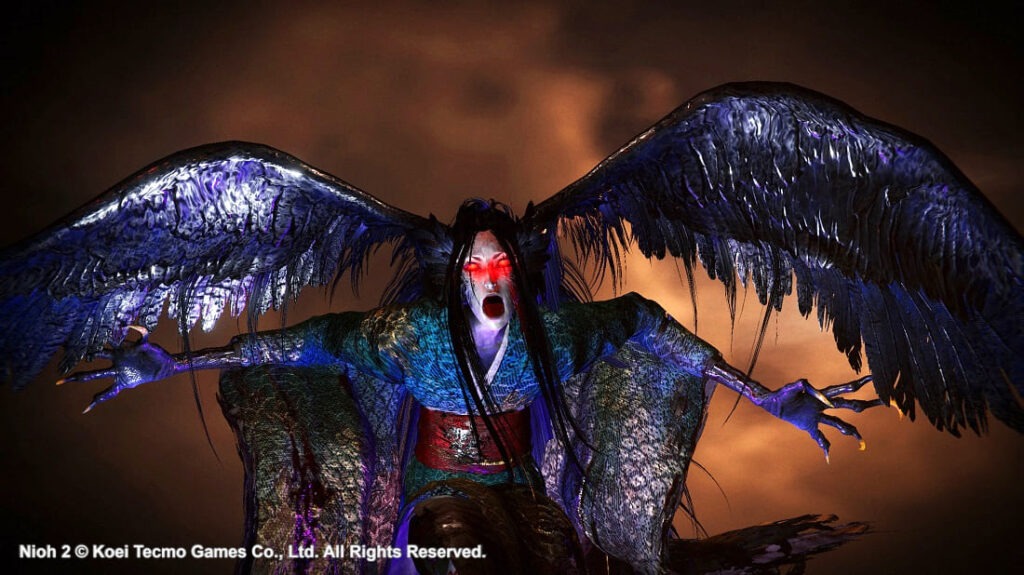
One of my favorite things about playing Nioh 2 is discovering the real folklore behind its yokai.
Many enemies seem frightening at first, but once I learn their stories, I often see them in a completely different light.
Ubume is one of the best examples.
What began as one of my most frustrating battles eventually became one of the yokai that made me want to learn more about Japanese folklore.
That’s one of the reasons I love games like Nioh 2—they inspire players to explore the history and legends behind the monsters they fight.
FAQ about Ubume
- QIs Ubume difficult in Nioh 2?
- A
Many players find her challenging because of her aerial attacks and quick dodges.
- QIs Ubume based on Japanese folklore?
- A
Yes, but the game’s version also incorporates elements of Kokakucho, a bird yokai influenced by Chinese mythology.
- QIs Kokakucho the same as Ubume?
- A
Not exactly. Their legends became connected over time, but they originated as different supernatural beings.
- QShould I learn the original legend too?
- A
Absolutely! Understanding the traditional stories makes encountering these yokai in Nioh 2 even more enjoyable.
Final Thoughts about Ubume
Nioh 2 does much more than create exciting boss fights—it introduces players to the rich world of Japanese folklore.
Ubume may be frustrating to fight, but learning the stories behind her transformed the experience for me.
If you’re curious about the traditional Japanese legend, don’t forget to read my article about Ubume (産女) as well.
You might discover that this terrifying enemy has a much more touching story than you expected.
“One of my favorite parts of playing Nioh 2 is looking up the real legends after meeting each yokai. The game has introduced me to so many fascinating stories from Japanese folklore.”
Perhaps that is why, after centuries of cultural change, the King of Hell continues to watch over the Japanese imagination.

Oh By the way! If you are interested in Yokai or in Japanese Culture and you are a gamer, you may love these games!
Let’s play!

Yes! I can’t wait to play these games!
Let’s Play!
Comments